Secchu Yokota


Michelin Plate
Our verdict
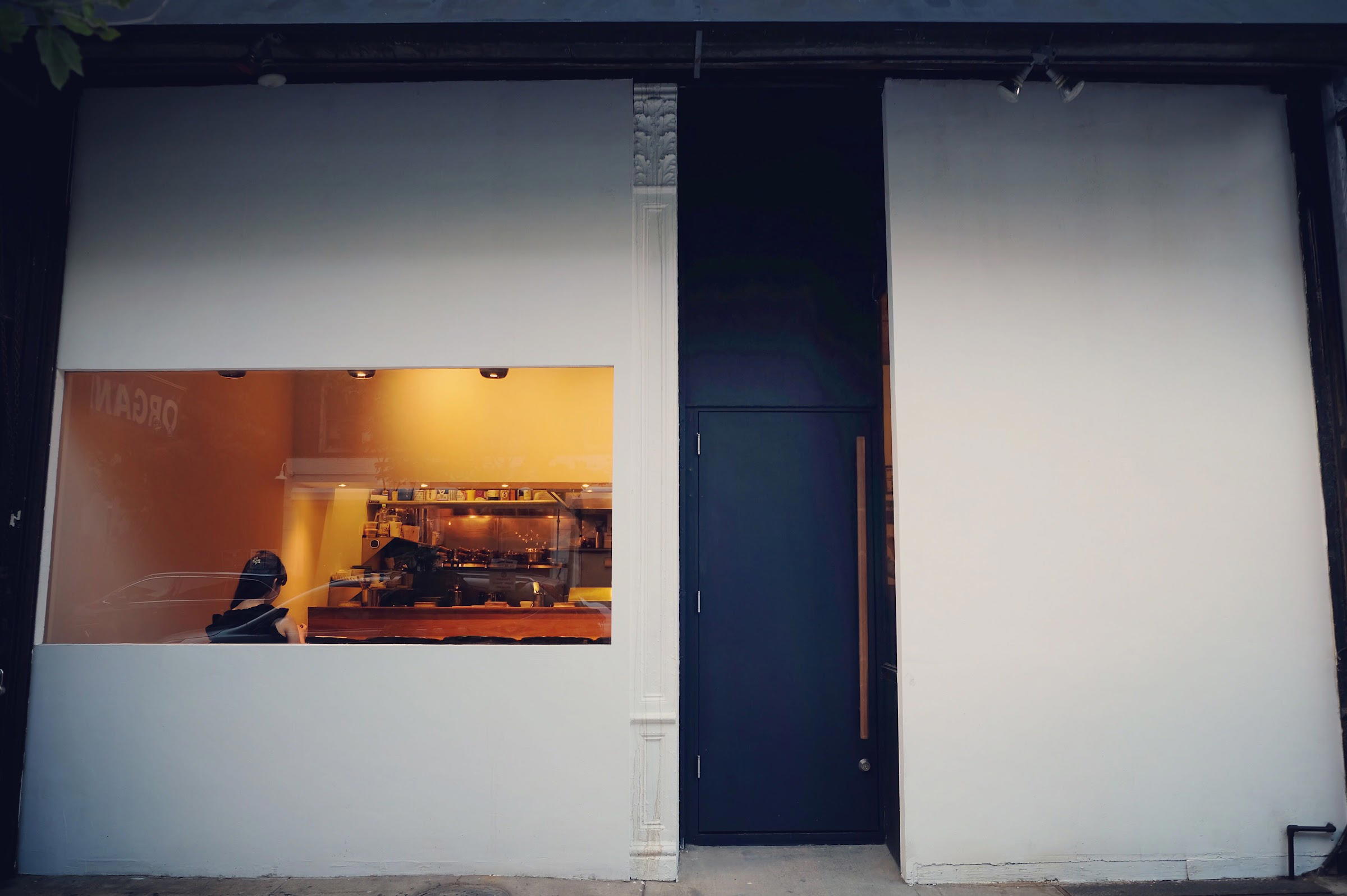
Secchu Yokota on East 3rd Street sits in a narrow tier of New York tempura counters where sourcing discipline and omakase format carry more weight than room size or recognition.

Pearl is the En Primeur Club membership app, where members save venues, book tables and use the concierge.
The menu
What to order
- Hokkaido scallops
- Red shrimp
- Japanese eggplant
Secchu Yokota
Where Tempura Omakase Sits in New York's High-End Japanese Dining Tier
New York's premium Japanese dining market has expanded and fractured over the past decade. Sushi omakase counters multiplied first, pulling serious attention and four-figure price tags toward a format that once felt rarefied. Tempura followed a quieter arc. A handful of specialist counters opened, most without the fanfare attached to their sushi counterparts, and that lower profile has, in several cases, kept the quality ceiling higher than the name recognition. Secchu Yokota, operating from a narrow address on East 3rd Street in the East Village, occupies that quieter tier. It has held a Michelin Plate since 2024 and climbed from #132 on Opinionated About Dining's North America list in 2023 to #125 in 2024 and then to #74 in 2025, a trajectory that reflects sustained quality rather than a single breakout moment.
What the Format Delivers
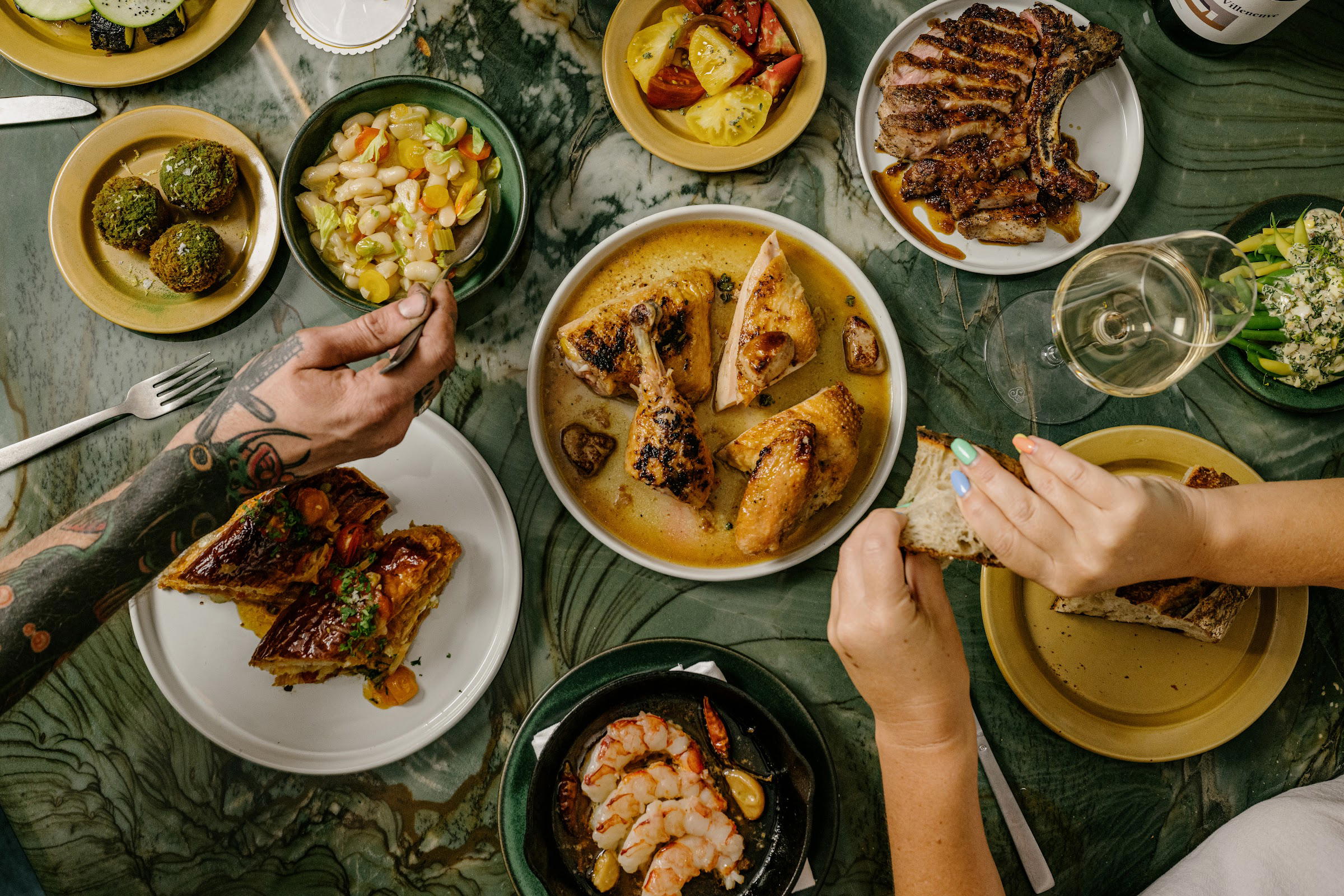
Specialist tempura omakase is a different proposition from multi-course kaiseki or the free-form creativity of contemporary tasting menus. The discipline is in batter thickness, oil temperature, and the sequencing of ingredients from delicate to strong. At Secchu Yokota, that sequencing is built around ingredients sourced primarily from Japan, a supply chain commitment that narrows the margin for error and raises the baseline quality of what lands in front of diners. OAD's editorial note specifically calls out red shrimp, Japanese eggplant, and anago as reference points, with lemon, wasabi salt, and seaweed salt available as condiments rather than imposed accompaniments. The restraint in the condiment approach is deliberate: when sourcing is the argument, the cooking does not need to be masked.
Chef Atsushi Yokota also brings French culinary training into the format, which surfaces in dishes that bookend the tempura sequence rather than interrupt it. This crossover is less unusual in high-end Japanese cooking than it once was, but at a focused tempura counter it adds range without diluting the primary proposition. The result sits closer to a chef's table than a traditional Japanese restaurant experience.
The Value Proposition at the $$$$ Tier
At the $$$$ price range, Secchu Yokota competes in the same bracket as Tempura Matsui, the more widely cited tempura specialist in Midtown, as well as with broader Japanese fine dining at places like Masa, where the sushi omakase format commands among the highest per-head prices in the country. What Secchu Yokota offers inside that price tier is a degree of intimacy and focus that larger-footprint venues structurally cannot replicate. The counter format, the Japanese-sourced ingredients, and a loyal returning clientele that keeps the operation deliberately low-profile all point toward a room that functions on trust between chef and guest rather than on volume or spectacle.
For comparison, the Michelin-starred French seafood counter at Le Bernardin operates at a similar price point with far greater capacity and international name recognition. Atomix and Eleven Madison Park each command the $$$$ tier with multi-course formats backed by multiple Michelin stars and global media attention. Secchu Yokota's position on OAD's list at #74 in North America, without equivalent Michelin star recognition, suggests the gap between critical awareness and public awareness remains wide, which is itself a data point worth weighing when planning how to allocate a dining budget across a New York trip.
The East Village Context
The East Village is not where most visitors expect to find high-end Japanese omakase. The neighbourhood built its culinary reputation on affordability and density rather than prestige, which makes Secchu Yokota's presence on East 3rd Street an extension of a broader pattern in New York: serious specialist cooking migrating toward lower-rent corridors where lease economics allow tighter menus and smaller rooms to remain financially viable. The address at 199 E 3rd St places it in a block that does not signal fine dining the way Midtown or the West Village do, and that is part of why the loyal clientele OAD references has formed. Regulars who know what they are looking for do not need the neighbourhood to advertise it for them.
How Secchu Yokota Compares to the North American Tempura and Japanese Specialist Tier
| Venue | Format | Price Range | OAD North America Rank (2025) | Michelin Recognition |
|---|---|---|---|---|
| Secchu Yokota (NYC) | Tempura omakase | $$$$ | #74 | Plate (2024) |
| Tempura Matsui (NYC) | Tempura omakase | $$$$ | Not ranked | One Star |
| Masa (NYC) | Sushi omakase | $$$$ | Ranked | Two Stars |
| Tempura Endo (Los Angeles) | Tempura omakase | $$$$ | Not ranked | Not listed |
Planning a Visit
Secchu Yokota operates as a small, intimate counter with a loyal returning clientele. Demand consistently outpaces availability at this type of venue, and the OAD recognition moving from #132 to #74 over two years will have increased that pressure. Plan accordingly: the closer to the best of a critic-ranked list a small counter sits, the longer its booking window tends to stretch. Reaching out well in advance is standard practice for any North America top-100 listing at this scale.
The East Village location is accessible from multiple subway lines, and the neighbourhood has its own dining and bar scene worth building a longer evening around. For anyone structuring a multi-day New York itinerary, our full New York City restaurants guide covers the wider landscape, while our New York City hotels guide, bars guide, and experiences guide offer context for building around a reservation here.
Across the broader North American fine dining circuit, comparable specialist-format experiences worth cross-referencing include Lazy Bear in San Francisco, Alinea in Chicago, The French Laundry in Napa, Single Thread Farm in Healdsburg, Providence in Los Angeles, and Emeril's in New Orleans. Each operates in the same broad price tier with distinct format and cuisine logic, and each illustrates how a single-counter or chef-driven proposition justifies its cost through specificity rather than scale.
Frequently asked questions
Which chef is Secchu Yokota associated with?
The chef associated with Secchu Yokota is Atsushi Yokota.
What style of cooking does Secchu Yokota do?
What should I eat at Secchu Yokota?
The format is omakase, so Chef Atsushi Yokota sets the menu. OAD's documentation points to red shrimp, Japanese eggplant, and anago as recurring centrepieces, with lemon, wasabi salt, and seaweed salt offered as condiments. Courses are typically framed by dishes that reflect Yokota's French culinary training, making the meal wider in scope than a straightforward tempura tasting.
What's the price range at Secchu Yokota?
Pricing at Secchu Yokota is listed as $$$$.
What's the address for Secchu Yokota?
Secchu Yokota is located at 199 E 3rd St, New York, NY 10009, New York City.
What kind of recognition has Secchu Yokota received?
Secchu Yokota has received recognition including: Opinionated About Dining Top Restaurants in North America Ranked #74 (2025); This spot flies under the radar somewhat, and that’s just the way their loyal fan base likes it. Those who understand the fine art of tempura know how pristine the….
How far ahead should I plan for Secchu Yokota?
Secchu Yokota has climbed OAD's North America ranking three consecutive years, from #132 in 2023 to #74 in 2025, which puts consistent pressure on a small counter with a loyal returning clientele. Plan for several weeks of lead time at minimum; peak dining periods will require more. The venue does not publish a booking platform or phone number publicly, so researching the current reservation method before you plan travel is advisable.
| Venue | Cuisine | Price | Awards | Notes |
|---|---|---|---|---|
| Secchu YokotaThis venue (the venue you are viewing) | Modern Japanese Tempura Omakase | $100–150 | Michelin Plate | Not listed |
| Le Bernardin | French Seafood Fine Dining | $300–500 | 3 Michelin Stars · World's 50 Best #13 | French, Seafood |
| Atomix | Modern Korean Tasting Menu | $300–500 | 2 Michelin Stars · World's 50 Best #7 | Modern Korean, Korean |
| Masa | Seasonal Hokkaido Tempura Omakase | $150–200 | Tabelog 100 #34 | Sushi, Japanese |
| Per Se | French Fine Dining Tasting Menu | $300–500 | 3 Michelin Stars · World's 50 Best #40 | French, Contemporary |
| Eleven Madison Park | Contemporary Plant-Based Fine Dining | $300–500 | 3 Michelin Stars · World's 50 Best #4 | French, Vegan |
Recognition history
Dated appearances from independent guides and award organizations, with the underlying list record or original source where available.
Michelin Plate
Michelin
Opinionated About Dining Top Restaurants in North America Ranked #82
Opinionated About Dining
Full recognition history (6 entries)
Opinionated About Dining Top Restaurants in North America Ranked #74
Opinionated About Dining
Michelin Plate
Michelin
Opinionated About Dining Top Restaurants in North America Ranked #125
Opinionated About Dining
Opinionated About Dining Top Restaurants in North America Ranked #132
Opinionated About Dining