Screaming Eagle Restaurant
Screaming Eagle Restaurant pairs Modern Caribbean Seafood & French cooking with waterfront terrace seating, a sommelier-led wine list, and a leisurely dinner pace.
Pearl is the En Primeur Club membership app — saves, bookings, and concierge access live there. Same editors, same standards.
- Address
- J.E. Irausquin Blvd 228, Oranjestad, Aruba
- Phone
- +2975663050
- Website
- screamingeaglearuba.com
- Directions
- Get directions
 Saves & bookings on Pearl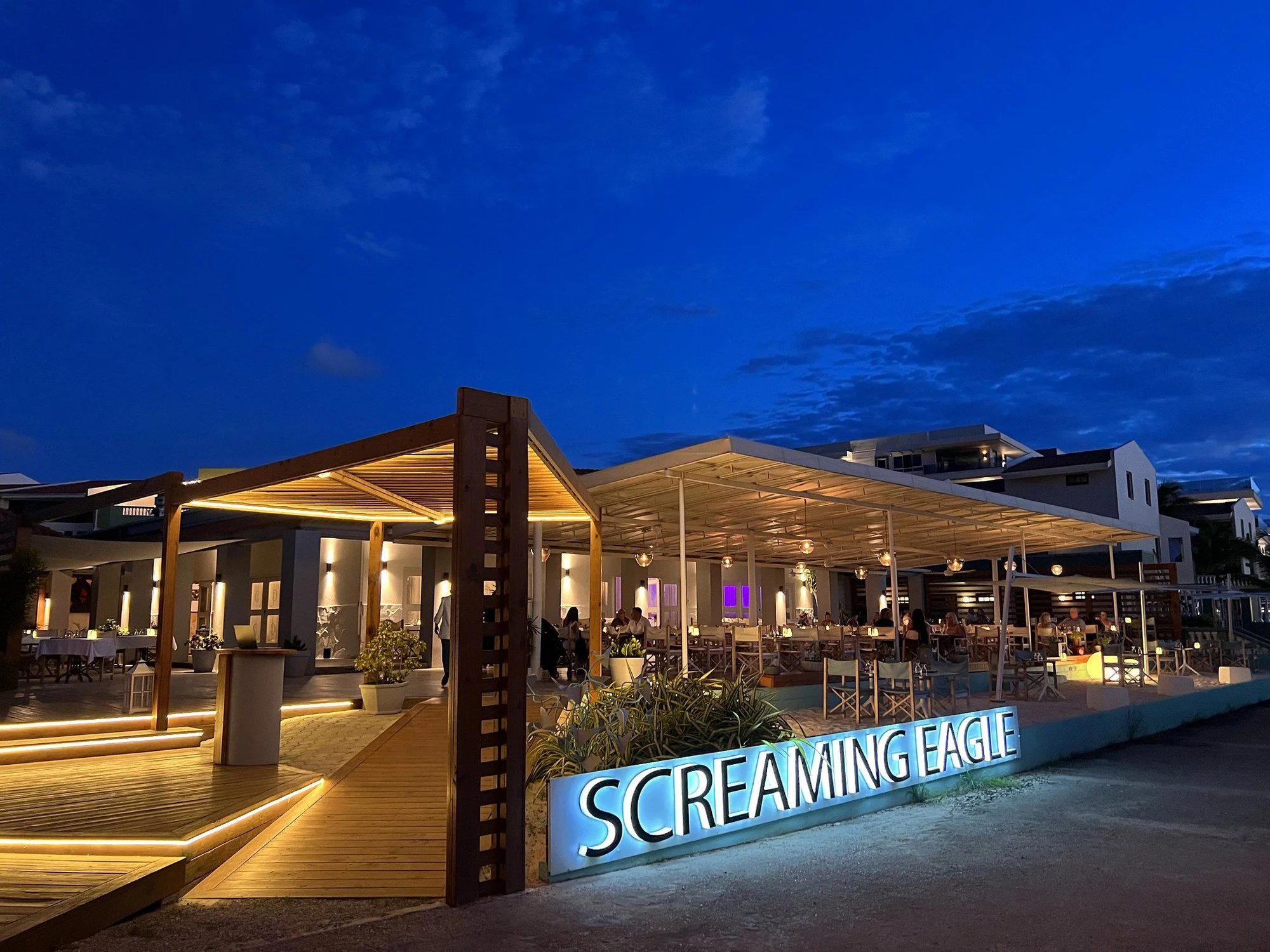
Where Aruba's Beach Boulevard Meets Considered Dining
Screaming Eagle Restaurant is a restaurant in Oranjestad, Aruba, serving Modern Caribbean Seafood & French. J.E. Irausquin Boulevard runs the length of Aruba's hotel strip, a road that connects resort lobbies, beach access points, and a parade of restaurants competing for the attention of visitors who have already committed to the island. Within that corridor, the dining options split along a familiar axis: high-volume beach-casual operations on one end, and a smaller tier of restaurants that take the meal itself more seriously on the other. Screaming Eagle Restaurant, at number 228 on the boulevard, sits in the latter category, a named destination on a strip where most places are interchangeable.
The boulevard address carries a particular logic for Aruba dining. Proximity to the water and the resort concentration means foot traffic is consistent, but it also means competition is relentless. The restaurants that hold attention across multiple visits tend to be those where the experience has a legible structure: a reason to stay through multiple courses rather than rush back to the sand. That progression, the arc of a meal with intention behind each stage, is what separates the better addresses on this strip from the rest.
The Logic of a Sequenced Evening
Aruba's dining scene has matured considerably over the past decade. The island's restaurant culture draws from a genuine mix of culinary traditions: Dutch colonial history, South American proximity, and decades of Caribbean tourism have produced a local food culture that is more layered than the resort-strip impression suggests. Venues like Bodegas Papiamento and Chalet Suisse have long anchored that more considered tier, each with a distinct culinary identity that rewards return visits. Screaming Eagle operates within this same tradition of restaurants that structure the evening rather than simply fill it.
On Aruba's better tables, a meal typically moves through a sequence shaped by the island's geography: seafood-forward openings that reflect the surrounding Caribbean waters, mid-course transitions that introduce richer preparations, and a close that tends toward fruit-forward desserts or lighter finishes suited to the climate. That rhythm, when executed with discipline, gives a dinner on the boulevard genuine shape. It is the difference between eating on a schedule and eating through a narrative.
Restaurants in this segment of the Aruba market compete against a specific comparable set that includes Aquarius, Catch Restaurant, and Bucatini Market & Cucina. Each operates on the premise that visitors to Aruba will, at least once during a stay, seek out a meal that functions as an event rather than a refuelling stop. That market segment is real and growing, as the Caribbean broadly has seen a shift toward experience-oriented dining over the past five years.
Setting and Atmosphere on the Boulevard
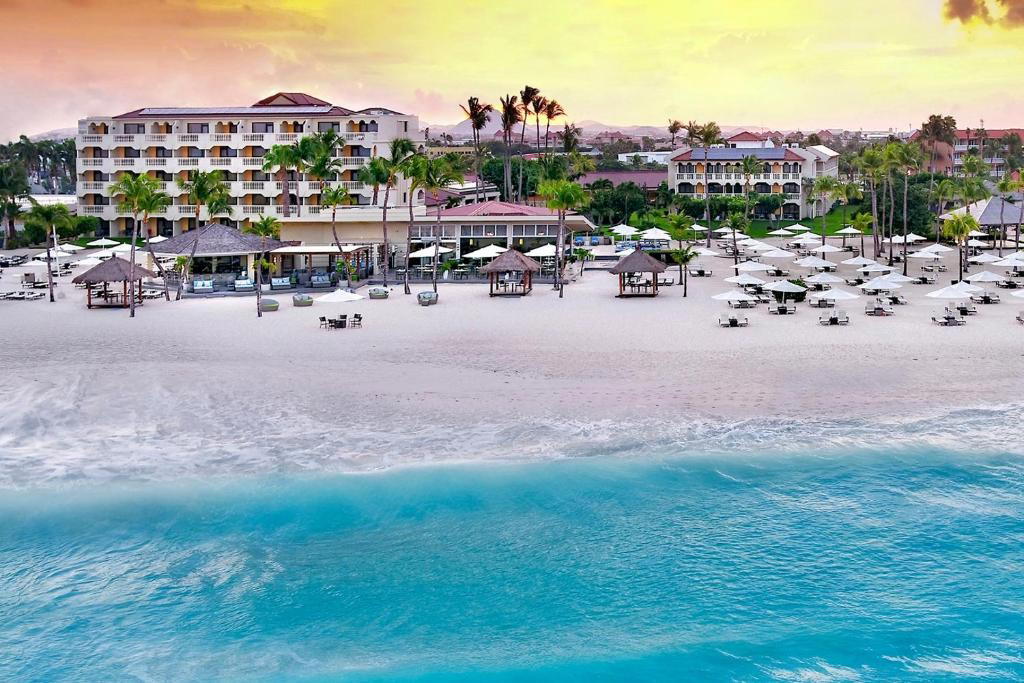
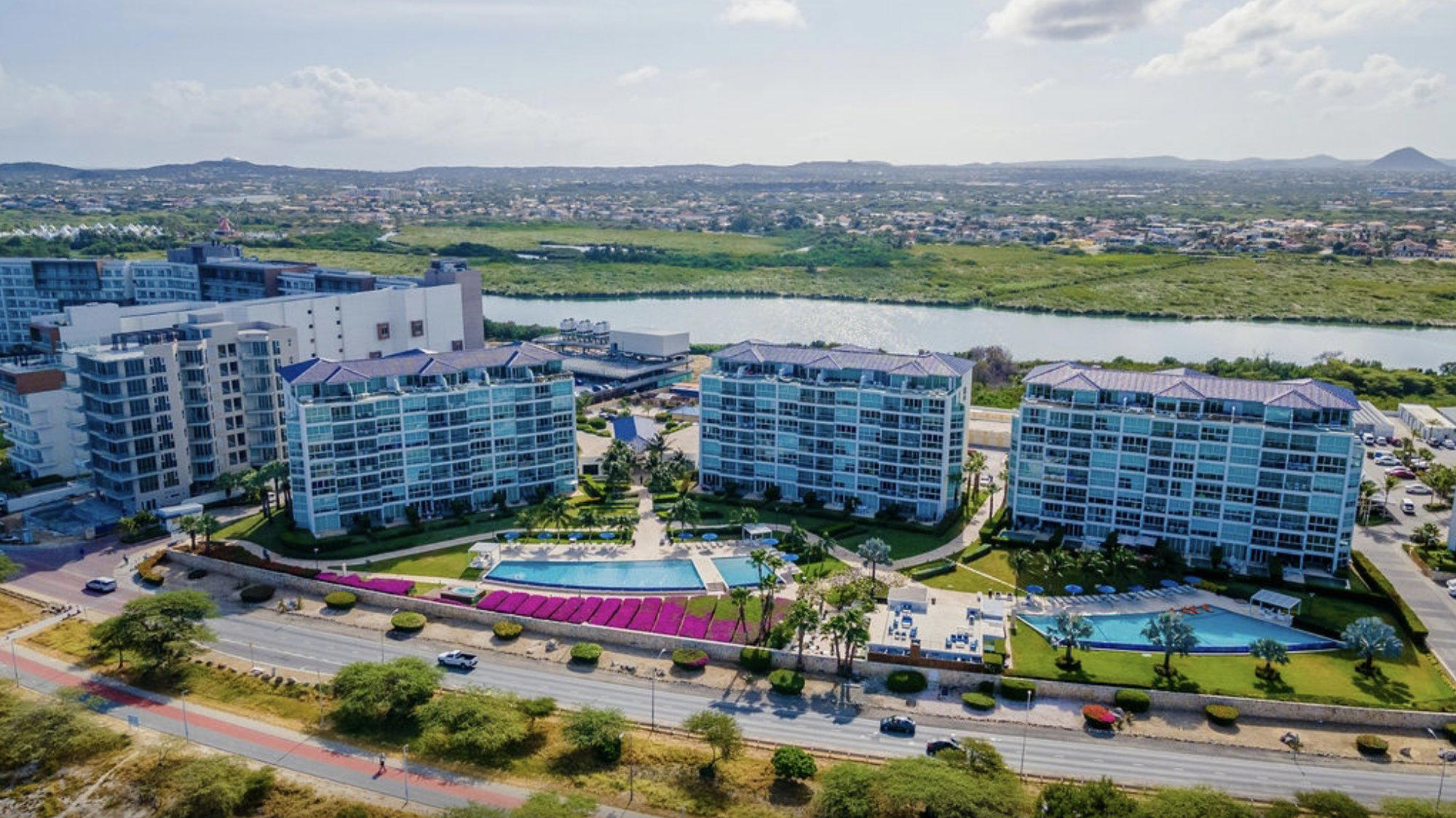
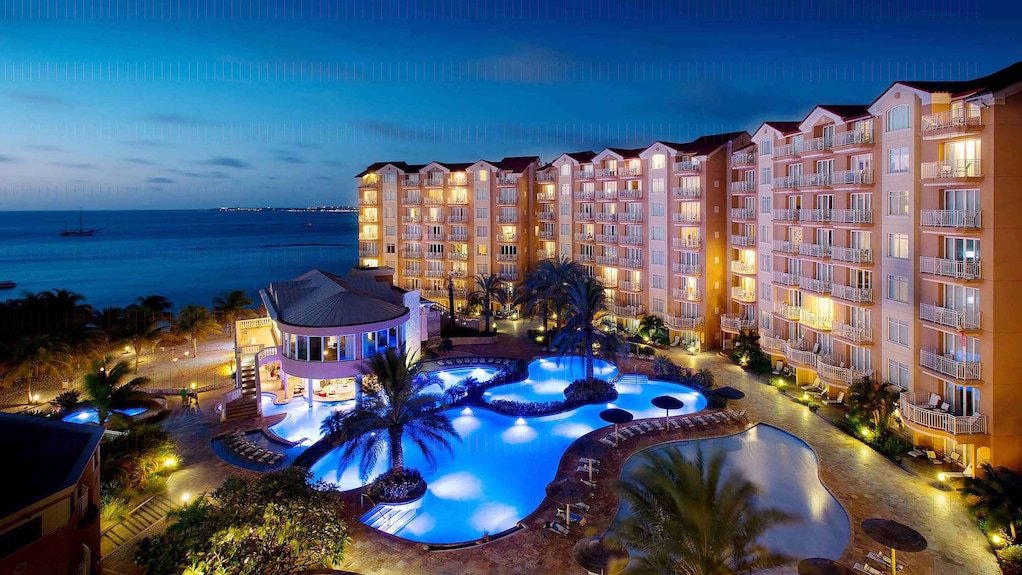
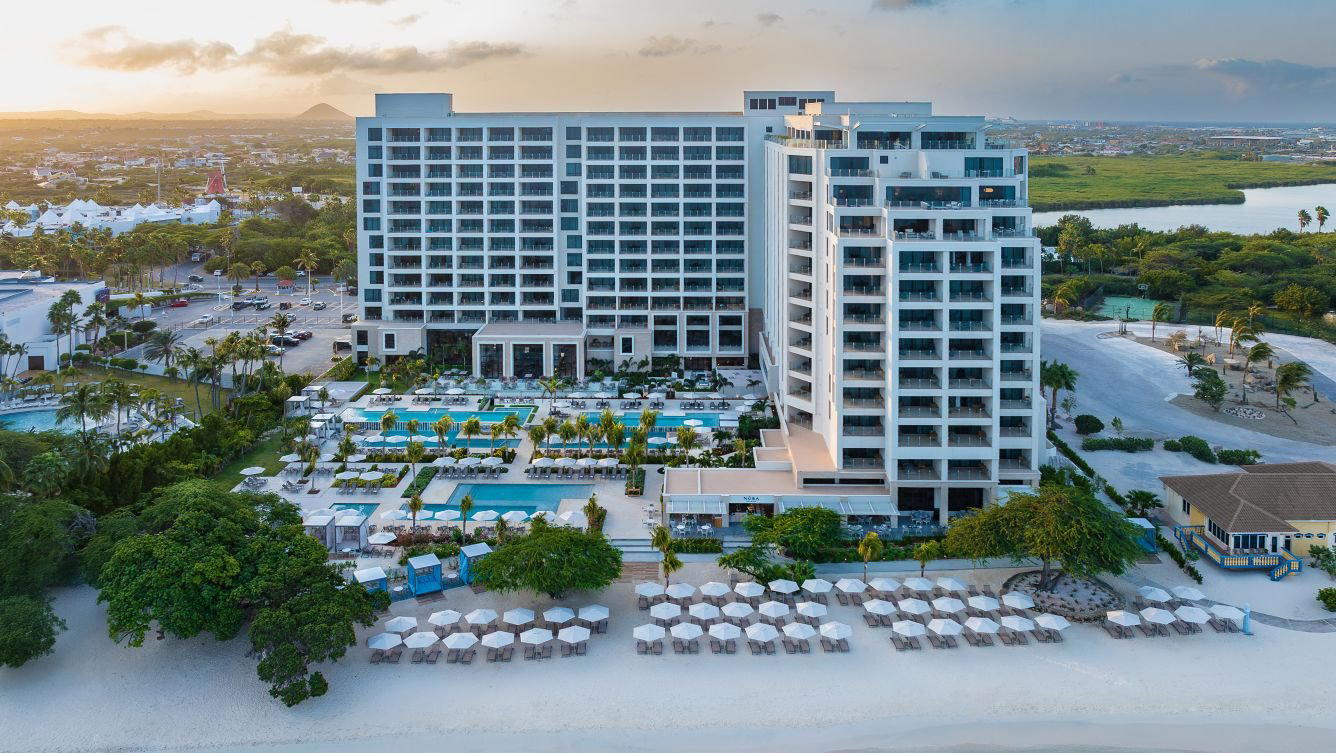
The physical environment of a J.E. Irausquin Boulevard restaurant carries built-in advantages and built-in noise. The boulevard's visual character is defined by palm lines, low-rise resort architecture, and the ambient light of a tourist corridor after dark, warm, softened, and orientated toward leisure. Restaurants that work within this setting rather than against it tend to feel more coherent than those that attempt interior designs at odds with the outdoor Caribbean context.
Evening timing matters significantly here. The boulevard shift between late afternoon and dinner service is one of the more reliable atmospheric transitions in Aruba's dining geography. The daytime beach crowd gives way to a dinner audience with different expectations, and the better restaurants on the strip calibrate their service pace and lighting accordingly. Arriving closer to sunset and committing to a full progression through the menu is a more rewarding approach than treating the venue as a quick stop.
Aruba's wider dining geography extends beyond the boulevard, and it is worth knowing that the island's culinary range is broader than any single strip suggests. El Gaucho in Oranjestad anchors the meat-focused segment of the market, while Kamini's Kitchen in San Nicolas represents the local cooking traditions further east. Drunken Burger in Noord operates at the casual end of the island's dining spectrum.
Screaming Eagle in a Global Context
The progression-focused dining format that defines the better Caribbean tables has a clear international lineage. Tasting-menu culture in its most rigorous forms, the kind practiced at Alinea in Chicago, Atomix in New York City, or Lazy Bear in San Francisco, treats sequencing as the primary expressive tool of a kitchen. The ambition at those addresses sets a benchmark against which all multi-course formats are implicitly measured, even in markets operating at a different scale and pace.
At the other end of that spectrum, restaurants in leisure-travel destinations like Aruba work within different constraints: a guest base that is on holiday time rather than occasion-dining mode, a local ingredient context shaped by what arrives on a small island, and a service culture calibrated to warmth over formality. Particularly accomplished Caribbean restaurants hold both registers at once, they offer genuine culinary progression without the severity of a metropolitan tasting counter. Venues like Le Bernardin in New York City and Alain Ducasse at Louis XV in Monte Carlo demonstrate what it looks like when fine-dining seriousness translates into resort or destination contexts. In the Asia-Pacific region, Amber in Hong Kong and 8½ Otto e Mezzo Bombana show similar adaptations within a luxury hospitality framework.
Screaming Eagle's position on Aruba's boulevard places it within this broader conversation about what destination dining can accomplish when it takes its own sequencing seriously.
Planning a Visit
The boulevard address at J.E. Irausquin Blvd 228 is accessible from the main hotel zone without requiring transport from most of Aruba's larger resort properties. Because the restaurant draws from both the resident expat community and the visiting tourist base, evenings on weekends and during peak winter season (December through April) fill earlier than the casual strip environment might suggest. Approaching the booking as you would any Aruba dinner reservation in high season, confirming in advance rather than walking in, is the practical approach. The restaurant is open daily from 5 to 11 PM and reservations are essential. For those with dietary requirements or allergy concerns, the standard protocol applies across Aruba's better restaurants: communicate specifics at the time of booking and confirm again on arrival, giving the kitchen the clearest possible brief.
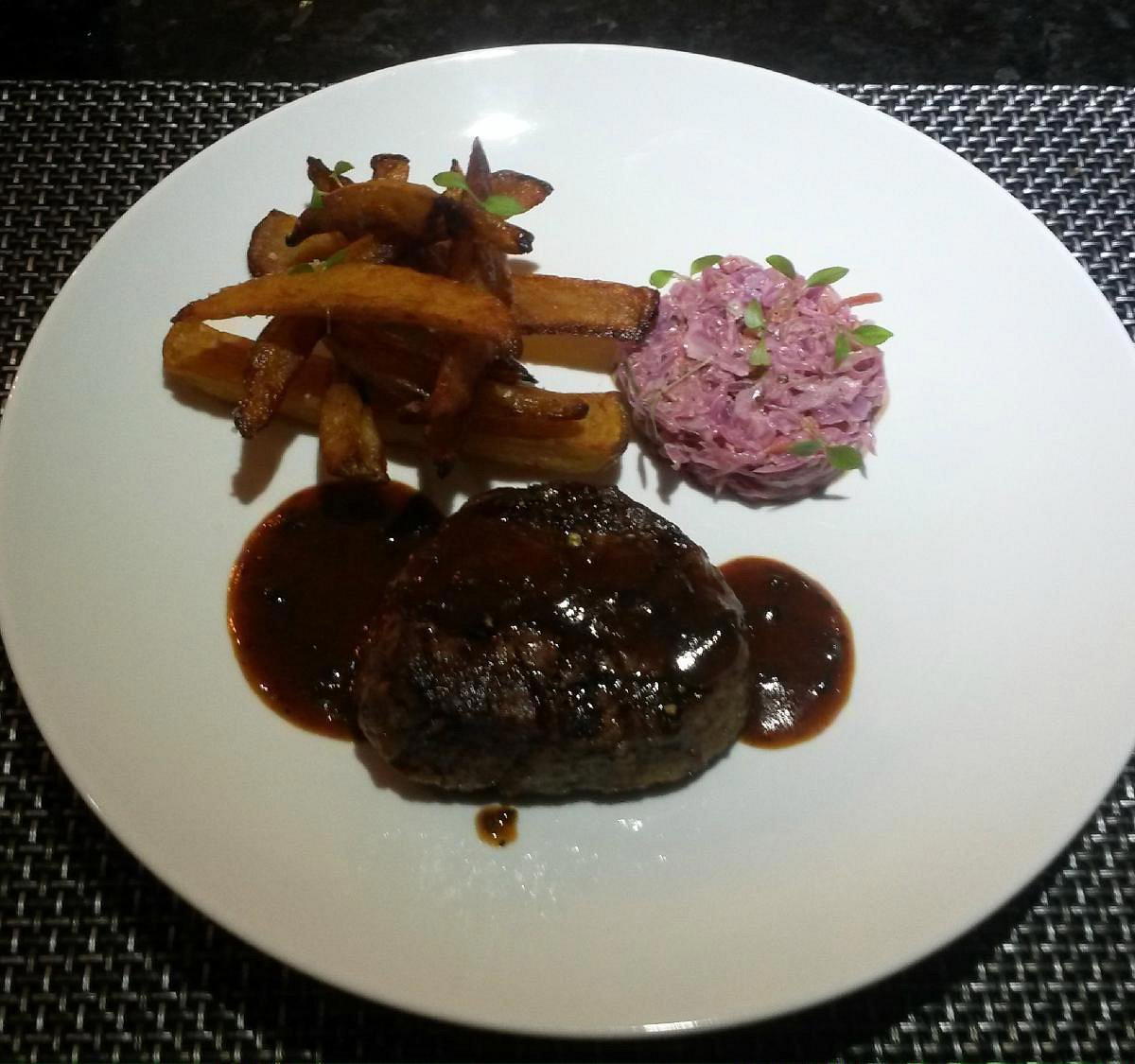
- Ahi Tuna Tartare
- Steamed Arubian Rock Lobster
- Grilled Yellowfin Tuna
- Peruvian Ceviche
- Pan Fried Maple Leaf Duck Breast
- Crepes Suzette
Credentials Lens
Comparable venues nearby, for context on price, style, and recognition.
| Venue | Cuisine | Price | Notes |
|---|---|---|---|
| Screaming Eagle RestaurantThis venue — the venue you are viewing | Modern Caribbean Seafood & French | $$$$ | Not listed |
| Marea | Modern Caribbean Fusion | $$$$ | Oranjestad West |
| Lima Bistro | Modern Peruvian | $$$ | Oranjestad West |
| Ever Restaurant | Modern Caribbean Fine Dining | $$$$ | Oranjestad West |
| Yokomi Sushi & Korean BBQ | Sushi & Korean BBQ Fusion | $$ | Oranjestad West |
| Water's Edge Restaurant | Caribbean Seafood | $$$ | Oranjestad West |
Continue exploring
More in Oranjestad West
Restaurants in Oranjestad West
Browse all →
Bars in Oranjestad West
Browse all →
At a Glance
- Romantic
- Elegant
- Sophisticated
- Trendy
- Date Night
- Celebration
- Special Occasion
- Terrace
- Waterfront
- Open Kitchen
- Private Dining
- Extensive Wine List
- Craft Cocktails
- Sommelier Led
- Local Sourcing
- Sustainable Seafood
- Waterfront
Current opening hours
- Monday
- 5–11 PM
- Tuesday
- 5–11 PM
- Wednesday
- 5–11 PM
- Thursday
- 5–11 PM
- Friday
- 5–11 PM
- Saturday
- 5–11 PM
- Sunday
- 5–11 PM
Hours can change for holidays and private events. Last verified .
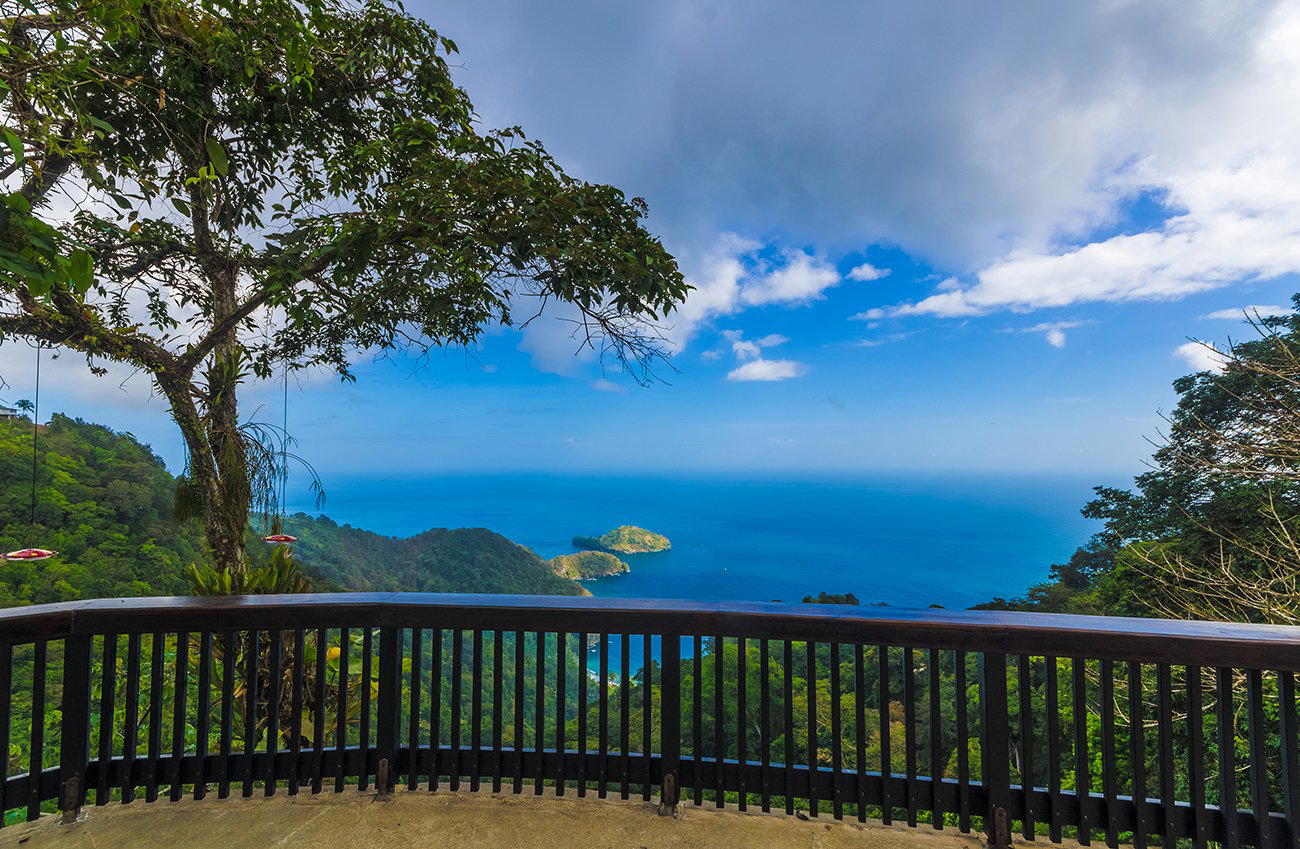
Modern elegant atmosphere with comfortable outdoor terrace seating offering sunset views; sophisticated indoor dining with cool air-conditioned spaces.