Scratch Brewing Company

Scratch Brewing Company, located at 264 Thompson Rd in Ava, Illinois, operates at the intersection of foraged ingredients and small-batch brewing. Beers here are built from what the surrounding land offers: bark, leaves, mushrooms, and wild herbs. It represents a strand of American craft brewing that treats the local environment as a direct ingredient source rather than a marketing talking point.
Pearl is the En Primeur Club membership app — saves, bookings, and concierge access live there. Same editors, same standards.
- Address
- 264 Thompson Rd, Ava, IL 62907
- Phone
- +16184261415
- Website
- scratchbeer.com
- Directions
- Get directions
 Saves & bookings on Pearl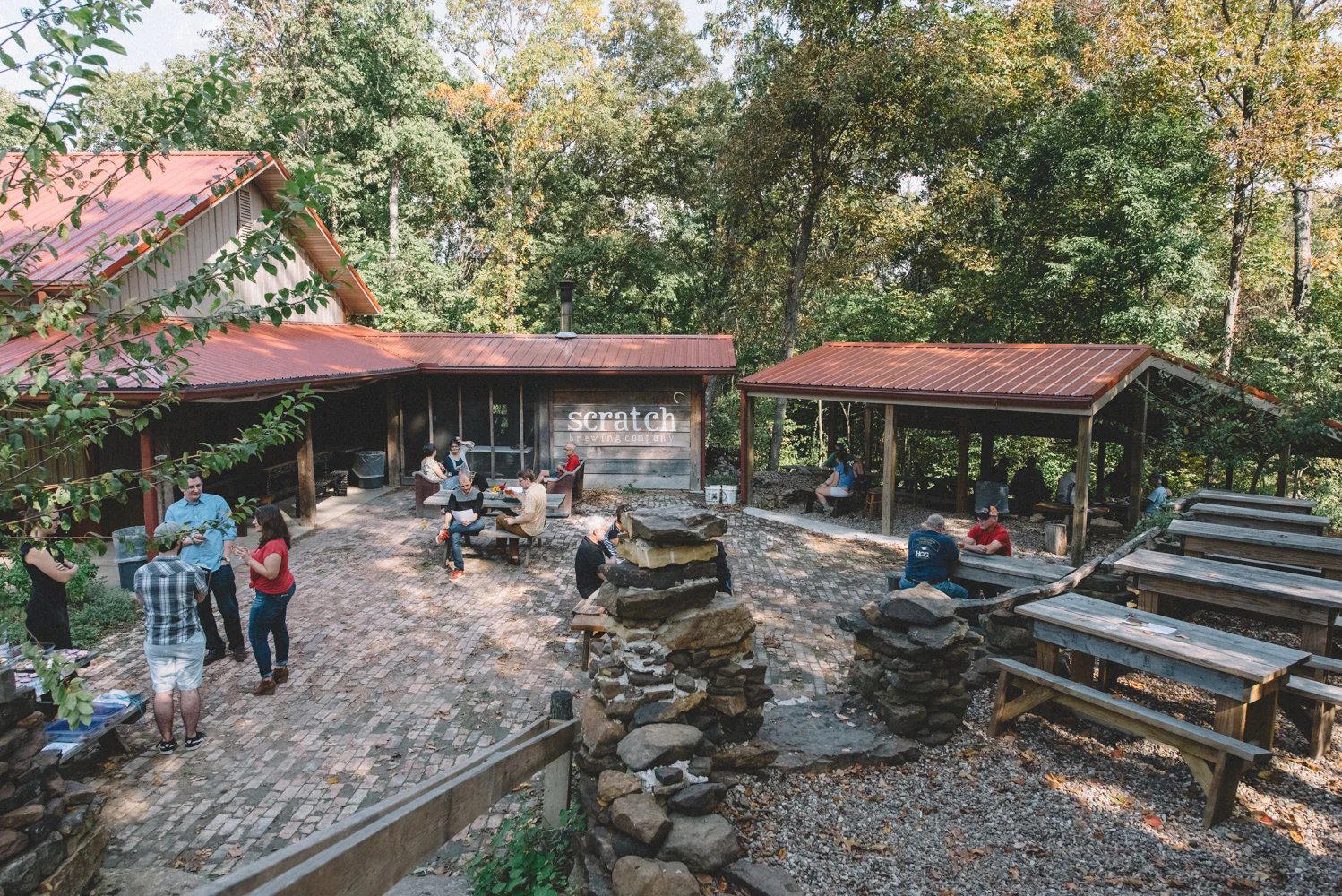
Where the Ingredients Begin
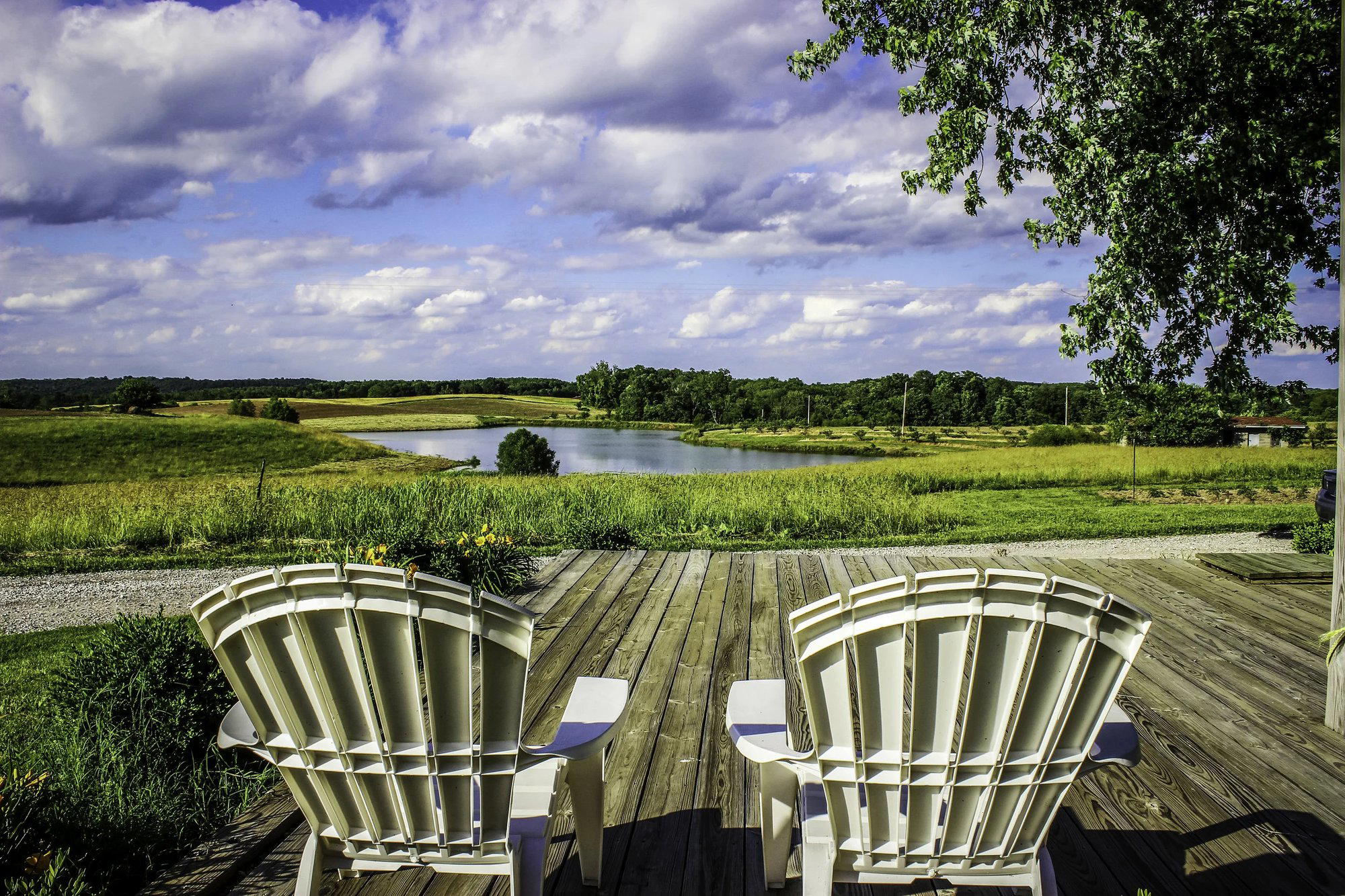
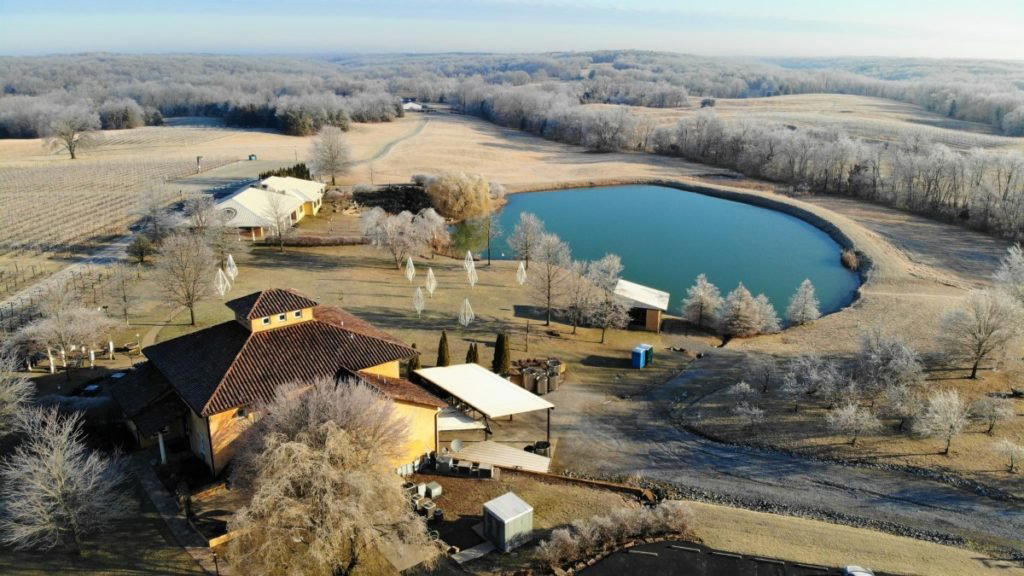
Southern Illinois does not announce itself. The drive into Ava, a small community in Jackson County roughly an hour southeast of St. Louis, takes you through the Shawnee Hills, a stretch of hardwood forest, sandstone outcroppings, and creek hollows that most American drinkers have never thought of as a brewing region. That geographic anonymity is precisely what makes Scratch Brewing Company legible as a concept. The brewery at 264 Thompson Rd sits on land that functions as both source material and setting, and the connection between the two is not decorative.
A strand of American craft brewing has moved, over the past decade, away from hop-forward competition and toward what might be called ecological specificity: beers that reflect a particular piece of ground rather than a particular stylistic category. Blue Hill at Stone Barns in Tarrytown operates on a comparable premise in the restaurant world, where the farm dictates the kitchen rather than the other way around. Scratch belongs to that tradition. The raw ingredients, bark, leaves, mushrooms, wild herbs, wood, come from the surrounding property and nearby landscape, processed into beers that carry the chemical signature of this specific place.
The Foraging Premise and Why It Holds
Most breweries source regionally in the loosest sense: local malt, regional hops, water from a municipal system. The foraging approach at Scratch is categorically different. Ingredients are collected from the land directly, which means the beer program is constrained by what the season actually offers. A brewing operation built around foraged botanicals cannot simply reorder a standardized extract when a batch needs adjusting. That constraint is the editorial point: it forces a relationship between the product and the calendar that almost no commercial brewery sustains.
This is the same structural logic that places farm-to-table restaurants in a different category from those that merely list local suppliers on a menu. The American dining scene has seen that split play out at places like Single Thread Farm in Healdsburg, where the farm's harvest determines the menu, and at Lazy Bear in San Francisco, where the format itself is built around producer relationships. Scratch applies equivalent sourcing discipline to a fermented beverage category that has historically been less rigorous about it.
The practical consequence for visitors is that the beer list shifts in a way that reflects actual seasonal variation in the Shawnee Hills. What is available in late autumn, certain fungi, dried botanicals, particular barks, differs from what is available in spring. A visit in different seasons is not a repeat experience.
The Setting as Context
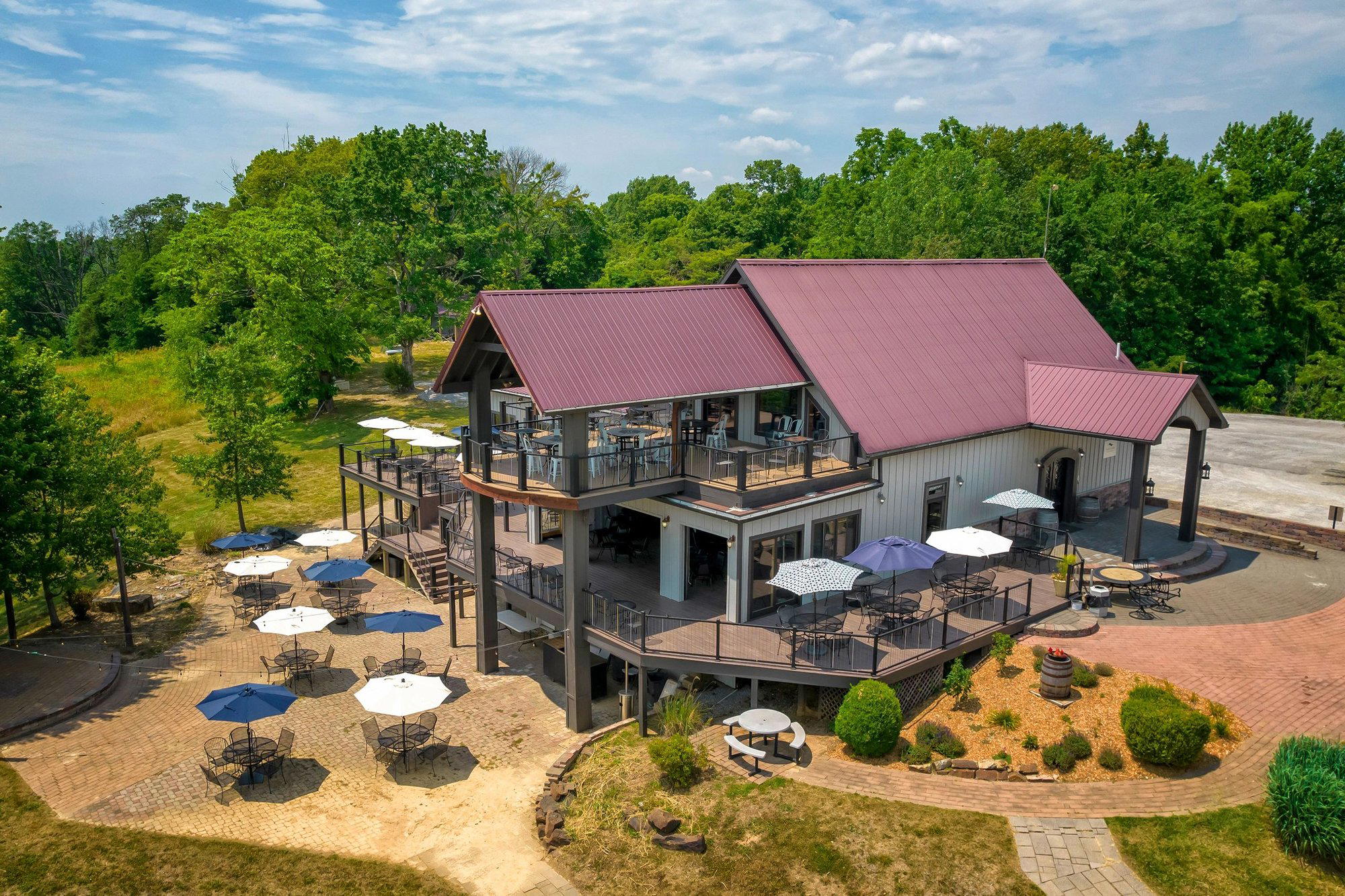
Arriving at Scratch, the physical environment provides orientation that the beer list then confirms. The taproom is not a polished destination venue in the mode of the destination breweries that have multiplied in American wine and food corridors. It reads more like a working operation with a visitor function: the land is present, the process is visible, and the surroundings explain the product before you taste anything.
This positions Scratch outside the competitive set of urban craft taprooms that have defined much of American brewing culture since the 2010s. It is not competing with the technically precise cocktail programs at metropolitan bars, nor with the Michelin-recognized tasting formats of places like Alinea in Chicago or the French-trained rigor of Le Bernardin in New York City. Scratch occupies a smaller, more specific category: rural American fermentation anchored to a particular ecosystem. A few other land-connected breweries and cideries in the Midwest and Pacific Northwest work in a similar way.
Ingredient Sourcing as the Central Argument
The editorial case for Scratch rests on sourcing practice, not on ambiance or product range. In a category where ingredient provenance is often communicated through label design rather than actual connection to a place, a brewery that fosters a direct, seasonal, land-specific ingredient chain occupies a credible niche. The argument is not that foraged beers taste better by definition, some work, some are challenging, and the category rewards drinkers who approach it with curiosity rather than expectation, but that the sourcing practice is structurally honest in a way that most commercial brewing is not.
Comparable sourcing rigor in the restaurant world tends to attract significant critical attention. The French Laundry in Napa, Providence in Los Angeles, and Addison in San Diego each stake part of their identity on where primary ingredients originate. In the brewing context, that kind of sourcing transparency remains relatively rare, which is part of what gives operations like Scratch an unusual position in the broader American craft landscape.
Who the Visit Suits and How to Plan It
Ava is not a destination with supporting infrastructure in the way that wine country towns like Healdsburg or Napa accommodate multi-day trips. The drive from St. Louis takes approximately an hour, making a day visit feasible. The brewery sits on rural land, so arrivals are by car. Given the nature of a foraging-led program, visiting with some prior knowledge of what is in season in southern Illinois sharpens the experience considerably.
Visitors drawn to ingredient-driven fermentation and who also follow the restaurant world might track Scratch alongside a broader interest in American producers pushing sourcing specificity: Bacchanalia in Atlanta, Frasca Food and Wine in Boulder, and Brutø in Denver each represent a similar prioritization of where things come from. The EP Club maintains a broader listing of Ava-area recommendations in our full Ava restaurants guide, alongside coverage of American producers working in comparable regional specificity at Causa in Washington, D.C., ITAMAE in Miami, Atomix in New York City, Emeril's in New Orleans, The Inn at Little Washington, and 8½ Otto e Mezzo Bombana in Hong Kong.
The brewery does not operate within a framework that rewards passive, drop-in consumption. It suits visitors who are prepared to engage with a product that may be unfamiliar and that is, by design, a direct expression of a specific rural landscape rather than a curated hospitality product.
Comparable Spots, Quickly
Comparable venues nearby, for context on price, style, and recognition.
| Venue | Cuisine | Price | Notes |
|---|---|---|---|
| Scratch Brewing CompanyThis venue — the venue you are viewing | Farmhouse Pizza & Foraged Beer | $$ | Not listed |
| Allium Restaurant and Bar | Farm-to-Table Regional American | $$$ | Streeterville |
| Pop Up Bagels | Artisan Bagels & Schmears | $$ | Lincoln Park |
| Sugarfire 64 | St. Louis-Style Barbecue | $$ | O'Fallon |
| Casa Naranja | other | Not listed | Chicago |
| 17th Street Barbecue | Dining | $$ | Downtown Murphysboro |
Recognition history
Dated appearances from independent guides and award organizations, with the underlying list record or original source where available.
James Beard Award Semi Finalist
James Beard Award
At a Glance
- Rustic
- Scenic
- Bohemian
- Cozy
- Casual Hangout
- Group Dining
- Special Occasion
- Family
- Garden
- Open Kitchen
- Standalone
- Historic Building
- Beer Program
- Farm To Table
- Local Sourcing
- Organic
- Garden
Current opening hours
- Monday
- Closed
- Tuesday
- Closed
- Wednesday
- Closed
- Thursday
- Closed
- Friday
- 12–8 PM
- Saturday
- 12–8 PM
- Sunday
- 12–8 PM
Hours can change for holidays and private events. Last verified .
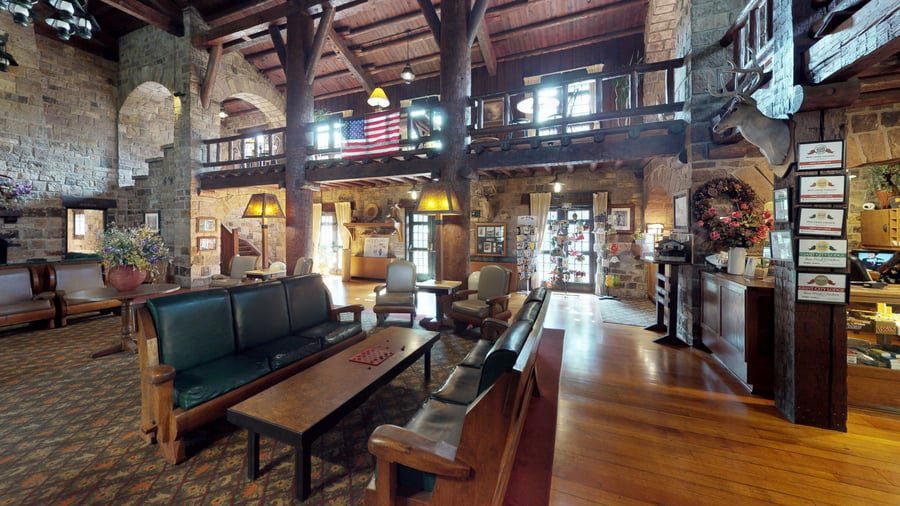
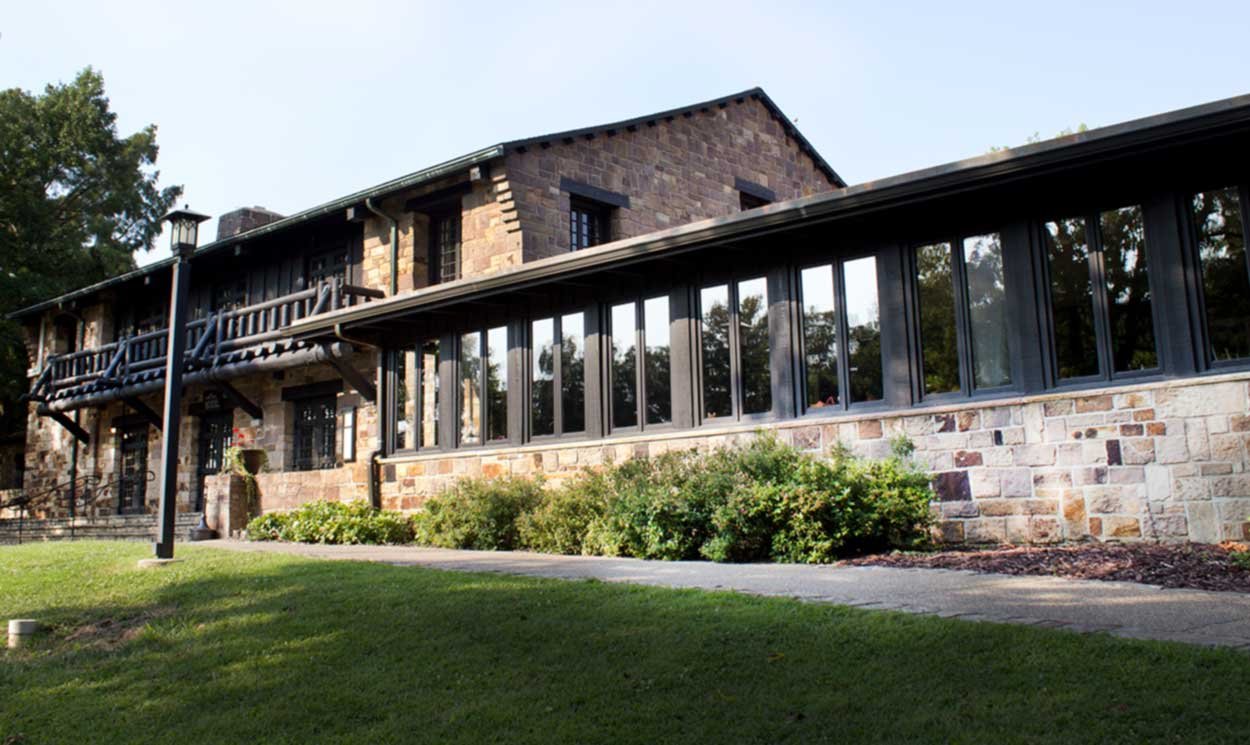
Woodland setting in a 1920s farmhouse with natural lighting, wood-fired pizza oven, and a relaxed farm atmosphere surrounded by forest and cultivated ingredients.