Our verdict
Schlumachers occupies a quiet address in Lübeck's medieval core, where the city's Hanseatic trading past still shapes how people eat and gather. The restaurant sits within a dining scene that ranges from Michelin-recognised classic cuisine to informal regional cooking, placing it in a mid-field of neighbourhood establishments with local character. Visitors timing a trip to northern Germany's Baltic coast will find Lübeck a compelling stop for both architecture and table.

Pearl is the En Primeur Club membership app — saves, bookings, and concierge access live there. Same editors, same standards.
- Address
- Schlumacherstraße 4, 23552 Lübeck, Germany
- Phone
- +494517075566
- Hours
- Mon–Wed 5–10 PMThu ClosedFri 5–10 PMSat 1–10 PMSun Closed
- Website
- schlumachers.de
- Directions
- Get directions
- Booking
- Book on OpenTable
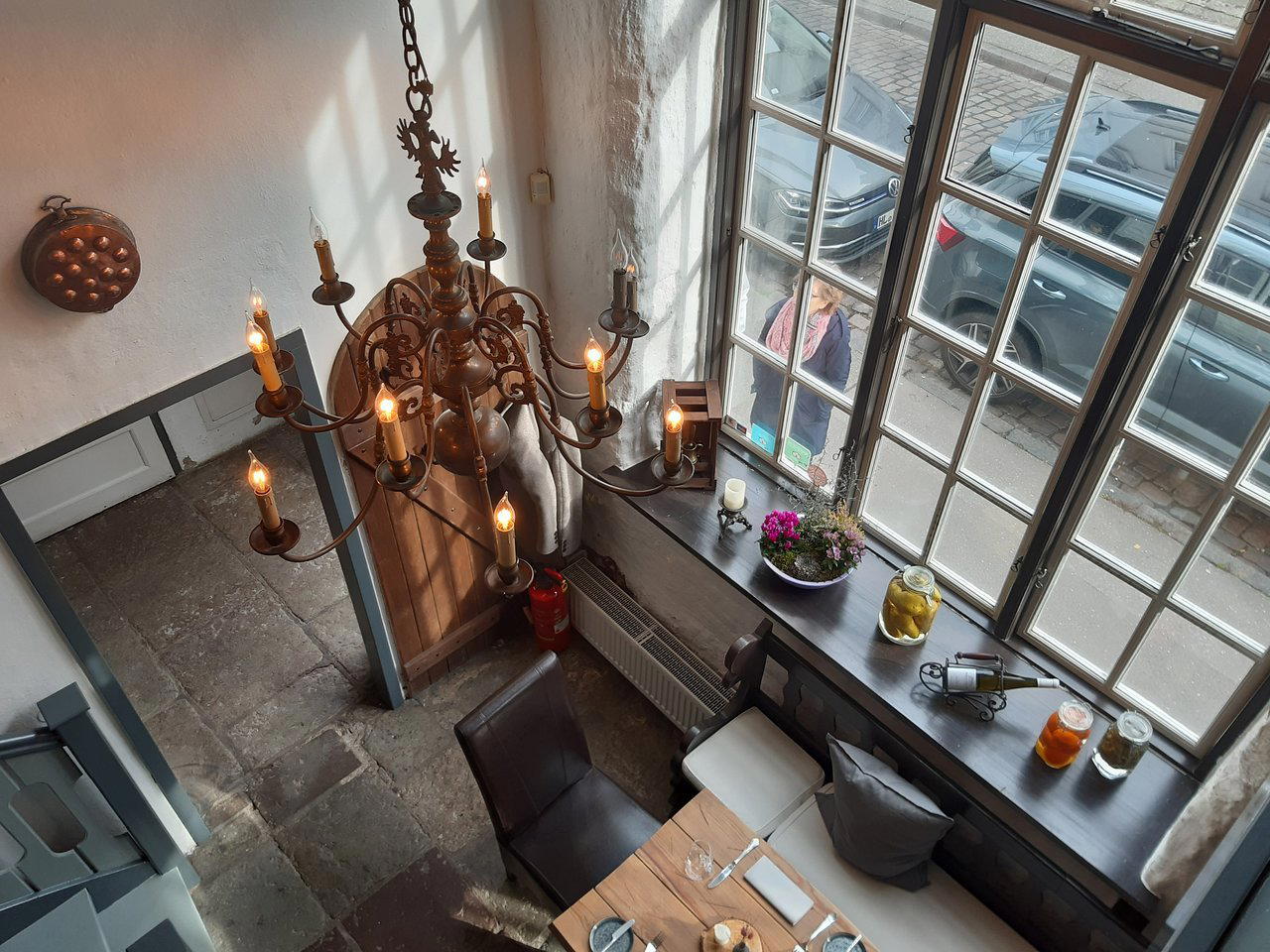
The Street Before You Step Inside
Schlumacherstraße runs through one of Lübeck's quieter residential pockets inside the Altstadt island, the UNESCO-listed core ringed by the Trave river. The street has the compressed scale typical of the Hanseatic city plan: narrow, brick-faced, with the ambient sound of cobblestones underfoot rather than traffic. Arriving at number four, you are already inside one of northern Europe's most coherent medieval urban environments, a setting that imposes its own register on whatever happens at the table. The light in this part of the city shifts noticeably by season. In summer, long Baltic evenings push golden light low through the gaps between buildings well past eight o'clock. In winter, the Altstadt closes in early, lantern-lit and genuinely cold, the kind of cold that makes an interior feel earned.
That seasonal rhythm matters for how Lübeck's restaurant scene operates more broadly. The city draws significant visitor numbers in late spring and through the summer markets, then again around the Christmas period when the Weihnachtsmarkt anchors the old town. Restaurants in the Altstadt read those rhythms, and Schlumachers, sitting on a residential street rather than a tourist-facing plaza, occupies a slightly removed position from the high-season surge.
Where Schlumachers Sits in the Lübeck Dining Field
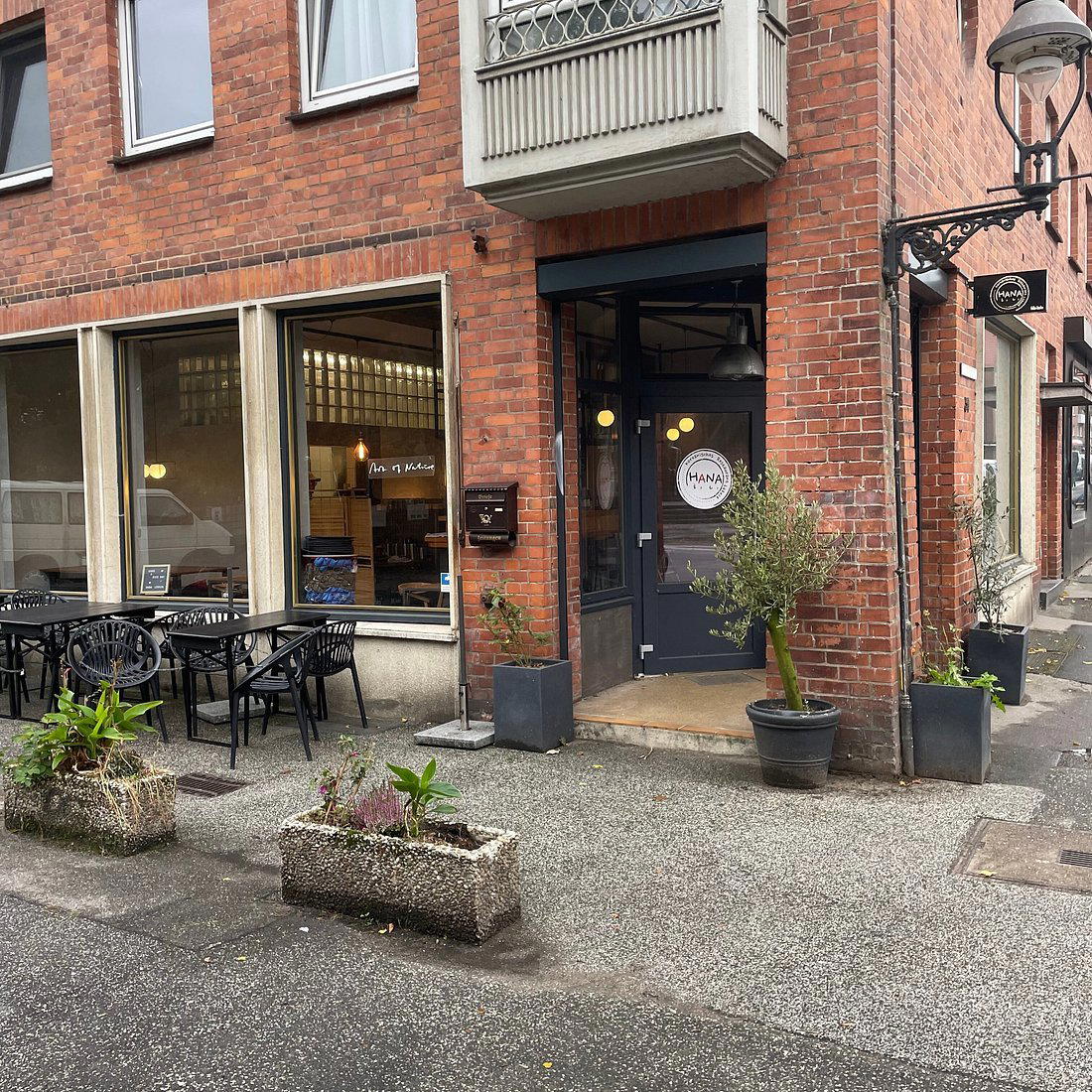
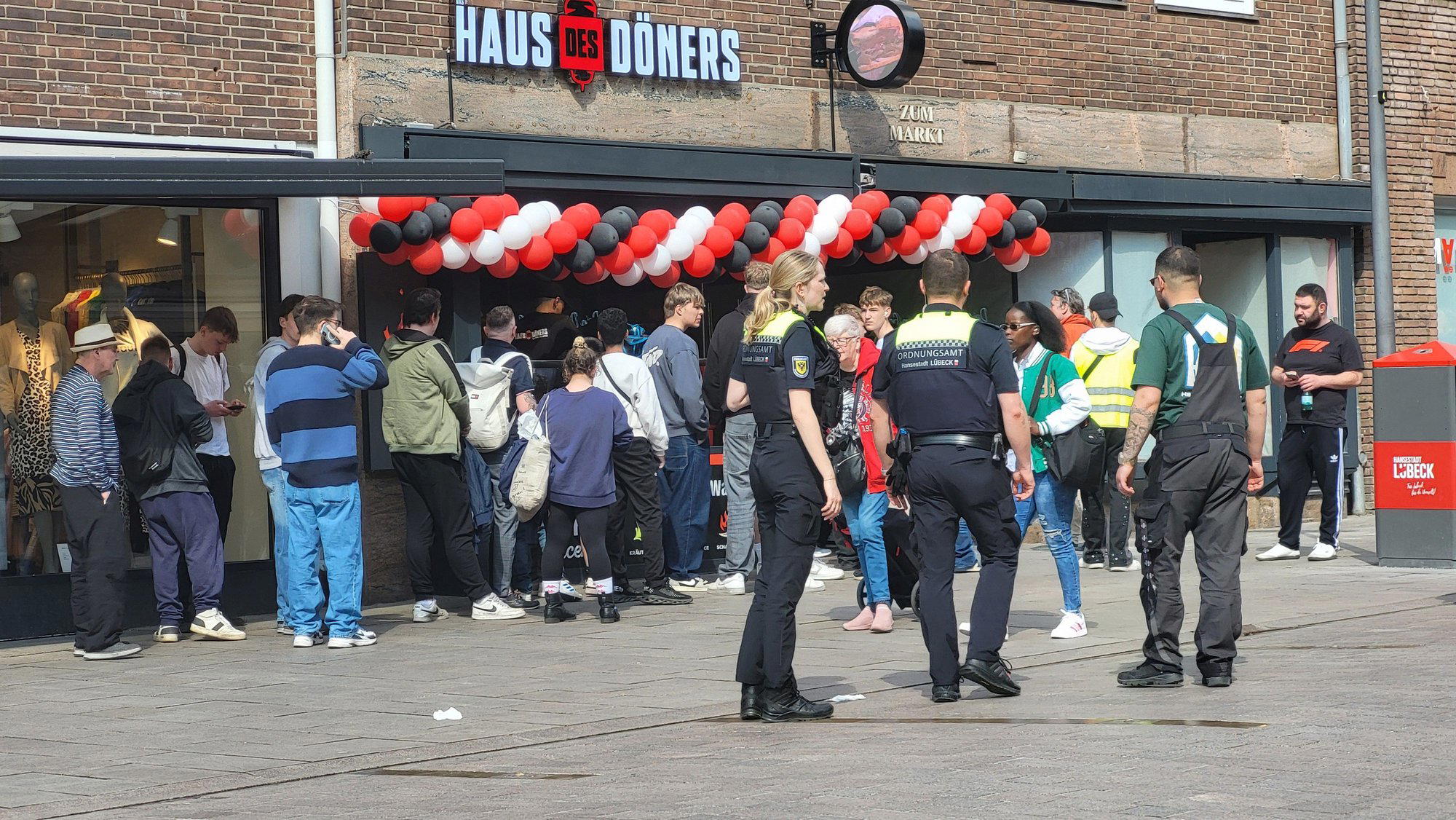
Lübeck's restaurant offering is more layered than the city's marzipan-and-Buddenbrooks reputation suggests to first-time visitors. At the formal end, Wullenwever (Classic Cuisine) represents the city's Michelin-level benchmark in classic cuisine at the €€€€ price tier. Below that, a range of mid-market and neighbourhood operations cover regional cooking, international formats, and casual dining. Fangfrisch (Regional Cuisine) works the €€ regional tier, leaning into Baltic and Schleswig-Holstein produce. Alhambra Orient Food and HANA extend the international range, while Haus des Döners anchors the informal end of the spectrum.
Schlumachers' address on Schlumacherstraße positions it within walking distance of the Altstadt's central axis but away from the most saturated restaurant corridors. That geography tends to mean a local-leaning clientele rather than the transient visitor traffic that fills the spots immediately around the Marienkirche or the Holstentor. For the Lübeck dining scene as a whole, see our full Lübeck restaurants guide.
The Sensory Register of a Northern German Interior
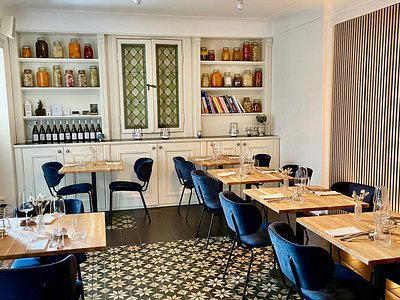
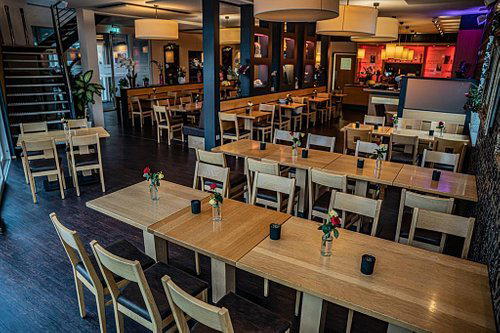
Northern German restaurant interiors share certain recurring qualities that distinguish them from their southern counterparts. The palette tends toward restraint: darker woods, textured plaster, the occasional tile reference to the region's craft tradition. Sound is managed differently here than in, say, a Munich beer hall or a Berlin open-plan brasserie. The acoustic environment in smaller Altstadt venues tends to be contained, sometimes intimate to the point of formality, with conversation staying at the table rather than bleeding across the room.
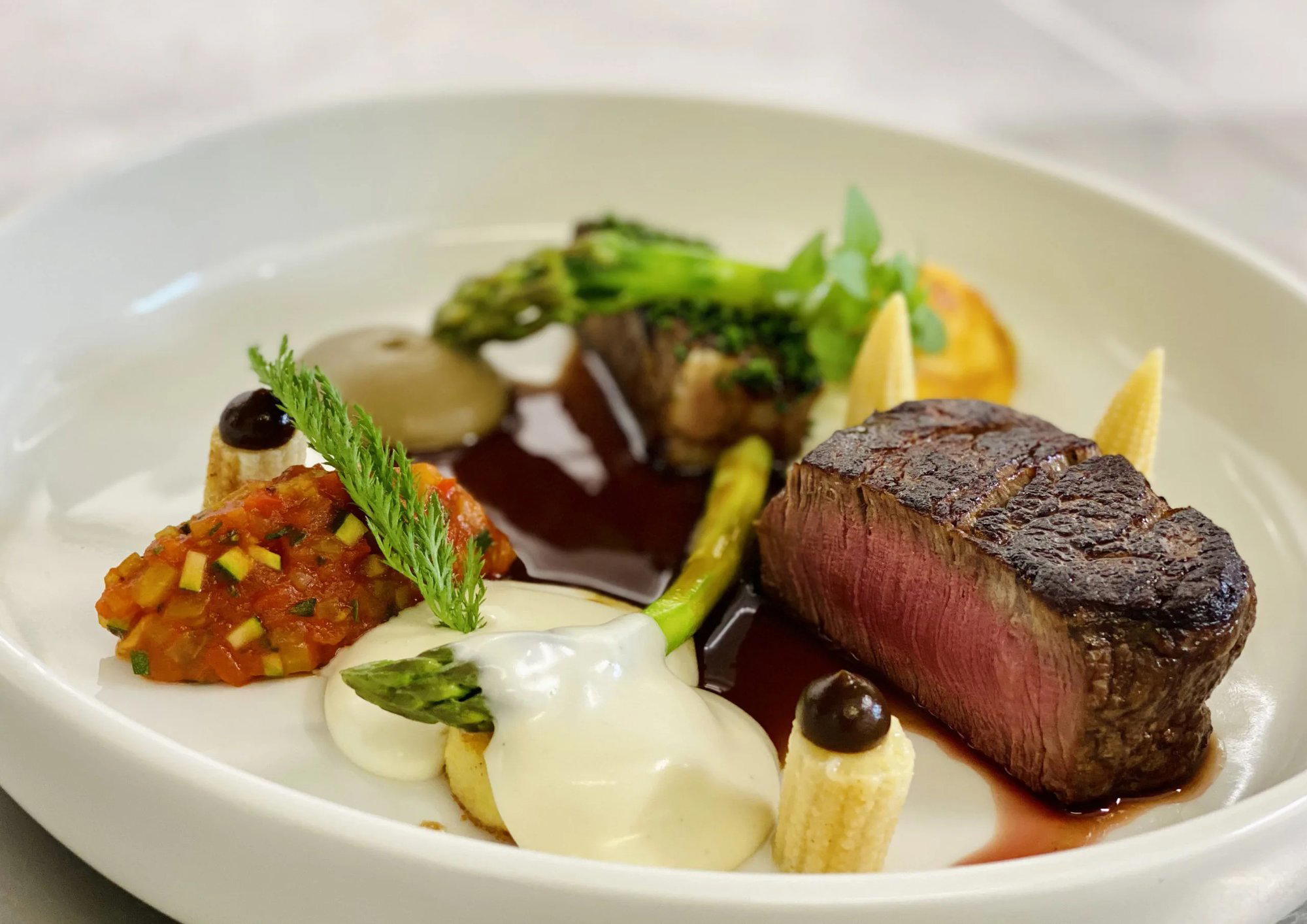
The olfactory register of a northern German kitchen draws on a larder that is specific to the region: smoked fish, root vegetables, butter rather than oil as the primary fat, and the subtle brine note that appears in cooking close to the Baltic coast. These are not the fragrant, herb-forward kitchens of southern Europe but something more austere and more closely tied to winter preservation traditions. Schleswig-Holstein cooking at its most grounded reads as honest rather than showy, a tradition that values product over technique display.
Germany's fine dining conversation in 2025 is concentrated in places like Aqua in Wolfsburg, JAN in Munich, Schwarzwaldstube in Baiersbronn, and Vendôme in Bergisch Gladbach. At the experimental edge, CODA Dessert Dining in Berlin and ES:SENZ in Grassau push format boundaries. Further afield, Victor's Fine Dining by christian bau in Perl and Waldhotel Sonnora in Dreis represent the country's most decorated regional houses. Hamburg, an hour from Lübeck by rail, holds Restaurant Haerlin at the formal end. Lübeck operates in a different register from all of these: smaller city, stronger historical identity, a dining scene that rewards the visitor who adjusts expectations accordingly.
For reference points further afield, Schanz in Piesport shows how a destination-level restaurant can anchor a small German town's culinary reputation. Le Bernardin in New York City and Atomix in New York City represent the international tier against which Germany's own Michelin houses are sometimes benchmarked.
Practical Notes for Planning a Visit
Lübeck sits approximately 65 kilometres northeast of Hamburg, with direct rail connections running roughly every 30 minutes and a journey time of around 45 minutes from Hamburg Hauptbahnhof. The Altstadt is compact and navigable on foot; Schlumacherstraße is within the central island and requires no transport once you are inside the historic core. The city rewards at least one overnight stay to experience the Altstadt after the day-visitor traffic has cleared, particularly in the evening when the brick church facades and the canal reflections take on a different quality. The Baltic coast's seasonal calendar means late spring through early autumn brings the most comfortable conditions for exploring on foot, though the Christmas market period in late November and December creates its own particular atmosphere in the old town.
Frequently asked questions
What's the address for Schlumachers?
Schlumachers is located at Schlumacherstraße 4, 23552 Lübeck, Germany, Lübeck.
What kind of dining experience does Schlumachers offer for visitors exploring Lübeck's Altstadt?
Schlumachers sits on Schlumacherstraße within Lübeck's Altstadt island, the UNESCO World Heritage core encircled by the Trave river — a location that places it among the city's residential neighbourhood restaurants rather than its tourist-facing waterfront options. Lübeck's dining field extends well beyond its marzipan reputation, and a restaurant at this address sits inside that quieter, locally oriented layer of the city's food scene.
What's the must-try dish at Schlumachers?
Lübeck's northern German kitchen typically centres on fish from the Baltic, regional pork preparations, and rye-based accompaniments — though any specific menu claims for Schlumacherstraße 4 would need to be confirmed directly with the restaurant before your visit.
Is Schlumachers reservation-only?
Given its address inside Lübeck's Altstadt, which draws consistent foot traffic from the UNESCO-listed core, contacting the restaurant in advance is the practical approach — particularly for evening sittings or weekend visits.
Comparable Spots
Comparable venues nearby, for context on price, style, and recognition.
| Venue | Cuisine | Price | Awards | Notes |
|---|---|---|---|---|
| SchlumachersThis venue — the venue you are viewing | Modern French-North German Fusion | $50–100 | Not listed | Not listed |
| Prätor-Haus - Da Luigi | Traditional Italian Trattoria | $30–50 | Not listed | Altstadt (Old Town) |
| Alhambra Orient Food | Middle Eastern & Falafel | $10–20 | Not listed | Lübeck Altstadt |
| Fangfrisch | Modern Nordic Seafood | $30–50 | Michelin Plate | Altstadt (Old Town) |
| Jawed´s Remise | Afghan & Central Asian | $20–30 | Not listed | Altstadt |
| Namaste India | Authentic Indian | $20–30 | Not listed | Altstadt |

Details
- Cozy
- Elegant
- Historic
- Date Night
- Special Occasion
- Historic Building
- Local Sourcing
- A La Carte
- Tasting Menu
- Vegetarian Friendly
- Gluten Free Options
Current opening hours
- Monday
- 5–10 PM
- Tuesday
- 5–10 PM
- Wednesday
- 5–10 PM
- Thursday
- Closed
- Friday
- 5–10 PM
- Saturday
- 1–10 PM
- Sunday
- Closed
Hours can change for holidays and private events. Last verified .
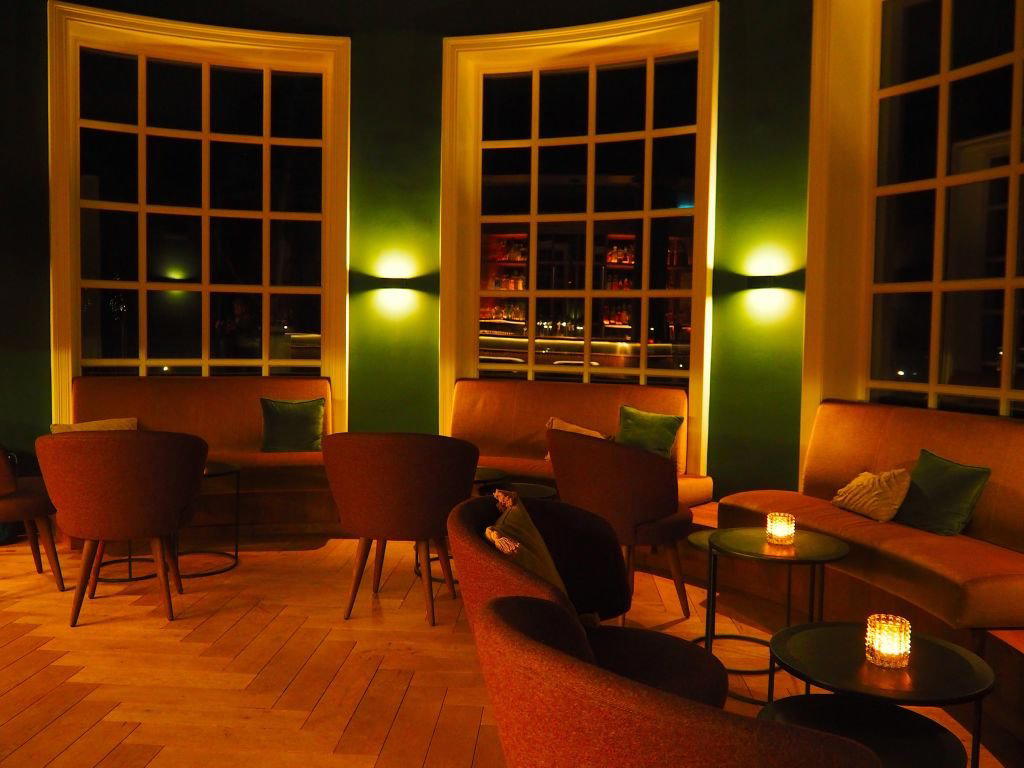
Cozy and elegant atmosphere in a historic listed building with polished, inviting warmth and attentive hospitality.