HANA serves Traditional Korean dinner in Lübeck’s Krähenstraße, with bibimbap with tofu, dakgalbi, and a beer program in a quiet, casual setting.
Pearl is the En Primeur Club membership app — saves, bookings, and concierge access live there. Same editors, same standards.
- Address
- Krähenstraße 34, 23552 Lübeck, Germany
- Phone
- +4945170749049
- Website
- instagram.com
- Directions
- Get directions
 Saves & bookings on Pearl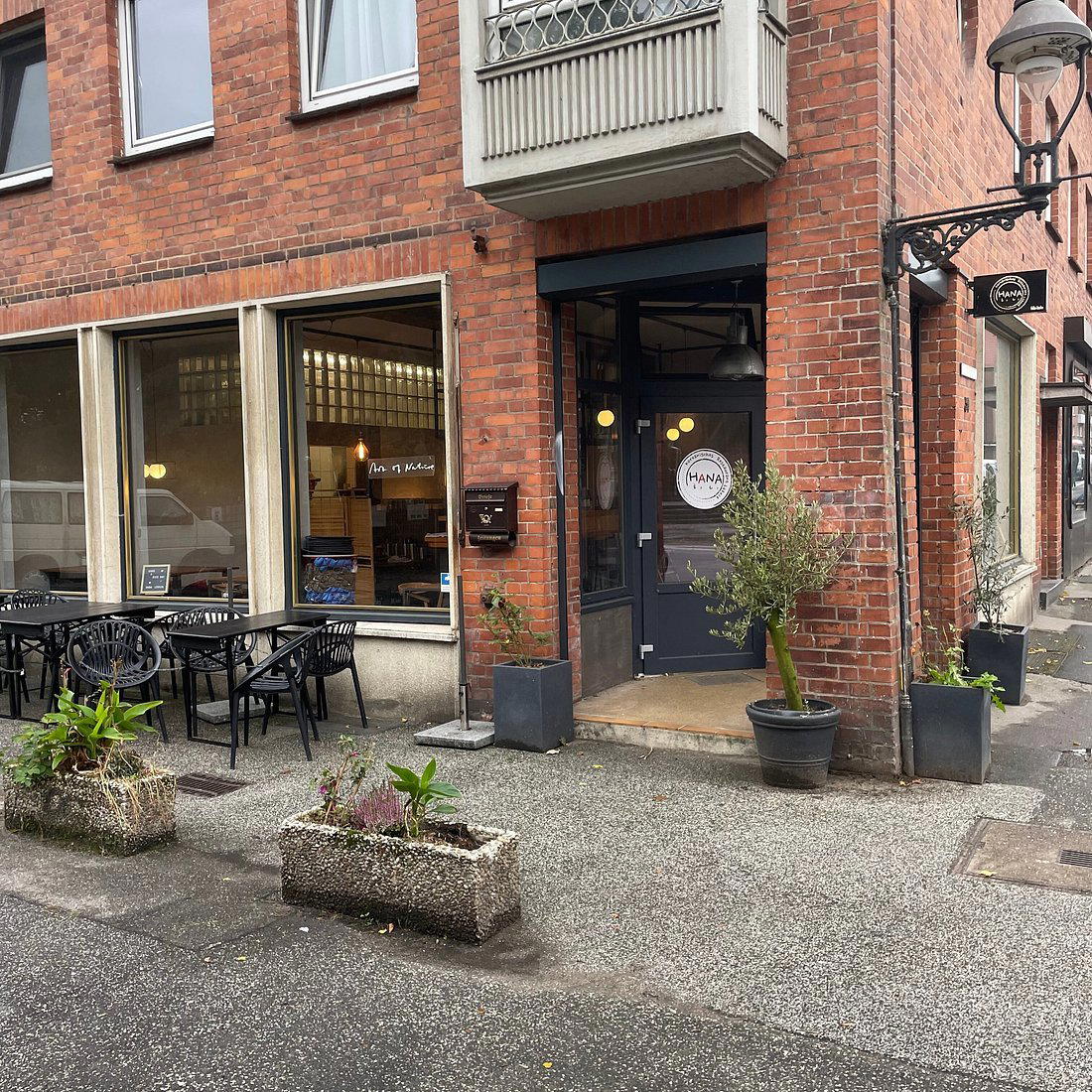
Where Lübeck Slows Down
Krähenstraße sits in the older residential grain of Lübeck's Altstadt, away from the Holstentor postcard circuit and the tourist-facing café rows along Breite Straße. The street address alone tells you something about HANA's position in the city's dining map: this is a place that earns its audience through reputation rather than foot traffic. Arriving on a weekday evening, the neighbourhood operates at a pace closer to a residential quarter than a dining district, which shapes the register of the meal before you've crossed the threshold.
The Ritual of the Meal in Northern Germany
Northern German dining has its own pacing logic, distinct from the sprint-and-turnover model of Hamburg's harbour-side brasseries or the theatrical tasting-menu formats that define the country's Michelin circuit from Aqua in Wolfsburg to Schwarzwaldstube in Baiersbronn. The expectation in smaller Hanseatic cities is still largely one of settled attendance: you arrive, you stay, you let the meal run its own schedule. That tradition gives meaning to a restaurant like HANA, which occupies a niche in Lübeck's dining offer that sits between the formal classic end represented by Wullenwever and the accessible regional register of Fangfrisch.
The dining ritual in this kind of setting rewards a certain mode of attendance. It is not the format that asks you to make rapid decisions between courses, nor the one that hands you a single fixed progression with no deviation. The expectation is reciprocal: kitchen and guest find a rhythm together. This is a quality that Germany's smaller Hanseatic cities have preserved longer than their metropolitan counterparts, partly because the pace of the broader city doesn't exert the same pressure toward efficiency.
Lübeck's Dining Context
Lübeck does not have the concentration of high-end restaurant investment that Hamburg commands an hour to the west. Restaurant Haerlin in Hamburg represents the kind of sustained institutional fine dining that requires a metropolitan audience to remain viable. Lübeck's dining scene has always operated on different economics: the city draws significant day-trip traffic from the wider Schleswig-Holstein region and from Scandinavian visitors crossing the Baltic corridor, but the residential base sustaining its better restaurants is smaller and more local. This pushes restaurants toward formats that work across multiple visit frequencies, rather than the once-a-year occasion model that governs Germany's destination fine dining at addresses like Vendôme in Bergisch Gladbach or Victor's Fine Dining by Christian Bau in Perl.
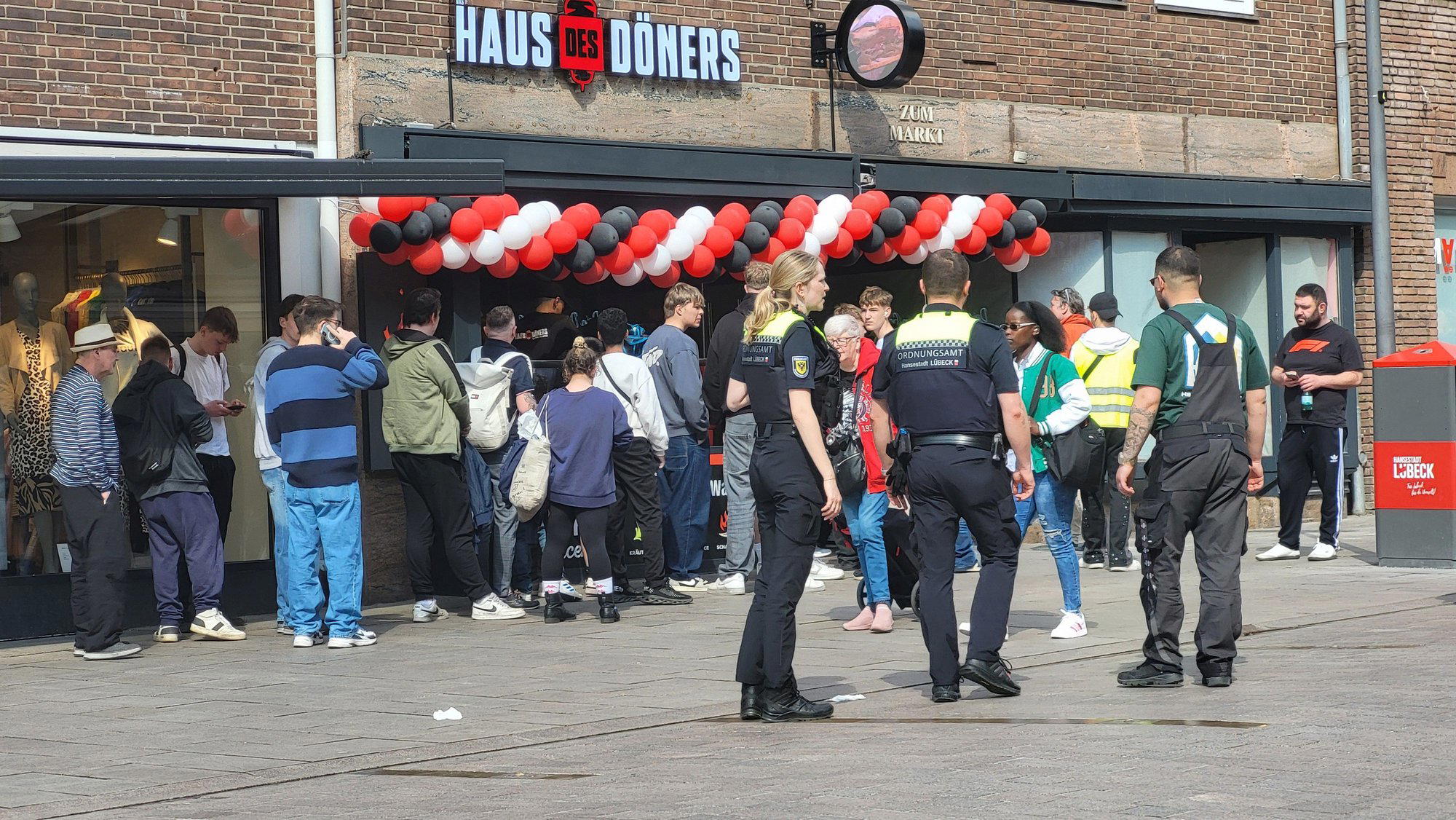
Within Lübeck, the restaurant offer breaks into recognisable tiers. At the accessible end, places like Haus des Döners and Alhambra Orient Food serve the city's daily-use dining needs. The middle tier includes contemporary formats built for repeat visits. HANA occupies a position in this structure that warrants attention, in a city where the dining scene is smaller than its Hanseatic history might imply.
What the Format Signals
The name HANA carries Japanese resonance in a German Hanseatic city, a combination that places it in a category that has grown steadily across German mid-sized cities over the past decade. Japanese-influenced dining in Germany has split into several distinct strands: sushi delivery formats aimed at broad accessibility, izakaya-adjacent concepts with informal service and shared plates, and more focused omakase or kaiseki-adjacent formats where the meal's pacing is set by the kitchen. The latter category has found an audience even in cities outside the main metropolitan centres, partly because the ritual logic of that format translates well to the German expectation of a meal as an event rather than a transaction.
How precisely HANA maps onto this spectrum isn't available from public record with the specificity that would allow a confident placement. What the address and context suggest is a restaurant calibrated for the resident rather than the passing visitor, in a part of the city where you make a deliberate journey. That deliberately is itself a cue about format and ambition. Compare this with the kind of ambitious format discipline found at CODA Dessert Dining in Berlin or JAN in Munich, and you get a sense of the broader German landscape in which niche restaurant concepts find their footing city by city.
Planning a Visit
HANA is located at Krähenstraße 34 in Lübeck's 23552 postcode, in the Altstadt. The Altstadt is compact enough that the restaurant is reachable on foot from the main train station in under fifteen minutes, and parking in the immediate area follows the standard old-town pattern of time-restricted zones giving way to residential permits. For visitors arriving from Hamburg, the rail connection runs frequently and positions Lübeck as a reasonable half-day or full-day trip, with dinner as an anchor.
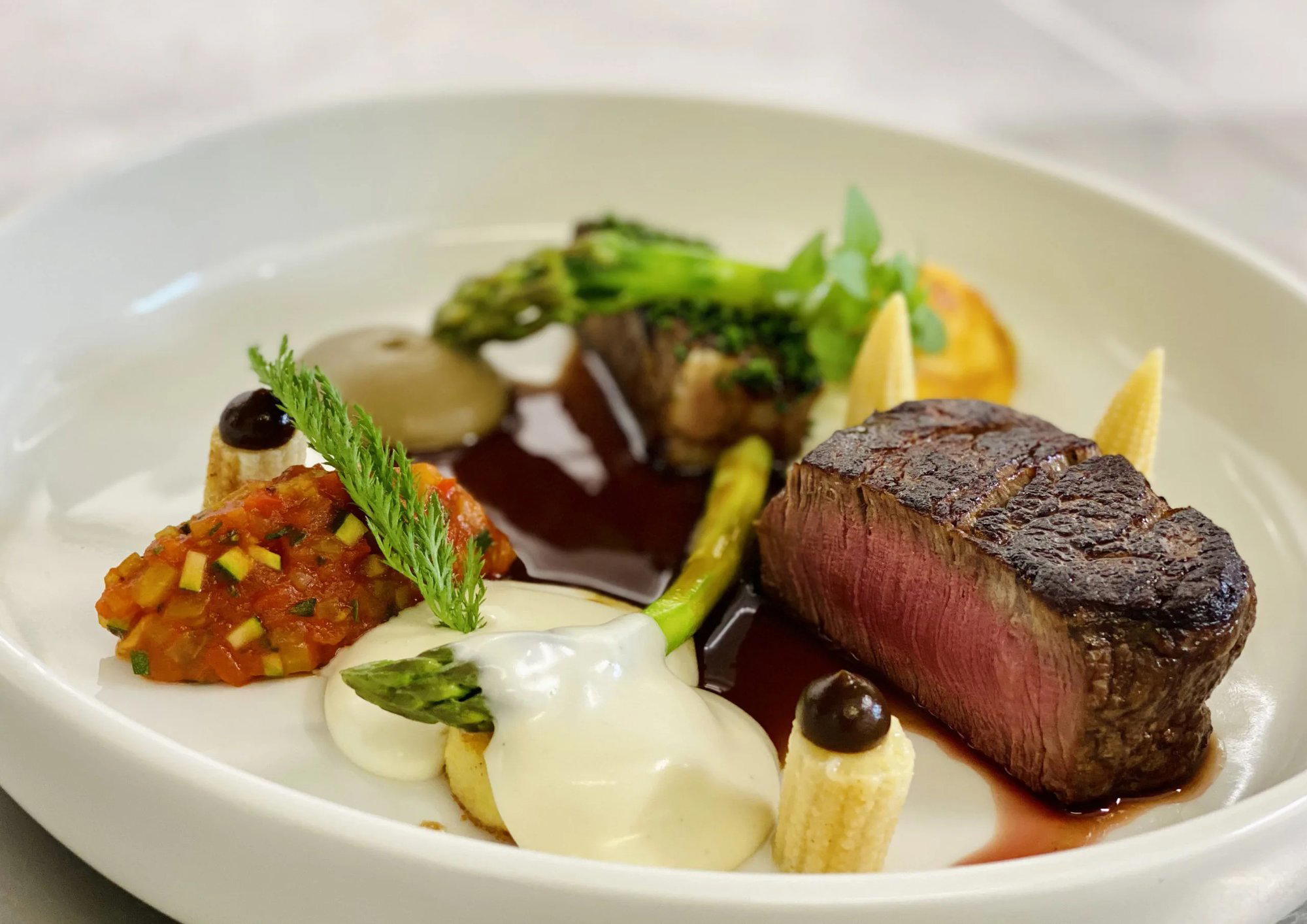
- Ttoeok Kkochi
- Bibimbap with tofu
- Korea Chicken
- Dakgalbi
- Japchae
- Mandu
Category Peers
Comparable venues nearby, for context on price, style, and recognition.
| Venue | Cuisine | Price | Notes |
|---|---|---|---|
| HANAThis venue — the venue you are viewing | Traditional Korean | $$ | Not listed |
| Schlumachers | Modern French-North German Fusion | $$$ | Altstadt |
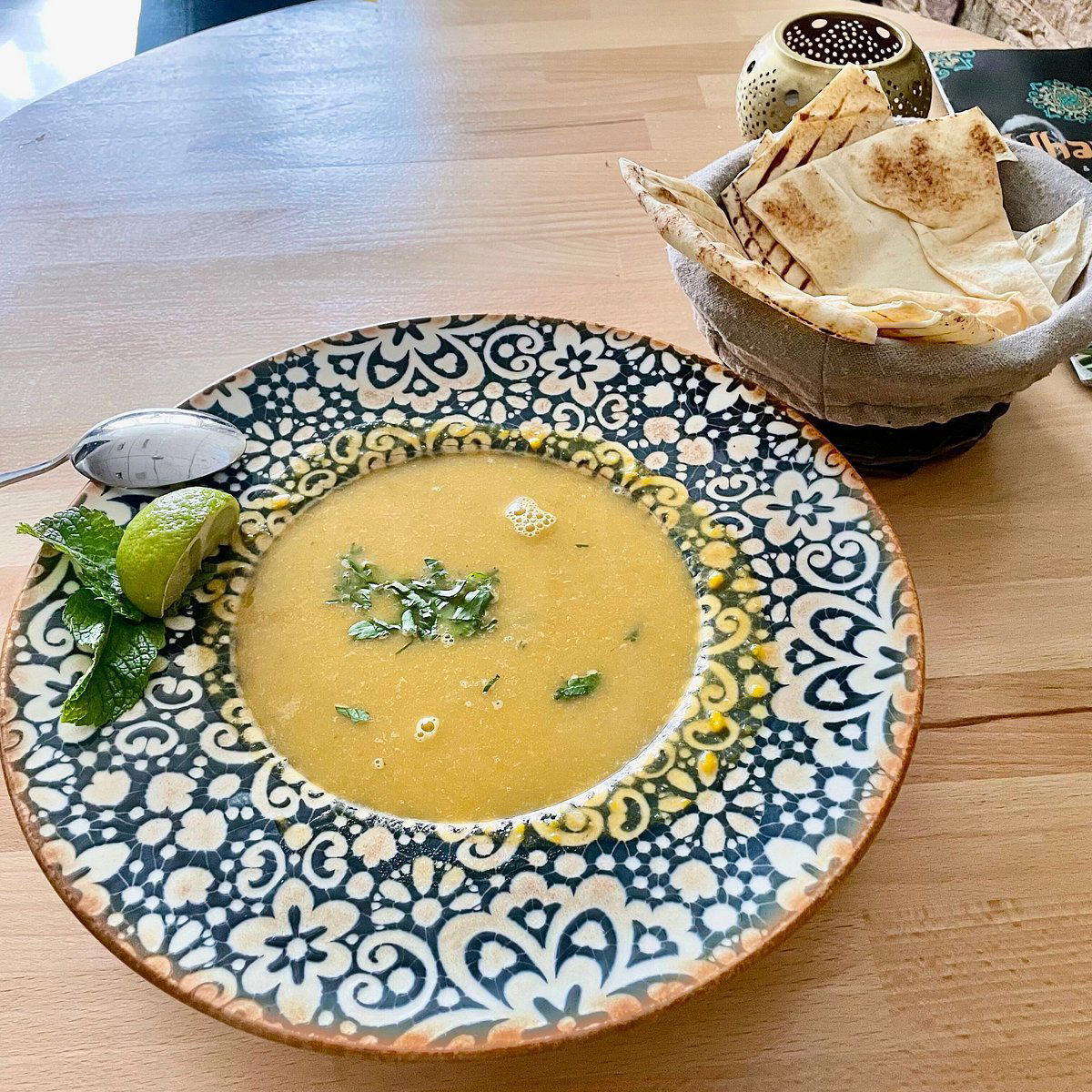
| Alhambra Orient Food | Middle Eastern & Falafel | $$ | Lübeck Altstadt |
| Jawed´s Remise | Afghan & Central Asian | $$ | Altstadt |
| The Newport Marina & Restaurant | Modern Northern German Seafood | $$$ | Media Docks / Harbor District |
| Namaste India | Authentic Indian | $$ | Altstadt |
Continue exploring
More in Lübeck
Restaurants in Lübeck
Browse all →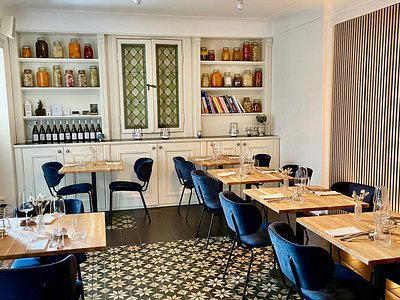
At a Glance
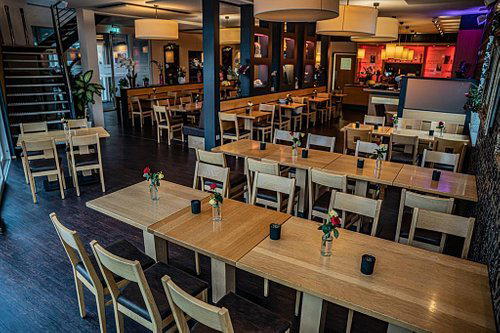
- Cozy
- Intimate
- Modern
- Quiet
- Casual Hangout
- Date Night
- Solo
- Standalone
- Beer Program
Current opening hours
- Monday
- 5–9 PM
- Tuesday
- 5–9 PM
- Wednesday
- Closed
- Thursday
- 5–9 PM
- Friday
- 5–9 PM
- Saturday
- 5–9 PM
- Sunday
- 5–9 PM
Hours can change for holidays and private events. Last verified .
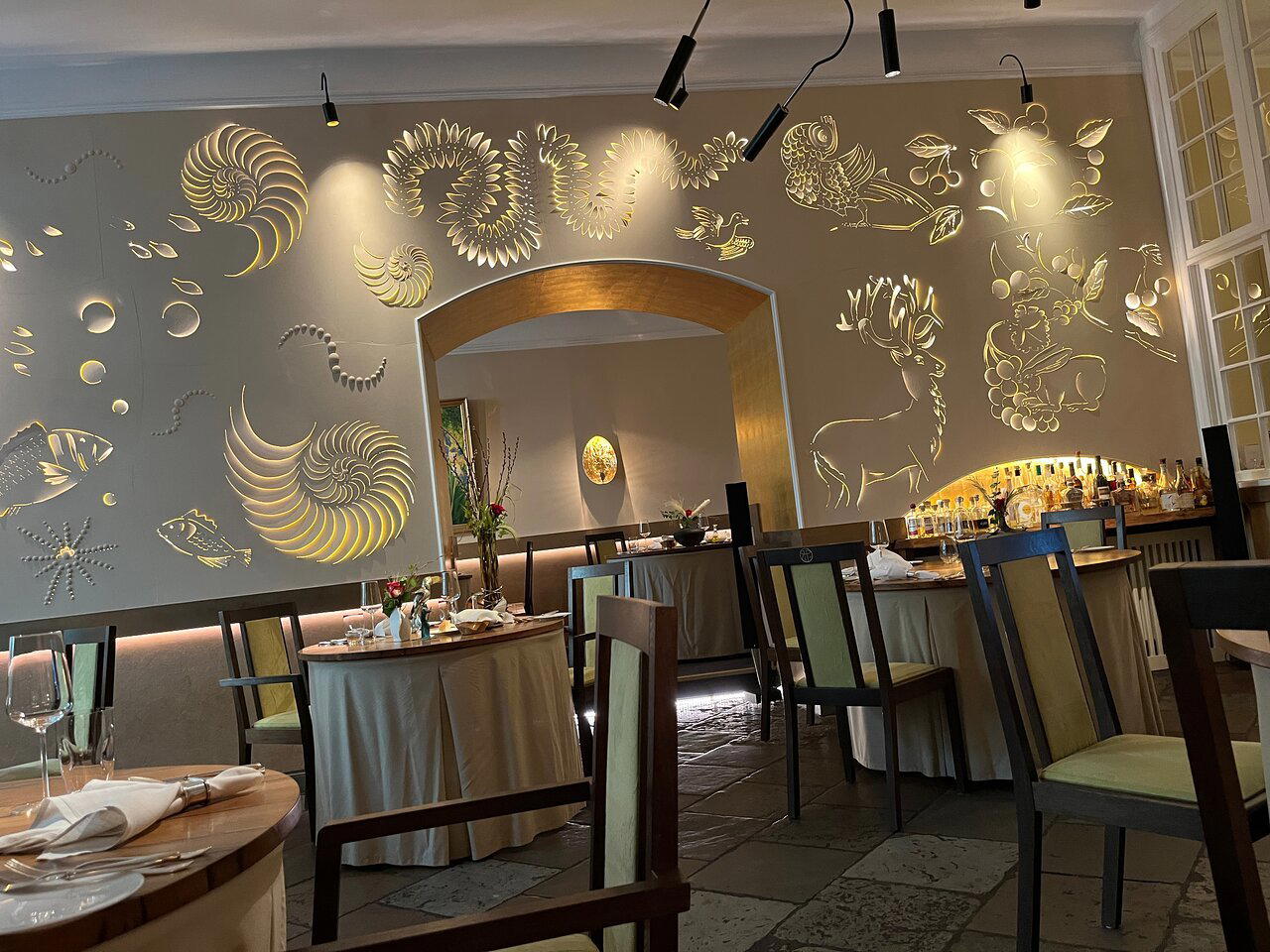
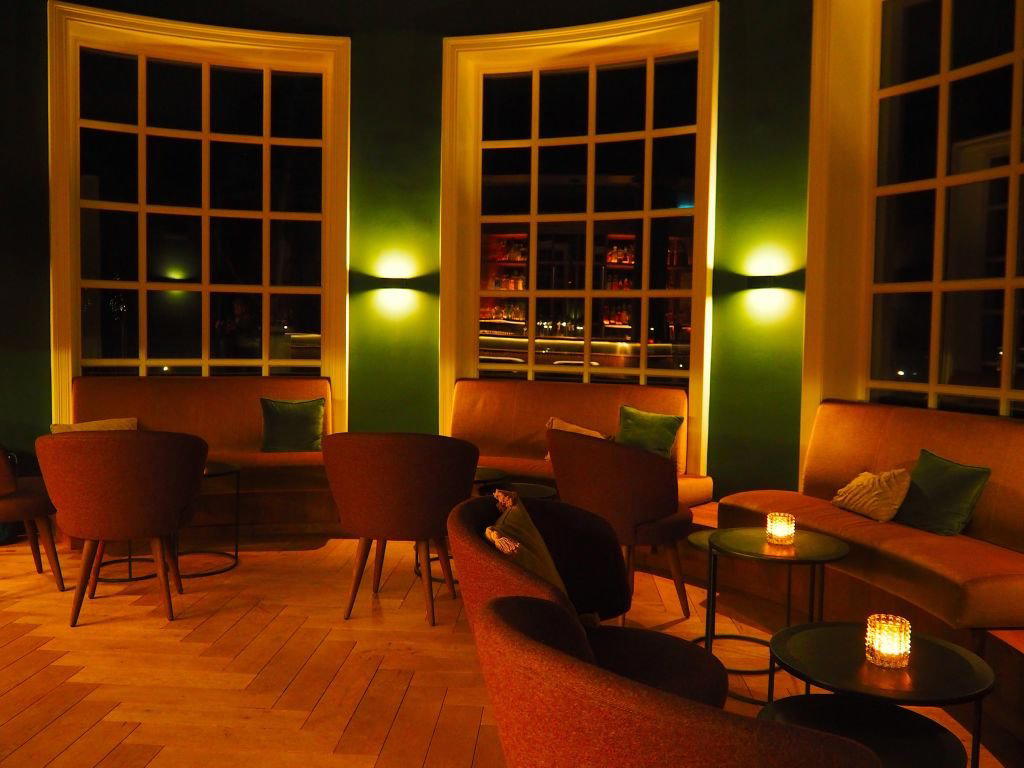
Simple, cubic, and direct interior with minimal decoration except for potted plants; warm and welcoming service in a compact dining room that feels cute and cozy despite its tiny footprint.