Schloss Berg
Schloss Berg occupies a castle property in Perl-Nennig, a corner of the Saar-Moselle triangle where Germany, France, and Luxembourg converge. The address alone positions it within one of Germany's most wine-dense dining corridors, where serious kitchen ambition and regional produce traditions tend to reinforce each other. For travellers moving through the tri-border region, it warrants a closer look alongside the area's other significant tables.
Pearl is the En Primeur Club membership app — saves, bookings, and concierge access live there. Same editors, same standards.
- Address
- Schloßstraße 27-29, 66706 Perl, Germany
- Phone
- +49 6866 79118
- Website
- victors-fine-dining.de
- Directions
- Get directions
 Saves & bookings on Pearl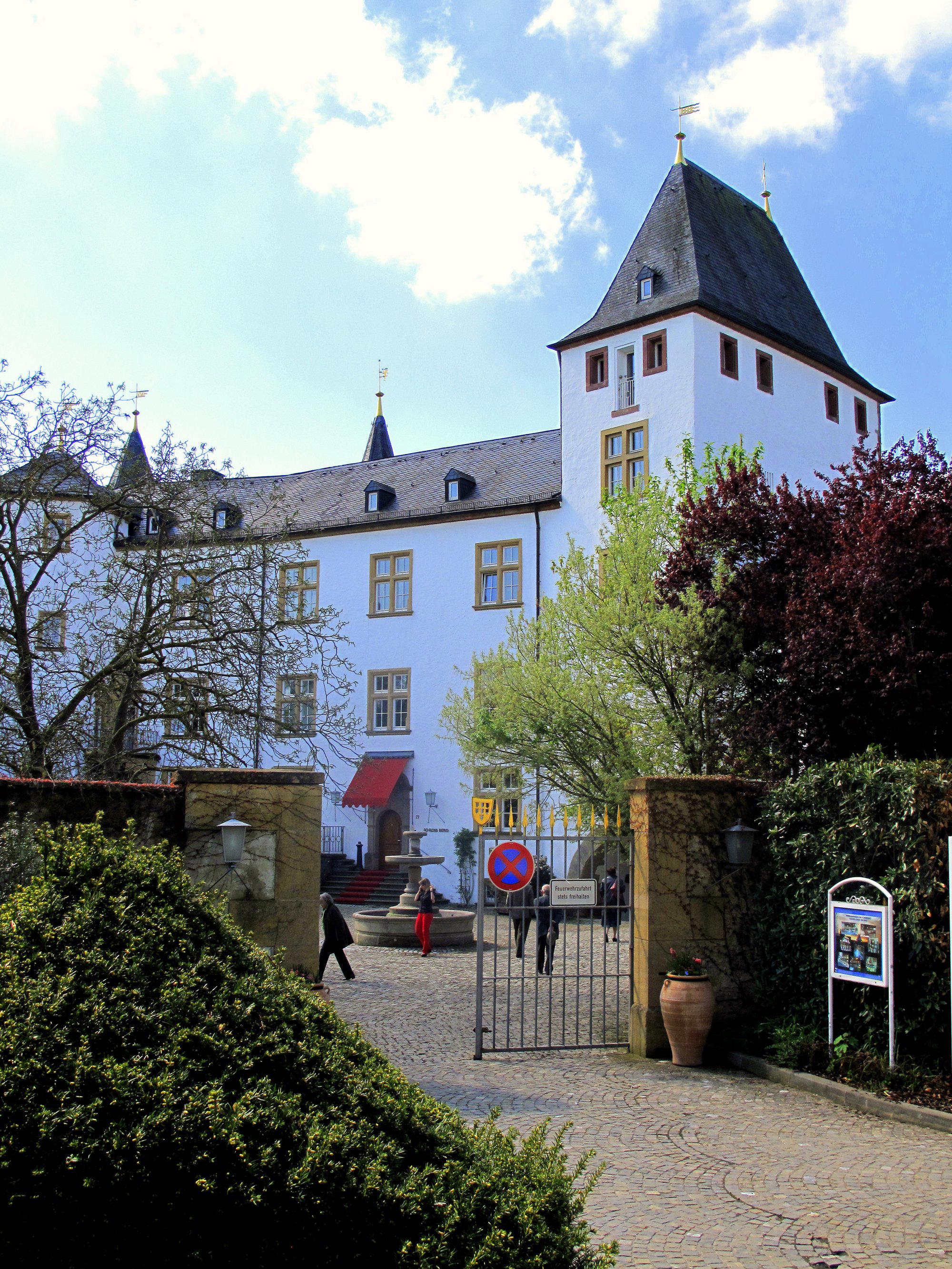
Where Three Countries Meet at the Table
The Saar-Moselle triangle, where Germany folds into France and Luxembourg within a few kilometres, produces a particular kind of dining address: one where geography is not incidental but structural. Perl-Nennig sits at that junction, and Schloss Berg, a restaurant in Perl, Germany, occupies the kind of setting that shapes expectations before a single dish arrives. Castle properties in this part of western Germany have historically served as anchors for serious hospitality, and the region's proximity to three distinct culinary traditions gives kitchens here unusual raw material to work with, literally and figuratively.
The tri-border zone is not a marketing construct. It reflects a genuine overlap in produce supply chains, wine culture, and cooking vocabulary. Chefs operating here can draw from Moselle valley viticulture, Lorraine's dairy and charcuterie traditions, and the Luxembourgish approach to game and river fish, all within a sourcing radius that most metropolitan restaurants could not replicate. That ingredient density is the defining characteristic of the region's serious tables, and it is the lens through which Schloss Berg is best understood.
The Sourcing Geography of the Saar-Moselle
In Germany's fine dining conversation, provenance has moved from footnote to framework over the past decade. At the summit tier, as seen at properties like Aqua in Wolfsburg or Vendôme in Bergisch Gladbach, the sourcing story is often told through named farms, specific valley appellations, and seasonal calendars that rotate more frequently than standard European fine dining would suggest. The Perl-Nennig area operates with a different advantage: the tri-border geography means that sourcing here can draw from three national agricultural identities simultaneously.
The Moselle's slate-soil Rieslings, for instance, are not merely a wine pairing consideration. They inform the acid register that kitchens in this corridor have historically worked with, shaping how sauces reduce and how fish dishes are balanced. The French side of the border brings Lorraine's influence: cream, mirabelle plum, and a tradition of slow-cooked preparations that contrast with the leaner German idiom. Luxembourg adds a game-hunting culture and freshwater fish sourcing, particularly pike-perch from the Moselle itself, that gives kitchens in the area access to proteins not easily sourced elsewhere in Germany's fine dining supply chain.
This is the context in which Schloss Berg operates. Its address in Perl places it in an ingredient-rich corridor that rewards kitchens willing to source deeply and seasonally rather than relying on standard luxury goods that circulate across European tasting menus regardless of geography.
The Regional Dining Tier and Peer Context
Perl and its immediate surroundings have produced serious fine dining credentials. Victor's Fine Dining by Christian Bau in Perl holds three Michelin stars and has long anchored the area's reputation at the highest level of German gastronomy. That presence establishes a reference point: the Perl-Nennig corridor is not a secondary market for fine dining. It is a destination address, drawing visitors from Luxembourg City, Trier, and further afield who treat the tri-border region as a coherent culinary geography rather than a provincial detour.
Comparisons to other Germany-wide three-star addresses, such as Schwarzwaldstube in Baiersbronn or Waldhotel Sonnora in Dreis, are instructive. Both operate in rural castle or estate contexts where the physical setting reinforces the dining proposition, and both draw on hyper-regional sourcing as a differentiator from urban fine dining. The restaurant's castle address places it structurally in that same category: a property where environment, provenance, and kitchen ambition are expected to operate as a coherent whole rather than independently.
Nearby, Bagatelle in Trier and Schanz in Piesport extend the Moselle valley's serious dining corridor further east, confirming that the region functions as a cluster rather than a collection of isolated addresses. Travellers covering the area's fine dining circuit will find Perl-Nennig a logical anchor, with the restaurant's castle setting providing a physical counterpoint to the valley-floor winery restaurants that dominate the Moselle's visual identity.
Setting and Atmosphere
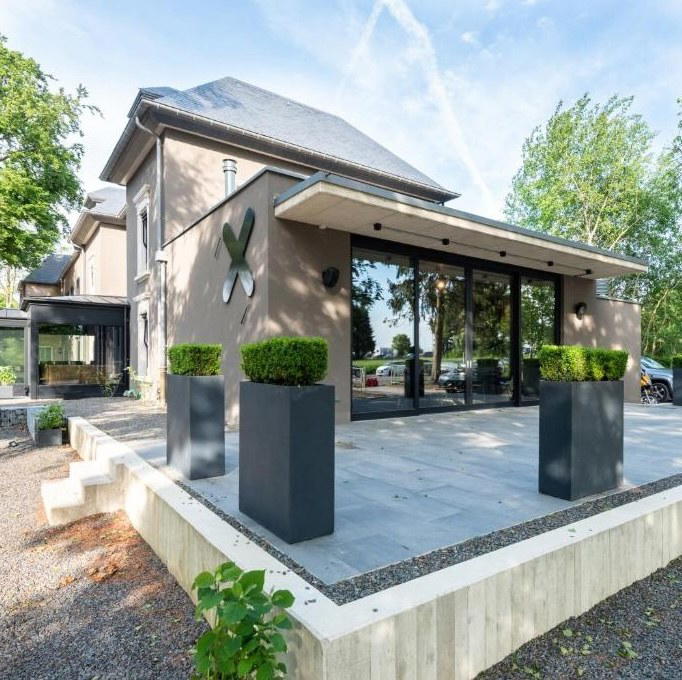
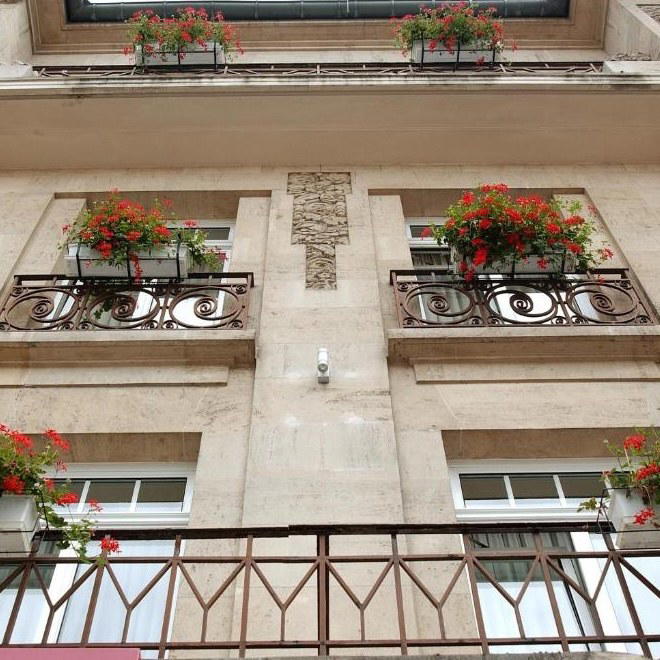
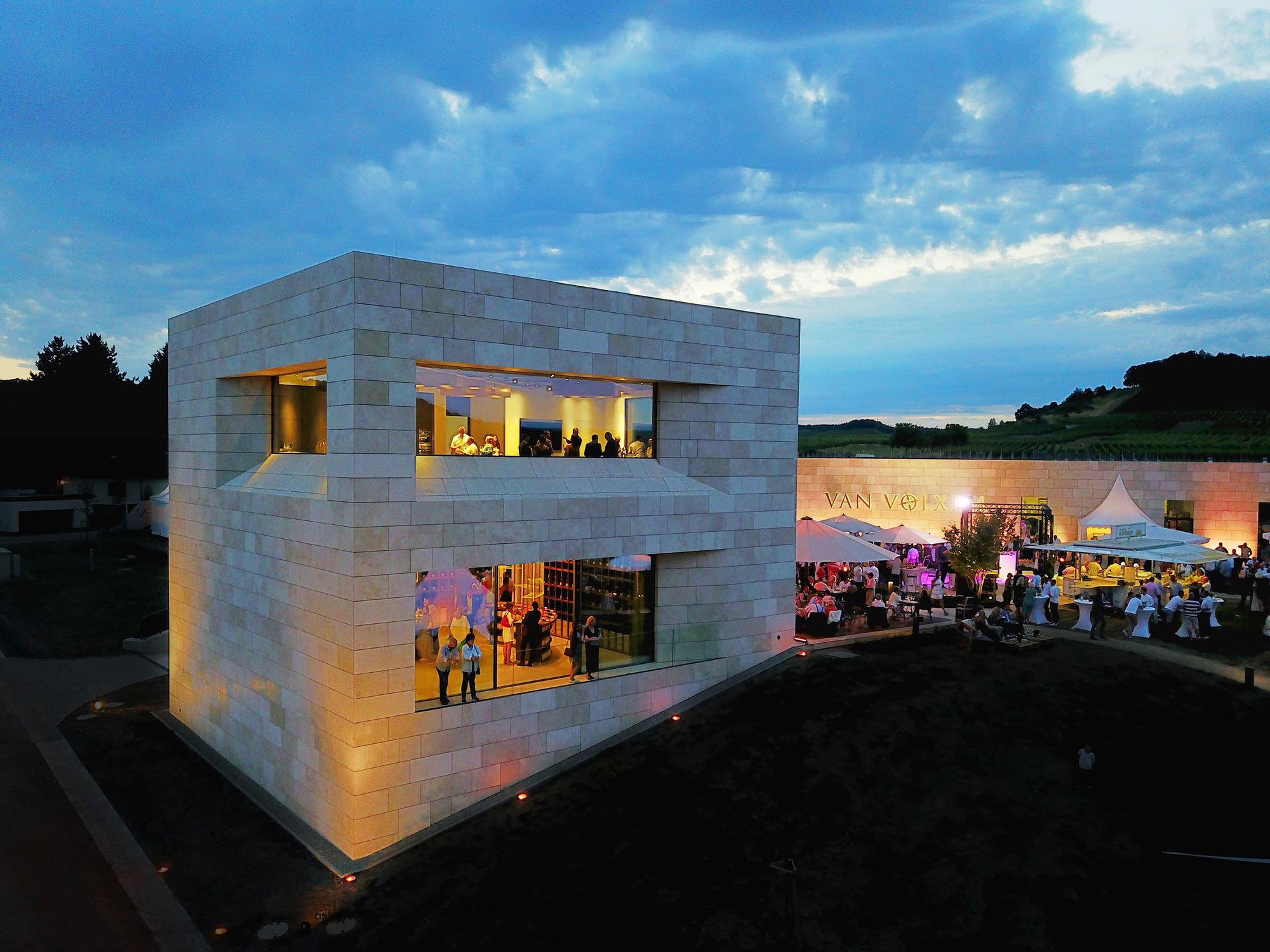
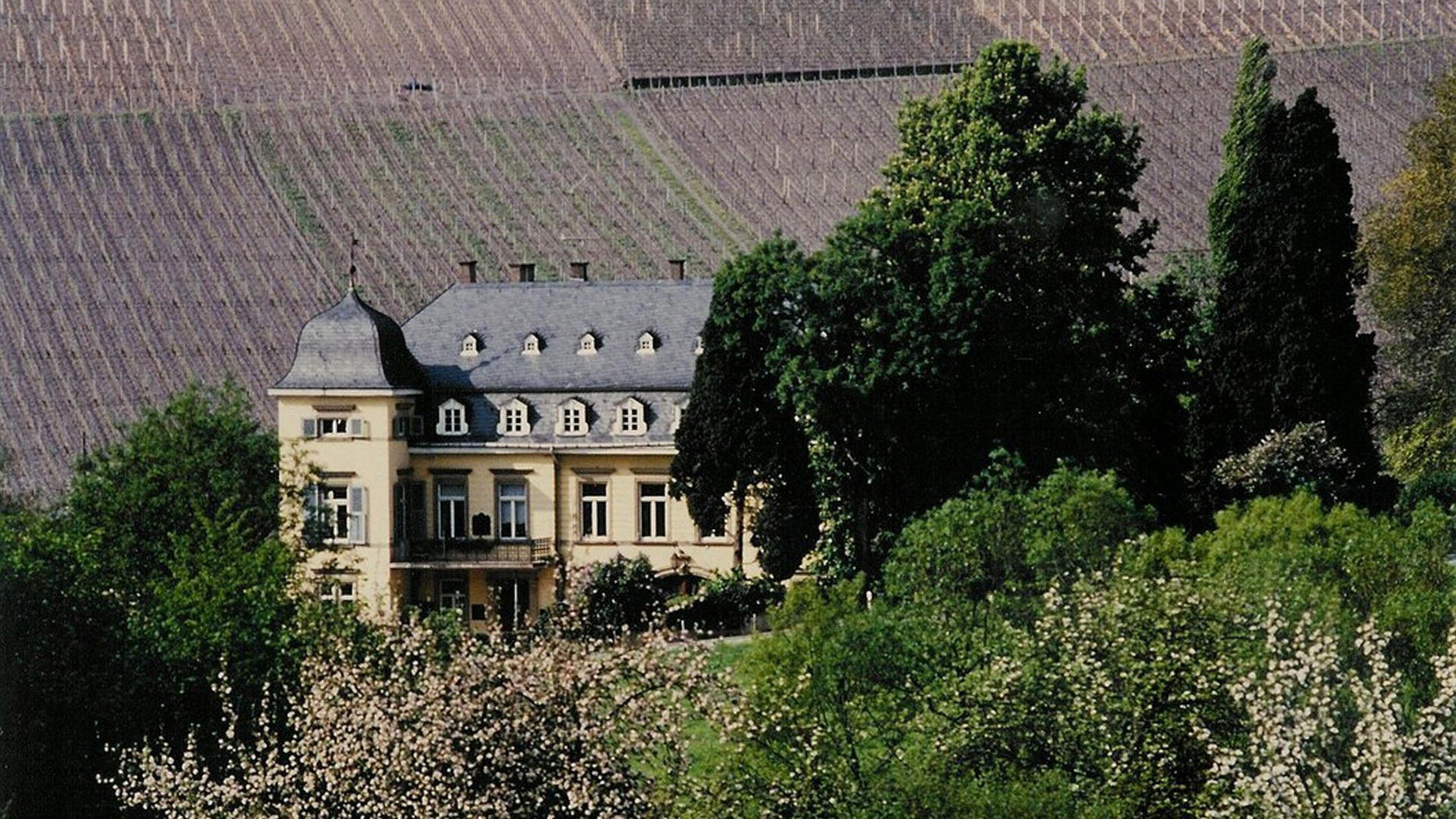
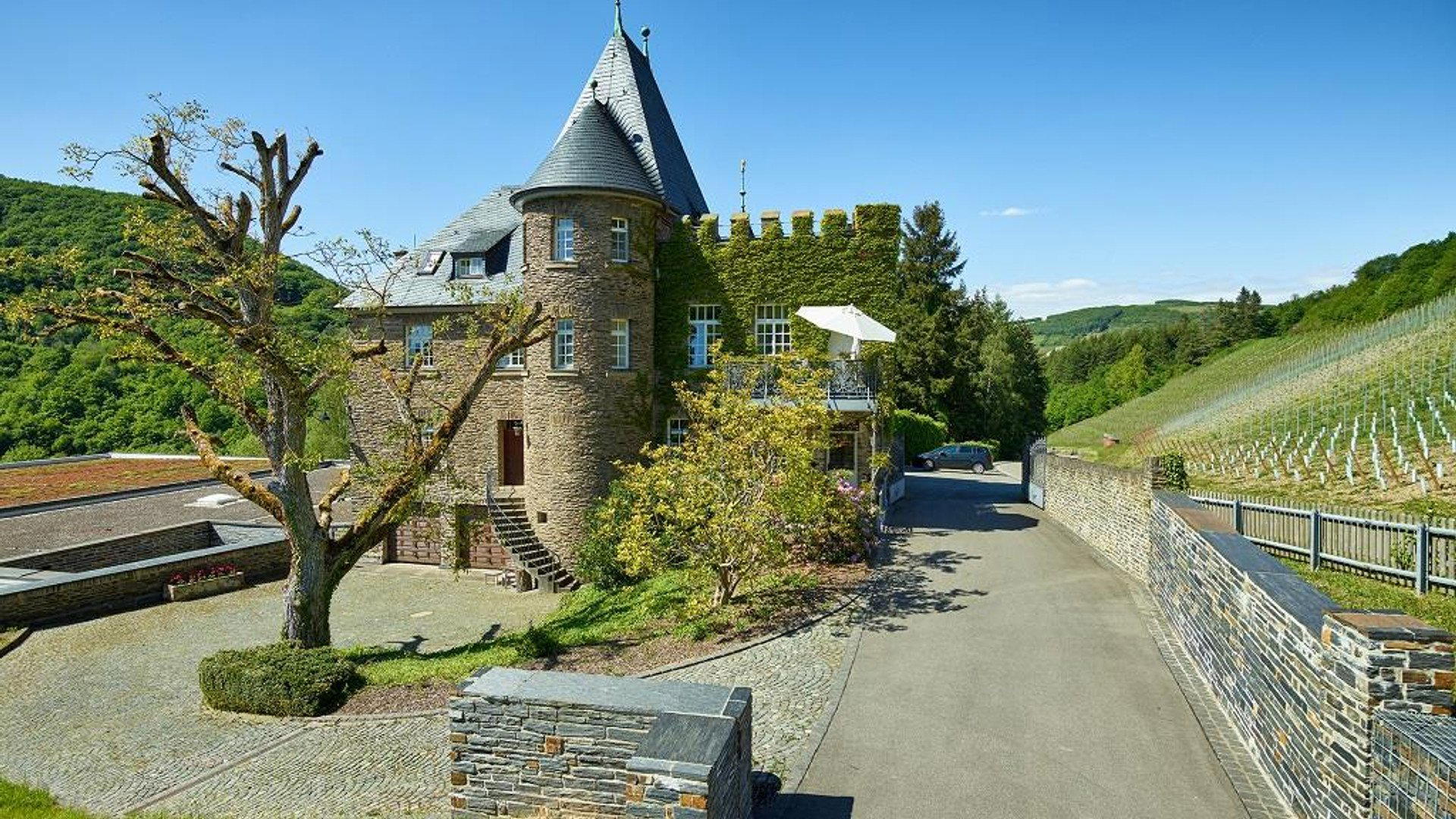
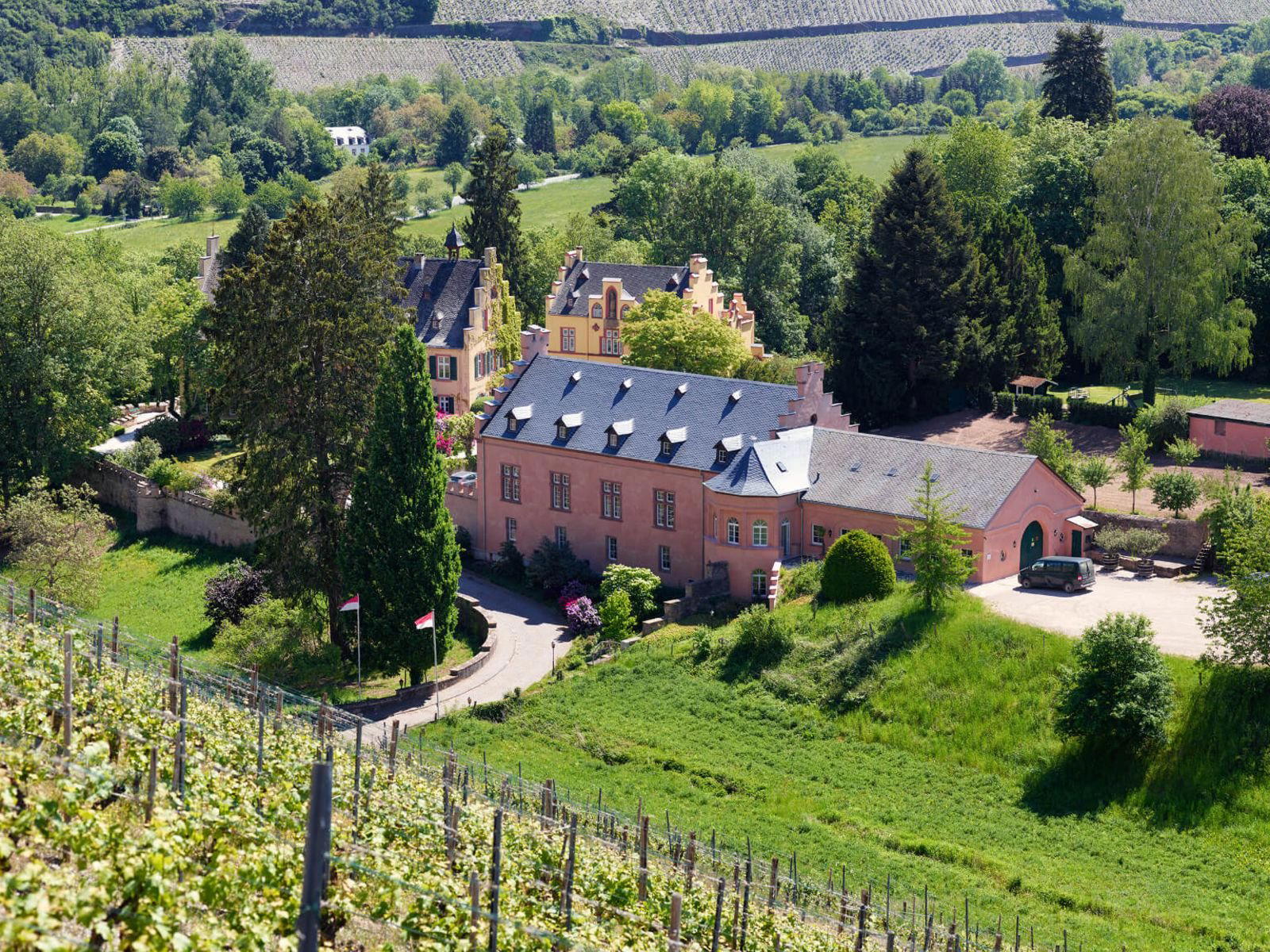
Castle properties in the Saar region carry a specific atmospheric register: stone architecture, formal garden geometry, and interiors that tend toward the restored-historic rather than the contemporary. That physical context shapes the dining experience in ways that are difficult to separate from the food itself. Arriving at Schloßstraße 27-29 in Perl-Nennig, the built environment signals a certain register of occasion, one that positions a meal here as a deliberate event rather than a spontaneous visit.
This physical formality is common to the comparable set. Estate and castle dining in Germany, from the Black Forest to the Moselle valley, tends to attract guests who have planned around the visit and arrived with corresponding expectations. That dynamic affects service pacing, the structure of menus, and the extent to which wine plays a narrative role in the meal. In the Saar-Moselle context, where the local wine culture is sophisticated and the proximity to Luxembourg and French Lorraine adds imported cellar depth, wine integration at serious tables is typically more ambitious than at comparable urban addresses.
Planning a Visit
Perl-Nennig sits in the far southwest of Saarland, close to the Luxembourg border and approximately 50 kilometres from Trier. The village is accessible by road from Luxembourg City, making it a plausible destination for visitors based there. For those approaching from within Germany, Trier is the nearest significant rail hub, with onward travel to Perl-Nennig by road. Given the rural setting, a car or private transfer is the practical choice for most visitors.
The tri-border location means that visitors combining the restaurant with other regional tables should plan a multi-day circuit.
Germany's fine dining tier, from JAN in Munich to ES:SENZ in Grassau, CODA Dessert Dining in Berlin, and Restaurant Haerlin in Hamburg, has expanded its geographic spread considerably. The Perl-Nennig corridor, anchored by its tri-border provenance and estate settings, represents one of the more geographically coherent clusters in that national picture.
At-a-Glance Comparison
Comparable venues nearby, for context on price, style, and recognition.
| Venue | Cuisine | Price | Notes |
|---|---|---|---|
| Schloss BergThis venue — the venue you are viewing | Modern French Cosmopolitan Fine Dining | $$$$ | Not listed |
| Heinz Winkler | Modern French Fine Dining - Cuisine Vitale | $$$$ | Aschau im Chiemgau |
| Brasserie Schwarzenstein | French Contemporary Brasserie | $$$$ | Geisenheim |
| FÄHRHAUS Koblenz | Avant-Garde French-Mediterranean Fine Dining | $$$$ | An der Fähre |
| Port Victoria | Modern Creole Fusion | $$$$ | Neuss Harbor |
| Hotel Restaurant 2THeimat | Modern Regional German | $$$$ | Morbach |
Continue exploring
More in Perl-Nennig
Restaurants in Perl-Nennig
Browse all →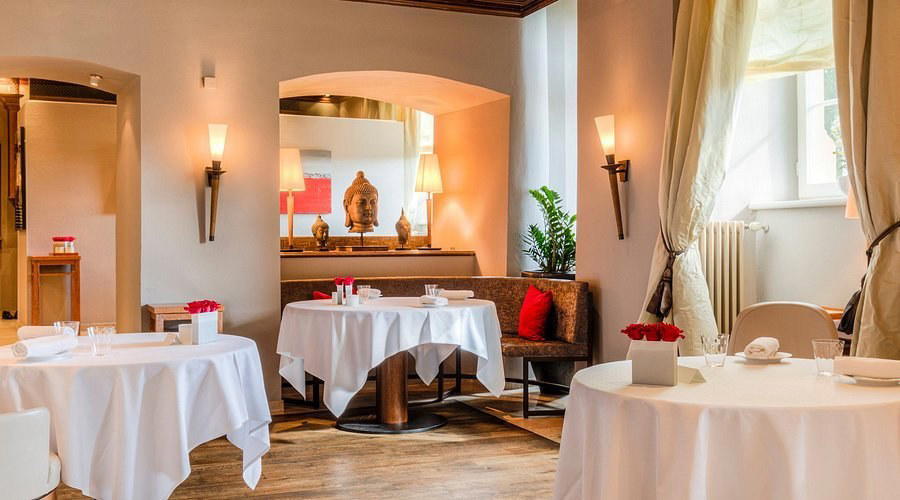
Hotels in Perl-Nennig
Browse all →
At a Glance
- Elegant
- Sophisticated
- Classic
- Scenic
- Special Occasion
- Date Night
- Celebration
- Historic Building
- Hotel Restaurant
- Vineyard
Current opening hours
- Monday
- Closed
- Tuesday
- Closed
- Wednesday
- Closed
- Thursday
- 7 PM–12 AM
- Friday
- 7 PM–12 AM
- Saturday
- 12–4 PM, 7 PM–12 AM
- Sunday
- 12–4 PM, 7 PM–12 AM
Hours can change for holidays and private events. Last verified .
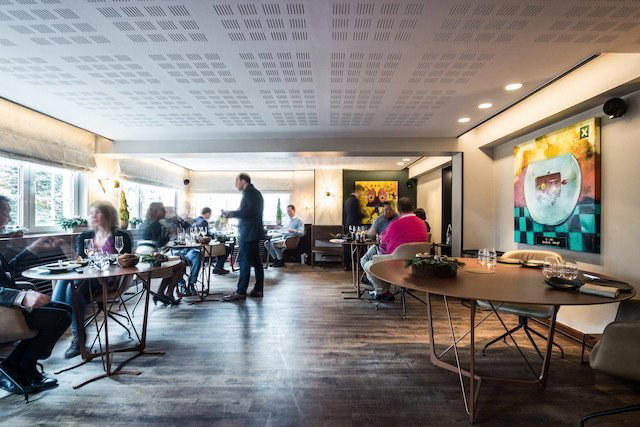
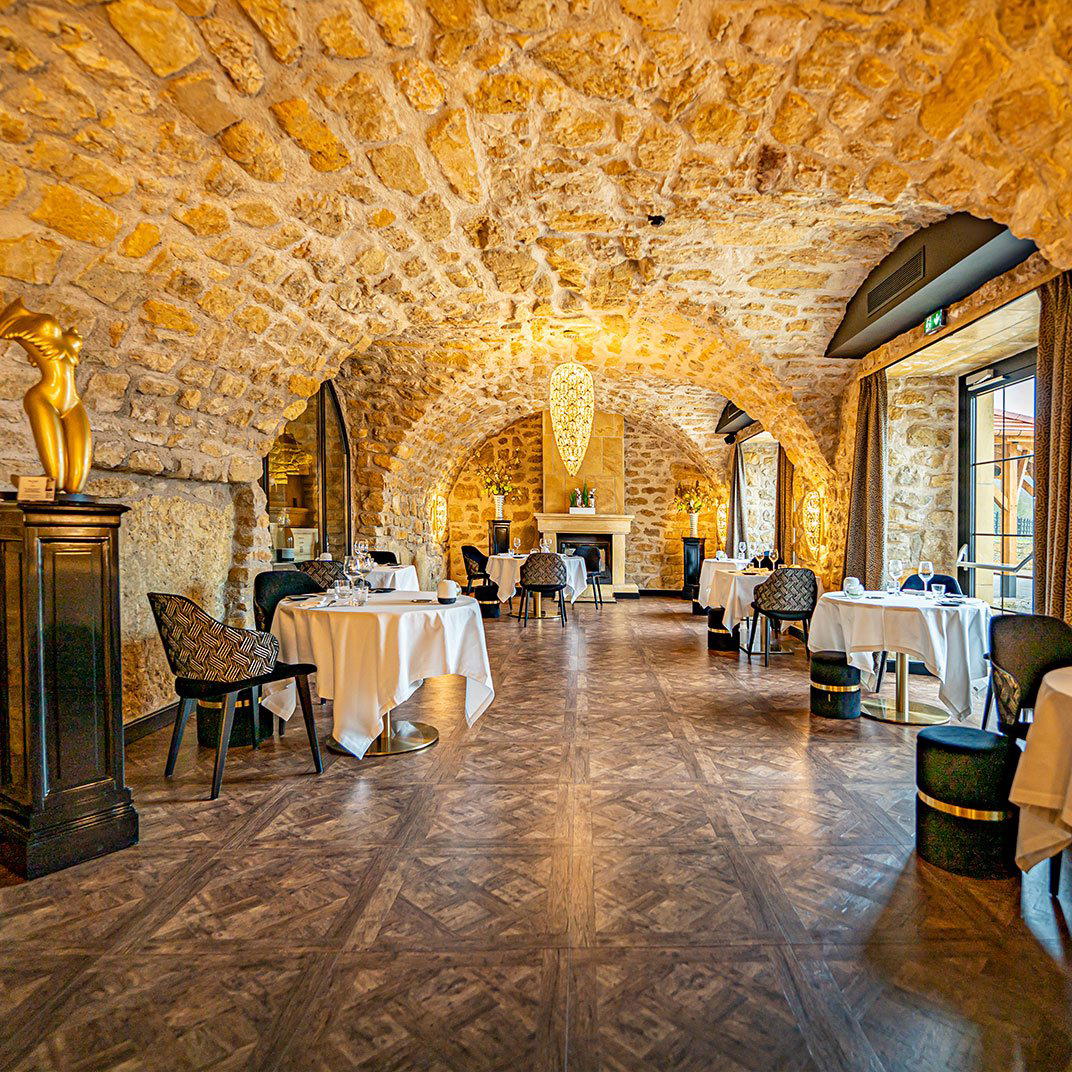
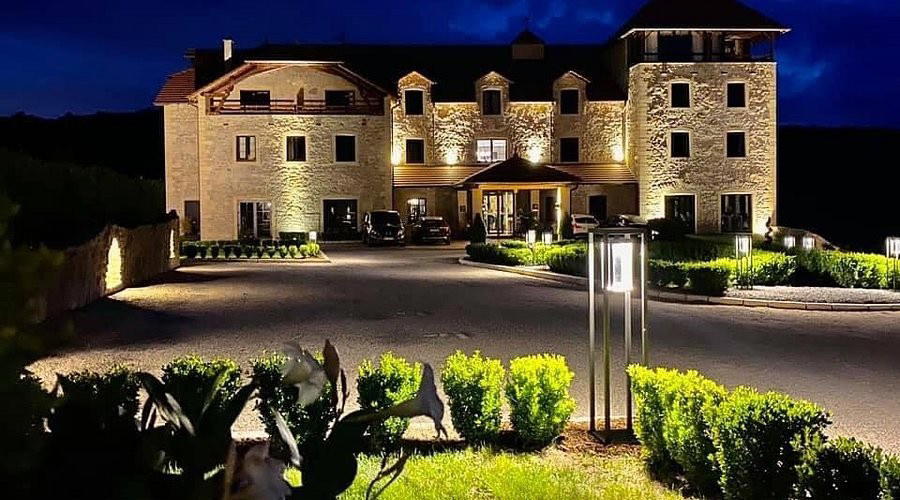
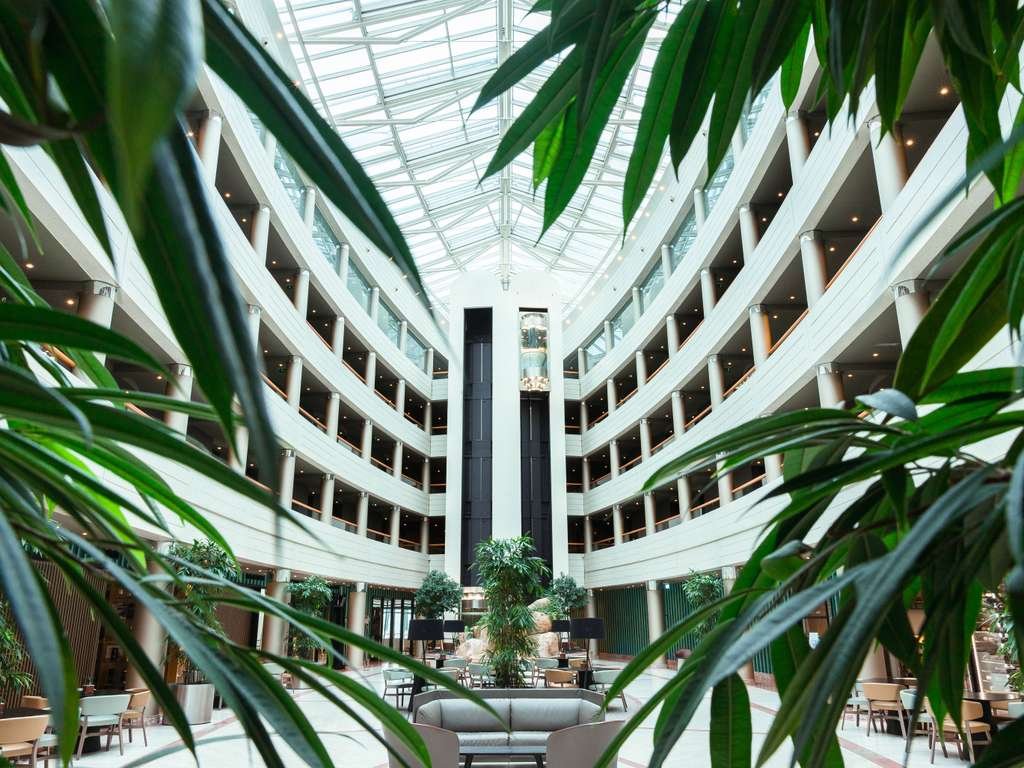
Omnipresence of light warm tones in a decor balanced between Victorian and contemporary design, creating an elegant and appetizing atmosphere.