Schloß-Hotel Petry
Our verdict
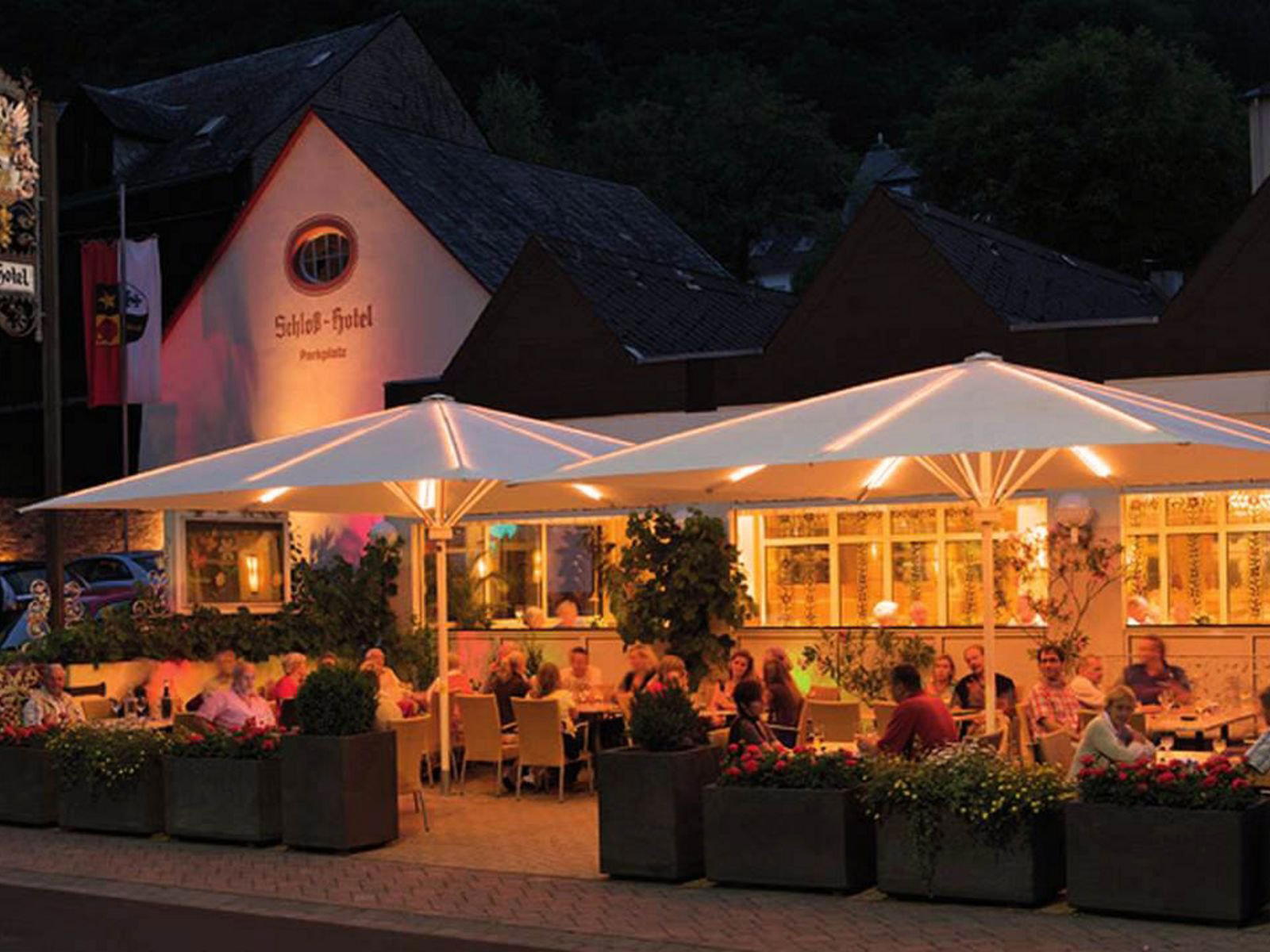
Schloß-Hotel Petry sits in Treis-Karden, a small Moselle valley town where the river bends beneath medieval towers and vine-covered slopes. The property occupies a setting shaped by centuries of Rhenish wine culture and regional produce, placing it within a broader tradition of hotel dining along Germany's most food-serious river corridors. For travellers exploring the middle Moselle, it represents a grounded alternative to the larger resort properties upstream.

Pearl is the En Primeur Club membership app — saves, bookings, and concierge access live there. Same editors, same standards.
The menu
What to order
- Fried blood sausage with potato mash and applesauce
- Deer liver with field salad
- Deer peel with bread dumplings and blue cabbage
- Pork medallions
- Wild boar bratwurst
Where the Moselle Sets the Table
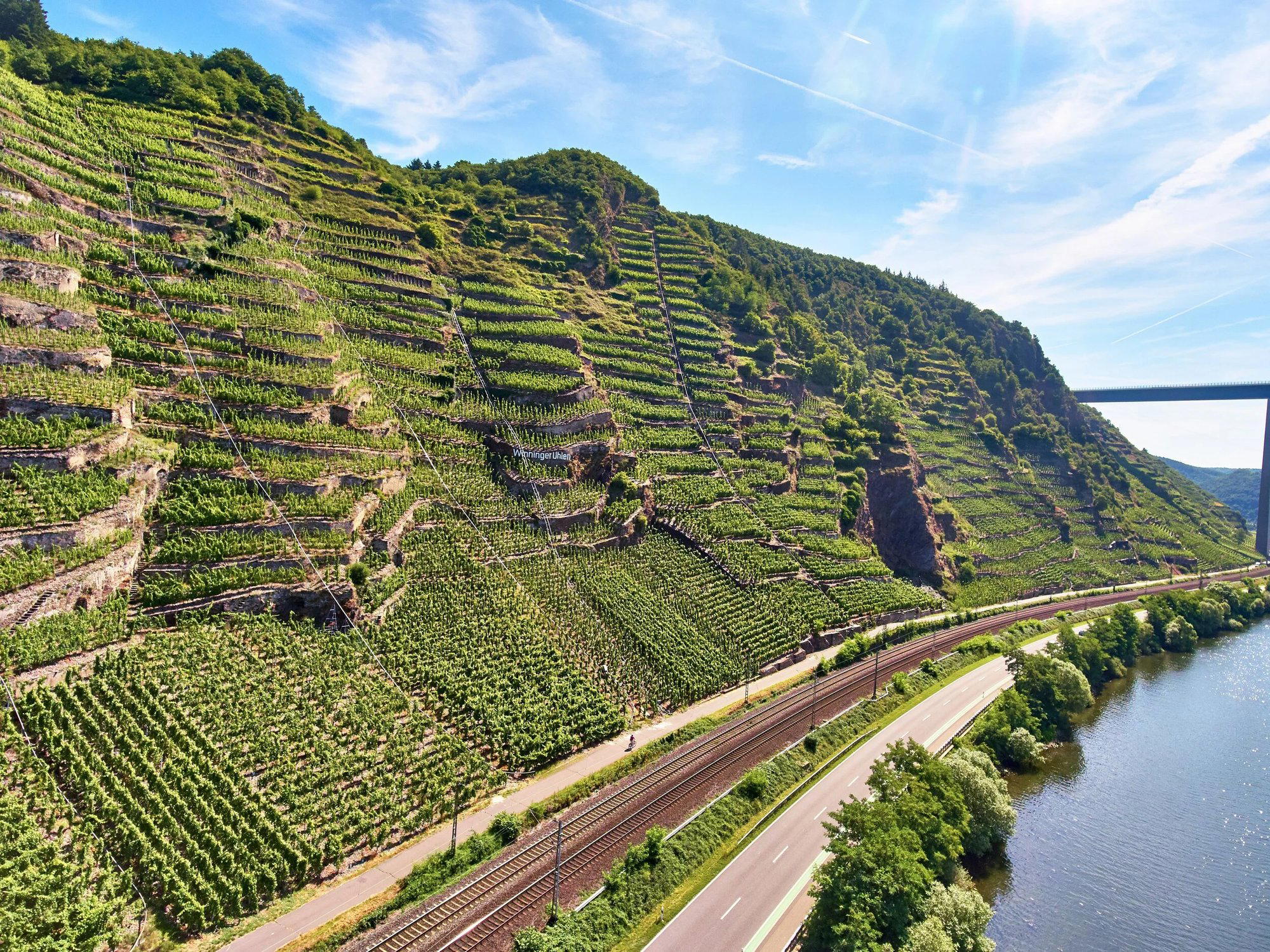
The middle Moselle between Cochem and Koblenz operates according to its own culinary logic. The river's steep slate terraces, which have been cultivated since Roman times, produce Riesling of a minerality that few German wine regions replicate. The villages along this stretch — Bremm, Ediger-Eller, Treis-Karden — are not the well-trafficked names of the Saar or the Rheingau, and that relative quietness shapes how their kitchens operate. Sourcing here is dictated less by trend than by what the valley floor and surrounding Eifel uplands actually yield: river fish, game from the forested ridges, and produce grown in microclimates that shift markedly between the sun-exposed south-facing banks and the cooler northern slopes. Schloß-Hotel Petry, addressed at St.-Castor-Straße 80 in Treis-Karden, sits inside this geography rather than apart from it.
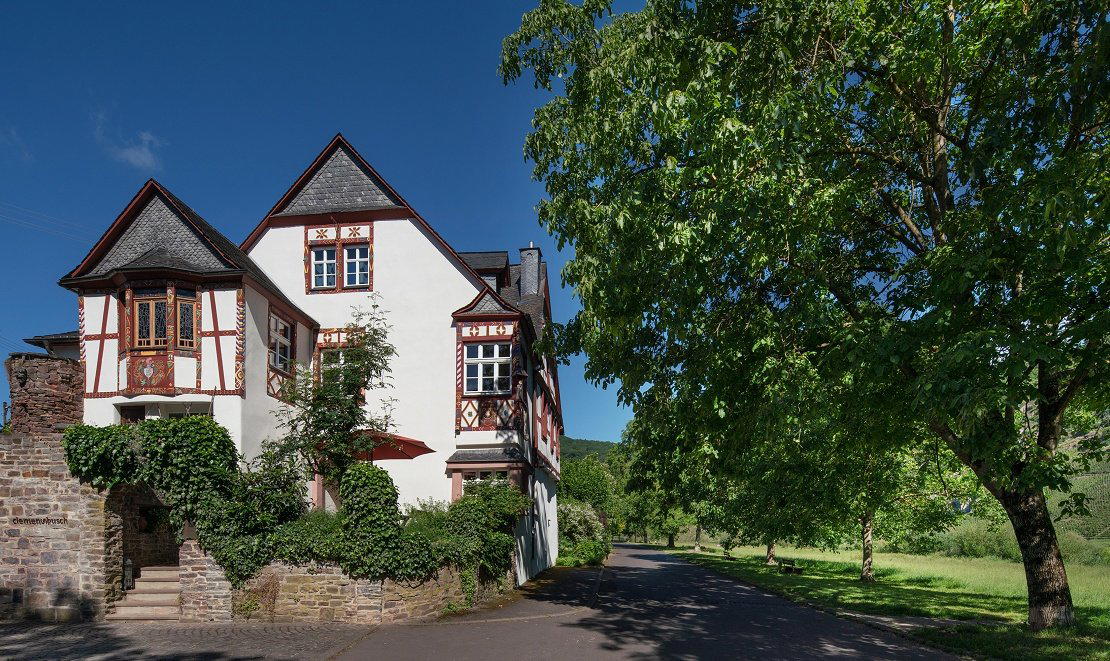
Treis-Karden itself is a double village, formed from the historic merger of two settlements on opposite banks connected by the character of the Moselle itself. The Romanesque collegiate church of St. Castor, one of the oldest in the region, anchors the Karden side and gives the main street its name. Arriving by the riverside road from Cochem, the hotel appears as part of a built fabric that predates the contemporary tourism infrastructure of better-known Moselle stops. That context matters for understanding what kind of property this is: not a purpose-built resort extracting value from a wine-country brand, but a hotel shaped by its particular place on the river. For our full overview of where to eat and stay in the area, see our full Treis Karden restaurants guide.
Ingredient Sourcing Along a River Corridor
The culinary identity of the middle Moselle is inseparable from its supply lines. Properties in this corridor draw on a network of sources that larger city restaurants can rarely access with the same immediacy: Moselle pike-perch and eel pulled from the river itself, venison and wild boar from the Eifel National Park hinterlands to the west, and foraged mushrooms and herbs from the forested valley sides. These are not boutique supply narratives deployed for marketing purposes, they reflect the actual economy of a rural region where direct producer relationships are a structural reality rather than a premium add-on.
Germany's highest-recognition kitchens tend to articulate this sourcing logic through highly codified tasting menu formats. Waldhotel Sonnora in Dreis, roughly 60 kilometres southwest in the Eifel, represents one model: a three-Michelin-star property where classical French technique meets regional produce in a destination-dining context. Schanz in Piesport, directly on the Moselle wine corridor, takes a different approach, building around the immediate vineyard environment and the Riesling culture of the middle river. Schloß-Hotel Petry operates at a different scale to both, in a village that receives fewer passing visitors than Bernkastel or Traben-Trarbach, which in practice means its kitchen serves a more locally anchored clientele and draws on supply chains built from proximity rather than prestige procurement.
Wider regional comparisons are instructive. Germany's most formally ambitious restaurants, Aqua in Wolfsburg, Vendôme in Bergisch Gladbach, or Victor's Fine Dining by Christian Bau in Perl, operate as destination addresses that draw guests specifically to a culinary proposition. A property like Schloß-Hotel Petry occupies a different position: the kitchen serves the hotel, the hotel serves the landscape, and the landscape is what draws the traveller in the first place. It is a model common across the Rhine valley corridor and not unique to this address, but it produces a particular kind of hospitality that itinerary-driven visitors to the Moselle often overlook in favour of more-publicised stops.
The Moselle Hotel-Dining Tradition
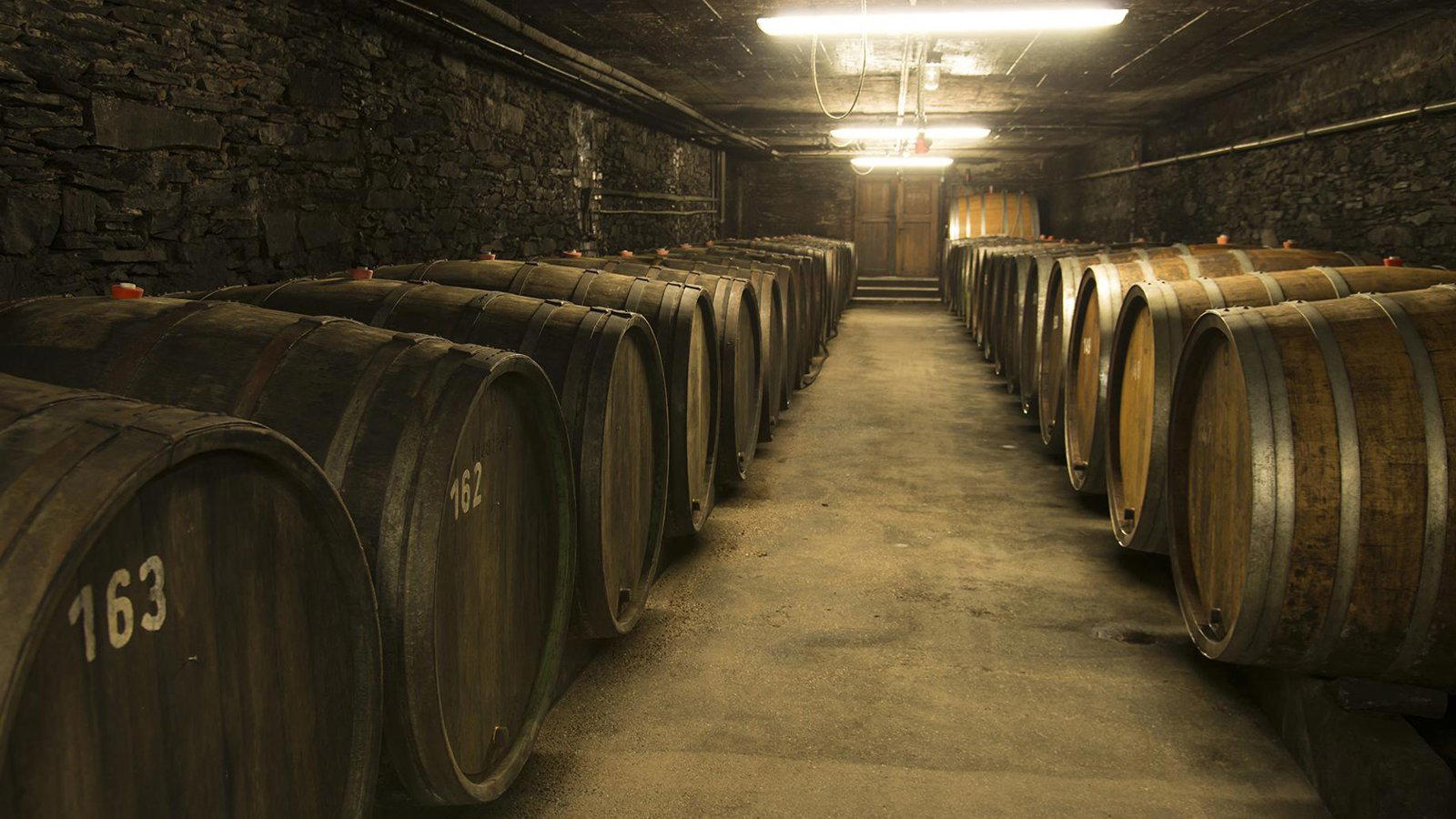
Hotel dining along the German wine rivers has a longer and more complex history than the current fine-dining conversation in cities like Berlin or Munich tends to acknowledge. Before the rise of the standalone chef-driven restaurant as the dominant prestige format, the great hotel tables of the Rhine and Moselle were where serious eating happened in this part of Germany. Many have contracted or repositioned since, as the michelin-starred standalone kitchen model displaced hotel dining in the cultural imagination of serious food travellers. What persists in the surviving properties is a kitchen orientation shaped by the needs of hotel guests: a broader menu range than a tasting-only counter would offer, service rhythms calibrated to overnight stays rather than single-sitting efficiency, and a wine list built around the immediate region in a way that urban restaurants rarely replicate.
The Riesling culture of the Moselle is central to understanding any dining experience along this river. The slate-soil wines from the steep vineyards above Treis-Karden and its neighbouring villages carry an acidity and petroleum-mineral character that pair with food differently from the rounder styles produced further north toward Koblenz. A hotel positioned on this stretch of the river, with access to small producers who may not export or maintain city-restaurant distribution, holds a natural advantage in constructing a wine program rooted in where it actually sits. This is a pattern visible at other regional hotel properties: Bagatelle in Trier draws on the Mosel-Saar-Ruwer production zone to the southwest, while the kitchens at Schwarzwaldstube in Baiersbronn and JAN in Munich demonstrate how a deep regional sourcing identity can anchor formal kitchen ambition without sacrificing the breadth a hotel dining room requires.
For travellers comparing the Moselle against other European river-valley dining traditions, the reference points extend beyond Germany. The Loire, the Rhône, and the Douro each have their own hotel-dining cultures shaped by proximity to wine production. What distinguishes the Moselle is the combination of dramatic topography, the switchback bends, the vertiginous vineyard gradients, the medieval fortifications above the water line, and a wine tradition that remained largely domestic in reputation until relatively recently. That late international arrival means the valley retains a density of small, family-run properties serving local clientele, a demographic pattern that shapes kitchen sourcing at every price point.
Planning Your Visit
Treis-Karden sits on the Moselle rail line between Cochem and Koblenz, and the village is reachable by regional train from both directions, with Koblenz offering the more frequent connections and onward rail links to Frankfurt and Cologne. By road, the B49 follows the river and gives direct access from Cochem, roughly 20 kilometres to the southwest. The town is small enough that the hotel at St.-Castor-Straße 80 is walkable from the station. Visiting between May and October captures the valley at its most animated, with the vineyards in active growth and the cycling route along the river bank in full use. The quieter shoulder months of March, April, and November offer lower occupancy rates across Moselle properties generally, which typically translates to more availability and a calmer setting. Booking directly with the property is the standard practice for smaller hotel-restaurants in this part of Germany; third-party platforms cover some inventory but rarely all room categories. Travellers arriving with a specific dining intent should confirm kitchen hours and availability at the time of reservation, as hotel restaurant services in smaller Moselle villages can vary seasonally in their scope and days of operation.
For context on what the broader spectrum of German fine dining currently looks like, the range runs from the dessert-focused innovation of CODA Dessert Dining in Berlin and the creative formats at ES:SENZ in Grassau and AURA by Alexander Herrmann and Tobias Bätz in Wirsberg, to the more classically grounded work at Restaurant Haerlin in Hamburg and AUGUST in Augsburg. The Moselle valley sits apart from that conversation by geography and orientation, but it feeds into the same national culinary tradition, one that, at its most thoughtful, takes sourcing from a specific landscape as its primary argument. Internationally, the logic of place-rooted hotel dining that defines properties along this river has clear parallels in the philosophy behind Le Bernardin in New York City's sustained focus on a single product category, or the way Atomix in New York City anchors a specific cultural sourcing tradition in a context far removed from its origins. What all of these operations share, across formats and price points, is the conviction that knowing where your ingredients come from is not a secondary consideration but the primary one. In the Moselle valley, the geography makes that argument inescapably concrete.
Frequently asked questions
Is Schloß-Hotel Petry okay with children?
Treis-Karden is a small, calm village on the middle Moselle, which tends to attract families travelling the river corridor by train or car. Hotel properties in this setting generally accommodate families, though Schloß-Hotel Petry's specific policies on children, cots, or connecting rooms are not published in available documentation. Contact the property at St.-Castor-Straße 80, 56253 Treis-Karden directly to confirm arrangements before booking.
Is Schloß-Hotel Petry better for a quiet night or a lively one?
Treis-Karden is a riverside village rather than an urban centre, positioned between Cochem and Koblenz on the Moselle rail line. That geography points toward a quieter setting: the middle Moselle corridor draws guests who come for wine estates, river walks, and unhurried meals rather than late-night activity. Schloß-Hotel Petry, given its address at St.-Castor-Straße 80, sits within that same register.
Is Schloß-Hotel Petry a good base for exploring the middle Moselle wine villages?
Treis-Karden sits on the Moselle rail line between Cochem and Koblenz, making Schloß-Hotel Petry a practical base for travelling the middle Moselle corridor without a car. The surrounding region is defined by steep slate-terrace vineyards that have shaped local wine production for centuries, with a cluster of wine estates and historic villages accessible in both directions along the river.
Quick Comparison
| Venue | Cuisine | Price | Awards | Notes |
|---|---|---|---|---|
| Schloß-Hotel PetryThis venue — the venue you are viewing | Traditional German Fine Dining | $50–100 | Not listed | Not listed |
| Aqua | Modern European Fine Dining | Not listed | 3 Michelin Stars · World's 50 Best #33 | Contemporary German, Italian/Japanese, Creative |
| Schwarzwaldstube | Modern French Fine Dining | $150–200 | 3 Michelin Stars · World's 50 Best #47 | French, Classic French |
| CODA Dessert Dining | Dessert-Inspired Fine Dining | $200–300 | 2 Michelin Stars · World's 50 Best #79 | Creative |
| Vendôme | Modern German Haute Cuisine | $200–300 | 2 Michelin Stars · World's 50 Best #47 | Modern European, Creative |
| Tantris | Modern French Fine Dining | $300–500 | 2 Michelin Stars · World's 50 Best #73 | Modern French, French Contemporary |
Continue exploring
More in Treis Karden
Restaurants in Treis Karden
All restaurants in Treis Karden →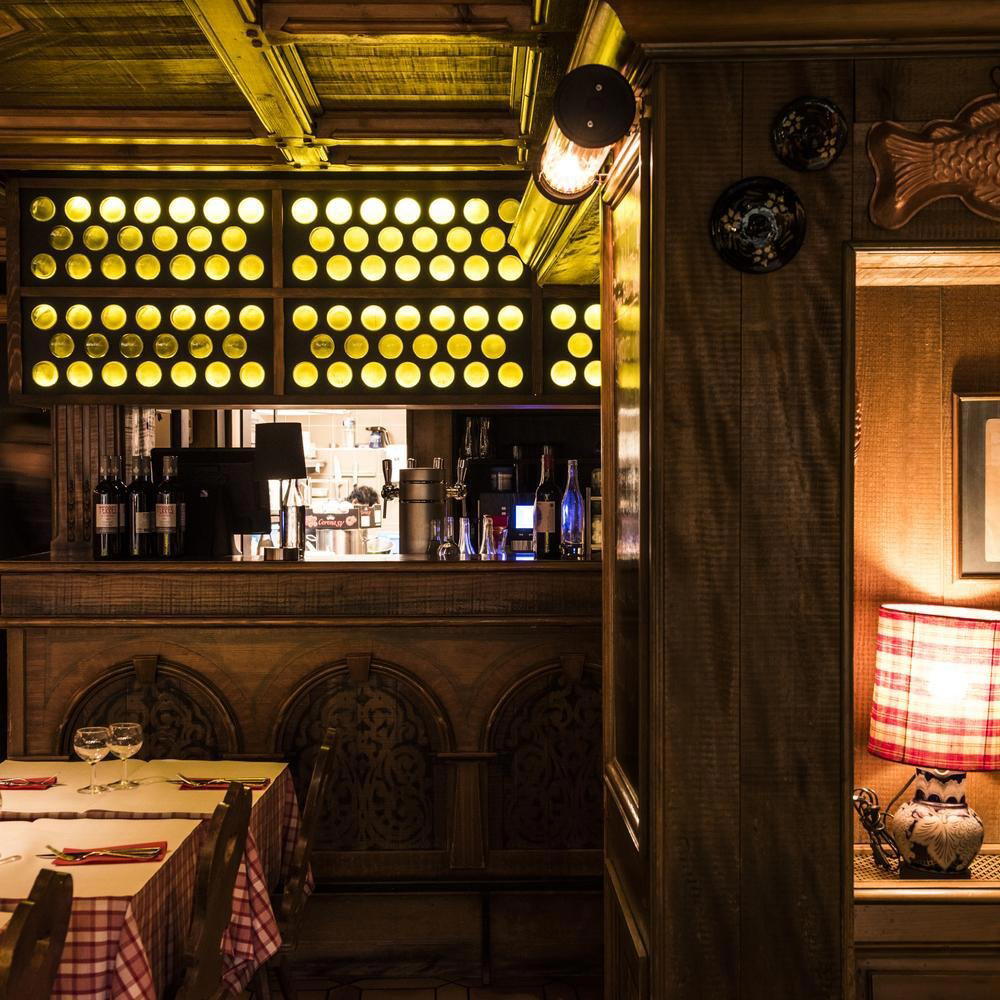
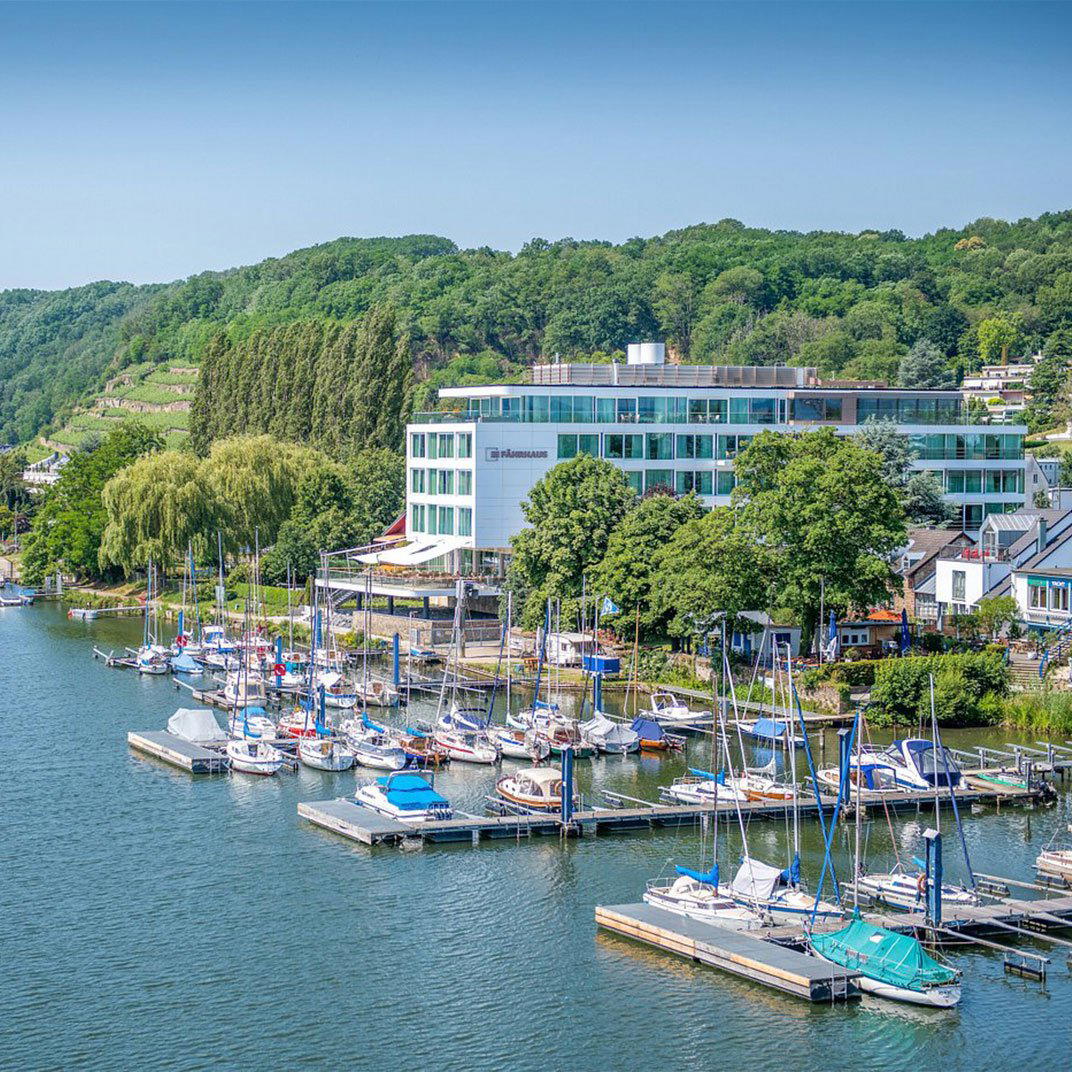
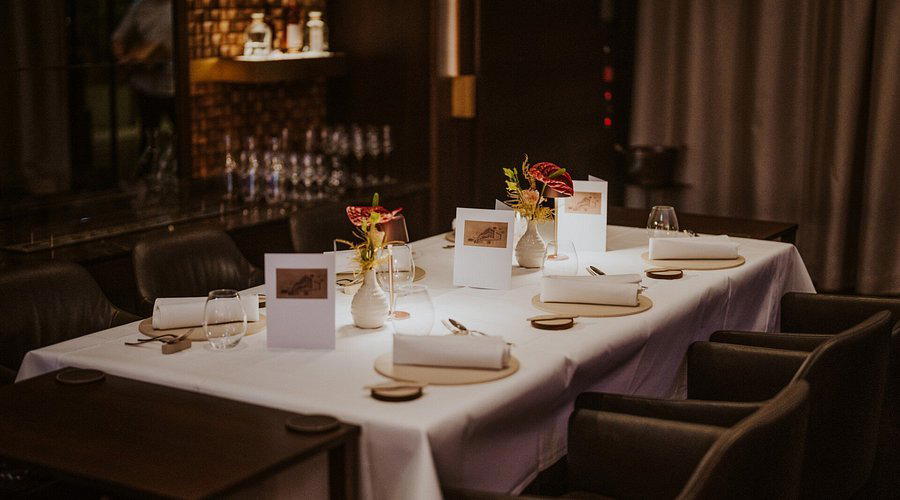
Bars in Treis Karden
Browse all →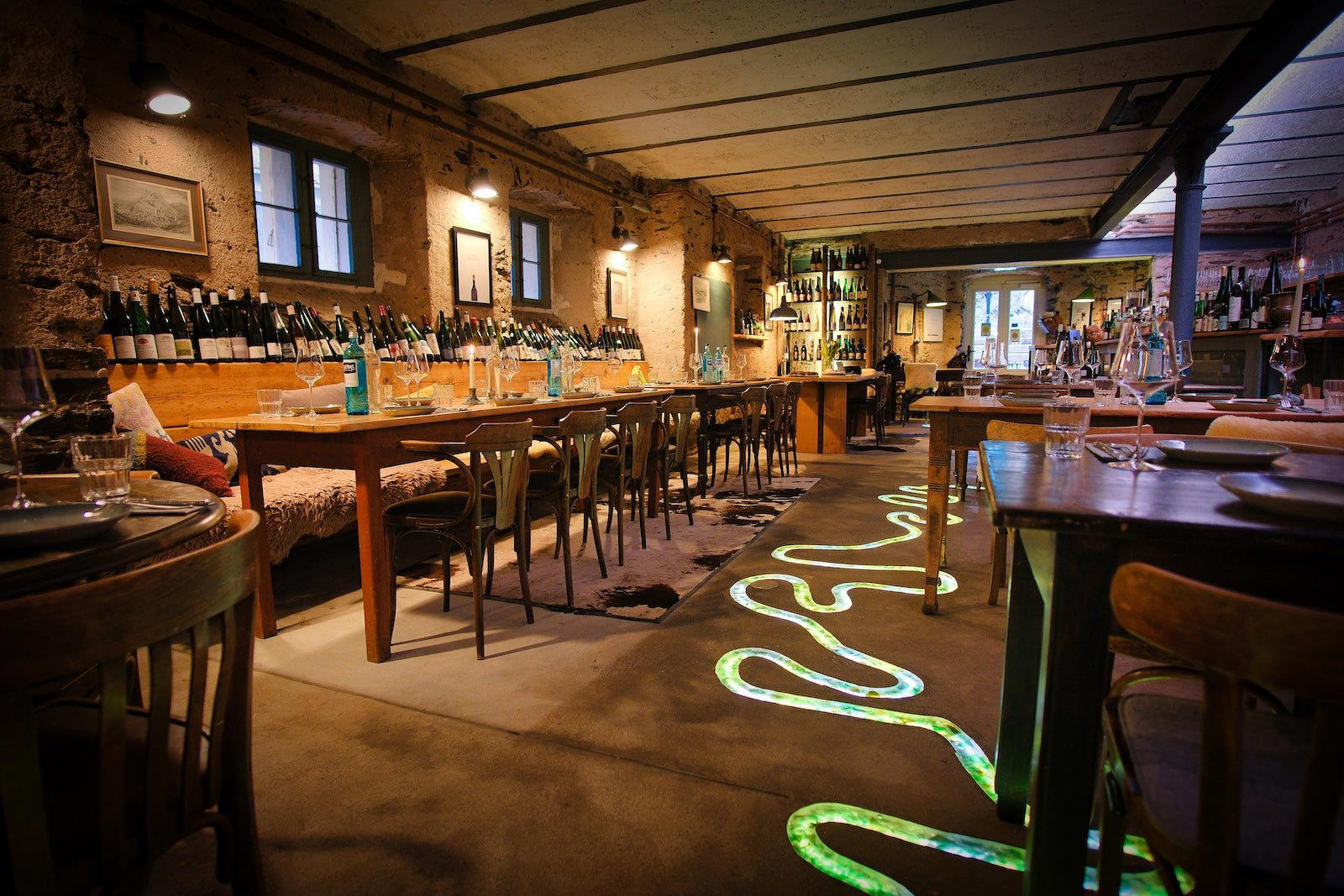
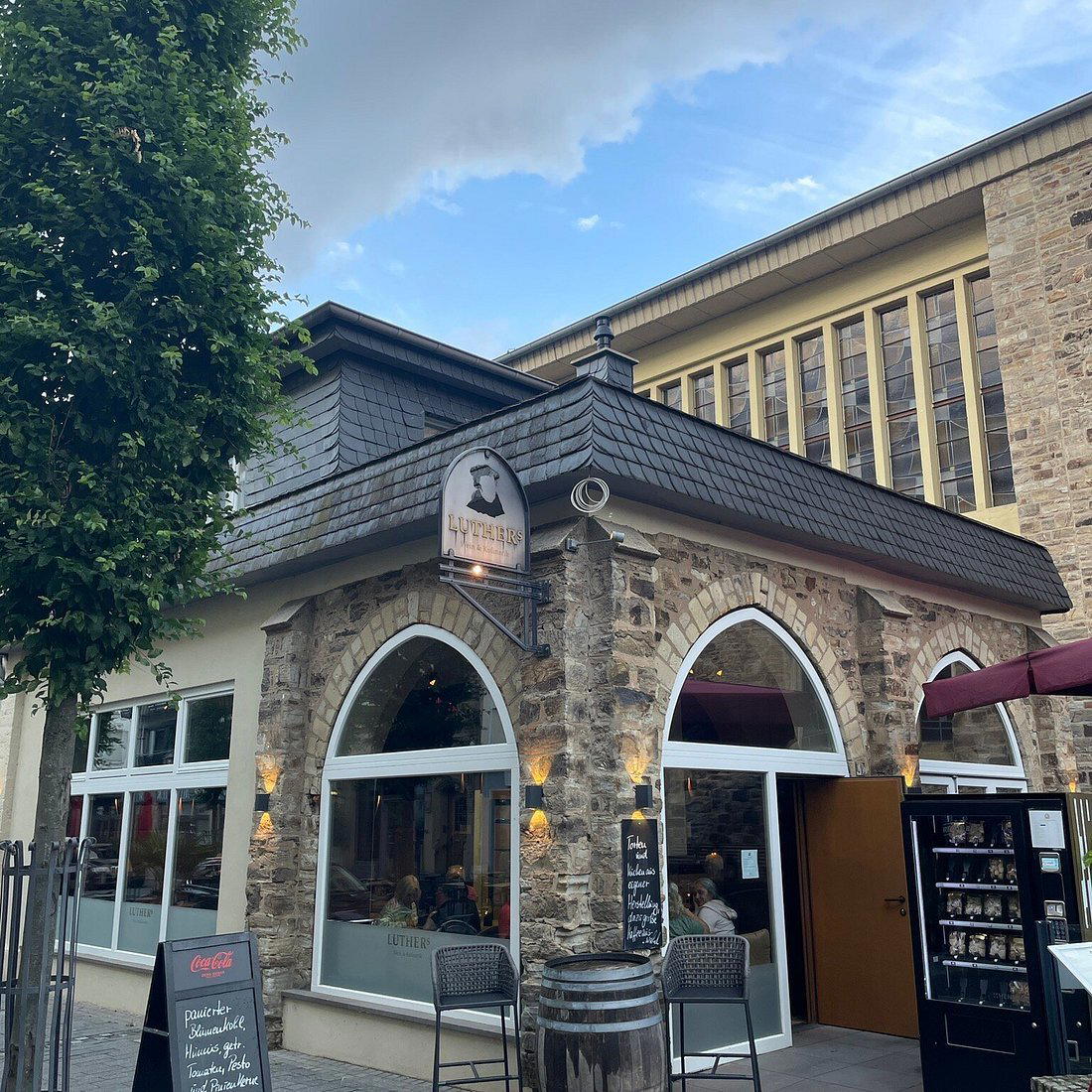
Hotels in Treis Karden
Browse all →
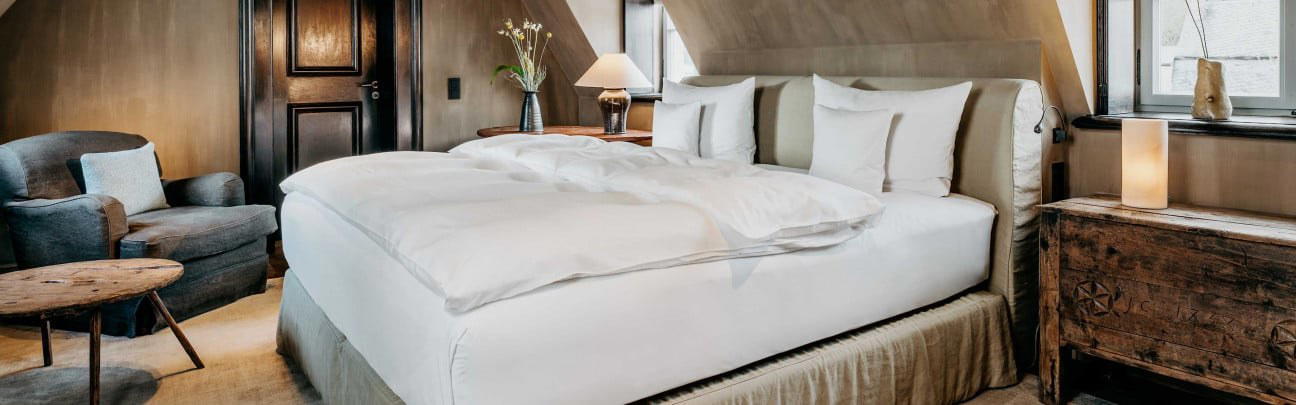
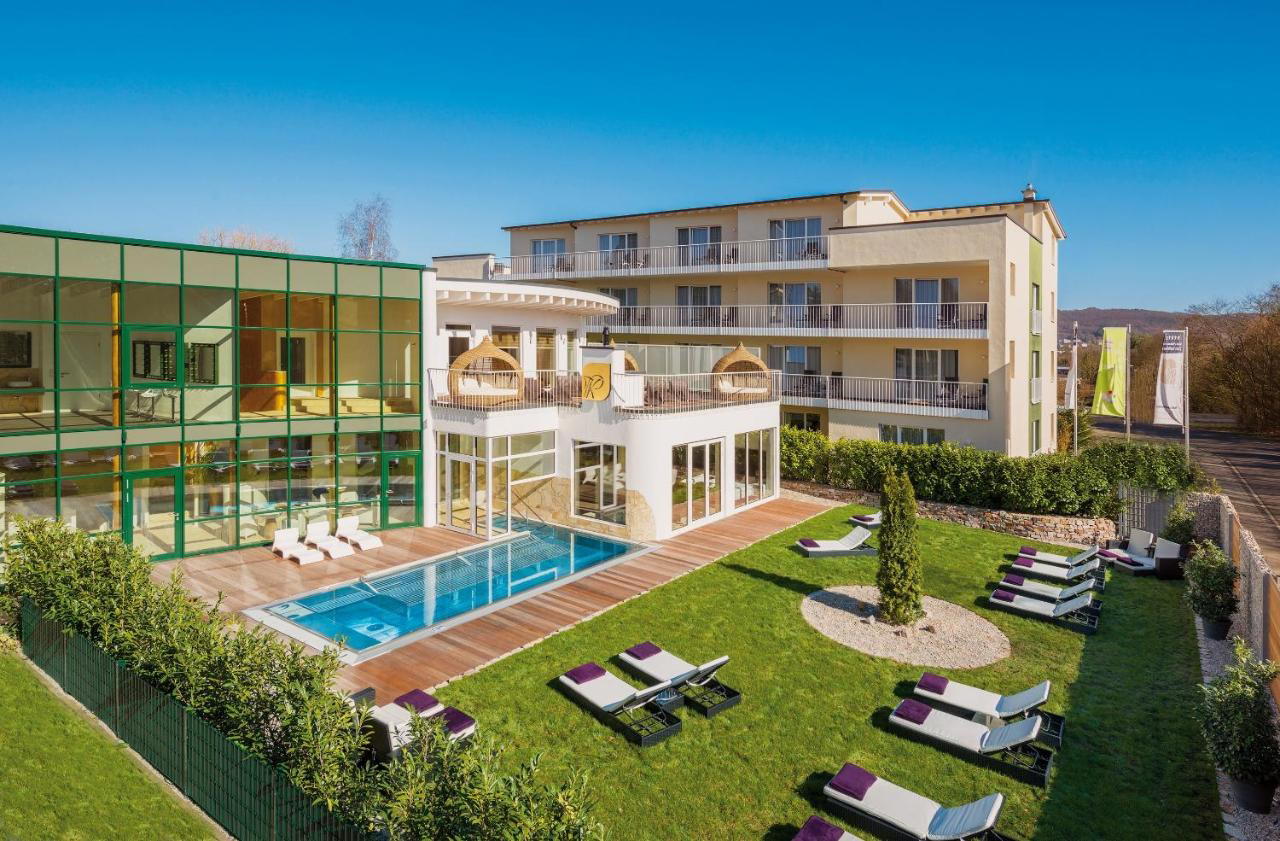
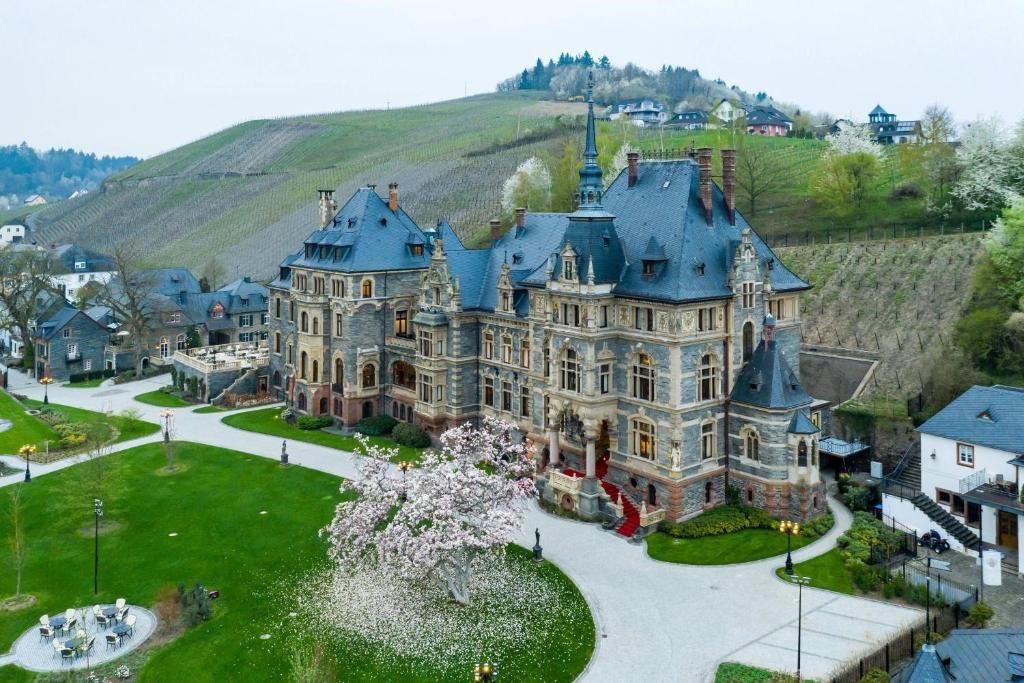
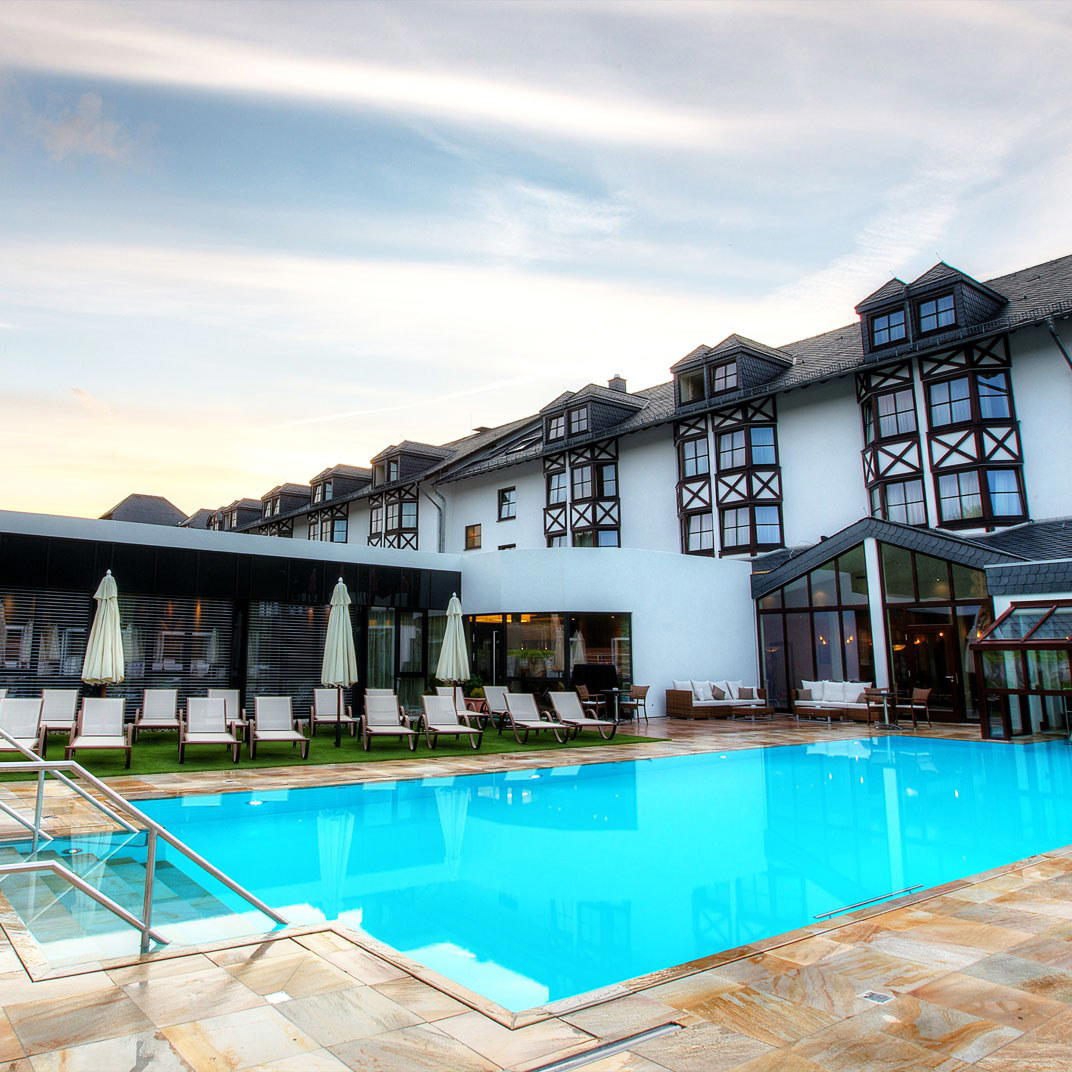
Schloß-Hotel Petry
The wine
- Wine program
- Curated wine list
- Extensive wine list
- Sommelier-led
Details
- Classic
- Cozy
- Elegant
- Romantic
- Date Night
- Special Occasion
- Celebration
- Group Dining
- Family
- Hotel Restaurant
- Waterfront
- Terrace
- Garden
- Historic Building
- Extensive Wine List
- Sommelier Led
- Local Sourcing
- Farm To Table
- Waterfront
- Set Menu
- A La Carte
- Buffet
- Mosel Riesling
- Local Wines
- Vegetarian Friendly
- Allergy Accommodating
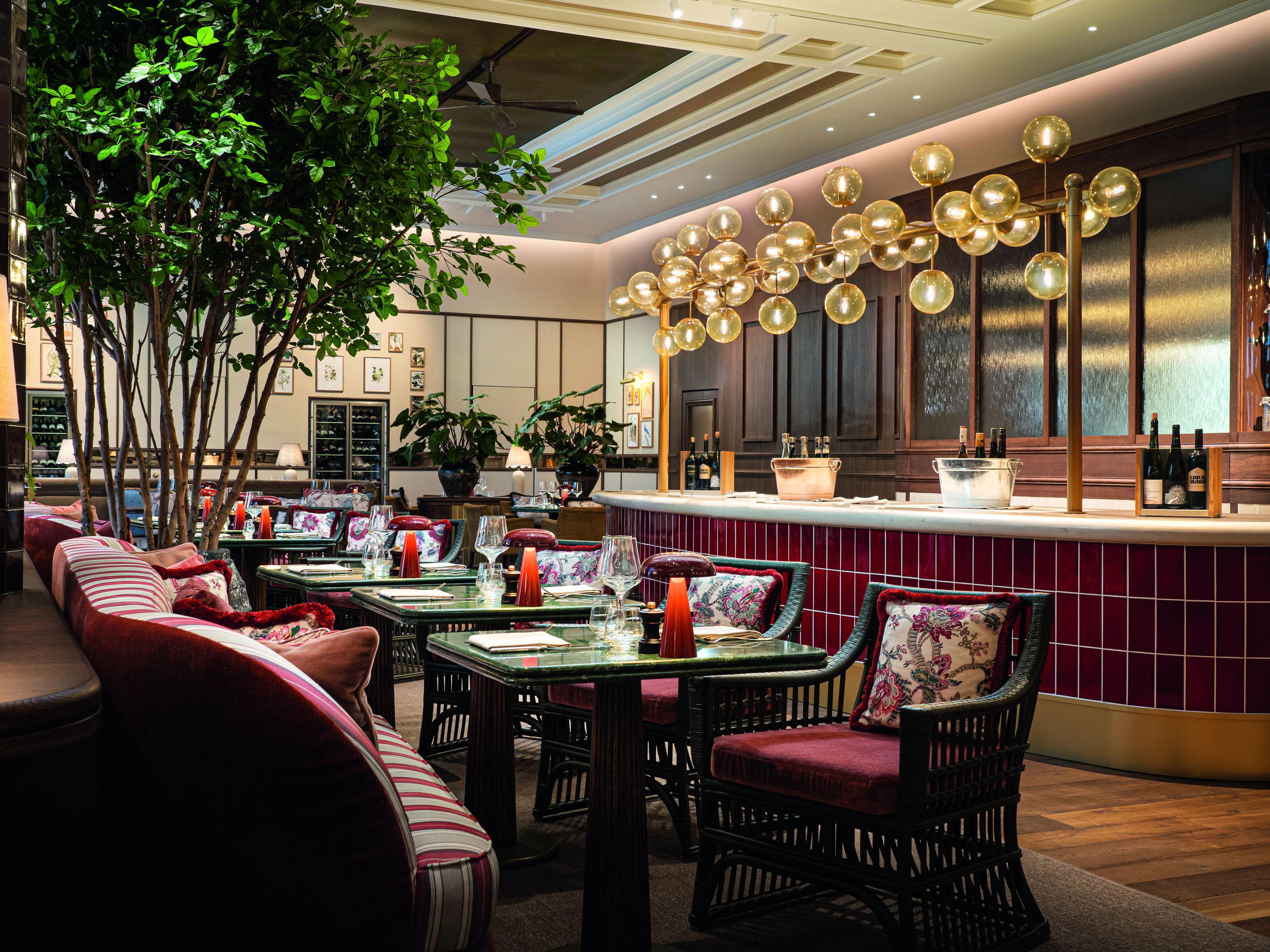
Bright, Art Nouveau-decorated dining rooms with pleasant, elegant atmosphere; cozy and refined with carefully curated decor across multiple guest rooms.