Sawatdee
Sawatdee on Washington Avenue South sits within Minneapolis's evolving dining corridor, where Thai cuisine has long held a consistent presence among the city's broader Asian restaurant offerings. The address places it within reach of the Mill District and the arts quarter, making it a practical option for pre-event or weeknight dining in a neighborhood that has grown considerably in dining ambition over the past decade.
Pearl is the En Primeur Club membership app — saves, bookings, and concierge access live there. Same editors, same standards.
- Address
- 607 Washington Ave S, Minneapolis, MN 55415
- Phone
- +16123386451
- Website
- sawatdee.com
- Directions
- Get directions
 Saves & bookings on Pearl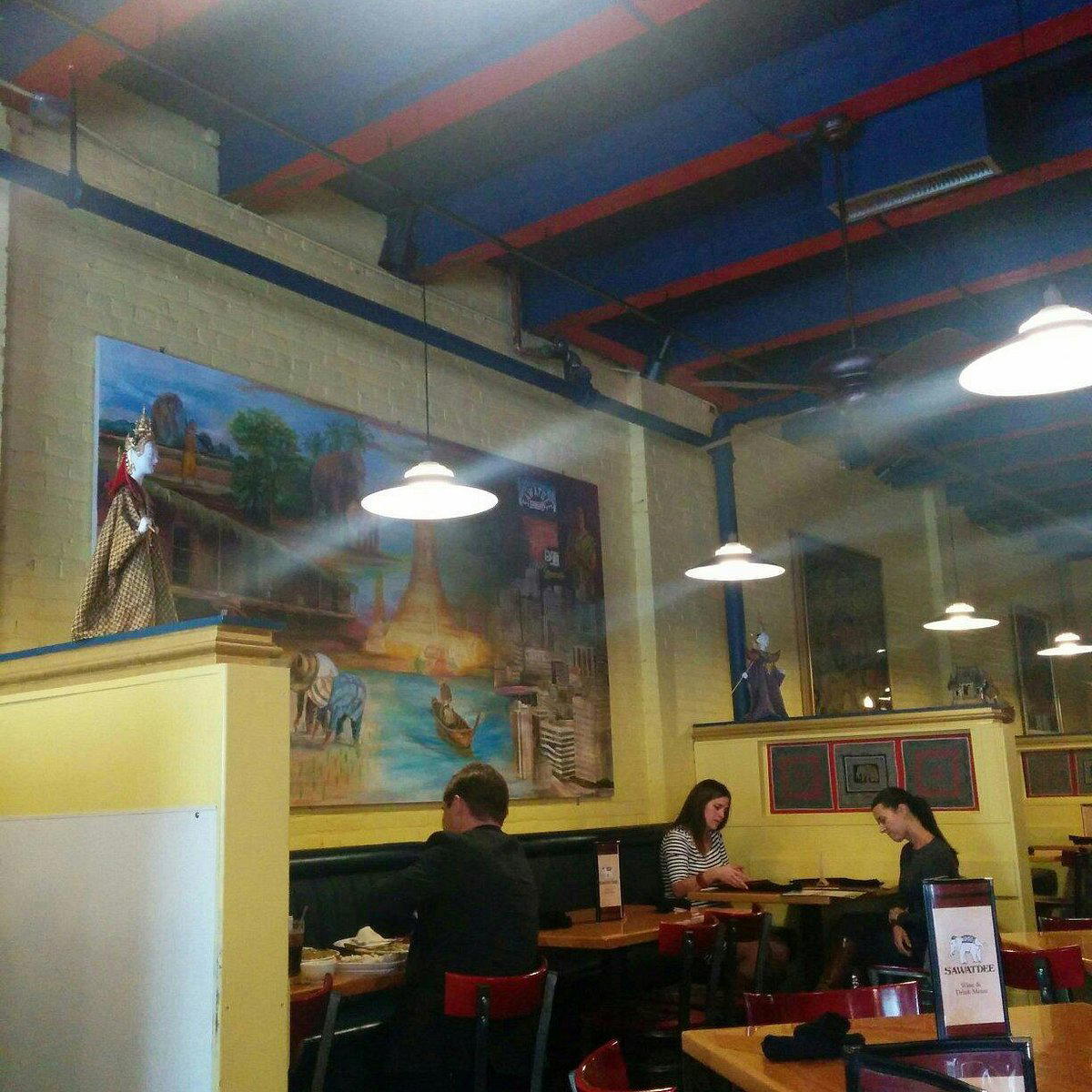
Washington Avenue and the Space Thai Food Occupies in Minneapolis
Minneapolis has, over the past two decades, developed a dining scene that extends well beyond its Scandinavian-heritage comfort food roots. The stretch of Washington Avenue South that runs through the Mill District and toward the North Loop captures that evolution in concentrated form: converted industrial buildings, newer mixed-use developments, and a restaurant population that spans casual counter service to the kind of serious New American cooking represented by Spoon & Stable a short distance away. Thai restaurants occupy a particular position within this environment. They tend to serve as neighborhood anchors, venues that attract a broad cross-section of diners precisely because the cuisine translates across price expectations and group compositions.
Sawatdee is an Authentic Thai restaurant at 607 Washington Ave S in Minneapolis, with. It sits within that pattern. The address puts it in a corridor that has seen sustained development pressure and a rotation of restaurant concepts, yet Thai food in general has proven more durable in Minneapolis than many category peers. The city has a notable Southeast Asian community, particularly among Hmong and Thai diaspora populations, which has kept demand for this cuisine grounded in something more than novelty or trend. That context shapes how a restaurant like Sawatdee functions: less as a destination defined by a single chef's vision and more as a fixture within a dining corridor that rewards regularity.
The Physical Container: Reading a Room on Washington Avenue
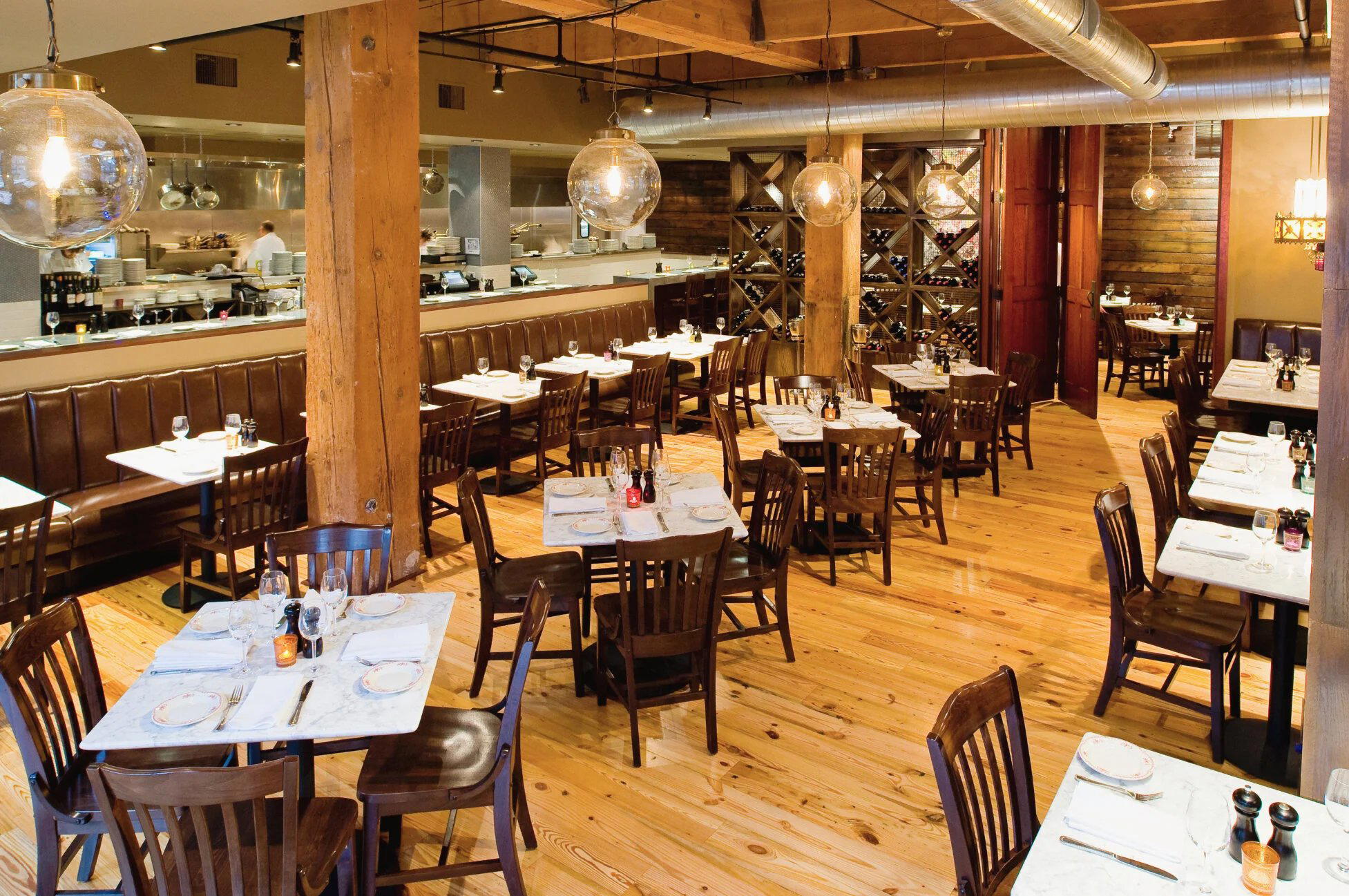
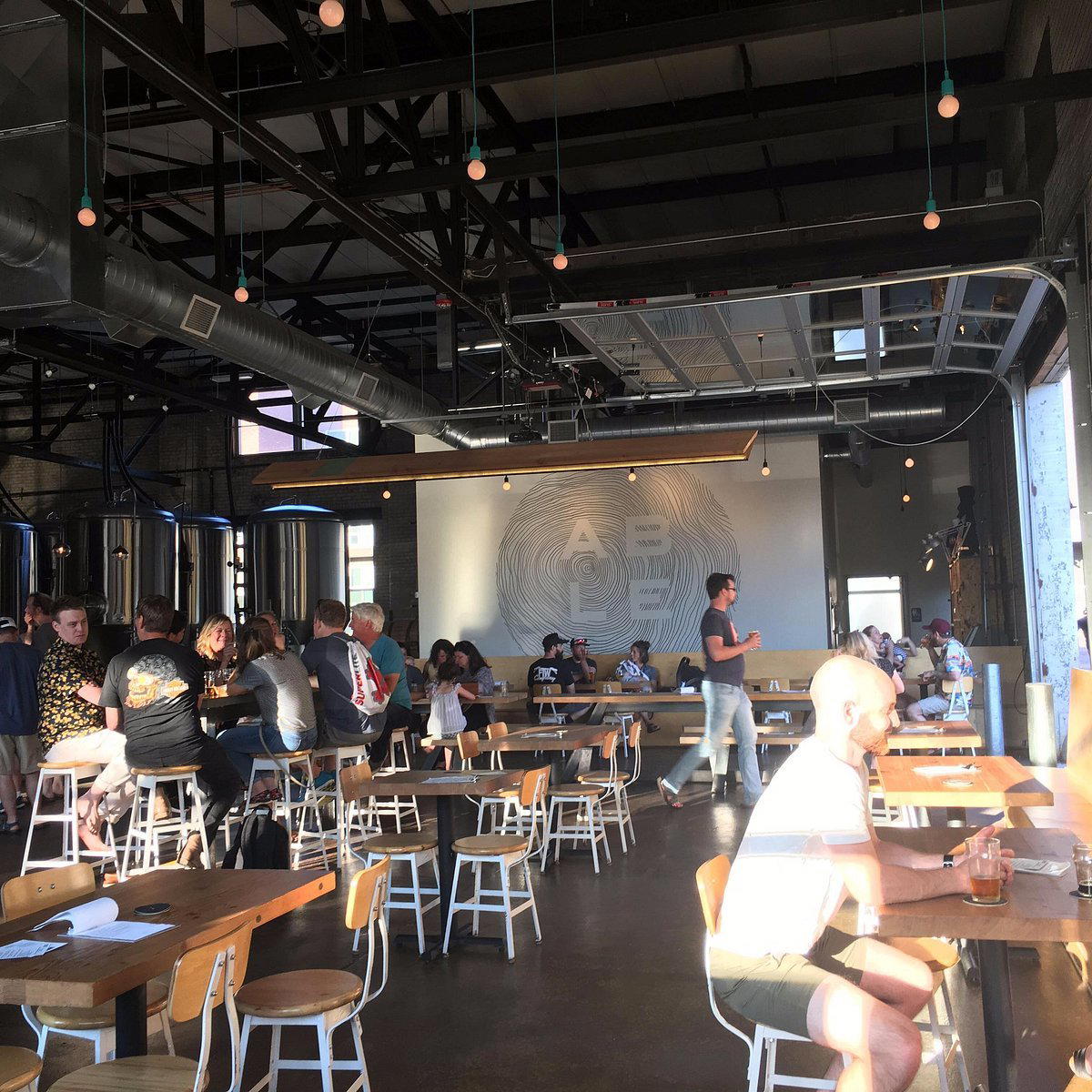
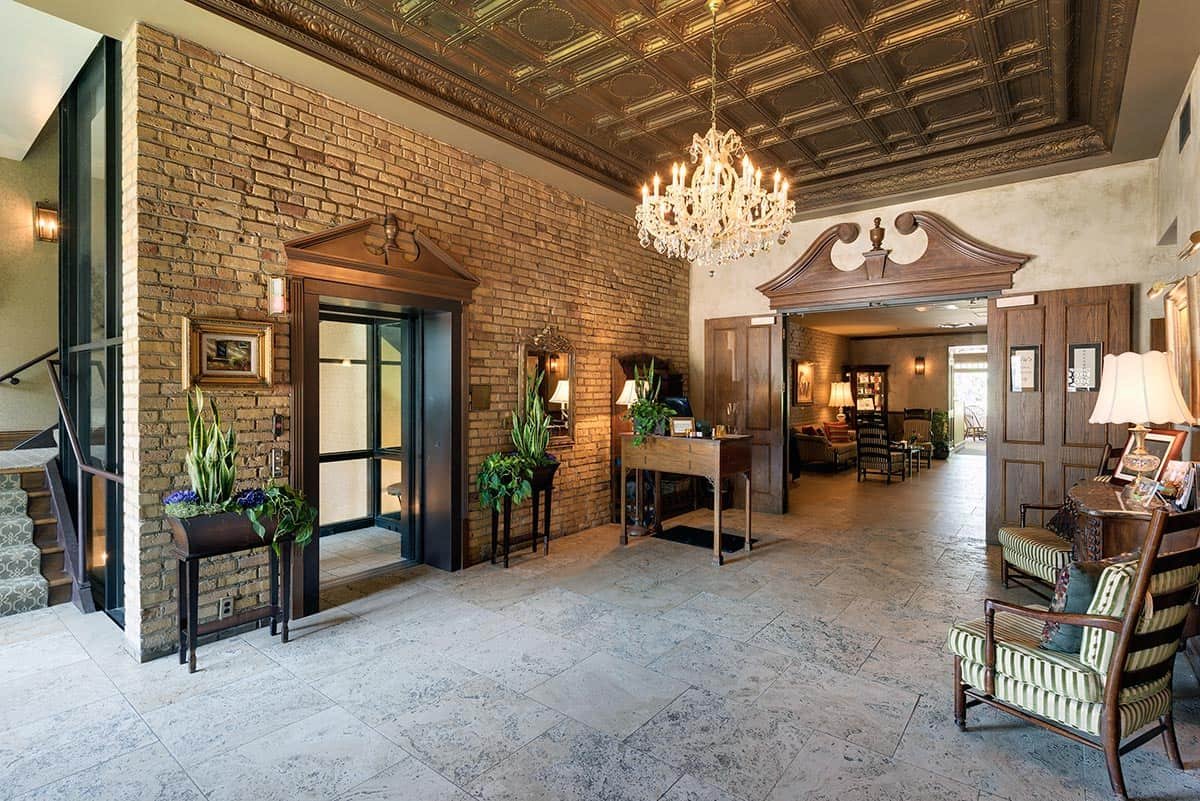
In cities where dining concepts compete for attention through ever-more-elaborate interior gestures, the physical environment of a Thai restaurant in a converted or ground-floor commercial space makes its own statement by restraint. Minneapolis's Washington Avenue addresses tend toward exposed structural elements, high ceilings where the building stock allows, and street-facing windows that connect the dining room to the pedestrian and light-rail activity outside. These are not design choices specific to any single operator; they reflect the architectural character of the corridor itself.
What matters in a space of this type is how seating is arranged relative to the room's proportions. Thai restaurants in mid-tier American urban settings have generally moved away from the densely packed, low-light formats of earlier decades toward arrangements that give tables more breathing room and allow the kitchen's output to be the primary sensory statement rather than the decor. The shift reflects a broader change in how diners relate to Thai food in the United States: it is no longer positioned exclusively as inexpensive and informal, even when the price point remains accessible. For context on how Southeast Asian cooking has been repositioned at the higher end of the spectrum, Hai Hai, the James Beard-nominated restaurant in Minneapolis, demonstrates how far the category can stretch when the ambition is pointed upward.
Sawatdee occupies a different register, one that prioritizes accessibility and consistency over ambition signaling. That positioning has its own logic in a neighborhood where the dining population includes residents, office workers, students from nearby institutions, and visitors drawn to the Mill District's cultural venues.
Thai Cuisine in an American Midwest Context
The version of Thai food that took root in American cities during the 1980s and 1990s was shaped by adaptation: heat levels adjusted, proteins substituted, and presentations calibrated to unfamiliar palates. Minneapolis was no exception, and several of the city's longer-running Thai restaurants carry that history in their menus. Over time, however, the audience has become more informed. Diners in Minneapolis who have spent time in Thailand, or who have eaten at more regionally specific Thai restaurants in larger coastal markets, arrive with a different baseline of expectation than their predecessors two decades ago.
This creates a productive tension for Thai restaurants operating in the mid-tier of the market. The question is less whether to serve pad thai and more how to frame the rest of the menu around dishes that reflect the actual diversity of Thai regional cooking: the coconut-forward richness of southern preparations, the herb-bright profiles of northeastern Isan food, the restrained clarity of central Thai cooking that underlies most of what Americans recognize as the cuisine's canonical dishes. Restaurants that can communicate this depth without requiring diners to decode an unfamiliar menu structure tend to hold their audience more effectively than those that either overcalibrate toward authenticity or remain locked in a 1990s adaptation model.
For comparison across the city's broader dining spectrum, Owamni and 112 Eatery each demonstrate, in different culinary traditions, how a restaurant can anchor itself to a specific cultural or culinary argument and build a durable identity around it. The Thai category in Minneapolis has not yet produced a venue that commands that level of critical consensus, but the audience for more considered Southeast Asian cooking is measurably present in the city.
Placing Sawatdee in Its comparable set
Within the Washington Avenue corridor, Sawatdee competes less with the high-end New American and steakhouse formats that anchor the city's special-occasion dining and more with the range of casual-to-mid-tier options that serve the neighborhood's daily dining demand. The Mill District and adjacent North Loop have seen entry from operators across multiple categories over the past decade, and the restaurants that have maintained presence through that competitive cycle tend to be those that serve a clear function for their immediate community rather than those that chased a single dining trend.
Nationally, the conversation around what constitutes serious dining has expanded significantly. The Michelin-starred counters of New York, represented by venues like Atomix, and the tasting-menu formats of restaurants such as Alinea in Chicago or The French Laundry in Napa define one pole of American dining ambition. At the other end, neighborhood restaurants that serve well-executed cuisine at accessible price points and build loyalty through consistency define a different but equally valid category. Sawatdee operates in the latter space, where the metrics are repeat visits and neighborhood integration rather than awards recognition or destination appeal.
Broader American fine dining reference points like Le Bernardin in New York, Blue Hill at Stone Barns, or Providence in Los Angeles operate on a different axis entirely, but they are part of the same national conversation about what American dining can be. Minneapolis has contributed to that conversation through venues like 4801 S Minnehaha Dr and the broader recognition that midwestern cities can sustain serious culinary ambition. Sawatdee does not position itself in that tier, but its longevity on Washington Avenue suggests it has found and held a functional place in the city's dining ecology.
Planning a Visit
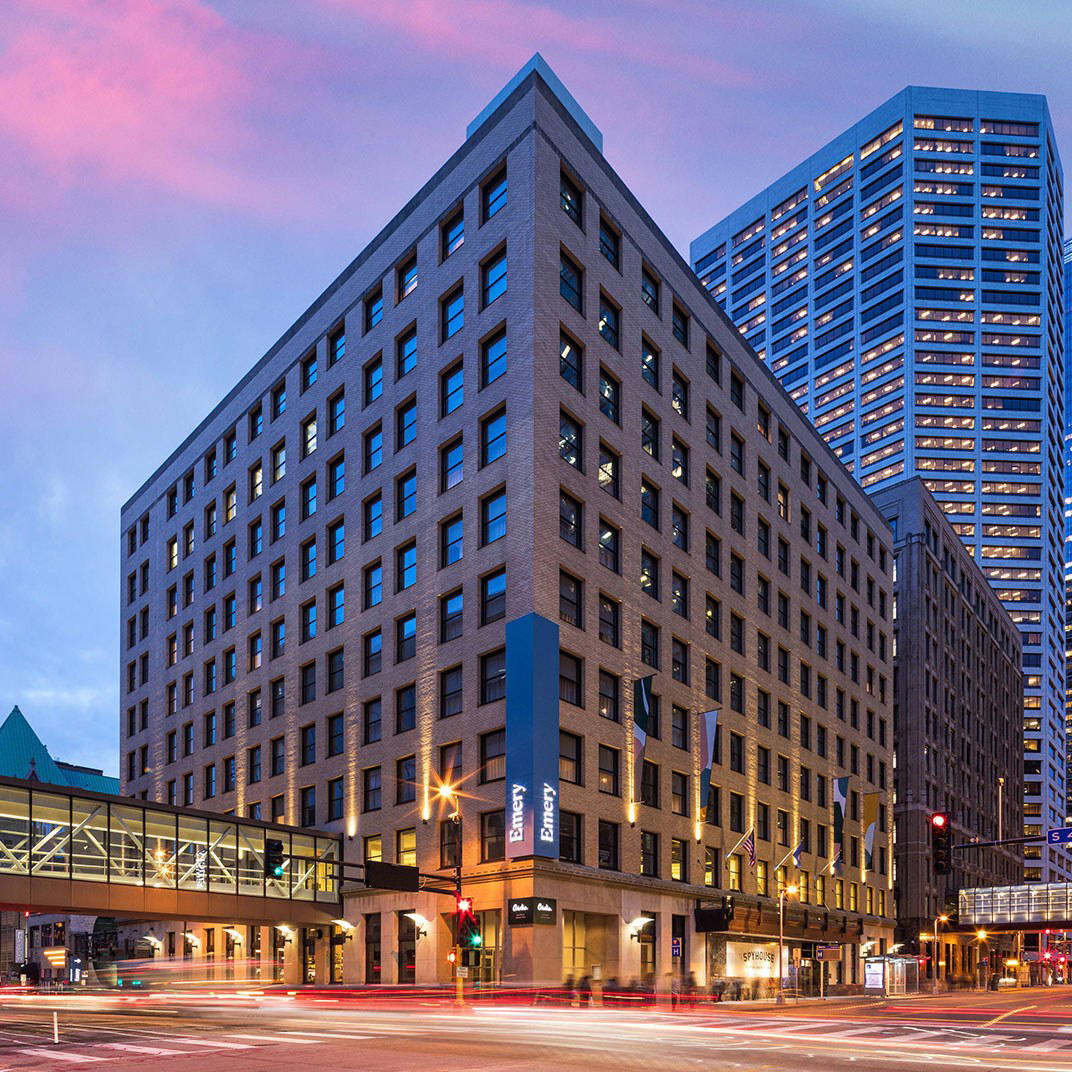
Sawatdee is located at 607 Washington Ave S, Minneapolis, MN 55415, in a part of the city that is well-served by light rail and within walking distance of several major cultural venues and hotels. For visitors building a broader Minneapolis itinerary, the EP Club full Minneapolis restaurants guide maps the city's dining options across categories and price tiers, from the neighborhood casual through to the city's most recognized destination restaurants. It is open daily from 11 AM to 9 PM, and reservations are recommended.
Cuisine and Awards Snapshot
Comparable venues nearby, for context on price, style, and recognition.
| Venue | Cuisine | Price | Notes |
|---|---|---|---|
| SawatdeeThis venue — the venue you are viewing | Authentic Thai | $$ | Not listed |
| Brasa Premium Rotisserie- Northeast Minneapolis | American Creole Rotisserie | $$ | Marcy-Holmes |
| Moose & Sadie's | American Cafe | $$ | North Loop |
| Ted Cooks 19th Hole BBQ | Pit-Smoked BBQ | $$ | Standish |
| Chilango | Modern Mex-Tex | $$ | Cedar-Isles-Dean |
| Masu Sushi & Robata | Japanese Sushi & Robata | $$ | Nicollet Island - East Bank |
Continue exploring
More in Minneapolis
Restaurants in Minneapolis
Browse all →
Bars in Minneapolis
Browse all →
At a Glance
- Classic
- Cozy
- Casual Hangout
- Group Dining
- Family
- Historic Building
Current opening hours
- Monday
- 11 AM–9 PM
- Tuesday
- 11 AM–9 PM
- Wednesday
- 11 AM–9 PM
- Thursday
- 11 AM–9 PM
- Friday
- 11 AM–9 PM
- Saturday
- 11 AM–9 PM
- Sunday
- 11 AM–9 PM
Hours can change for holidays and private events. Last verified .
Casual atmosphere in a beautiful warehouse-turned-restaurant with artistic gold leaf ceiling and glass etchings.