SASA
Our verdict
SASA occupies a compelling position in Cleveland's Shaker Square dining scene, bringing a focused approach to its menu that rewards repeat visits. The address at 13120 Shaker Square places it within one of the city's more architecturally grounded commercial districts, where the surrounding streetscape sets expectations before you reach the door. For readers tracking where Cleveland's independent restaurant culture is heading, SASA merits attention.

Pearl is the En Primeur Club membership app — saves, bookings, and concierge access live there. Same editors, same standards.
- Address
- 13120 Shaker Square, Cleveland, OH 44120
- Phone
- (216) 767-1111
- Hours
- Mon–Thu 5–9 PMFri–Sat 5–10 PMSun Closed
- Website
- sasacleveland.com
- Directions
- Get directions
- Booking
- Book on OpenTable
The menu
What to order
- Sasa Fire roll
- Sasa fries
- Hawaiian Roll
- Daikon wrap
Shaker Square and the Architecture of a Focused Menu
Shaker Square occupies a particular place in Cleveland's civic identity. Built in the late 1920s as one of the earliest planned shopping districts in the United States, the square's Georgian Revival facades and radiating street plan give it a formality that most American commercial strips never had. Restaurants here don't operate against a backdrop of parking lots and chain signage; they operate against brick, symmetry, and a neighbourhood that has been reclaiming its footing for years. That context matters when reading a restaurant like SASA. The address at 13120 Shaker Square is not incidental — it places the restaurant inside a district where independent operators have consistently chosen to plant flags precisely because the built environment carries some of the ambient work that a dining room has to do on its own elsewhere.
Cleveland's broader restaurant scene has undergone a quiet but sustained reorientation over the past decade. The city that built its reputation on Polish Boys and pierogies has steadily developed a cohort of independent restaurants — from the ferment-forward shelves at Amba to the Vietnamese precision at #1 Pho, that signal something beyond regional comfort food. SASA arrives in that context, and the question worth asking is not simply what it serves, but how the structure of its menu positions it within a city increasingly confident about the range of its dining offer.
Reading the Room Before the Menu Arrives
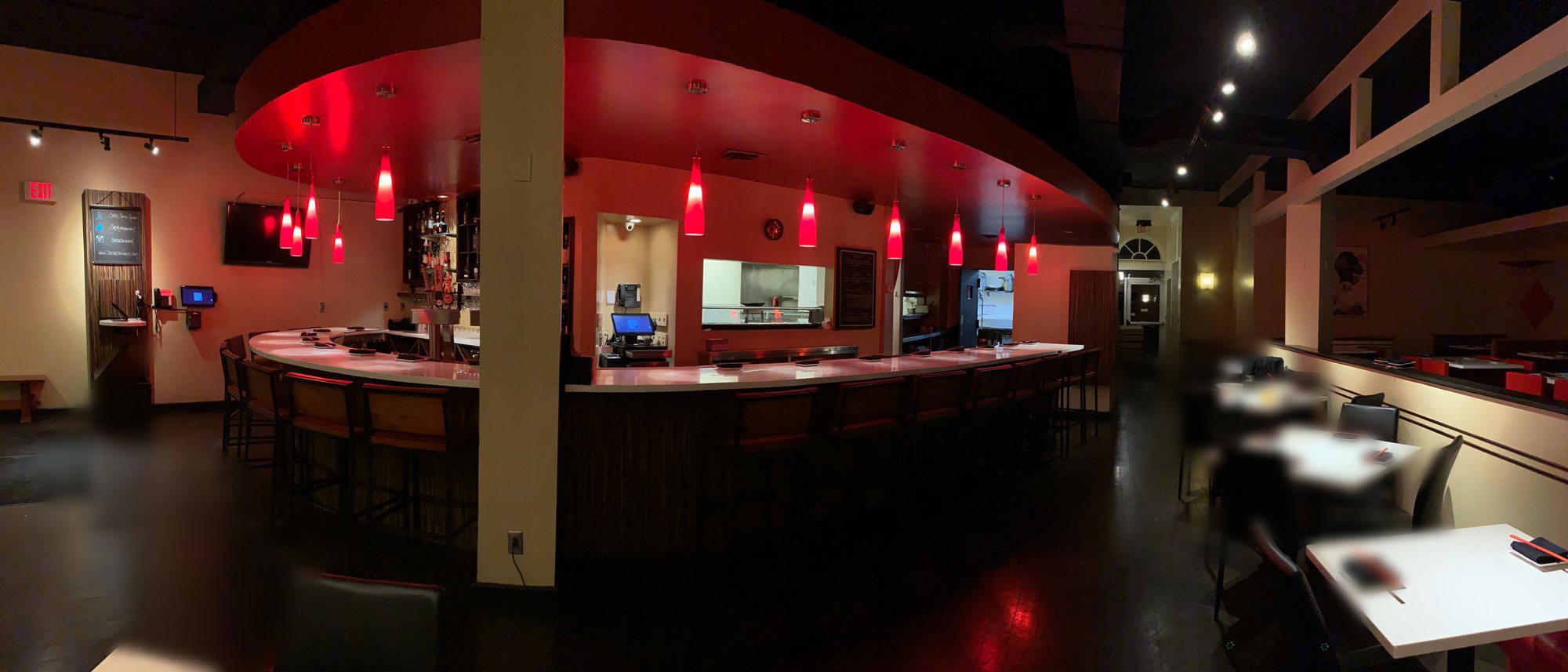
Shaker Square restaurants tend to attract a neighbourhood-rooted crowd rather than the destination-dining pilgrim traffic that clusters around East Fourth Street or the West Side Market corridor. The physical approach to SASA reinforces that register: the square's geometry makes arrival a deliberate act, with the surrounding architecture framing the experience before the door opens. Inside, the dining room's character is shaped by the same district logic, a space designed for regular return rather than one-off occasion dining. That distinction has real implications for how a menu gets built and how it gets read by the people sitting down to it.
In American cities of Cleveland's scale, mid-tier by population, punching above weight on independent restaurant culture, the most durable restaurants typically resolve a specific question about what they are for. 1330 on the River answers that question with waterfront setting and a broadly accessible format. Agave & Rye Cleveland answers it with a tequila-forward identity and bold portion logic. Acqua di Dea stakes its claim on Italian coastal cooking. SASA's answer to that question is what a visit exists to discover, and the menu structure, whatever its current form, is the clearest available text for reading that answer.
Menu Architecture as Editorial Statement
The way a restaurant builds its menu reveals more about its ambitions than any description can. At the top of the American fine dining register, places like Alinea in Chicago and The French Laundry in Napa use tasting menu architecture to exercise total narrative control: every course is a chapter in a sequence the kitchen authors completely. At Lazy Bear in San Francisco and Atomix in New York City, that control extends to the physical presentation of the menu itself, which functions as an artifact rather than a list. At the other end of the structural spectrum, restaurants like Blue Hill at Stone Barns in Tarrytown and Single Thread Farm in Healdsburg embed their menu logic inside an agricultural argument about sourcing and seasonality.
Most neighbourhood-scale restaurants in cities like Cleveland operate somewhere between these poles. The meaningful question is whether the menu reads as a curated point of view, a set of choices that reveal a consistent aesthetic or culinary argument, or as a broad accommodation of local tastes designed to keep covers turning. The former produces loyalty; the latter produces reliability. Both have their place, but only the former generates the kind of word-of-mouth that builds a restaurant's reputation beyond its immediate neighbourhood. Comparable international contexts, from Le Bernardin in New York City to 8 1/2 Otto e Mezzo Bombana in Hong Kong, demonstrate how sharply articulated menu identity translates into durable recognition, even across very different price tiers and dining cultures.
SASA's position within Cleveland's Shaker Square suggests a restaurant oriented toward the neighbourhood return visitor rather than the occasion-driven destination diner. That orientation shapes everything from portion logic to pricing register to the depth of the wine or drinks list. For readers tracking the full range of what Cleveland's independent scene offers, our full Cleveland restaurants guide maps the broader territory, including how SASA fits alongside operators like Amba in the city's emerging independent cohort.
Cleveland in a Wider Frame
Cleveland rarely appears in the same sentences as Providence in Los Angeles, Addison in San Diego, or The Inn at Little Washington, restaurants that have accumulated enough national recognition to anchor a destination trip. But the more instructive comparison for a restaurant like SASA is not with those flagships; it is with the mid-tier independent operators in comparable American cities who have built sustained followings by being genuinely good at a specific thing rather than trying to compete on the terms of a dining culture several tiers above them. Emeril's in New Orleans built its early reputation exactly that way, by being specific about what it was and letting the neighbourhood absorb it before the wider recognition arrived.
Shaker Square has the bones to support that kind of long-term investment. The district's architecture, its mix of long-term residents and younger arrivals, and its proximity to University Circle create a dining public that shows up for consistency as much as novelty. For a restaurant with SASA's address, that is an asset worth reading carefully.
Planning a Visit
SASA is located at 13120 Shaker Square, Cleveland, OH 44120, on the southeastern arc of the square. Shaker Square is served by the RTA Red Line, making it one of the few Cleveland dining destinations accessible without a car from downtown or University Circle. Given the limited publicly available booking data for SASA, contacting the restaurant directly or checking current availability through third-party reservation platforms before visiting is advisable, particularly on weekends when Shaker Square foot traffic is highest. For first visits, arriving during the earlier part of an evening service allows more time to read the menu without the pressure of a compressed seating window.
Frequently asked questions
Is SASA okay with children?
What should I expect atmosphere-wise at SASA?
What do regulars order at SASA?
Can I walk in to SASA?
How does SASA fit into the broader Shaker Square dining scene?
Cuisine Context
Comparable venues nearby, for context on price, style, and recognition.
| Venue | Cuisine | Price | Awards | Notes |
|---|---|---|---|---|
| SASAThis venue — the venue you are viewing | Modern Japanese Izakaya | $30–50 | Not listed | Not listed |
| Goma | Japanese Fusion Sushi | $50–100 | Not listed | Playhouse Square |
| GINKO | Modern Japanese Sushi | $50–100 | Not listed | Industrial Flats |
| Batuqui - Larchmere | Authentic Brazilian | $30–50 | Not listed | Larchmere |
| Edwins Restaurant | Classic French Fine Dining | $50–100 | Wine Spectator Award of Excellence | Cedar Fairmount |
| The Burnham Restaurant | Contemporary American | $30–50 | Not listed | Warehouse District |
Continue exploring
More in Cleveland
Restaurants in Cleveland
Browse all →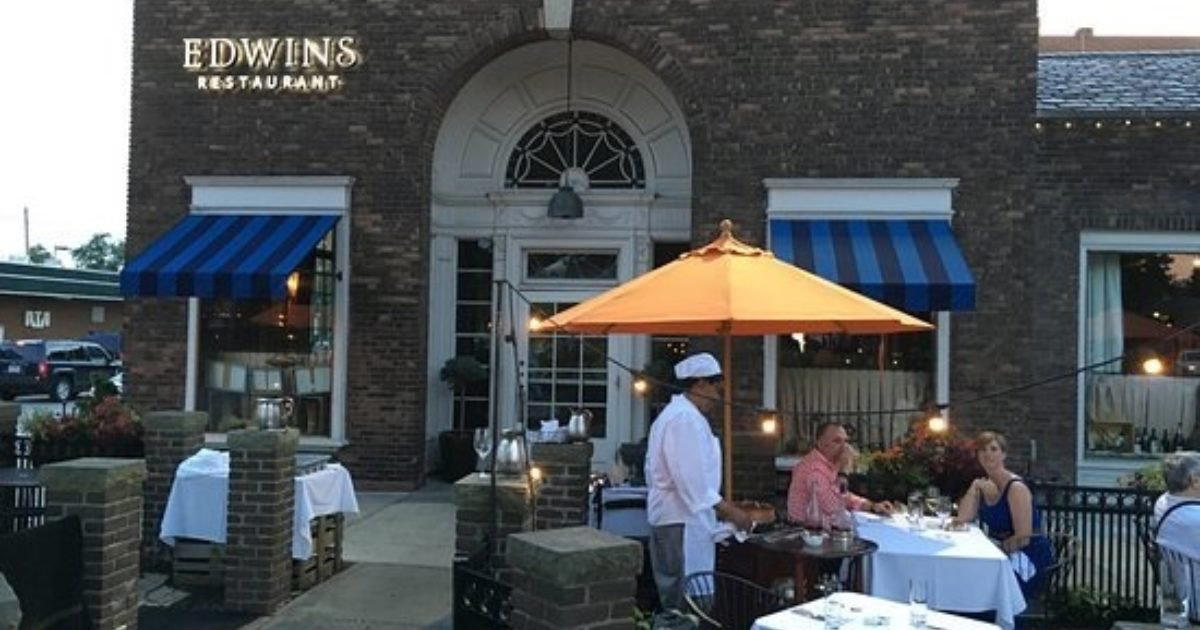
Bars in Cleveland
Browse all →
Details
- Sophisticated
- Elegant
- Modern
- Intimate
- Date Night
- Special Occasion
- Celebration
- Group Dining
- Standalone
- Design Destination
- Sake Program
- Craft Cocktails
- Beer Program
- Small Plates
- A La Carte
- Sake
- Craft Cocktails
- Craft Beer
- Vegetarian Friendly
- Vegan Options
- Allergy Accommodating
Current opening hours
- Monday
- 5–9 PM
- Tuesday
- 5–9 PM
- Wednesday
- 5–9 PM
- Thursday
- 5–9 PM
- Friday
- 5–10 PM
- Saturday
- 5–10 PM
- Sunday
- Closed
Hours can change for holidays and private events. Last verified .
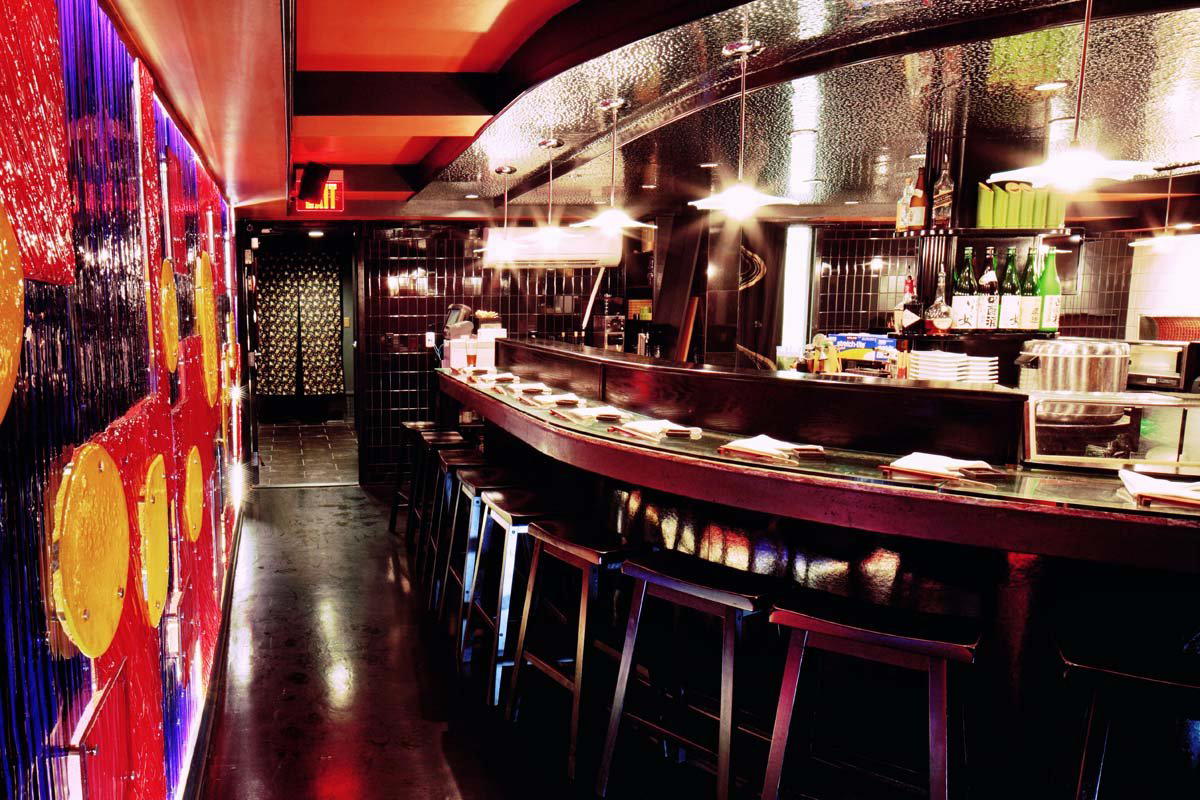
Stylish and sophisticated with modern elegance, designed to evoke the sake bars of Japan with an upscale yet approachable atmosphere.