Google: 4.6 · 84 reviews

Sartory holds a Michelin star on Augsburg's Maximilianstraße, where chef Simon Lang works within the classic cuisine tradition to produce a meal structured around precision and pacing. The room sits inside one of Bavaria's most architecturally significant boulevards, and the format reflects the broader German fine dining convention: a tasting progression in which each course earns its place through technique rather than spectacle.
 Discover on Pearl
Pearl is the En Primeur Club membership app — saves, bookings, and concierge access live there. Same editors, same standards.
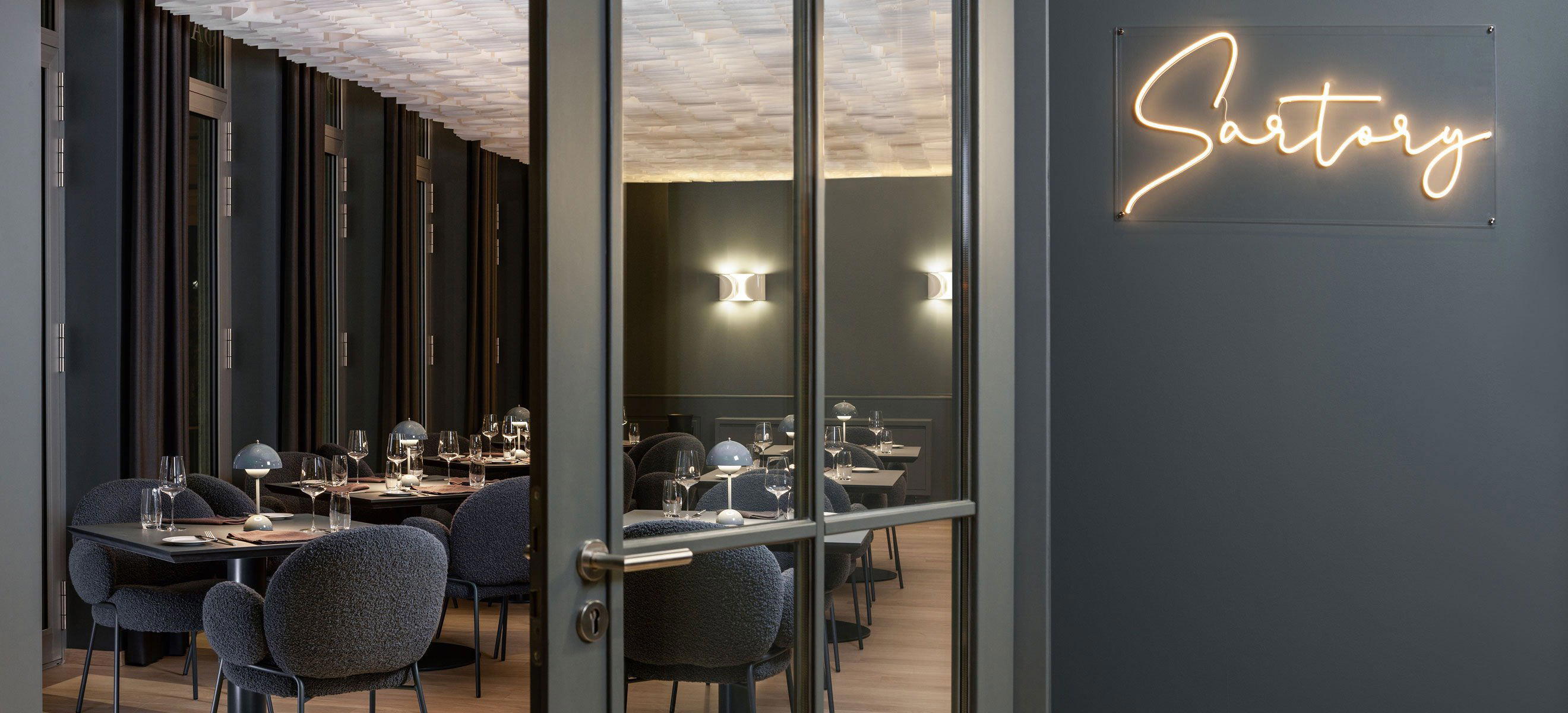
The Boulevard Setting and What It Signals
Maximilianstraße is not an incidental address. Augsburg's central promenade, lined with Renaissance fountains and Baroque facades, is the city's most formally composed public space — and a restaurant operating here is making an implicit statement about register before a guest has crossed the threshold. Sartory, at number 40, draws on that architectural gravity without trading on it. The location places the kitchen in a German fine dining category where the physical context is part of the contract: this is an evening out in the older European sense, where the dress, the pace, and the structure of the meal are as deliberate as the cooking itself.
In a city where the restaurant scene spans everything from Nose & Belly's innovative format at the €€€ tier to the modern cuisine approach at Alte Liebe and the New American brasserie energy of AUGUST, Sartory occupies a distinct position. All three of Augsburg's serious rooms price at the same €€€€ band, but Sartory's classic cuisine designation separates it from the creative or modern registers of its peers. This is a kitchen that treats classical French and central European technique as the foundation rather than the point of departure.
The Ritual of a Classic Cuisine Evening
Classic cuisine, as a category, carries specific expectations around how a meal is structured. The pacing tends to be deliberate: amuse-bouches arrive as a form of introduction, each successive course builds in weight and complexity, and the progression from cold to warm, from delicate to rich, follows a logic that predates contemporary tasting menu culture by several decades. This is not nostalgia; it is a formal grammar with its own discipline. Kitchens working in this register are making an argument that technical mastery applied to established forms is as demanding as any avant-garde program.
At Sartory, under chef Simon Lang, the kitchen's Michelin star — awarded in both 2024 and 2025, confirming consistent delivery rather than a single breakthrough year , validates that argument. A sustained Michelin result at the one-star level in a provincial German city is a different kind of achievement than a starred debut in Munich or Berlin. It reflects a kitchen that performs reliably for a local audience that returns, not just for visiting critics or weekend destination diners. The Google rating of 4.5 across 79 reviews reinforces that the experience holds for a civilian guest, not just during inspection conditions.
For the diner arriving at Maximilianstraße 40, the ritual begins with that threshold decision about commitment. A classic cuisine tasting at this level asks for roughly three hours, a willingness to let the kitchen set the tempo, and an appetite for courses that arrive with considered intervals rather than in rapid sequence. Those who approach the evening as a working dinner or a quick occasion will find the format resistant. Those who arrive with time and attention will find a meal that earns both.
Sartory in the German Fine Dining Context
Germany's Michelin-starred tier is more geographically distributed than France's, with serious kitchens operating well outside the major cities. Sartory's place in this geography is instructive. The nearest comparable starred rooms sit in Munich, where kitchens like KOMU and JAN occupy different positions in the capital's competitive market. Further afield, the German fine dining canon includes houses operating at three stars , Schwarzwaldstube in Baiersbronn, Aqua in Wolfsburg, Vendôme in Bergisch Gladbach , where the investment and expectation are calibrated accordingly.
At one star, Sartory sits in the largest and most contested band of German fine dining, alongside rooms like ES:SENZ in Grassau, Schanz in Piesport, and Restaurant Haerlin in Hamburg, each representing a different regional and stylistic variation within the starred tier. What distinguishes Sartory within this peer group is the classic cuisine commitment in a moment when the broader category has tilted toward either progressive tasting formats or regional-identity menus. Classic cuisine at one star is a narrower competitive set, and it connects Sartory more naturally to houses like Maison Rostang in Paris than to the experimental end of the German scene represented by CODA Dessert Dining in Berlin.
This positioning matters for how a prospective guest should calibrate expectations. If you arrive looking for provocation or surprise in the avant-garde sense, the format will disappoint. If you arrive understanding that classic cuisine rewards attention to execution , the quality of a reduction, the temperature precision of a protein, the balance within a classical sauce , the evening operates on a different and equally demanding register.
Augsburg as a Dining Destination
Augsburg is frequently underestimated as a food city. Visitors traveling the Munich-to-Stuttgart corridor tend to treat it as a day trip for the architecture rather than a destination in its own right, which means that serious restaurants here operate for a local and regional audience rather than a tourist one. This changes the character of a meal: the room is likely to contain people who have been before, who know the service staff, and who treat the restaurant as a civic institution rather than a bucket-list item. That dynamic creates a different atmosphere than a destination restaurant in a tourist-heavy city, and it tends to produce more consistent service because the kitchen and floor are playing for a home crowd.
The hotel options in Augsburg have expanded as the city's profile has risen, and the combination of a Michelin-starred dinner at Sartory with a well-chosen overnight makes for a more coherent trip than the day-trip model allows. Guests arriving from Munich (approximately 90 minutes by regional train, less by direct service) can build an evening that starts with Maximilianstraße's fountains at dusk and ends with a meal that justifies the journey. For those also interested in Augsburg's bar scene, wine offerings, or cultural experiences, the city rewards a longer stay than its reputation typically suggests.
Practical Considerations for Booking
Sartory operates at the €€€€ price point, which in the German context typically implies a tasting menu in the range consistent with one-star rooms in secondary cities, where pricing tends to run below Munich or Hamburg equivalents for comparable culinary ambition. Reservations at starred rooms on Augsburg's Maximilianstraße should be made well in advance, particularly for Friday and Saturday evenings, when the room competes with the wider Augsburg dining public rather than just destination visitors. The Michelin star confirmation in both 2024 and 2025 means that awareness of the kitchen has increased, and the reservation window has likely tightened accordingly. Given that specific booking channels are not listed publicly in available records, contacting the restaurant directly through its physical address is the most reliable starting point for planning.
What to Eat at Sartory
Because Sartory works within the classic cuisine tradition under chef Simon Lang, the menu follows a logic rooted in technique and classical form rather than seasonal provocation or concept-driven plating. Diners should expect a structured progression rather than a la carte grazing , the format asks you to surrender the ordering decision and follow the kitchen's sequence. The Michelin star, sustained across two consecutive years, anchors the expectation that technical precision, not novelty, is the standard being met. Dishes will reflect classical sauce work, considered protein handling, and the kind of detail that is easier to miss if you are eating quickly or without attention. The recommendation, based on the restaurant's peer set and cuisine designation, is to book for the full tasting format, arrive without specific dish expectations, and let the pacing of the meal determine how the evening unfolds. For context on what this cuisine tradition looks like in a Parisian flagship, Maison Rostang offers a useful reference point.
At a Glance
A compact peer snapshot based on similar venues we track.
| Venue | Notes | Price |
|---|---|---|
| Sartory | This venue | €€€€ |
| AUGUST | New American, Modern Brasserie, Creative, €€€€ | €€€€ |
| Alte Liebe | Modern Cuisine, €€€€ | €€€€ |
| Nose & Belly | Innovative, €€€ | €€€ |
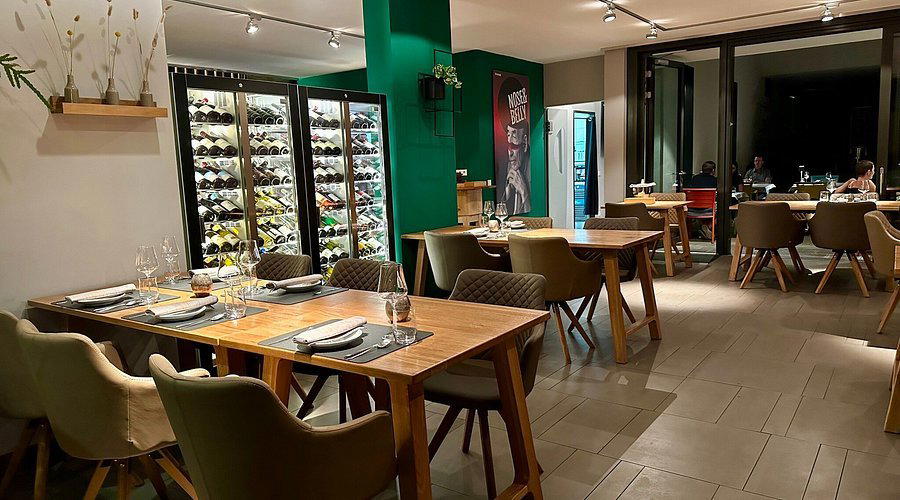
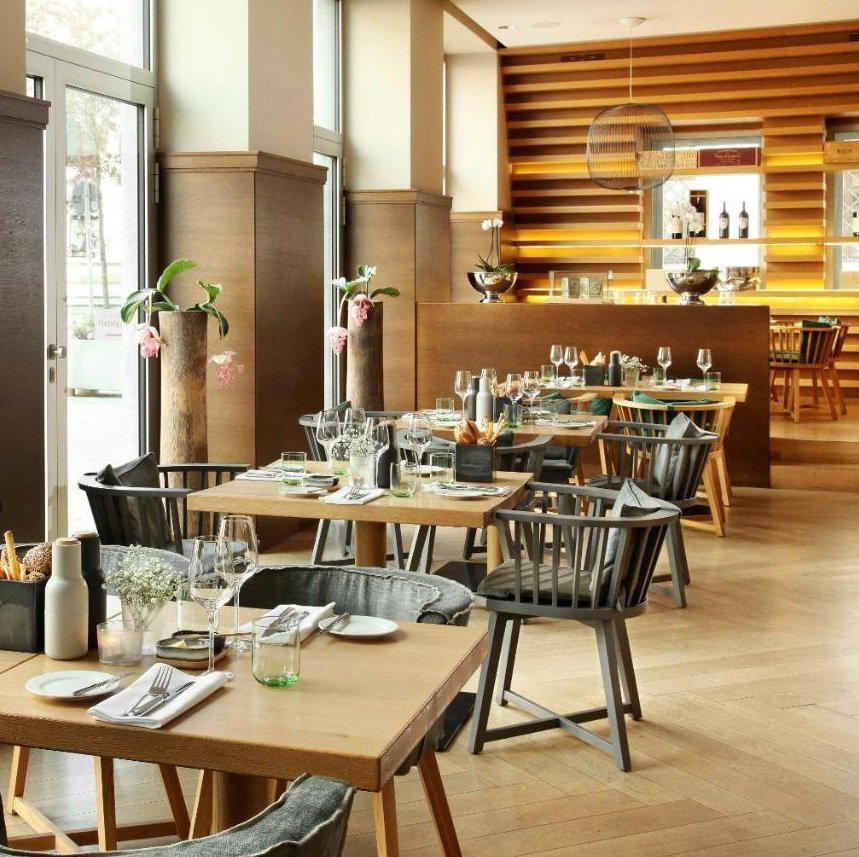
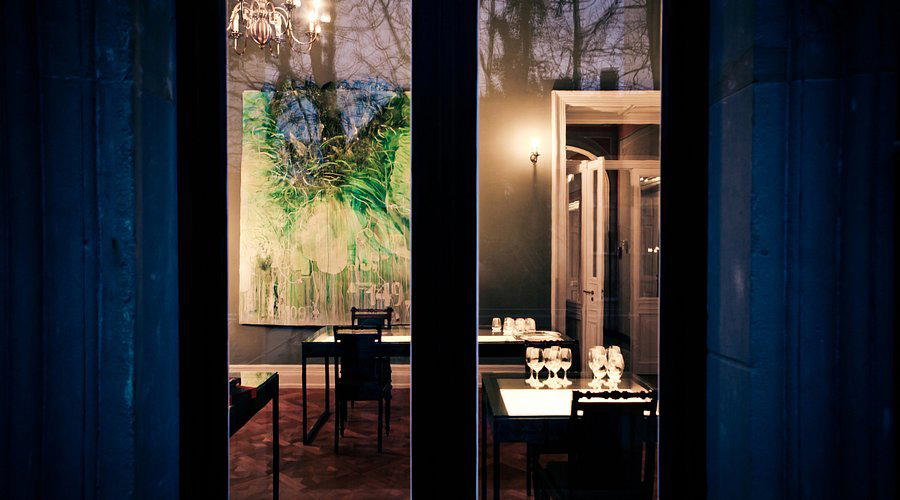
At a Glance
- Modern
- Elegant
- Sophisticated
- Intimate
- Date Night
- Special Occasion
- Business Dinner
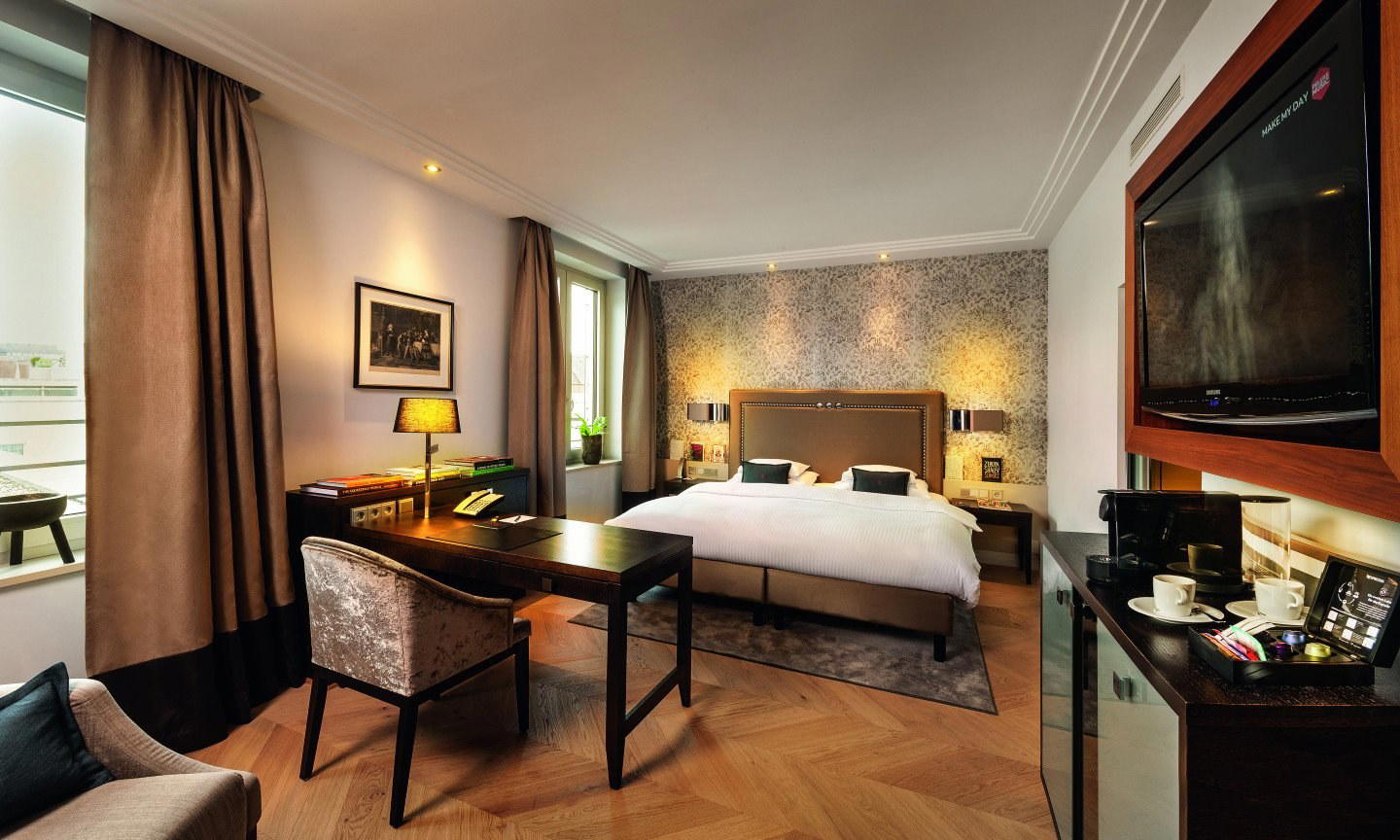
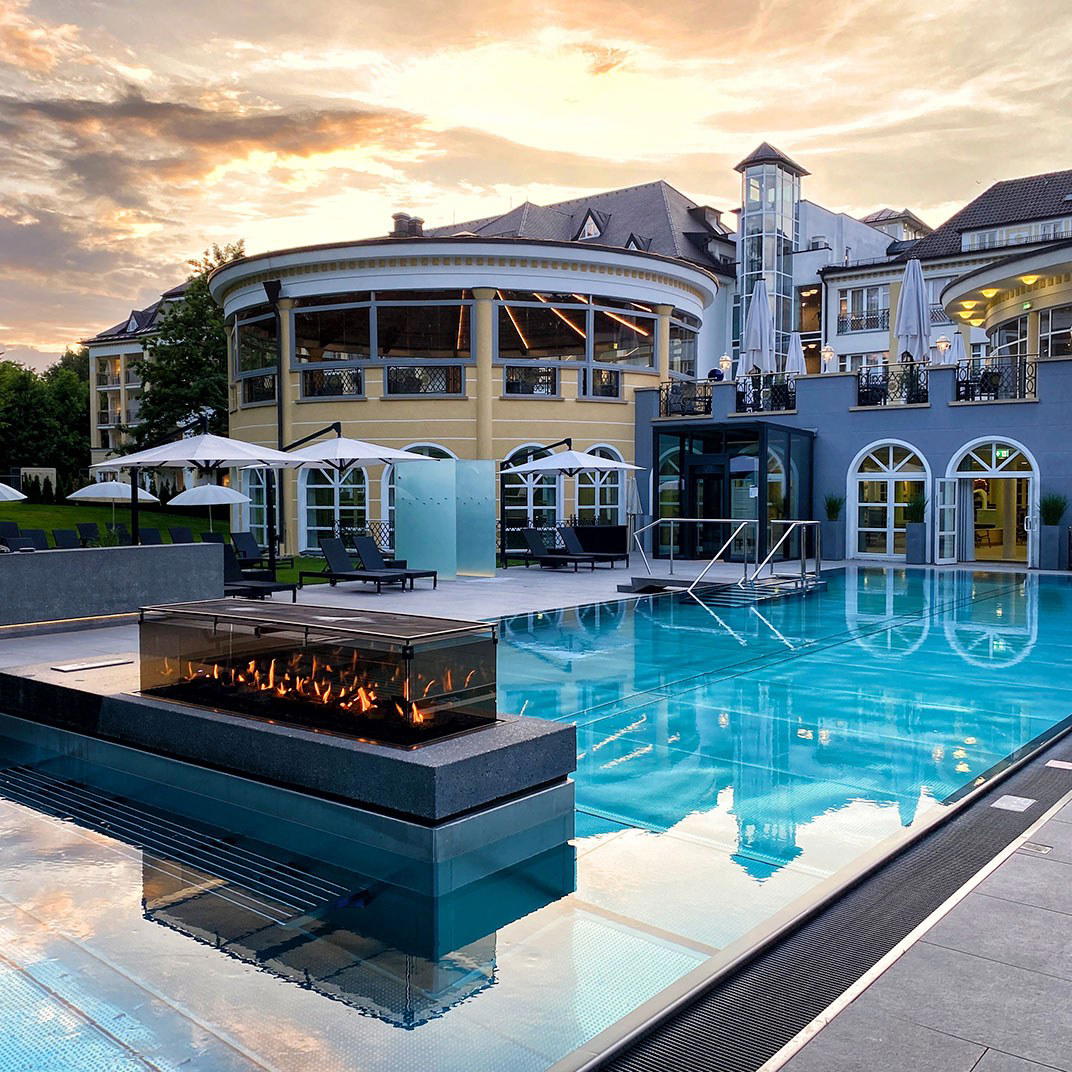
- Hotel Restaurant
- Extensive Wine List
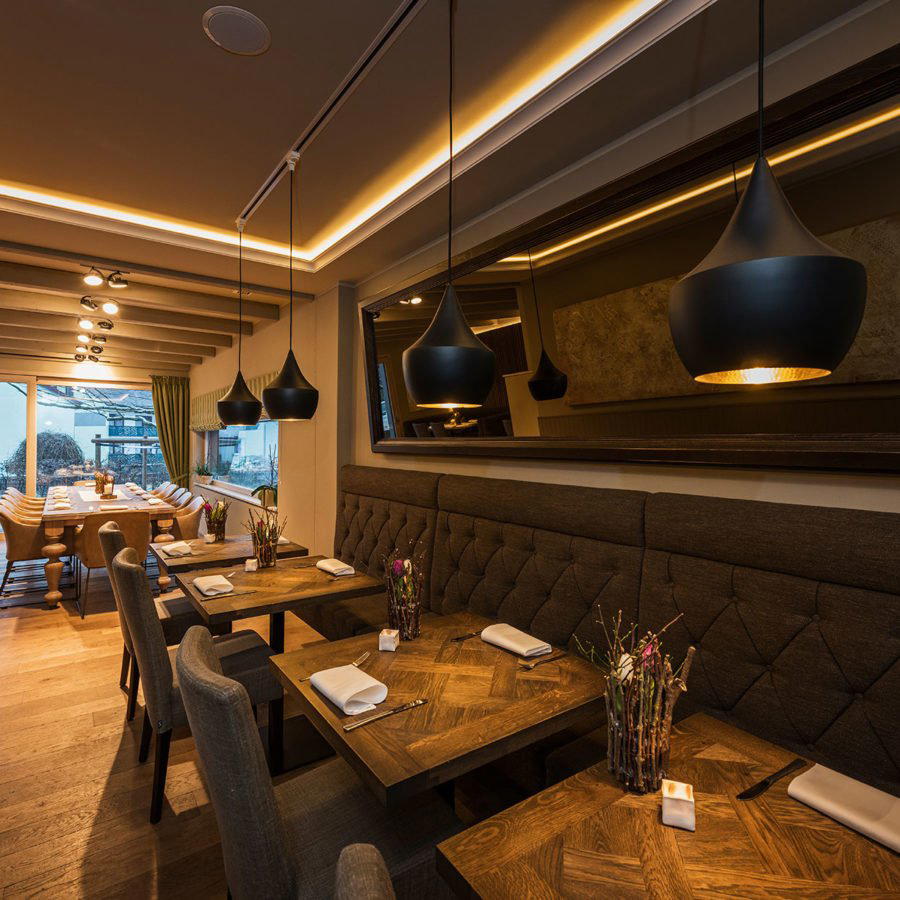
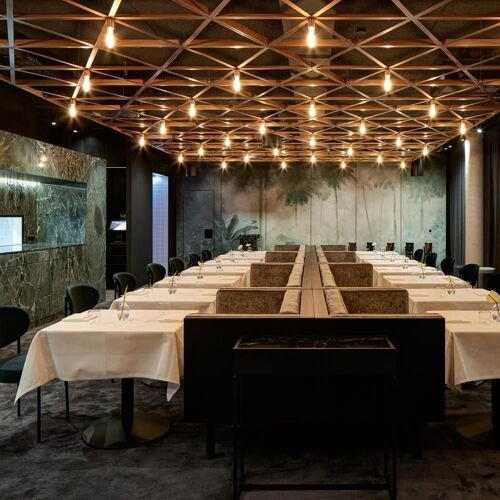
Sleek, contemporary design exuding modernity in a compact fine dining space with attentive service.