
Tabelog 100 #70
Our verdict
Sarashina Fujii brings Kanazawa’s soba culture into sharp focus: buckwheat noodles, counter seating, sake and shochu, and a price tier that sits between casual sweets-and-snacks stops and the city’s high-end sushi counters. Selection for Tabelog’s Soba WEST 100 in 2024 and 2025 gives it a clear trust signal without turning the meal into ceremony.

Pearl is the En Primeur Club membership app, where members save venues, book tables and use the concierge.
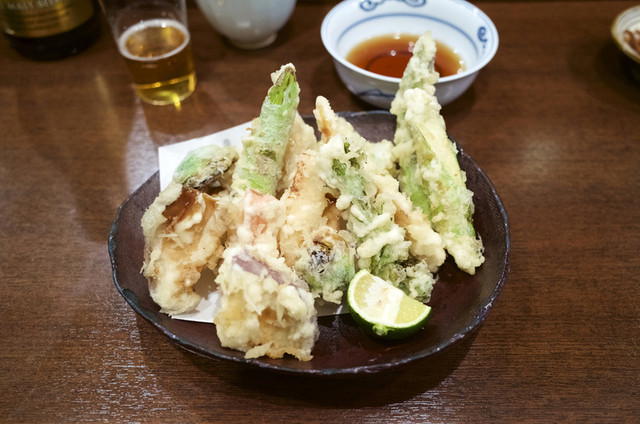
Kanazawa has the scale that suits soba: measured streets, low-rise shopfronts, and a pace that leaves room for lunch rather than spectacle. In Kanazawa, where visitors often arrive chasing seafood, wagashi, or formal Japanese dining, soba works differently. It is quieter, quicker, and more dependent on discipline than theatre. Sarashina Fujii belongs to that register: buckwheat noodles, sake and shochu, and a room where attention returns to the bowl rather than to a long tasting-menu arc.
The city’s dining range is broad enough to make soba feel like a decision rather than a default. A traveller can spend modestly on sweets, move into casual cooked dishes, or choose a more elaborate restaurant plan elsewhere in Kanazawa. Against that spread, Sarashina Fujii occupies a useful middle ground: more focused than a snack stop, less financially loaded than many destination meals, and rooted in a Japanese noodle tradition that rewards restraint.
Kanazawa soba, read through buckwheat rather than spectacle
Soba is one of Japan’s great tests of compression. The format looks simple, but the margins are narrow: flour, water, cut, boil, rinse, broth or dipping sauce, garnish. That economy is why serious soba shops can feel more revealing than elaborate restaurants. There is less room to hide behind imported luxury ingredients or plate architecture. The cultural weight sits in repetition, texture, temperature, and the relationship between noodles and drink.
Kanazawa’s food identity is often framed through seafood, regional produce, sweets, and formal Japanese dining. Soba adds a different rhythm to that itinerary. It fits solo dining as well as a two-person lunch, and it gives the city’s craft-minded side a less ornate expression. Sarashina Fujii’s Tabelog Hyakumeiten recognition for 2025 matters in this context because it places the restaurant inside a category-specific conversation rather than a generic tourist ranking.
That matters for travellers building a Kanazawa day with range. A noodle lunch can sit before a walk, a museum stop, or an evening of sake and seafood.
The useful middle of Kanazawa dining
Price signals in Kanazawa separate quickly, with meals ranging from light daytime stops to fuller evenings and more ambitious counters. Sarashina Fujii’s published ranges, JPY 2,000 to JPY 2,999 at lunch and JPY 3,000 to JPY 3,999 at dinner, put it in the practical centre of the city’s serious eating. That is a useful bracket for visitors who want quality control without committing an entire evening budget.
The format also shapes the experience. Soba is direct and compact; it is not usually a category built around lingering through many courses. Sake and shochu broaden the category without turning the restaurant into a general izakaya. That pairing is culturally coherent: soba shops in Japan have long had a drinking culture of their own, especially around small plates and noodles at the end, though no specific dish should be assumed beyond the listed soba focus.
Kanazawa rewards this kind of sequencing. A day might start with coffee or casual fare, move through a focused noodle meal, then end with seafood, sake, or a bar. Travellers comparing dining moods can also look at other Kanazawa dining rooms, not as peers in cuisine, but as proof that Kanazawa’s restaurant culture is wider than the postcard version of the city.
How to place it in a Kanazawa itinerary
The strongest reason to come is not novelty; it is category clarity. In a city where many visitors over-index on seafood, soba gives the itinerary a quieter Japanese grammar. Its Tabelog Hyakumeiten recognition for 2025 shows that Sarashina Fujii has current category relevance. For diners who care about regional food culture, that is the point: the meal functions as a counterweight to Kanazawa’s more decorative culinary images.
Planning around the meal should be simple, but not careless. The restaurant is in Kanazawa, and its public category listing centers it on soba, Japanese sake bar, and Japanese shochu bar. The published budget range makes it better suited to a focused lunch or dinner than to a large, open-ended blowout meal.
For the rest of the trip, build outward by category rather than by hype. Stay planning belongs in Our full Kanazawa hotels guide; drinking routes sit in Our full Kanazawa bars guide; regional bottle context can be checked through Our full Kanazawa wineries guide; and cultural programming belongs in Our full Kanazawa experiences guide. Travellers comparing Japanese formats beyond the city can think generically across noodle shops, sushi counters, izakaya, curry rooms, sake bars, and casual rice-focused spots. The common thread is not cuisine; it is choosing a format with a clear purpose.
Frequently asked questions
What does dinner at Sarashina Fujii typically cost?
Pricing at Sarashina Fujii is listed as dinner JPY 3,000 - JPY 3,999 and lunch JPY 2,000 - JPY 2,999.
What's Sarashina Fujii's location?
Kanazawa.
Is Sarashina Fujii reservation-only?
The provided venue facts do not establish a reservation-only policy. Plan around Sarashina Fujii as a Kanazawa soba restaurant, and check the venue's official channels for the latest details.
What's the standout thing about Sarashina Fujii?
Its strongest credential is category recognition: Tabelog Hyakumeiten 2025. The format is centered on soba, with Japanese sake and shochu listed alongside it, which suits a place built around pace and precision rather than dining-room theatre.
Is Sarashina Fujii good for vegetarians?
Those details are not published in the provided venue facts. The safe read is that Kanazawa's Sarashina Fujii centers on soba, with lunch pricing from JPY 2,000–JPY 2,999 and sake and shochu listed alongside it. Check the venue's official channels for the latest details.
Pricing, Compared
Nearby venues at a similar price tier for orientation.
| Venue | Cuisine | Price | Awards | Notes |
|---|---|---|---|---|
| Sarashina FujiiThis venue (the venue you are viewing) | Traditional Soba & Sake Bar | $20–30 | Tabelog 100 #70 | Not listed |
| 鮨治 | Kanazawa Sushi | Not listed | Not listed | Kanazawa, Kanazawa Sushi |
| のとめぐり | Hokuriku Conveyor Belt Sushi | $20–30 | Not listed | Hirooka, Hokuriku Conveyor Belt Sushi |
| Omicho Ichibazushi (近江町市場寿し) | Market Conveyor Belt Sushi | $20–30 | Not listed | Omicho Market, Market Conveyor Belt Sushi |
| Yakitori Manjiro | Yakitori counter in Kanazawa | $50–100 | Tabelog 100 #12 | Kanazawa, Yakitori counter in Kanazawa |
| Shizenha Ramen Kagura | Natural additive‑free ramen | $10–20 | Tabelog 100 #54 | Kanazawa, Natural additive‑free ramen |
Recognition history
Dated appearances from independent guides and award organizations, with the underlying list record or original source where available.
Tabelog 100 #70 · No. 70
Tabelog · Tabelog 100 - Soba - WEST - 2025
Continue exploring
More in Kanazawa
Restaurants in Kanazawa
All restaurants in Kanazawa →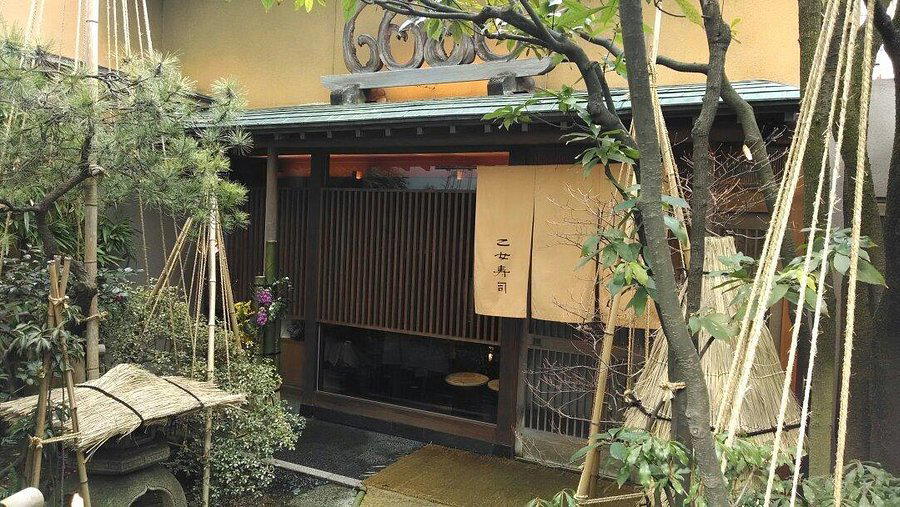
Hotels in Kanazawa
All hotels in Kanazawa →
Wineries in Kanazawa
Browse all →
Details
- Cozy
- Classic
- Solo
- Casual Hangout
- After Work
- Standalone
- Sake Program
- A La Carte
- Counter Dining
- Sake
- Shochu
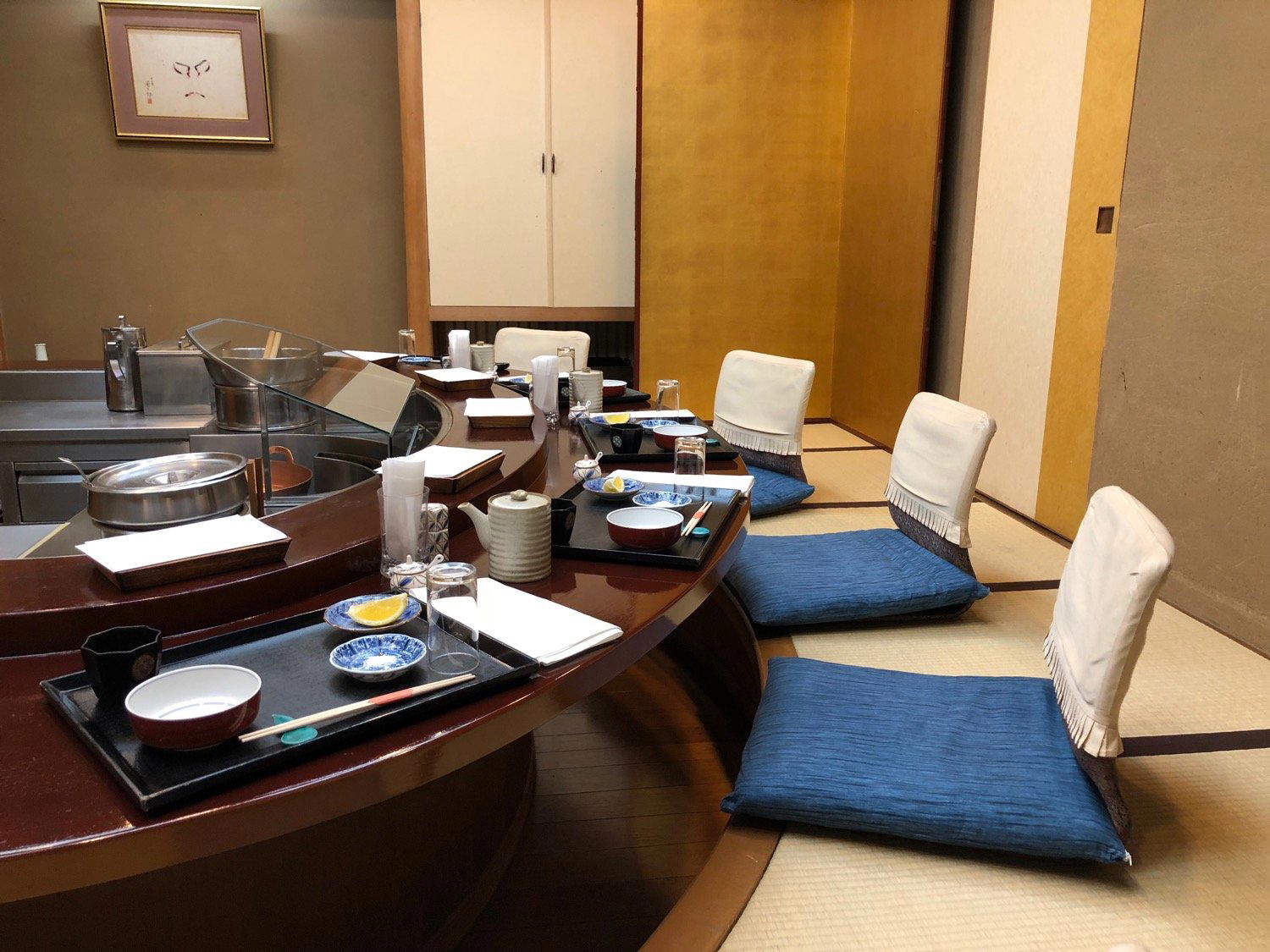
A small, non‑smoking soba house with counter seating and simple, elegant décor, creating a warm, relaxed atmosphere that works well for solo diners and casual meals with friends.