Sapporo
Our verdict
Sapporo sits at 1000 E Boxelder Rd in Gillette, Wyoming, occupying a corner of the city's dining scene that draws on Japanese culinary tradition in an unlikely high-plains setting. With limited comparable options in Campbell County, it functions as a reference point for Japanese food in the region. See our full Gillette restaurants guide for broader context on where it fits.

Pearl is the En Primeur Club membership app — saves, bookings, and concierge access live there. Same editors, same standards.
- Address
- 1000 E Boxelder Rd, Gillette, WY 82718
- Phone
- (307) 363-4795
- Hours
- Daily 11 AM–9:30 PM
- Website
- sapporowy.com
- Directions
- Get directions
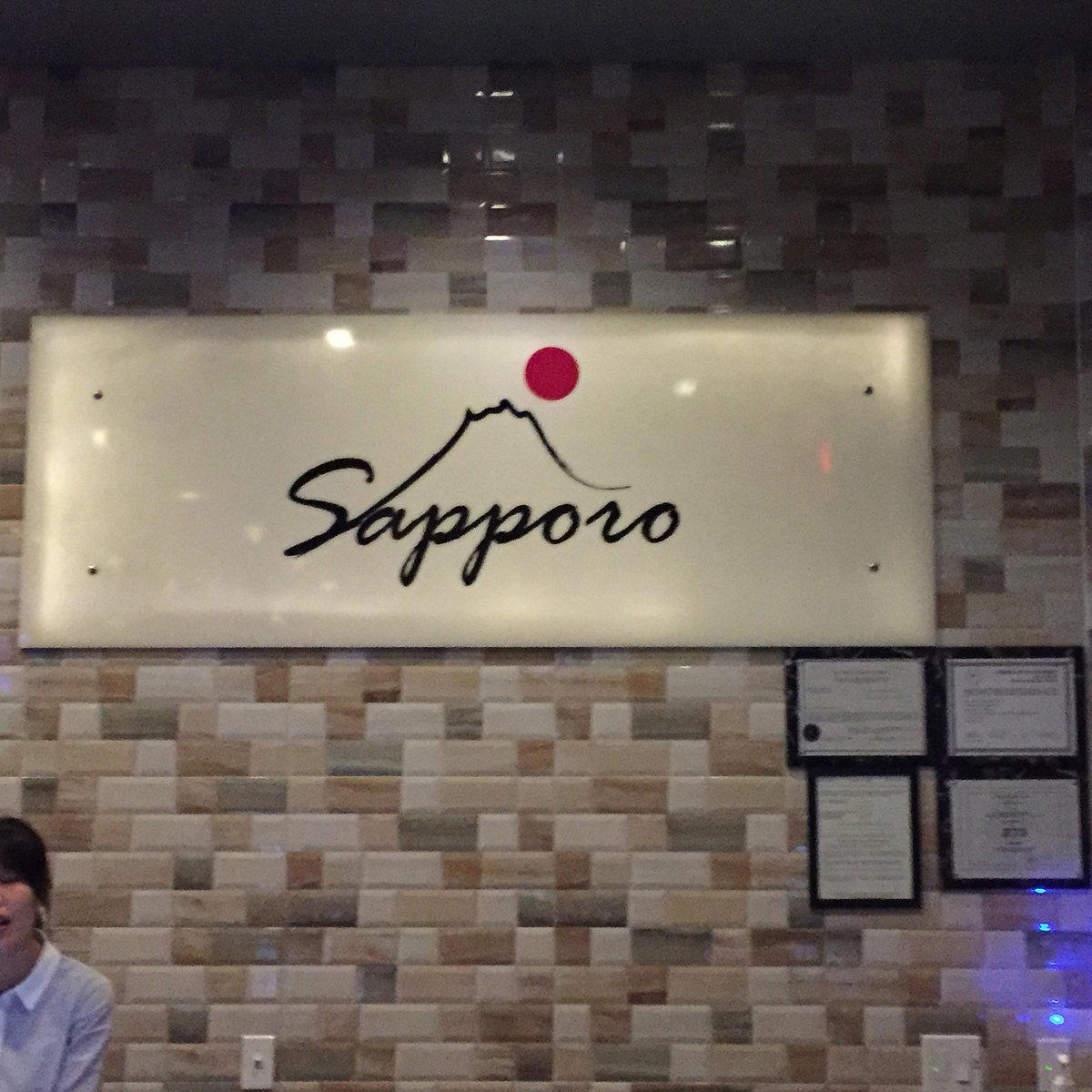
Japanese Dining in Wyoming's Energy Capital
Gillette, Wyoming is not a city that announces itself through its restaurants. The economy here runs on coal and oil, the population is spread across wide lots and strip developments, and the dining scene reflects a working city rather than a culinary destination. Against that backdrop, a Japanese restaurant at 1000 E Boxelder Rd — see our full Gillette restaurants guide for the broader picture — occupies an unusual position: it is one of the few places in Campbell County where the sourcing logic and cooking tradition of a distinct culinary culture show up in a consistent format.
Japanese cuisine, wherever it lands in the American interior, carries sourcing obligations that do not disappear simply because the nearest coast is a thousand miles away. The tradition demands specific fish handling, particular grades of rice, and fermented condiments that take months or years to produce. How those requirements get met in a landlocked Wyoming city is not a trivial question. It shapes everything from the menu's range to what a kitchen can credibly offer versus what it should leave alone.
What the Setting Tells You
The address on Boxelder Road places Sapporo in a commercial corridor that services Gillette's working population rather than a tourist or business-travel demographic. Arriving here, you are not in the kind of environment that frames a meal before it begins, no historic streetscape, no walkable neighbourhood energy. What the setting does instead is strip the experience back to the food itself. In cities where Japanese restaurants cluster in dense neighbourhoods with visible competition, a diner's expectations are calibrated by what surrounds the room. Here, the calibration happens differently: you are weighing what this kitchen can source and execute against the broader tradition, not against the place next door.
That comparison matters more than it might seem. The American interior has developed a recognisable tier of Japanese-influenced restaurants that adapt the format to local supply chains without abandoning core technique. Some do this well. The ones that do tend to anchor their menus around what they can source reliably, proteins with a defined cold-chain, rice from identified producers, sauces made in-house, rather than stretching toward every category the format permits. Whether Sapporo's menu reflects that discipline is a question the kitchen's current offer would need to answer directly.
Ingredient Sourcing at Altitude
Sourcing Japanese food in Wyoming sits at the harder end of the American interior challenge. The state has no significant seafood infrastructure, no Japanese-American farming community of the kind that supports urban West Coast supply chains, and freight times from coastal distributors add days to the cold-chain. Restaurants in comparable cities, mid-sized, landlocked, without a university or large international population to drive specialty food retail, typically resolve this through one of two strategies: they narrow the menu to categories where sourcing is reliable (cooked proteins, vegetable-forward preparations, ramen formats that depend more on stock technique than on premium raw fish), or they work with a national distributor whose grade standards are consistent if not exceptional.
The restaurants that earn sustained local loyalty in these markets tend to be honest about what they are doing. They do not try to replicate the full range of a coastal omakase counter. Instead, they build depth in the categories they can execute with integrity, a well-maintained broth program, rice cooked to the right texture, pickles and ferments prepared in-house rather than opened from industrial jars. That kind of focused approach is what distinguishes a kitchen serious about Japanese technique from one wearing the cuisine as a label.
For reference on what sourcing-led Japanese and Asian-influenced kitchens can achieve at higher price points and with coastal infrastructure, Atomix in New York City and Le Bernardin in New York City represent two different expressions of the same underlying commitment to where ingredients come from and how they are handled before they reach the plate. Those comparisons are not meant to set an unreasonable standard for a Wyoming dining room, but they illustrate what the tradition rewards when supply chain access and kitchen investment align.
Gillette's Dining Context
Campbell County's restaurant scene is built primarily around steakhouses, American casual formats, and fast-service chains that serve the extraction industry workforce. Within that mix, a Japanese restaurant addresses a distinct appetite, for something lighter, for a different protein and vegetable logic, for a meal format that runs at a different pace than a working lunch. Silver Creek Steakhouse anchors the red-meat end of the Gillette dining spectrum; Sapporo occupies a different register entirely.
Across the broader American West, the most interesting independent restaurants in energy-sector cities have tended to track demographic shifts, an influx of contract workers from different regions, a growing professional class with broader food exposure, a local ownership family with roots in a different culinary tradition. Any of these can be the reason a Japanese restaurant exists and persists in a place like Gillette. The more relevant question for a visitor or local diner is not why it exists, but what it does with the position it holds.
For a wider frame on what American restaurants at various price points and formats are doing with sourcing as a primary editorial lens, it is worth looking at Blue Hill at Stone Barns in Tarrytown, Single Thread Farm in Healdsburg, and Frasca Food & Wine in Boulder, three operations in different price tiers where the sourcing decision is front and centre in the menu's logic. Closer to the Rocky Mountain region, Brutø in Denver shows what a chef-driven approach to regional sourcing looks like at the ambitious end of the Colorado market.
Other reference points for American restaurant ambition worth knowing: Lazy Bear in San Francisco, Alinea in Chicago, The French Laundry in Napa, Providence in Los Angeles, Addison in San Diego, The Inn at Little Washington, Bacchanalia in Atlanta, Causa in Washington, D.C., Emeril's in New Orleans, and 8½ Otto e Mezzo Bombana in Hong Kong, a range that maps the spectrum from American fine dining to international benchmark.
Planning Your Visit
Sapporo is located at 1000 E Boxelder Rd, Gillette, WY 82718. Current hours, pricing, and booking methods are best confirmed directly with the venue before visiting, as these details were not available for verification at time of writing. Gillette is accessible via Gillette Campbell County Airport, which receives regional flights connecting to Denver. Driving from Casper takes approximately two hours on I-25 and US-14. Given the limited restaurant competition in this price and cuisine tier within Campbell County, same-day seating is likely available on most evenings, but calling ahead remains the practical approach for any group larger than two.
Frequently asked questions
Is Sapporo good for families?
Japanese restaurants in mid-sized American interior cities like Gillette generally run accessible formats suited to groups of mixed ages. Sapporo's location on Boxelder Road, a commercial corridor serving Gillette's working population, points toward a practical dining operation rather than a formal one.
What's the overall feel of Sapporo?
The Boxelder Road address places Sapporo inside a working commercial strip that services Gillette's energy-sector population, not a restaurant quarter built around atmosphere or foot traffic. Expect a functional dining room oriented toward neighborhood regulars rather than destination dining. The context is straightforwardly local.
Is Sapporo the only Japanese restaurant in Gillette, Wyoming?
Japanese restaurants are a scarce format in Campbell County, where the dining scene is anchored by steakhouses and casual American chains serving Gillette's coal and oil workforce. Sapporo at 1000 E Boxelder Rd operates in a city where the cuisine type is an outlier rather than a competitive category. Whether additional Japanese options exist in the area is worth verifying locally, but the supply is thin by any measure.
What should I eat at Sapporo?
Specific menu details are best confirmed with the venue directly, as sourcing Japanese ingredients in Wyoming's interior presents real constraints — the state has no coastal seafood infrastructure and limited Japanese wholesale supply. What's on offer will reflect those realities. Contact Sapporo at 1000 E Boxelder Rd, Gillette, WY 82718 for current menu information.
Where is Sapporo in Gillette?
Sapporo is located at 1000 E Boxelder Rd, Gillette, WY 82718, Gillette.
How hard is it to get a table at Sapporo?
Gillette's restaurant scene is built primarily around casual American and chain formats, which makes Japanese dining a comparatively rare category in Campbell County. Calling ahead is advisable given the limited alternatives in the area if the venue is closed or fully booked.
Comparable Spots, Quickly
Comparable venues nearby, for context on price, style, and recognition.
| Venue | Cuisine | Price | Awards | Notes |
|---|---|---|---|---|
| SapporoThis venue — the venue you are viewing | Japanese Steakhouse & Sushi | $20–30 | Not listed | Not listed |
| Silver Creek Steakhouse | Classic Steakhouse with Buffet | $20–30 | Not listed | Gillette |
| Sure Hand | Wood-Fired Pizza | $20–30 | Not listed | Town Square |
| Longhorn Cafe | American Steakhouse | $20–30 | Not listed | Devils Tower |
| Atelier Ortega | Artisan Chocolate & Crepe Cafe | Not listed | James Beard Award Semi Finalist | Jackson |
| Amangani Grill | Seasonal Regional American with Mountain and Global Influences | Not listed | Not listed | .null |
Continue exploring
More in Gillette
Restaurants in Gillette
Browse all →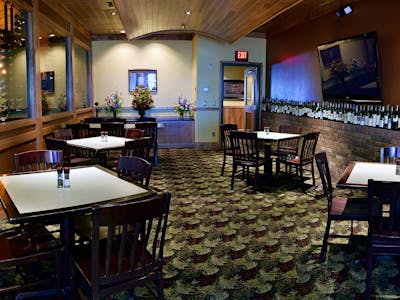
Details
- Lively
- Energetic
- Family
- Casual Hangout
- Celebration
- Open Kitchen
- Sake Program
- A La Carte
- Vegetarian Friendly
- Vegan Options
- Gluten Free Options
Current opening hours
- Monday
- 11 AM–9:30 PM
- Tuesday
- 11 AM–9:30 PM
- Wednesday
- 11 AM–9:30 PM
- Thursday
- 11 AM–9:30 PM
- Friday
- 11 AM–9:30 PM
- Saturday
- 11 AM–9:30 PM
- Sunday
- 11 AM–9:30 PM
Hours can change for holidays and private events. Last verified .
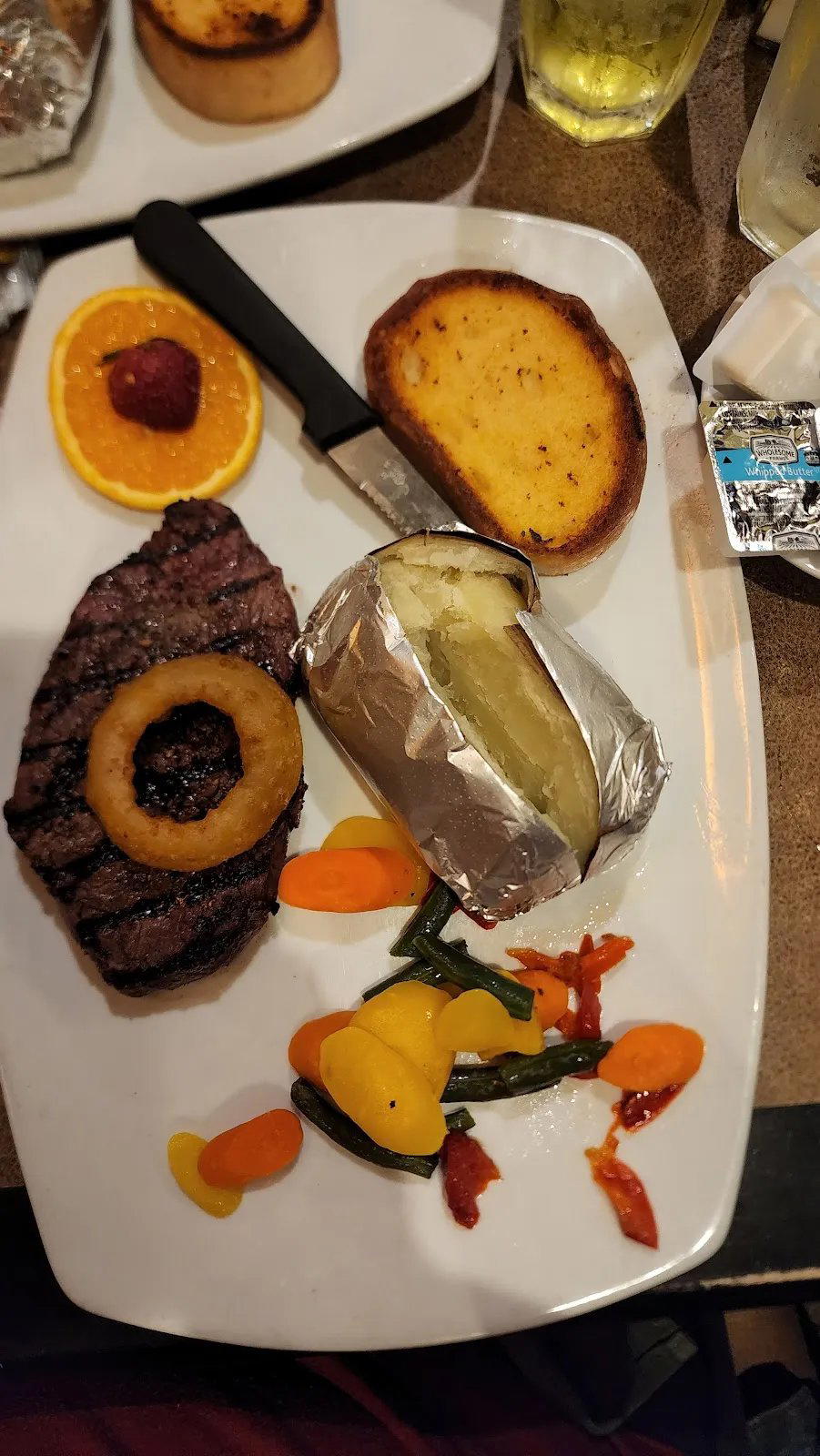
Fun and energetic atmosphere with hibachi grill shows, though some note poor lighting and shabby decor.