Santa Monica Seafood Market & Cafe
Santa Monica Seafood Market & Cafe at 1000 Wilshire Blvd occupies a particular niche in the city's dining scene: part retail fish market, part casual cafe, with a focus on fresh Pacific catch and straightforward preparation. It draws a loyal local crowd that values provenance over ceremony, and sits in useful proximity to Santa Monica's broader range of ambitious dining options.
 Discover on Pearl
Pearl is the En Primeur Club membership app — saves, bookings, and concierge access live there. Same editors, same standards.
- Address
- 1000 Wilshire Blvd, Santa Monica, CA 90401
- Phone
- +1 310 393 5244
- Website
- smseafoodmarket.com
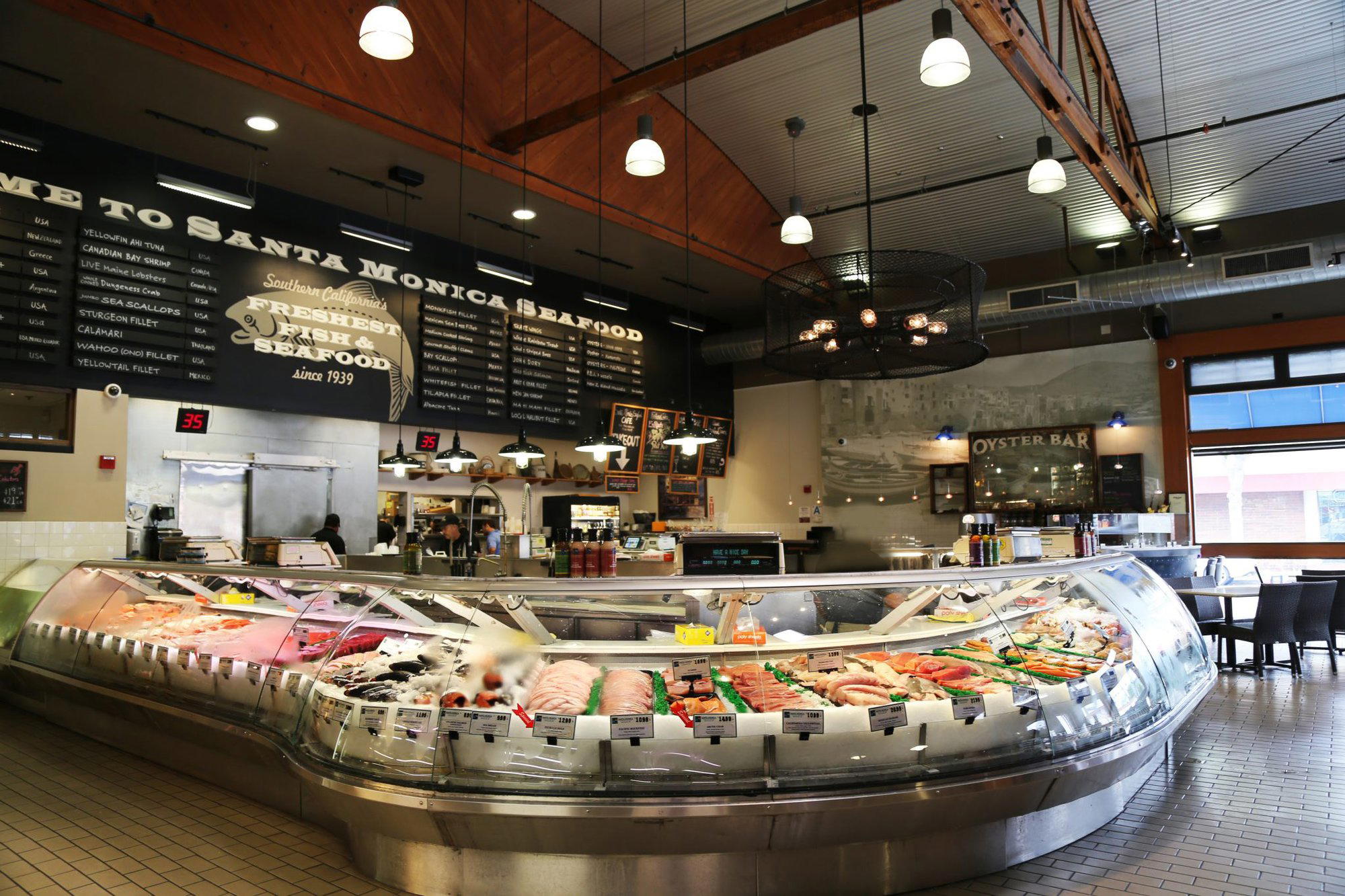
Where the Market Meets the Table
Santa Monica Seafood Market & Cafe is a casual Fresh Seafood Café in Santa Monica at 1000 Wilshire Blvd, with a 4.6 Google rating from 1,946 reviews and an average price of about $25 per person. The corner of Wilshire and 10th in Santa Monica is not a destination block in the way that Main Street or Ocean Avenue might be, but Santa Monica Seafood Market & Cafe has made it one for a specific kind of diner. The setup is immediately legible: a working retail fish counter dominates the floor, glass cases stacked with Pacific catch priced by the pound, and a cafe operation runs alongside it. The smell of brine and ice is the first thing you register. That sensory directness is the point. In a city where coastal dining has fractured between high-concept tasting menus and chain-level casual, this dual-format model occupies a narrower, more honest lane.
Santa Monica's seafood culture has always benefited from proximity to the Santa Monica Bay and the broader Southern California fishing industry, but proximity to good fish and access to it are different things. The retail-plus-cafe format solves that gap in a way that standalone restaurants cannot: the fish on your plate and the fish in the case behind the counter come from the same supply chain, which keeps the freshness argument short and verifiable.
The Cafe Format in Context
Dual-format seafood operations, where a retail fishmonger and an eat-in cafe share the same floor, are more common on the East Coast than in Southern California. Pike Place Market in Seattle and the old-school fish halls of Boston's North End normalized the format decades ago. In Los Angeles, the model is less established, which means Santa Monica Seafood sits in a thinner competitive set locally. The comparison venues that cluster around it on the Westside, places like Cassia or Capo, are full-service restaurants with wine programs and chef-driven menus. Santa Monica Seafood operates on a different axis entirely, one defined by supply-chain transparency rather than kitchen ambition.
That distinction matters when you are calibrating expectations. The cafe side is not attempting the kind of technically rigorous seafood cooking you find at Providence in Los Angeles, which holds two Michelin stars and runs a deeply sourced tasting format, or the marine-focused precision of Le Bernardin in New York City. The ambition here is narrower and more defensible: take good fish and do not ruin it. In casual seafood, that is harder than it sounds, and it is the standard by which the kitchen should be judged.
Wine at a Fish Counter: What the Format Demands
The wine question at a market-cafe hybrid is genuinely interesting. Dedicated seafood restaurants at the high end, from Single Thread Farm in Healdsburg to Addison in San Diego, build wine programs around the specificity of the food, with sommeliers who think hard about salinity, texture, and the interaction between preparation and grape variety. The cellar depth at those addresses runs deep and the pairing logic is deliberate. A market-cafe environment does not require that level of infrastructure, but it does create a particular opportunity: direct, well-chosen whites that work across a range of simply prepared fish without the overhead of a formal list.
California's Central Coast and Sonoma Coast produce Chardonnay and Pinot Gris that pair efficiently with Pacific seafood, and any wine selection at a venue like this would do well to anchor there. Albariño, increasingly grown in California after its Galician origins, is a natural fit for shellfish and light fish preparations. The retail side of the operation also opens a possibility that few restaurants can offer: buying a bottle to drink with your meal, or taking one home alongside the fish you purchased at the counter. That flexibility is a structural advantage the pure-restaurant format cannot replicate.
The two venues are not competitors, but they share a format logic that the Westside market has proved receptive to.
Placing It in the Santa Monica Dining Map
Santa Monica's dining scene has a pronounced split between the ambitious and the accessible. The ambitious end includes serious kitchen programs and destination-level execution. The accessible end is crowded with options that perform adequately without distinction. Santa Monica Seafood sits at the more accessible end of that spectrum, but with a provenance argument that many of its casual peers cannot match. For the full breadth of what the city offers, the EP Club Santa Monica restaurants guide covers the range from quick-service spots like 800 Degrees Woodfired Kitchen to neighbourhood stalwarts like Augie's On Main and coastal operators like Azure.
The 1000 Wilshire address puts it within reach of the Civic Center area and a short drive from the Third Street Promenade, making it a practical stop for midday eating rather than a planned evening destination. That is consistent with how the format works well: low friction, high-quality raw material, and a transaction that takes less time to complete than a full-service dinner. For those who want to extend the Santa Monica day into a more considered meal, options like Amici Brentwood and ArcLight Cinemas Santa Monica and Holy Basil Santa Monica fill out the neighbourhood's evening options.
Nationally, the comparison points for high-end seafood commitment are instructive for understanding what Santa Monica Seafood is not aiming to be: Lazy Bear in San Francisco, Smyth in Chicago, Blue Hill at Stone Barns in Tarrytown, The French Laundry in Napa, Atomix in New York City, The Inn at Little Washington, Emeril's in New Orleans, and Atelier Moessmer Norbert Niederkofler in Brunico all represent the destination-dining tier where wine programs and kitchen ambition are defining features. Santa Monica Seafood's value lies elsewhere, in immediacy, access, and transparency about what you are eating.
Planning Your Visit
Comparable Venues
Comparable venues nearby, for context on price, style, and recognition.
| Venue | Cuisine | Price | Awards | Notes |
|---|---|---|---|---|
| Santa Monica Seafood Market & CafeThis venue — the venue you are viewing | Fresh Seafood Café | $$ | , | |
| Citizen Sprout | Organic Grab-and-Go Bowls & Smoothies | $$ | , | Santa Monica Mid-City Neighbors |
| Santa Monica Brew Works | Craft Brewery Gastropub | $$ | , | Pico Neighborhood Association |
| La Scala | Classic Italian | $$ | , | Northeast |
| Thyme Cafe & Market | New American Cafe | $$ | , | Pico |
| Noma Sushi | Japanese Sushi | $$ | , | Wilshire/Montana Neighborhood Coalition |
Continue exploring
More in Santa Monica
Restaurants in Santa Monica
Browse all →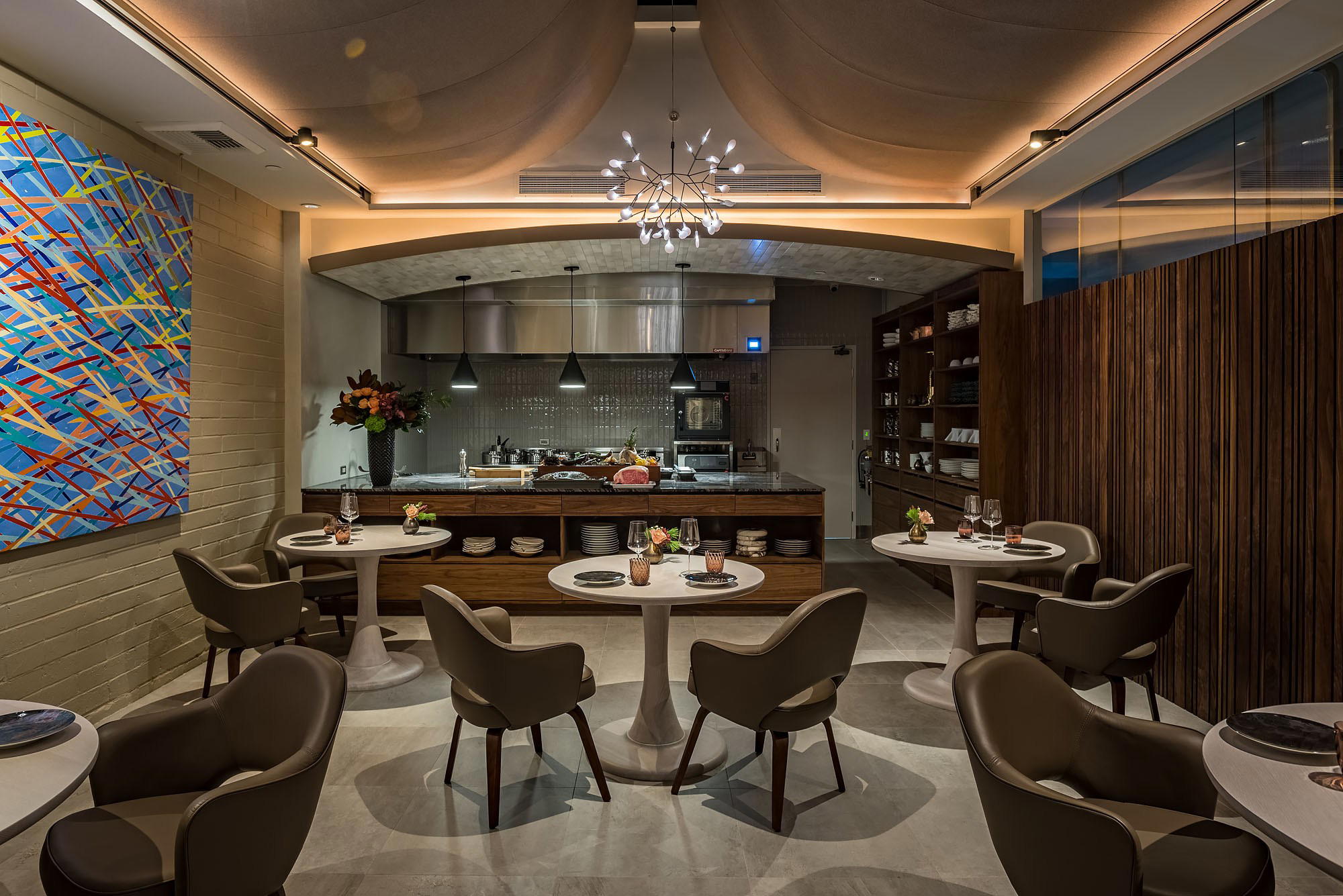
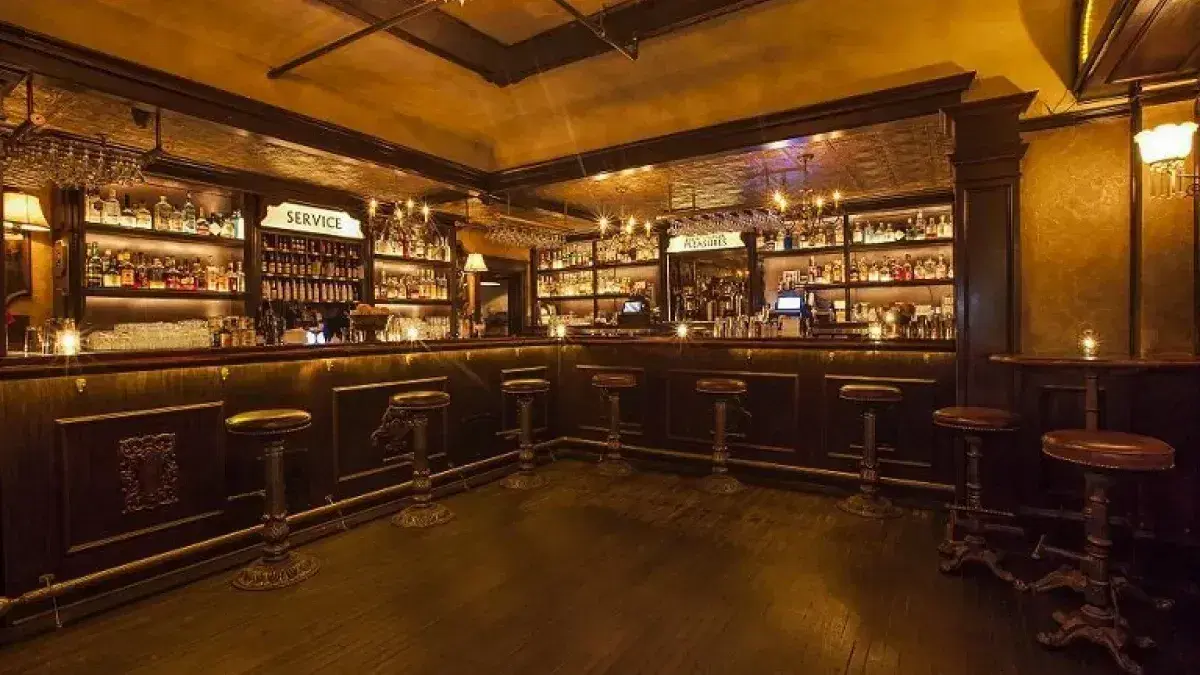
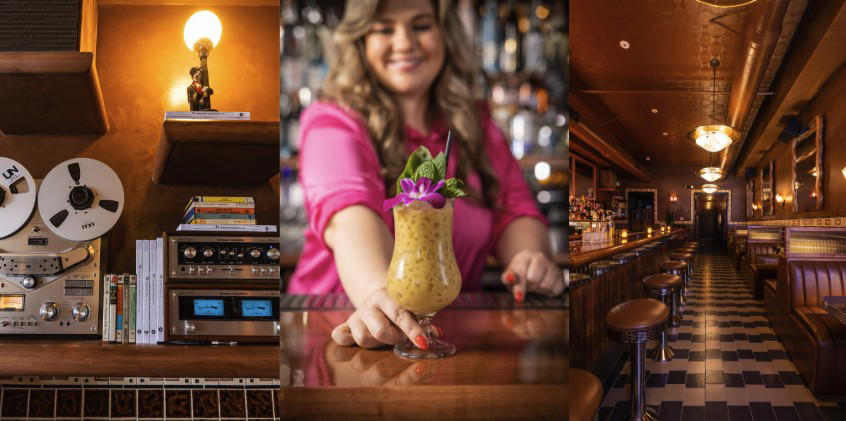
Bars in Santa Monica
Browse all →

Hotels in Santa Monica
Browse all →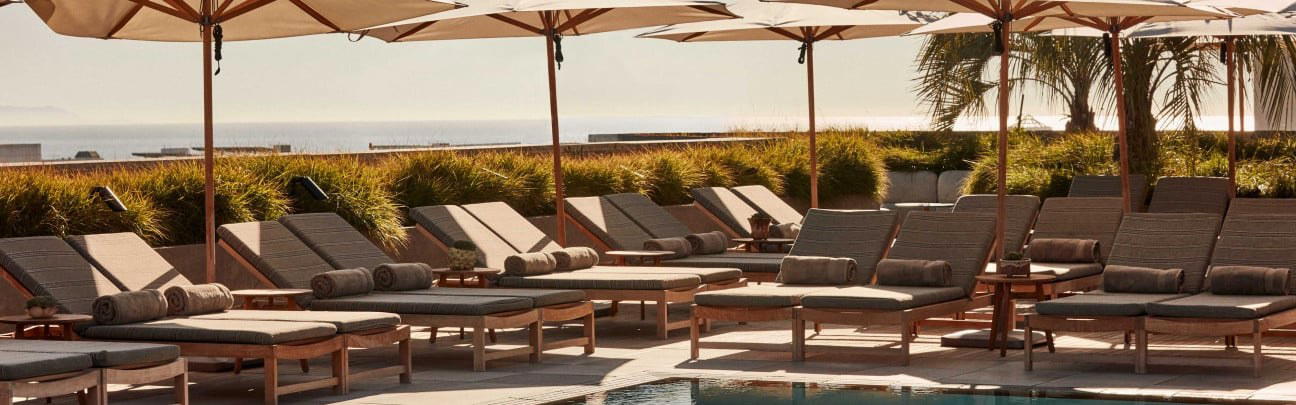
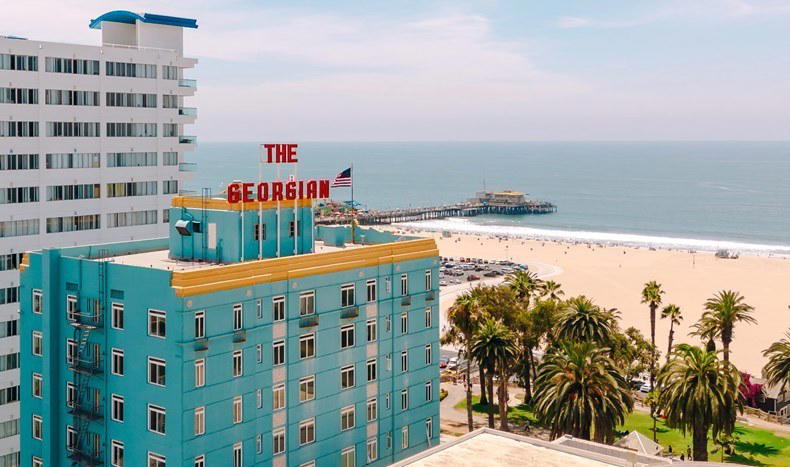
Wineries in Santa Monica
Browse all →
At a Glance
- Classic
- Casual Hangout
- Open Kitchen
- Extensive Wine List
- Sustainable Seafood
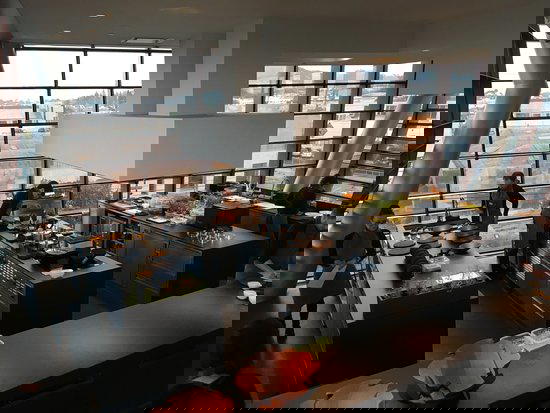
Casual market-café atmosphere with a focus on fresh seafood display and simple dine-in seating.