Cassia
Our verdict
Cassia on 7th Street in Santa Monica brings Southeast Asian cooking into a dining room that reads more Parisian brasserie than Pacific Rim. The kitchen's sourcing discipline, drawing on California's produce depth alongside pantry traditions from Vietnam, Singapore, and beyond, positions it as one of the more intellectually coherent restaurants on the Westside. Book ahead; walk-in availability is limited.

The menu
What to order
- Kaya Toast
- Charred Turmeric-Marinated Black Cod
- Singaporean Chili Crab
- Hainanese Chicken Confit
- Sunbathing Prawns
- Beef Rendang
- Laksa
Where the Pacific Rim Meets the California Pantry
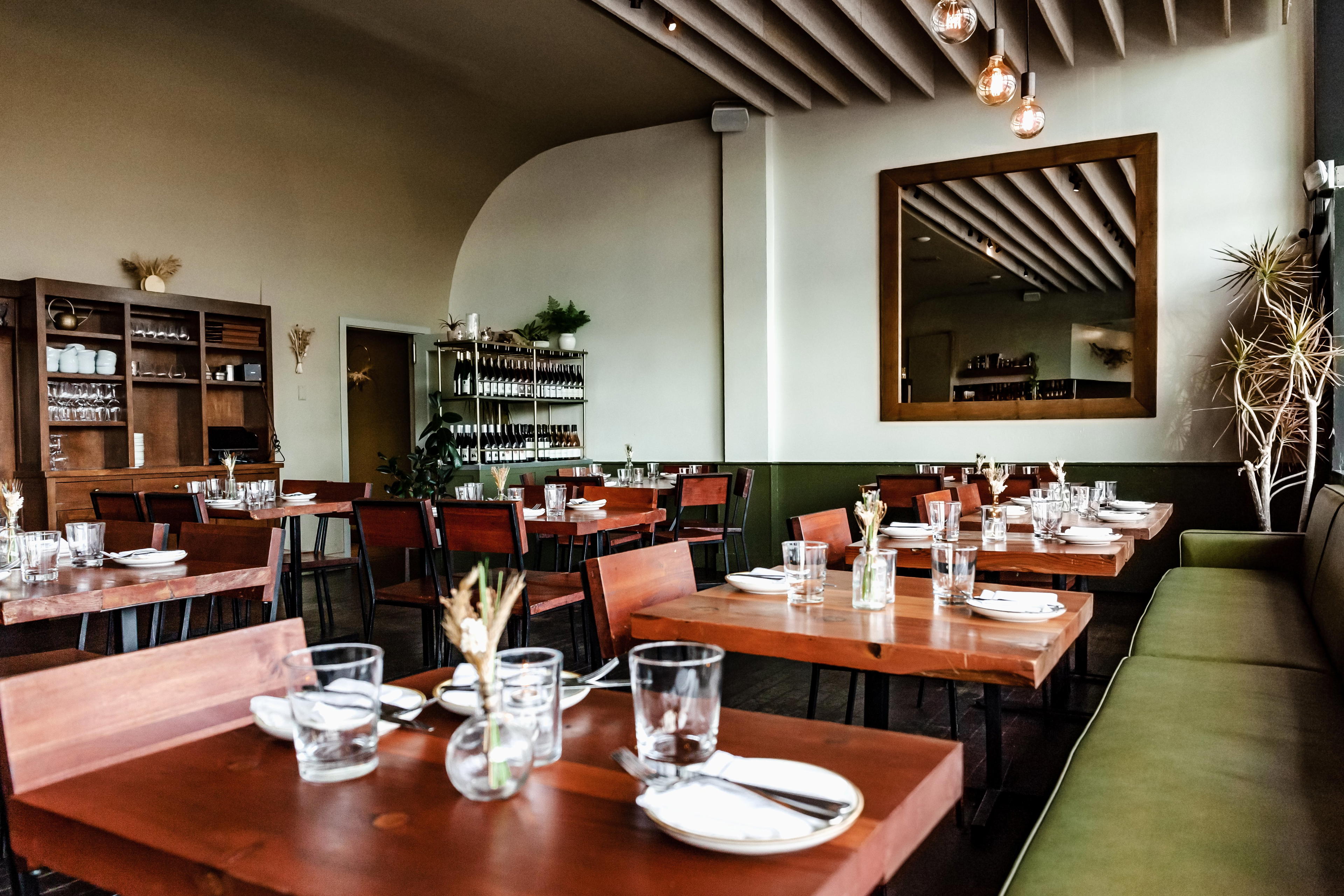
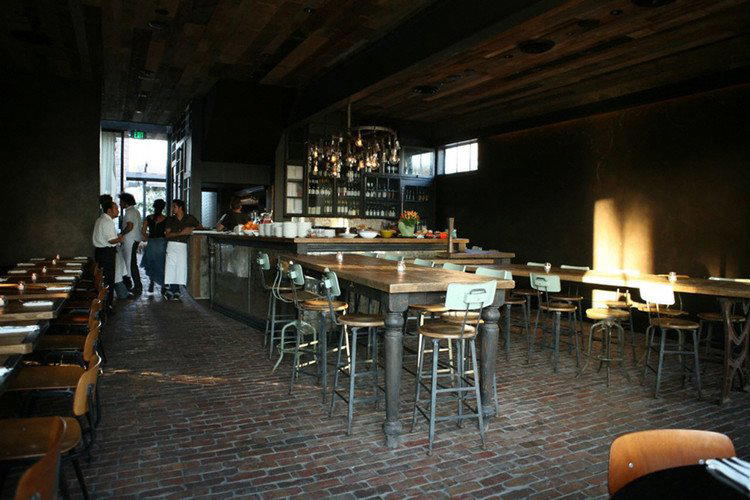
Seventh Street in Santa Monica is not the city's most photographed block, but it carries a particular kind of dining credibility. A few steps from the Third Street Promenade's tourist gravity, it attracts a local crowd that comes specifically for what's on the plate. Cassia occupies a corner of that block with a physical confidence that matches its culinary ambition: the room is high-ceilinged and loosely Indochinese in its warm-toned details, reading somewhere between a colonial-era brasserie and a California loft. The noise level on a busy evening is substantial, in the way that rooms with real energy tend to be. You are aware, walking in, that this is a place people come back to.
A Framework Built on Sourcing
The most useful lens through which to understand Cassia is not its geographic references, broad as they are, but its sourcing logic. Southeast Asian cooking at its finest is a cuisine of freshness: bright herbs, fish that arrived that morning, produce picked at the moment of ripeness. In Southeast Asia itself, that freshness is enforced by geography and market culture. In California, it is a deliberate choice, and one that costs something in terms of kitchen labor and supplier relationships. Cassia makes that choice explicitly.
California's agricultural output is the structural advantage that makes this kind of kitchen viable on the Westside. The state produces a larger share of US vegetables, fruits, and nuts than any other, and the Santa Monica Farmers Market, operating Wednesdays and Saturdays a short distance from the restaurant, functions as a sourcing hub for some of the most ingredient-focused kitchens in Los Angeles. A restaurant working within a Southeast Asian flavor framework and drawing on that supply chain is accessing something qualitatively different from a kitchen importing shelf-stable pastes and out-of-season produce. The gap is detectable on the plate, in the brightness of a herb note or the texture of a vegetable that was harvested within days rather than weeks.
This sourcing discipline connects Cassia to a broader category of California restaurants where the farm relationship is not a branding afterthought but a structural feature of the menu. Venues like Single Thread Farm in Healdsburg and Blue Hill at Stone Barns in Tarrytown represent the extreme end of that model, where the agricultural program is inseparable from the dining proposition. Cassia operates further down that spectrum, but the underlying logic, that ingredient origin is a first-order culinary variable, is shared.
The Southeast Asian Register, Precisely Handled
The cuisine at Cassia ranges across Vietnam, Singapore, and parts of southern China, categories that in less careful hands collapse into a vague pan-Asian blur. What holds the menu together is a consistent interest in layered, fermented, and acid-forward flavor profiles: fish sauce caramel, kaya toast, laksa. These are not accessory flavors deployed as atmosphere; they are the structural logic of the dishes. That precision matters, because the Southern California dining market has a long tradition of Asian-influenced cooking that aestheticizes regional cuisines without fully engaging their flavor architecture. Cassia's approach has more in common with the Korean tasting counter model at places like Atomix in New York City, where specific culinary traditions are treated as serious subjects, than with the fusion idiom that dominated the 1990s.
For context on how ingredient-forward sourcing disciplines a menu at the highest tier, the frame shifts to American restaurants with defined farm or fishery relationships: Smyth in Chicago, Providence in Los Angeles, and Lazy Bear in San Francisco each demonstrate how tight sourcing logic produces menus that change with the season rather than being seasonally adjusted as a cosmetic gesture. Cassia operates in a more accessible price register than several of these, which is part of what makes its sourcing commitment worth noting: it does not have the insurance of a $350 tasting menu to absorb the cost of premium sourcing.
The Santa Monica Context
Santa Monica's dining scene has broadened considerably over the past decade. The city now contains everything from fast-casual wood-fired concepts like 800 Degrees Woodfired Kitchen and neighborhood anchors like Augie's On Main to more polished destinations like Azure and Amici Brentwood. Within that range, Cassia occupies a particular tier: it draws both the local repeat-visitor crowd and diners who treat it as a destination on par with restaurants they would travel specifically to visit. That dual positioning is not easy to sustain; most restaurants serve one constituency well and the other adequately.
The comparison set within Los Angeles is instructive. Providence represents the top tier of formal dining in the city, operating in a different register entirely. Cassia sits closer to the middle of the serious-but-accessible tier, with peers that include the more casual end of the Thai-focused downtown circuit, places like ArcLight Cinemas Santa Monica nearby as a reminder of how neighborhood dining and entertainment coexist in this part of the city. Nationally, the sourcing-first Southeast Asian idiom that Cassia represents has parallels in the fine-dining tier, including Le Bernardin in New York City in terms of ingredient discipline (if not cuisine type), and Addison in San Diego for the Southern California fine-dining comparison. For a broader picture of where Cassia sits within the Westside, the full Santa Monica restaurants guide maps the city's dining range.
Planning Your Visit
Cassia is located at 1314 7th Street in Santa Monica, a walkable distance from the beachfront and accessible by the Metro Expo Line's Downtown Santa Monica terminus. Reservations are the practical approach; the room's reputation and size mean that walk-in seating, while occasionally available at the bar, is unreliable for peak dinner service on weekends. The dinner format suits a longer, unhurried pace; this is not a kitchen oriented toward quick turns. Arriving with time to work through the menu deliberately, particularly the sharable format dishes, is the more rewarding approach.
Frequently asked questions
What part of town is Cassia in?
Cassia is located at 1314 7th St, Santa Monica, CA 90401, Santa Monica.
How does Cassia's menu change across seasons, and does that affect when to visit?
Cassia's proximity to the Santa Monica Farmers Market means the menu tracks the California growing calendar rather than a fixed list of signature dishes. Late summer and early fall tend to bring the widest range of market produce to the table, making that window a strong time to visit if you want the sourcing model working at full range. Repeat visitors specifically time returns around seasonal shifts in what the California coast and Central Valley are producing.
What's the best thing to order at Cassia?
The kitchen's sourcing logic points toward dishes built around fresh herbs, fermented condiments, and produce tied to the Santa Monica Farmers Market calendar. Those components show up most clearly in preparations spanning the Vietnamese and Singaporean register, where the ingredient quality carries the most weight. Ask the server what arrived from the market that week, that answer will tell you more than the printed menu.
Can I walk in to Cassia?
Bar seating at 1314 7th Street is the most realistic route for walk-ins. The restaurant draws both a local repeat crowd and destination diners, which keeps demand consistent enough that the main dining room fills on reservations most nights. Arriving early on a weeknight gives you the best shot at the bar without a wait.
What makes Cassia worth seeking out?
The case rests on how coherently the kitchen applies a sourcing discipline to a cuisine framework, Southeast Asian cooking across Vietnam, Singapore, and southern China, that rarely gets this level of ingredient attention at a broadly accessible price point. Seventh Street is not Santa Monica's headline dining address, which means Cassia tends to attract guests who are there specifically for the food rather than the scene.
In Context: Similar Options
| Venue | Cuisine | Price | Awards | Notes |
|---|---|---|---|---|
| CassiaThis venue (the venue you are viewing) | Southeast Asian Brasserie with French Influences | Not listed | Not listed | Not listed |
| Chinois on Main | Asian Fusion with French Techniques | $50–100 | Not listed | Chinese |
| Capo | Modern Italian Wood-Fired | $150–200 | Star Wine List · Wine Spectator Grand Award | Not listed |
| Holy Basil Santa Monica | Bangkok Street-Style Thai | $20–30 | Not listed | Thai |
| Wally's Santa Monica | American Wine Bistro | $50–100 | Star Wine List · Wine Spectator Best of Award of Excellence | Not listed |
Continue exploring
More in Santa Monica
Restaurants in Santa Monica
All restaurants in Santa Monica →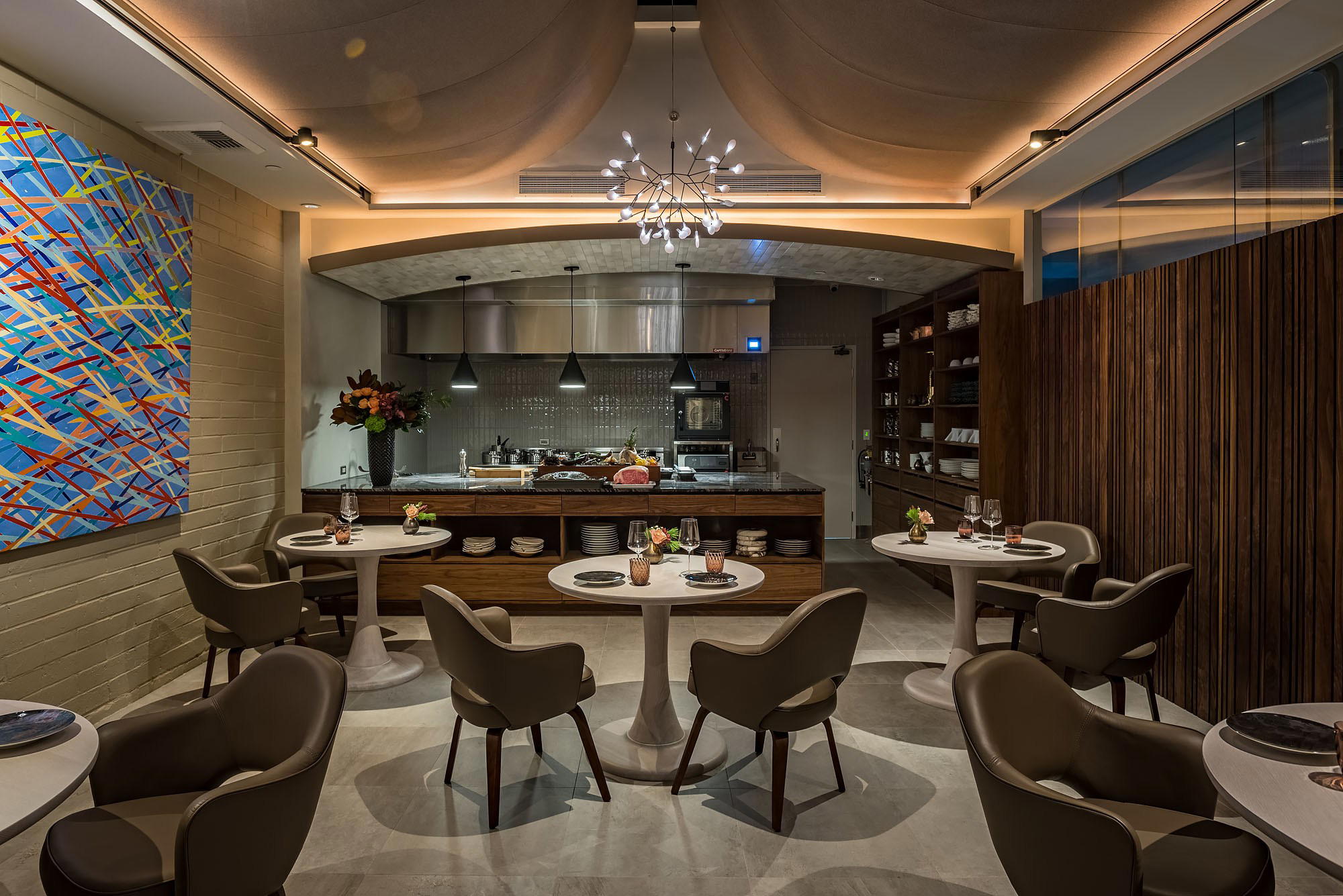
Bars in Santa Monica
All bars in Santa Monica →
Hotels in Santa Monica
All hotels in Santa Monica →
Wineries in Santa Monica
Browse all →
Details
- Lively
- Modern
- Industrial
- Elegant
- Sophisticated
- Group Dining
- Celebration
- Special Occasion
- Date Night
- Open Kitchen
- Private Dining
- Historic Building
- Design Destination
- Craft Cocktails
- Local Sourcing
- Farm To Table
- Family Style
- A La Carte
- Vietnamese Coffee
- Craft Cocktails
- Vegetarian Friendly
- Pescatarian Friendly
Industrial-chic space with lofty ceilings, art deco touches, long white marble bar, and an open kitchen that creates a dynamic, bustling yet warmly inviting atmosphere.