Samurai of Japan
Our verdict
Samurai of Japan on Lomas Santa Fe Drive has anchored Solana Beach's Japanese dining scene for years, offering a format where sushi counter craft and teppanyaki theatrics share the same roof. It sits within a coastal North County dining corridor that draws on fresh Pacific seafood and a clientele accustomed to both casual beach meals and more deliberate dining occasions. Advance booking is advisable, particularly on weekends.

Pearl is the En Primeur Club membership app — saves, bookings, and concierge access live there. Same editors, same standards.
- Address
- 979 Lomas Santa Fe Dr, Solana Beach, CA 92075
- Phone
- (858) 481-0032
- Hours
- Daily 3–9 PM
- Directions
- Get directions
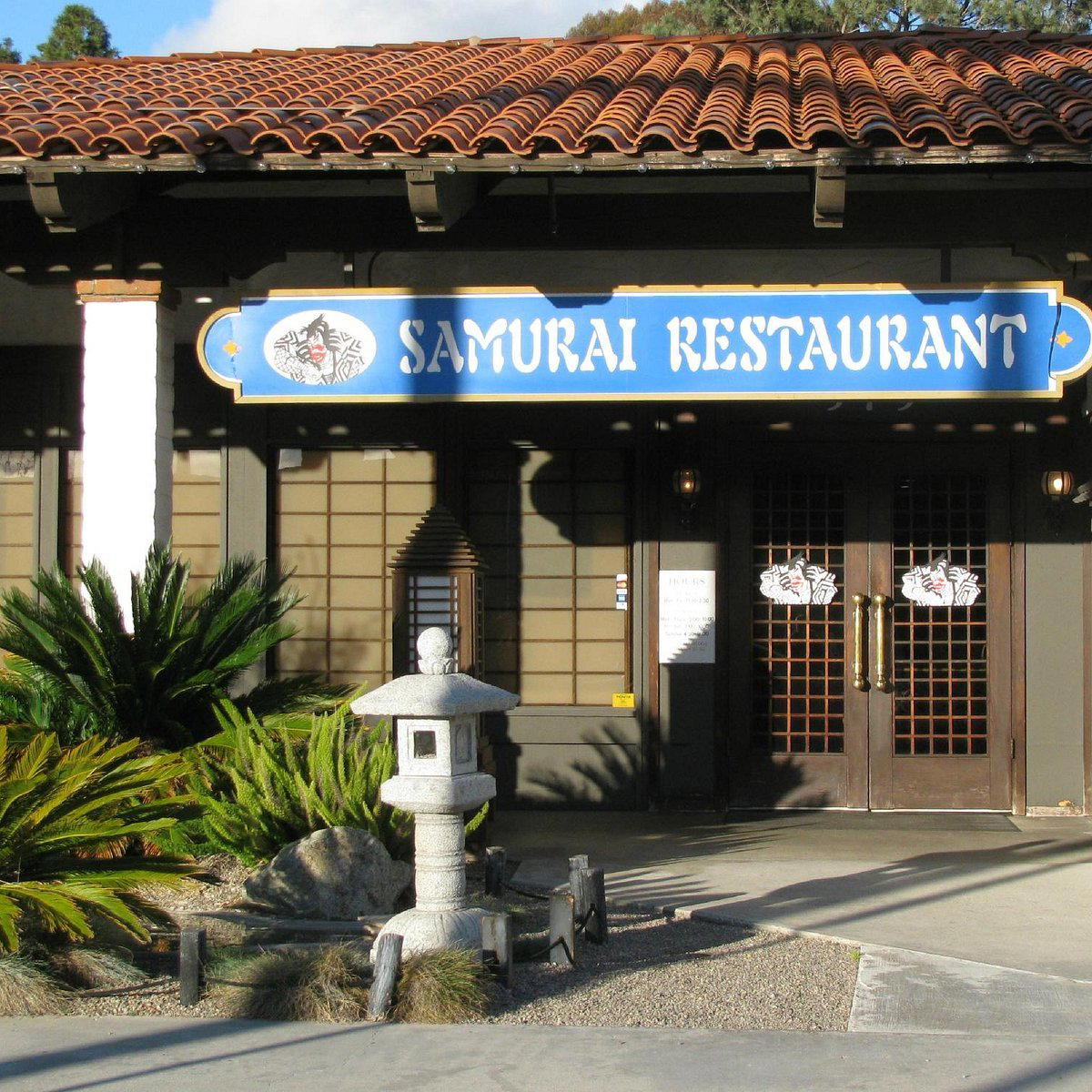
Japanese Dining on the North County Coast
Solana Beach sits in an interesting position within San Diego County's dining geography. It is not Del Mar, with its horse-track glamour and weekend expense accounts, nor is it Encinitas, where the health-conscious coastal aesthetic dominates. The stretch of Lomas Santa Fe Drive where Samurai of Japan operates at 979 is a local-use corridor: neighbourhood restaurants serving a community that actually lives here, not one that drives down for occasions. That context matters when assessing what a Japanese restaurant with this address is doing and for whom.
Japanese restaurants in coastal Southern California carry a specific burden of expectation. The Pacific proximity means diners have access to genuinely fresh fish, and proximity to Los Angeles — where omakase counters at the Addison in San Diego level of ambition are now benchmarked against global peers — means the category is not without sophistication in the region. A venue operating at the neighbourhood level, as Samurai of Japan does, occupies a different tier: it is answerable to consistency, value, and the ability to serve a regular clientele rather than to the tasting-menu theatrics demanded by critics. The comparison set here is not Providence in Los Angeles or Atomix in New York City. It is the honest, competent Japanese dining room that a coastal community returns to repeatedly.
The Teppanyaki and Sushi Format
The dual format that Samurai of Japan operates, sushi counter alongside teppanyaki grill stations, reflects a long-standing American-Japanese restaurant model that took hold in the postwar decades and has remained commercially durable ever since. Teppanyaki dining in particular, with its open-flame cooking and performance element, became a defining experience format for Japanese restaurants in suburban and semi-urban American markets from the 1960s onward. The format endures because it resolves a genuine hospitality challenge: a table celebrating a birthday needs something different from a couple after a quiet dinner, and the teppanyaki grill satisfies both with the same kitchen infrastructure.
Within this model, the front-of-house team carries an outsized share of the experience. Teppanyaki is inherently theatrical, which means the grill cook's ability to calibrate the performance to the table's energy, whether a group of children at a family dinner or adults after a long week, is as important as the technical cooking. This is where the team dynamic becomes legible: the better Japanese restaurants in this format train their grill-side staff as hosts as much as cooks, and the coordination between that tableside role and the sushi counter's quieter, more focused craft represents the two poles of what the kitchen is doing simultaneously. When both are working, the restaurant can serve a family celebrating a graduation and a pair of regulars at the bar in the same service with equal competence.
For diners less interested in the performance element, the sushi counter format offers the more considered option. California's coastal Japanese restaurants benefit from access to supply chains that serve both the restaurant trade and a discerning retail sashimi market, which sets a reasonable floor for ingredient quality even at mid-market price points. The discipline at a sushi counter, where the cook is visible and the interaction between guest and chef is direct, creates a different accountability than a closed kitchen. Neighbours of Samurai of Japan in the Solana Beach restaurant community, including Bangkok Bay and Fish Market Del Mar, operate in related coastal dining registers, though each with distinct culinary anchors. Fidel's, Ki's Restaurant, and Lana round out a neighbourhood dining scene that is meaningfully varied for a beach community of this size.
Where It Sits in a Larger Dining Conversation
The broader American dining scene has moved decisively toward chef-driven, single-concept restaurants where authorship is clear and the menu reflects a specific point of view. Venues like Lazy Bear in San Francisco, Alinea in Chicago, Single Thread Farm in Healdsburg, The French Laundry in Napa, Le Bernardin in New York City, Blue Hill at Stone Barns in Tarrytown, Emeril's in New Orleans, The Inn at Little Washington in Washington, and 8 1/2 Otto e Mezzo Bombana (Hong Kong) in Hong Kong represent a tier of dining where the restaurant is a statement. Samurai of Japan is not in that conversation, and it does not need to be. The restaurants that hold communities together over decades are usually not the ones making statements. They are the ones that are reliably open, reliably competent, and reliably priced for a Thursday night without an occasion.
That positioning is not a criticism. The neighbourhood Japanese restaurant that has served the same families across generations occupies a different kind of cultural importance than the tasting-menu destination, and in many ways a more durable one. The commercial pressures that have closed ambitious restaurant projects have left the format that Samurai of Japan operates in standing in markets across the country. Consistency is underrated as a dining virtue.
Planning Your Visit
Samurai of Japan is located at 979 Lomas Santa Fe Drive in Solana Beach, a quick drive from the 5 freeway and accessible from both Del Mar and Encinitas without significant travel time. The dual-format setup means arrival strategy is worth a thought: the teppanyaki tables are better suited to groups and families, where the communal seating and performance element pay off socially, while the sushi counter works for smaller parties who want a more focused meal. Weekend evenings draw the most consistent demand for teppanyaki reservations, so advance contact is advisable for Friday and Saturday seating. For a broader map of where Samurai of Japan sits within Solana Beach's dining options, the our full Solana Beach restaurants guide covers the neighbourhood across categories and price points.
Frequently asked questions
Where is Samurai of Japan in Solana Beach?
Samurai of Japan is located at 979 Lomas Santa Fe Dr, Solana Beach, CA 92075, Solana Beach.
Is Samurai of Japan in Solana Beach suitable for group dining and celebrations?
The teppanyaki format at 979 Lomas Santa Fe Drive is structurally well-suited to group bookings: communal grill tables seat multiple diners simultaneously, and the tableside cooking element provides a focal point that works for birthdays, family dinners, and corporate outings. This communal-table model has made teppanyaki venues a consistent choice for celebrations across American-Japanese dining for decades. Contacting the Solana Beach location directly is recommended when coordinating for larger parties.
What's the signature dish at Samurai of Japan?
Samurai of Japan runs a dual-format operation combining a teppanyaki grill with a sushi counter, so the kitchen produces across two distinct disciplines rather than anchoring on a single dish. The teppanyaki stations, where proteins are cooked tableside on iron griddles, tend to be the format most associated with the Solana Beach location. For the sushi side, the counter is the place to focus your order. Specific current menu items are best confirmed directly with the restaurant at 979 Lomas Santa Fe Drive.
What's the best way to book Samurai of Japan?
The most reliable approach is to contact Samurai of Japan directly at their Solana Beach location at 979 Lomas Santa Fe Drive. Phone and online booking details are best sourced from current directory listings, as reservation policy can shift by season or day of week. For teppanyaki tables in particular, advance booking is advisable since grill stations seat groups and tend to fill on weekends across North County dining destinations.
What's the signature at Samurai of Japan?
The teppanyaki format is the defining experience at Samurai of Japan: live-fire cooking on iron griddles at communal tables, a format that positions the cook as the focal point of the meal. This setup has been the backbone of American-Japanese restaurant culture since the mid-twentieth century and remains the reason most first-time visitors make the trip to the Solana Beach address. The sushi counter offers a quieter, counter-service alternative within the same building.
Can Samurai of Japan adjust for dietary needs?
Teppanyaki kitchens offer practical flexibility because proteins and vegetables are cooked to order on the grill, making substitutions or omissions easier to accommodate than in a fixed-course format. The sushi counter similarly allows selective ordering. For specific allergies or dietary restrictions, contacting Samurai of Japan directly at 979 Lomas Santa Fe Drive, Solana Beach before your visit is the most reliable way to confirm what the kitchen can accommodate on a given night.
Is Samurai of Japan overpriced or worth every penny?
Teppanyaki dining in the United States is structurally priced above casual Japanese formats because the tableside performance and communal table setup involve more staff and dedicated grill space. In the context of North County San Diego, where Del Mar and Encinitas anchor a mid-to-upper price bracket for sit-down dining, Samurai of Japan at 979 Lomas Santa Fe Drive occupies a comparable position. Current pricing is best confirmed directly with the restaurant, since menu costs shift with ingredient supply.
Budget and Context
Comparable venues nearby, for context on price, style, and recognition.
| Venue | Cuisine | Price | Notes |
|---|---|---|---|
| Samurai of JapanThis venue — the venue you are viewing | Japanese Sushi and Teppanyaki | $30–50 | Not listed |
| Station Sushi | Japanese Sushi Bar | $20–30 | Solana Beach, Japanese Sushi Bar |
| Tony's Jacal | Classic Mexican | $20–30 | Lomas Santa Fe, Classic Mexican |
| Fish Market Del Mar | Fresh Seafood | Not listed | Solana Beach, Fresh Seafood |
| Naked Cafe | Healthy California Breakfast & Brunch Cafe | $10–20 | Solana Beach, Healthy California Breakfast & Brunch Cafe |
| Lana | Coastal California | $100–150 | Solana Beach, Coastal California |
Continue exploring
More in Solana Beach
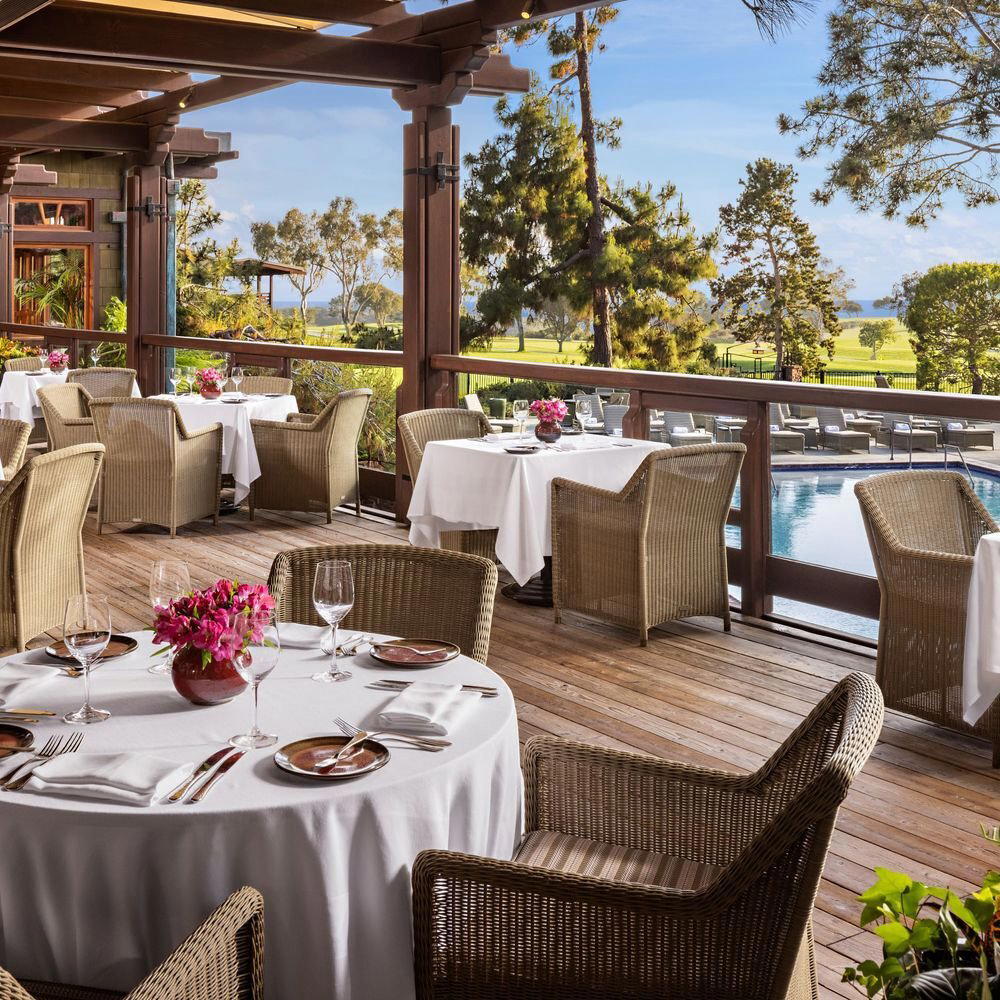
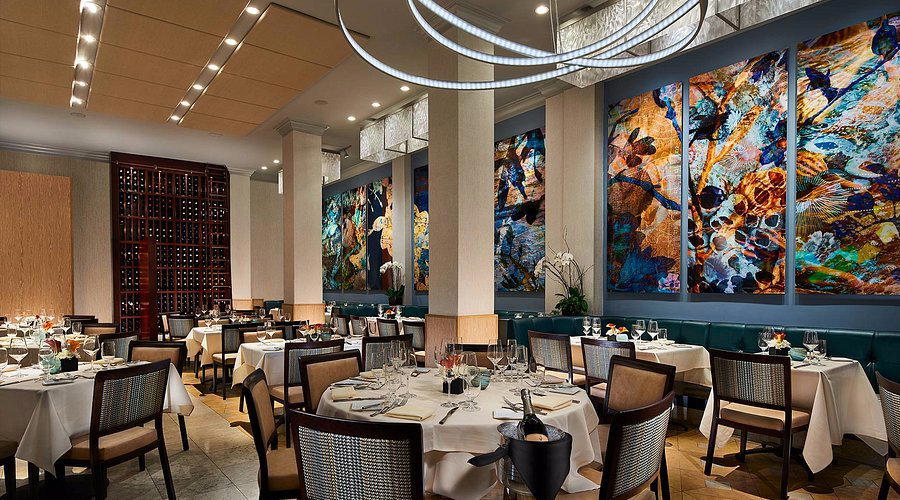
Restaurants in Solana Beach
Browse all →
Bars in Solana Beach
Browse all →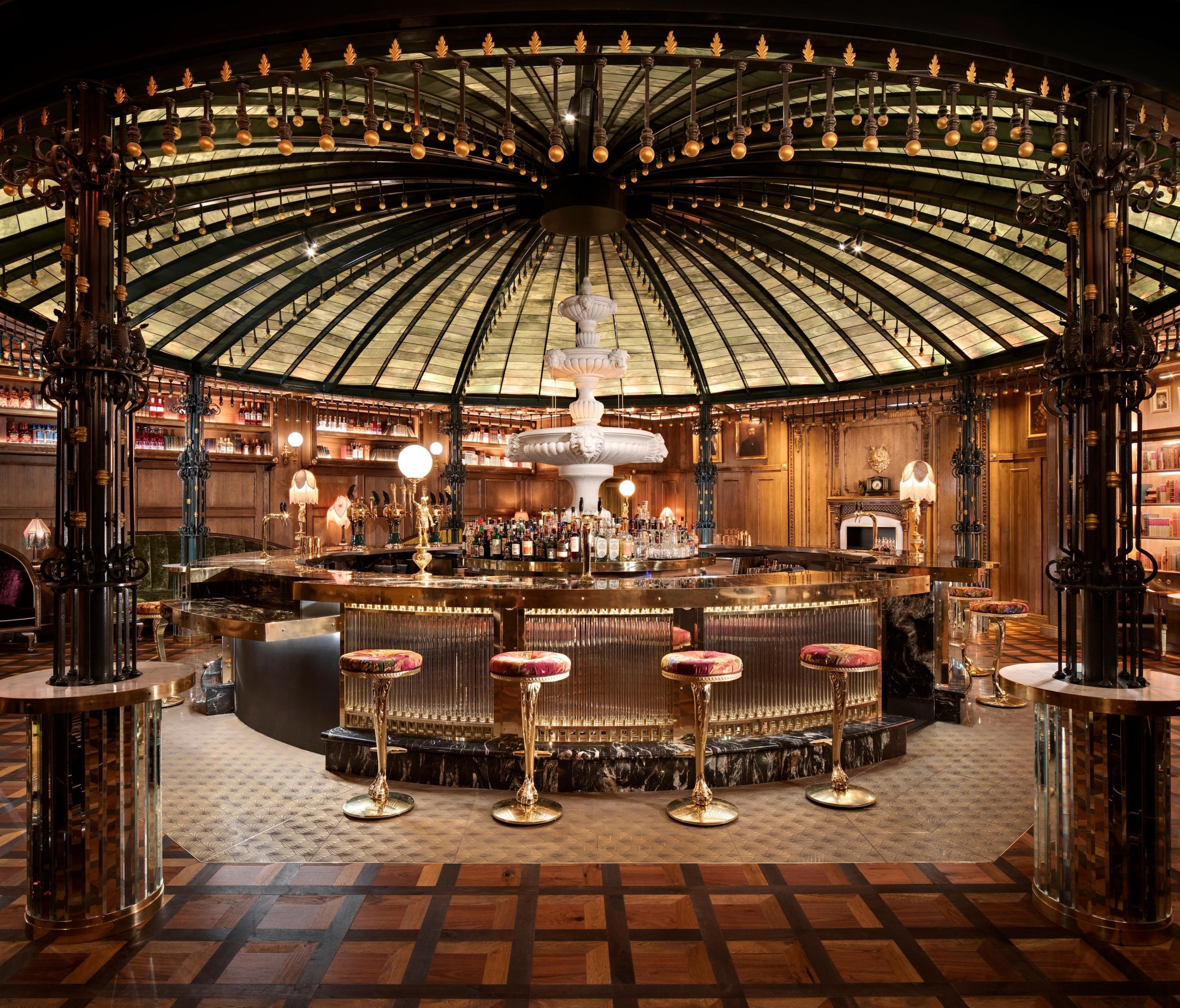
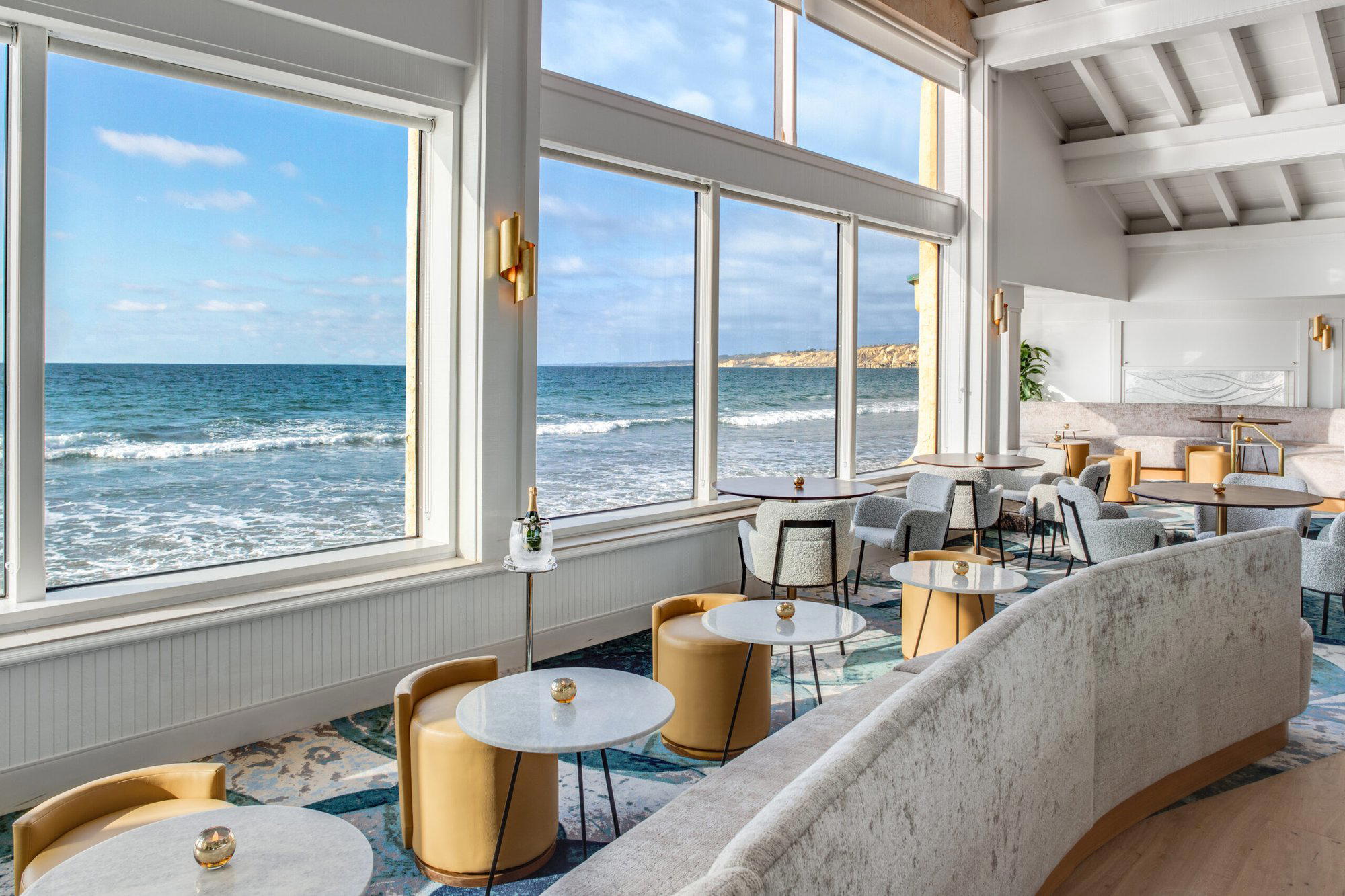
Details
- Classic
- Family
- Group Dining
- Open Kitchen
- Sake Program
- A La Carte
- Vegetarian Friendly
Current opening hours
- Monday
- 3–9 PM
- Tuesday
- 3–9 PM
- Wednesday
- 3–9 PM
- Thursday
- 3–9 PM
- Friday
- 3–9 PM
- Saturday
- 3–9 PM
- Sunday
- 3–9 PM
Hours can change for holidays and private events. Last verified .
Classic Japanese restaurant atmosphere with options for intimate sushi bar seating, lively teppanyaki, and formal dining rooms.