Station Sushi
Station Sushi occupies a direct address on North Highway 101 in Solana Beach, sitting inside a coastal dining corridor where seafood is a default rather than a distinction. What separates it from that backdrop is the loyalty it generates among regulars who return not for novelty but for consistency, a reliable sushi counter in a beach town that earns repeat visits rather than one-time tourist traffic.
Pearl is the En Primeur Club membership app — saves, bookings, and concierge access live there. Same editors, same standards.
- Address
- 125 N Hwy 101, Solana Beach, CA 92075
- Phone
- +18584819800
- Website
- stationsushi.com
- Directions
- Get directions
 Saves & bookings on Pearl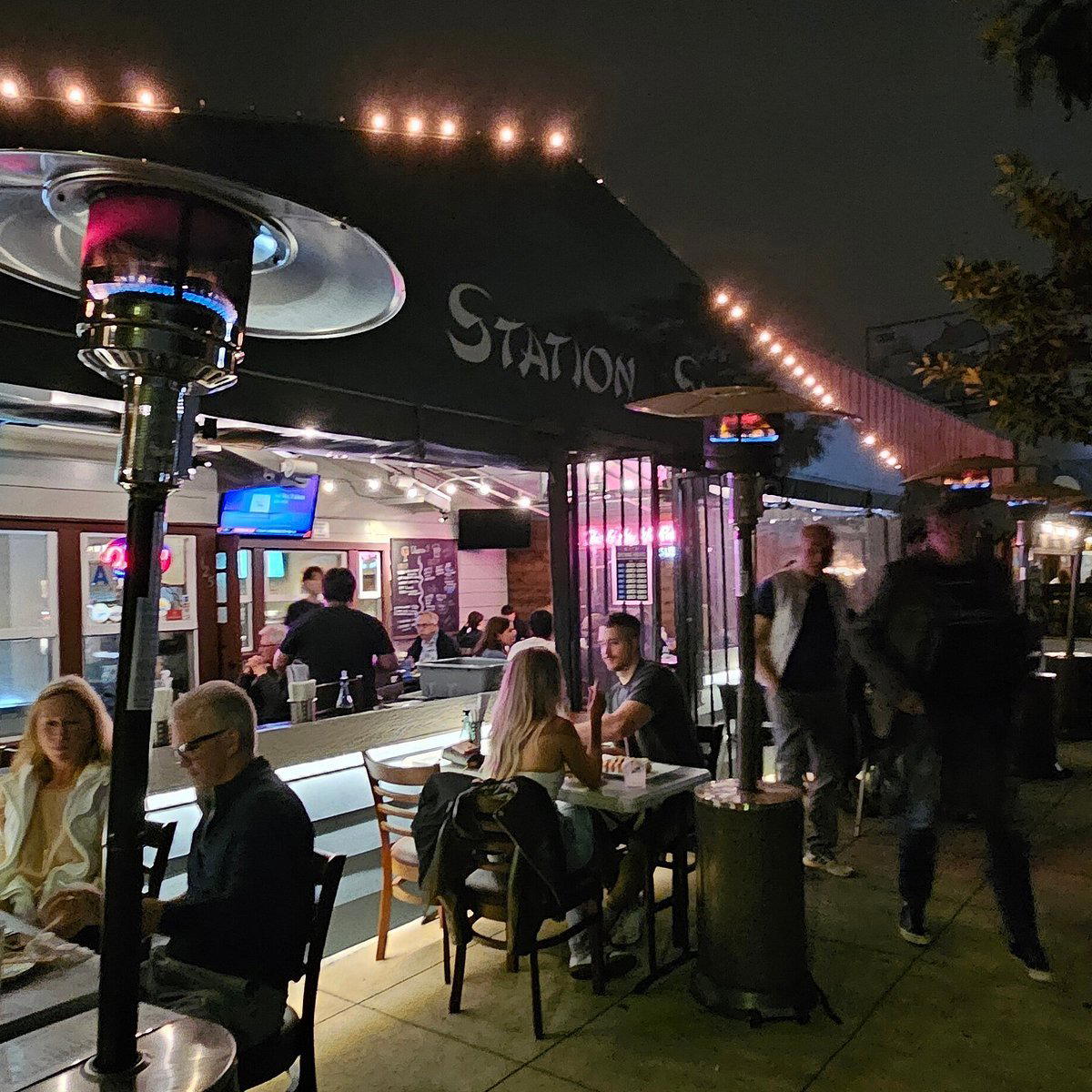
Highway 101, Where Locals Clock In
North Highway 101 through Solana Beach is not a restaurant row that courts attention. It is a working strip of coastal California commerce, surf shops, coffee windows, and a handful of dining rooms that serve the same neighbourhoods week after week. Station Sushi sits at 125 N Hwy 101, which is to say it sits inside a community rather than beside one. The address signals something about its clientele before you step through the door: this is not a destination engineered for visiting food tourists. It is a place people come back to.
That distinction matters along this stretch of the San Diego North County coast. The dining scene here has its own internal logic, shaped less by culinary ambition than by the rhythms of beach-town life. Fidel's has held its corner of that scene for decades on the strength of Mexican comfort and neighbourhood familiarity. Ki's Restaurant trades on health-conscious coastal cooking with a loyal following of its own. Bangkok Bay answers a different craving entirely. What connects them is the same quality Station Sushi appears to trade on: regulars who come not because a publication told them to, but because they know what they are going to get.
The Regulars' Read on Coastal Sushi
In Southern California's sushi market, the range runs wide. At one end sit omakase counters in La Jolla and downtown San Diego, tasting-menu formats with reservation windows months out and price points that push well past $200 per person. Places like Addison in San Diego represent the formal fine-dining tier of the broader region. At the other end, fast-casual Japanese concepts roll out maki combinations at conveyor-belt speed. The middle tier, accessible, quality-consistent sushi in a neighbourhood setting, is where most loyal coastal regulars actually eat, and it is the tier most likely to produce the kind of steady, undemonstrative clientele that defines a restaurant's true standing.
That middle tier is harder to hold than the extremes. It demands consistency without the financial buffer of high-ticket tasting menus, and it competes against both the upmarket omakase pull and the convenience of cheaper roll-and-go formats. The regulars who anchor a place in that tier are not there because they couldn't get into something more elaborate. They are there because the calculus came out in favour of reliability over discovery.
Solana Beach has enough dining options along the 101 corridor that a restaurant which survives on repeat business rather than tourist traffic is making that case every week. Fish Market Del Mar makes a version of that case for seafood more broadly. Lana holds a different corner of the local dining conversation. Station Sushi holds its own.
What the Unwritten Menu Looks Like
Every restaurant with a genuine regular clientele develops an unwritten menu, the ordering patterns that regulars have settled on through repetition, the combinations that don't appear as a set on the printed list but that experienced visitors know to request. In a sushi context, that usually means an understanding of which fish the kitchen handles with greater confidence, which rolls have remained on the menu long enough to be trusted, and when to deviate toward the chef's discretion rather than the standard card.
The broader sushi tradition that shapes a place like Station Sushi is one where accessibility and craft coexist without tension. California's relationship with Japanese food was built not on strict authenticity but on adaptation, the California roll itself is a product of that negotiation, as are the fusion-inflected menus that became standard across the state's coastal towns from the 1980s onward. A neighbourhood sushi counter in Solana Beach draws on that inheritance. Regulars who understand it know which parts of the menu reflect that tradition at its most reliable.
For visitors approaching the restaurant without the benefit of repeat experience, the move is to observe what the regulars order before committing to a direction. In any sushi room where the local knowledge is the primary asset, the table beside you is often one useful reference.
How It Sits in the Wider Scene
The reference points for serious sushi in the United States tend to cluster in dense urban markets. Atomix in New York City operates at the high end of Korean-Japanese precision dining. Omakase counters in cities like San Francisco and Los Angeles command price points and reservation competition that position them alongside institutions like Le Bernardin in New York City or Providence in Los Angeles in terms of the planning effort required. Even within the San Diego region, the market stratifies sharply, with Michelin-recognised properties at one end and the broad middle of neighbourhood Japanese restaurants at the other.
The restaurant does not compete in the first tier. It operates in the tier where the measure of success is whether the same faces appear on Tuesday and Saturday, whether the kitchen knows certain regulars' preferences before they order, and whether the overall experience justifies coming back rather than trying something new. By that measure, coastal sushi spots in North County San Diego hold their own against the wider category in the way that Lazy Bear in San Francisco or Single Thread Farm in Healdsburg hold theirs, not by competing on the same terms, but by being legible to a specific audience on terms that audience values.
For a fuller picture of what Solana Beach's dining scene offers across categories and price points, our full Solana Beach restaurants guide maps the corridor in more detail, including where Fish Market Del Mar sits for seafood-forward dining and how the neighbourhood compares to adjacent coastal communities.
Planning Your Visit
The restaurant is located at 125 N Hwy 101 in Solana Beach, directly accessible from the main coastal highway running through North County San Diego. The address puts it in easy reach of both local residents and visitors staying along the broader Del Mar and Encinitas corridor.
Cuisine-First Comparison
Comparable venues nearby, for context on price, style, and recognition.
| Venue | Cuisine | Price | Notes |
|---|---|---|---|
| Station SushiThis venue — the venue you are viewing | Japanese Sushi Bar | $$ | Not listed |
| Samurai of Japan | Japanese Sushi and Teppanyaki | $$ | Solana Beach |
| Fish Market Del Mar | Fresh Seafood | $$$ | Solana Beach |
| Naked Cafe | Healthy California Breakfast & Brunch Cafe | $$ | Solana Beach |
| Tony's Jacal | Classic Mexican | $$ | Lomas Santa Fe |
| Rustic Root | Modern American Comfort Food | $$ | Solana Beach |
Continue exploring
More in Solana Beach
Restaurants in Solana Beach
Browse all →
Bars in Solana Beach
Browse all →

At a Glance
- Casual
- Cozy
- Lively
- Casual Hangout
- Family
- Group Dining
- Open Kitchen
- Terrace
- Sake Program
- Street Scene
Current opening hours
- Monday
- 11:30 AM–9 PM
- Tuesday
- 11:30 AM–9 PM
- Wednesday
- 11:30 AM–9 PM
- Thursday
- 11:30 AM–9 PM
- Friday
- 11:30 AM–9:30 PM
- Saturday
- 11:30 AM–9:30 PM
- Sunday
- 11:30 AM–9 PM
Hours can change for holidays and private events. Last verified .
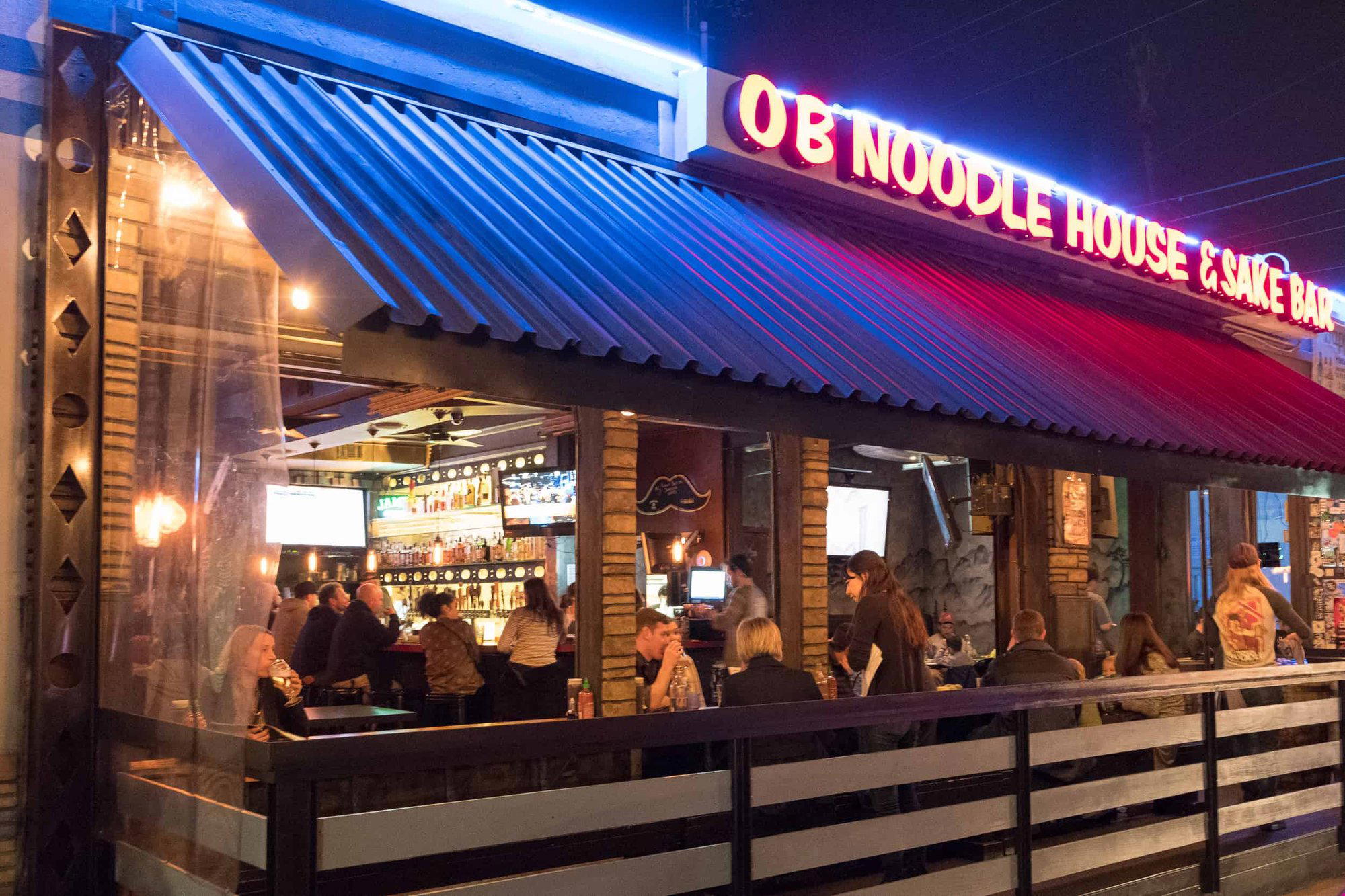
Relaxed and welcoming atmosphere with indoor tables, covered outdoor patio seating, and a casual beachside vibe well-suited for lingering with friends.