Sambal

Michelin Plate
Our verdict
A Michelin Plate holder for two consecutive years (2024 and 2025), Sambal on Lebuh Pantai brings Asian contemporary cooking to George Town's heritage core at a mid-range price point. The kitchen works across Chinese, Malay, and European reference points, producing dishes like a reworked Lap Mei Fun and a claypot prawn preparation that signals serious intent without the fine-dining price tag.

Pearl is the En Primeur Club membership app — saves, bookings, and concierge access live there. Same editors, same standards.
- Address
- 300, Lebuh Pantai, George Town, 10300 George Town, Pulau Pinang, Malaysia
- Phone
- +60 17-567 4778
- Hours
- Mon ClosedTue–Sun 12–10 PM
- Website
- facebook.com
- Directions
- Get directions
The menu
What to order
- Sotong DeSumbat (Stuffed Squid)
- Udang Entangled (Claypot Prawns)
- Pork Ribs
- Lap Mei Fun
- Taro Purée Dessert
Lebuh Pantai and the Geometry of George Town Cooking
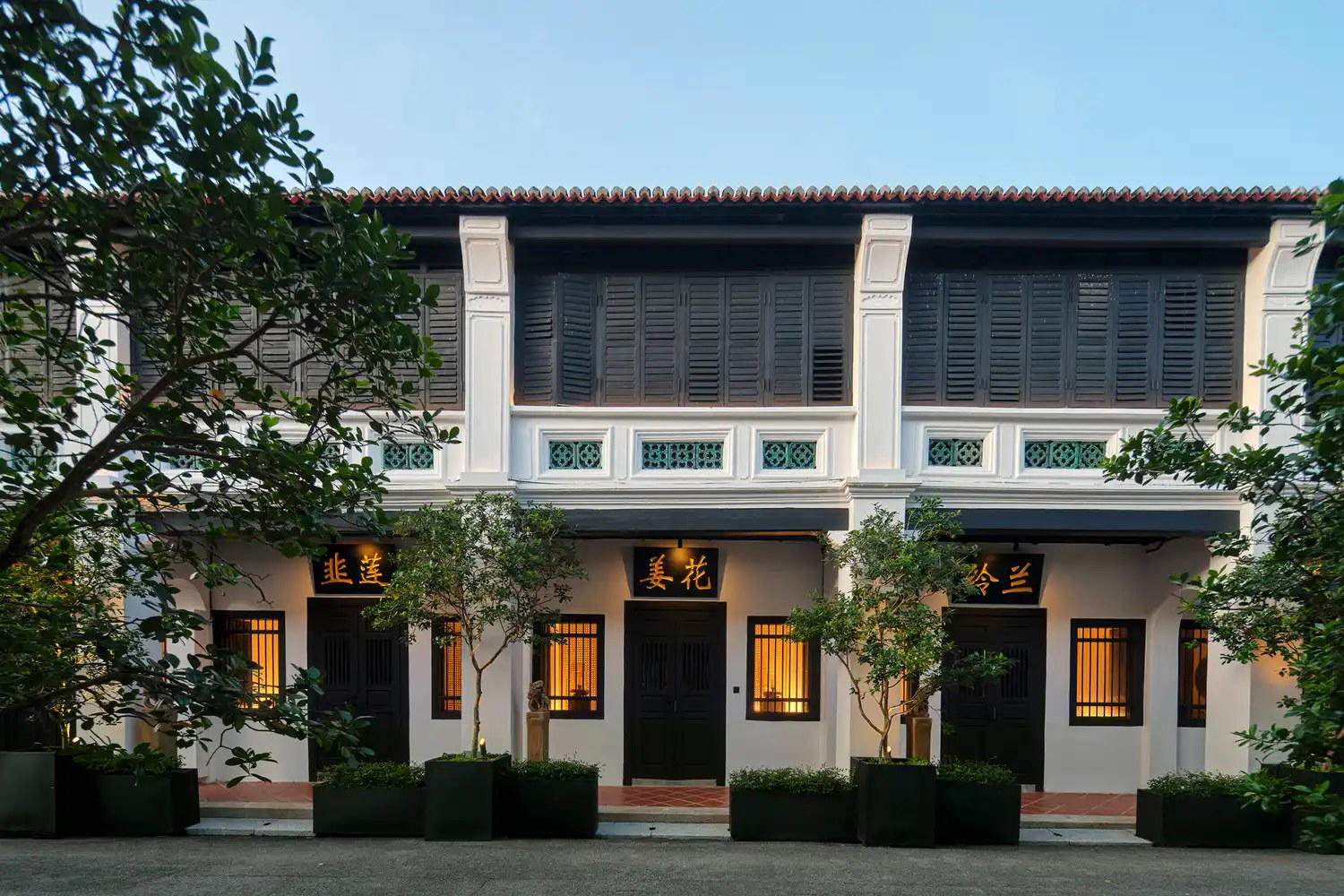
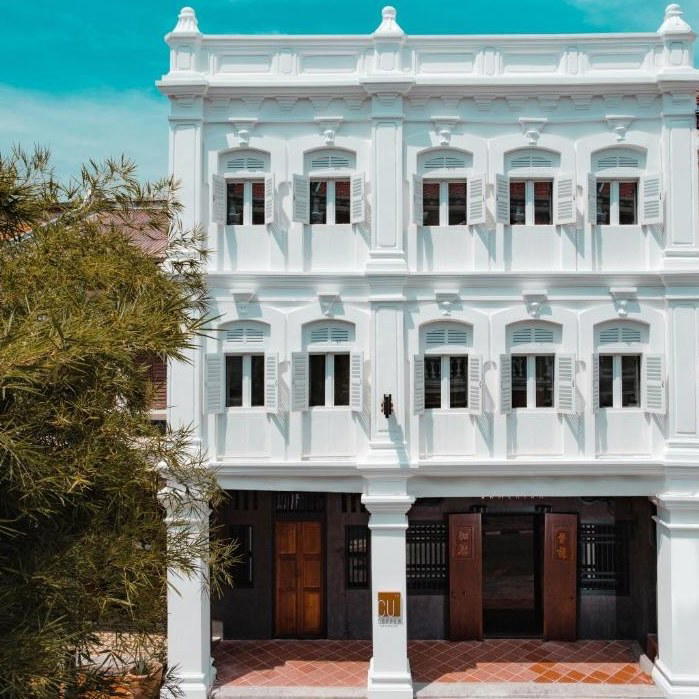
Lebuh Pantai runs through the commercial spine of George Town's UNESCO-listed inner city, and the street's architecture tells you something about the food that appears on it: layers of colonial, Chinese merchant, and Malay influence compressed into a short walk. It is precisely this kind of address that makes Asian contemporary cooking in Penang different from the same category in, say, Singapore or Kuala Lumpur. The ingredients and references are not imported for effect — they are the local record, pulled from wet markets, Chinese provision shops, and Peranakan pantries that have operated on these streets for generations.
Sambal sits within that context. Holding a Michelin Plate in both 2024 and 2025, the restaurant works at a price tier ($$) that keeps it accessible while the Michelin recognition signals that the kitchen's execution is being watched and found credible. That combination — serious technique at a non-fine-dining price point, is less common in George Town than the city's reputation for cheap street food might suggest. Most venues at this price bracket do not attract sustained Michelin attention across consecutive years.
Where the Ingredients Come From, and Why the Sourcing Matters
The Asian contemporary category across Southeast Asia frequently risks becoming a generic exercise in east-meets-west plating. What separates the more grounded operations from the purely aesthetic ones is whether the kitchen's source ingredients carry genuine regional identity. In George Town, that means engaging with the Hokkien and Teochew pantry traditions that define Penang's Chinese food culture: lap cheong (Chinese sausage), char siew cured through honey-and-fire methods, pork lard rendered for fragrance rather than richness, and taro worked in the Teochew dessert tradition.
Sambal's Lap Mei Fun rework illustrates this directly. The dish is a Cantonese preserved meat rice, typically a winter preparation, that in Penang gets expressed with local Chinese sausage, char siew, and crispy pork lard. The kitchen's version treats the dish as a starting point rather than a reproduction: the fragrant rice functions as a platform for ingredients that carry distinct textural and flavour weight. This approach to a familiar format, taking a dish whose meaning is embedded in its ingredients and adjusting the execution while keeping the sourcing legible, is what makes Penang's better contemporary kitchens worth attention beyond the city's street food reputation.
The Udang Entangled claypot reinforces the point. Claypot cooking in southern China and across the Straits Chinese tradition is not primarily a presentation choice, it is a method that allows broth to develop slowly, absorbing aromatics over sustained heat. The use of Chinese wine in the broth here draws on a preparation logic that goes back to Hokkien and Teochew cooking in the region: wine as a flavour carrier rather than an alcohol element, softening the prawn's sweetness and integrating the glass noodles into the liquid. The prawns themselves suggest proximity to supply: Penang's position on the northwest coast of Peninsular Malaysia gives local kitchens access to fresh Straits seafood that landlocked operations cannot easily replicate.
The dessert program points in a similar direction. The taro purée is framed as a contemporary adaptation of Teochew yam paste, a preparation that appears across the Teochew diaspora from Chaoshan to Penang. In its traditional form, the dish is dense and lard-enriched; a modern interpretation typically works toward a lighter texture while preserving the taro's earthy sweetness. The decision to keep taro as the dessert anchor, rather than reaching for a European patisserie reference, reflects a kitchen that treats local produce and tradition as the editorial spine of its menu.
George Town's Contemporary Dining Tier
George Town's restaurant scene has developed two distinct tracks over the past decade. The first is its celebrated street food culture, hawker stalls and coffee shops where dishes like Hokkien mee and koay teow th'ng remain the city's most-referenced food. For an introduction to that register, 888 Hokkien Mee (Lebuh Presgrave) and Ah Boy Koay Teow Th'ng represent the hawker tradition at its most consistent.
The second track is a smaller cohort of restaurants working with George Town's ingredient traditions through a more structured kitchen format. Auntie Gaik Lean's Old School Eatery and Richard Rivalee occupy this space from a Peranakan angle, while Au Jardin operates at a higher price tier ($$$ versus Sambal's $$) through a European contemporary lens. Sambal's positioning in the middle of this range, with consecutive Michelin Plate recognition and a menu that draws explicitly from the Chinese Malaysian pantry, gives it a distinct slot: accessible enough for a repeat visit, credentialed enough for a deliberate one.
For comparison across the Asian contemporary category in the region, Bōl in Kuala Lumpur and Willow in Singapore work within a similar genre framing, while Blackitch in Chiang Mai represents a northern Thai take on the same contemporary-Asian format. Dewakan in Kuala Lumpur operates at the higher-end of Malaysian contemporary cooking, as does The Planters at The Danna in Langkawi. Further afield, Banyan in Istanbul and Ce Soir in Singapore show how broadly the Asian contemporary label stretches when untethered from a specific regional pantry. Bee See Heong in Seberang Perai represents a different register of Malaysian Chinese cooking across the water, useful context for understanding how Penang's food traditions extend beyond the island itself.
Know Before You Go
Address: 300, Lebuh Pantai, George Town, 10300 Pulau Pinang, Malaysia
Cuisine: Asian Contemporary
Price range: $$ (mid-range)
Awards: Michelin Plate 2024; Michelin Plate 2025
Booking: Contact, check current availability through Google or walk-in
Getting there: Lebuh Pantai sits in George Town's UNESCO heritage zone, walkable from most heritage-district hotels. Penang's inner city is compact and leading covered on foot or by Grab.
For a broader view of where Sambal sits within George Town's dining options across all categories, see our full George Town restaurants guide. If you're planning accommodation, our George Town hotels guide covers the heritage district's main options. For drinks before or after, our George Town bars guide maps the current cocktail and craft beer scene. Additional city context is available through our George Town experiences guide and our George Town wineries guide.
Frequently asked questions
Is Sambal a family-friendly restaurant?
The menu at Sambal draws from recognisable Chinese and Malay flavour traditions — Lap Mei Fun, char siew, claypot prawns — which makes it accessible across generations. The $$ price range keeps a family meal manageable by George Town standards. That said, the restaurant's Michelin Plate standing and contemporary format suggest a sit-down dining environment rather than a casual hawker-style setting.
What kind of setting is Sambal?
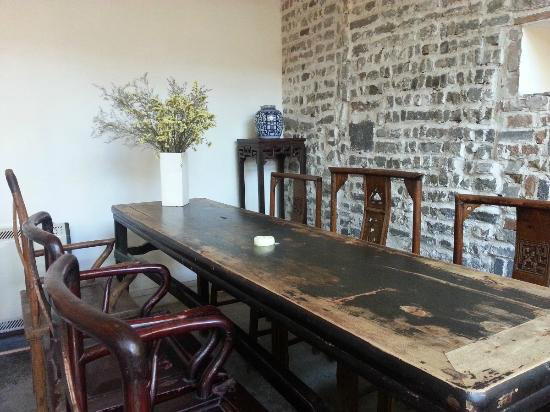
Sambal sits on Lebuh Pantai, one of George Town's main commercial streets inside the UNESCO-listed inner city. The address puts it within the historic shophouse district that defines the neighbourhood's built character. The $$ price range and Asian contemporary category place it in George Town's mid-tier dining bracket, above street food but well below the city's handful of tasting-menu venues.
What distinctions does Sambal have?
Sambal has received recognition including: Located on a buzzy, vibrant street, Sambal serves a tantalising mix of Asian and European flavours. There’s a unique twist to the beloved Lap Mei Fun, with fragrant rice, Chinese sausage, char siew (honey BBQ pork) and crispy pork lard. The….
What should I eat at Sambal?
The Lap Mei Fun is the dish that draws the most attention: fragrant rice with Chinese sausage, char siew, and crispy pork lard, reworked from its traditional form. The Udang Entangled claypot pairs glass noodles and prawns in a Chinese wine broth. For dessert, the taro purée is a contemporary take on Teochew yam preparations — the dish that most clearly signals where the kitchen's ambitions sit. Sambal has held a Michelin Plate in both 2024 and 2025.
What's the pricing like at Sambal?
Pricing at Sambal is listed as $$.
Where exactly is Sambal?
Sambal is located at 300, Lebuh Pantai, George Town, 10300 George Town, Pulau Pinang, Malaysia, George Town.
Just the Basics
| Venue | Cuisine | Price | Awards | Notes |
|---|---|---|---|---|
| SambalThis venue — the venue you are viewing | Modern Asian-European Fusion | $30–50 | Michelin Plate | Not listed |
| Au Jardin | Modern European with Local Accents | $200–300 | 1 Michelin Star · World's 50 Best #39 | European Contemporary |
| Auntie Gaik Lean's Old School Eatery | Peranakan (Nyonya) | $10–20 | 1 Michelin Star | Peranakan |
| Ah Boy Koay Teow Th'ng | Teochew Koay Teow Th'ng | $1–10 | Michelin Bib Gourmand | Street Food |
| Aria | Modern American | Not listed | Not listed | Not listed |
| Communal Table by Gēn | Modern Malaysian Fusion | $30–50 | Michelin Bib Gourmand · Star Wine List | Malaysian |
Recognition history
Dated appearances from independent guides and award organizations, with the underlying list record or original source where available.
Michelin Plate
Michelin
Full recognition history (3 entries)
Michelin Plate
Michelin
Michelin Plate
Michelin
Continue exploring
More in George Town
Restaurants in George Town
Browse all →

Bars in George Town
Browse all →

Sambal
The wine
- Wine program
- Curated wine list
- Craft cocktails
- Beer program
Details
- Trendy
- Modern
- Intimate
- Elegant
- Date Night
- Group Dining
- Casual Hangout
- Special Occasion
- Standalone
- Open Kitchen
- Craft Cocktails
- Beer Program
- Local Sourcing
- A La Carte
- Family Style
- Craft Cocktails
- Wine
- Vegetarian Friendly
- Gluten Free Options
- Allergy Accommodating
Current opening hours
- Monday
- Closed
- Tuesday
- 12–10 PM
- Wednesday
- 12–10 PM
- Thursday
- 12–10 PM
- Friday
- 12–10 PM
- Saturday
- 12–10 PM
- Sunday
- 12–10 PM
Hours can change for holidays and private events. Last verified .
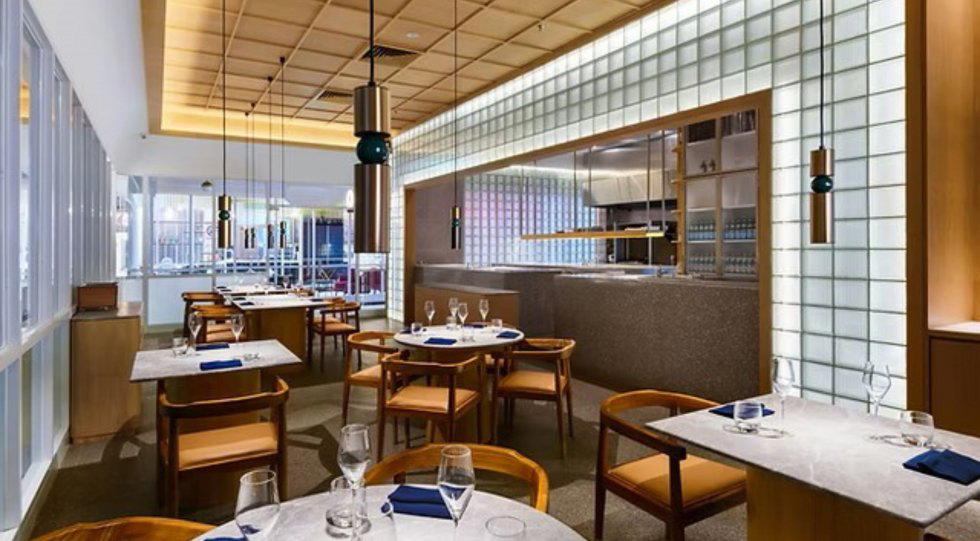
Simple but inviting interior in shades of grey with air conditioning; intimate atmosphere with few tables creating a family-like dining experience on a lively, gentrified street.