Samba Brazilian Steakhouse
Samba Brazilian Steakhouse on South Tamiami Trail brings the churrascaria format to Sarasota's restaurant corridor, where the continuous parade of grilled meats and the social rhythm of the dining room create the kind of repeatable experience that builds a loyal local following. The format rewards those who know how to pace themselves and which cuts to prioritize. A reliable address for groups and celebrations along Sarasota's main southern artery.

The Churrascaria Ritual on South Tamiami
There is a particular kind of restaurant that earns its place not through critical fanfare but through the steady return of the same faces, week after week, occasion after occasion. The Brazilian steakhouse format, known formally as churrascaria rodízio, is built precisely for that loyalty. The continuous service model, where passadores (meat carvers) circulate the room with skewers until you signal otherwise, creates a rhythm that rewards familiarity. Regulars know which cuts arrive early in the rotation, which ones to hold the green card for, and how to pace a table across two hours without hitting a wall before the picanha comes around. Samba Brazilian Steakhouse, at 6115 S Tamiami Trail, sits on the commercial corridor that connects Sarasota proper to the southern suburbs, a stretch that draws a mix of locals, families, and visitors who have made it a dependable stop on the city's dining circuit.
What the Format Demands and Delivers
The rodízio model is one of the more democratically social formats in American steakhouse dining. Unlike the à la carte steakhouse, where ordering is an exercise in individual decision-making and price calculation, the all-inclusive circulation system puts the dining room in a shared rhythm. Everyone at the table is eating, cutting, and pacing together. This is why churrascaria restaurants in mid-sized American cities tend to accumulate a core of regulars who treat them less like special-occasion destinations and more like reliable infrastructure. The format also has a well-established Brazilian-American tradition behind it: the churrasco technique, rooted in Southern Brazil's gaucho cattle culture, where beef is cooked over open wood fires on long skewers, arrived in the United States at scale in the 1990s through chains and independent operators alike, and has since built genuine regional strongholds. Sarasota, with its mix of retired professionals, seasonal residents, and a growing permanent population, supports exactly the kind of repeat-visit culture these restaurants depend on.
The shortlist, unlocked.
Hard-to-book tables, cellar releases, and concierge-planned trips.
Get Exclusive Access →For context on how the format fits into Sarasota's broader dining picture, our full Sarasota restaurants guide maps the city's range from casual neighborhood kitchens to more ambitious contemporary tables. Samba occupies a distinct tier in that picture: a format-specific destination rather than a cuisine-driven one, which changes both the expectations and the measure of success.
The Regulars' Calculus
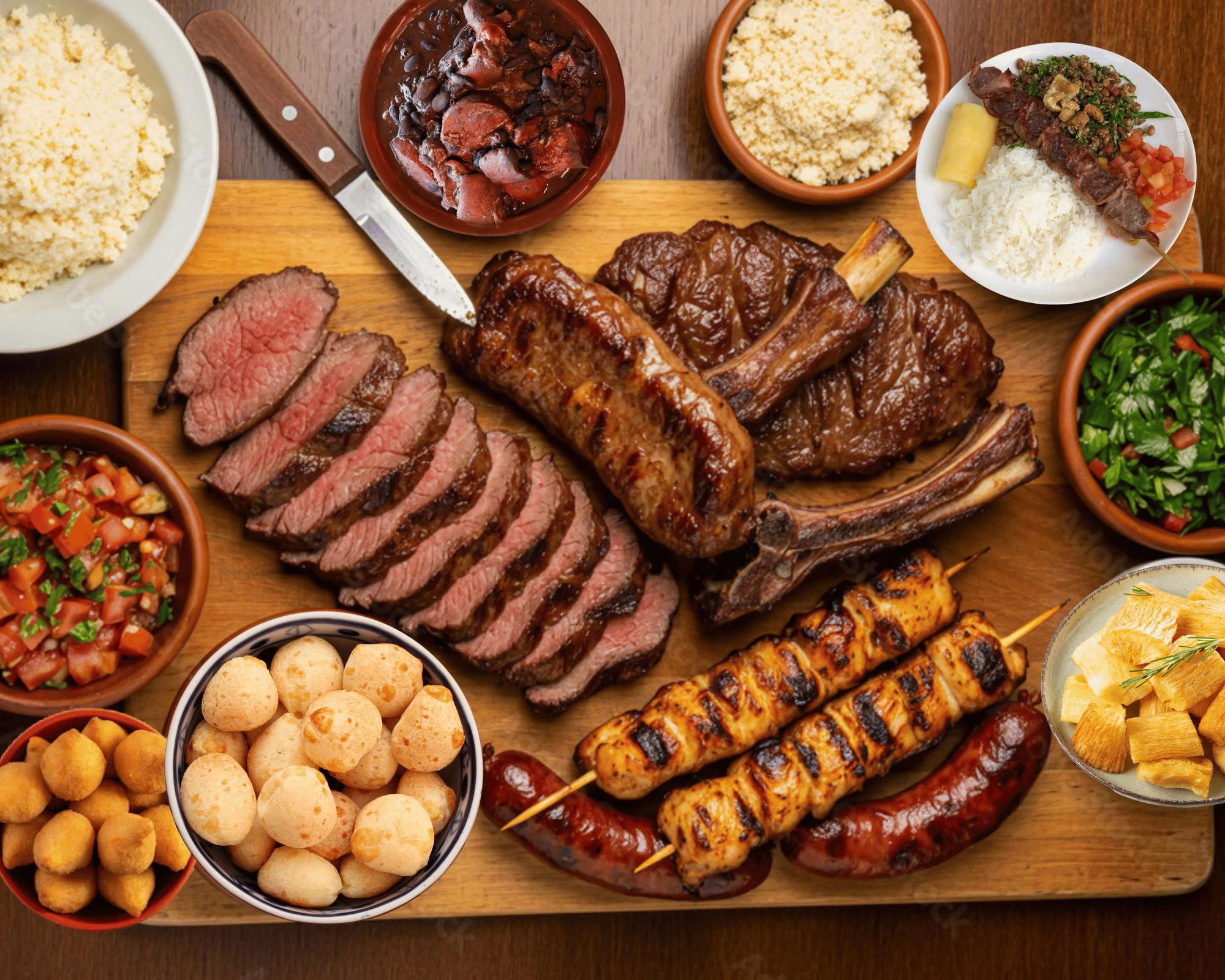
People who return to a churrascaria repeatedly are not doing so because the menu changes. They return because they have learned to get more out of the same menu than a first-time visitor would. That insider knowledge typically organizes itself around a few practical realities. First, the salad bar and side station, which in most rodízio operations includes everything from feijoada (black bean stew) to farofa (toasted cassava flour), pão de queijo (Brazilian cheese bread), and various roasted vegetables, is where the uninitiated over-commit early. Regulars treat it as a complement, not a starting point. Second, the order in which cuts arrive from the kitchen follows a kitchen-logic pattern: the lighter, faster-cooking proteins, chicken hearts, sausages, chicken wrapped in bacon, come first. The premium beef cuts, particularly the picanha (leading sirloin cap), the prime rib, and the lamb, tend to arrive in the middle and later stages of service. Knowing this changes how you engage the passadores from the outset.
Third, and perhaps most practically: timing matters. Weeknight visits, particularly earlier in the service window, tend to produce faster rotation and fresher cuts than a packed Friday night when the kitchen is managing multiple tables at full capacity. This is not a criticism of the operation; it is simply how high-volume rotational service works in any format at any price tier, from casual churrascarias to the tasting-menu pacing at destinations like The French Laundry in Napa or Alinea in Chicago, where timing is equally engineered, if more formally so.
Sarasota's Dining Corridor in Context
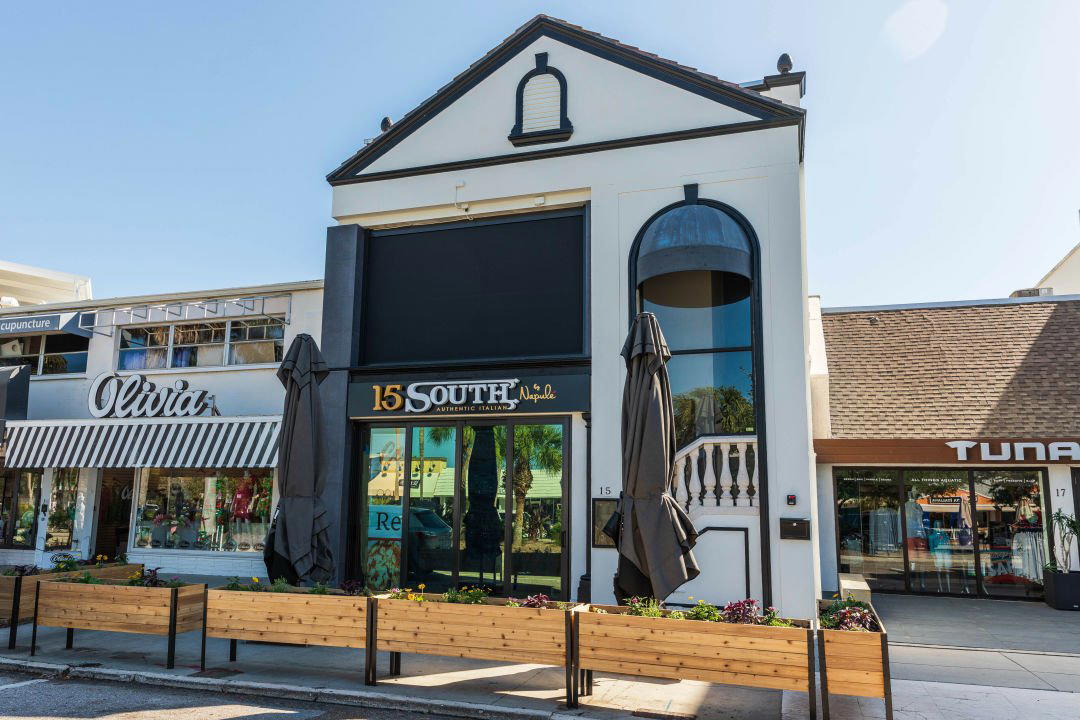
The South Tamiami Trail location places Samba in a part of Sarasota that operates differently from the downtown core and St. Armands Circle. The corridor is commercial and auto-dependent, built for practical access rather than walkable discovery, and the restaurants along it reflect that: they tend toward format-driven, group-friendly operations with parking and capacity that the more intimate downtown blocks cannot support. Other Sarasota addresses worth knowing in the broader dining picture include 15 South by Napule, which works the Neapolitan end of the Italian spectrum, and Alma de España, which brings Spanish technique to the city's increasingly international dining mix. For Italian in a neighborhood register, Amore Restaurant and 1592 both have their advocates, while Arts & Central pulls a different crowd entirely. None of them compete directly with Samba because none of them offer the same format, which is the point: Samba's peer set is defined by the rodízio category, not by geography or price tier alone.
At the national level, the Brazilian steakhouse category has consolidated significantly around a handful of large operators, but independent and regional churrascarias persist in markets where they have built genuine local identity. That local identity, rather than chain affiliation or critical recognition, is what sustains an address like Samba in a market like Sarasota. For comparison, the dining ambition represented by addresses like Le Bernardin in New York City, Lazy Bear in San Francisco, Providence in Los Angeles, Blue Hill at Stone Barns in Tarrytown, Addison in San Diego, Atomix in New York City, Single Thread Farm in Healdsburg, The Inn at Little Washington, Emeril's in New Orleans, and 8 1/2 Otto e Mezzo Bombana in Hong Kong operates in an entirely different register, one where tasting menus, chef credentials, and critical awards structure the experience. Samba's value proposition is consistency and ritual, not innovation, and it does not need to compete on those terms to earn its place in the local dining rotation.
Planning Your Visit
Samba Brazilian Steakhouse is located at 6115 S Tamiami Trail, Sarasota, FL 34231, on the southern commercial corridor with direct road access and parking. For current hours, pricing, and reservation availability, contact the restaurant directly or check current listings, as operational details are subject to change and are not confirmed in our current data. Groups benefit from calling ahead rather than relying on walk-in availability on weekends, when the format's social appeal drives higher covers. Dress is consistent with a casual-to-smart casual steakhouse environment.
Frequently Asked Questions
- What should I eat at Samba Brazilian Steakhouse?
- In the rodízio format, the most productive approach is to hold back at the salad bar and side station early in the meal and reserve appetite for the beef cuts that arrive in the middle and later part of the circulation. Picanha, the leading sirloin cap that is the centerpiece of Brazilian churrasco tradition, is the cut most regulars prioritize. Pão de queijo, the warm cheese bread standard to most churrascarias, is worth taking from the sides station as it arrives, as it does not hold well. The rotation at any rodízio rewards patience over immediacy.
- How hard is it to get a table at Samba Brazilian Steakhouse?
- The Brazilian steakhouse format, with its high-capacity, high-turnover service model, is generally more accessible than prix-fixe or tasting-menu restaurants where seat count is the binding constraint. In Sarasota's seasonal market, weekend evenings between November and April, when the snowbird and vacation population peaks, will see the highest demand. If your visit falls in that window, a reservation made in advance is the practical move. Weeknight visits outside the winter season present fewer friction points for walk-in or same-day bookings, though confirming directly with the restaurant is always advisable given that we do not hold confirmed real-time availability data.
- Is Samba Brazilian Steakhouse a good option for large groups or celebrations in Sarasota?
- The rodízio format is structurally well-suited to group dining: the all-inclusive, continuous service model removes the per-item ordering complexity that can slow large tables, and the shared rhythm of the meal keeps the group engaged collectively rather than fragmenting into individual orders. For birthday dinners, family gatherings, or work events in Sarasota's South Trail corridor, the format's built-in sociability is a practical advantage. Groups of six or more should contact the restaurant directly to confirm seating arrangements and any group reservation policies.
Cost Snapshot
A compact peer snapshot based on similar venues we track.
| Venue | Price | Awards | Notes |
|---|---|---|---|
| Samba Brazilian Steakhouse | This venue | ||
| Michael's on East | |||
| Blu Kouzina | |||
| Fork And Hen | |||
| Boca | |||
| Elixir Tea House |
Need a table?
Our members enjoy priority alerts and concierge-led booking support for the world's most difficult tables.
Get Exclusive AccessThe shortlist, unlocked.
Hard-to-book tables, cellar releases, and concierge-planned trips.
Get Exclusive Access →