Glebe House


Michelin Plate · The Good Food Guide GFG Very Good
Our verdict
A former Georgian vicarage on a 15-acre smallholding outside Colyton, Glebe House applies Italian technique to Devon produce grown and reared on-site. The tasting menu, recognised by Michelin in 2024 and 2025, is anchored by ingredients from the kitchen garden and the property's own pigs. Accommodation in the main house and grounds makes a stay here a practical option for those unwilling to rush back down the narrow country lanes.

Pearl is the En Primeur Club membership app — saves, bookings, and concierge access live there. Same editors, same standards.
- Address
- Southleigh, Colyton EX24 6SD, United Kingdom
- Phone
- +44 1404 871276
- Website
- glebehousedevon.co.uk
- Directions
- Get directions
Down the Narrowing Lanes of East Devon
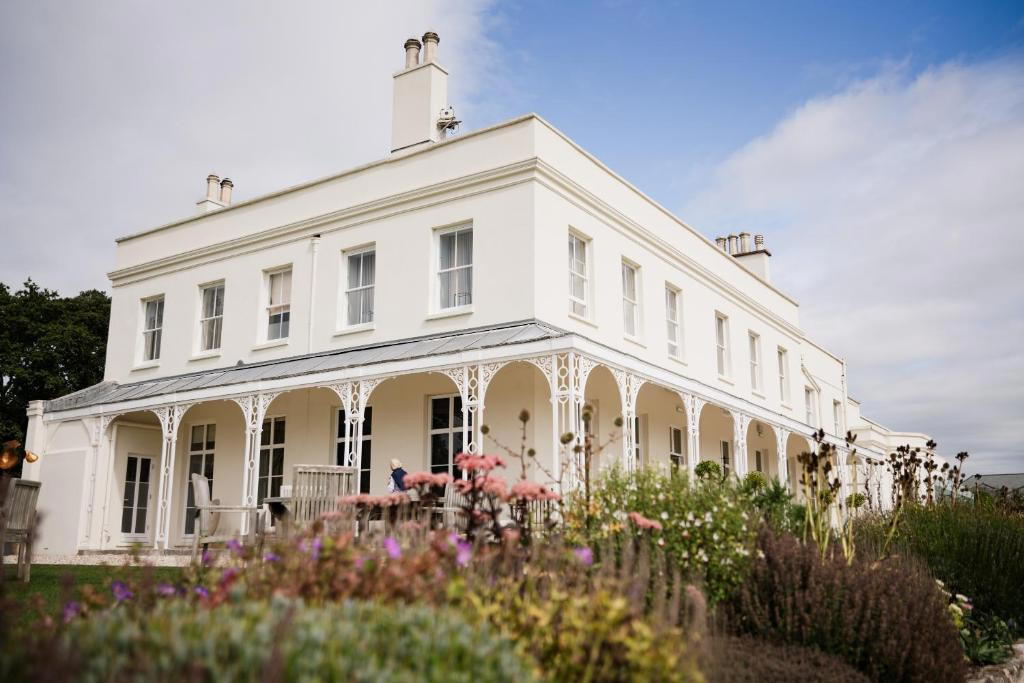
The approach to Glebe House does a great deal of editorial work before you reach the front door. Leaving the coast road at Seaton, the route north tightens progressively, hedgerows crowding in until the Georgian vicarage appears on a grassy slope above the surrounding fields: whitewashed, unhurried, and surrounded by 15 acres of working smallholding. The drive alone signals that what follows will operate by different rhythms than the restaurant-as-destination format familiar in London or Bristol.
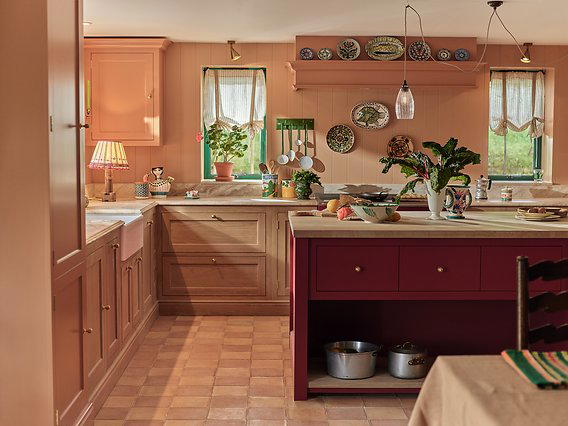
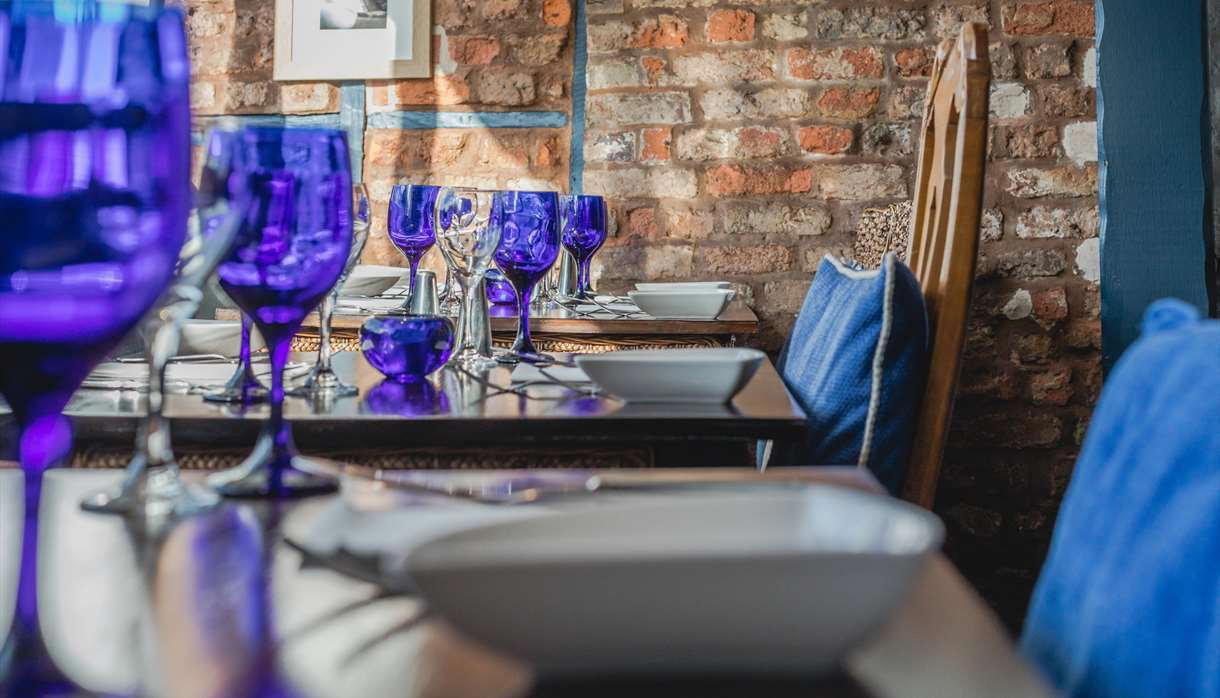
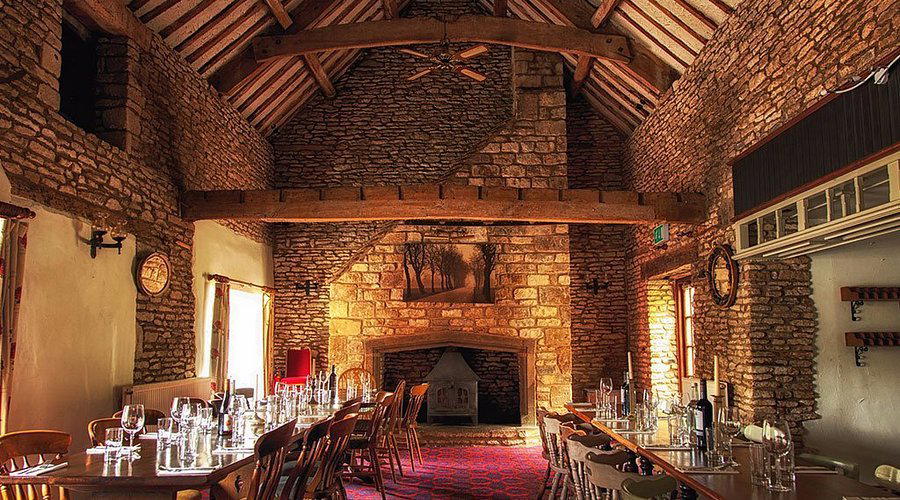
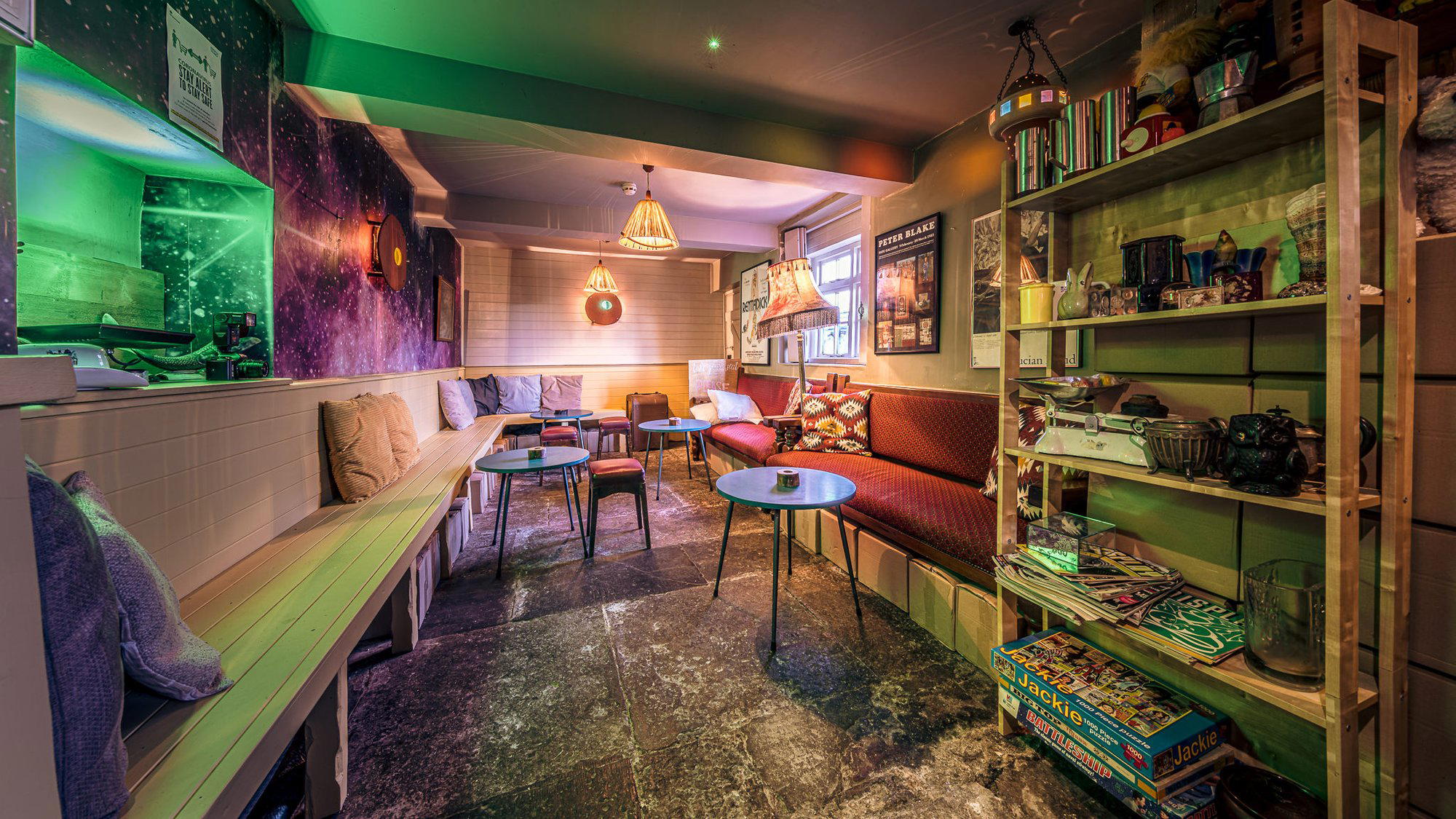
Inside, the rooms read as a considered accumulation rather than a designed scheme: grandfather clocks beside kilim rugs, Welsh dressers carrying colourful objects, the kind of interior that looks assembled over decades rather than by a single hand. The kitchen itself is small and domestic in scale, and guests can sit at a long rustic table to watch the cooking directly. That transparency between preparation and dining room is a deliberate format choice, one that positions Glebe House within a specific tier of country-house dining that prizes proximity and informality over formal service choreography.
Why Provenance Is Not Incidental Here
At many restaurants that invoke provenance, the word functions as branding. At Glebe House, the sourcing model is structural. The property operates as a working smallholding producing ingredients directly for the kitchen: the pigs on site become the cured meats that open the tasting menu. The kitchen garden feeds the vegetables and herbs across multiple courses. This is the kind of farm-to-table integration that is direct to describe but genuinely rare to execute at the scale of a tasting menu, where consistency across an entire progression of dishes requires that what the land produces aligns with what the kitchen can build around it on any given week.
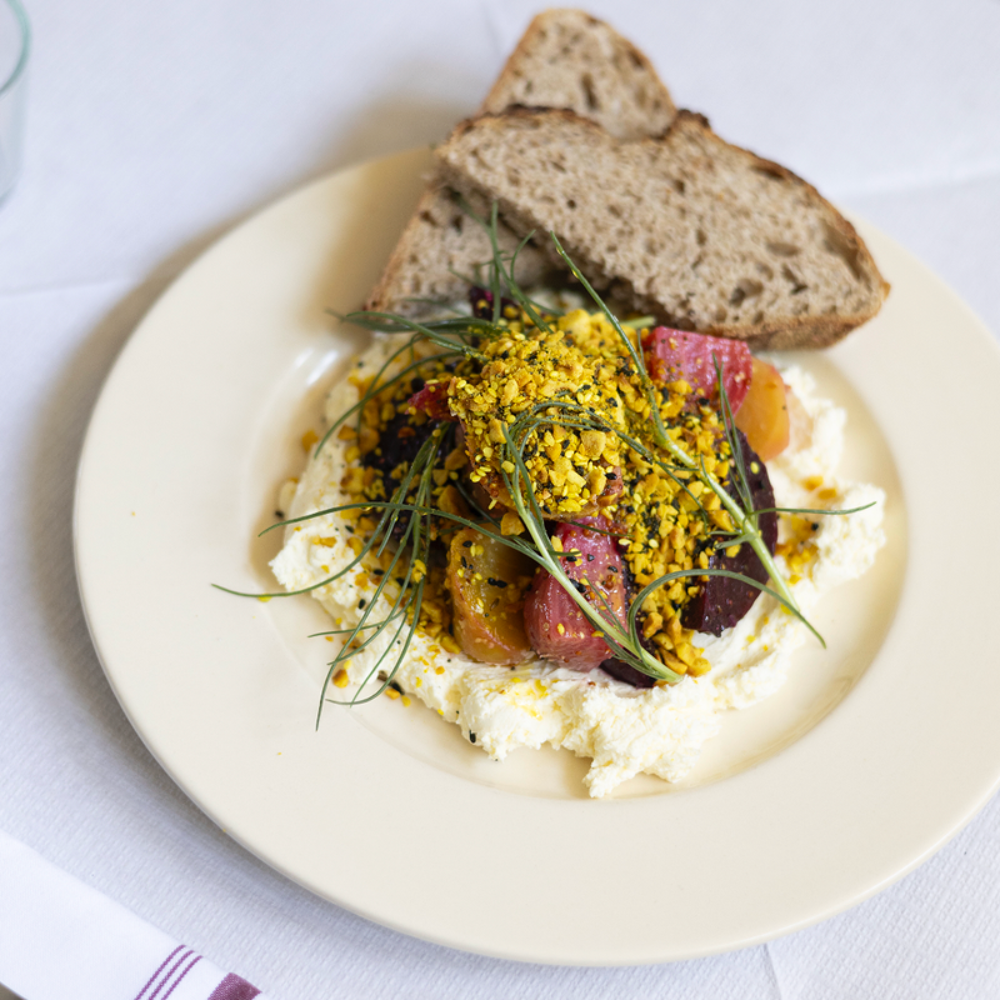
That sourcing discipline shapes the seasonal logic of the menu in ways that mass-purchasing cannot replicate. A late-summer menu, for instance, can move through ingredients at the actual pace of the growing season rather than approximating it from a wholesale catalogue. The figs, beets, and blackberries that appeared alongside an octopus terrine in one documented menu reflect that calendar precisely. So does the sweetcorn paired with guinea fowl, or the poached rhubarb that accompanied a rice cake dessert. These are not decorative garnishes but ingredients at their seasonal peak, sourced metres from the kitchen.
Country cooking of this kind has a clear lineage in the UK, running through farmhouse restaurants that predate the current farm-to-table conversation by decades. What distinguishes the Glebe House approach is the overlay of Italian technique applied to this Devon produce: the antipasti format, the pasta course using locally produced ricotta alongside Ticklemore cheese from nearby Sharpham, the use of salumi cured on-site. The result is a tasting menu that is neither purely regional nor purely Italian but occupies its own specific register. For comparison, restaurants such as L'Enclume in Cartmel and Moor Hall in Aughton pursue a similar logic of hyper-local sourcing in rural English settings, though with different technical vocabularies. Gidleigh Park in Chagford operates in the same county and carries greater formal weight, while venues like hide and fox in Saltwood offer a parallel model of serious cooking in small, rural settings. The country cooking format internationally is represented by places such as 21.9 in Piobesi d'Alba and Andrea Monesi at Locanda di Orta, both of which apply a similar principle of rooting the menu in the immediate agricultural surroundings.
The Michelin Recognition and What It Signals
Glebe House has held a Michelin Plate in both 2024 and 2025. The Plate sits below starred recognition in the Michelin hierarchy but signals that the Guide's inspectors consider the cooking worthy of specific note: good quality ingredients, carefully prepared. For a smallholding restaurant in rural Devon operating on a tasting menu format, that consistency of recognition across two consecutive editions is meaningful. It places Glebe House in a different bracket from the broader country-house hotel dining category, most of which receives no Michelin attention at all.
The comparison set for star-level ambition in the UK extends to addresses like The Ledbury in London, The Fat Duck in Bray, Le Manoir aux Quat'Saisons in Great Milton, Midsummer House in Cambridge, and Opheem in Birmingham. Glebe House does not compete in that tier by scale, format, or price, but the Michelin Plate positions its kitchen within a continuum of serious intent.
The Wine List and What It Reflects
The wine list leans Italian to match the kitchen's technical references, with entry-level bottles from around £30. That starting price is accessible relative to the tasting menu format and signals a list designed to encourage rather than restrict. An Italian-leaning selection is a deliberate editorial choice that reinforces the same dialogue between Italian technique and West Country produce that runs through the cooking itself. For a broader sense of what wine culture looks like in this part of Devon, see our full Southleigh wineries guide.
Planning a Visit
Glebe House sits outside Colyton at Southleigh EX24 6SD, reached by a sequence of increasingly narrow country lanes heading north from Seaton. The drive requires patience and a reasonably confident relationship with Devon hedgerows. The restaurant operates a tasting menu format; given the small-kitchen setup and the sourcing model built around what is in season on the smallholding, advance booking is the practical necessity rather than an option. Accommodation is available both in the main house and in a cabin on the grounds, which makes an overnight stay the sensible approach for anyone travelling from outside the immediate area. The price range sits at £££ on a three-tier scale, placing it above mid-range bistro territory but well short of the city fine-dining brackets commanded by starred addresses.
For a broader picture of where Glebe House fits within the local area, see our full Southleigh restaurants guide, as well as guides covering hotels, bars, and experiences in Southleigh. For contrast with what rural serious cooking looks like elsewhere in the UK, Restaurant Andrew Fairlie in Auchterarder and Hand and Flowers in Marlow represent different points on the spectrum of country-setting destination dining.
Frequently asked questions
Would Glebe House be comfortable with kids?
Glebe House runs a set tasting menu in a small, intimate kitchen where diners sit communally watching the cooking unfold. The £££ price point and focused format are better suited to adults or older children with patience for a multi-course progression. The 15-acre grounds offer space, but the dining experience itself demands sustained attention.
What's the vibe at Glebe House?
Informal by destination-restaurant standards, but never casual in the careless sense. The Georgian vicarage interior runs to grandfather clocks, kilim rugs, and Welsh dressers alongside colourful objets d'art — eccentric country house rather than polished hotel dining room. Chefs explain each dish directly, which keeps the atmosphere grounded and personal despite the Michelin Plate pedigree.
Has Glebe House won any awards?
Glebe House has received recognition including: A heartfelt and heartwarming place, Glebe House feels like a sanctuary from our over-busy modern world. Chef-Owner Hugo Guest grew up in this former Georgian vicarage, before returning home and transforming it into a 15-acre smallholding an….
What do people recommend at Glebe House?
The tasting menu format puts course selection in the kitchen's hands rather than the diner's, so the experience is shaped by the season. Documented menus have featured octopus terrine with sauce vierge, ricotta and Ticklemore cheese agnolotti, and guinea fowl with girolles in sherry and tarragon sauce — plus house-cured meats from the property's own pigs. The Michelin Plate recognition in both 2024 and 2025 points to consistent kitchen output across sittings.
Side-by-Side Snapshot
| Venue | Cuisine | Awards |
|---|---|---|
| Glebe HouseThis venue — the venue you are viewing | Modern British Country House with Italian Influences | Michelin Plate · The Good Food Guide GFG Very Good |
| The Ledbury | Modern European, Modern Cuisine | Michelin 3 Star |
| Sketch, The Lecture Room and Library | Modern French | Michelin 3 Star |
| CORE by Clare Smyth | Modern British | Michelin 3 Star |
| Restaurant Gordon Ramsay | Contemporary European, French | Michelin 3 Star |
| Dinner by Heston Blumenthal | Modern British, Traditional British | Michelin 2 Star |
Recognition history
Dated appearances from independent guides and award organizations, with the underlying list record or original source where available.
Michelin Plate
Michelin
The Good Food Guide GFG Very Good
The Good Food Guide
Full recognition history (4 entries)
Michelin Plate
Michelin
Michelin Plate
Michelin
Continue exploring
More in Southleigh
Restaurants in Southleigh
Browse all →
Bars in Southleigh
Browse all →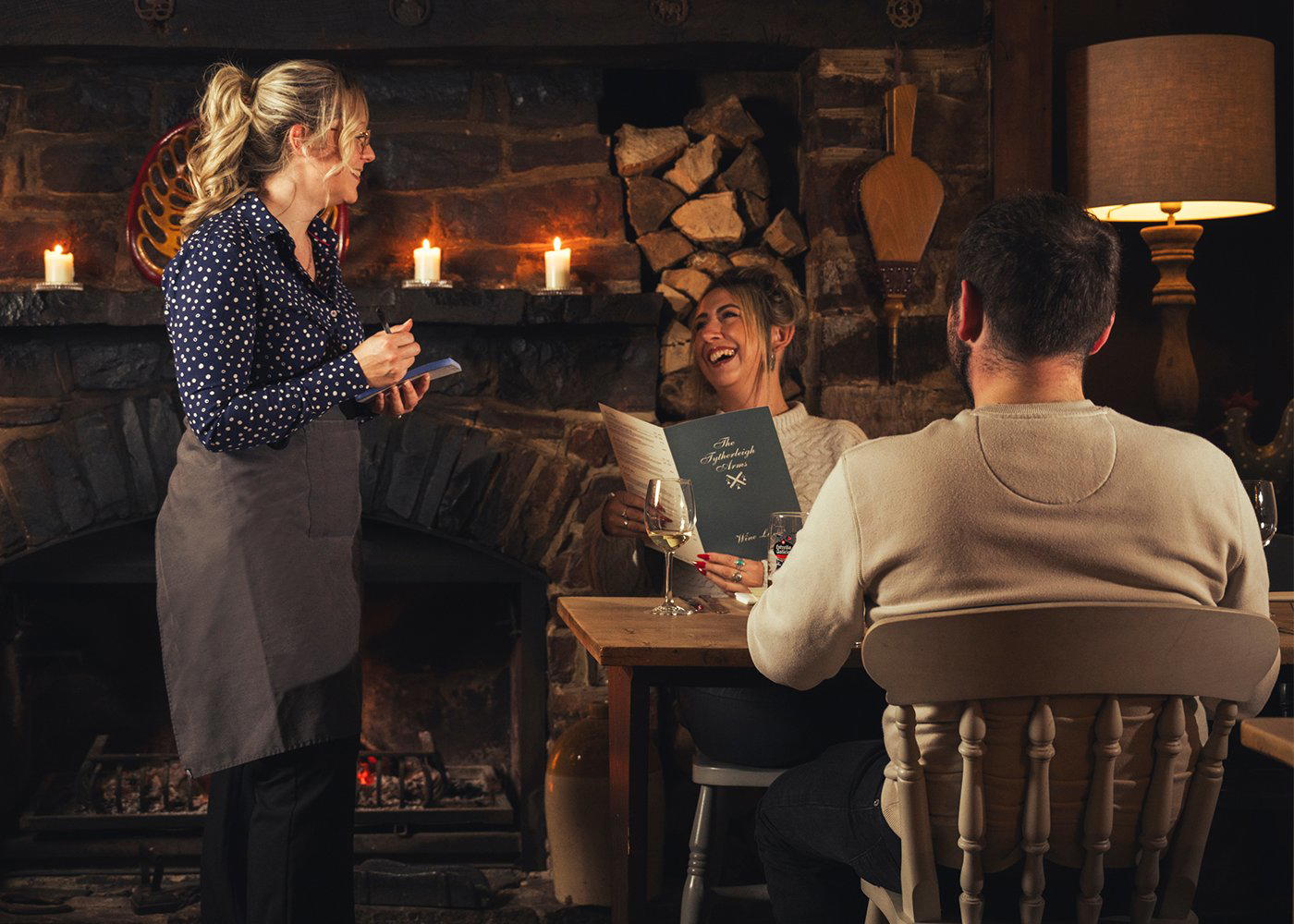

Hotels in Southleigh
Browse all →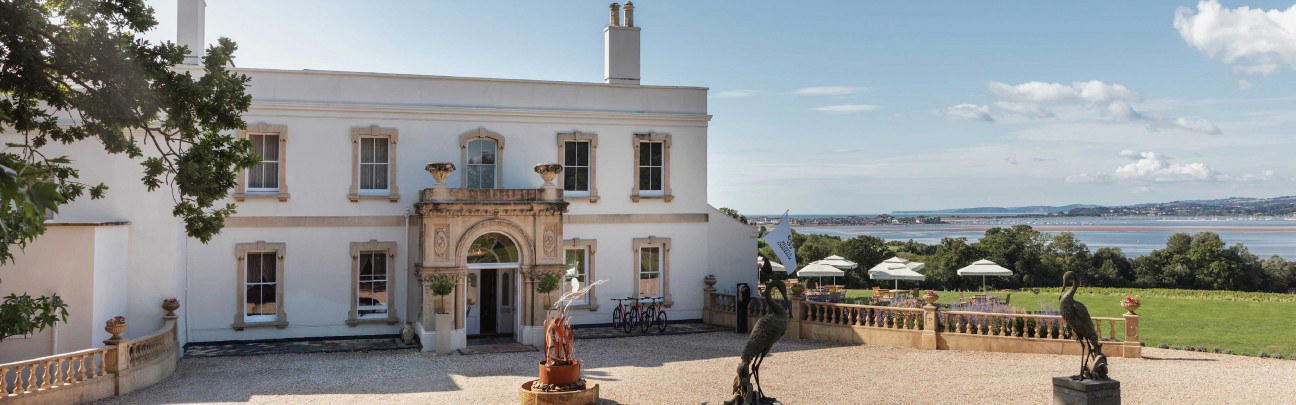
Wineries in Southleigh
Browse all →
Details
- Rustic
- Cozy
- Intimate
- Elegant
- Classic
- Date Night
- Special Occasion
- Historic Building
- Open Kitchen
- Extensive Wine List
- Farm To Table
- Local Sourcing
- Tasting Menu
- Set Menu
- Vegetarian Friendly
Rustic charm in classic country house décor with contemporary cool elements like grandfather clocks, kilim rugs, and colourful objets d’art, creating a homely, relaxed, and stylish atmosphere.