Stage


Michelin Plate · The Good Food Guide GFG Very Good
Our verdict
Stage occupies a 12-seat marble-topped counter on Exeter's Magdalen Road, where a glass wall separates diners from a kitchen team working with quiet choreography. The weekly-changing set menu leans on Devon sourcing — Barbary duck, local seafood, seasonal produce — and holds a Michelin Plate for 2024 and 2025. At ££, it represents one of the southwest's more serious cooking propositions at an accessible price point.

Pearl is the En Primeur Club membership app — saves, bookings, and concierge access live there. Same editors, same standards.
- Address
- 31 Magdalen Rd, Exeter EX2 4TA, United Kingdom
- Phone
- +44 1392 496700
- Hours
- Mon 6–9:30 PMTue 12:30–2:30 PM, 6–10 PMWed–Thu 12:30–2 PM, 6–9:30 PMFri–Sat 12:30–2 PM, 6–10 PMSun 12:30–3 PM
- Website
- stagerestaurant.co.uk
- Directions
- Get directions
- Booking
- Book on OpenTable
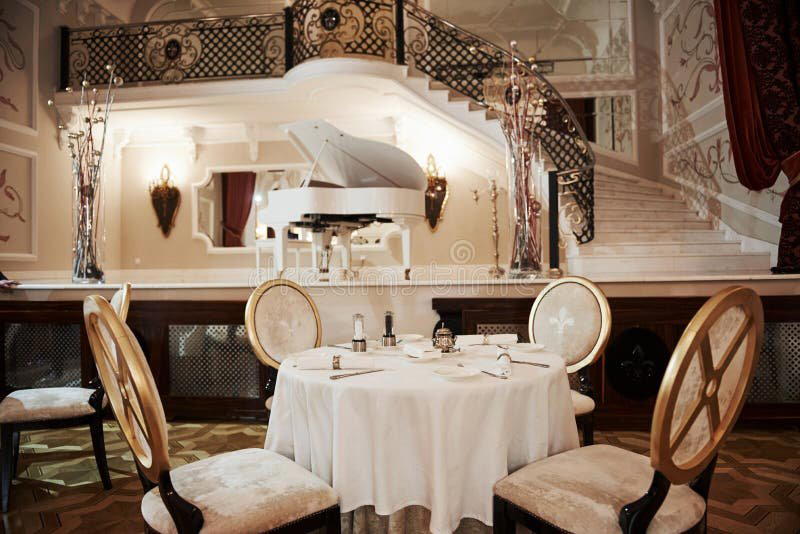
A Counter Restaurant on Magdalen Road
Exeter's dining scene has never been organised around a single flagship address in the way that, say, Cambridge has Midsummer House or Cartmel has L'Enclume. The city's better restaurants are scattered across residential streets and neighbourhood pockets rather than concentrated in a tourist corridor, which means the ones worth seeking out tend to reward the committed rather than the accidental. Magdalen Road, about ten minutes from the city centre, is that kind of street: independent, unhurried, local in character. Stage sits on it at number 31, and the building gives little away from outside.
Inside, the format is immediately legible: a twelve-seat marble-topped counter runs directly in front of the kitchen, separated by a glass wall. Diners face the pass. The kitchen team works in full view, their movements quiet and coordinated in the way that only comes from a tight operation running the same menu for an entire service. It is a format that draws comparison to the counter omakase model familiar from cities like Tokyo or London — venues where the spatial arrangement is itself an argument about what dining should be. At the ££ price tier, Stage makes that argument more accessibly than most. Counters at this level of seriousness in London, including The Ledbury bracket, operate at price points two to three times higher.
Devon Produce as the Foundation, Not the Marketing
The sourcing logic at Stage is worth understanding on its own terms, independent of whatever is on the menu on any given week. The kitchen draws on Devon's production with specificity: 14-day aged Barbary duck, abalone, lobster, crab, local cheeses like Devon Blue. This is not a farm-to-table posture applied retrospectively to justify a price point — it is a menu-building approach in which the ingredients determine the direction rather than the other way around. The weekly rotation of the set menu is what makes that credible. When the menu changes every seven days, the kitchen cannot be sourcing around a fixed dish list; it has to be sourcing around what is available and in condition.
That discipline connects Stage to a broader pattern in British regional cooking that has been building since the mid-2010s. Venues like Gidleigh Park in Chagford, operating on the edge of Dartmoor, made Devon's larder legible to a fine-dining audience over decades. What the current generation of smaller counter restaurants has done is compress that sourcing ambition into a format with fewer covers, tighter logistics, and faster menu cycles. The result is cooking that reflects the season more honestly, if less glamorously, than a fixed tasting menu can.
Documented dishes from Stage illustrate this: beetroot gazpacho with bresaola and quail's egg; Chinese sticky chilli beef using battered and glazed shin over stir-fried spring greens, asparagus, and slivered garlic; crisped pollock with lemony fennel and wholewheat farfalle; rhubarb frangipane tart with milk espuma and cornflakes. The range signals a kitchen that is not constrained by a single register, French technique, Asian flavour references, and British produce coexist without any apparent anxiety about coherence. The coherence comes from the sourcing, not the style.
The Michelin Plate and What It Signals
Stage holds a Michelin Plate for both 2024 and 2025. Within the Michelin hierarchy, the Plate sits below the star tiers but denotes consistent quality cooking that the inspectors consider worth acknowledging. In a regional city like Exeter, it places Stage in a small group of restaurants operating at a level that is reviewed and returned to by serious critics, rather than simply local favourites. For context, Michelin-recognised addresses in Devon have historically been concentrated in destination properties and country house hotels; a counter restaurant in a neighbourhood setting holding Plate recognition represents a different model.
The Plate does not imply the same competitive set as, for example, Moor Hall in Aughton or Restaurant Andrew Fairlie in Auchterarder at the starred level, but it does signal that Stage is operating with intent and consistency rather than charm and informality alone.
The Drinks Pairing Deserves Separate Attention
Counter restaurants at this level in the UK typically offer a wine flight as the default pairing option. Stage's approach is more eclectic: when documented, the six-item drinks flight included only three wines, with the remainder composed of aromatic cocktails, shrubs, and shandy. This is not a conventional fine-dining pairing strategy, and the venue does not appear to be running it as one. The pairings are described as hovering at the edge of recklessness, some matches are precise, others are adventurous in ways that add to the texture of the meal rather than simply complementing the food. For a restaurant in the modern British counter format, this willingness to treat the drinks course as its own editorial project rather than a revenue-generating adjunct is worth noting. Venues like hide and fox in Saltwood operate in a similar register of considered ambition outside London, where the drinks programme is not an afterthought.
Format, Community, and the Experience of Eating Here
The twelve-seat capacity means that on any given evening, the room contains one service. Everyone is eating the same menu, on the same schedule, from the same kitchen. The format creates a communal tempo that larger restaurants with à la carte menus cannot replicate, the sense that the room is experiencing something together rather than in parallel. This quality is closer in spirit to the high-end counter formats found at Stockholm's Frantzén or the theatre of The Fat Duck in Bray than to a conventional neighbourhood bistro, even if Stage's price point and informality sit at a very different position on the spectrum.
The front of house is reported to run with energy and warmth rather than formality, which aligns the room's character with its neighbourhood setting. Booth-style seating has been added alongside the counter, and the reception desk was moved to the entrance in a recent update, small adjustments that indicate a restaurant paying attention to how the room functions for guests rather than resting on an established formula. Compared to fixed-format destination restaurants like Le Manoir aux Quat'Saisons in Great Milton or Opheem in Birmingham, Stage operates with a deliberate casualness that is calibrated, not accidental.
Lunch runs to four set courses; dinner to six, changing weekly. The set-format structure means the kitchen controls the pace and the kitchen team's visible coordination through the glass wall becomes part of the experience rather than backstage noise. For diners who find the theatrical presentation of kitchen theatre at destination restaurants slightly overwrought, Stage's glass-wall arrangement offers a version of the same transparency at a more human scale. For a broader view of where Stage sits within the city's dining options, see our full Exeter restaurants guide.
Planning Your Visit
Stage is on Magdalen Road in the east of Exeter, roughly ten minutes from the city centre on foot. The restaurant fills quickly, booking well in advance is a functional necessity given the twelve-seat capacity, not a luxury-positioning signal. A set-menu format at the ££ price range with weekly-changing courses means the booking is worth making with some lead time, particularly for dinner. For those building a wider Exeter itinerary, our Exeter hotels guide, bars guide, wineries guide, and experiences guide cover the broader picture. The Hand and Flowers in Marlow offers a useful reference point for what British pub-rooted serious cooking looks like elsewhere in England, if regional comparisons are useful for calibrating expectations.
Frequently asked questions
Does Stage work for a family meal?
No, the set menu format, twelve-seat counter, and dinner pace are designed for adult dining rather than family occasions. At ££ in Exeter, this is a focused cooking experience, not a flexible family restaurant.
What is the atmosphere like at Stage?
If you are comfortable with communal pacing and a counter-facing kitchen, Stage delivers a warm, energised room that feels local rather than formal. If you prefer à la carte flexibility or a quieter, more anonymous dining room, the format will not suit you.
What dish is Stage famous for?
Stage runs a weekly-changing set menu, so no single dish defines it. The kitchen's documented range includes 14-day aged Barbary duck, lobster with crab salad, and abalone with black rice and liver sauce, sourced from Devon producers and prepared with techniques that draw on both classical and Asian registers. The Michelin Plate award across two consecutive years recognises the consistency of that approach rather than any individual signature.
Side-by-Side Snapshot
| Venue | Cuisine | Price | Awards |
|---|---|---|---|
| StageThis venue — the venue you are viewing | Modern British Tasting Menu | $30–50 | Michelin Plate · The Good Food Guide GFG Very Good |
| The Ledbury | Modern European, Modern Cuisine | Not listed | Michelin 3 Star |
| Sketch, The Lecture Room and Library | Modern French | Not listed | Michelin 3 Star |
| CORE by Clare Smyth | Modern British | Not listed | Michelin 3 Star |
| Restaurant Gordon Ramsay | Contemporary European, French | Not listed | Michelin 3 Star |
| Dinner by Heston Blumenthal | Modern British, Traditional British | Not listed | Michelin 2 Star |
Recognition history
Dated appearances from independent guides and award organizations, with the underlying list record or original source where available.
Michelin Plate
Michelin
The Good Food Guide GFG Very Good
The Good Food Guide
Full recognition history (4 entries)
Michelin Plate
Michelin
Michelin Plate
Michelin

Details
- Trendy
- Lively
- Cozy
- Modern
- Date Night
- Special Occasion
- Open Kitchen
- Craft Cocktails
- Farm To Table
- Local Sourcing
- Tasting Menu
- Vegetarian Friendly
- Gluten Free Options
- Allergy Accommodating
Current opening hours
- Monday
- 6–9:30 PM
- Tuesday
- 12:30–2:30 PM, 6–10 PM
- Wednesday
- 12:30–2 PM, 6–9:30 PM
- Thursday
- 12:30–2 PM, 6–9:30 PM
- Friday
- 12:30–2 PM, 6–10 PM
- Saturday
- 12:30–2 PM, 6–10 PM
- Sunday
- 12:30–3 PM
Hours can change for holidays and private events. Last verified .
Relaxed and warm atmosphere in a small, quirky space with energetic service and occasional loud music.