SaleGrosso

A locally trusted fish restaurant on viale II Giugno, SaleGrosso trades in an eclectic mix of tapas-style plates and raw fish preparations against a light, sea-inspired interior. In a resort town where seafood dining spans everything from grand hotel dining rooms to beachside grills, this is one of the addresses that Milano Marittima's regular visitors return to rather than discover once and forget.
Pearl is the En Primeur Club membership app — saves, bookings, and concierge access live there. Same editors, same standards.
- Address
- viale II Giugno 15
- Phone
- +39 0544 971538
- Website
- ristorantesalegrosso.it
- Directions
- Get directions
 Saves & bookings on Pearl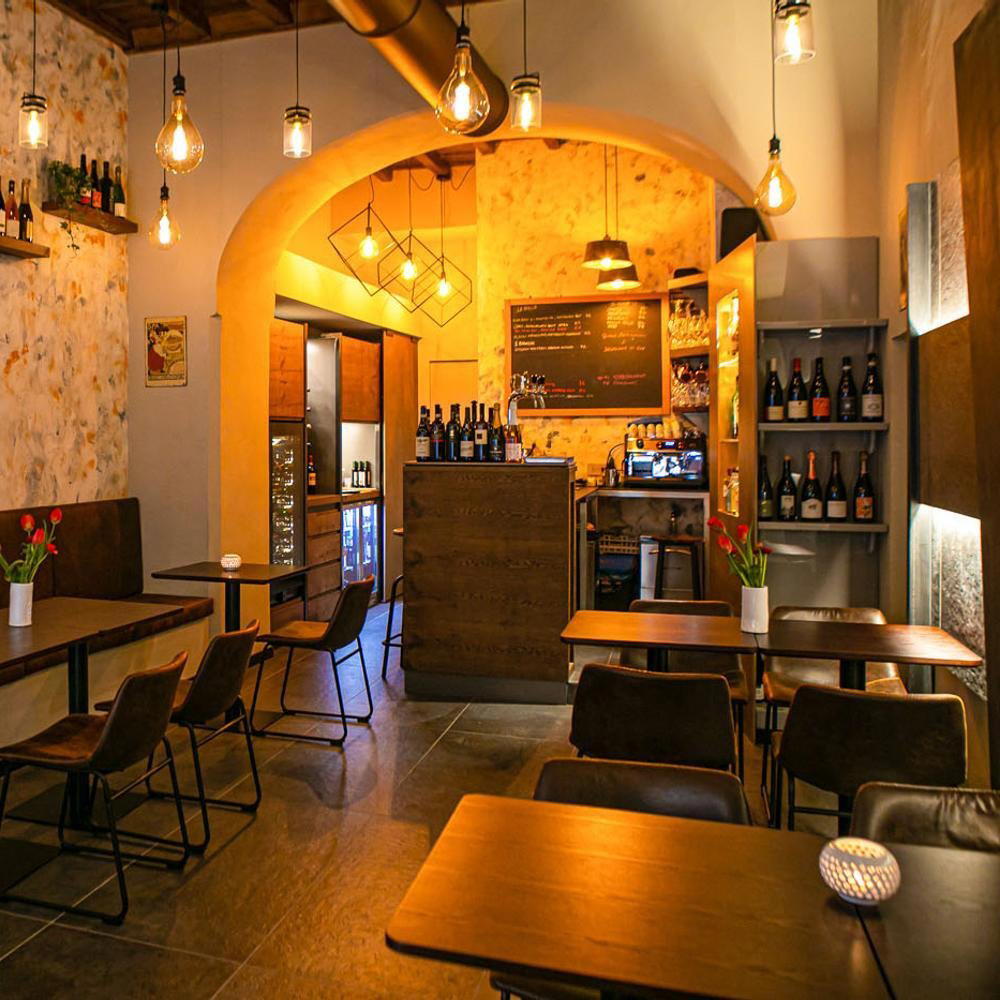
Where the Adriatic Comes Indoors
Milano Marittima occupies a particular position on the Adriatic coast: it is simultaneously a serious resort town with a long-established summer clientele and a place where the seafood on the plate has always been expected to justify the journey. The pine-lined avenues and the proximity to Cervia's salt flats give the town a distinct identity, one built around the sea as both setting and ingredient. Walk along viale II Giugno and the transition from beachfront to dining street is immediate. SaleGrosso sits along this corridor, its pale, sea-referenced interior visible through the entrance before you are fully inside.
The decor registers as considered rather than accidental. Light tones, materials that nod to maritime surroundings without resorting to nautical cliché: this is an interior that understands its geography without being enslaved to it. In a coastal dining scene where theming can quickly become heavy-handed, the restraint here says something about the kitchen's priorities.
Raw, Tapas, and the Grammar of Adriatic Seafood
The format at SaleGrosso reflects a broader shift in how Italians eat fish on this coast. The Adriatic tradition has long been built around whole-fish grilling, brodetto, and pasta with crustaceans, all formats that reward patience and a long table. What SaleGrosso introduces alongside that tradition is an eclectic range that includes tapas-style plates and raw fish preparations, a combination that places it in a more contemporary register without severing its connection to the locality.
Raw fish culture has deep roots in Italian coastal eating, particularly in the northeast, where crudo has been a fixture of trattoria antipasto boards for generations. The move toward structured raw preparations and smaller-format sharing plates represents an evolution of that tradition rather than a departure from it. Along this stretch of the Adriatic, between Rimini and Senigallia, you are in a zone where high-end fish restaurants take their raw materials seriously: Uliassi in Senigallia, roughly 60 kilometres south, operates at three-Michelin-star level and has set a reference point for what Adriatic seafood can achieve when technique meets ingredient quality. SaleGrosso operates in a different register, neighbourhood-anchored and eclectic, but the regional context matters: diners along this coast have calibrated expectations.
The tapas element in the menu is worth reading as a structural choice. It allows the kitchen to move across a broader ingredient range within a single sitting, and it suits a clientele that wants to explore rather than commit to a single protein arc across five courses. This approach has gained ground in Italian coastal restaurants over the past decade, borrowed partly from Spanish practice but absorbed into a local idiom where olive oil, local salt, and Adriatic catch remain the underlying logic.
Where SaleGrosso Sits in the Town's Dining Picture
Milano Marittima's restaurant scene is more layered than the resort tag suggests. The town draws a consistent summer crowd from Bologna and Milan, and the dining options reflect that: there are places that serve the beach-lunch circuit, places that anchor themselves to the evening aperitivo culture of the Riviera romagnola, and a smaller tier of fish restaurants that the regulars treat as reliable fixtures across multiple seasons. SaleGrosso belongs to this last group, described by those who know the town as one of its authentic favourites rather than as a newcomer or a passing trend.
For context within Italy's broader fish-restaurant conversation, the gap between a neighbourhood-trusted address like this and the country's formal fine-dining tier is significant. Quattro Passi in Marina del Cantone and Dal Pescatore in Runate operate with Michelin validation and multi-course precision. At the other end of the Italian creative spectrum, kitchens like Osteria Francescana in Modena, Le Calandre in Rubano, and Piazza Duomo in Alba define what Italian creative cooking looks like at its most ambitious. Enoteca Pinchiorri in Florence, Enrico Bartolini in Milan, Reale in Castel di Sangro, and Atelier Moessmer Norbert Niederkofler in Brunico complete a picture of Italian dining at its most decorated. Its value lies in a different quality: consistency within its own register, and a menu format that works for the rhythm of a coastal holiday rather than demanding the formality of a tasting-menu occasion.
On viale II Giugno itself, Osteria Bartolini offers a useful point of local comparison for those mapping the town's fish-restaurant options. The two addresses serve a similar audience but with different approaches to the meal's structure, and visiting both across a stay gives a reasonable cross-section of what casual-to-mid-tier Adriatic seafood dining looks like in this part of the Romagna coast.
Internationally, the gap between a seaside neighbourhood fish restaurant and a technically rigorous seafood institution is well illustrated by comparing this register to something like Le Bernardin in New York City, where the fish is the exclusive, almost philosophical subject of the menu. Emeril's in New Orleans represents a different American model, where bold flavour and occasion dining intersect. SaleGrosso belongs to neither of those models: it is closer to the Mediterranean tradition of the neighbourhood seafood table, where the cook's relationship with the market and the season matters more than the formal architecture of the meal.
Planning a Visit
SaleGrosso is at viale II Giugno 15 in Milano Marittima. Reservations are recommended, especially on summer evenings. The format, eclectic with tapas and raw dishes alongside more traditional preparations, suits a relaxed pace.
Budget Reality Check
Comparable venues nearby, for context on price, style, and recognition.
| Venue | Cuisine | Price | Awards | Notes |
|---|---|---|---|---|
| SaleGrossoThis venue — the venue you are viewing | Milano Marittima, Italian Seafood | $$$ | Michelin Plate | Not listed |
| Osteria Bartolini | Not listed | $$$ | Bib Gourmand | Milano Marittima, Adriatic Seafood Osteria |
| Terre Alte | Longiano, Elegant Italian Seafood | $$$ | Michelin Plate | Not listed |
| Makorè | Not listed | $$$ | Michelin Plate | Centro Storico, Contemporary Italian Seafood with Japanese Influences |
| Gibas | Not listed | $$$$ | Michelin Plate | Strada Panoramica Adriatica, Contemporary Italian Seafood |
| Ristorante Marlin | Marina Centro, Italian Seafood | $$$ | Not listed | Not listed |
Recognition history
Dated appearances from independent guides and award organizations, with the underlying list record or original source where available.
Michelin Plate
Michelin · 2026 Michelin Plate
Continue exploring
More in Milano Marittima
Restaurants in Milano Marittima
Browse all →
Bars in Milano Marittima
Browse all →
Hotels in Milano Marittima
Browse all →


At a Glance
- Elegant
- Romantic
- Cozy
- Date Night
- Special Occasion
- Group Dining
- Open Kitchen
- Extensive Wine List
- Local Sourcing
- Street Scene
Current opening hours
- Monday
- Closed
- Tuesday
- Closed
- Wednesday
- Closed
- Thursday
- 7:30–11 PM
- Friday
- 7:30–11 PM
- Saturday
- 12:30–3 PM, 7:30–11 PM
- Sunday
- 12:30–3 PM
Hours can change for holidays and private events. Last verified .
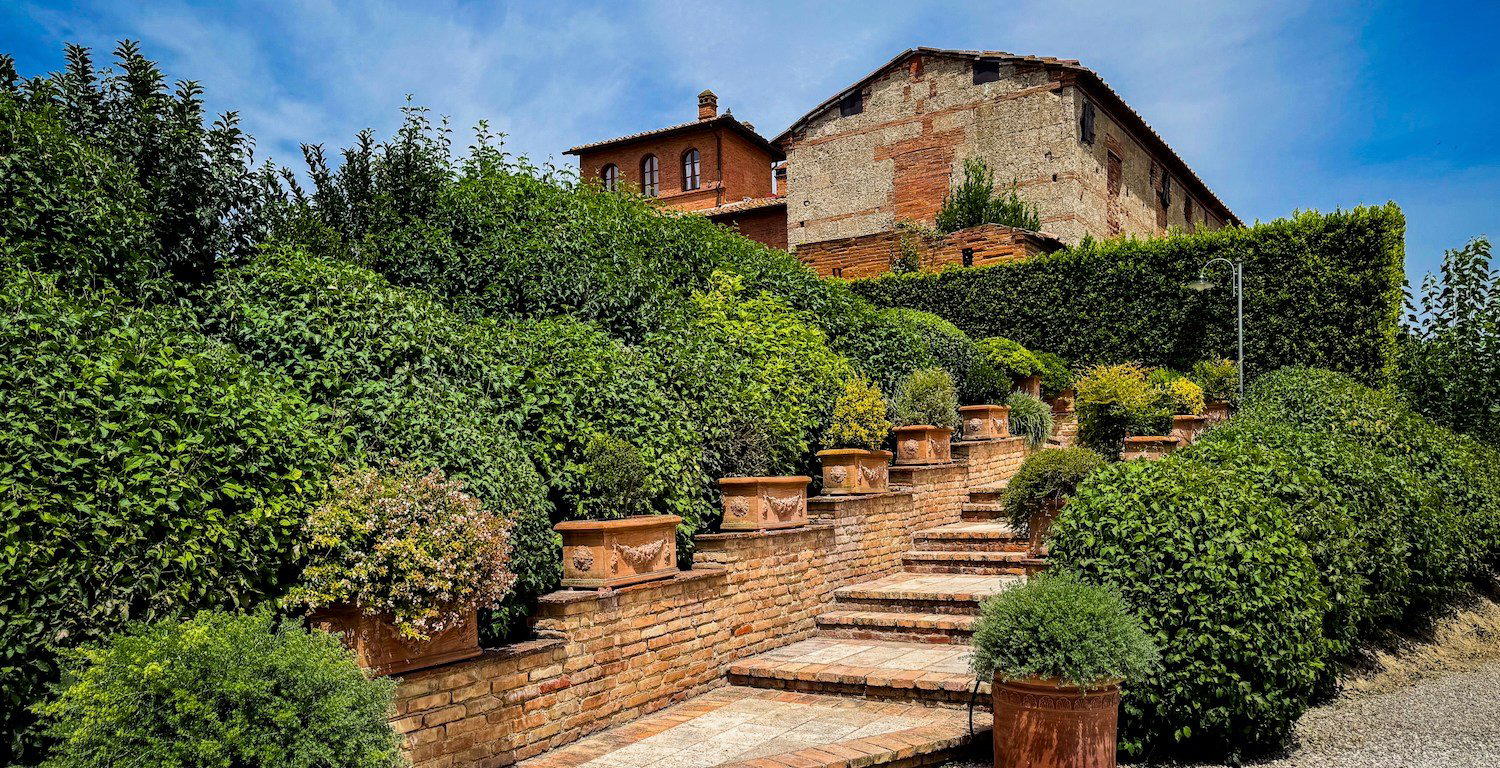
Pleasant light-colored decor inspired by the sea, with welcoming environments including a summer veranda; described as classy, romantic, and elegant by guests.