Salabka

Set within a vineyard whose wine-growing history traces back to the 13th century, Salabka sits in Prague's Troja district, away from the city centre's better-known dining tier. The kitchen produces technically precise, visually composed modern cuisine, with produce sourced from trusted farmers. A Michelin Plate holder for 2024, it also offers estate wine tastings, tours, and six on-site apartments for overnight guests.
Pearl is the En Primeur Club membership app — saves, bookings, and concierge access live there. Same editors, same standards.
- Address
- Troja Praha 7-Troja CZ, K Bohnicím 849/2a, 171 00 Praha 7, Czechia
- Phone
- +420 778 019 002
- Website
- salabka.cz
- Directions
- Get directions
 Saves & bookings on Pearl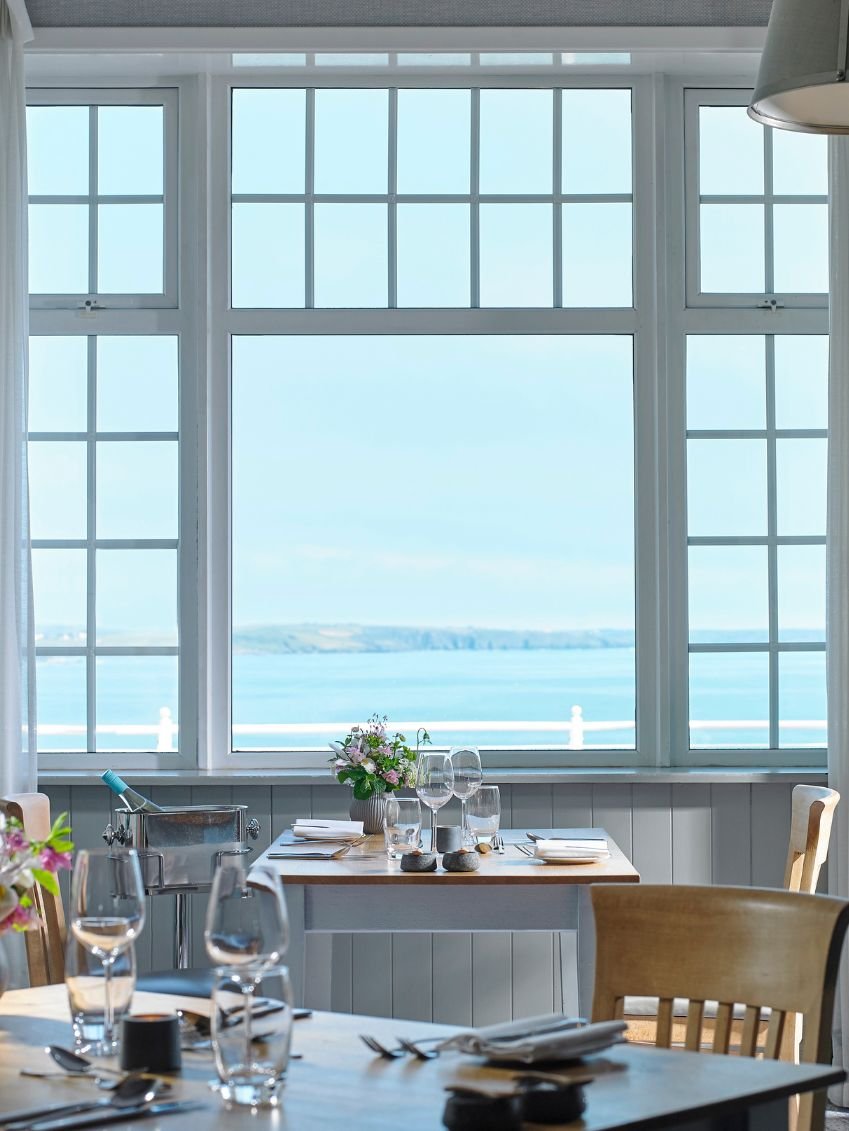
A Vineyard Table on the Edge of Prague
Prague's serious dining scene is predominantly concentrated within the historic centre, where restaurants like Kampa Park, V Zátiší, and La Degustation Bohême Bourgeoise compete within a tight geographic radius. Salabka operates on a different premise entirely. The restaurant sits in the Troja district of Prague 7, on the grounds of a working vineyard whose wine-growing tradition is documented back to the 13th century. The physical remove from the city's restaurant cluster is part of what defines the experience here, arriving means committing to a destination rather than dropping in between other plans.
That separation also explains the format. Where a central Prague address can rely on foot traffic and drop-in trade to sustain a broad menu, a vineyard property in Troja earns its audience through a more complete proposition: food, wine, the estate itself, and the option to stay. The six on-site apartments situate Salabka in a small category of Czech dining destinations that reward planning a trip around rather than tacking onto an existing itinerary.
The Setting: Stone Walls, Open Gables, and Terrace Vines
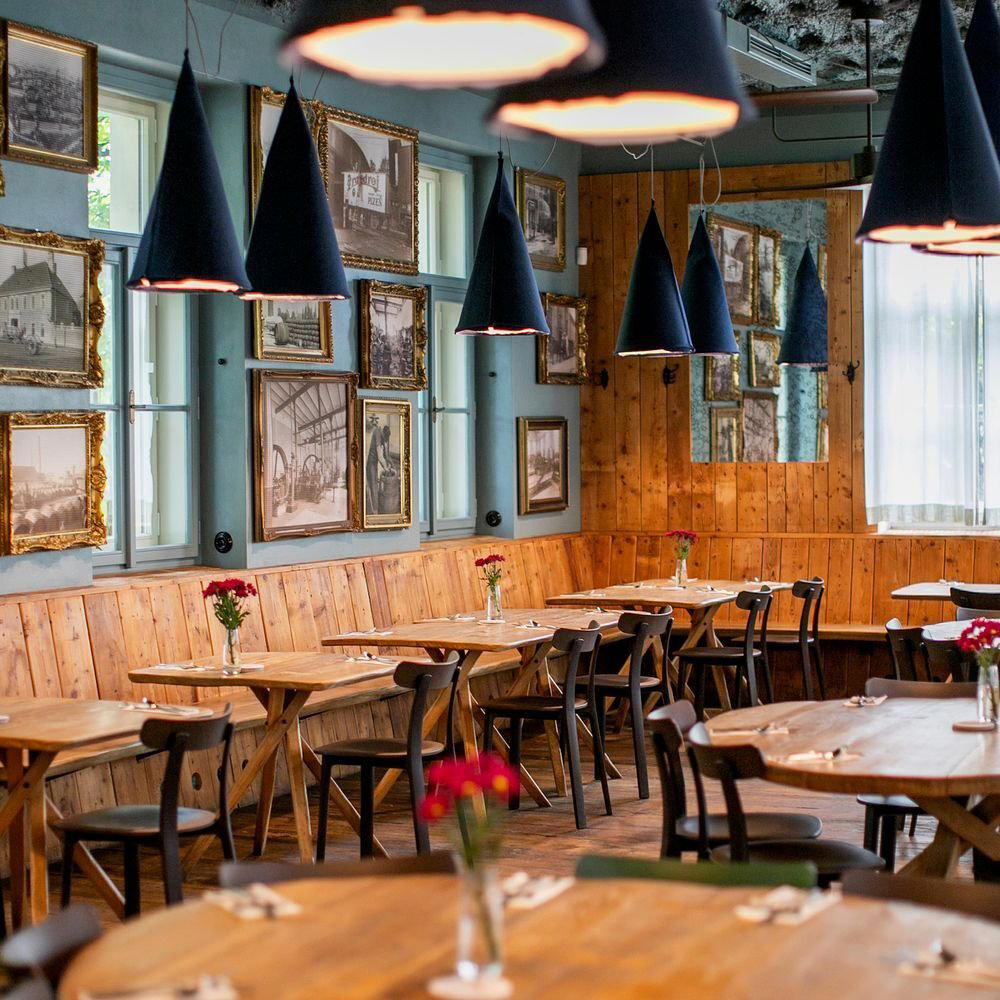
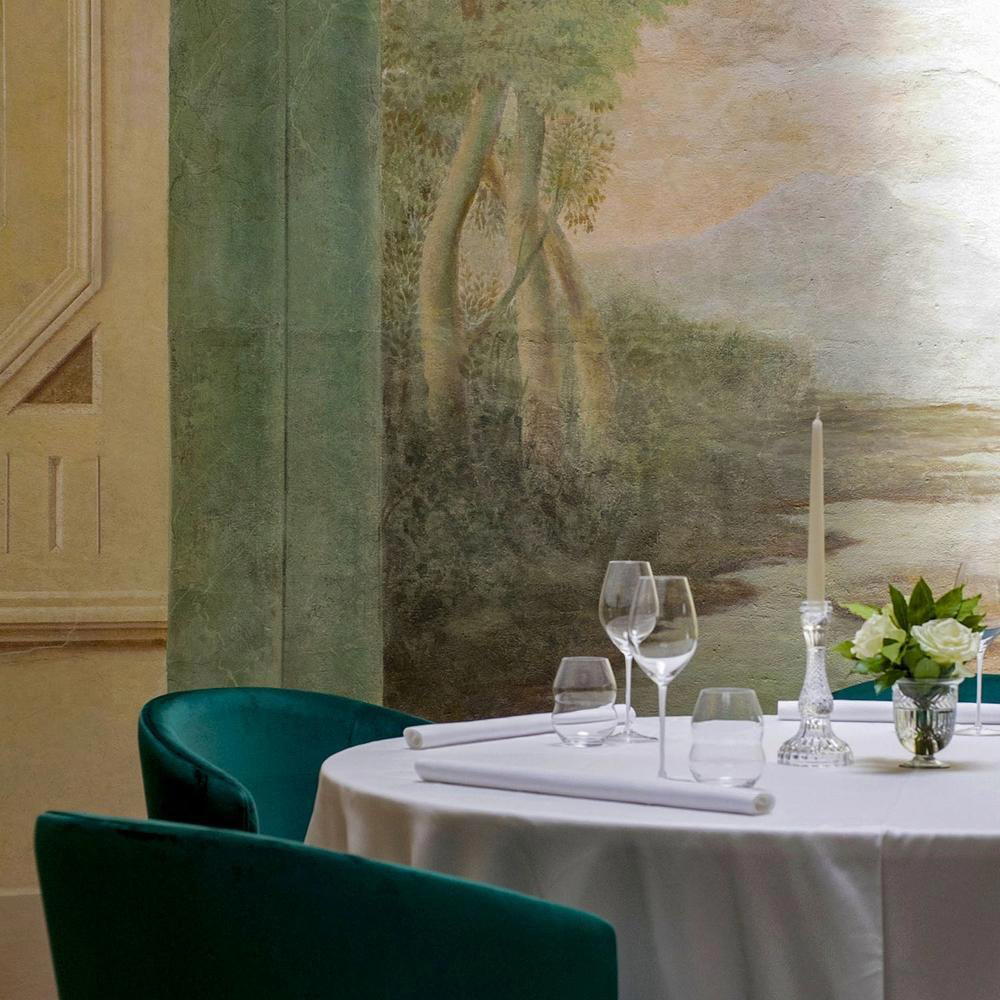
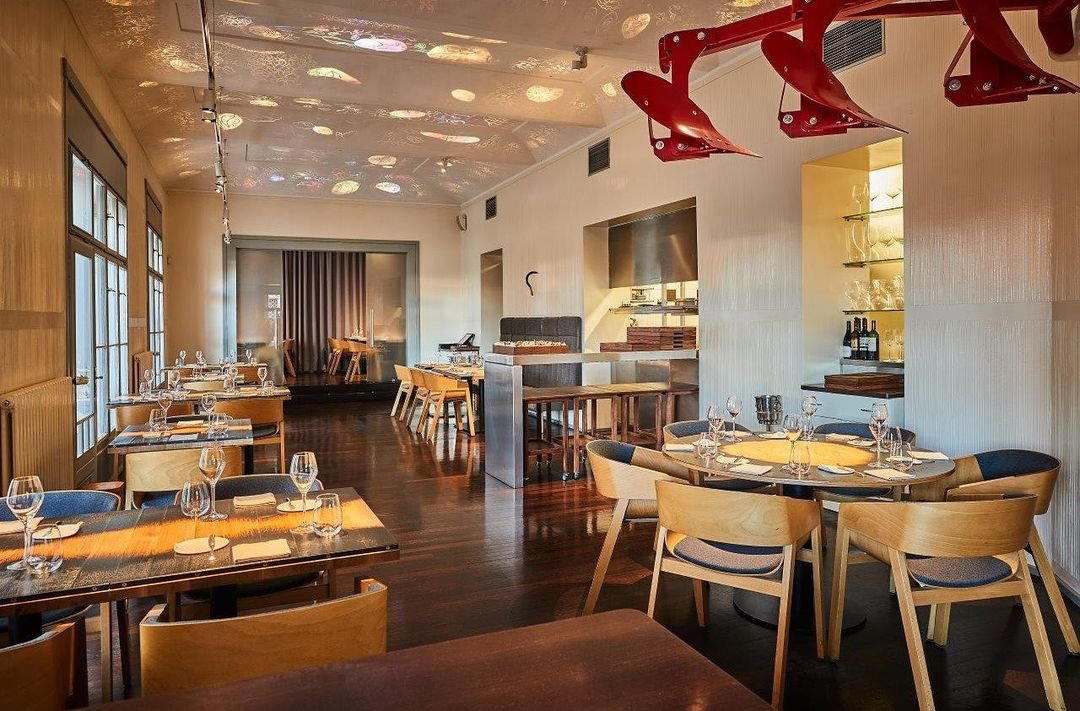
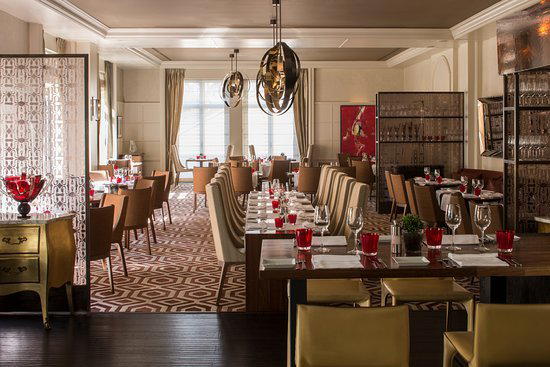
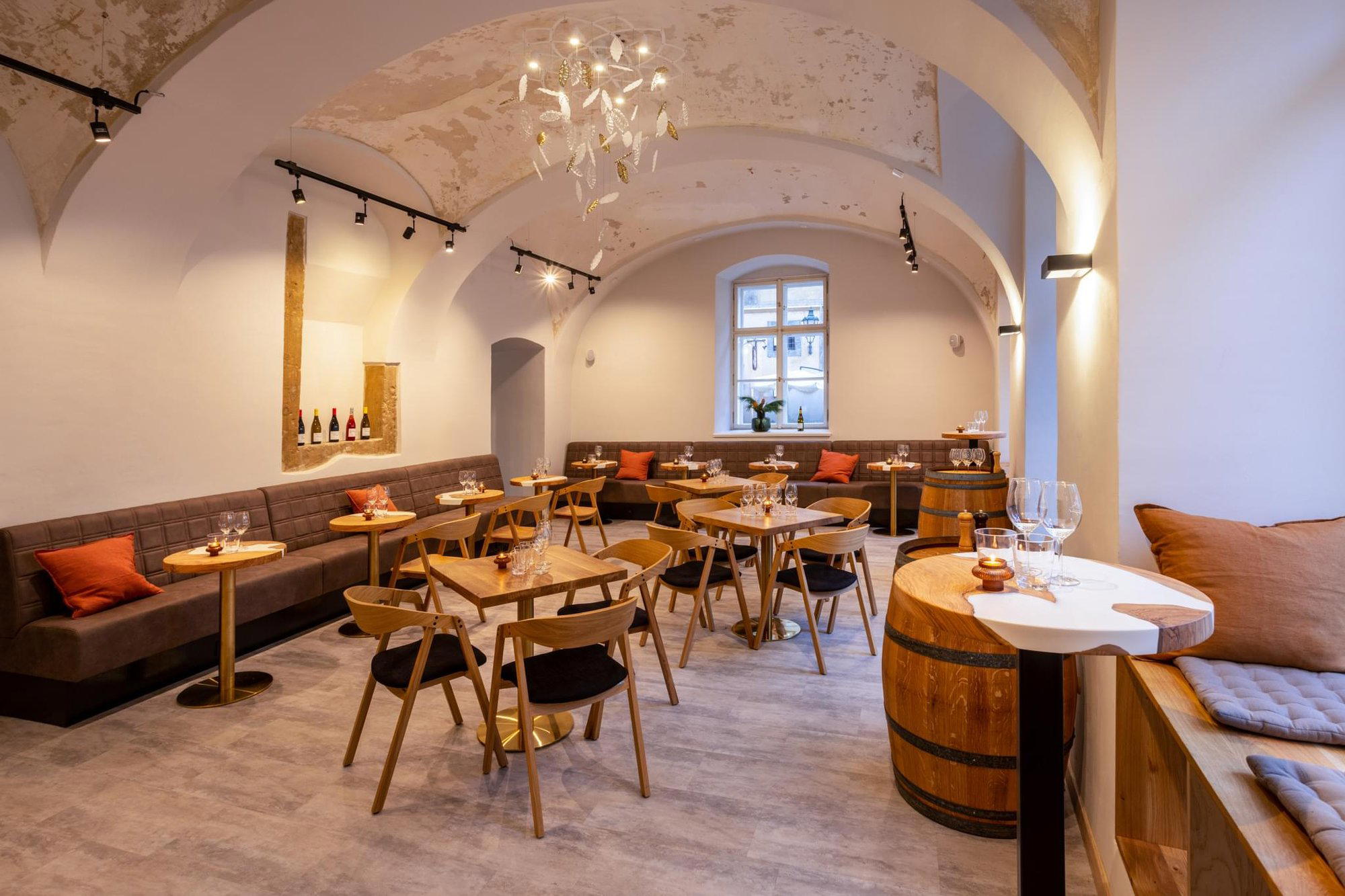
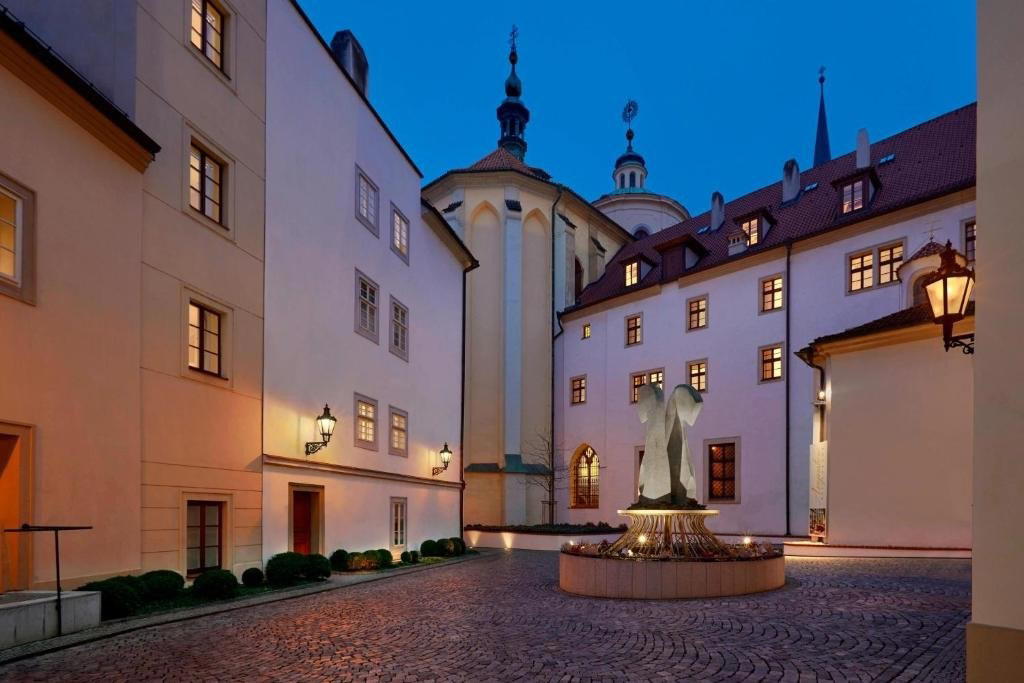
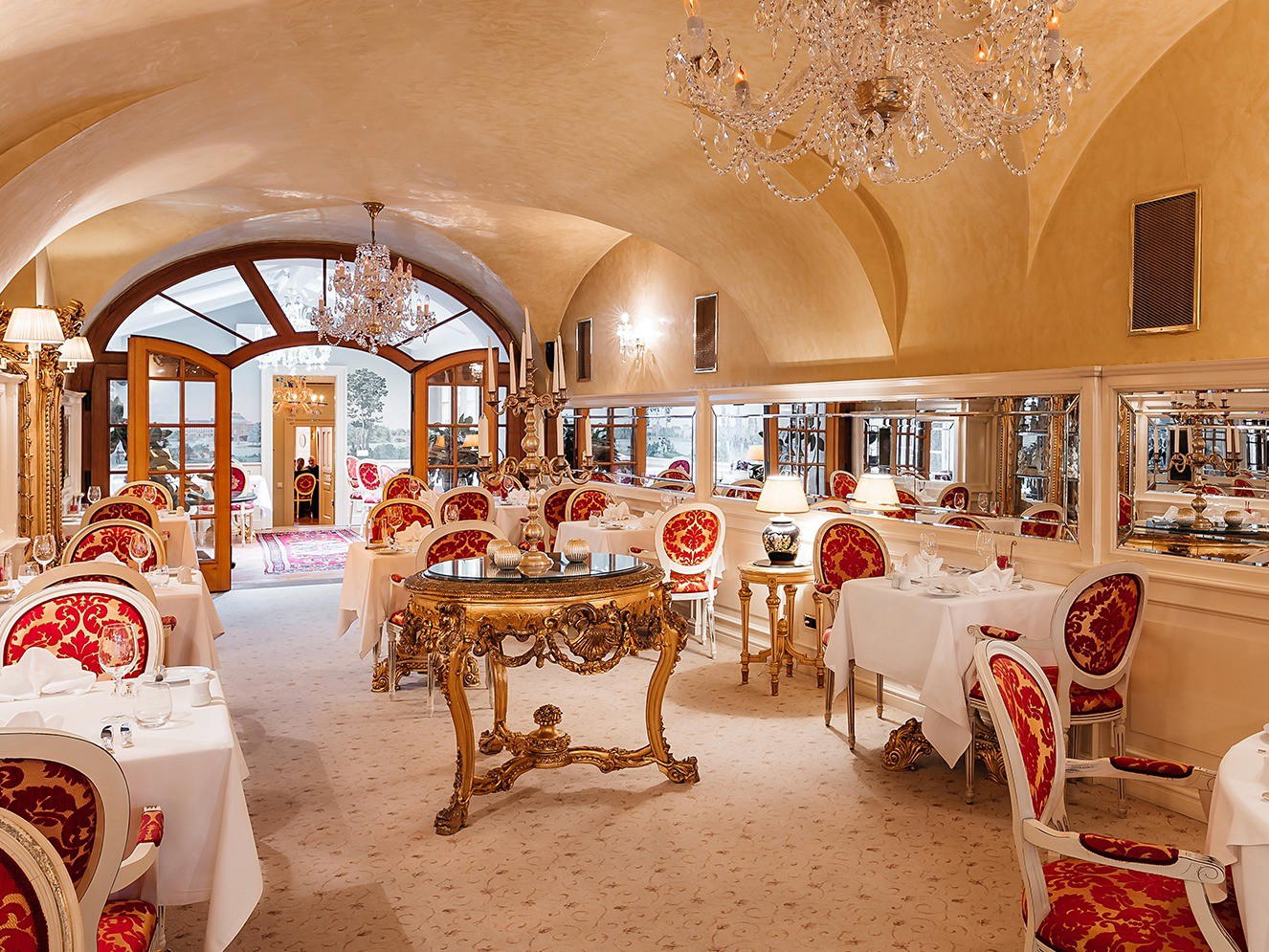
The architecture does the work before the food arrives. Exposed wooden beams dating from an earlier century run overhead, quarry stone walls form the structural bones of the room, and the kitchen's contemporary output arrives against a backdrop that resists the generic minimalism found in most modern European restaurants. The contrast between the material weight of the building and the precision of the plating is deliberate, and it holds up across a full meal.
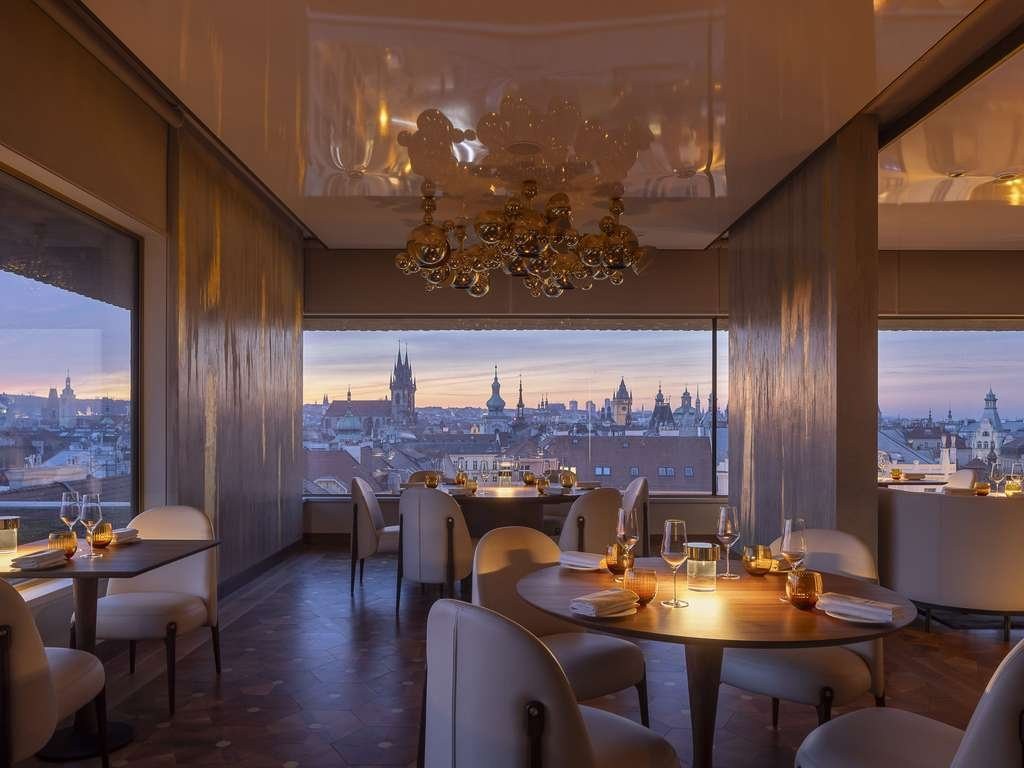
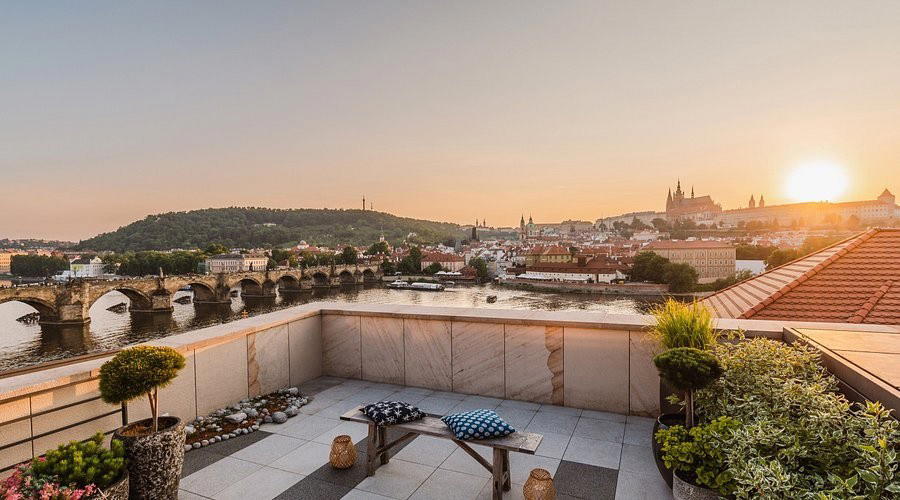
The first-floor dining space is constructed as a gallery under the open gable roof, and tables positioned at the windows look directly onto the vineyard. This is the seat to request. In summer, the terrace takes priority for obvious reasons: the combination of working vines, open air, and technically composed food carries a logic that the interior, however atmospheric, cannot fully replicate. Bookings during the terrace season tend to fill faster, and the window seats on the upper level are the alternative for cooler months when outdoor dining becomes impractical.
The Wine Programme: Estate-Grown and Editorially Curated
Wine angle at Salabka is not decorative. The estate sits on land with a wine-growing tradition spanning seven centuries, and that history creates a foundation that most restaurant wine lists in Prague cannot claim. Where city-centre addresses like Grand Cru and Benjamin build their programmes through curation and importation, Salabka's list has the additional dimension of estate production on the same grounds where you're dining.
Bohemian wine tradition is less internationally visible than Moravia's output, which dominates Czech wine conversation, but it is historically rooted. Troja's position within that tradition gives the estate programme a territorial specificity that extends beyond a talking point into something the wine list can actually argue. Booking a dedicated wine tasting or estate tour before or after a meal is the recommended approach for guests with a genuine interest in Czech wine, it reframes what you're drinking during the meal, and the estate grounds read differently after a guided walk through the vines.
The Kitchen: Technical Precision, Farmer-Sourced Produce
Salabka holds a Michelin Plate for 2024, a recognition that signals cooking worth attention without the tasting-menu formality of the city's starred addresses. The distinction matters for how you should approach the meal. This is not the same register as La Degustation Bohême Bourgeoise, which operates at the formal end of Prague's dining spectrum through a long, structured tasting format. Salabka's cooking is described as meticulously prepared with great technical precision, with dishes that are visually composed and built on produce sourced from trusted farmers. The register is serious without demanding the full ceremony of a multi-course progression.
The farm-sourcing approach connects the kitchen's output to a broader movement across central European fine dining, where chefs at restaurants from Babiččina zahrada in Průhonice to Cattaleya in Čeladná have made regional producer relationships a structural part of how menus are built. At a vineyard property, that logic extends to the glass as naturally as it does to the plate.
The price positioning is €€€€, placing Salabka in Prague's highest price tier and in the same bracket as La Degustation Bohême Bourgeoise. This is a considered evening, not a casual dinner, and the journey to Troja underlines that framing. At this price point, the kitchen's Michelin recognition and the estate's wine programme form the twin justifications.
Salabka in the Czech Fine Dining Context
Prague anchors Czech fine dining, but the country's restaurant scene has broadened considerably. Properties like ARRIGŌ in Děčín, Bohém in Litomyšl, and Chapelle in Písek demonstrate that technically precise, produce-driven cooking is no longer exclusively a capital city proposition. Salabka occupies an interesting position within this shift: it is geographically within Prague's boundaries but structurally closer to the destination-restaurant model that defines the regional properties. The vineyard setting, the apartments, and the estate programme give it a self-contained character that has more in common with a rural estate than with a city restaurant that happens to be set back from the centre.
Within the modern cuisine category internationally, the combination of estate agriculture and serious kitchen work has precedents at a different scale. Restaurants like Frantzén in Stockholm represent the upper end of the model where the kitchen and its supply network are completely integrated. Salabka operates at a more accessible level, but the underlying logic, that where food and wine originate should be materially connected to where they're consumed, is shared.
Planning a Visit
Salabka is located at K Bohnicím 849/2a, Praha 7-Troja, which sits north of the city centre and requires a deliberate journey rather than a short walk from most hotels. Guests staying elsewhere in Prague should factor transit time into an evening booking and consider whether the six on-site apartments make more sense than returning to the city, particularly for wine-focused visits where a tasting programme is part of the plan.
At €€€€ pricing with Michelin recognition and a terrace that fills quickly in summer, advance reservations are advisable rather than optional. The estate tour and wine tasting should be requested at the time of booking if that's part of your plan, as availability is separate from the restaurant seating. The ATELIER bar & bistro in Brno is worth noting for visitors extending into Moravia, which forms the other half of the Czech fine dining conversation.
The Short List
Comparable venues nearby, for context on price, style, and recognition.
| Venue | Cuisine | Price | Notes |
|---|---|---|---|
| SalabkaThis venue — the venue you are viewing | Troja, Modern European Fine Dining | $$$$ | Not listed |
| La Veranda | Josefov, Modern European | $$$ | Not listed |
| Alcron | Not listed | $$$$ | Nove Mesto, Modern Central European with Plant-Forward Focus |
| Monarch | Not listed | $$$ | Praha 1, Premium Steakhouse with Czech & American Beef |
| Portfolio | Not listed | $$$$ | Josefov, Modern International Fine Dining |
| Kampa Park | Mala Strana, Modern French Fine Dining | $$$$ | Not listed |
Recognition history
Dated appearances from independent guides and award organizations, with the underlying list record or original source where available.
Michelin Plate
Michelin
Michelin Plate
Michelin
At a Glance
- Elegant
- Sophisticated
- Scenic
- Cozy
- Date Night
- Special Occasion
- Terrace
- Private Dining
- Extensive Wine List
- Local Sourcing
- Vineyard
- Skyline
Current opening hours
- Monday
- Closed
- Tuesday
- Closed
- Wednesday
- 12–4 PM, 6–11 PM
- Thursday
- 12–4 PM, 6–11 PM
- Friday
- 12–4 PM, 6–11 PM
- Saturday
- 12–4 PM, 6–11 PM
- Sunday
- Closed
Hours can change for holidays and private events. Last verified .
Elegant with warm lighting, chic décor, and serene vineyard atmosphere.