Sushi in Białystok occupies a niche that sits well outside the city's dominant Central European dining tradition, and Sakura Sushi on Czarna Street is one of the addresses keeping that niche alive. The format here is read against a local scene more accustomed to hearty Polish staples than raw fish and vinegared rice, which gives the restaurant a distinct position in the city's eating options.
Pearl is the En Primeur Club membership app — saves, bookings, and concierge access live there. Same editors, same standards.
- Address
- Czarna 2/U3, 15-395 Białystok, Poland
- Phone
- +48786675279
- Website
- sakurasushibialystok.pl
- Directions
- Get directions
 Saves & bookings on Pearl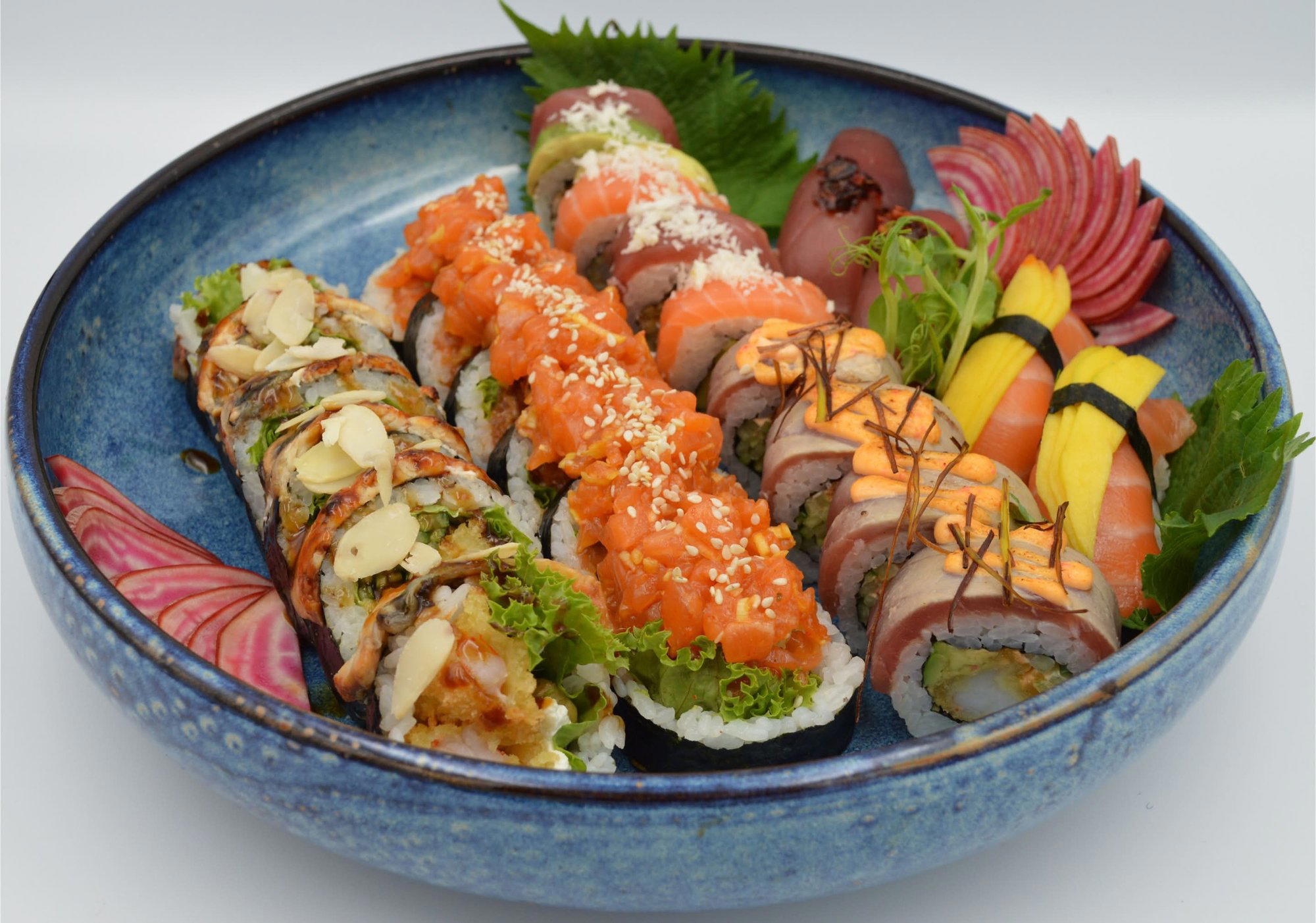
Sushi in a City That Runs on Pierogi
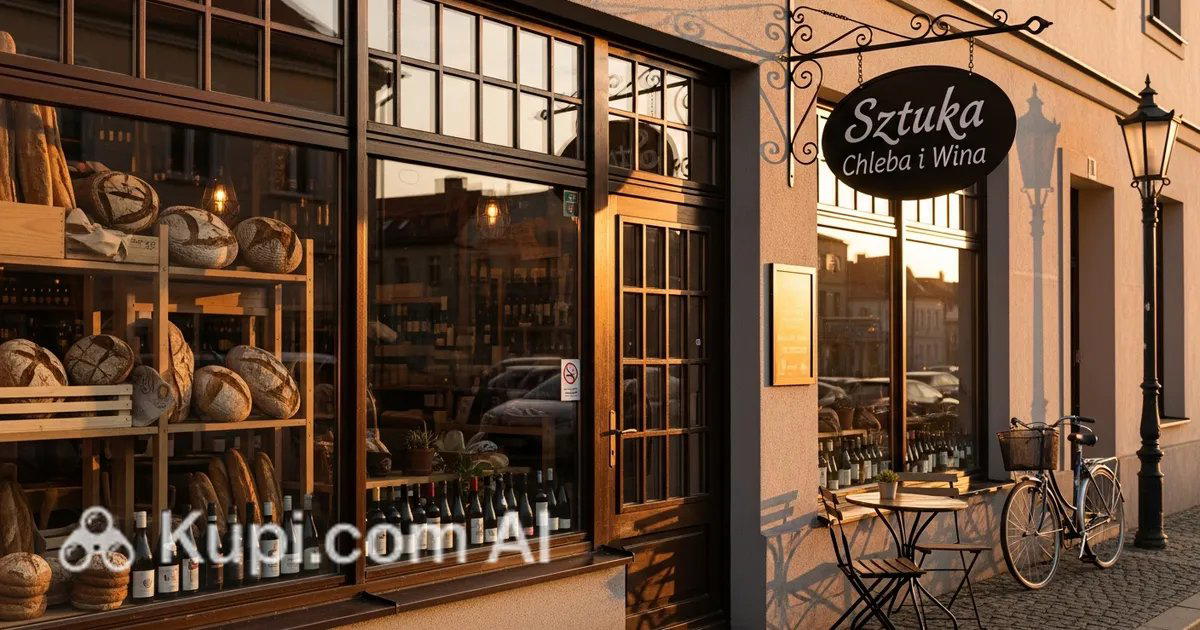
Białystok's dining identity has long been shaped by its northeastern Polish roots: dense stews, fermented rye, game from the Podlaskie forests, and a bread culture that venues like Sztuka Chleba i Wina have turned into a subject of interest. Against that backdrop, a sushi address on Czarna Street reads as a deliberate counterpoint. Japan-influenced restaurants have spread steadily through Poland's mid-sized cities over the past decade, and Białystok is no exception, but the format still occupies a genuinely small share of tables compared to Italian or traditional Polish options. Sakura Sushi at Czarna 2/U3 is one of a small number of addresses in the city attempting this register.
This is not the position Tokyo-trained omakase counters like those found at Atomix in New York occupy, nor does it share the technical ambition of a seafood-forward institution like Le Bernardin. What Białystok sushi represents is something more local and more practical: a format imported wholesale, adapted to local supply chains and local appetites, and served to a customer base that is still, generally, relatively new to the ritual of eating raw fish in sequential courses.
The Ritual of the Sushi Meal in a Polish Context
Sushi dining has its own internal logic, one that sits at an angle to the communal, course-driven structure of a traditional Polish restaurant meal. In Japan, even a mid-market conveyor belt operation carries certain expectations: rice temperature matters, the ratio of fish to rice is deliberate, and the sequence in which pieces arrive reflects a considered pacing. When that format lands in a city like Białystok, some of that grammar survives and some of it gets renegotiated.
What tends to survive in Polish sushi restaurants is the visual vocabulary: the maki rolls, the nigiri presentation, the small dishes of soy and pickled ginger. What often gets renegotiated is the pacing, the portion logic, and the degree to which staff mediate the meal. In cities like Kraków, where restaurants such as Bottiglieria 1881 have helped raise the general floor of dining literacy, the gap between Japanese tradition and local interpretation has narrowed. In Białystok, it remains wider, which means a sushi restaurant here is operating in a more genuinely instructional role than its Kraków or Gdańsk equivalents.
Venues like Hashi Sushi in Gdańsk or Hattori Hanzo in Częstochowa offer useful reference points for understanding where the Polish sushi scene has landed outside its two or three major cities. The format is now familiar enough to be ordered confidently, but it is still largely read as a casual dining choice rather than a structured ritual. Sakura Sushi in Białystok occupies that same middle space.
Where Sakura Sushi Sits in Białystok's Eating Options
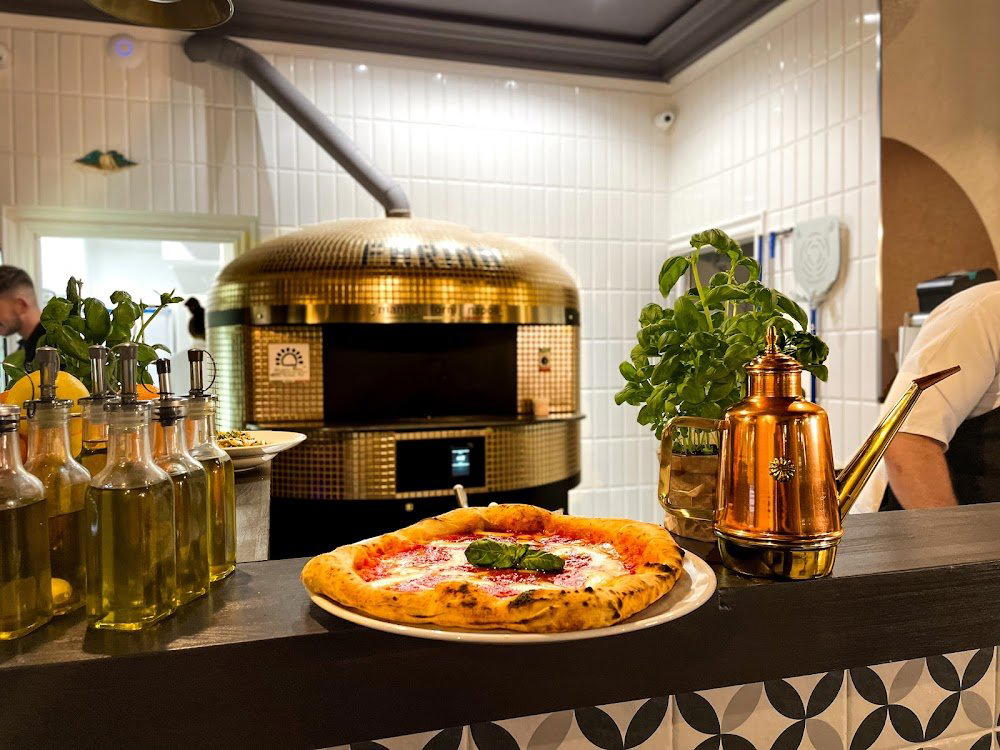
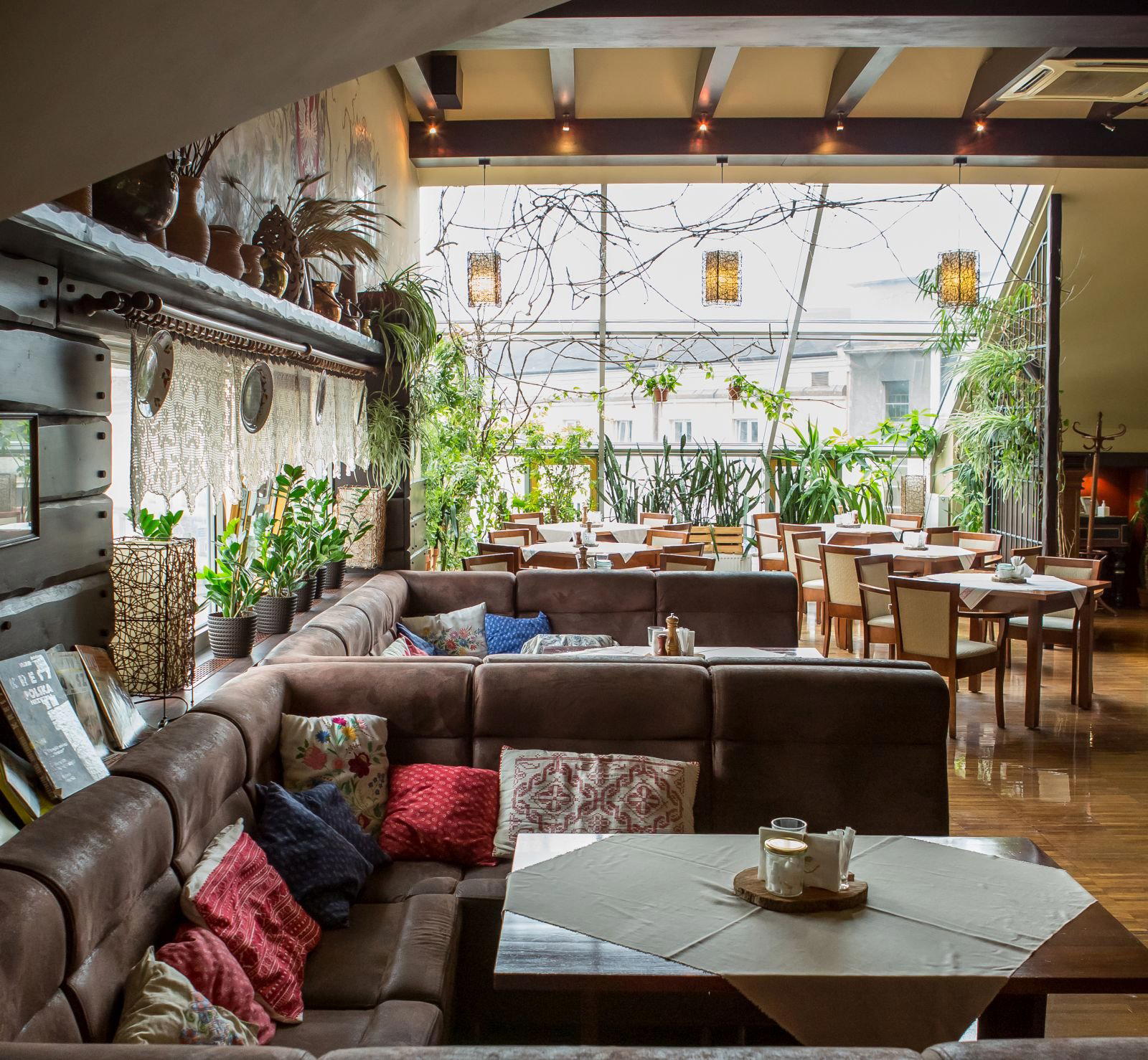
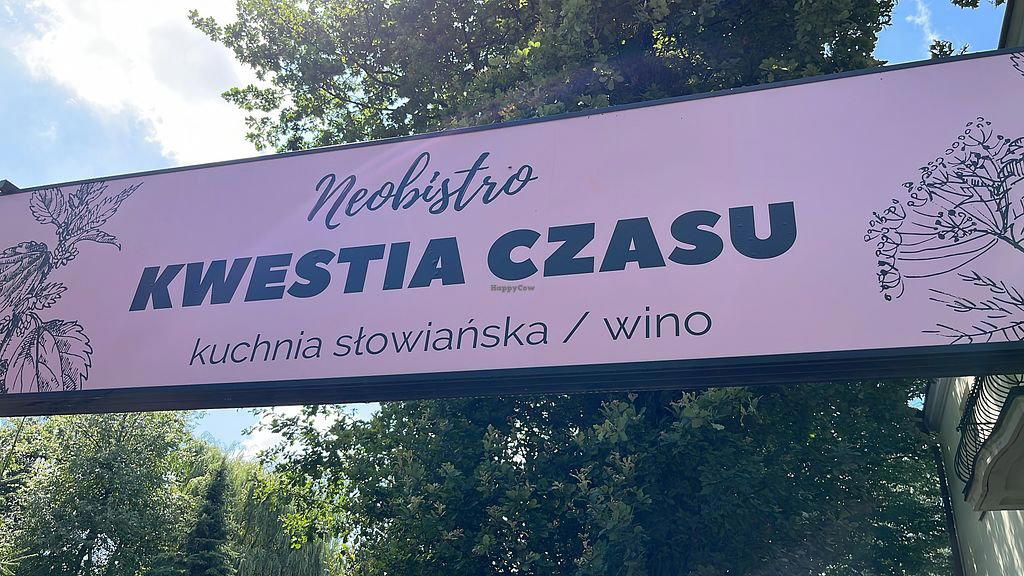
Białystok's restaurant scene is genuinely wider than its size might suggest. Kwestia Czasu holds serious local standing. Farina Kijowska covers the Neapolitan pizza niche. PizzaProsta handles a more everyday version of the same category. Tokaj brings a wine-forward sensibility that sits closer to Central European tradition. Sakura Sushi on Czarna Street operates in a different register from all of these, which is precisely what gives it a reason to exist.
The Japanese format, even in its adapted Polish form, draws a customer who is deliberately opting out of the city's dominant culinary grammar. That customer exists in Białystok in meaningful numbers, even if they represent a smaller share of total restaurant traffic than in Warsaw or Poznań, where venues like hub.praga and Muga reflect a more diverse and internationally calibrated dining public.
What the Address on Czarna Street Tells You
The location, Czarna 2/U3, places Sakura Sushi in a central part of the city, in the kind of ground-floor unit that tends to house independent restaurants rather than chains. That positioning matters in a city where the independent dining scene is clustered tightly and word-of-mouth carries significant weight. Unlike Gdańsk or Wrocław, where Japanese dining has had more time and more international visitors to develop its foothold, Białystok's sushi audience is built primarily from local regulars rather than tourism traffic.
For comparison, sushi formats in smaller Polish cities have generally followed a similar trajectory: initial novelty, consolidation into a smaller number of addresses with genuine local followings, and a gradual increase in fish quality and menu range as local distributors have expanded. That same arc is visible in places like Cudne Manowce in Olsztyn and Górnik in Kraków, where niche formats have found stable audiences without necessarily competing at the level of a regional flagship. The Italian-influenced dining scene, represented in other Polish cities by addresses like Włoska Restauracja Bellanuna in Rzeszów and Arco by Paco Pérez in Gdańsk, runs on a different logic entirely, but the pattern of niche formats finding loyal local audiences in mid-sized cities is consistent across categories.
For a visitor to Białystok, or a local resident who has not yet tried the address on Czarna Street, the practical case for a visit is direct: the city does not have an oversupply of sushi options, which means Sakura Sushi holds a position by default that a comparable restaurant in Warsaw or Kraków would have to earn against steeper competition.
Planning Your Visit
Sakura Sushi is located at Czarna 2/U3 in central Białystok. Confirming availability before visiting is advisable, particularly on weekend evenings when independent restaurants in this part of the city tend to be busiest. The address is in a walkable central area, accessible on foot from most of Białystok's main accommodation options.
Cuisine and Recognition
Comparable venues nearby, for context on price, style, and recognition.
| Venue | Cuisine | Price | Notes |
|---|---|---|---|
| Sakura Sushi BiałystokThis venue — the venue you are viewing | Japanese Sushi | $$ | Not listed |
| Kwestia Czasu | Modern Seasonal Polish | $$ | Not listed |
| Farina Kijowska Napoletano Vero Pizza Białystok Najlepsza Restauracja Włoska | Authentic Neapolitan Pizza | $$ | Centrum |
| PizzaProsta | Simple Pizza | $$ | Centrum |
| Sztuka Chleba i Wina | Artisanal Bakery & Wine Bar | $$ | City Center (Krakowska Street) |
| Tokaj | European | $$ | Bialystok center |
Continue exploring
More in Białystok
At a Glance
- Cozy
- Casual Hangout
- Sake Program
Current opening hours
- Monday
- 11 AM–10 PM
- Tuesday
- 11 AM–10 PM
- Wednesday
- 11 AM–10 PM
- Thursday
- 11 AM–10 PM
- Friday
- 11 AM–10 PM
- Saturday
- 11 AM–10 PM
- Sunday
- 11 AM–10 PM
Hours can change for holidays and private events. Last verified .
Laid-back with Japanese-inspired interior