Tokaj occupies a historically charged address in Białystok's former Jewish quarter, positioning it alongside a small tier of restaurants in the city that draw as much meaning from their location as from their menus. The name itself signals a deliberate cultural orientation toward Central European wine and culinary tradition, placing it in a different conversation from the city's Italian and Asian dining options.
Pearl is the En Primeur Club membership app — saves, bookings, and concierge access live there. Same editors, same standards.
- Address
- Icchoka Malmeda 7, 15-440 Białystok, Poland
- Phone
- +48857420807
- Website
- tokaj.com.pl
- Directions
- Get directions
 Saves & bookings on Pearl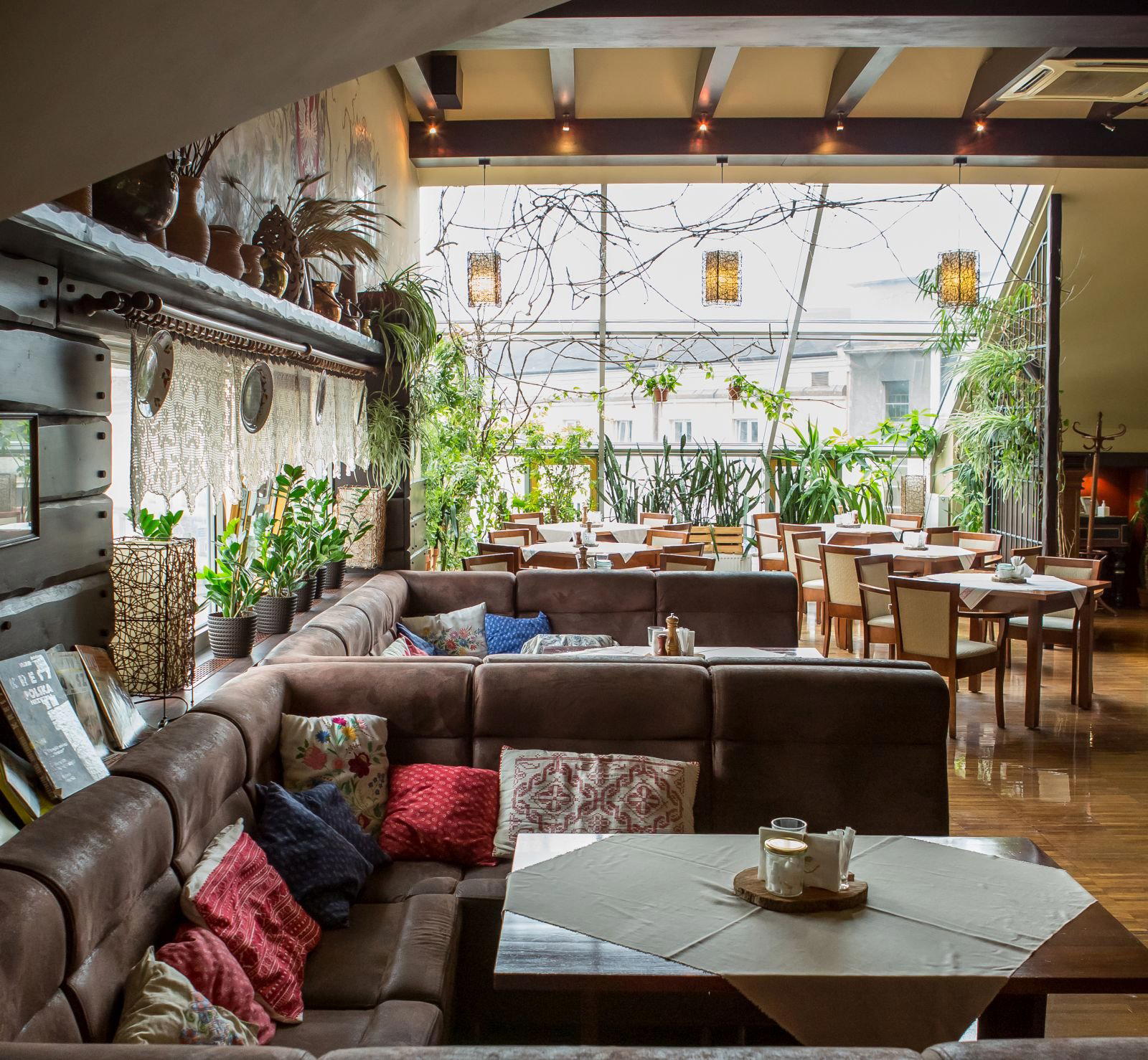
A Street With Memory
Icchoka Malmeda Street is not a neutral address. Running through what was once the heart of Białystok's Jewish quarter, it carries the weight of a community that shaped this city's commercial and cultural identity for centuries before the Second World War. Restaurants that open here are, whether they intend to or not, in dialogue with that history. The name Tokaj compounds that signal: it references the wine region straddling northeastern Hungary and southwestern Slovakia, a territory whose own history of shifting borders and cultural plurality runs parallel to northeastern Poland's.
This part of Białystok has been undergoing a slower, quieter transformation than the more tourist-facing streets closer to the Branicki Palace or the main market square. Malmeda Street and its surroundings attract a more locally rooted crowd, residents of the Chanajki neighbourhood and nearby districts who treat the area as their own rather than as a destination. That distinction matters for how restaurants here pitch themselves and who fills their rooms on a Tuesday evening versus a Friday night.
Białystok's Dining Map and Where This Address Sits
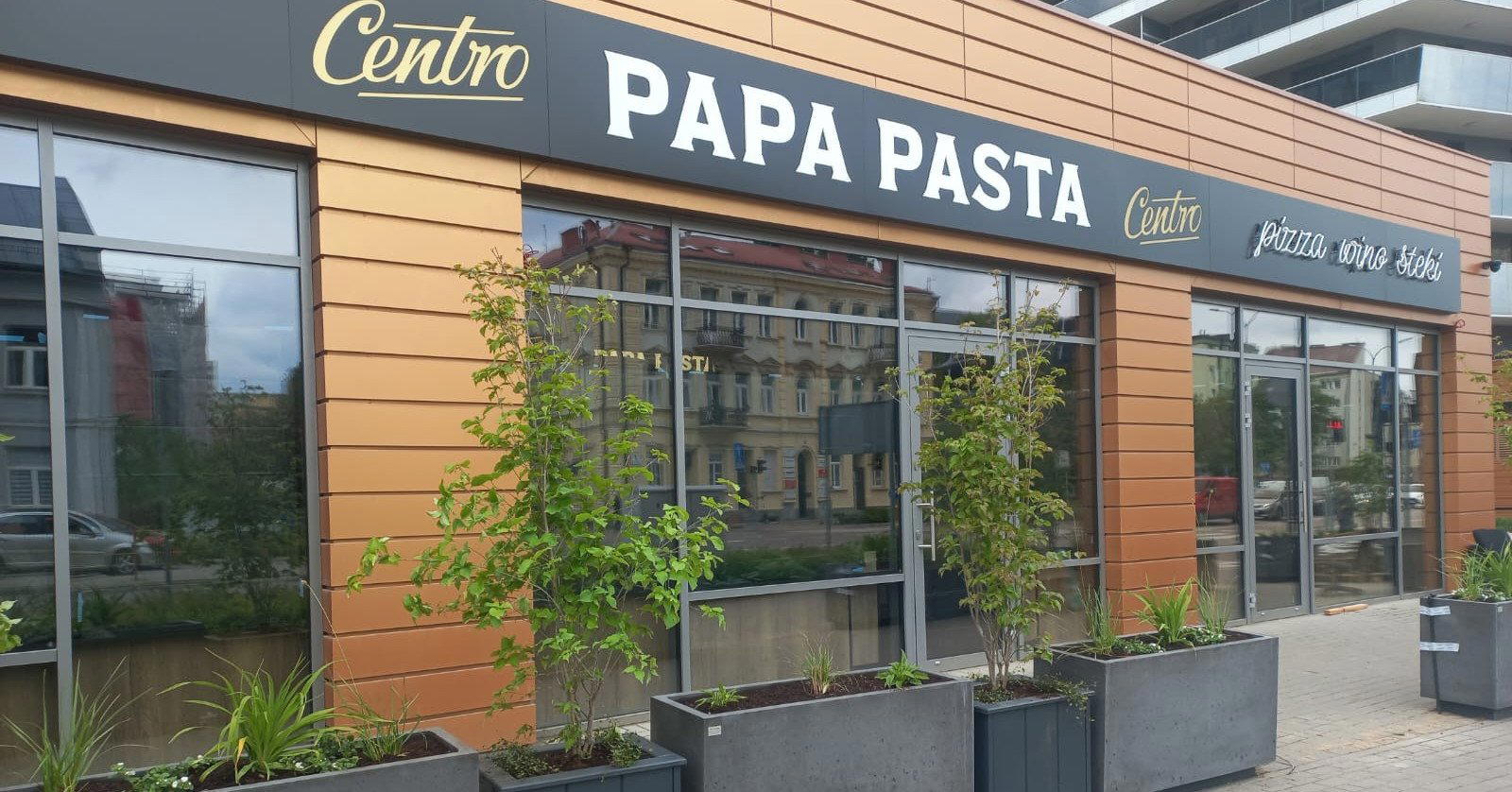
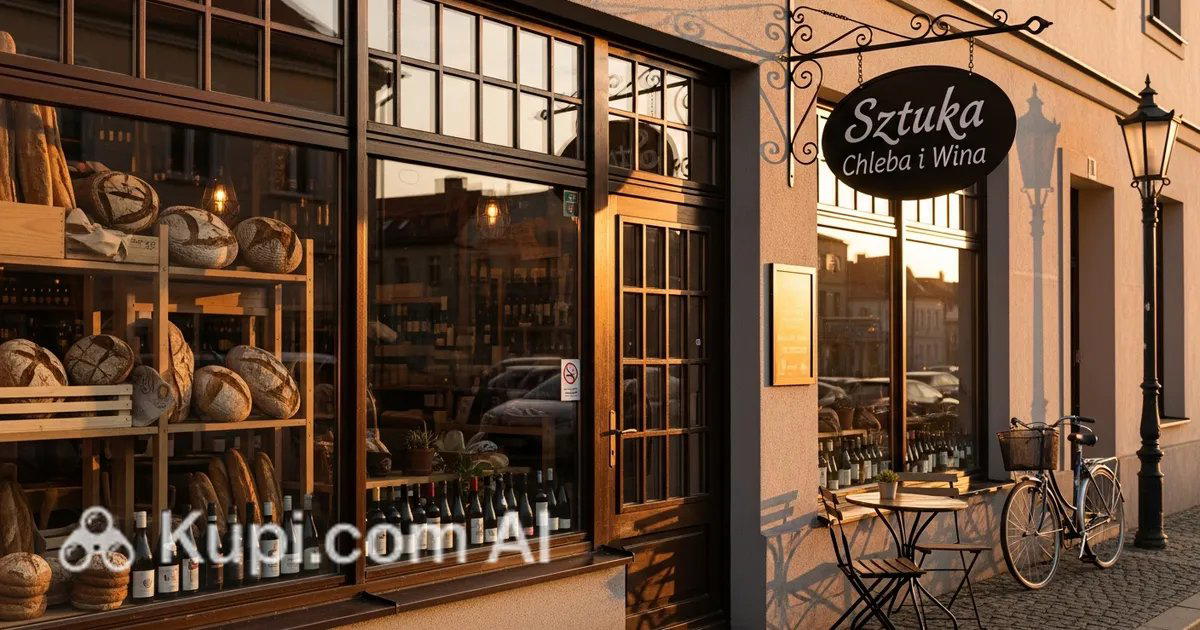
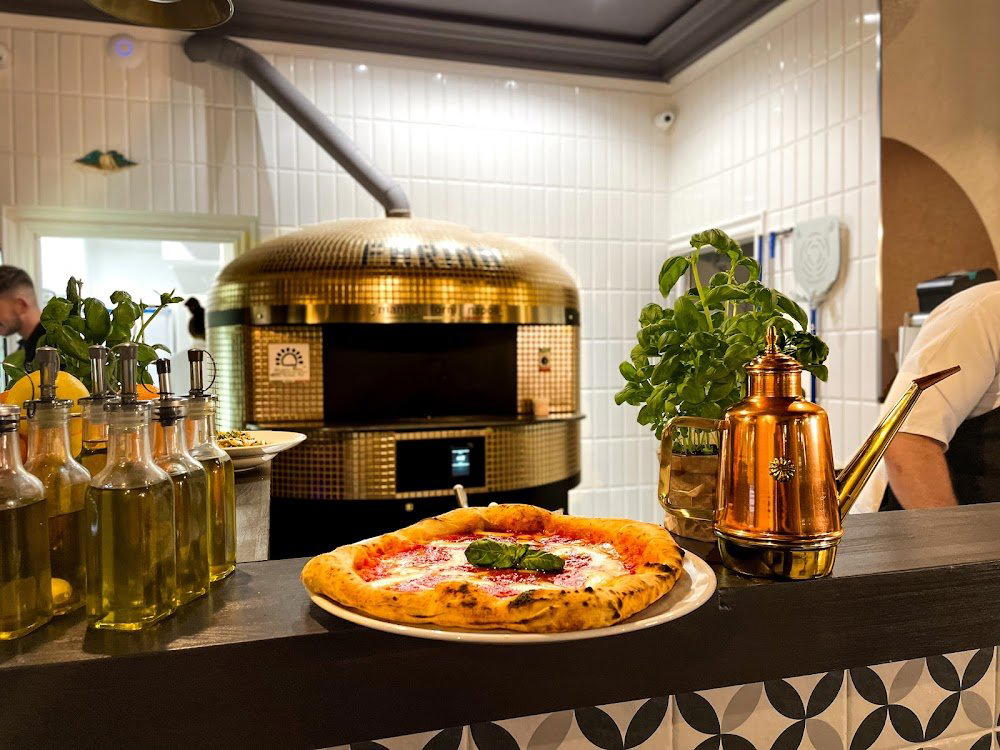
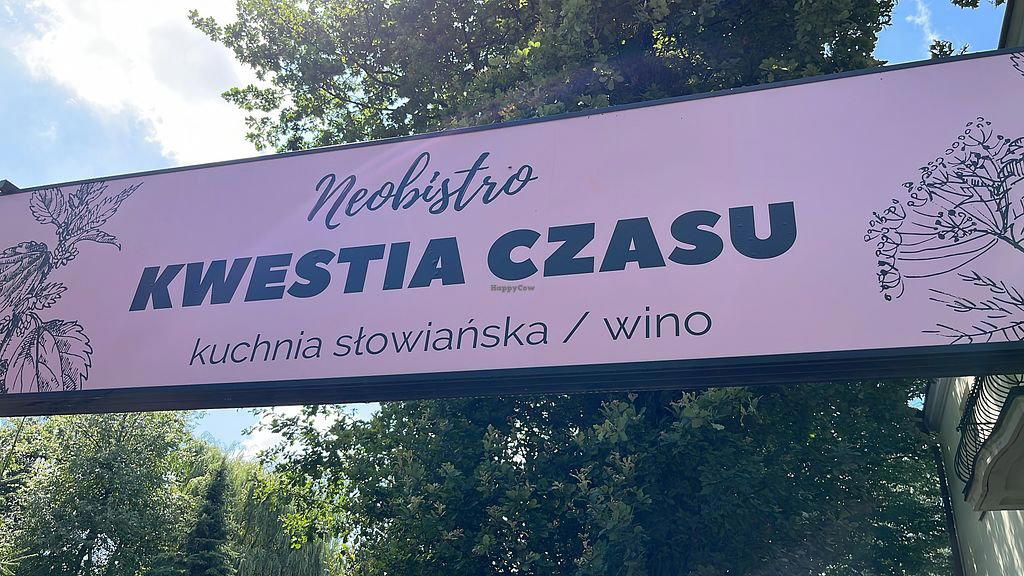
Białystok occupies an unusual position in Poland's restaurant conversation. It is the largest city in the country's northeast, with a population of roughly 300,000, yet it sits largely outside the circuits travelled by food journalists based in Warsaw, Kraków, or Gdańsk. The city has nonetheless developed a genuine local dining culture, with a range of venues that includes neighbourhood-rooted Polish cooking, Italian formats, and a growing Asian offer. Farina Kijowska Napoletano Vero Pizza represents the serious Neapolitan pizza end of that spectrum, while PizzaProsta occupies a more accessible, casual tier. Sakura Sushi Białystok addresses the Japanese segment of the market. Kwestia Czasu and Sztuka Chleba i Wina pull toward the wine-conscious, craft-focused end of the local offer.
Tokaj, by name and location, suggests an orientation toward Central European wine culture and the culinary traditions that accompany it. In Poland's broader dining context, that positioning is not crowded. The country's wine bar and wine-led restaurant scene has developed most visibly in Warsaw and Kraków, where venues like Bottiglieria 1881 in Kraków have built reputations around serious cellar depth and kitchen ambition. Białystok has fewer venues operating at that register, which gives a wine-named address on a historically significant street a certain amount of interpretive space to fill.
The Tokaj Reference and What It Implies
Tokaj as a wine region produces some of Central Europe's most discussed bottles, particularly the Aszú wines made from botrytis-affected Furmint grapes, which carry a sweetness balanced by pronounced acidity. The region's prestige within the European fine wine conversation is well established, and Hungarian producers have spent the past two decades rebuilding that reputation after the communist-era decline of the appellation's quality. A restaurant taking this name in northeastern Poland, a region with its own historical ties to the former Polish-Lithuanian Commonwealth and proximity to the Belarusian border, is gesturing toward a specific cultural and geographic imagination: Central European, historically layered, distinct from the westward-facing Italian or French references that dominate Poland's premium dining vocabulary.
That cultural orientation connects to a broader trend visible across Poland's mid-sized cities. As Warsaw and Kraków have absorbed internationally legible dining formats, cities like Białystok, Poznań, and Rzeszów have developed venues that speak more directly to regional and Central European identity. Muga in Poznań and Włoska Restauracja Bellanuna in Rzeszów each reflect their cities' particular dining characters. Tokaj's address and name suggest it belongs to a similar locally anchored conversation rather than importing a format from elsewhere.
Planning a Visit to Malmeda Street
Getting to Icchoka Malmeda 7 is direct from Białystok's centre. The address sits within walking distance of the city's main pedestrian areas, making it accessible on foot from most central accommodation. Because Białystok functions primarily as a regional hub rather than a major tourist destination, the city's better restaurants tend to operate on cycles shaped by local demand: busier on weekend evenings, quieter mid-week. Tokaj is open daily from 12 to 10 PM, and reservations are recommended.
Białystok's food scene rewards visitors who look beyond the obvious and engage with the city on its own terms rather than measuring it against Warsaw or Gdańsk.
The Quick Read
Comparable venues nearby, for context on price, style, and recognition.
| Venue | Cuisine | Price | Notes |
|---|---|---|---|
| TokajThis venue — the venue you are viewing | Bialystok center, European | $$ | Not listed |
| Kwestia Czasu | Modern Seasonal Polish | $$ | Not listed |
| PizzaProsta | Centrum, Simple Pizza | $$ | Not listed |
| Farina Kijowska Napoletano Vero Pizza Białystok Najlepsza Restauracja Włoska | Centrum, Authentic Neapolitan Pizza | $$ | Not listed |
| Sakura Sushi Białystok | Czarna, Japanese Sushi | $$ | Not listed |
| Sztuka Chleba i Wina | Not listed | $$ | City Center (Krakowska Street), Artisanal Bakery & Wine Bar |
Continue exploring
More in Białystok
At a Glance
- Date Night
Current opening hours
- Monday
- 12–10 PM
- Tuesday
- 12–10 PM
- Wednesday
- 12–10 PM
- Thursday
- 12–10 PM
- Friday
- 12–10 PM
- Saturday
- 12–10 PM
- Sunday
- 12–10 PM
Hours can change for holidays and private events. Last verified .