
Tabelog 100 #52
Our verdict
Sakana ya Ajisen belongs to Tokyo’s fish-led izakaya tradition rather than the city’s formal tasting-menu circuit. Its Tabelog 100 Izakaya EAST selections in 2024 and 2025 place it among a tighter group of taverns where seafood, sake, shochu, counter seating, and repeat local use carry more weight than spectacle.

Pearl is the En Primeur Club membership app, where members save venues, book tables and use the concierge.
The menu
What to order
- Assorted seasonal sashimi
- Simmered conger eel (Nitsume Anago)
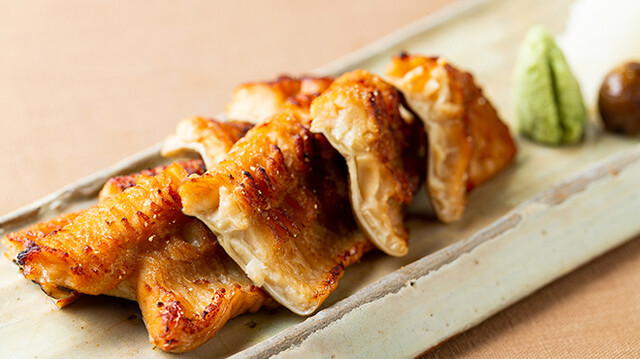
- Grilled anago
- Homemade croquettes
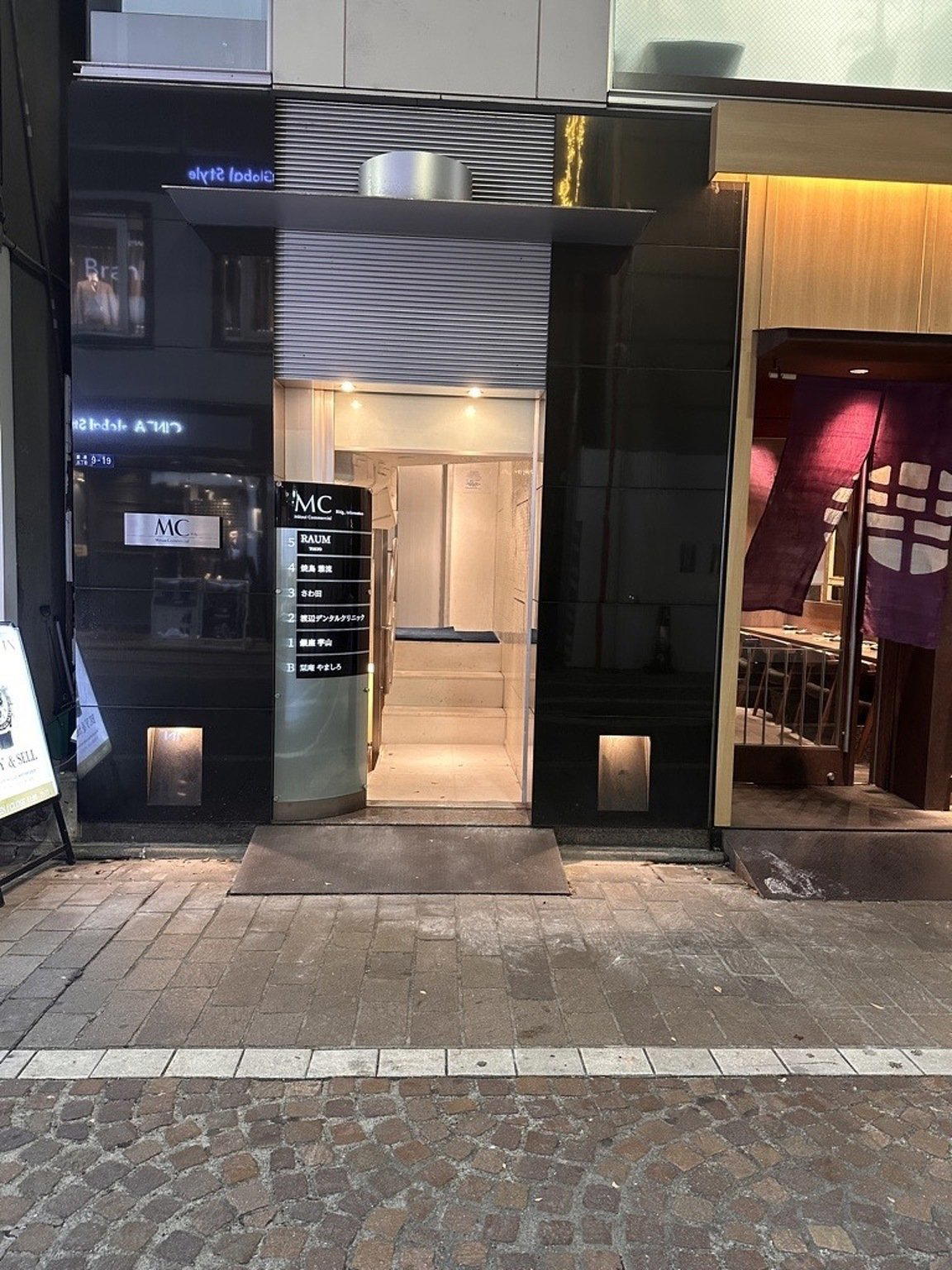
Tokyo changes register quickly from one dining context to the next: apartment blocks, narrow shopfronts, and the practical rhythm of local streets can sit close to more polished restaurant corridors. That setting matters for understanding Sakana ya Ajisen. The appeal is not luxury theatre; it is the older Tokyo izakaya grammar of drink, close conversation, and a room understood as a tavern rather than a stage.
Tokyo’s izakaya scene has been pulled in two directions over the past decade. One side has moved toward design-led drinking rooms with cocktail-bar lighting and global small plates. The other has doubled down on specialist taverns, where a clear identity defines the night. Sakana ya Ajisen sits in that latter camp as an izakaya recognised within its own category. Its 2025 Tabelog Hyakumeiten recognition is the relevant signal: this is recognition within the izakaya category, not a fine-dining award misapplied to a tavern.
Izakaya cooking in a city that resists easy polish
Tokyo is often reduced to a few shorthand dining images by visitors, but that misses the way the city supports small, useful restaurants with local cadence. An izakaya here reads differently from a venue built mainly for destination dining. The category is less about luxury ceremony and more about matching food and drink over a longer evening. The format rewards proximity: the pace is social, and the food has to carry enough confidence without becoming overly formal.
Within Tokyo pricing, Sakana ya Ajisen occupies a middle tier for izakaya dining, listed at JPY 6,000 to JPY 7,999 for dinner. Comparisons with Kishida Ya, Korean Dun, Sakazuki, Yakiniku Rin, and Zaichi are useful because izakaya value in Tokyo is not measured only by portion size. It depends on ingredient focus, drink fit, availability, and whether the room feels built for regulars or for passing traffic.
The current direction of Tokyo izakaya culture favors specialization over encyclopedic menus. A long laminated list can still be fun, but category attention increasingly goes to places with a clear lane. Here the lane is the izakaya category itself, supported by a dining style where food and drink are meant to work together rather than compete for attention. That does not make the restaurant austere. It places it inside a more adult category of tavern, where the evening is structured by ordering in rounds, reading the room, and treating the shared atmosphere as part of the experience.
The evolution from neighbourhood tavern to category-recognised address
The useful story is not reinvention for its own sake. It is how a small izakaya format has gained sharper visibility as Tokyo diners and ranking platforms have become more granular. A decade ago, international attention in Tokyo tilted heavily toward formal counters, set menus, queues, and hotel dining. Izakaya recognition was often filtered through nostalgia or nightlife. Lists such as Tabelog’s category recognition changed that framing by judging taverns against taverns, not against unrelated fine-dining rooms.
Sakana ya Ajisen’s inclusion in 2025 Tabelog Hyakumeiten recognition indicates visibility within that more specific field. It also signals the modern divide between tourist-famous restaurants and locally legible ones. A tavern operating in the izakaya category works on a different scale from restaurants designed for broad destination dining. The point is not obscurity; it is format discipline. Rooms in this style have less margin for weak ordering, vague direction, or unfocused cooking.
That compact, choice-led style also changes expectations. Tokyo’s premium dining culture often sells certainty: a set menu, a fixed sequence, a named chef, a highly controlled booking ritual. The izakaya model is more elastic. It asks diners to accept a meal built through choices rather than through a prewritten arc. For travellers used to tasting menus, that can feel less legible at first. For experienced Tokyo diners, it is often the better test of a kitchen’s confidence.
Readers mapping the broader city can place this address alongside other Tokyo categories rather than treating it as a standalone trophy. Other Tokyo dining rooms, from casual specialists to more formal restaurants, help frame how varied the city’s food culture can be. Broader planning sits in EP Club’s Tokyo restaurant, hotel, bar, winery, and experience coverage.
Who this night suits
This is a stronger choice for diners who want Tokyo’s drinking-food culture without reducing it to a pub crawl. The format suits diners who are comfortable with the social texture of an izakaya rather than a sealed-off business-dinner environment. It belongs to the shared-room tradition of the tavern, where the room itself is part of the meal.
The verdict is category-specific. Diners chasing a chef biography, a formal progression, or luxury dining cues will find more suitable rooms elsewhere. Diners interested in how Tokyo’s izakaya tradition has become more sharply judged, and how taverns now compete on clarity rather than noise, should pay attention. Sakana ya Ajisen represents the part of the city’s dining evolution that did not need to become grander to become more serious.
For a wider Japan and overseas comparison set, EP Club also tracks other dining rooms in Japan and abroad, using them as context for how specialist venues sit within their own local categories rather than as direct substitutes for Sakana ya Ajisen.
Category Peers
Comparable venues to anchor price and recognition.
| Venue | Cuisine | Price | Awards | Notes |
|---|---|---|---|---|
| Sakana ya AjisenThis venue (the venue you are viewing) | Seafood-focused Japanese Izakaya | $50–100 | Tabelog 100 #52 | Not listed |
| Ginza Birdland | Michelin-Starred Yakitori | $50–100 | Michelin Plate · Tabelog 100 #45 | Chūō |
| Tenmo | Traditional Edomae Tempura Omakase | $100–150 | Tabelog 100 #47 | Chūō |
| Niou | Yoshoku (Japanese-style Western Cuisine) | Not listed | Tabelog 100 #76 | Chiyoda |
| 龍圓 | Creative Modern Chinese | $150–200 | Michelin Plate · Tabelog 100 #46 | Taitō |
| 香下 | Modern Japanese Kaiseki | Not listed | Michelin Plate | Chiyoda |
Recognition history
Dated appearances from independent guides and award organizations, with the underlying list record or original source where available.
Tabelog 100 #52 · No. 52
Tabelog · Tabelog 100 - Izakaya - EAST - 2025
Continue exploring
More in Tokyo
Restaurants in Tokyo
All restaurants in Tokyo →






Details
- Cozy
- Classic
- Intimate
- After Work
- Casual Hangout
- Date Night
- Group Dining
- Solo
- Standalone
- Sake Program
- Beer Program
- Local Sourcing
- A La Carte
- Small Plates
- Counter Dining
- Sake
- Shochu
- Beer
- Pescatarian Friendly
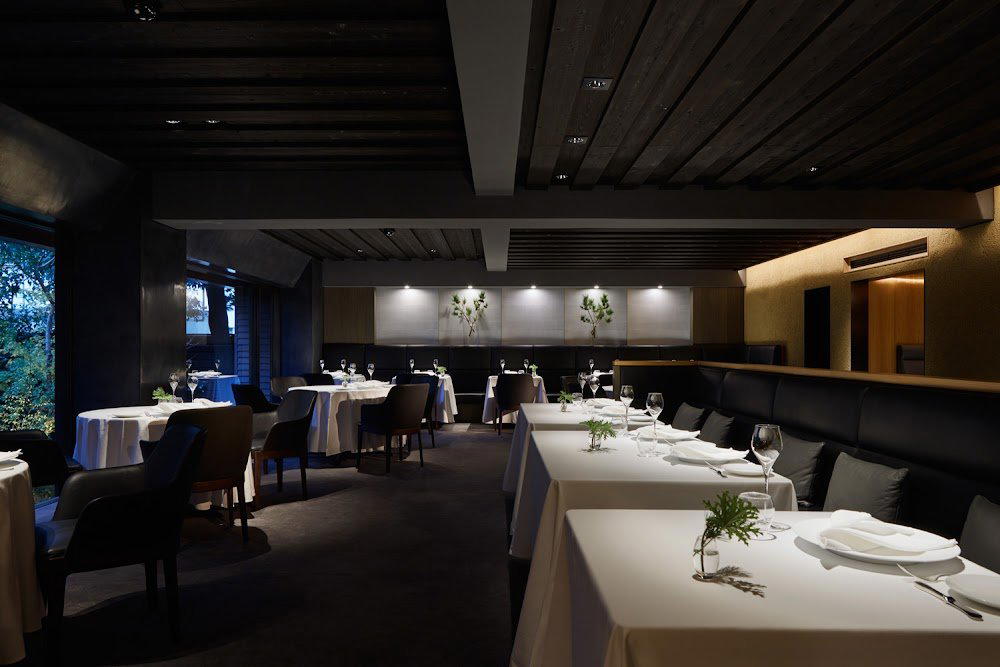
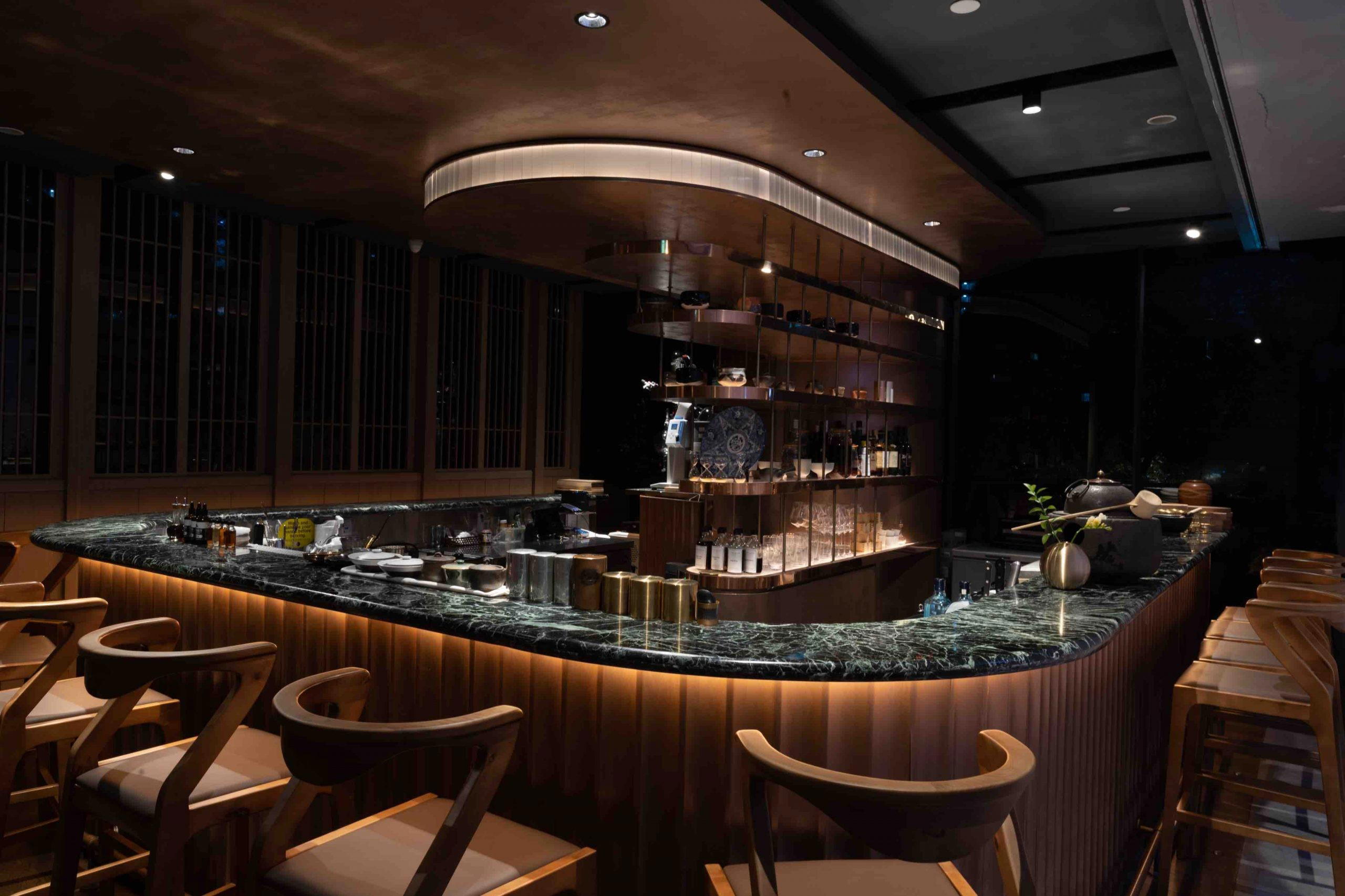
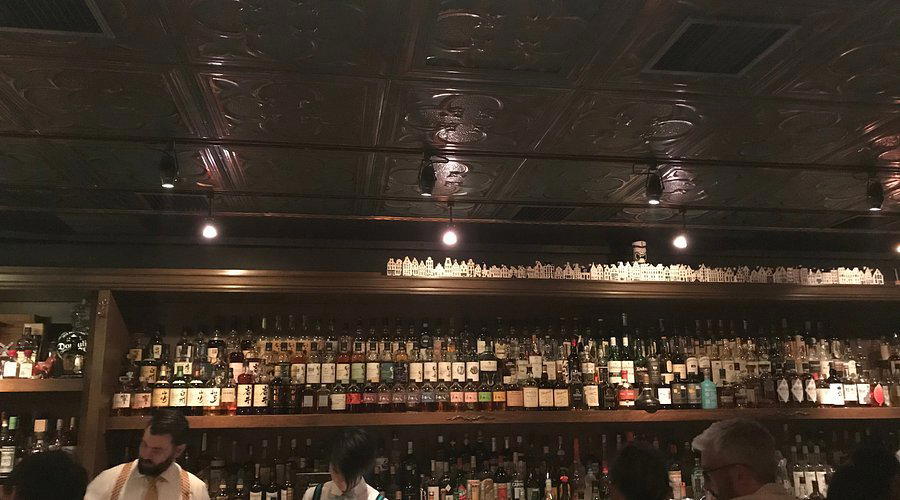
A cozy, wood-accented izakaya tucked on a quiet back street, with an intimate counter and small dining area that feels relaxed and warmly lit—ideal for lingering over sake and carefully prepared seafood with friends or a partner.