
Tabelog 100 #76
Our verdict
Niou sits in Kanda Surugadai’s quieter dining grid, where Tokyo’s yoshoku tradition feels more adult than nostalgic. Its Tabelog 100 Yoshoku EAST 2025 selection, counter seating, private room for six, and dinner spend around JPY 15,000 to JPY 19,999 place it in a more serious tier than casual curry and cutlet rooms.

Pearl is the En Primeur Club membership app, where members save venues, book tables and use the concierge.
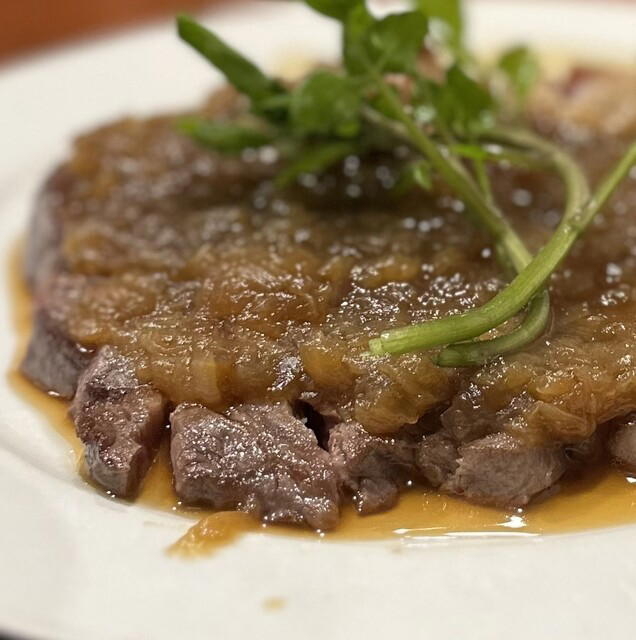
Approaching Niou in Tokyo, the mood changes from city movement to dining concentration. Tokyo has a particular dining rhythm: offices, universities, older cafés, and restaurants that rely less on spectacle than on repeat confidence. Niou belongs to that quieter register. Its listing places it in yoshoku, European, and steak, which matters because the category can swing from everyday comfort to more polished Western-Japanese cooking.
Yoshoku is often misunderstood by visitors as simply retro food, but in Tokyo it covers several price bands and several ideas of taste. At the everyday end are curry shops, hamburg-steak counters, omelette-rice specialists, and tonkatsu rooms built for speed. At the more serious end, European technique and Japanese dining etiquette meet in restaurants where pacing, portioning, and the feel of service shape the meal as much as the menu category. Niou’s listing as yoshoku, European, and steak, plus its Tabelog Hyakumeiten recognition for 2025, puts it in that second conversation rather than the casual nostalgia lane.
Focused dining turns yoshoku into a closer, quieter format
The signal here is not grand architecture; it is concentration. In a more focused Tokyo dining room, Western-influenced Japanese cooking reads differently. Instead of a meal built only around group noise or quick turnover, the experience narrows attention to sequence, temperature, and service cadence. In Tokyo, that kind of focus is associated with many specialist formats, but applied to European-inflected cooking it creates a useful tension: familiar categories, handled with the seriousness of a destination meal.
Niou’s budget gives the restaurant a clear use case without overexplaining it. Many yoshoku addresses in Tokyo are democratic by design, but a dinner budget in the JPY 15,000 to JPY 19,999 range pushes this into planned-dinner territory. Lunch, listed at JPY 6,000 to JPY 7,999, gives a different read on the same category: still above casual yoshoku, but less demanding than the evening spend. That price separation is a useful clue for travellers deciding whether to treat the meal as a focused dining appointment or a daytime detour.
Tokyo also helps explain the restraint. Some Western-Japanese dining rooms turn the category into theatre, while others reward restaurants that feel tucked into daily city life rather than staged for visitors. Niou’s Tabelog score of 3.69 and selection for the 2025 Tabelog Hyakumeiten list are trust signals inside a genre where local evaluation carries weight. This is not the Michelin omakase economy, and judging it by that logic would miss the point. The comparison set is yoshoku rooms, steak-leaning European-Japanese restaurants, and specialist dining where comfort food has been priced and structured for adults.
The serious end of Tokyo's Western-Japanese tradition
Tokyo’s yoshoku history is built on adaptation: cutlets, stews, sauces, rice plates, grills, and Western techniques absorbed into Japanese dining habits. The category can be playful, but it is not automatically casual. At the higher end, it becomes a study in balance: not French dining, not diner food, not steakhouse excess, but a Japanese grammar for Western ingredients and service forms. Niou’s categories, yoshoku, European, and steak, point to that hybrid without requiring a long chef narrative.
Price is the cleanest way to locate the restaurant. Citywide casual peers sit much lower: CHANTOYA COCONUT CURRY lists around JPY 1,000 to JPY 1,999, Ponchi Ken around JPY 2,000 to JPY 2,999, and Indian Street Food & Bar GOND around JPY 3,000 to JPY 3,999 at dinner. Those venues answer different cravings and budgets. Niou occupies a rarer Tokyo slot: yoshoku treated as a planned evening, with enough formal structure to justify attention but without the ceremonial codes of kaiseki or sushi.
That distinction is useful for visitors building a Tokyo food itinerary. A city can exhaust diners with temples of precision, and the better move after several highly focused meals is not always another omakase. A serious yoshoku address offers a different kind of Tokyo literacy. It shows how European influence became local, how steak and sauce-based cooking can sit inside Japanese hospitality, and how an understated restaurant can carry the meal without decorative drama.
How to place Niou in a Tokyo itinerary
The strongest argument for Niou is not novelty; it is category depth. Tokyo travellers often understand sushi, ramen, tempura, and yakitori before they arrive, while yoshoku gets flattened into comfort food. This address helps correct that. Its Tabelog Hyakumeiten 2025 recognition gives it a documented position within the genre, while the price level points to a meal paced for attention rather than speed.
For a wider Tokyo plan, build contrast rather than repetition. Pair this kind of dinner with other Tokyo dining rooms: seafood-focused meals, focused dining formats, yakitori, visual café culture, or curry. For broader planning, see Our full Tokyo restaurants guide, Our full Tokyo hotels guide, Our full Tokyo bars guide, Our full Tokyo wineries guide, and Our full Tokyo experiences guide.
Travellers extending the route beyond Niou can set it against other Japanese dining categories and regional moods in more general terms: beef-focused meals, café culture, contemporary dining, Vietnamese cooking, curry, minimalist dining, sake-bar formats, and Japanese casual formats abroad. The point is contrast: yoshoku reads clearly when it is not treated as a substitute for French food or as a casual curry stop, but as its own Tokyo tradition with a serious tier.
Frequently asked questions
Is Niou more mid-range or high-end?
Pricing at Niou is listed as Dinner: JPY 15,000 - JPY 19,999; Lunch: JPY 6,000 - JPY 7,999.
What's Niou's location?
Tokyo.
Can I walk in to Niou?
Niou is in Tokyo, and its Tabelog Hyakumeiten 2025 recognition suggests treating it as a planned meal rather than assuming a casual drop-in.
What's the signature at Niou?
Niou’s clear identity is yoshoku, with European and steak listed alongside it. The restaurant’s Tabelog Hyakumeiten 2025 recognition points to that Western-Japanese style rather than a single named dish.
Do they accommodate allergies at Niou?
The safest approach is to call +81-3-3293-2020 before booking and discuss any restrictions directly.
Peers in This Market
Comparable venues to calibrate price, style, and recognition.
| Venue | Cuisine | Price | Awards | Notes |
|---|---|---|---|---|
| NiouThis venue (the venue you are viewing) | Yoshoku (Japanese-style Western Cuisine) | Not listed | Tabelog 100 #76 | Not listed |
| Indian Street Food & Bar GOND | Indian Street Food & Curry | $20–30 | Tabelog 100 #55 | JPY 3,000 - JPY 3,999 JPY 1,000 - JPY 1,999 |
| CHANTOYA COCONUT CURRY | Coconut-focused Japanese curry | $10–20 | Tabelog 100 #30 | JPY 1,000 - JPY 1,999 JPY 1,000 - JPY 1,999 |
| Ponchi Ken | Tonkatsu & Pork Shabu by Western-Cuisine Chef | $20–30 | Tabelog 100 #32 | JPY 2,000 - JPY 2,999 JPY 2,000 - JPY 2,999 |
| SANTOSHAM | Authentic South Indian (Kerala) | $20–30 | Michelin Bib Gourmand · Tabelog 100 #8 | Indian |
| Mikokoro Mutenka China 935 | Additive‑Free Modern Chinese | $50–100 | Tabelog 100 #58 | JPY 8,000 - JPY 9,999 JPY 1,000 - JPY 1,999 |
Recognition history
Dated appearances from independent guides and award organizations, with the underlying list record or original source where available.
Tabelog 100 #76 · No. 76
Tabelog · Tabelog 100 - Yoshoku - EAST - 2025
Continue exploring
More in Tokyo
Restaurants in Tokyo
All restaurants in Tokyo →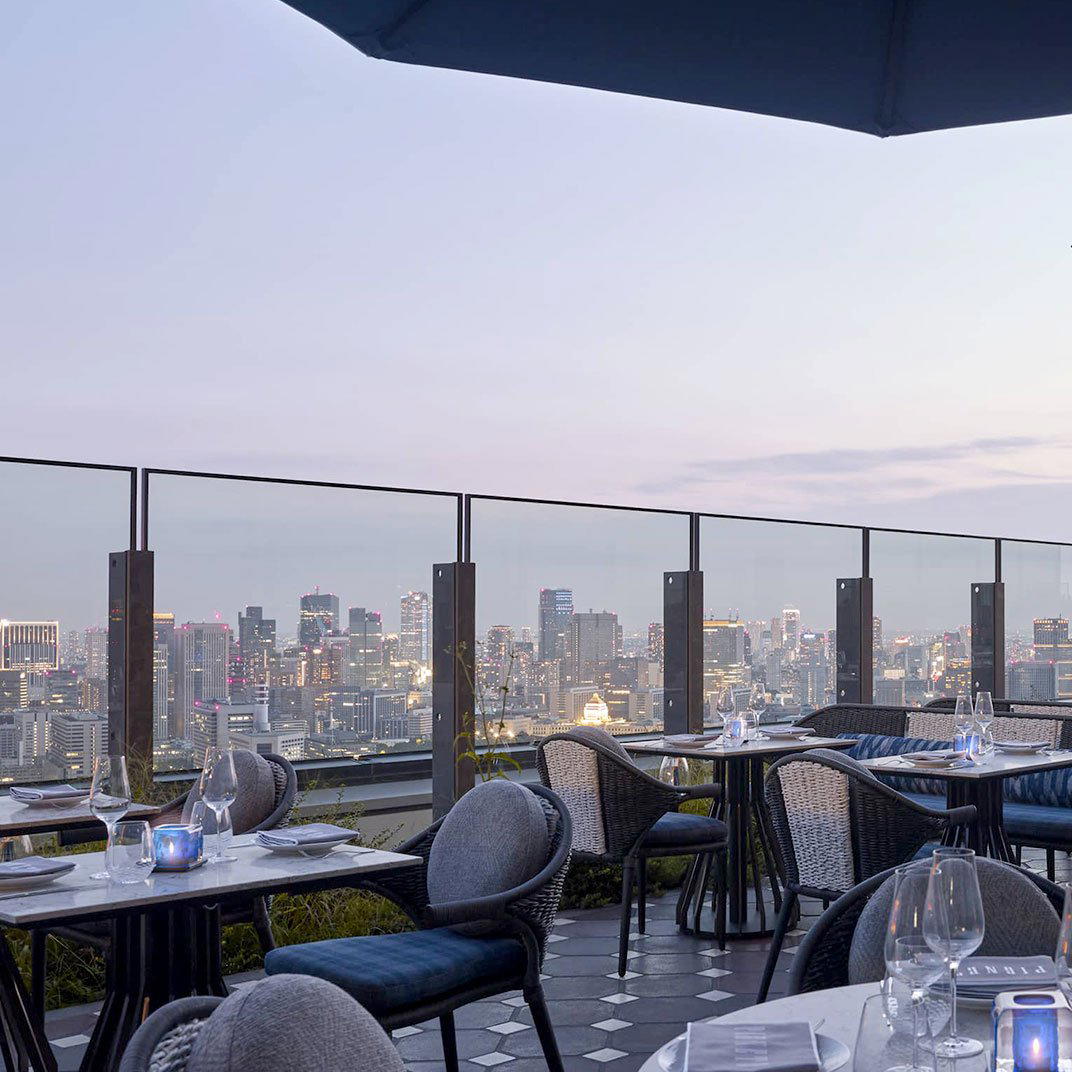

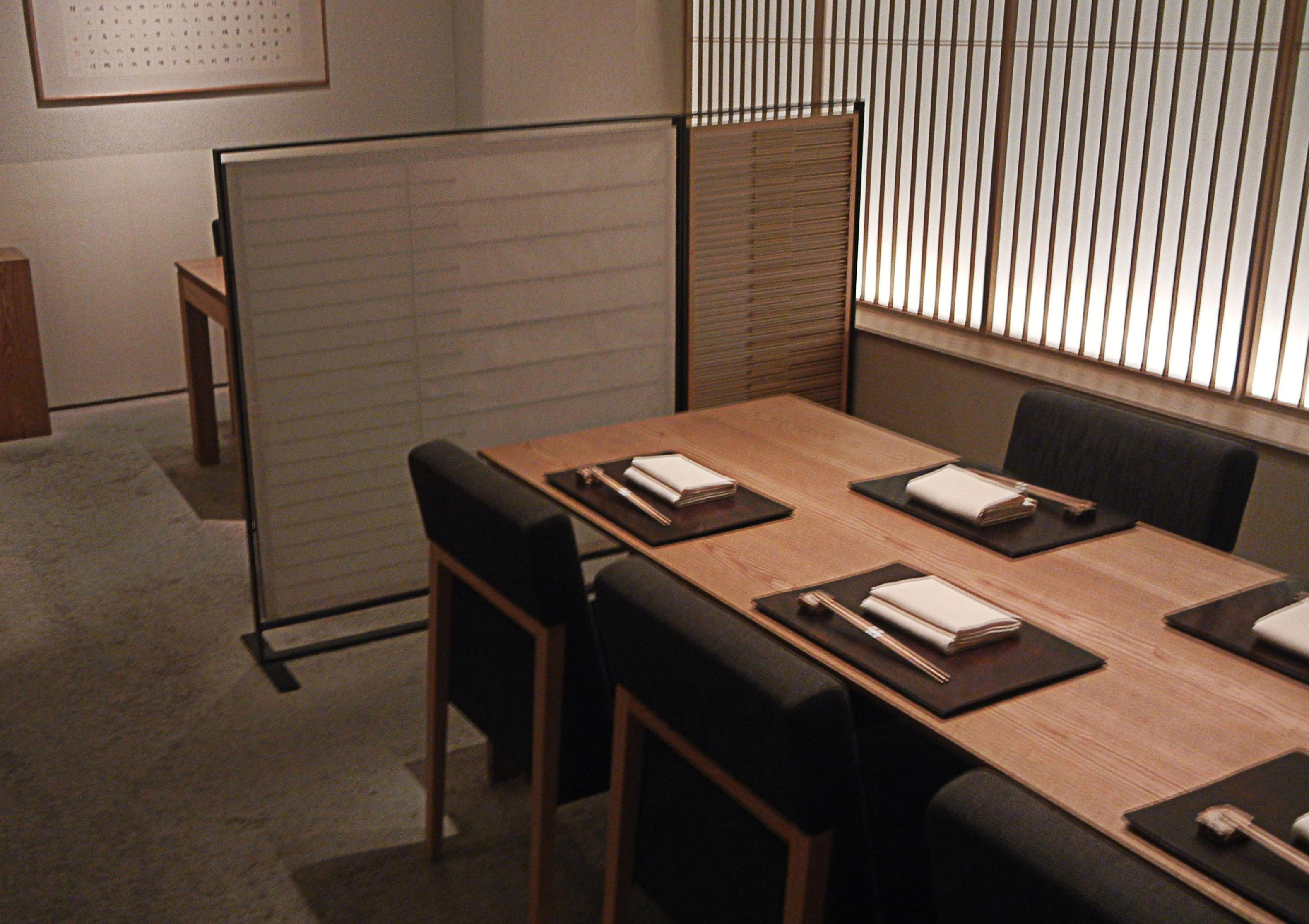
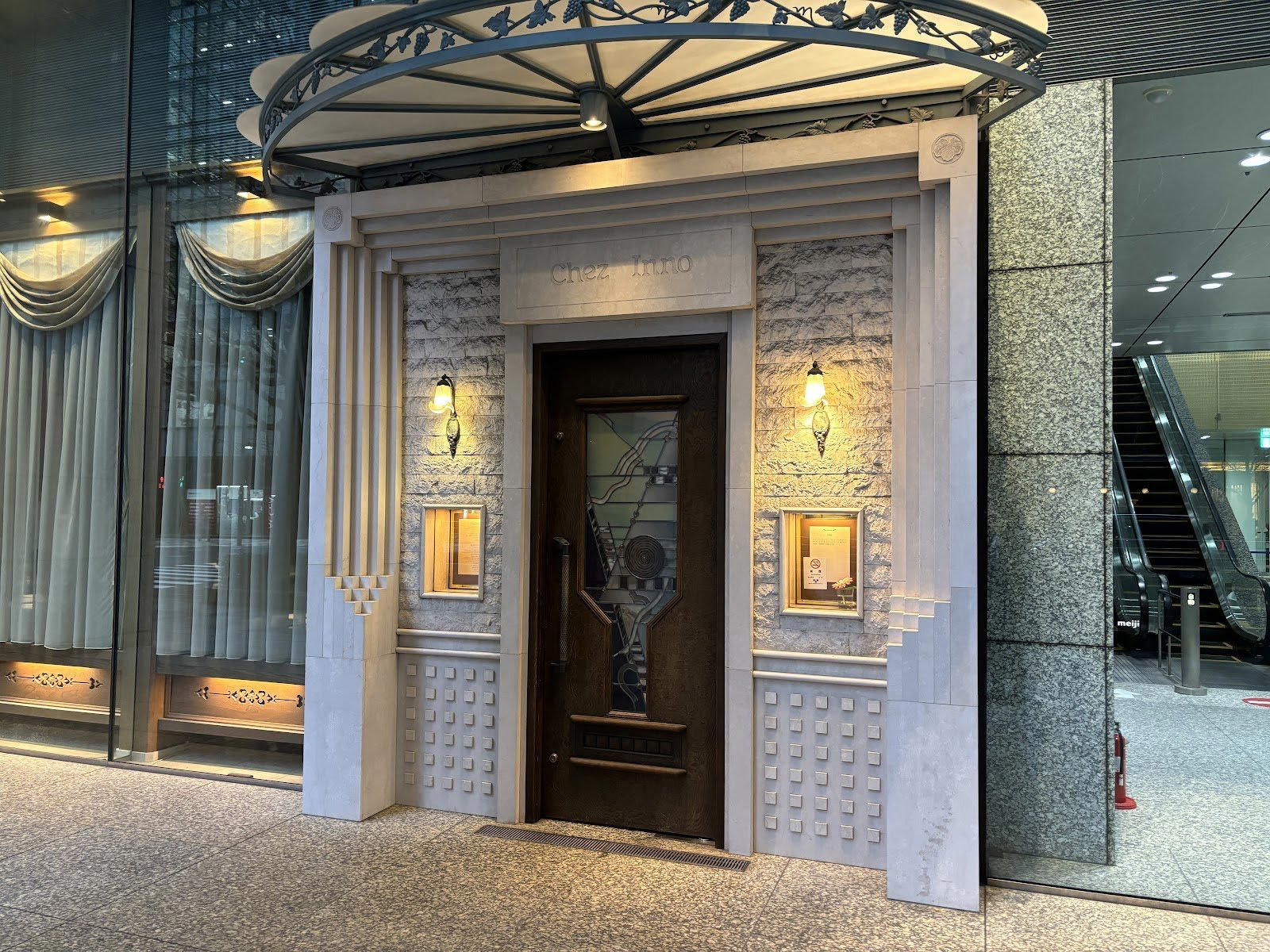




Details
- Classic
- Cozy
- Sophisticated
- Solo
- Business Dinner
- Casual Hangout
- Special Occasion
- Private Dining
- Standalone
- A La Carte
- Set Menu
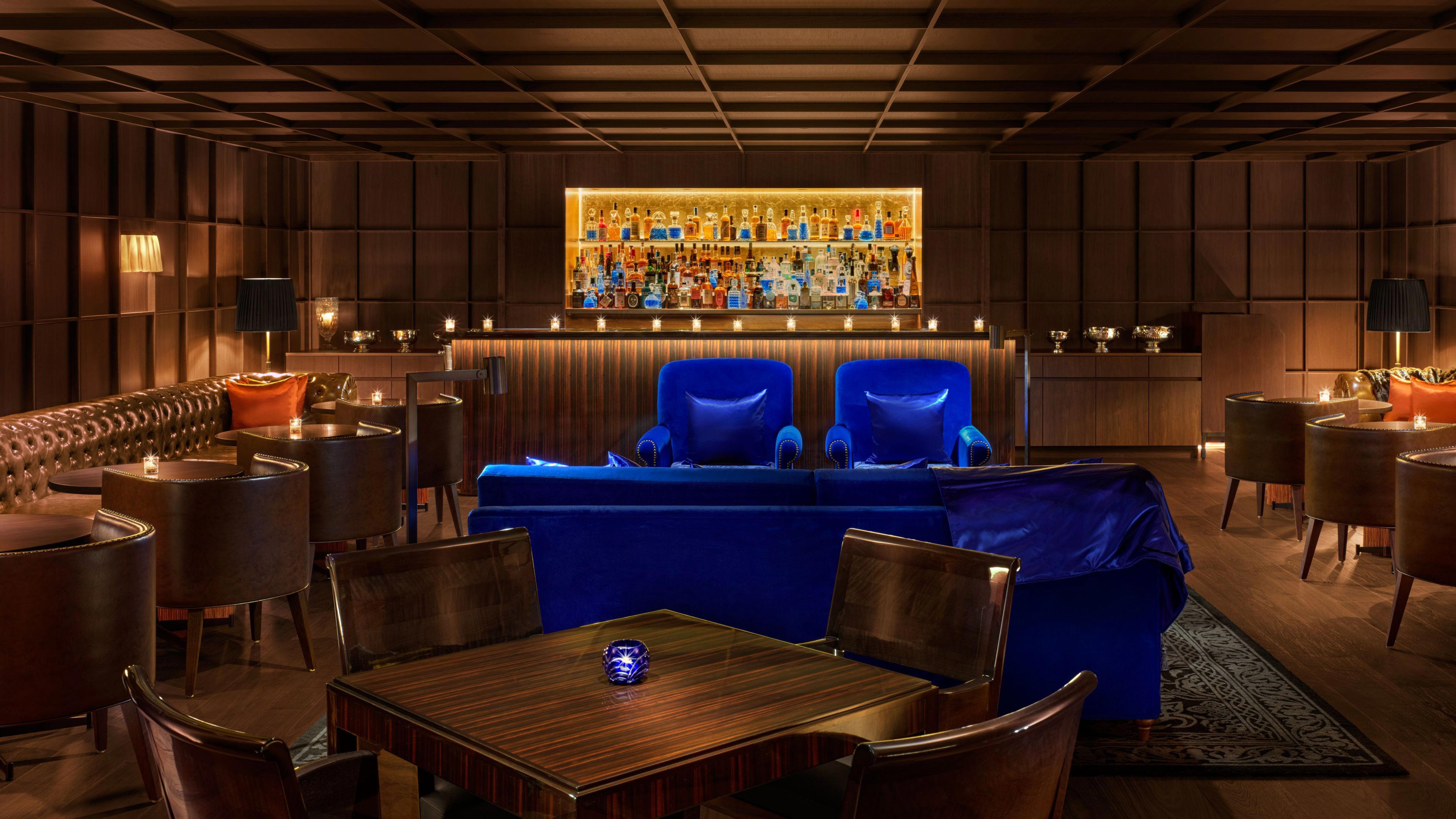
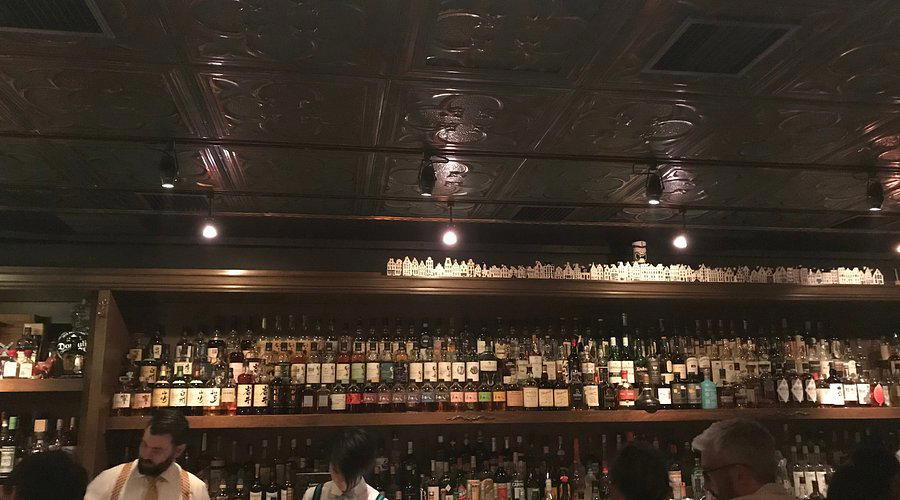
A relaxed, tucked-away dining room with counter seating and a calm, non-smoking atmosphere that feels more like a discreet neighborhood hideout than a flashy destination.