Saffron Restaurant
Saffron Restaurant sits within Amorita Resort on Alona Beach, positioning it among the more considered dining options on Panglao Island. The setting places it at the quieter, resort-anchored end of Bohol's dining range, away from the beachfront hawker strip. For travellers staying on the island, it represents the higher-tier option in a market where ingredient sourcing and kitchen discipline vary considerably.
Pearl is the En Primeur Club membership app — saves, bookings, and concierge access live there. Same editors, same standards.
- Address
- Alona Beach, Amorita Resort 1 Ester A. Lim Drive,Barangay, Tawala, PanglaoIsland, 6340 Bohol, Philippines
- Phone
- +63 38 502 9002
- Website
- amoritaresort.com
- Directions
- Get directions
 Saves & bookings on Pearl
Where Alona Beach Meets the Resort Table
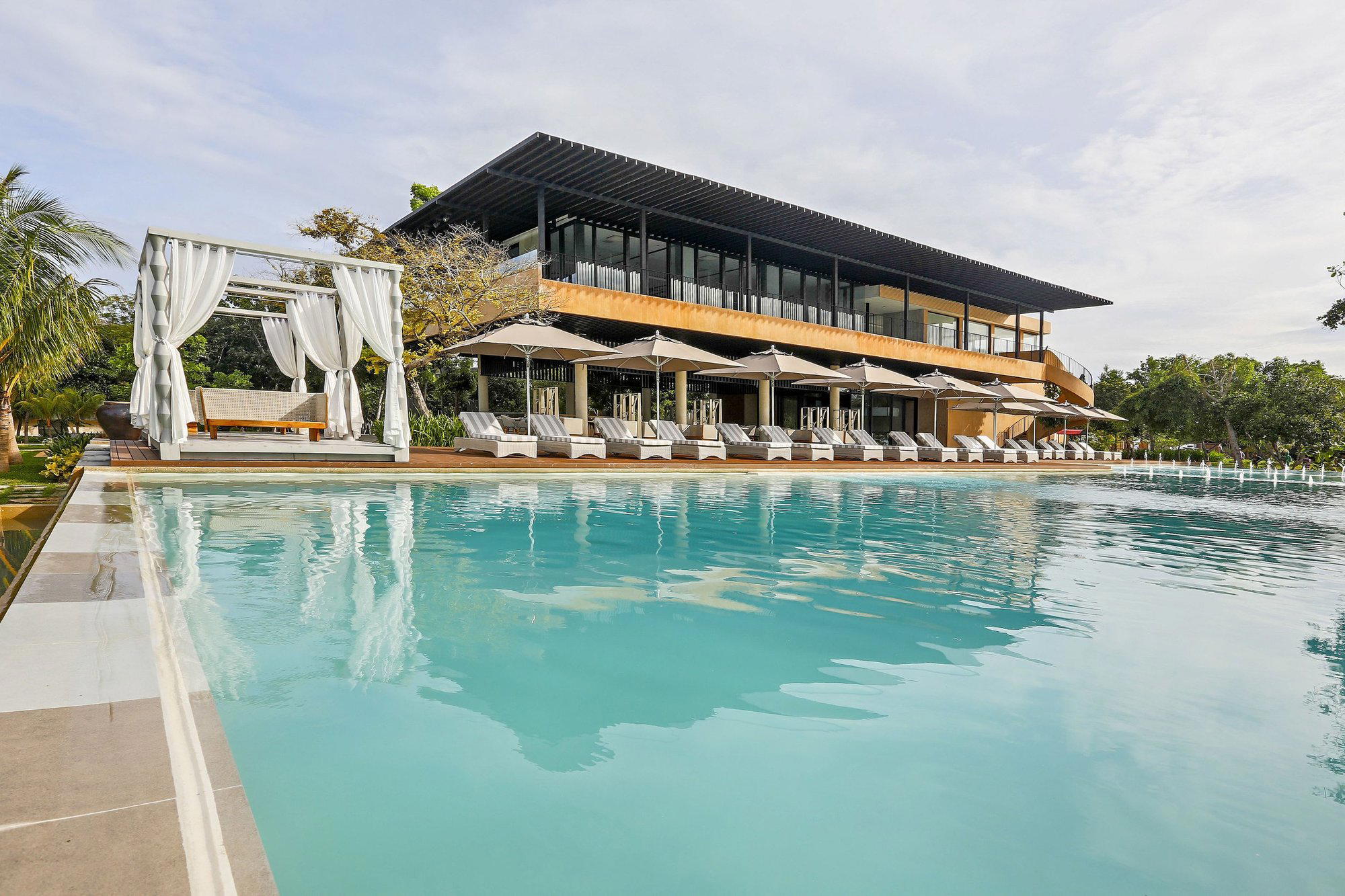
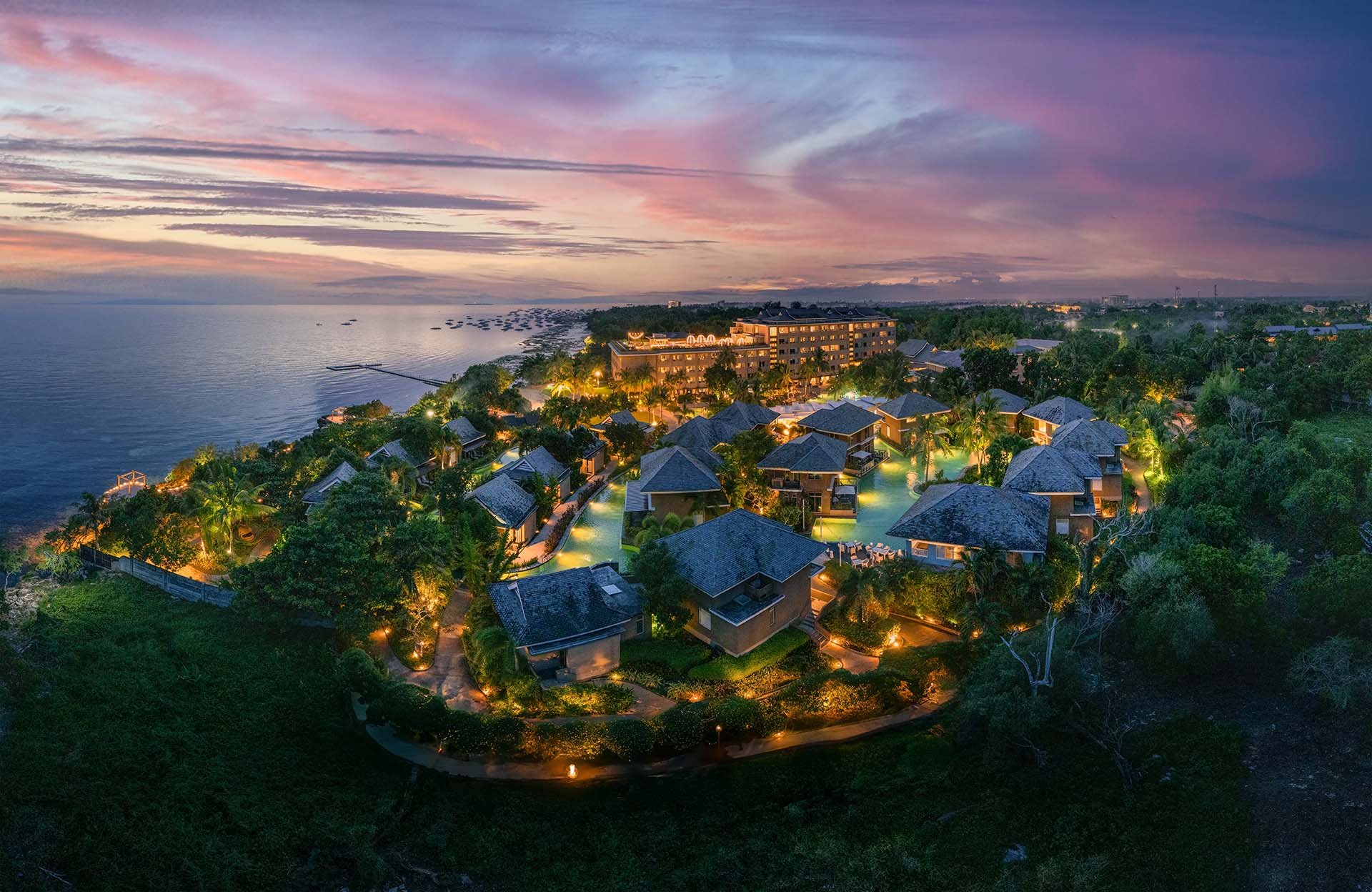
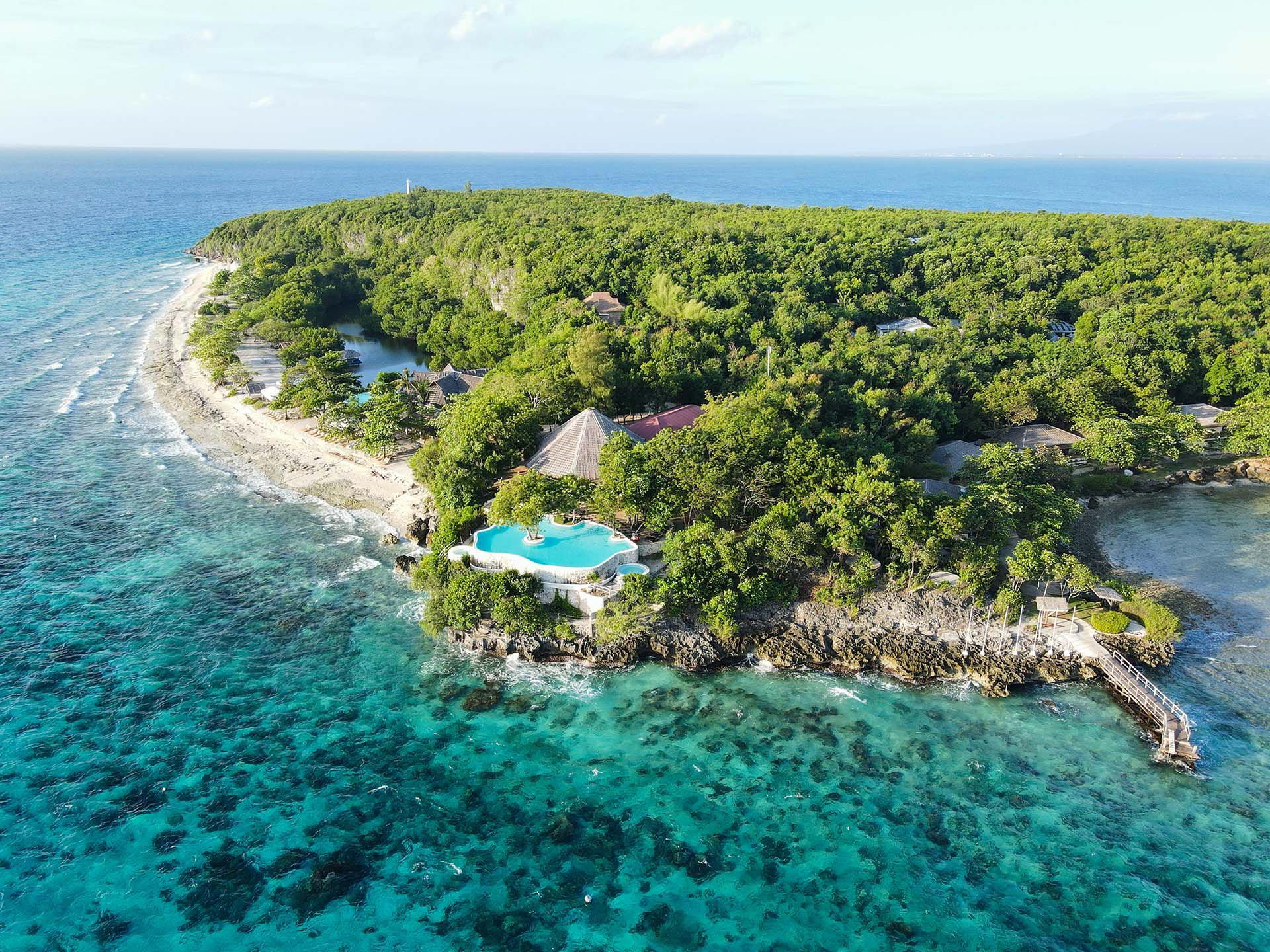
Alona Beach has always operated on two registers: the low-cost dive-and-beer circuit that made Panglao a backpacker fixture, and the quieter resort tier that developed as the island's international profile grew. Saffron Restaurant occupies the latter register, set within Amorita Resort on Ester A. Lim Drive in Barangay Tawala. Approaching from the beach road, the resort sits above the shoreline noise on refined grounds that trade the crowded strip's energy for something considerably calmer. The shift in atmosphere is immediate and deliberate. This is not a beachfront shack propped up by foot traffic; it is a dining room that expects guests to arrive with intent.
That positioning matters for understanding what Saffron is doing, and what it is not. In a coastal tourist zone where most restaurants source opportunistically, working with whatever the morning market offers or the local fish traders bring to the back door, a resort restaurant at this level carries a different set of expectations around ingredient quality and consistency. The Bohol Sea is productive fishing territory, and the question for any serious kitchen on the island is how it connects to that supply chain rather than simply benefiting from geographic proximity to it.
Sourcing in a Sea-Rich Province
Bohol sits in the Central Visayas region, where the surrounding waters yield a range of reef fish, cephalopods, and shellfish that form the backbone of local cooking from the simplest carenderia to the composed resort kitchen. Its food identity is shaped by subsistence fishing traditions and the Spanish colonial imprint that ran through the Visayas more generally. What that means in practice is that a kitchen like Saffron's has room to work with regional ingredients without being held to a strict interpretive standard.
The sourcing question extends beyond seafood. The Bohol interior produces root crops, tropical fruit, and vegetables that rarely make it into resort kitchens, which tend to default toward imported proteins and standardised produce for consistency. The more interesting direction for any island restaurant is toward the local supply network: the small-boat fishers who work Alona and the surrounding reefs, the provincial wet markets, and the regional intermediaries who move product from the Visayas interior to the coast. How far Saffron's kitchen extends into that network determines whether it reflects its setting.
Gallery By Chele in Manila has built its reputation explicitly on Philippine ingredients given contemporary technique, while Hapag in Makati frames modern Filipino cooking around a similar sourcing discipline. Linamnam in Parañaque takes a more traditional approach to the same regional ingredient diversity.
The Resort Dining Context in Panglao
Panglao's dining range is modest. The Alona Beach strip runs toward seafood grills, pizza operations, and a handful of pan-Asian spots aimed squarely at the dive-and-snorkel crowd. Above that sits a smaller tier of resort restaurants where the kitchen investment is higher, the menu more composed, and the expectation of a longer, more structured meal is built into the format. Saffron operates in that upper band on the island.
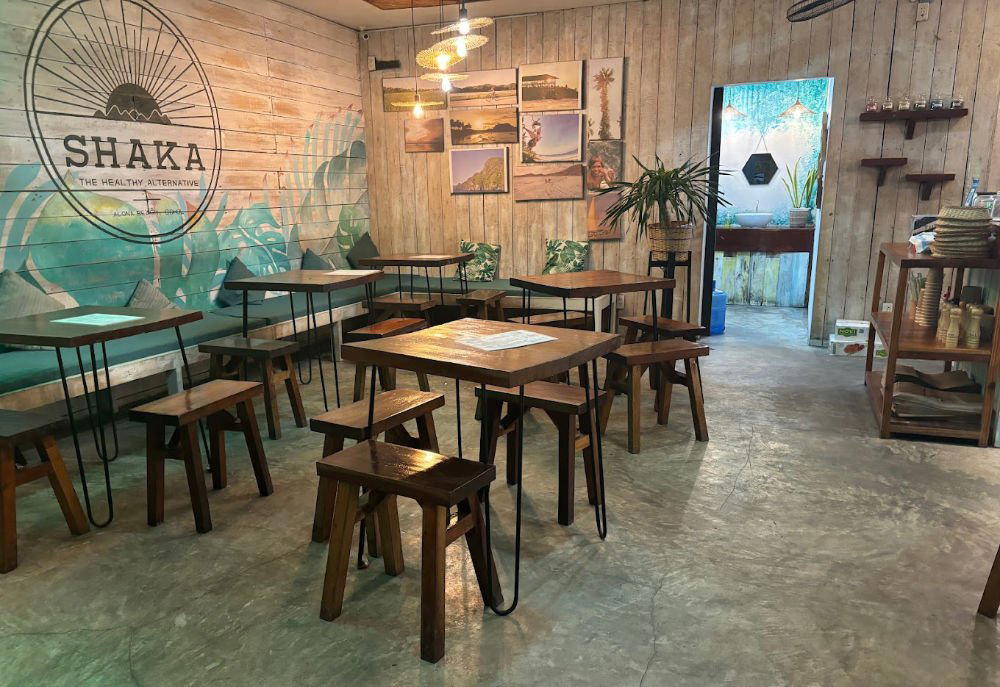
Nearby, Shaka Bohol represents the more casual, health-oriented end of Panglao's mid-tier dining. The two restaurants serve different purposes: Shaka for the daytime, active-traveller market; Saffron for the evening, resort-anchored occasion. Travellers planning a longer stay on the island may want to map both into their itinerary.
For those arriving from or departing to Bohol's capital, Tagbilaran, the drive to Panglao crosses the causeway and runs southwest to Tawala, where Amorita sits.
What the Philippine Island Resort Table Does Well
The structural advantage of a resort restaurant in a fishing region is access. Amorita's position on Panglao Island gives its kitchen a supply opportunity that a landlocked urban restaurant cannot replicate. The challenge is converting geographic proximity into actual kitchen practice: specifying directly with suppliers, adjusting the menu to what is caught rather than what is convenient, and building enough flexibility into the format that a kitchen can respond to daily variation in what arrives.
That flexibility is, in many ways, the measure of a serious island kitchen. A restaurant that runs the same menu year-round regardless of season and catch is one that has defaulted to the supply chain of convenience. A kitchen that flags the day's catch, adjusts protein choices based on what came in that morning, and treats the surrounding sea as a live variable rather than a fixed category is one that is actually using its location. The distinction matters most to guests who travel specifically for the quality of regional seafood, as opposed to those for whom the dining room is primarily a comfortable backdrop to the resort stay.
Across the archipelago, chefs and restaurateurs are rethinking what Filipino cooking means when freed from the colonial preference for imported ingredients and international formats. That conversation is loudest in Manila, where Asador Alfonso in Cavite and the capital's modern Filipino vanguard have raised the standard of what a regionally-rooted menu can look like. Resort restaurants in the provinces sit downstream of that conversation, and the better ones absorb its implications even without the audience or the competition that drives it in the capital.
Planning Your Visit
Saffron Restaurant is located within Amorita Resort at 1 Ester A. Lim Drive, Barangay Tawala, Panglao Island, Bohol. The resort address places it above Alona Beach's main strip, accessible by tricycle from the Alona Beach road or by vehicle from Tagbilaran, which sits roughly 30 minutes away across the Panglao causeway. As a resort restaurant, the dining room is oriented toward in-house guests but is generally accessible to outside visitors; confirming availability in advance is advisable. Open daily from 6 AM to 10 PM, Saffron recommends reservations and keeps a casual dress code.
How It Stacks Up
Comparable venues nearby, for context on price, style, and recognition.
| Venue | Cuisine | Price | Notes |
|---|---|---|---|
| Saffron RestaurantThis venue — the venue you are viewing | Modern Boholano Filipino | $$$ | Not listed |
| Shaka Bohol | Healthy Vegan Cafe | $$ | Panglao Island |
| Trattoria Toscana | Tuscan Trattoria | $$$ | Toscana Village, Balesin Island |
| Dampa | Filipino Seafood Paluto | $$ | Libis |
| Agni by Mantra | Modern Regional Indian | $$$ | Makati |
| Rico's Lechon | Authentic Cebuano Lechon | $$ | Lapu Lapu City |

At a Glance
- Elegant
- Scenic
- Cozy
- Modern
- Family
- Celebration
- Brunch
- Waterfront
- Open Kitchen
- Terrace
- Extensive Wine List
- Craft Cocktails
- Local Sourcing
- Waterfront
Current opening hours
- Monday
- 6 AM–10 PM
- Tuesday
- 6 AM–10 PM
- Wednesday
- 6 AM–10 PM
- Thursday
- 6 AM–10 PM
- Friday
- 6 AM–10 PM
- Saturday
- 6 AM–10 PM
- Sunday
- 6 AM–10 PM
Hours can change for holidays and private events. Last verified .
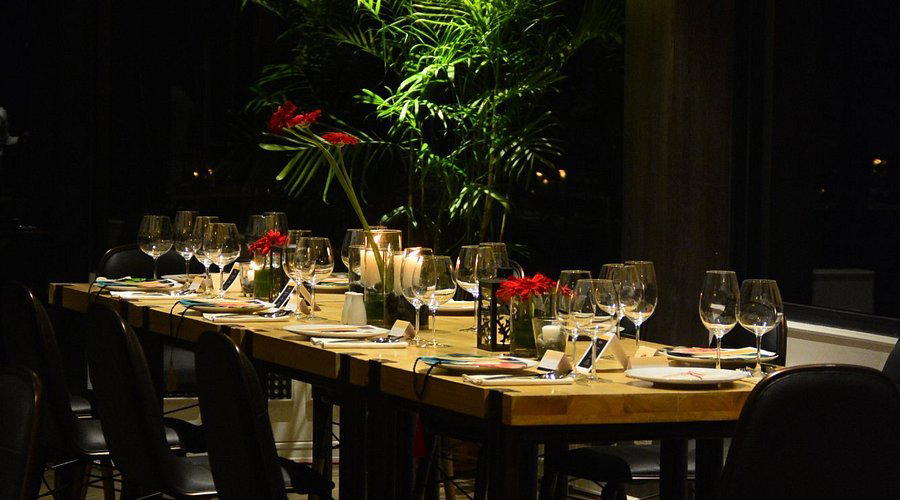
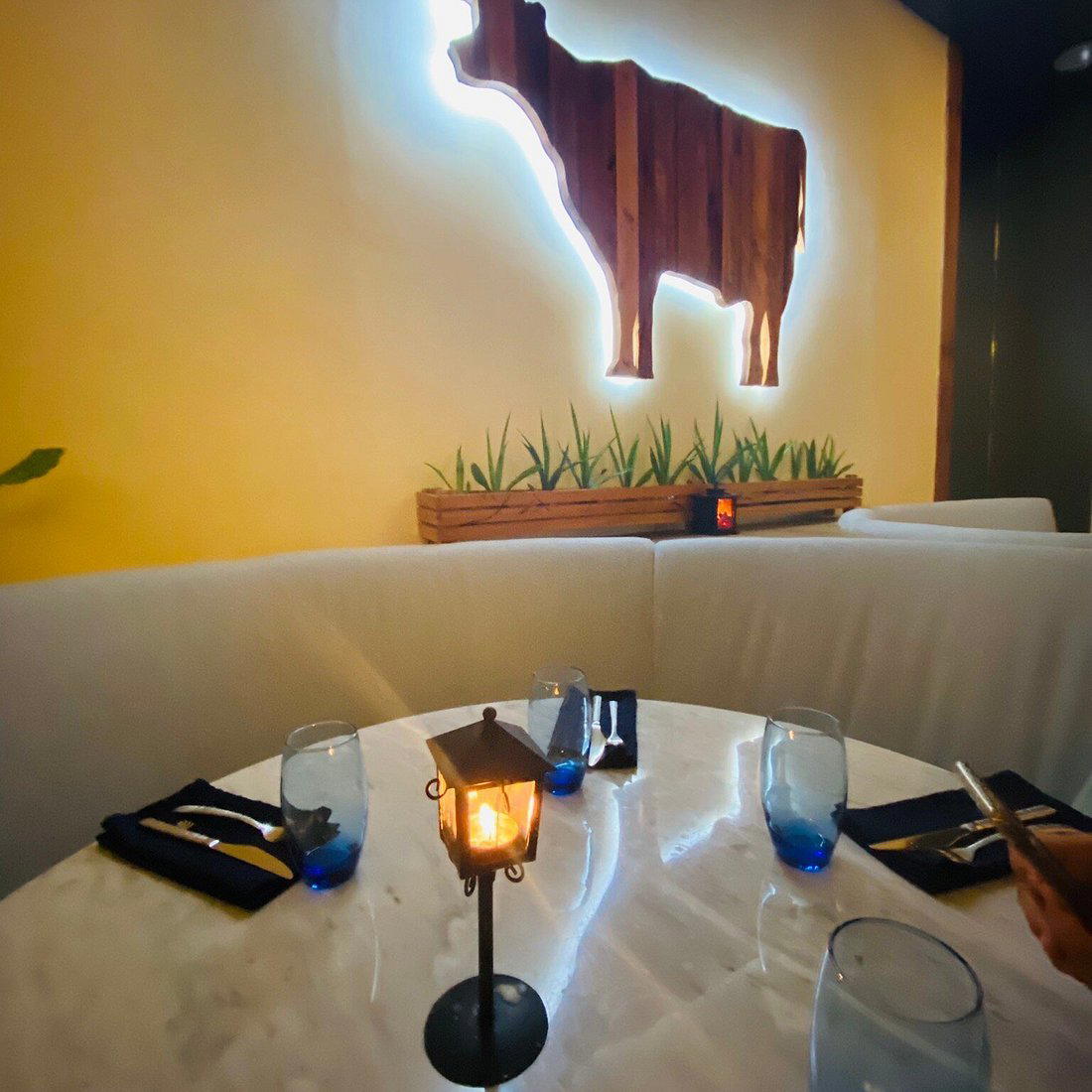
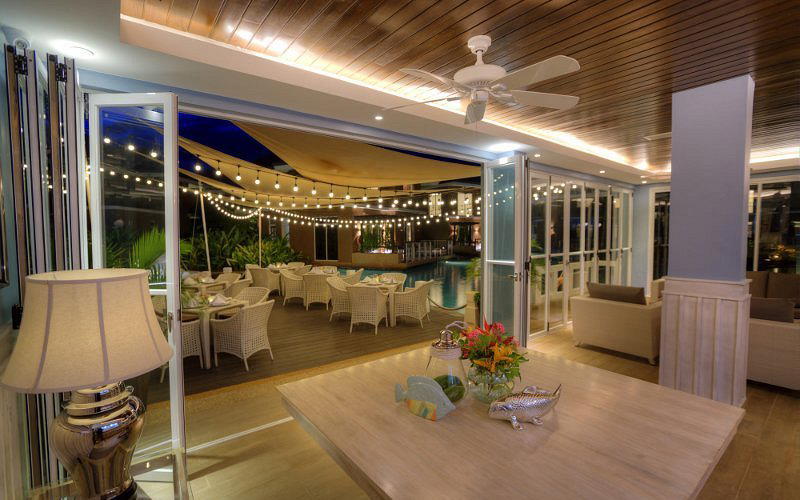
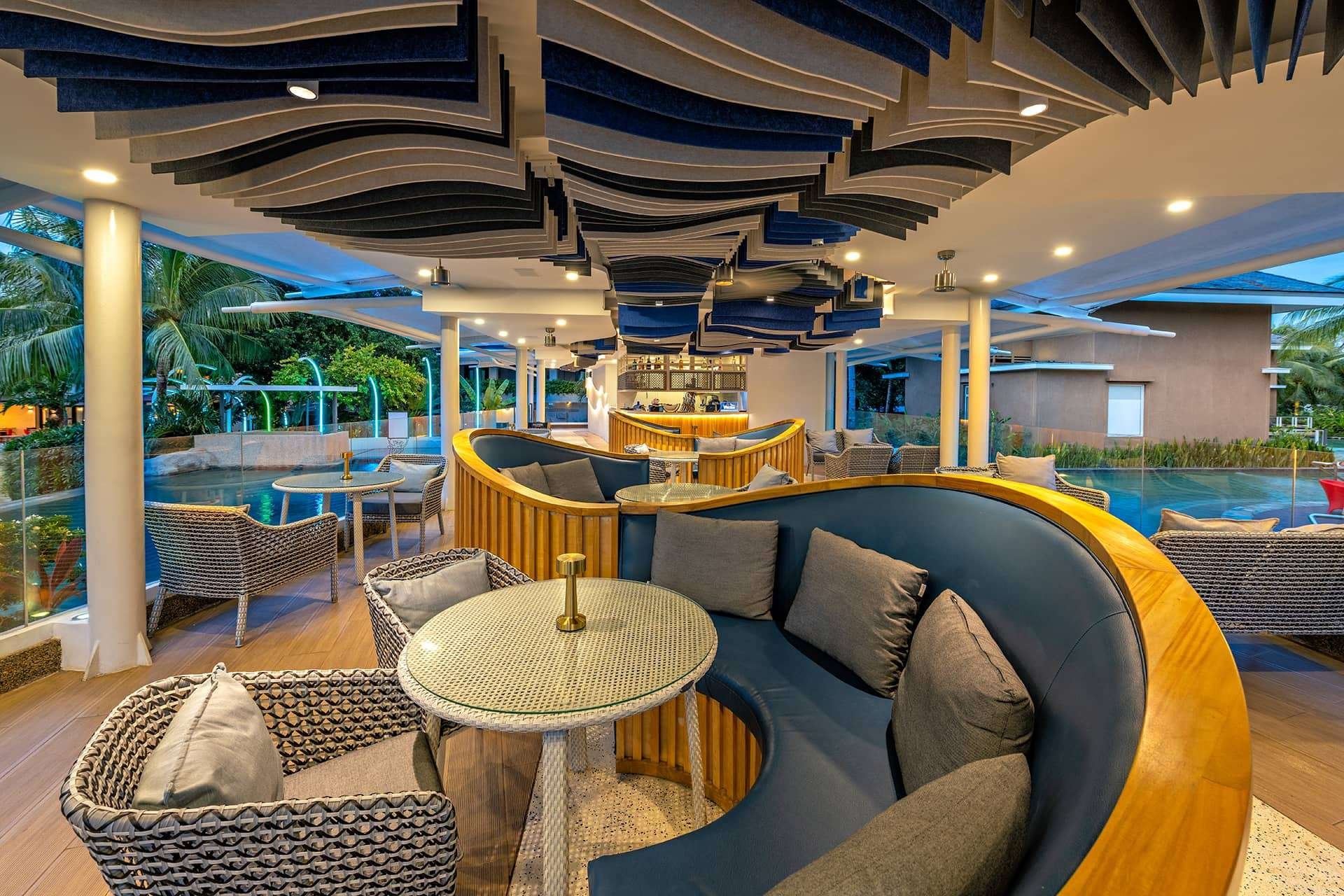
Welcoming, fresh, and elegant with modern organic design, Philippine marble, driftwood furniture, and dramatic infinity pool and sunset views.