Saffron
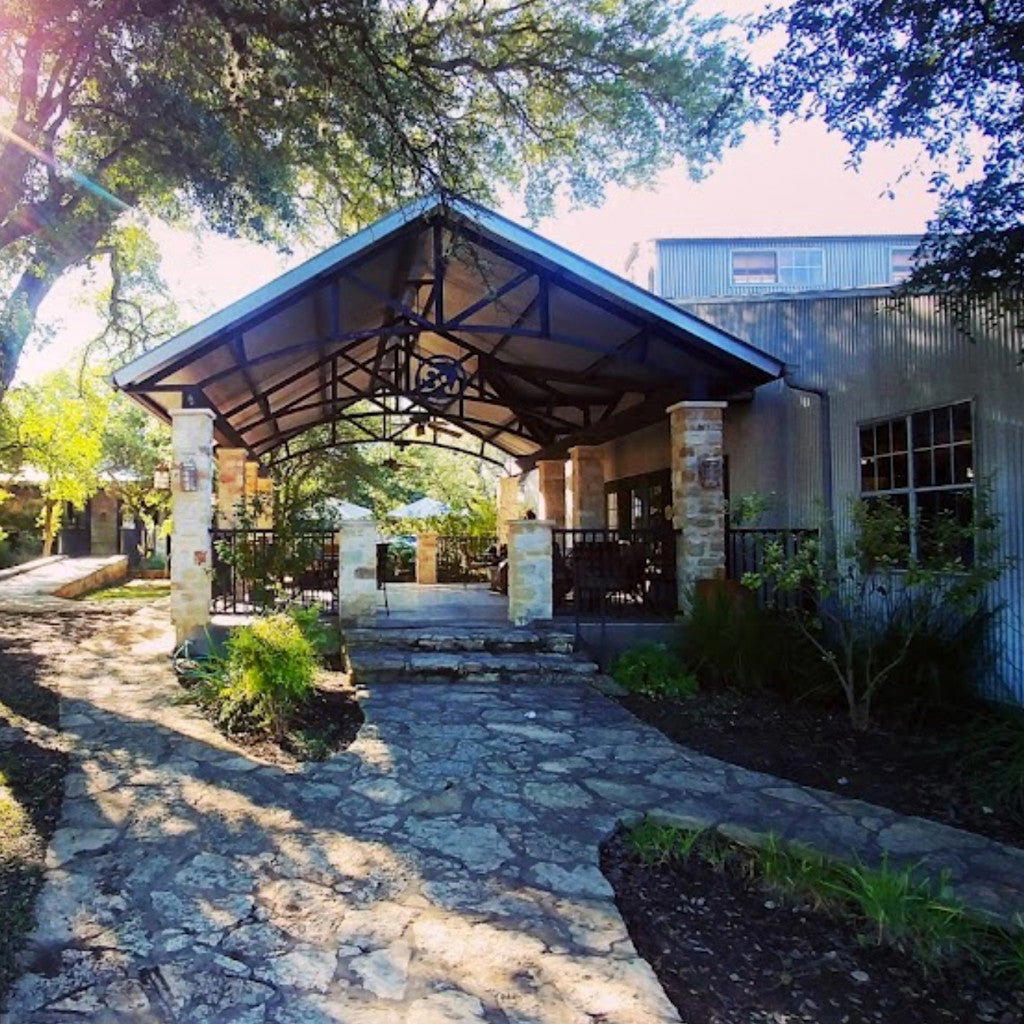
Saffron occupies a strip-mall address on Far West Boulevard that Austin's Northwest Hills residents treat as a neighborhood fixture rather than a destination. The cuisine draws on traditions where spice and slow technique carry more weight than spectacle, placing it in a different register from the live-fire showmanship that defines much of Austin's dining conversation. For a city still deepening its non-barbecue repertoire, that restraint is itself a form of distinction.
Pearl is the En Primeur Club membership app — saves, bookings, and concierge access live there. Same editors, same standards.
- Address
- 3616 Far W Blvd #113, Austin, TX 78731
- Phone
- +15122411732
- Website
- saffronaustin.com
- Directions
- Get directions
 Saves & bookings on Pearl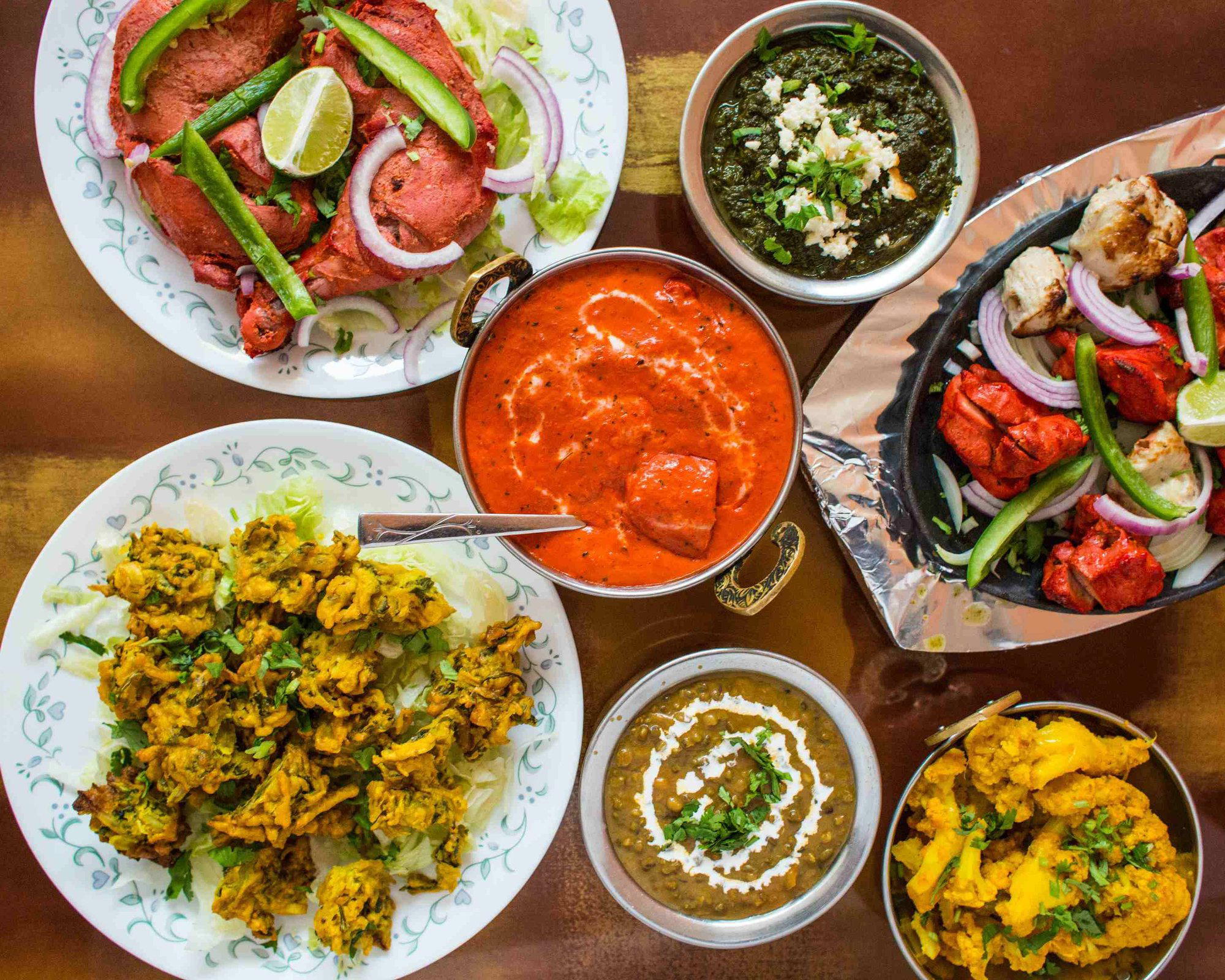
Far West Boulevard and the Quiet End of Austin Dining
Austin's dining identity is loudly associated with smoke, fire, and the kind of brisket lines that form before 10 a.m. That reputation is earned. InterStellar BBQ and la Barbecue each represent serious craft within that tradition. But the city's restaurant scene extends well beyond the pit, and the Northwest Hills corridor along Far West Boulevard has developed a quieter, more residential dining culture that operates on different terms. Saffron sits at 3616 Far West Boulevard inside a strip-mall suite, which in Austin is less a red flag than a reliable sign that the room is chosen for the neighborhood it serves, not the foot traffic it attracts.
Strip-mall dining in American cities carries a stigma that serious eaters have long since learned to ignore. Some of the most technically careful cooking in the country happens behind nondescript facades in suburban corridors, where low rents allow operators to spend on ingredients and technique rather than interior design. The approach places Saffron in a recognizable category: the neighborhood-anchored specialist that locals book on a Tuesday without ceremony, rather than a destination that requires occasion-building to justify the visit.
The Ritual of Spice-Led Cooking in an American City
The name Saffron signals something specific. Saffron as an ingredient sits at the intersection of Persian, South Asian, and Mediterranean cooking traditions, and its presence in a restaurant name tends to indicate a cuisine where patience, layering, and aromatic depth are the organizing principles rather than char or acidity. In a city where Hestia has built a reputation on live-fire drama and Barley Swine anchors Austin's New American conversation, a restaurant oriented around slow-cooked, spice-forward traditions fills a gap that the city's dining scene has been filling unevenly for years.
The dining ritual at this kind of restaurant differs structurally from the tasting-menu format or the barbecue window. Meals built around spiced braises, rice dishes, and layered sauces tend to arrive in a sequence determined by the table rather than the kitchen, with shared plates moving across the meal in an order that guests negotiate among themselves. That negotiation is itself part of the experience. The pacing is slower, the portions designed for redistribution, and the expectation that bread or rice will anchor the table rather than serve as an afterthought. Compared to the choreographed progression at tasting-menu counters like Craft Omakase, or the structured procession at places like Lazy Bear in San Francisco or Alinea in Chicago, this is a dining format where the ritual is democratic by design.
How Saffron Fits Austin's Broader Dining Spectrum
Austin's restaurant scene in the mid-2020s is better understood as a collection of distinct peer tiers than as a single competitive market. At the leading end, the city's most recognized rooms compete for attention with nationally credentialed peers: the kind of precision cooking found at Le Bernardin in New York City, The French Laundry in Napa, or Providence in Los Angeles. Further along the spectrum, farm-integrated formats like Blue Hill at Stone Barns in Tarrytown or Single Thread Farm in Healdsburg define what ingredient-driven restraint looks like at its most rigorous. Saffron operates in a different register entirely: the neighborhood specialist serving a residential corridor where the competitive set is not national destination dining but the local habits of a specific zip code.
That positioning has real advantages. A restaurant that doesn't need to attract tourists or out-of-town diners can optimize entirely for repeat customers, which tends to produce steadier quality, tighter sourcing relationships, and a kitchen calibrated to a known audience rather than an anonymous one. It's a model that works in Austin's Northwest Hills in the same way it works in comparable residential corridors in Houston, Nashville, or the outer boroughs of New York.
What the Ordering Sequence Tells You
At restaurants oriented around saffron-inflected cooking traditions, the sequence in which dishes arrive at the table is rarely arbitrary. Lighter preparations tend to open the meal, giving way to heavier, more aromatic centerpieces. A well-ordered table at this type of restaurant moves from cold appetizers and dips toward slow-cooked proteins and fragrant rice dishes, finishing with something sweet but not cloying. That arc mirrors the logic of Persian mehmooni culture, where hospitality is expressed through abundance and pacing rather than precision portioning. Understanding that arc before you arrive changes how you order and how much you enjoy what follows.
The practical implication: arrive with at least three people and order more broadly than you think you need. Sharing-format meals reward the table that commits to coverage across the menu rather than the group that plays it safe with individual plates. The logic holds whether you're eating at a neighborhood room like Saffron or at a prestige address like Atomix in New York City or Addison in San Diego, where the kitchen has similarly structured its progression with a specific sequence in mind.
Austin's Non-Barbecue Dining: The Context
The city's reputation for barbecue is warranted, but it has occasionally overshadowed the depth of Austin's broader international dining scene, particularly in neighborhoods away from the central entertainment corridors. Far West Boulevard runs through one of the city's older, more established residential areas, and the dining strip there reflects a community with specific, recurring needs rather than a tourist draw. That context matters. A restaurant that has embedded itself in that neighborhood has done something harder than opening a high-visibility room downtown: it has built a habit for people who have other options and who keep coming back anyway.
For the Austin dining scene as a whole, the presence of spice-forward specialists in residential corridors adds dimension to a city that sometimes gets flattened into a single narrative. Alongside the smoke-forward traditions that define places like InterStellar BBQ and the contemporary American cooking at Barley Swine, restaurants like Saffron represent the quieter, more textured layer of the city's eating life that doesn't require a reservation three months out or a special occasion to access. See our full Austin restaurants guide for a broader map of where the city's dining energy is concentrated.
Know Before You Go
- Address: 3616 Far W Blvd #113, Austin, TX 78731
- Neighborhood: Northwest Hills / Far West Boulevard corridor
- Format: Neighborhood dining room; sharing-format meals recommended
- Leading for: Groups of three or more who can order across the menu
- Parking: Strip-mall lot on site; easier than central Austin
How Saffron Austin compares with similar nearby venues.
| Venue | Cuisine | Price |
|---|---|---|
| dipdipdip Tatsu-Ya | Japanese | $$$ |
| Barley Swine | New American, Contemporary | $$$$ |
Continue exploring
More in Austin
Restaurants in Austin
Browse all →
Bars in Austin
Browse all →
Hotels in Austin
Browse all →
At a Glance
- Cozy
- Classic
- Casual Hangout
- Group Dining
- Family
- Standalone
- Local Sourcing
Current opening hours
- Monday
- 11:30 AM–2:30 PM, 5–9 PM
- Tuesday
- 11:30 AM–2:30 PM, 5–9 PM
- Wednesday
- 11:30 AM–2:30 PM, 5–9 PM
- Thursday
- 11:30 AM–2:30 PM, 5–9 PM
- Friday
- 11:30 AM–2:30 PM, 5–9 PM
- Saturday
- 11:30 AM–2:30 PM, 5–9 PM
- Sunday
- 11:30 AM–2:30 PM, 5–9 PM
Hours can change for holidays and private events. Last verified .
Warm and homey atmosphere with authentic, slow-stewed curries that evoke genuine traditional cooking.
Know Before You Go
- Getting there
- 3616 Far W Blvd #113, Austin, TX 78731