
Tabelog 100 #41
Our verdict
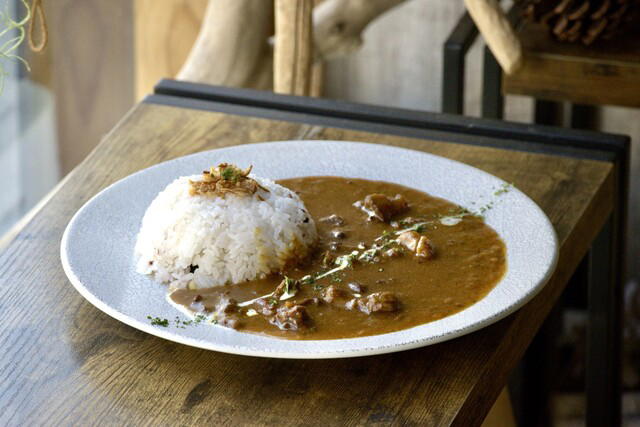
SACHiA Beef stroganoff sits in Fukuoka’s yoshoku lane rather than the city’s ramen-and-yatai shorthand. Its Tabelog 100 Yoshoku WEST 2025 selection and counter-led format place it among serious Japanese-Western kitchens, with beef stroganoff as the anchor rather than a supporting menu item.

Pearl is the En Primeur Club membership app, where members save venues, book tables and use the concierge.
The menu
What to order
- Beef stroganoff
- Original beef stroganoff lunch set
The first signal is the focus. Yoshoku can drift into family-restaurant nostalgia, all laminated menus and demi-glace comfort, but a dish-led restaurant changes the rhythm: fewer distractions, clearer expectations, and a quieter focus on the sauce-led grammar that makes Japanese-style Western cooking worth taking seriously. In Fukuoka, where visitors often chase tonkotsu ramen, seafood izakaya, and open-air yatai, this kind of yoshoku address occupies a more specific lane.
That matters because beef stroganoff is not a default Fukuoka calling card. It belongs to the wider Japanese habit of absorbing Western dishes, then rewriting them through local expectations of rice, sauce, portion, and restraint. The genre sits somewhere between everyday comfort and technical diner craft: curry rice, omelette rice, hamburger steak, cutlets, stews, and demi-glace-driven plates. SACHiA Beef stroganoff narrows that field to a dish many Japanese yoshoku menus treat as one option among several, making the restaurant feel less like a broad canteen and more like a specialist address.
A yoshoku specialist in a city better known for ramen queues
Fukuoka’s dining reputation is often compressed into ramen, mentaiko, yakitori, and night-stall drinking. That shorthand misses the city’s quieter middle register, where restaurants work inside older Japanese categories without chasing luxury tasting-menu codes. Yoshoku is especially useful for understanding that register: it is Western by origin, Japanese by repetition, and often judged by texture, heat, sauce depth, and how neatly the plate answers a weekday appetite.
The restaurant’s listing in Tabelog’s Hyakumeiten material for 2025 gives it a clear external marker inside that category. Tabelog’s Hyakumeiten lists tend to reward category confidence rather than international gloss, which is why the recognition says more about local genre standing than about ceremony. In practical editorial terms, this is a low-price, high-specificity restaurant in a city where serious meals do not have to announce themselves through long menus or formal service.
Comparison helps. Yakiniku Horumon Jinsei Daichan and Gen pu kan Chiyo ten sit in meat-and-grill territory, while Genkiippai represents Fukuoka’s ramen pull. Kamoryori Marimo Honten belongs to a different spend category entirely, and Miyake occupies a cheaper everyday bracket. Against that spread, SACHiA Beef stroganoff reads as a focused yoshoku restaurant rather than a general Fukuoka dining recommendation. The point is not range; the point is choosing a narrow comfort-food tradition and executing it with enough consistency to be noticed within the category.
The pleasure is in scale, sauce culture, and everyday tempo
Yoshoku rewards the diner who pays attention to small transitions: the movement from aroma to spoon, the way a sauce covers rice or bread, the pace at which a kitchen can send out hot plates without turning the meal into something anonymous. No specific dish details need embellishment here. The name already states the editorial proposition: beef stroganoff treated as the main event. That focus gives the meal a different shape from multi-item yoshoku houses where the decision is between cutlet, curry, and hamburger steak.
The focused format also changes the social temperature. A restaurant built around a clear specialty usually discourages aimless sprawl and pushes the meal toward concentration. For solo diners and pairs, that can be a strength; for larger groups, it may make the restaurant less flexible than broad family-style formats. The everyday price bracket brings it back toward Fukuoka’s casual dining register rather than destination-theatre dining, while the category focus keeps the experience from feeling like pure lunch-counter nostalgia.
Fukuoka has a useful habit of keeping serious food informal. The city’s better casual rooms often ask for attention without demanding ceremony, and yoshoku fits that pattern neatly. A dish with European ancestry becomes Japanese through repetition, and the diner judges it less by novelty than by proportion: sauce to rice, richness to acidity, heat to pace, comfort to precision. That is the frame in which this restaurant makes sense.
How to place it in a Fukuoka eating day
This is not the restaurant to use as a grand survey of the city. It is sharper as a single-purpose stop when the itinerary already has ramen, seafood, or izakaya drinking covered. Its Fukuoka setting also shifts the meal away from the idea that the city’s food culture is confined to the most obvious visitor circuits. Local restaurants often carry categories with more discipline than spectacle.
For travellers building a broader Fukuoka list, the useful move is contrast. Pair this kind of yoshoku restaurant with other dining in the city, then look at local Japanese comfort through unnamed casual dining rooms across Fukuoka. For the wider city edit, use our full Fukuoka restaurants guide, alongside our full Fukuoka hotels guide, our full Fukuoka bars guide, our full Fukuoka wineries guide, and our full Fukuoka experiences guide.
Travellers comparing Japanese comfort-food formats beyond Fukuoka can also place it against other beef-focused cooking, casual seafood and grill formats, café culture, contemporary regional dining, curry specialization, sake-bar dining, and rice-led casual Japanese cooking. Those comparisons are useful only as broad reference points: SACHiA Beef stroganoff is best understood through its own Fukuoka context and its specific yoshoku focus.
The editorial case is simple: SACHiA Beef stroganoff is for the diner who wants Fukuoka beyond its obvious signatures, and who understands that a restaurant devoted to yoshoku can say as much about Japanese eating habits as a ramen queue. Its appeal lies in category discipline, not spectacle.
Frequently asked questions
What price level is SACHiA Beef stroganoff?
Pricing at SACHiA Beef stroganoff is listed as dinner JPY 1,000 - JPY 1,999, with lunch at JPY 999 or below.
Where exactly is SACHiA Beef stroganoff?
Fukuoka.
How hard is it to get a table at SACHiA Beef stroganoff?
The Tabelog Hyakumeiten recognition for 2025 points to visibility within the yoshoku category in Fukuoka, so planning ahead is sensible. Dinner is listed at JPY 1,000 - JPY 1,999, with lunch at JPY 999 or below.
What is SACHiA Beef stroganoff known for?
SACHiA Beef stroganoff is primarily known for yoshoku, Japanese-style Western cuisine, in Fukuoka.
At-a-Glance Comparison
Comparable venues at a glance for context.
| Venue | Cuisine | Price | Awards | Notes |
|---|---|---|---|---|
| SACHiA Beef stroganoffThis venue (the venue you are viewing) | Beef stroganoff-focused Yoshoku (Japanese-style Western) | $10–20 | Tabelog 100 #41 | Not listed |
| Hakata Gomasaba Ya | Fukuoka seafood shokudo & gomasaba specialist | $10–20 | Tabelog 100 #93 | Chūō |
| Hatchan Ramen | Traditional Fukuoka Tonkotsu Ramen | $10–20 | Tabelog 100 #89 | Chūō |
| Shinshu Soba Murata | Traditional Soba & Tempura | $20–30 | Tabelog 100 #49 | Hakata |
| Motsunabe Rakutenchi Tenjin Imaizumi So-Honten | Hakata Motsunabe | $20–30 | Not listed | Chūō |
| Yakitori Inada | Traditional Yakitori & Izakaya | $30–50 | Tabelog 100 #9 | Hakata |
Recognition history
Dated appearances from independent guides and award organizations, with the underlying list record or original source where available.
Tabelog 100 #41 · No. 41
Tabelog · Tabelog 100 - Yoshoku - WEST - 2025
Continue exploring
More in Fukuoka
Restaurants in Fukuoka
All restaurants in Fukuoka →

Details
- Cozy
- Modern
- Intimate
- Solo
- Family
- Casual Hangout
- After Work
- Celebration
- Chefs Counter
- Standalone
- A La Carte
- Counter Dining
- Wine
- Cocktails
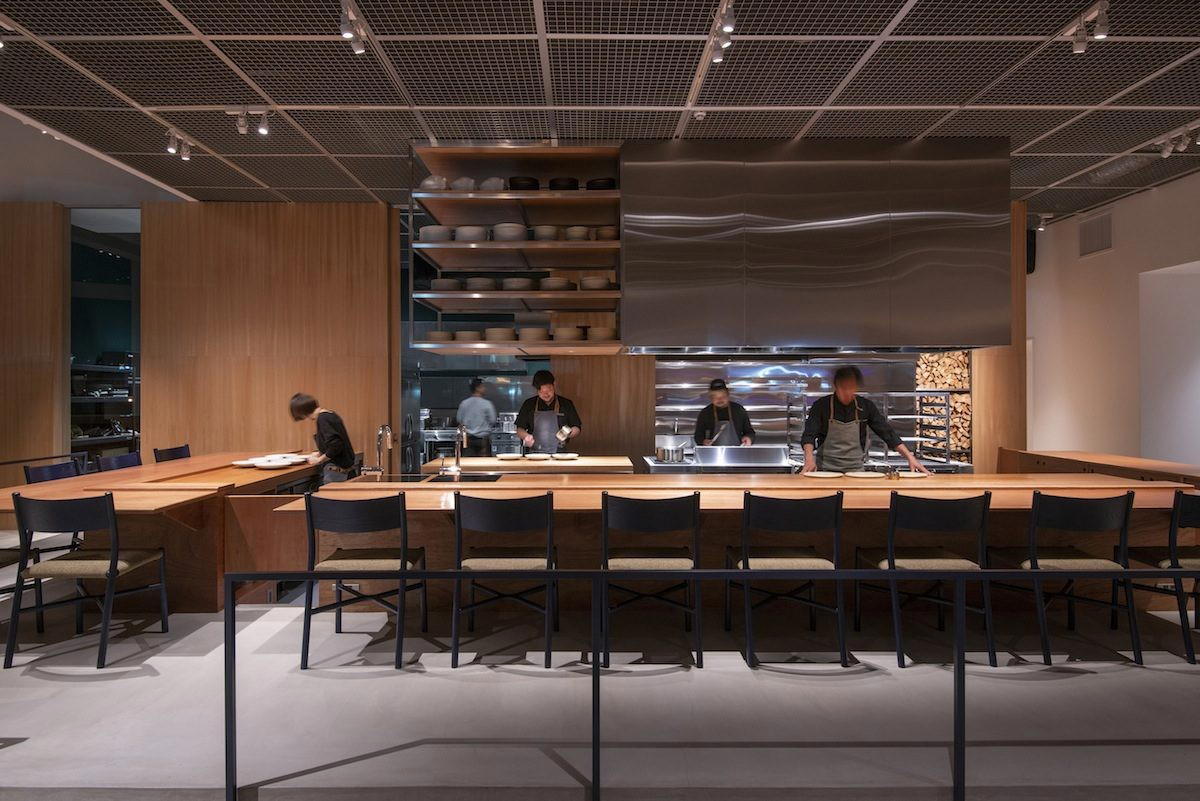
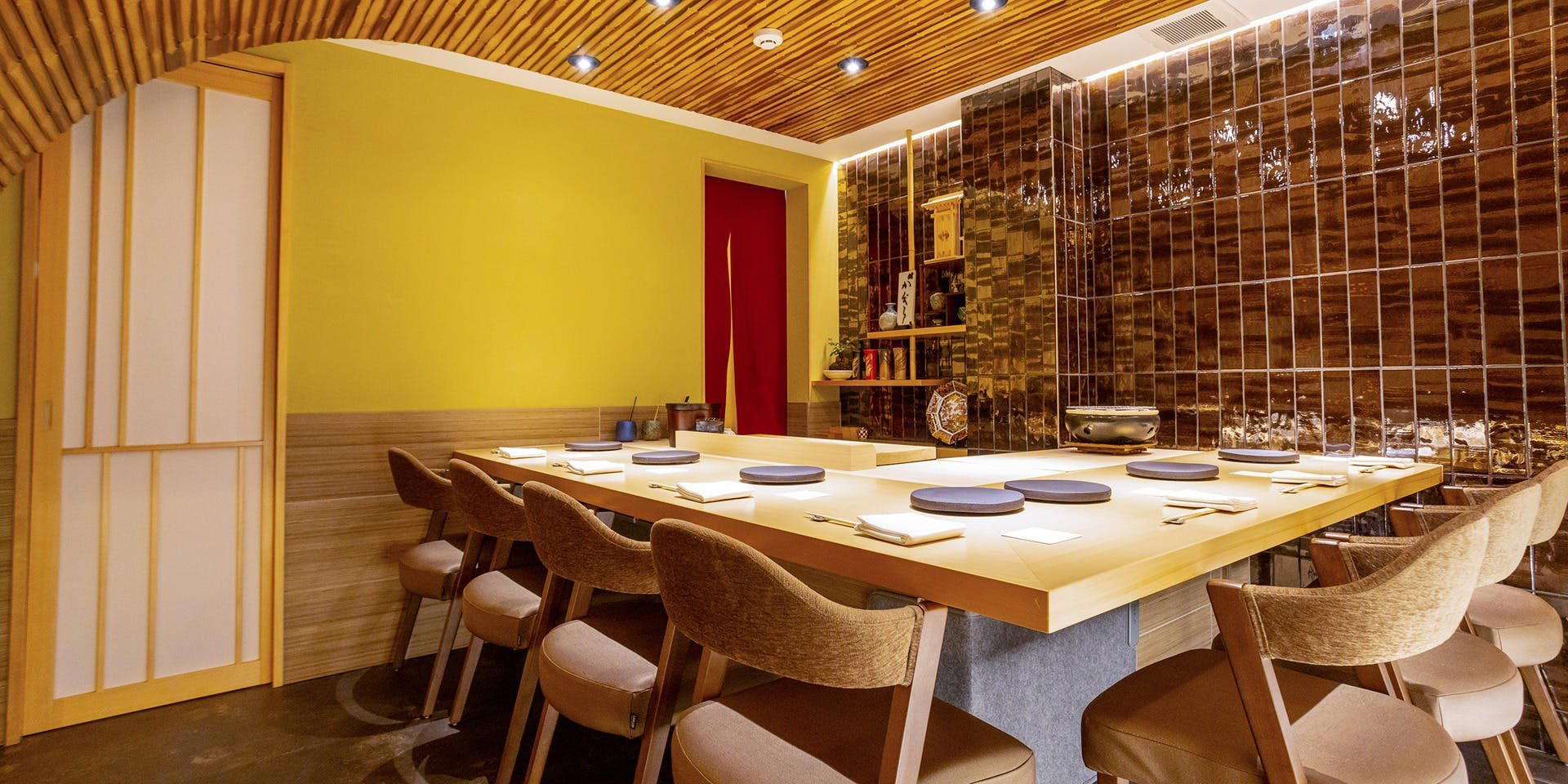
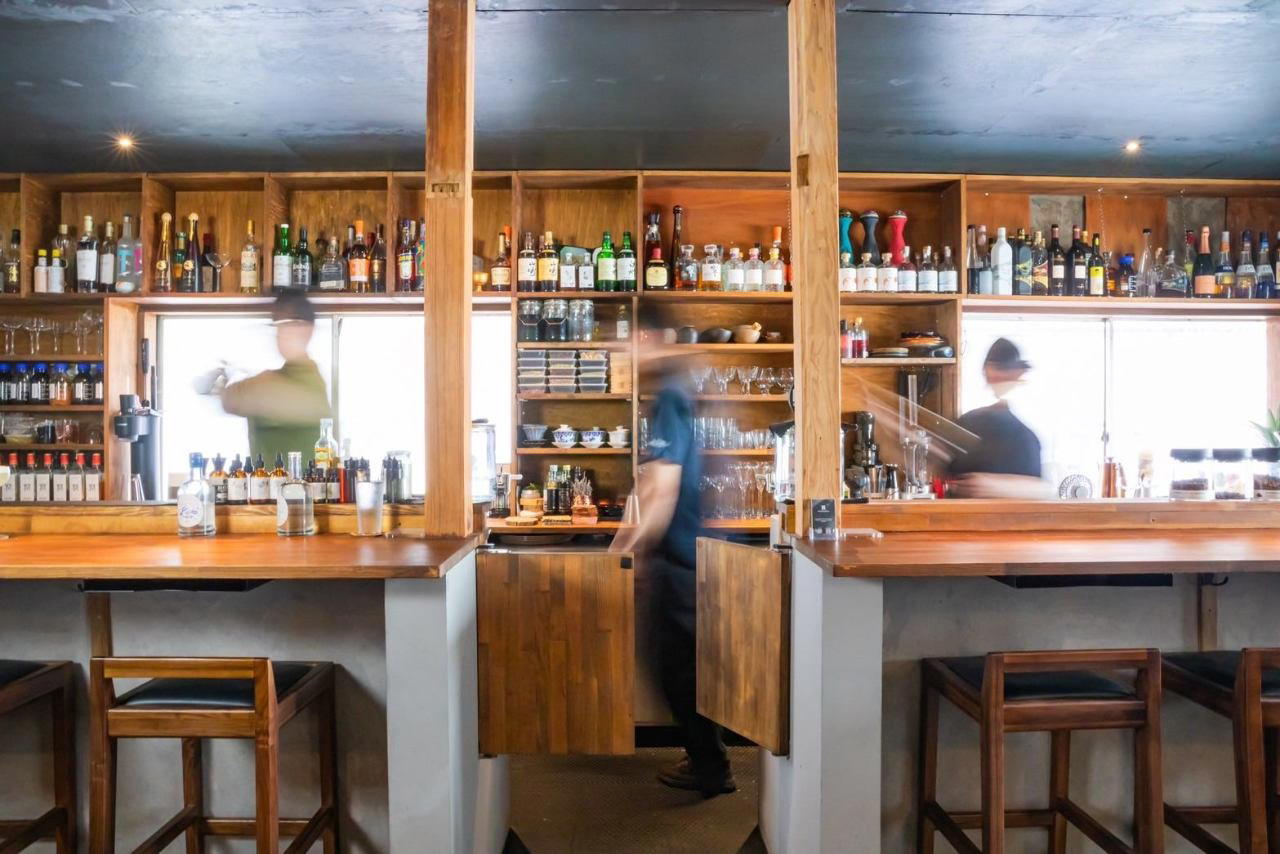
Bright, cafe-like counter space with only 10 seats, creating an intimate and stylish yet relaxed atmosphere suited to solo diners and small parties.