İsabey Bağevi sits in the vineyard country outside Menderes, where the Aegean hinterland's agricultural tradition meets a setting shaped by the land itself. The kitchen draws on what grows and is raised nearby, placing it in a regional dining conversation distinct from Izmir's urban restaurant scene. For visitors making the journey out from the city, the address alone signals a different set of priorities.
 Discover on Pearl
Pearl is the En Primeur Club membership app — saves, bookings, and concierge access live there. Same editors, same standards.
- Address
- İstasyon Mevkii, Gölcükler, 901. Sk. No
- Phone
- +902327824959
- Website
- isabey.com.tr
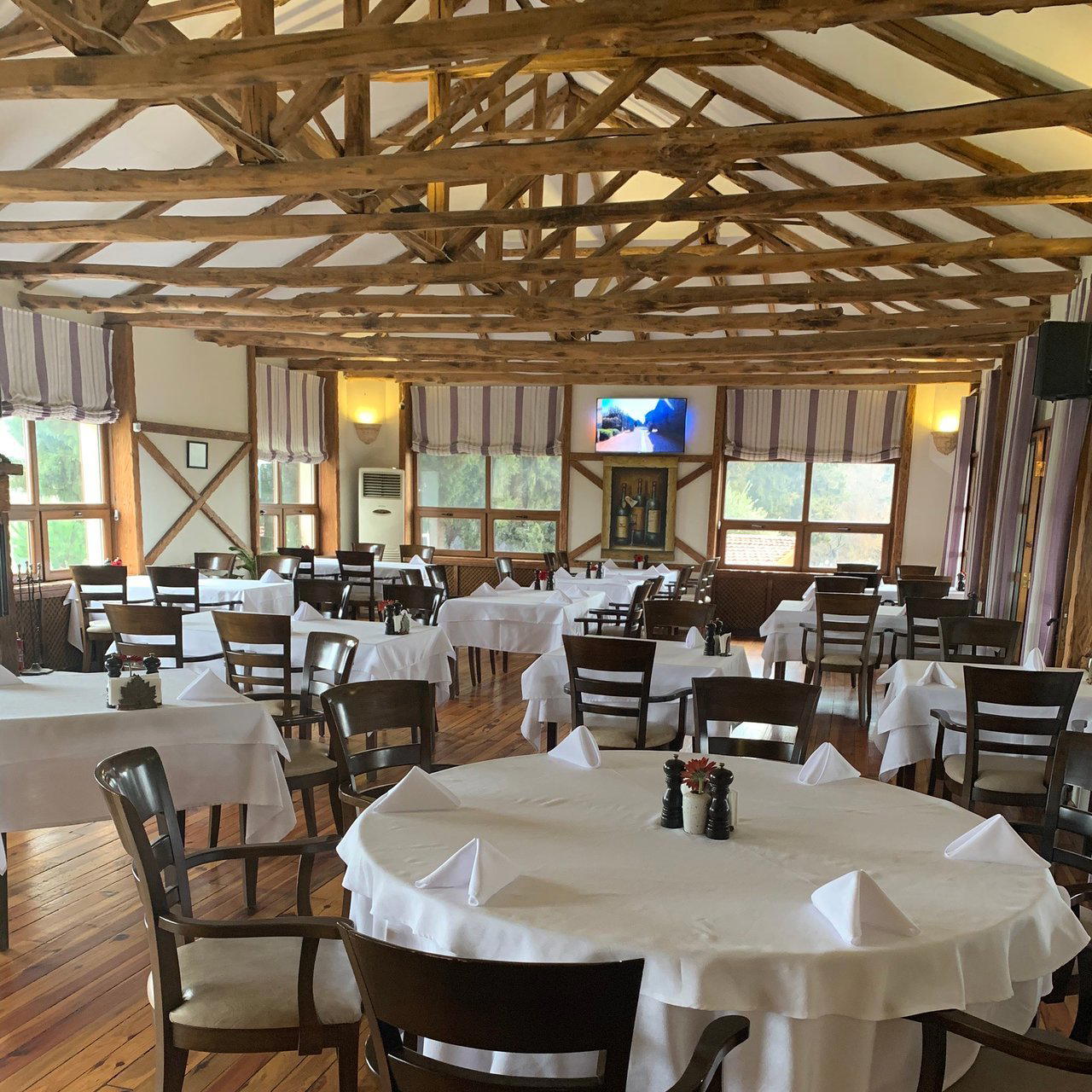
Vineyard Country, Agricultural Roots
The Menderes district southeast of Izmir occupies a particular place in Turkey's Aegean food geography. This is the hinterland where viticulture, olive cultivation, and smallholder farming have shaped the table for generations, long before the phrase farm-to-table acquired currency in urban dining rooms. İsabey Bağevi sits within that agricultural belt, at an address identified by its station locality and the village of Gölcükler, which already tells you something about its relationship to the land. Properties like this one, set among vines and open terrain rather than inside a city's restaurant district, tend to operate on the premise that the sourcing is the argument. The food doesn't need to explain itself through formal technique if the ingredients carry enough weight on their own.
That positioning places İsabey Bağevi in a distinct category from the modern Turkish tasting-menu operations that dominate Turkey's premium restaurant conversation. Venues like Turk Fatih Tutak in Istanbul or Maçakızı in Bodrum compete on the same ₺₺₺₺ tier and draw from a similar pool of food-curious travelers, but they operate with a fundamentally urban logic. İsabey Bağevi, by contrast, belongs to a smaller and arguably more interesting category: the vineyard-anchored address where the setting and the supply chain are inseparable from the plate.
What the Aegean Hinterland Puts on the Table
The Izmir region is one of Turkey's most productive agricultural zones. The valleys feeding into the Küçük Menderes river system yield olives, figs, artichokes, herbs, and grapes that appear in markets and kitchens across the country. This is not a supporting backdrop for a restaurant, it is the actual material that defines the cuisine of the area. When a property occupies vineyard land in this zone, the question worth asking is not simply what is on the menu, but how directly that menu connects to the terrain immediately surrounding it. The more direct the line between soil and plate, the more the meal functions as a form of geographic argument.
Regional peers operating on similar sourcing logic, such as Hiç Lokanta in Urla, a short distance up the Aegean coast, have demonstrated that the Izmir hinterland can support kitchens of genuine ambition without the scaffolding of Istanbul's fine-dining infrastructure. The Urla and Menderes belt, taken together, represents Turkey's most developed version of this terroir-anchored dining model outside of niche Cappadocian or Black Sea contexts.
The Setting as First Course
Approaching a bağevi, which translates roughly as vineyard house, the sequence of arrival is part of the experience's logic. The address at İstasyon Mevkii in Gölcükler places the property on a rural track rather than a main road. That deliberate remove from convenience is a signal: guests who make the journey are self-selecting for a different pace and a different set of expectations than those walking into a city-center restaurant. The physical environment, vines, open sky, agricultural infrastructure, functions as the opening statement before any food arrives.
This approach has precedent in serious dining internationally. The argument that a meal gains meaning from its physical proximity to its ingredients runs through properties from Burgundy's domaine tables to the wine-country kitchens of coastal California. Turkey's Aegean version of this model is younger and less codified, which makes venues operating within it more interesting to track. They are still working out the terms of the proposition rather than executing a settled formula. For comparison, Narımor in Izmir represents the more urban, ingredient-focused end of the same regional conversation.
Ingredient Sourcing as Editorial Argument
In kitchens anchored to a specific agricultural zone, sourcing decisions carry editorial weight. Choosing to work with a particular olive oil producer, to grow herbs on site, or to source meat from farms within a defined radius is not merely a logistical choice, it is a statement about what the kitchen believes constitutes quality. The Menderes valley's olive groves and vineyards offer a sourcing palette that few Turkish regions can match in terms of variety and proximity. For a bağevi operation, those ingredients are not aspirational additions to a menu built around other priorities: they are the menu's foundation.
Across Turkey, the restaurants making the most durable impression in this tier are those with the clearest agricultural logic. Kartepe Organic Foods in Kartepe works a similar angle in the Marmara region, and the model has shown that guests will travel for transparency of sourcing when the cooking delivers on the promise. At the other end of Turkey's dining spectrum, the archival sourcing philosophy at Asitane in Fatih, which reconstructs Ottoman court recipes, illustrates a different version of the same argument: that knowing where something comes from, whether geographically or historically, changes how you receive it.
Planning a Visit
Menderes sits roughly 25 to 30 kilometers southeast of central Izmir by road, making İsabey Bağevi most practically reached by private car or hired vehicle from the city. The rural address at İstasyon Mevkii, Gölcükler, is the kind of location that benefits from confirmation before arrival, The Aegean growing season, which runs broadly from late spring through autumn, is the period when the area's agricultural produce is at its most varied and the setting at its most animated. A lunch visit allows the terrain to read clearly in daylight, which, for a vineyard property, matters more than it might at a conventional restaurant.
Travelers combining the visit with broader Izmir-area dining should note that Hiç Lokanta in Urla and Narımor in Izmir represent the region's other poles of ingredient-driven cooking, and routing between them gives a useful cross-section of what the Aegean hinterland is currently doing at the table. For those arriving from or departing to Istanbul, the contrast with the capital's dining scene sharpens the sense of what makes the Menderes proposition specific.
Comparison Snapshot
Comparable venues nearby, for context on price, style, and recognition.
| Venue | Cuisine | Price | Awards | Notes |
|---|---|---|---|---|
| İsabey BağeviThis venue — the venue you are viewing | Modern Mediterranean Steakhouse with Ege Influences | $$$$ | , | |
| 34 Restaurant | Turkish & Mediterranean Fine Dining | $$$ | , | Şişli |
| Malva | Modern Micro-Local Aegean Fine Dining | $$$$ | Michelin Plate | Torba |
| Araf | Modern Turkish Chef’s Table | $$$ | , | .null |
| Onur Kebap, Sheraton Grand Adana | Turkish Kebap Grill | $$$ | , | Yuregir |
| HUS Şarapçılık | Modern Mediterranean | $$$ | , | Kuşçular |
Continue exploring
More in Menderes
Restaurants in Menderes
Browse all →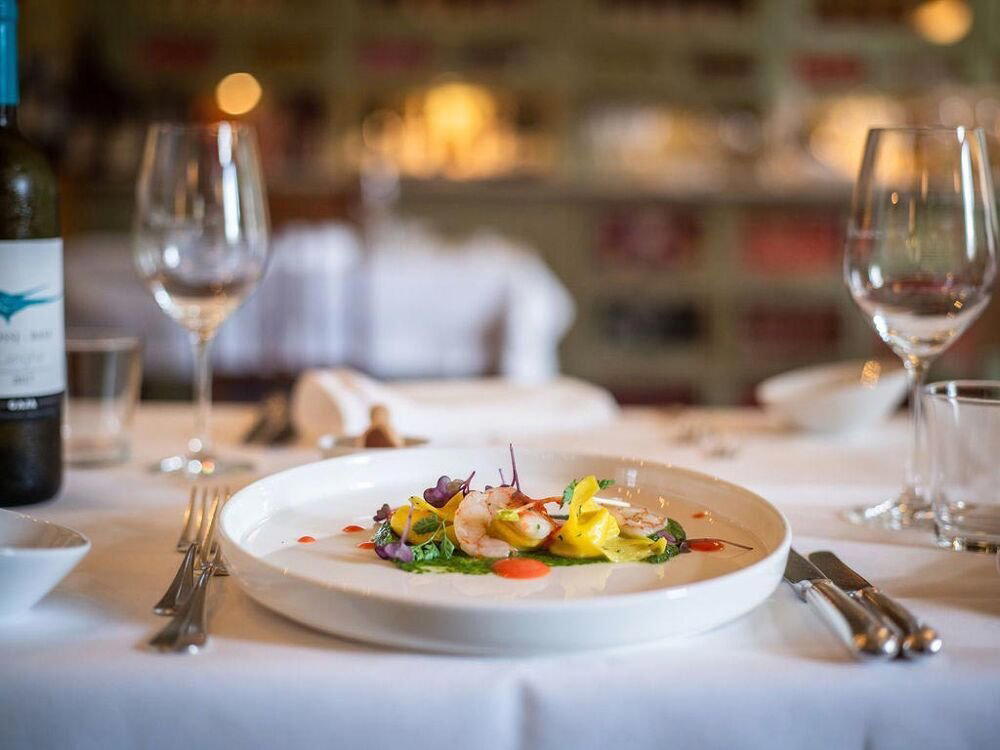
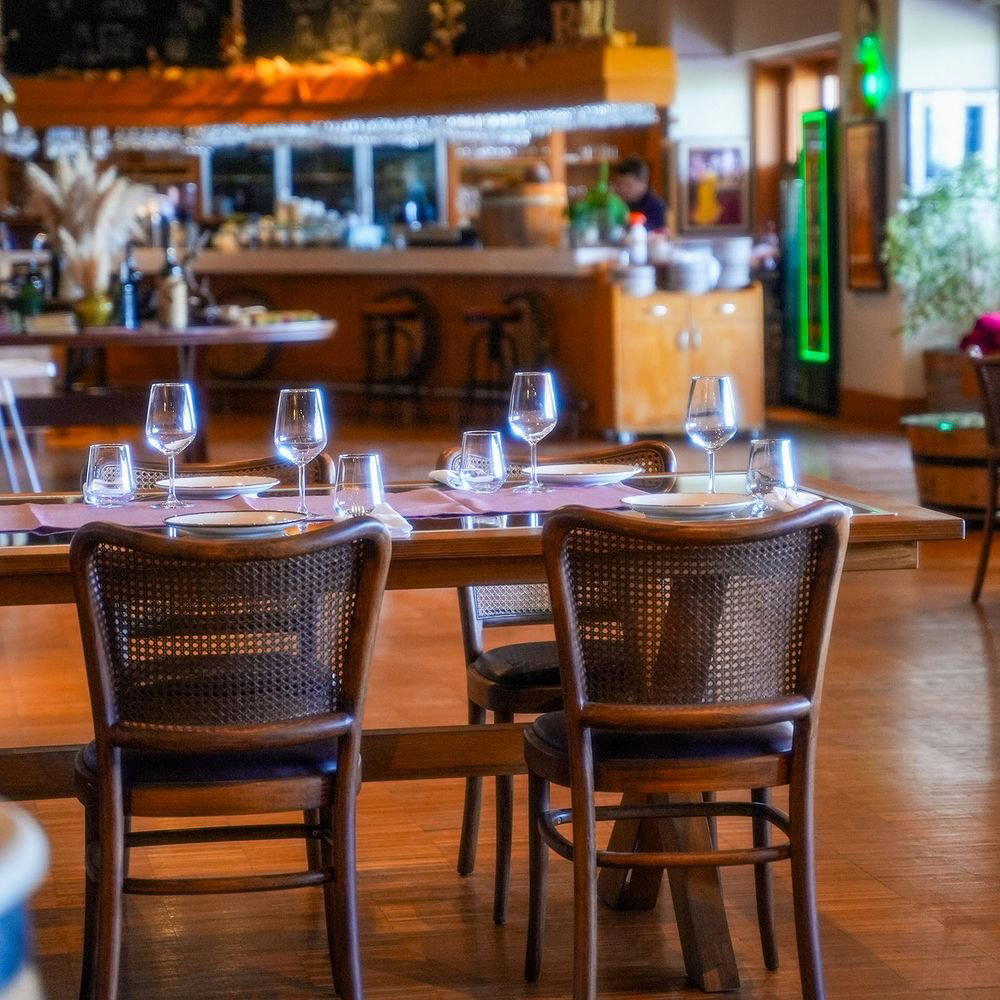
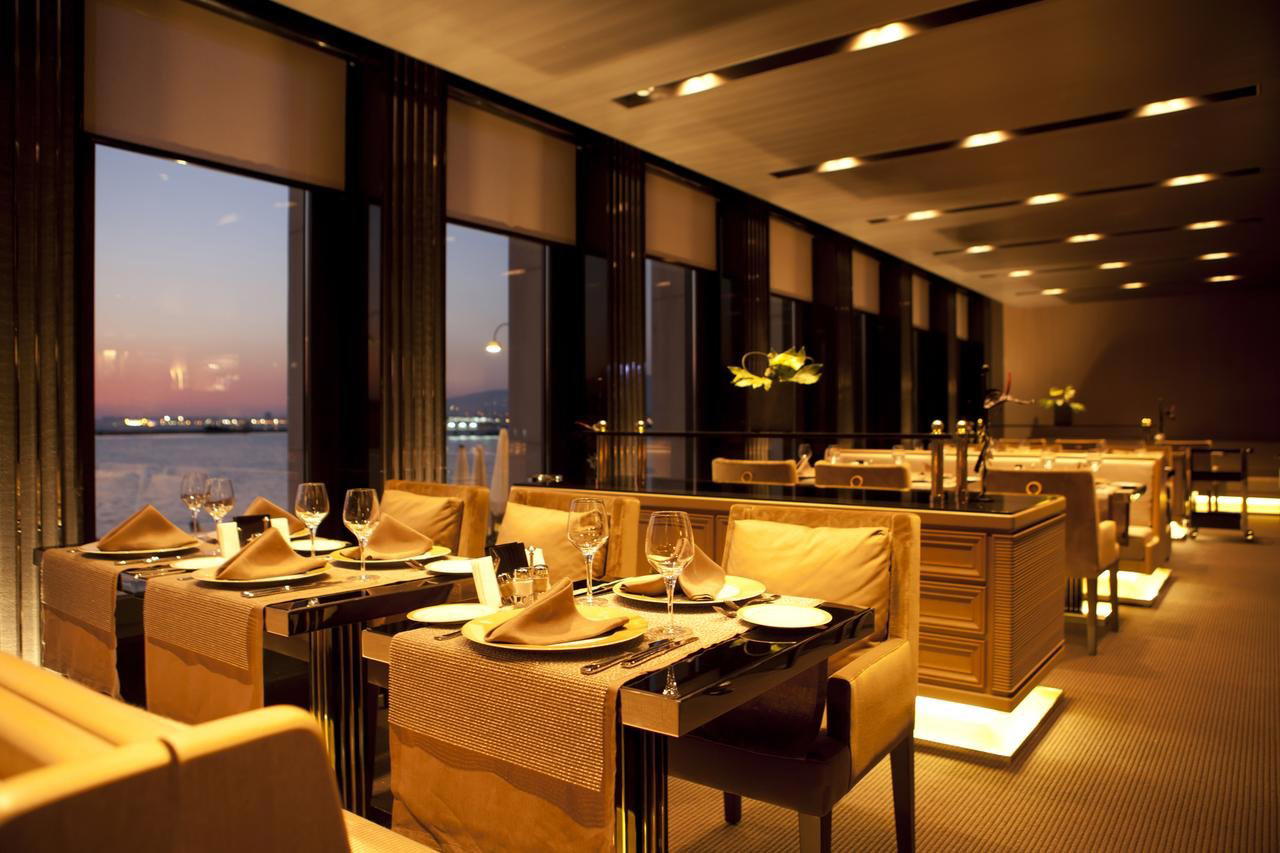
At a Glance
- Scenic
- Elegant
- Romantic
- Rustic
- Date Night
- Special Occasion
- Business Dinner
- Terrace
- Garden
- Historic Building
- Extensive Wine List
- Local Sourcing
- Vineyard
- Garden
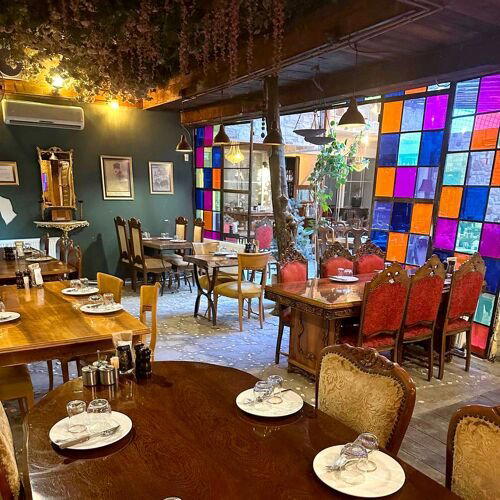
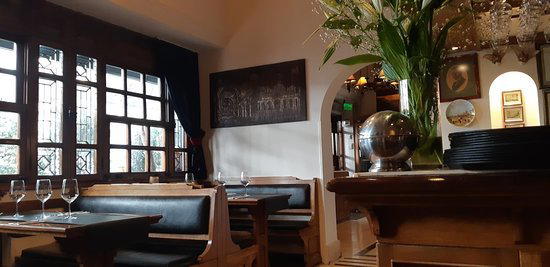
Bucolic terrace shaded by ancient trees amid vineyards, offering a serene, elegant countryside atmosphere.