Skip to Main Content
Traditional Cantonese Seafood

Google: 4.0 · 1,376 reviews

← Collection
Dress CodeCasual
ServiceCasual
NoiseLively
CapacityMedium
Michelin

Few Wan Chai addresses carry the weight of Sang Kee, a dai pai dong-style institution operating since 1976. Now relocated to brighter, roomier quarters on Lockhart Road, the kitchen has kept its menu intact — salt-baked chicken, pork liver with wolfberry leaves, baked fish intestine with egg. The cooking is resolutely unfussy, and that's precisely the point.

Pearl is the En Primeur Club membership app — saves, bookings, and concierge access live there. Same editors, same standards.

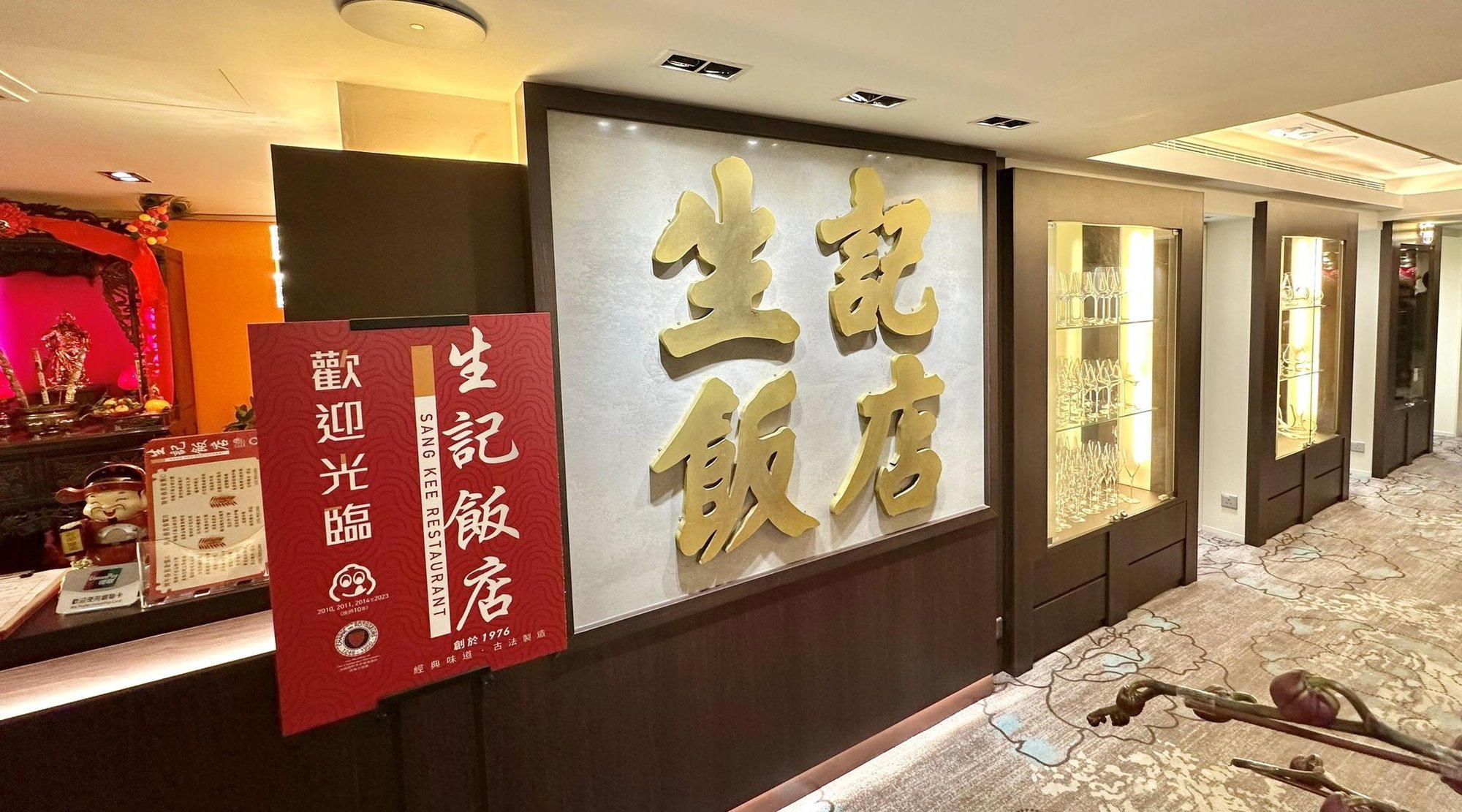
Sang Kee restaurant in Hong Kong, Hong Kong
About

Wan Chai's Long Game

Lockhart Road has absorbed decades of change — karaoke bars giving way to cocktail dens, neon signage slowly replaced by LED menus — yet certain establishments seem to operate outside those cycles. Sang Kee is one of them. Since 1976, this Wan Chai institution has served the kind of Cantonese home-style cooking that neither chases trends nor requires them. When the kitchen relocated to its current address at Sunshine Plaza, 3-4F, 353 Lockhart Road, the room got brighter and the seating expanded, but the menu stayed exactly as it was. In a city where restaurant reinvention is constant, that deliberate stillness carries its own signal.

For context: the broader Wan Chai dining scene now ranges from Michelin-tracked hotel restaurants to small-plate wine bars with European-trained chefs. Sat at the other end of that spectrum, Sang Kee operates on a different logic entirely. There are no chef's tasting menus here, no sourcing narratives on the back of the card. What's on offer is the accumulated confidence of a kitchen that has refined the same dishes over nearly five decades.

The Room After the Move

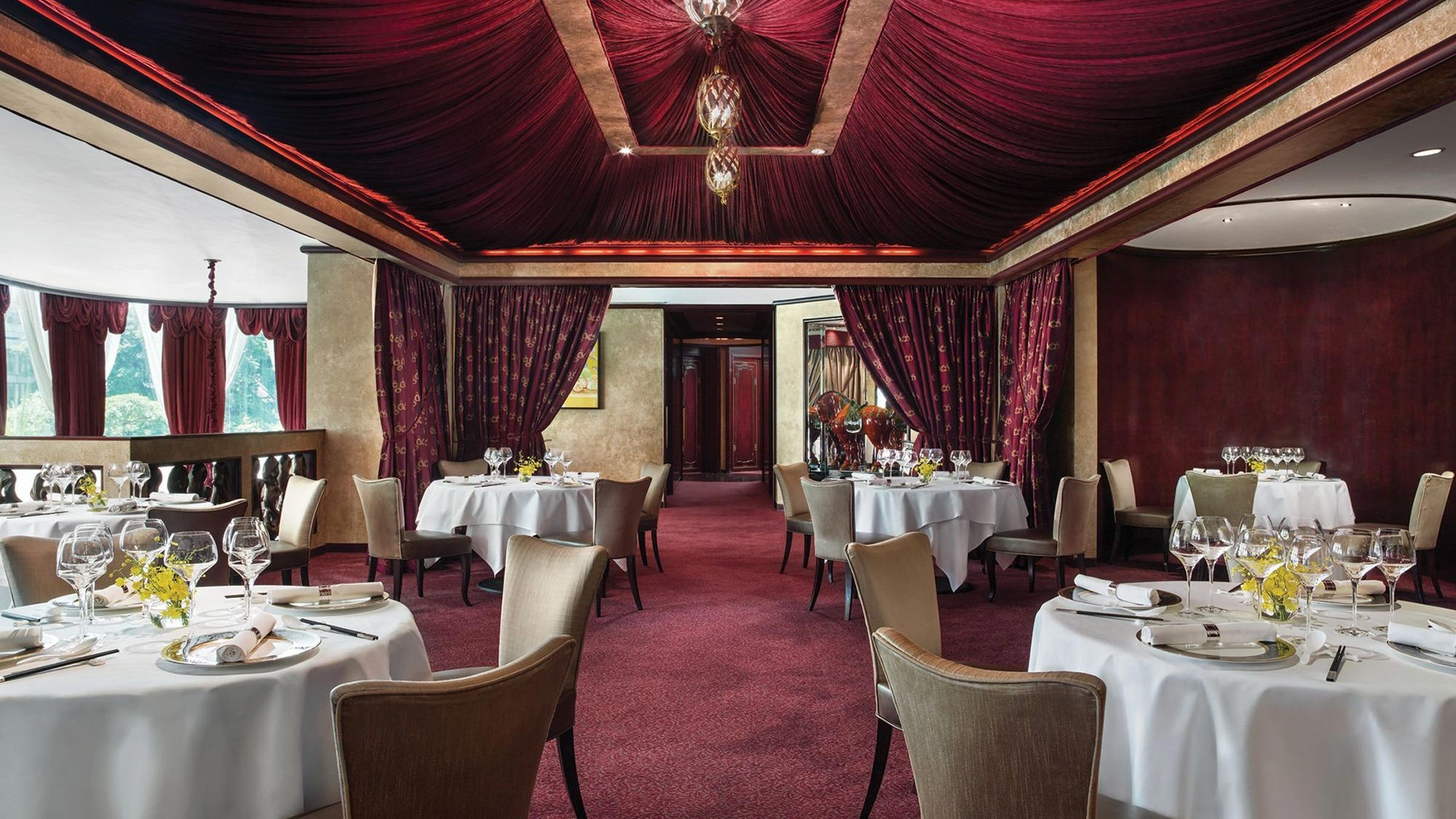
The relocation to Sunshine Plaza gave Sang Kee something it didn't have before: space. The new floor feels noticeably airier than the old premises , better lighting, more room between tables, greater capacity overall. These changes matter in practical terms. A larger dining room means the queue dynamic shifts somewhat, though Sang Kee remains the kind of place where timing still dictates your experience. The decor isn't what draws people here. The food is. That the space is now more comfortable to eat in is a useful improvement, not a transformation of identity.

Lunch Versus Dinner at Sang Kee

The lunch-versus-dinner divide is worth thinking through carefully before you go. Hong Kong's dai pai dong tradition has always operated with a lunchtime logic: fast, affordable, working-crowd energy, dishes served without ceremony. Dinner at this style of restaurant tends to attract a different rhythm , longer stays, bigger tables, family groups ordering across a wider sweep of the menu.

At Sang Kee, the lunch service reflects that tradition. Dishes come out quickly. The room fills with office workers, regulars who've been eating here for years, and the occasional visitor who's done their homework. The pace is brisk. If you want to work through several dishes at leisure, dinner is the better frame , the room settles, groups linger, and the kitchen's range is easier to explore without feeling like you're holding up the table behind you.

The value proposition shifts too. Lunch tends to skew toward single-dish orders or quick combinations, while dinner opens up to the fuller spread. Given that Sang Kee's most discussed dishes , the salt-baked chicken, the pork liver cooked with wolfberry leaves blanched in stock, the baked fish intestine with egg , are the kind of things you want to take your time with, dinner arguably shows the kitchen at its most legible. That said, a well-timed lunch is the faster route in if your itinerary is tight.

For comparison, the fine dining tier in Hong Kong operates on an entirely different scheduling logic. Restaurants like 8 1/2 Otto e Mezzo Bombana, Caprice, Ta Vie, and Amber require advance booking and occupy tasting-menu formats measured in hours. Sang Kee is categorically not that. It belongs to an older Hong Kong hospitality grammar , one where availability is determined by arrival time and the kitchen's stamina, not a reservation system.

What the Kitchen Does

Home-style Cantonese cooking at this level is harder to execute than it appears. The techniques are unforgiving precisely because there's nothing decorative to hide behind. Salt-baking a chicken requires timing and temperature management that a sauce cannot rescue if it goes wrong. Pork liver cooked with wolfberry leaves and blanched in stock is a dish that rewards experience over innovation; the balance of iron-rich liver against the slight bitterness of the leaves is something that takes years of repetition to calibrate. The baked fish intestine with egg is the dish most likely to divide first-timers and regulars , offal prepared with this level of care represents the older Cantonese tradition of using every part of the animal, a culinary logic that predates contemporary nose-to-tail rhetoric by generations.

These dishes share a common register: they're built on stock, seasoning, and technique rather than premium ingredients or elaborate presentation. That's what makes Sang Kee instructive as a reference point. At Forum, the Cantonese tradition is expressed through luxury product and classical technique at significant price points. Sang Kee operates the same culinary inheritance through an entirely different economic and aesthetic register. Both approaches are legitimate; they're simply addressed to different moments in a trip.

How Sang Kee Sits in the City

Hong Kong's restaurant culture is often read through its Michelin count and its fine dining density, but that reading misses something. The city's food culture has always rested on a parallel infrastructure of neighbourhood institutions , places where the cooking is serious but the framing is not. Sang Kee, operating since 1976 in Wan Chai, is part of that infrastructure. Its longevity is a form of credentialing that no award replaces: it has survived every economic cycle, every shift in the neighbourhood, every wave of competition from newer formats, and it remains a place that regulars return to from habit rather than occasion.

That kind of durability positions Sang Kee differently from the newer generation of Hong Kong restaurants drawing international attention. It has no particular relationship to the dining trends that animate conversations about places like Le Salon de Thé de Joël Robuchon in Central, or the ambition-forward kitchens gaining recognition in the way that restaurants such as Alinea, Le Bernardin, or Alain Ducasse at Louis XV do in their respective cities. Sang Kee's authority is more local and more durable , it is trusted because it has been trusted, repeatedly, across generations of diners.

Planning Your Visit

Sang Kee is located at 3-4F, Sunshine Plaza, 353 Lockhart Road, Wan Chai. The Wan Chai MTR station puts you within a few minutes' walk. The new premises are more spacious than the original location, which has eased pressure during peak hours, but this remains a popular neighbourhood institution and arriving early , particularly for dinner , is the more reliable strategy than assuming a table will be immediately available. There is no booking information in circulation for this venue, which suggests walk-in is the operating model. Phone and website details are not publicly listed.

If you're building a broader Hong Kong itinerary, the EP Club guides for restaurants, hotels, bars, wineries, and experiences cover the full range of the city's offer , from neighbourhood institutions like this one to the international reference points that make Hong Kong one of Asia's most layered dining cities.

Signature Dishes
salt-baked chickensweet and sour porkbraised pork belly
Frequently asked questions

Just the Basics

A compact peer set to orient you in the local landscape.

At a Glance
Vibe
  • Classic
  • Lively
Best For
  • Group Dining
  • Family
Dress CodeCasual
Noise LevelLively
CapacityMedium
Service StyleCasual
Meal PacingStandard

Noisy and crowded with basic, unremarkable interior.

Signature Dishes
salt-baked chickensweet and sour porkbraised pork belly