
Holding a Michelin Plate for two consecutive years (2024 and 2025), Saba brings a fusion approach to the Faubourg Sainte-Claire, one of Annecy's most storied dining corridors. At the €€ price tier, it represents a compelling entry point into the city's broader scene of ingredient-led, consciously sourced cooking..
Pearl is the En Primeur Club membership app — saves, bookings, and concierge access live there. Same editors, same standards.
- Address
- 21 Fbg Sainte-Claire, 74000 Annecy, France
- Phone
- +33 9 87 39 45 25
- Website
- restaurant-saba.com
- Directions
- Get directions
 Saves & bookings on Pearl
Where the Old Town Meets a Different Kind of Kitchen
The Faubourg Sainte-Claire runs parallel to Annecy's canal network, a street of ochre facades and ground-floor restaurants that has fed the city's residents and visitors for generations. The tradition here leans Alpine: lake fish, mountain cheese, cream-enriched sauces that reflect the larder of Haute-Savoie. Saba sits inside that geography but works from a different set of references. The fusion format it operates within is not the grab-bag eclecticism that word sometimes implies, but a more considered practice of placing French Alpine produce inside culinary frameworks drawn from further afield. That positioning puts it in a small and distinct niche within Annecy's dining scene, one where sourcing decisions carry the same weight as technique.
Fusion in a Region That Takes Produce Seriously
Haute-Savoie is not a region that forgives careless sourcing. The agricultural identity here, shaped by altitude, seasonality, and short growing windows, has historically pushed chefs toward direct producer relationships and minimum-waste kitchens. Fusion cooking in this context becomes something other than stylistic licence; it becomes a test of whether the borrowed technique respects the raw material as much as the local tradition would. The better fusion operations in France, from Alpine addresses like Saba to coastal references such as Mirazur in Menton, tend to share a philosophy of environmental awareness: sourcing drives the menu rather than the menu driving the sourcing. That orientation, when applied consistently, produces cooking that feels grounded rather than restless.
Saba has held a Michelin Plate in both 2024 and 2025, a signal worth reading carefully. The Plate does not indicate stardom, but it does indicate that Michelin's inspectors found the kitchen producing food of genuine quality and consistency across visits. In a city where Le Clos des Sens and Maison Benoît Vidal operate at the starred level, and where L'Esquisse and La Rotonde des Trésoms anchor the €€€€ modern cuisine tier, Saba occupies the accessible end of the recognised cooking spectrum. The €€ price point makes Michelin-acknowledged quality available at a lower threshold than most of its peers in the city.
The Sustainability Argument in Fusion Cooking
Fusion kitchens face a structural sustainability challenge that more monocultural restaurants do not: sourcing across culinary traditions risks pulling ingredients from distant supply chains. The more rigorous operators in this space resolve the tension by anchoring supply locally and applying technique globally. In Haute-Savoie, that means the cold, clear waters of Lake Annecy and the surrounding market gardens and alpine dairies still form the centre of the plate; what changes is the preparation and the flavour architecture around them. This approach aligns with a broader shift across French gastronomy, documented in the practices of benchmark houses like Bras in Laguiole, where hyperlocal sourcing and restraint in intervention have long defined the model. Saba operates at a different price tier and scale, but the directional question it must answer is the same: does the cross-cultural reference serve the ingredient, or does the ingredient serve the reference?
At the €€ level, waste reduction and supply chain discipline matter as much for economic reasons as ethical ones. Tighter margins require tighter kitchens. For context, ANTO, which shares the €€ tier in Annecy's modern cuisine space, provides a useful peer comparison: both venues demonstrate that the accessible price bracket in this city does not mean a relaxed approach to quality signals.
Annecy's Place in the Regional Fine Dining Conversation
Annecy sits within a dense triangle of serious French cooking. To the north, Lyon's gastronomic gravity exerts influence through the Bocuse lineage, represented at its most ceremonial by Paul Bocuse - L'Auberge du Pont de Collonges. To the west, Troisgros - Le Bois sans Feuilles in Ouches has redefined the grand maison model around ecological commitment. To the north-west in the Alps, Flocons de Sel in Megève applies mountain terroir with three-star precision. Against that backdrop, Annecy has developed a dining scene that is more varied than its postcard reputation suggests: a handful of starred addresses, a wider set of Plate-level and independent kitchens, and a price distribution that allows serious eating at multiple budget points.
The fusion category in Annecy remains less populated than modern French or Alpine-traditional cuisine. Internationally, fusion at the recognised level appears in different city contexts, from Arkestra in Istanbul to Ajonegro in Logroño, each operating within their own regional sourcing logic. Saba's position as the category's Michelin-recognised representative in Annecy gives it a distinct identity in the city's overall restaurant map, with no direct local competitor holding the same combination of price tier, cuisine type, and annual Michelin acknowledgement.
Planning Your Visit
Saba's address at 21 Faubourg Sainte-Claire places it within walking distance of the old town and the lake, which means it draws both destination diners and guests already in the area for the evening. The €€ price positioning keeps the barrier to entry lower than much of what Michelin covers in Annecy, and the recognition in 2024 and 2025 provides a reasonable basis for planning a visit with confidence. Given those economics and the consistent review signal, demand during the summer lake season and around the Christmas market period is likely to exceed casual walk-in availability. Booking ahead is advisable for Friday and Saturday evenings, and for any date between mid-July and mid-August when Annecy's visitor numbers peak. The high-season window also coincides with peak Alpine produce availability, making summer and early autumn the period when a fusion kitchen sourcing from this region has much to work with.
Same-City Peers
Comparable venues nearby, for context on price, style, and recognition.
| Venue | Cuisine | Price | Notes |
|---|---|---|---|
| SabaThis venue — the venue you are viewing | French-Japanese Fusion | $$$$ | Not listed |
| Minami | Japanese with French Fusion | $$$ | Vieille Ville |
| Le Restaurant | Modern French Fine Dining | $$$ | near city center |
| Choral | Modern French with Asian Fusion | $$$ | Romains |
| Bloomer | Modern French Neo-Bistro | $$ | Near Annecy Train Station |
| L'Artisan | Modern French Gastropub | $$$$ | Marquisats |
Recognition history
Dated appearances from independent guides and award organizations, with the underlying list record or original source where available.
Michelin Plate
Michelin
Michelin Plate
Michelin
Continue exploring
More in Annecy
Restaurants in Annecy
Browse all →
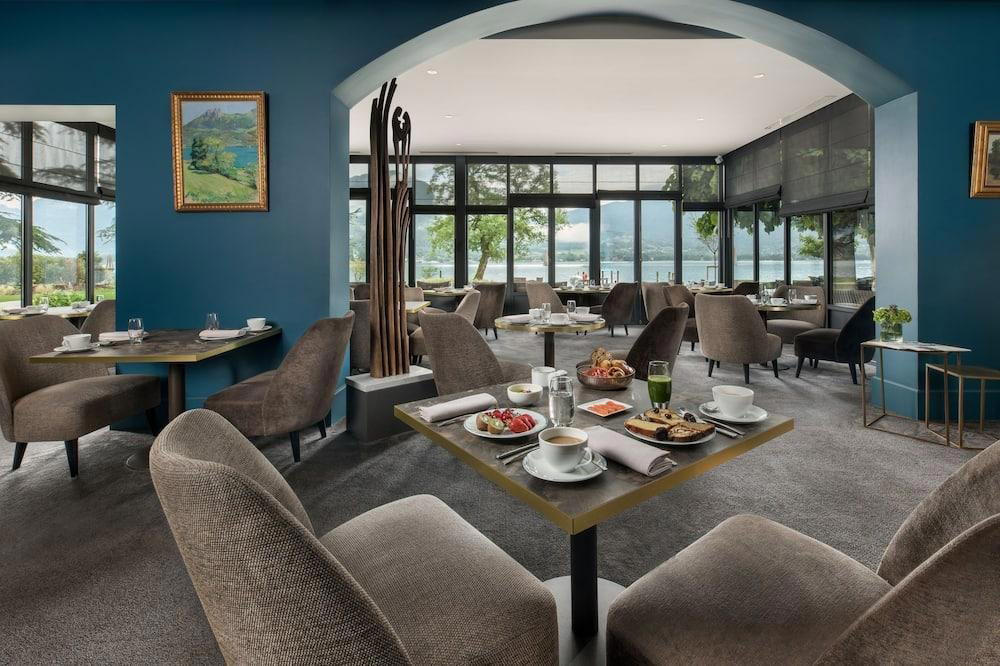
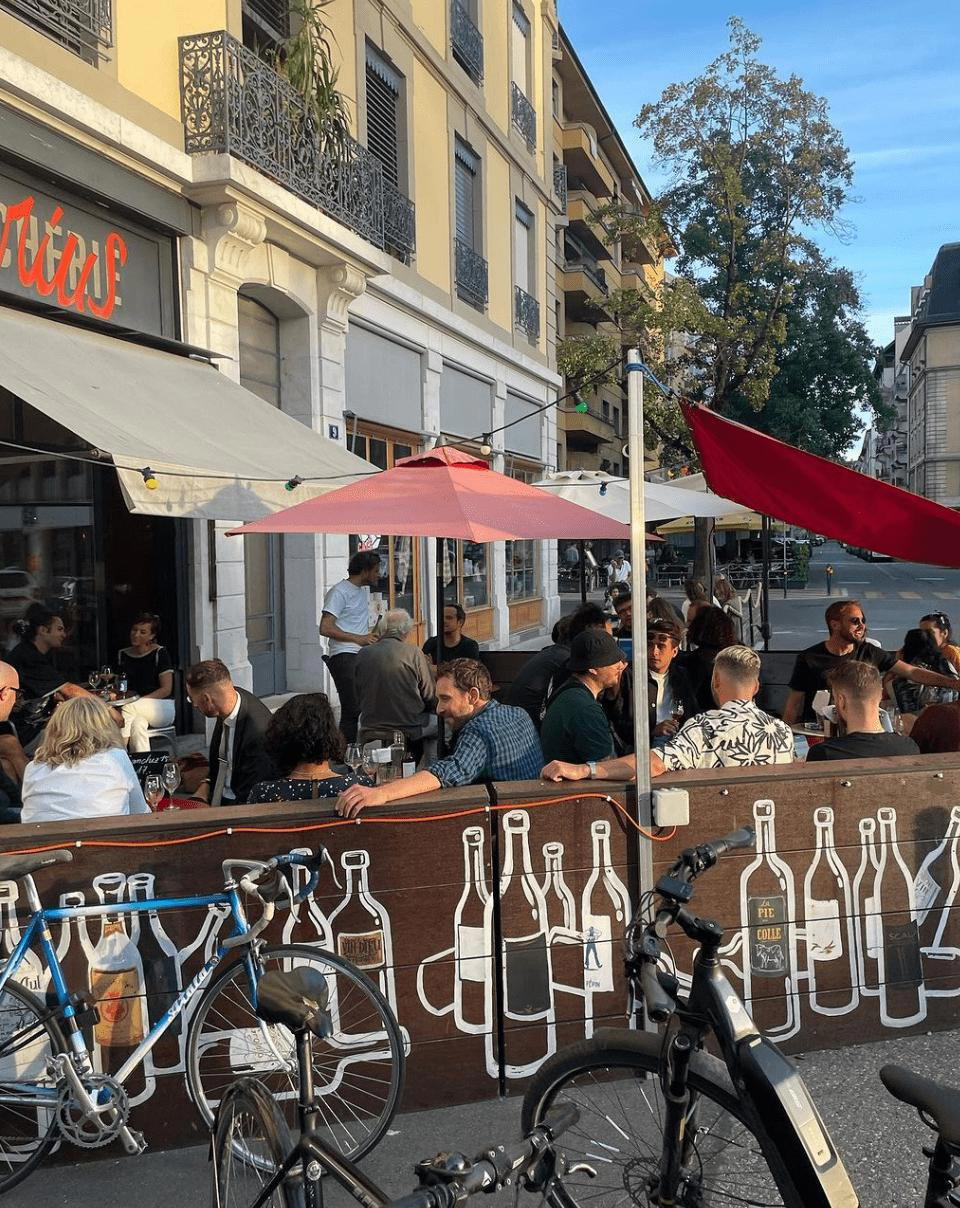
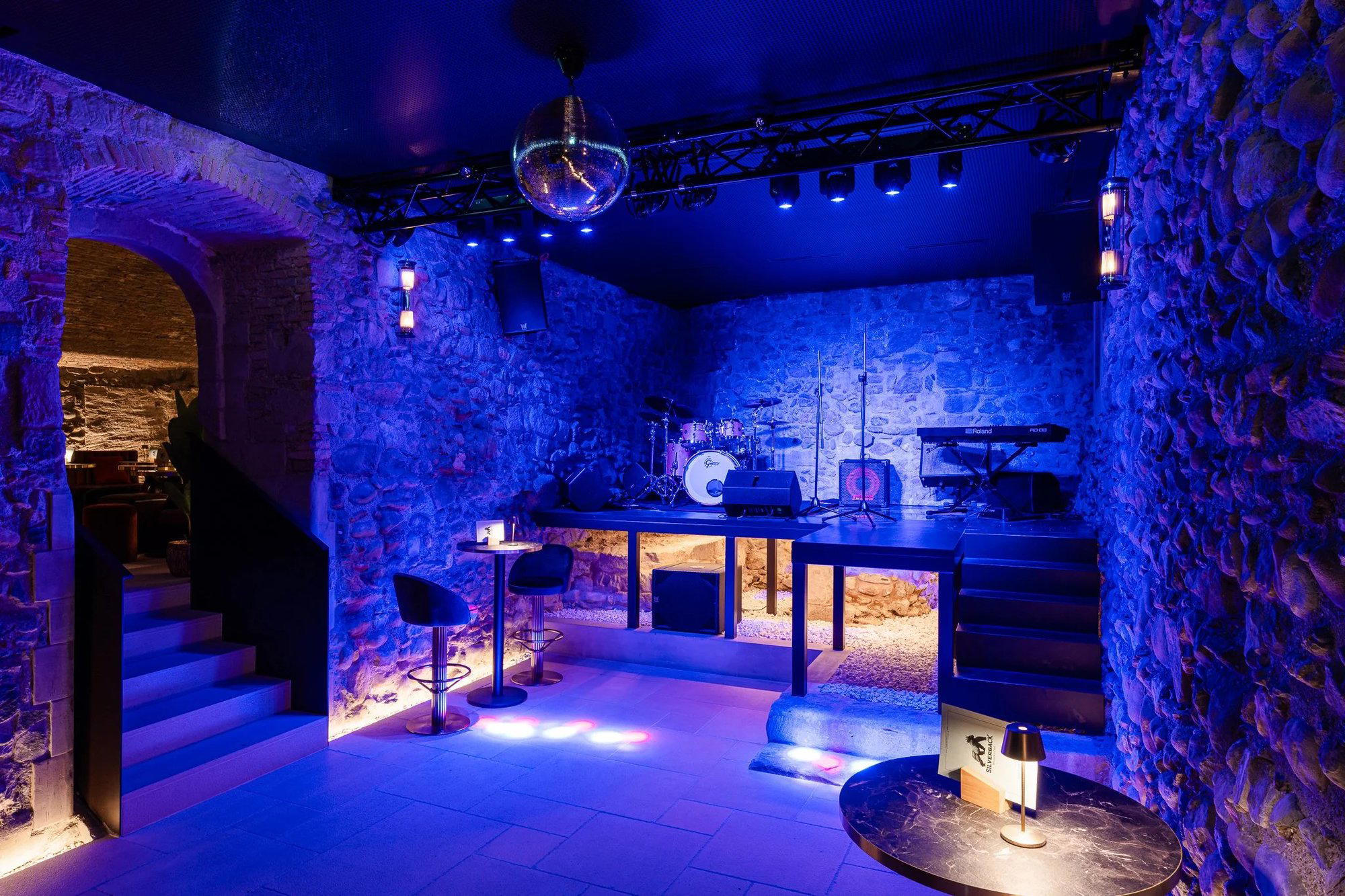
At a Glance
- Intimate
- Elegant
- Minimalist
- Sophisticated
- Date Night
- Special Occasion
- Celebration
- Open Kitchen
- Historic Building
- Standalone
- Sake Program
- Sommelier Led
- Farm To Table
- Sustainable Seafood
- Local Sourcing
- Organic
Current opening hours
- Monday
- 12–1:15 PM, 7:30–9 PM
- Tuesday
- 7:30–9 PM
- Wednesday
- 7:30–9 PM
- Thursday
- 12–1:15 PM, 7:30–9 PM
- Friday
- 12–1:15 PM, 7:30–9 PM
- Saturday
- Closed
- Sunday
- Closed
Hours can change for holidays and private events. Last verified .
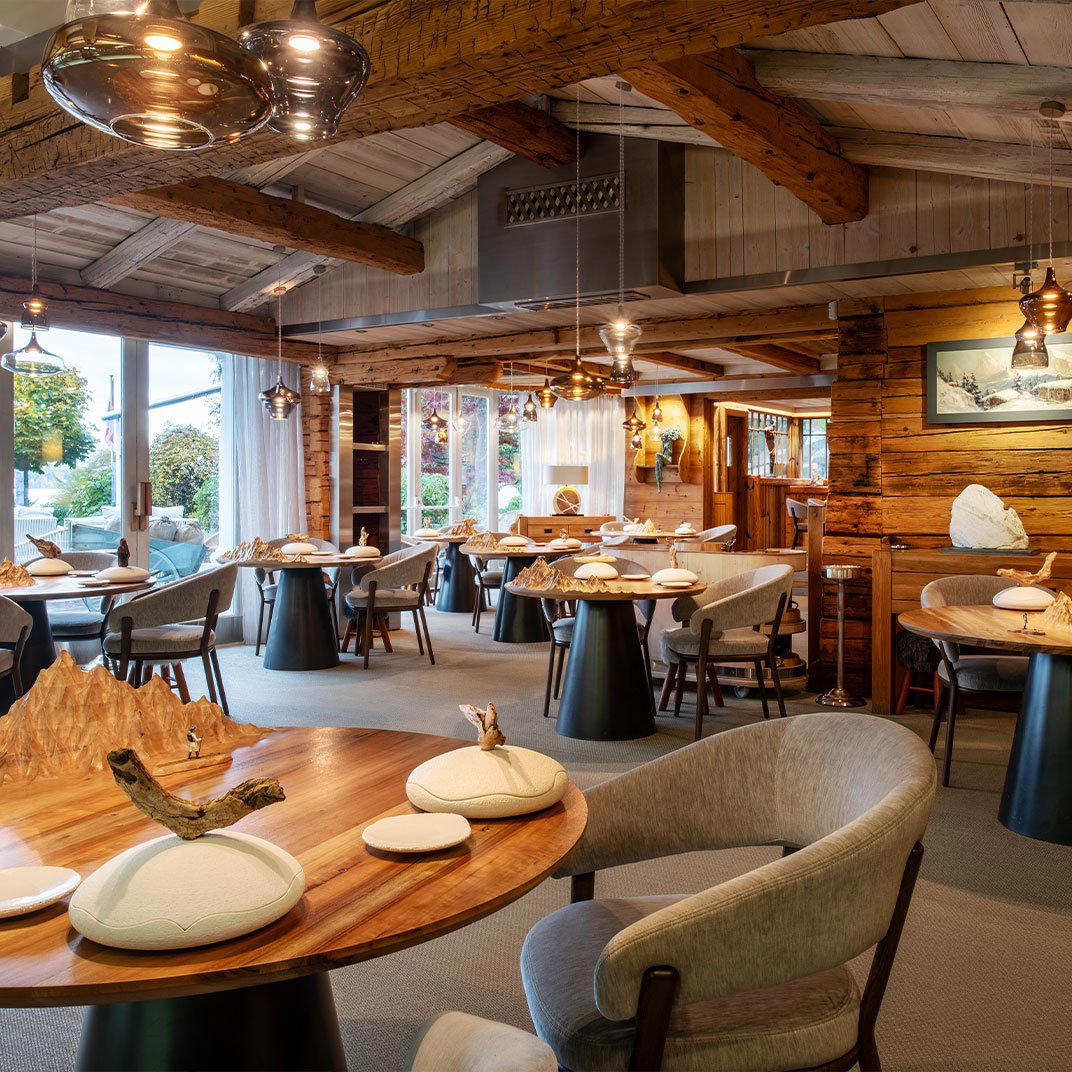
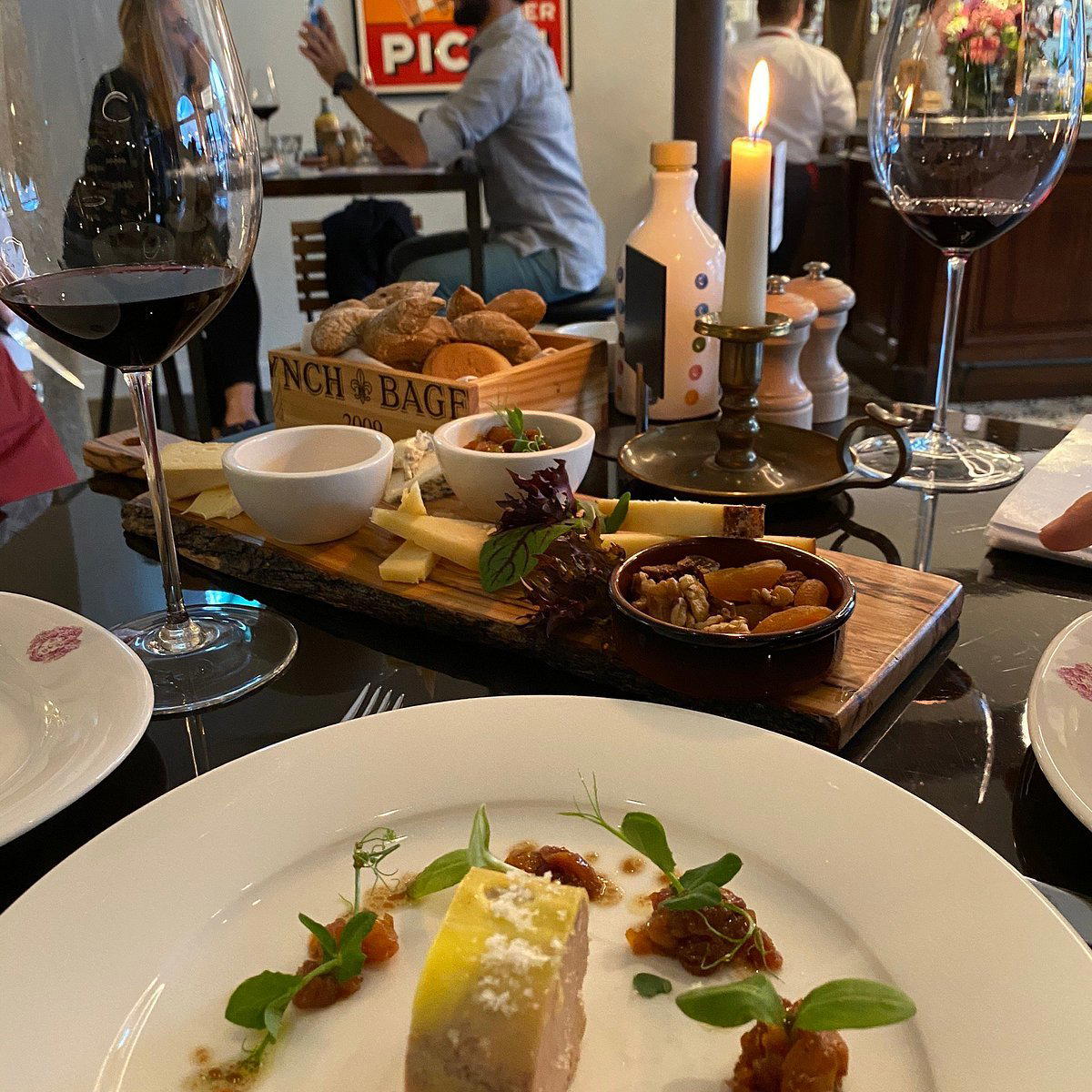
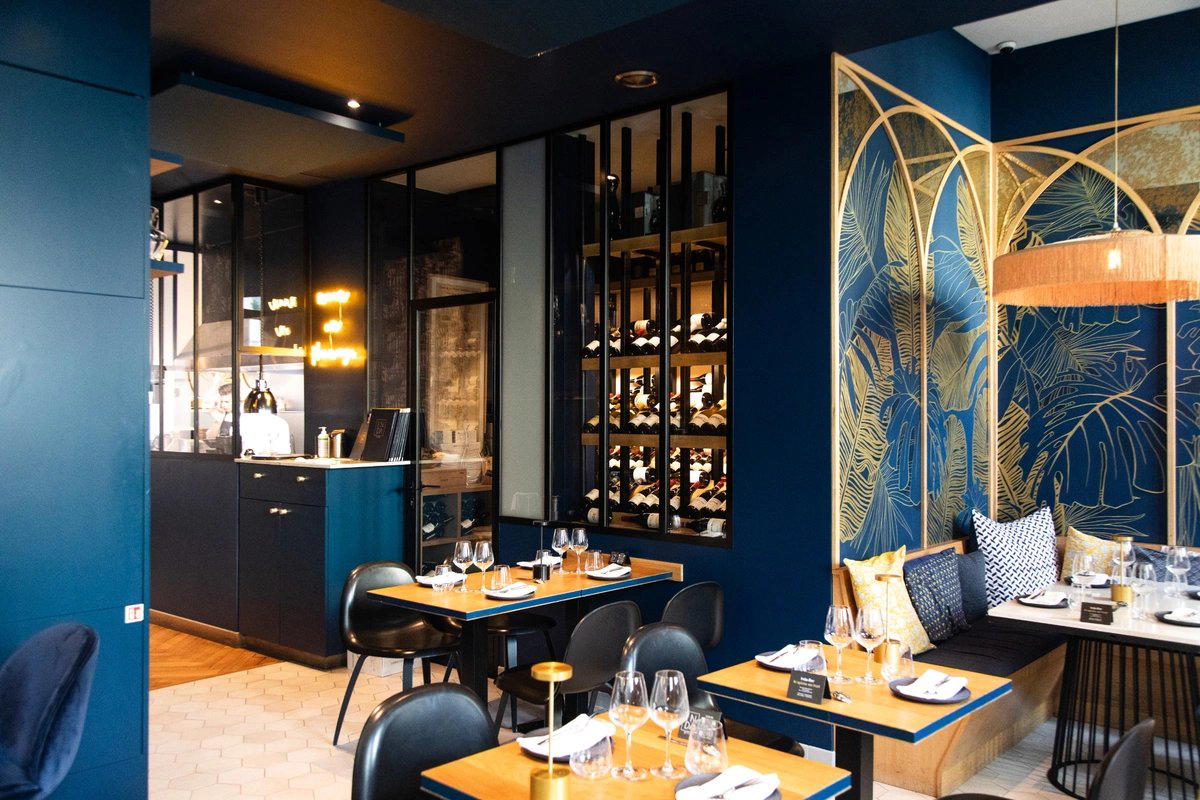
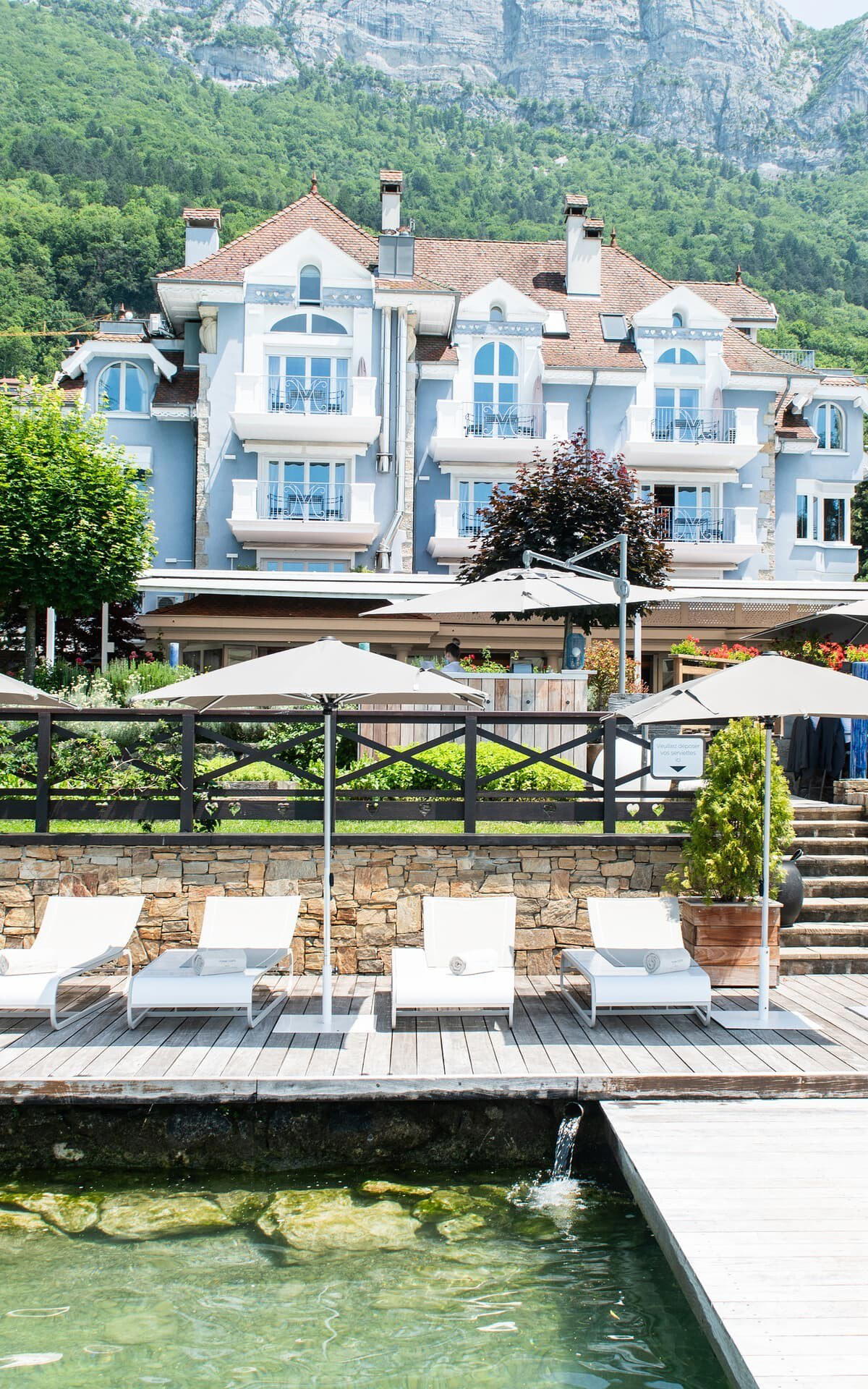
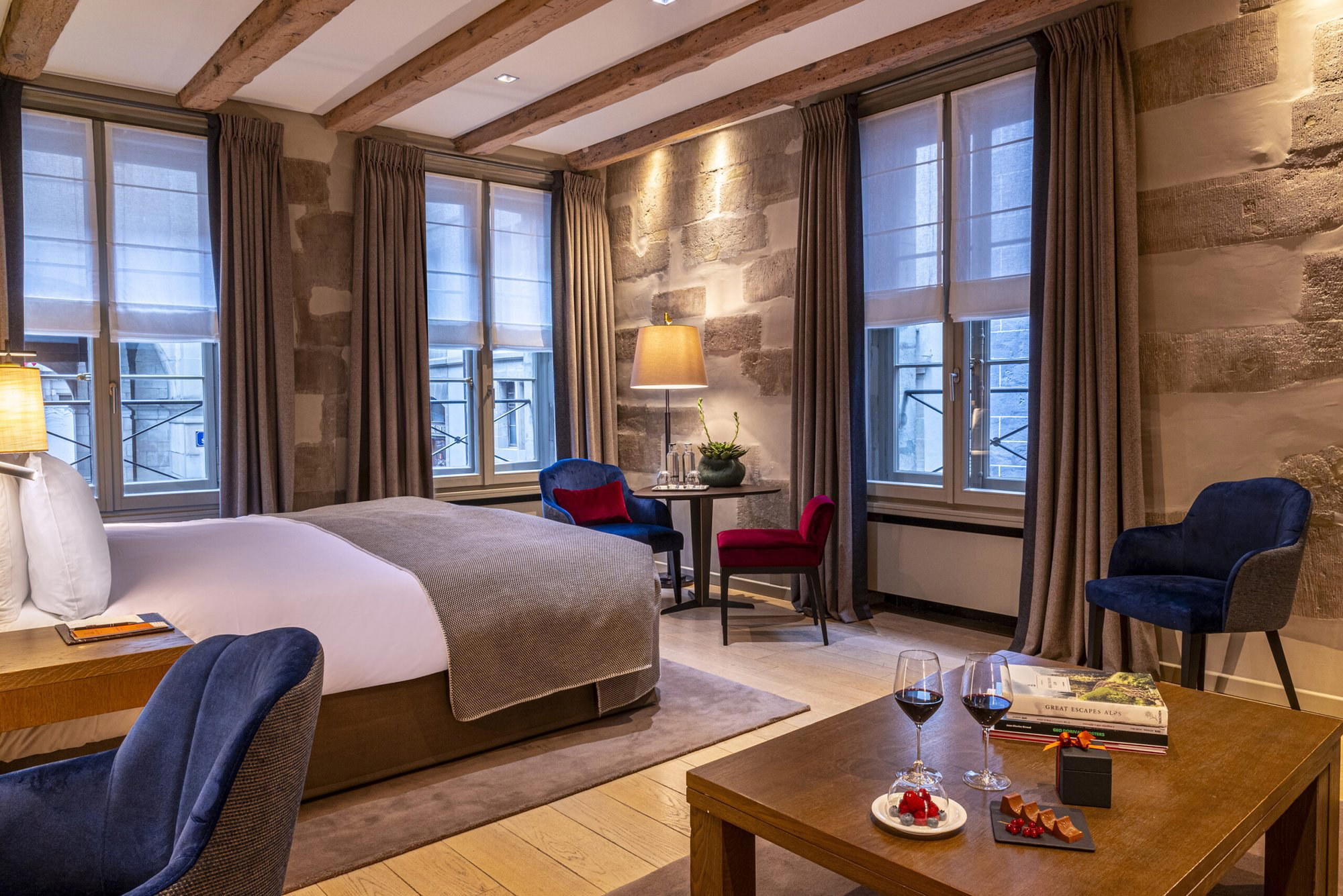
Minimalist, chic decor in a small historic building with warm, uncomplicated atmosphere; open kitchen visible from select seating; charming details including a notably designed restroom.