.png)
Annecy's dining scene skews heavily toward alpine French cooking, which makes Minami's soba-led Japanese menu a clear outlier at the €€ price point. Chef Nam Chang-soo trained at the Tsuji Culinary Institute in Osaka and builds the menu around buckwheat noodles executed with traditional technique. A Google rating of 4.7 across 447 reviews signals consistent delivery on a focused, disciplined premise.
 Discover on Pearl
Pearl is the En Primeur Club membership app — saves, bookings, and concierge access live there. Same editors, same standards.
- Address
- 19 Fbg Sainte-Claire, 74000 Annecy, France
- Phone
- +33 4 50 45 75 42
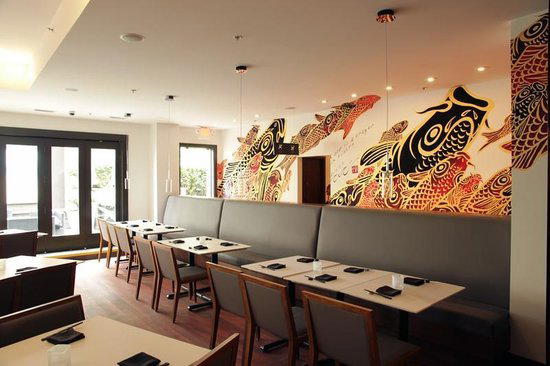
A Japanese Counter in an Alpine City
Annecy's restaurant scene is organized around two gravitational pulls: the classic Savoyard kitchen, with its raclette, tartiflette, and lake fish, and a cluster of creative French tables at the upper end of the price spectrum, including Le Clos des Sens and Maison Benoît Vidal. Japanese cuisine operates in the margins of that structure, which means a soba specialist at the €€ price point occupies a category largely to itself. Minami, on Faubourg Sainte-Claire, is that specialist. It is a Japanese restaurant in Annecy serving Japanese with French Fusion cuisine, with a Google rating of 4.7 and an approximate price of $35 per person.
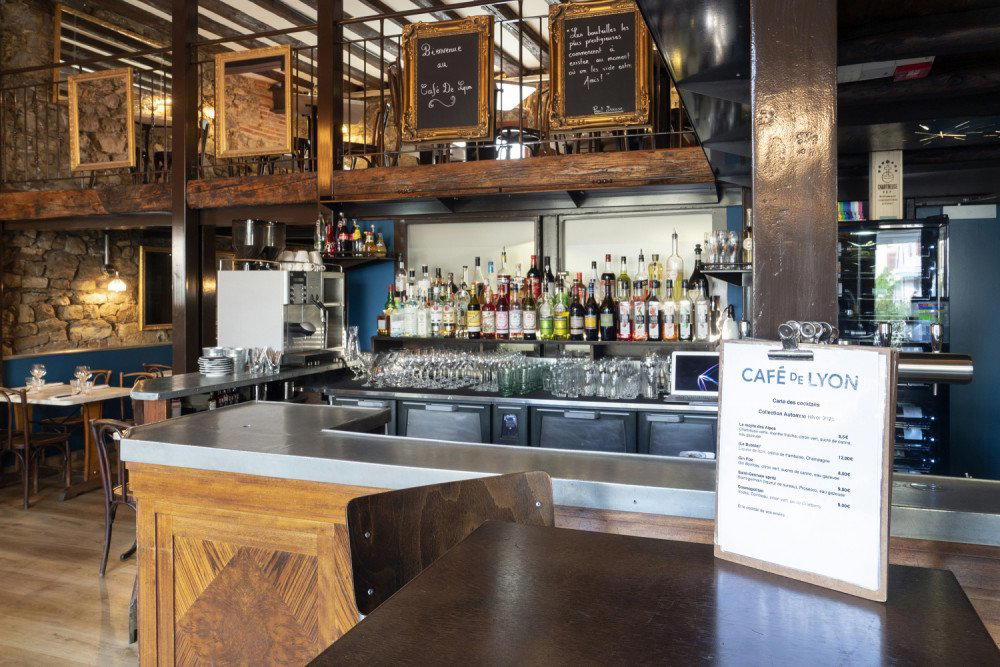
The address itself is telling. Faubourg Sainte-Claire sits just outside the old town's most trafficked pedestrian arc, close enough to the historic centre that foot traffic is natural, but removed enough that the clientele tends to arrive with purpose. The physical environment reads as understated: this is not a space making bold atmospheric claims to compete with lakeside terraces or alpine panoramas. The draw is what arrives in the bowl.
What the Menu Structure Says
Menu architecture at a restaurant like Minami communicates priorities before a single dish is served. When soba noodles are not one item among many but the structural backbone of the entire offering, the kitchen is making a declaration about depth over breadth. This is not a pan-Asian format attempting to cover ramen, sushi, and gyoza for maximum table appeal. The menu is narrow by design, and narrowness at this level is a technical and philosophical choice.
Soba, the Japanese buckwheat noodle tradition, is one of the more demanding areas of Japanese cooking to execute with consistency. The noodles are sensitive to ambient conditions, to water temperature, and to preparation timing. Restaurants in Japan that specialize exclusively in soba, known as sobaya, are often run by practitioners who trained for years under master noodle makers before opening their own rooms. The Tsuji Culinary Institute in Osaka, where Chef Nam Chang-soo trained, is one of Japan's most established professional culinary schools, the kind of institution that produces graduates with systematic, traditional grounding rather than trend-driven fluency.
Nam is Korean by background, which places Minami within a broader pattern visible in French cities with growing Japanese food cultures: Korean chefs trained in Japan bringing technical precision to European markets, often with slightly different perspectives on seasoning and ingredient sourcing than their Japanese counterparts. That cross-cultural positioning is not incidental to how the menu reads.
Signature Preparations and Their Logic
Two preparations have become customer reference points. The first is a soba noodle soup topped with soy sauce-braised and grilled conger eel, a preparation that layers two separate cooking processes on a single protein to produce contrast between the braised interior and the char of the grill. Conger eel, or anago in Japanese culinary terminology, is a more delicate fish than the freshwater unagi more commonly seen in European Japanese restaurants, with a lighter flavour profile that integrates differently with the mineral quality of buckwheat broth.
The second preparation features soy sauce-braised herring imported from Kyoto, a sourcing decision that speaks directly to where the kitchen's priorities sit. Kyoto-style herring preparations, known in Japanese as nishin no takitsukeya, belong to the preserved and slow-braised traditions of Kyoto obanzai cooking. Importing the ingredient rather than substituting a local equivalent signals that the kitchen is not interested in approximation. That choice carries a logistical cost at the €€ price point, which makes it editorially interesting: this is a restaurant holding to ingredient standards that would be unremarkable at €€€€, absorbing the margin on a ticket priced for accessibility.
The broader implication for the menu's structure is that tradition anchors the format while execution details, ingredient sourcing, and controlled additions from the chef introduce differentiation. This is the soba specialist's grammar: honour the form, then work within it.
Where Minami Sits in Annecy's Dining Tier
At €€, Minami occupies the same price tier as ANTO, while the French creative tables like L'Esquisse and La Rotonde des Trésoms operate at €€€€. That pricing gap is significant. Guests choosing Minami are not choosing it because it is the most affordable option on the street; the Vieille Ville has no shortage of lower-cost options. They are choosing it because the format is specific and the execution, as 475 Google reviewers averaging 4.7 have indicated, is dependable.
A 4.7 rating across that volume of reviews is not a statistical anomaly. In a city that draws significant tourist traffic during summer and winter seasons alike, maintaining that score requires consistency across different customer profiles and expectations. The kitchen appears to deliver that consistency on a menu that does not attempt to be everything to everyone.
For reference on what the region's most ambitious Japanese-influenced or technically precise cooking looks like at the upper end, Flocons de Sel in Megève and Mirazur in Menton provide context for the broader French alpine and Mediterranean corridor. For dedicated Japanese specialist cooking at the highest tier in Tokyo, Myojaku and Azabu Kadowaki illustrate the depth of the tradition from which Minami draws its approach.
Among the broader French canon, destinations like Alléno Paris au Pavillon Ledoyen, Troisgros, Paul Bocuse, and Bras anchor the classical French institutional tier. Minami operates in a completely different register, which is precisely the point: it is one of the few places in Annecy where the cooking is oriented entirely around a non-French culinary grammar at a price that does not require a reservation occasion.
Planning a Visit
Minami is located at 19 Faubourg Sainte-Claire, a manageable walk from the old town's main pedestrian areas and the lake. The €€ price point means a meal here sits comfortably within a broader day of Annecy exploration rather than requiring the scheduling of a dedicated dining occasion. Phone and online booking details are not currently listed. Checking locally or through current search results for reservation availability is advisable, particularly during peak summer months when the town's visitor concentration is highest. Hours are Mon: Closed; Tue: 12-1:15 PM; Wed: 12-1:15 PM, 7-9:15 PM; Thu: 12-1:15 PM, 7-9:15 PM; Fri: 12-1:15 PM, 7-9:15 PM; Sat: 12-1:15 PM, 7-9:15 PM; Sun: Closed.
The Quick Read
Comparable venues nearby, for context on price, style, and recognition.
| Venue | Cuisine | Price | Notes |
|---|---|---|---|
| MinamiThis venue — the venue you are viewing | Japanese | $$$ | |
| ANTO | $$$ | vieille ville, Modern French Bistro-Gastronomy | |
| Choral | Romains, Modern French with Asian Fusion | $$$ | |
| Brasserie Brunet | centre, Modern French Brasserie | $$$ | |
| Saba | $$$$ | Faubourg Sainte-Claire, Old Town, French-Japanese Fusion | |
| Là-Haut | French | $$ |
Continue exploring
More in Annecy
Restaurants in Annecy
Browse all →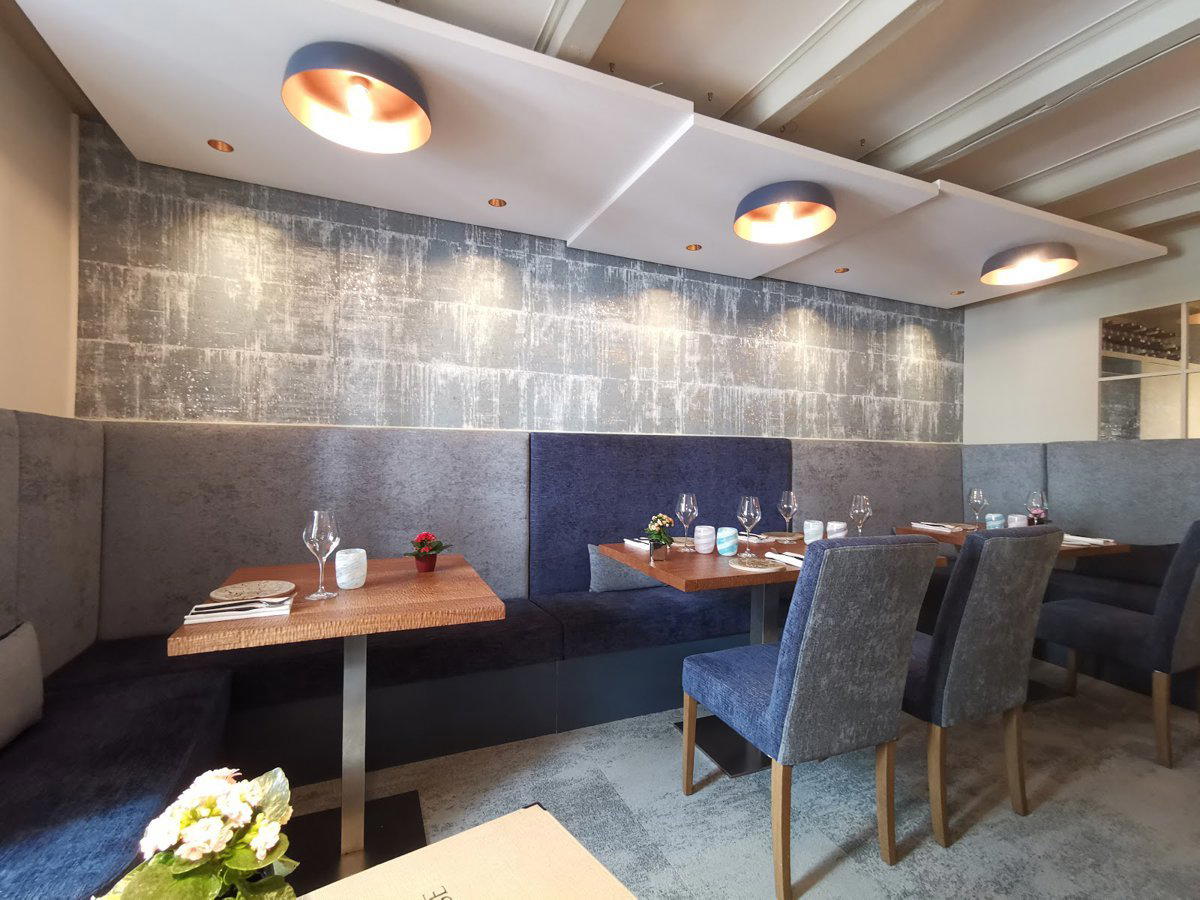
At a Glance
- Minimalist
- Intimate
- Elegant
- Date Night
- Solo
- Terrace
- Street Scene
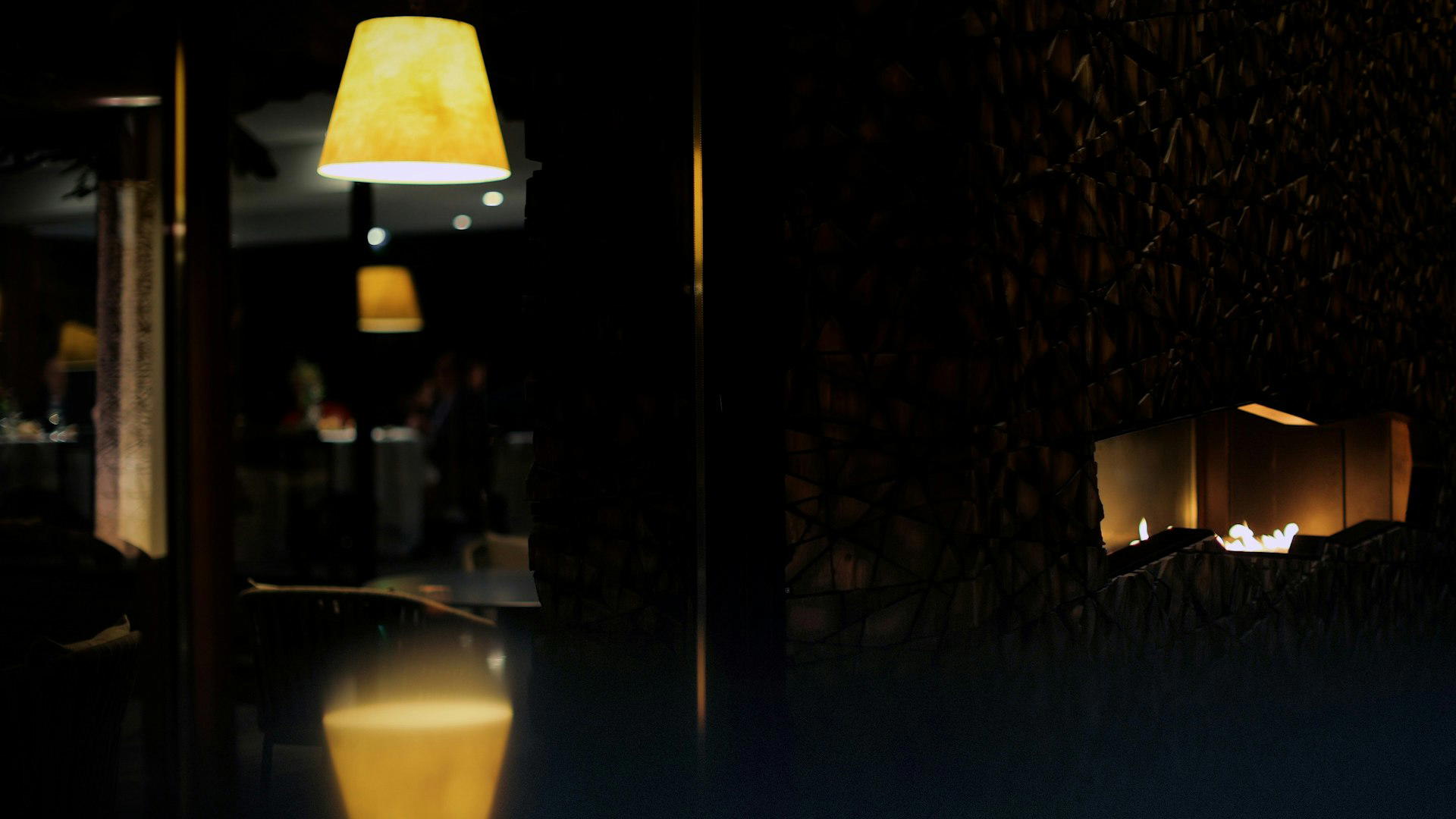
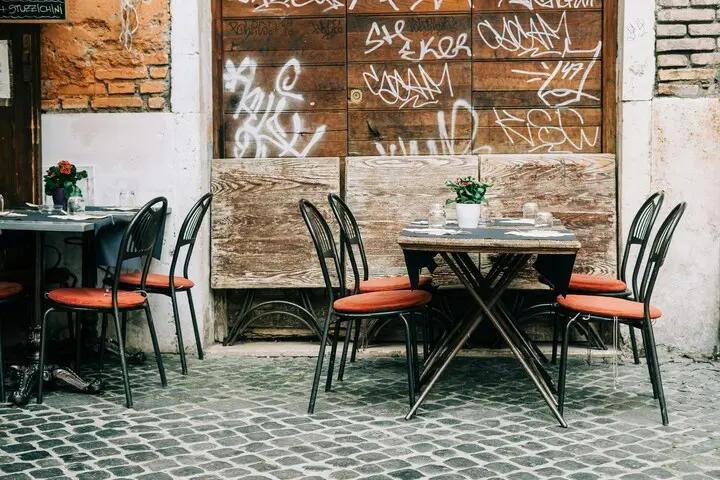
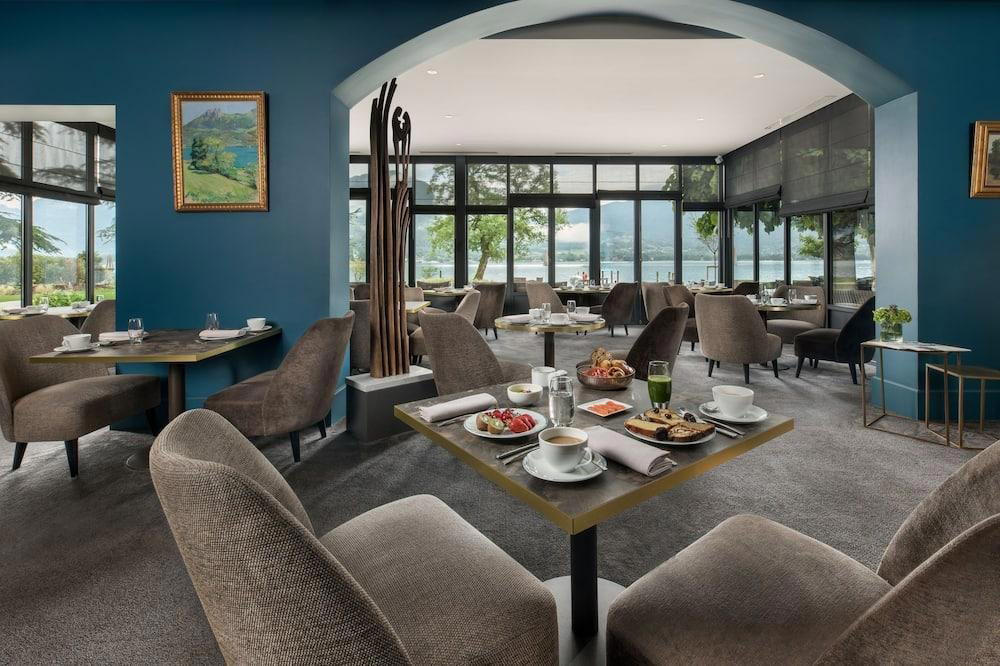
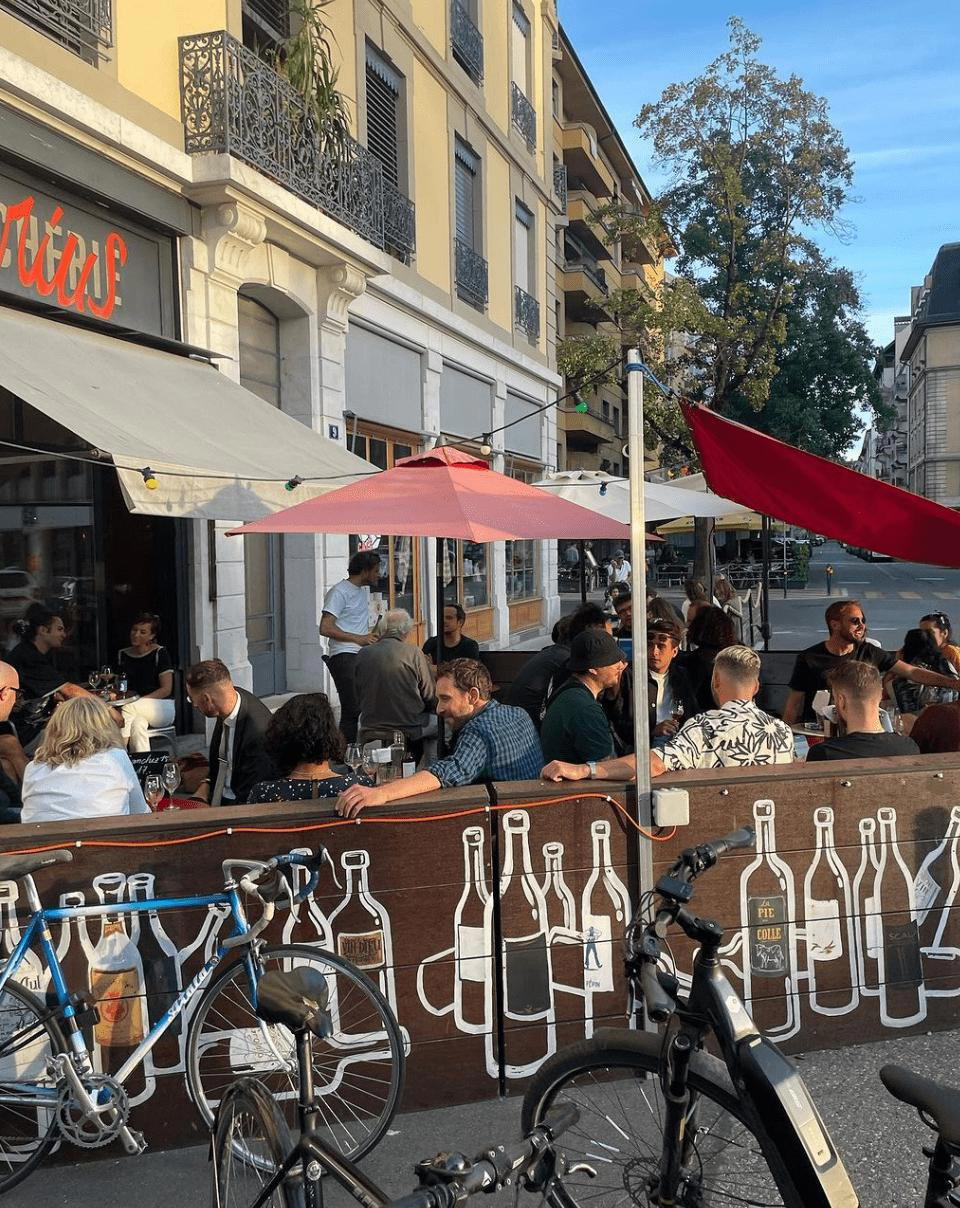
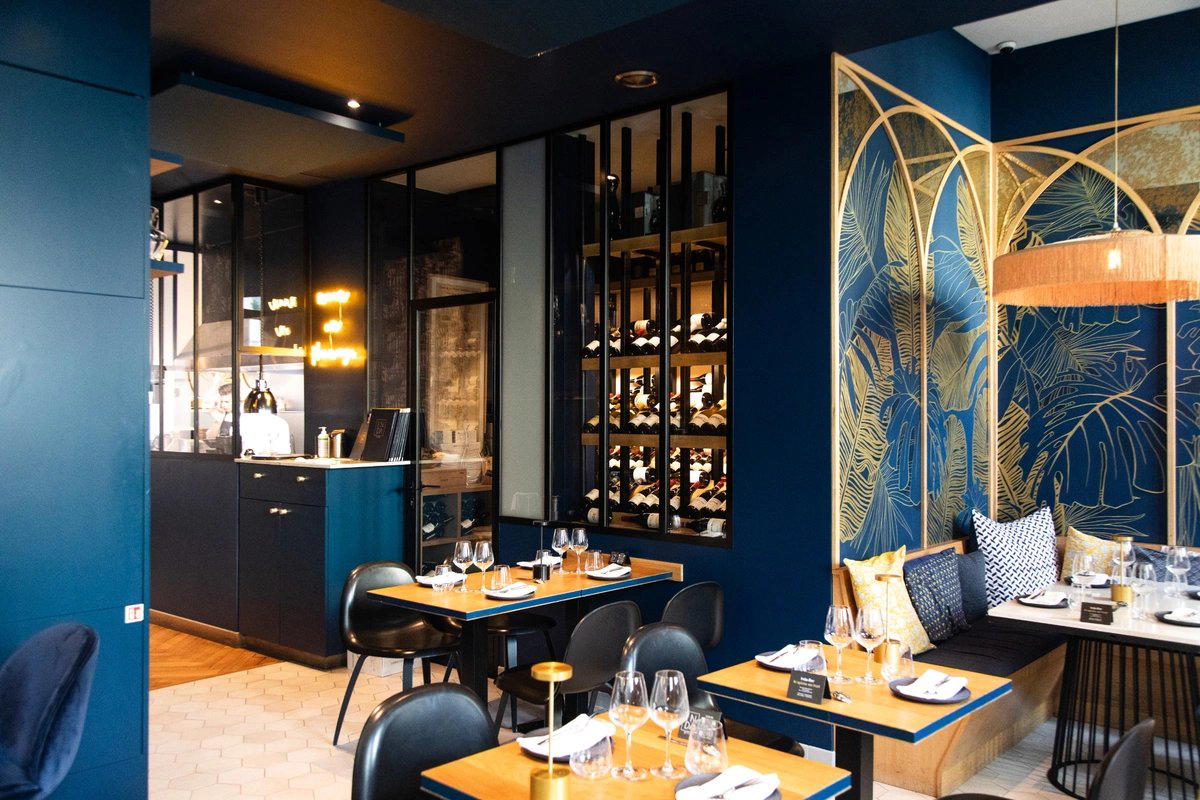
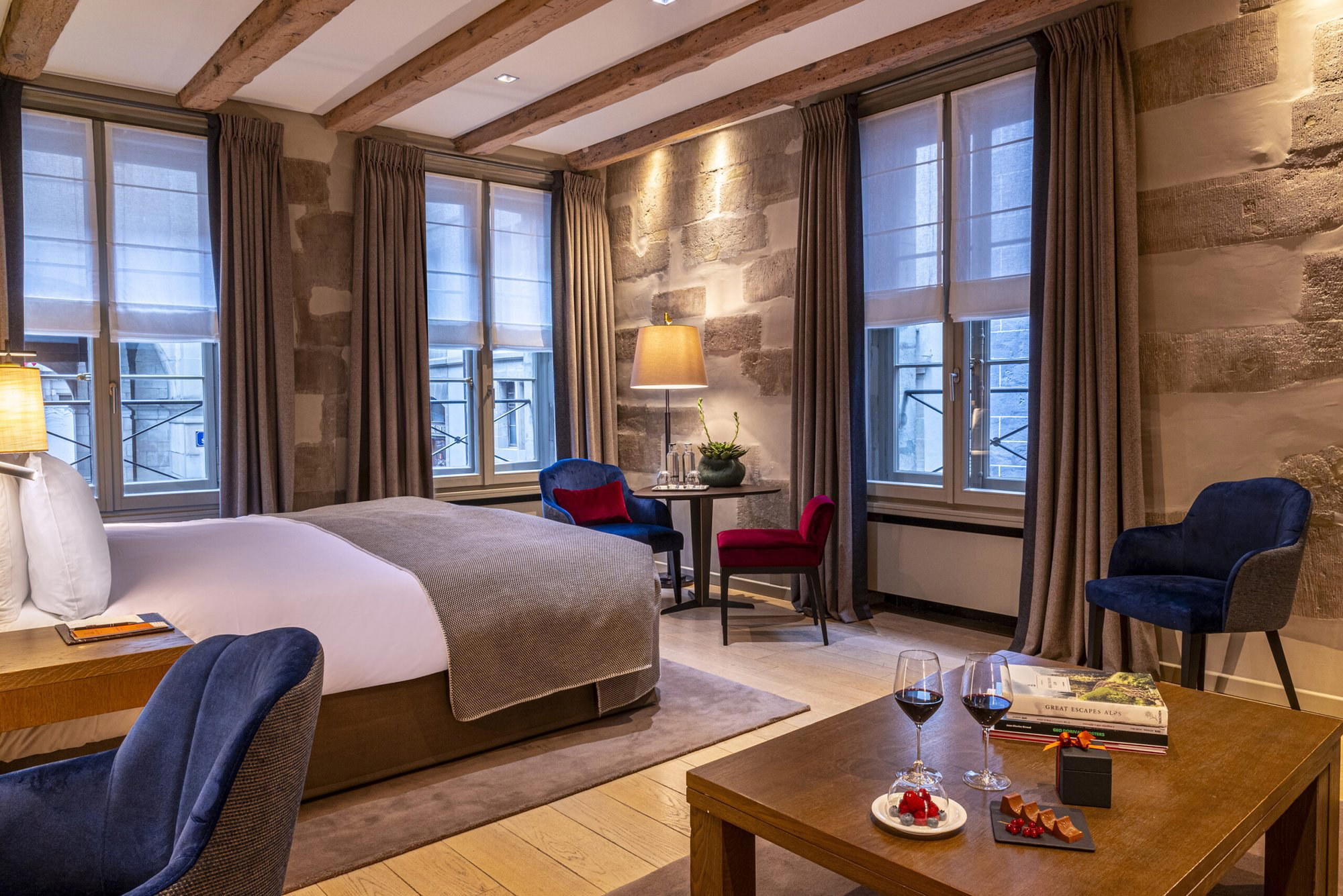
Minimalist interior with simple decor providing an authentic, intimate atmosphere.