Ruth's Diner

Perched at the mouth of Emigration Canyon on the eastern edge of Salt Lake City, Ruth's Diner occupies a position in Utah dining lore that few canyon-road institutions can claim. The setting alone, a converted trolley car framed by cottonwood and scrub oak, draws a cross-section of the city, from post-hike families to downtown regulars making the short drive east for something that feels removed from the urban grid.
Pearl is the En Primeur Club membership app — saves, bookings, and concierge access live there. Same editors, same standards.
- Address
- 4160 Emigration Canyon Rd, Emigration Canyon, UT 84108
- Phone
- +18015825807
- Website
- ruthsdiner.com
- Directions
- Get directions
 Saves & bookings on Pearl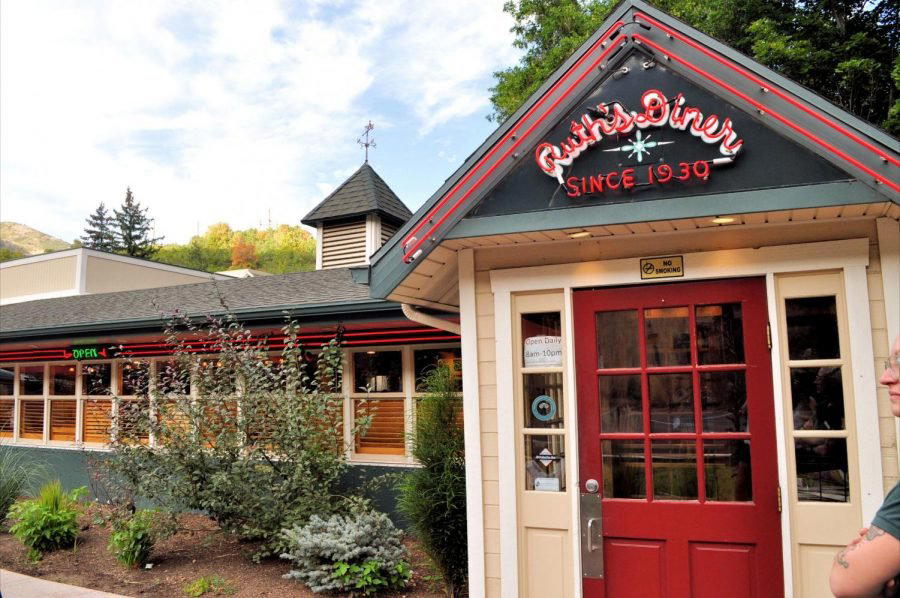
The Canyon Road Diner as a Salt Lake City Archetype
Salt Lake City's dining scene has developed, over the past two decades, a recognizable split: a downtown core anchored by hotels and new-build restaurant groups, and a looser constellation of neighbourhood and canyon-edge spots that operate outside that gravitational pull. Ruth's Diner, sitting on Emigration Canyon Road a short drive from the city grid, belongs firmly to the second category. The canyon road diner is a specific American type, part roadhouse, part community fixture, sustained less by trend cycles than by repeat geography. Locals drive the route; visitors who find it tend to come back.
Emigration Canyon itself has a particular claim on Utah history. It was the corridor through which Brigham Young and the first Mormon pioneer wagons descended into the Salt Lake Valley in 1847. That weight of passage gives the canyon road a character distinct from the city below, and Ruth's sits at the opening of it, a threshold establishment in both a literal and atmospheric sense. Arriving on a summer morning, the cottonwood canopy diffuses the high-altitude light. In autumn, the same stretch turns amber fast, and the diner's outdoor seating becomes one of the better seasonal vantage points on the east bench.
A Setting That Does Actual Work
American diners at this price tier, casual, community-oriented, long-established, often lean on nostalgia as a substitute for culinary ambition. The better ones use the setting as a frame rather than a crutch. The original trolley car structure at Ruth's is not decorative history; it shapes the physical experience of eating there in ways that a renovated warehouse or a strip-mall space simply cannot replicate. Narrow, warm, insistent on a certain proximity to the people around you, the core structure does what old buildings do when they're allowed to: it creates atmosphere without manufacture.
The outdoor terrace extends that character seasonally. During Utah's warm months, which run reliably from late May through early October, the canyon-side seating is the reason many regulars make the drive. At altitude and in tree cover, temperatures run cooler than the valley floor, which in a Salt Lake July matters considerably. Venues in the city's other dining corridors, downtown, Sugar House, the Avenues, cannot offer this specific combination of air and landscape. It is, practically speaking, the diner's most distinctive asset beyond its kitchen.
Where Ruth's Sits in the Salt Lake Dining Frame
Salt Lake City's restaurant scene in the 2020s has grown more technically serious than its regional reputation historically suggested. Spots like Arlo Restaurant, Avenues Proper, and Adelaide have pushed the city's dining credibility upward, operating in a register closer to what you'd find at Lazy Bear in San Francisco or Providence in Los Angeles in terms of kitchen seriousness, if not scale or ambition. Bambara Salt Lake City and Blind Rabbit Kitchen represent different points in the city's expanding range. Ruth's Diner does not compete in that tier, nor is it trying to. It operates in a separate category: the long-standing community diner with a specific geographic identity, where value is measured in consistency and context rather than technical innovation.
That position is not a concession, it's a deliberate lane. In cities with strong diner cultures, the establishments that survive decades do so by becoming load-bearing parts of local routine. The analogy to something like Blue Hill at Stone Barns in Tarrytown or The Inn at Little Washington is not culinary, it's structural: both types of venue anchor themselves to place and return visitors rather than first-time novelty seekers. Ruth's longevity on Emigration Canyon Road speaks to that same logic.
On the Question of a Wine Program at This Format
The editorial angle most naturally suited to fine dining, cellar depth, sommelier curation, allocation lists, sits at some remove from the canyon diner format. The wine programs at venues like Le Bernardin in New York City, Alinea in Chicago, or The French Laundry in Napa are built on decades of acquisition, deep allocation relationships, and dedicated cellar management. That is not the Ruth's Diner model, and it would be misleading to frame it as such. What the canyon diner format does offer is a different kind of beverage logic: approachable selections matched to a casual menu and an outdoor setting where a cold drink in summer heat carries its own clear value. Venues like Addison in San Diego or Atomix in New York City are places where the wine list demands study. Ruth's is a place where what's in the glass matters less than the fact that you're drinking it in a canyon.
Utah's liquor regulations add a layer of context that shapes every dining and drinking decision in the state. The control state model, with state-run liquor stores and specific licensing tiers for restaurants, affects what any venue in Utah can pour and how it structures its beverage offering. Diners approaching any Salt Lake City restaurant with European or coastal American wine-list expectations should factor in this regulatory environment. For a broader sense of how different venues in the city handle this constraint, the full Salt Lake City restaurants guide provides useful comparative context.
Planning a Visit: Practical Considerations
Emigration Canyon Road sits roughly four miles east of downtown Salt Lake City, a drive that takes under fifteen minutes from most central neighbourhoods in ordinary traffic. The canyon setting means the route is also popular with cyclists on weekend mornings, which can slow approach from late spring through autumn. Timing a weekday visit, particularly for breakfast or lunch, tends to mean shorter waits and a quieter experience than weekend rushes, when the combination of post-hike and brunch traffic converges. The seasonal outdoor seating is the primary draw from May onward; arriving before the late-morning peak on a clear summer day takes full advantage of it. Checking directly with the restaurant before arrival is the prudent approach.
Ruth's Diner operates on a different logic: it rewards spontaneity and proximity, and works well as the kind of meal that follows a canyon walk rather than one that precedes a flight home.
Similar Picks
Comparable venues nearby, for context on price, style, and recognition.
| Venue | Cuisine | Price | Notes |
|---|---|---|---|
| Ruth's DinerThis venue — the venue you are viewing | Classic American Diner | $$ | Not listed |
| Carson Kitchen | Modern American Comfort Food | $$ | Downtown |
| Emigration Brewing Co. | Modern American Gastropub with Italian and Steakhouse Influences | $$ | Emigration Canyon |
| Copper Canyon Grill House & Tavern | American Grill House | $$ | Downtown |
| The Park Café | Classic American Breakfast Cafe | $$ | Liberty Wells |
| Wildwood | Contemporary American | $$$ | The Avenues |
Recognition history
Dated appearances from independent guides and award organizations, with the underlying list record or original source where available.
Diners, Drive-Ins and Dives Featured Restaurant
Diners, Drive-Ins and Dives · 2026 Diners, Drive-Ins and Dives Featured Restaurants
Continue exploring
More in Salt Lake City
Restaurants in Salt Lake City
Browse all →
Bars in Salt Lake City
Browse all →
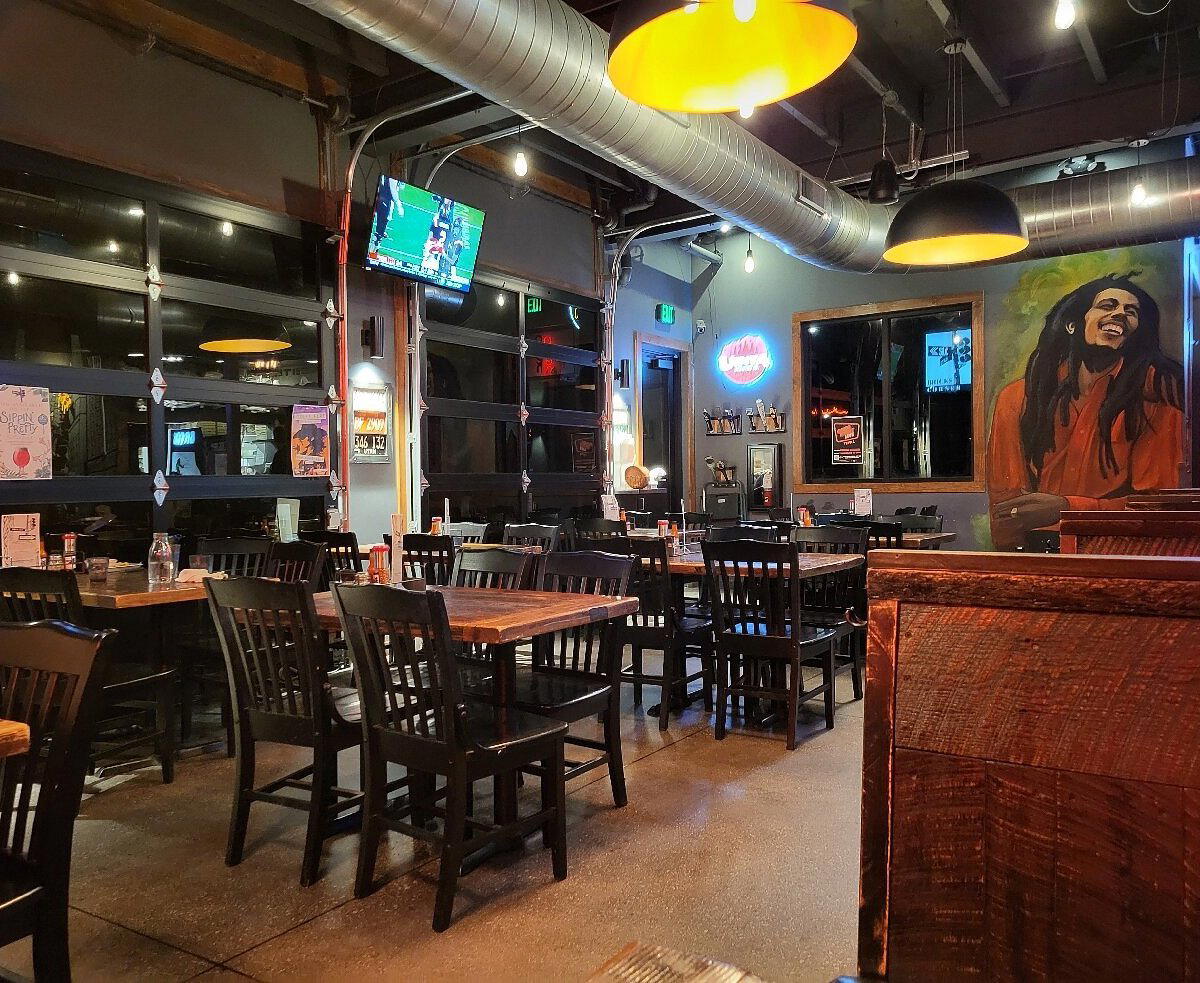
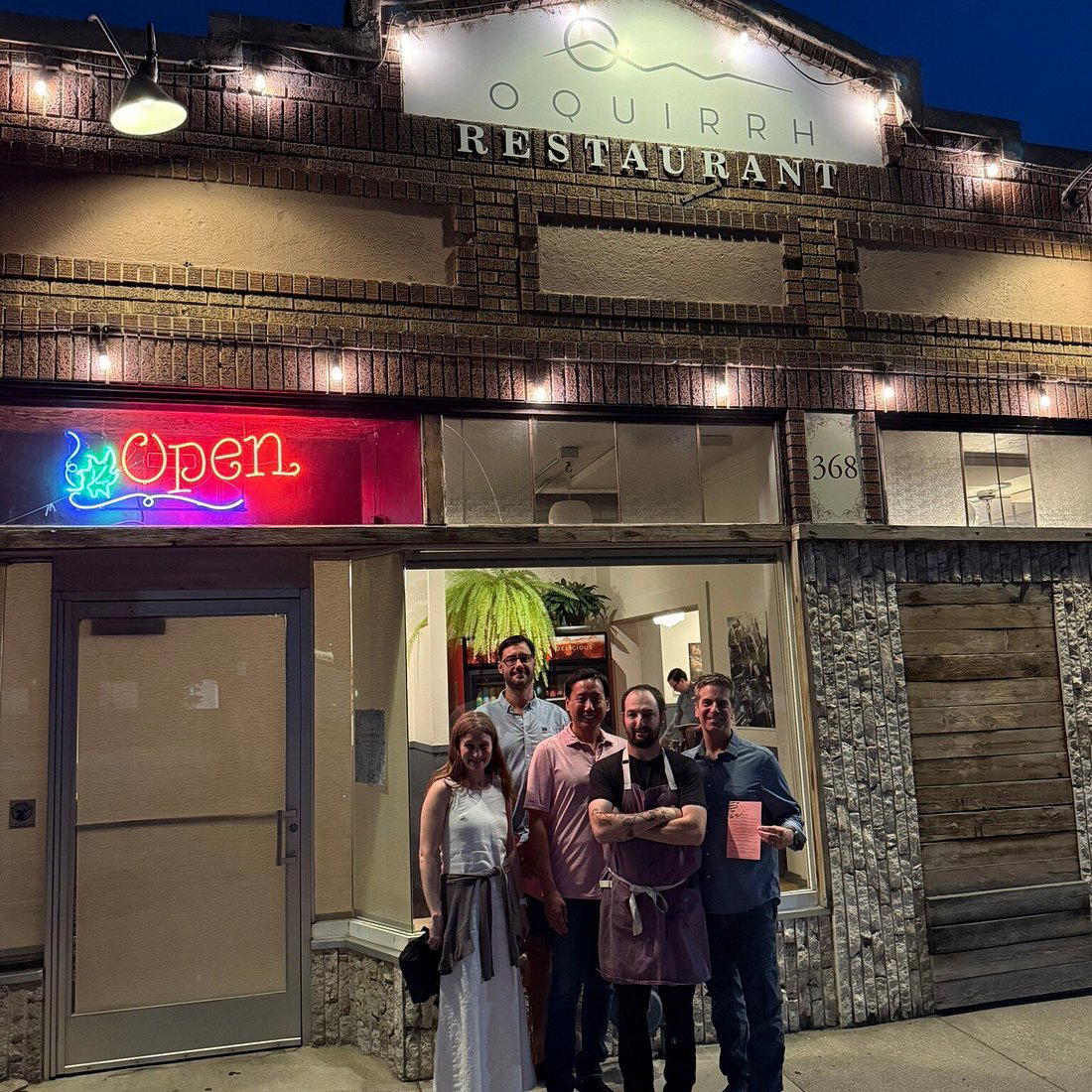
Hotels in Salt Lake City
Browse all →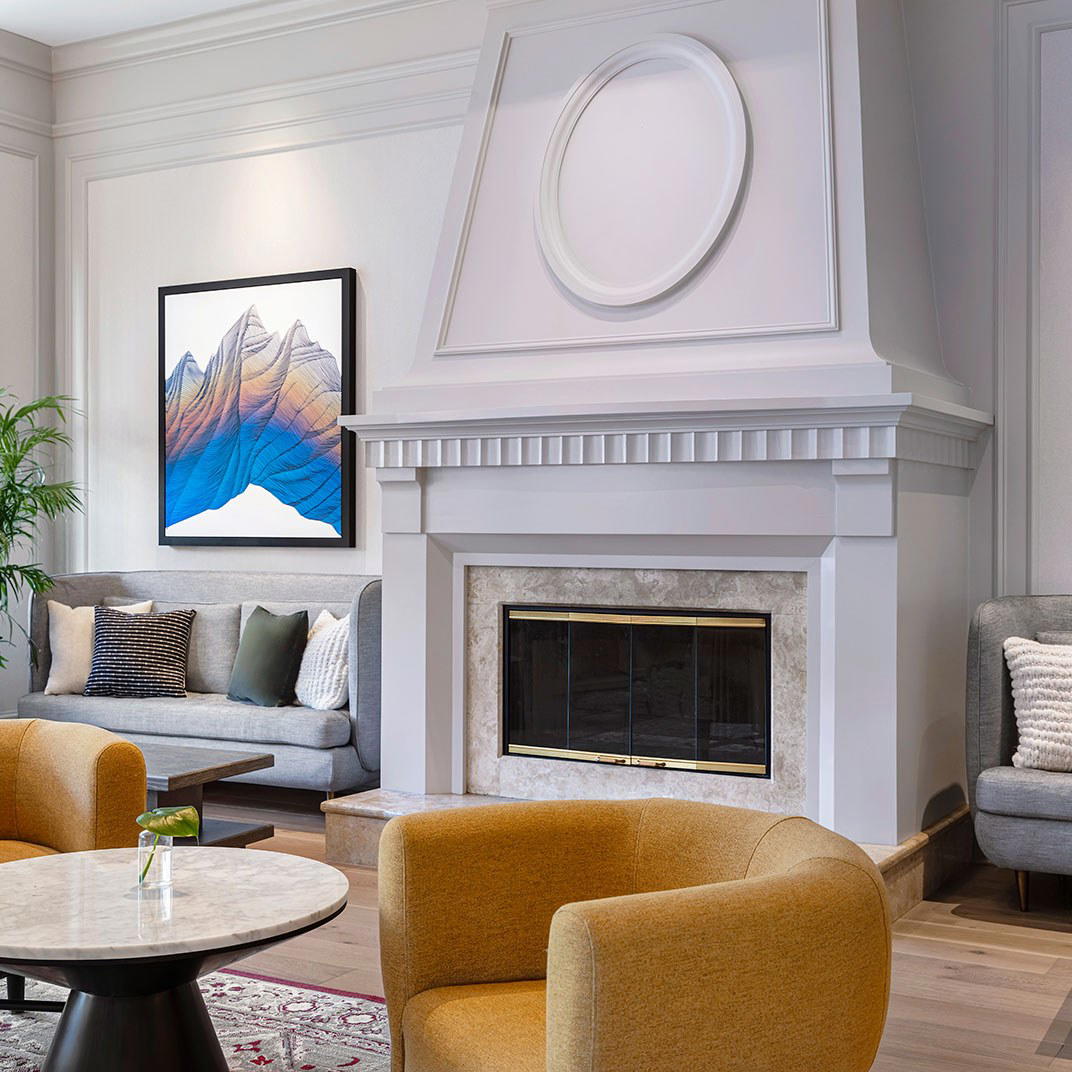
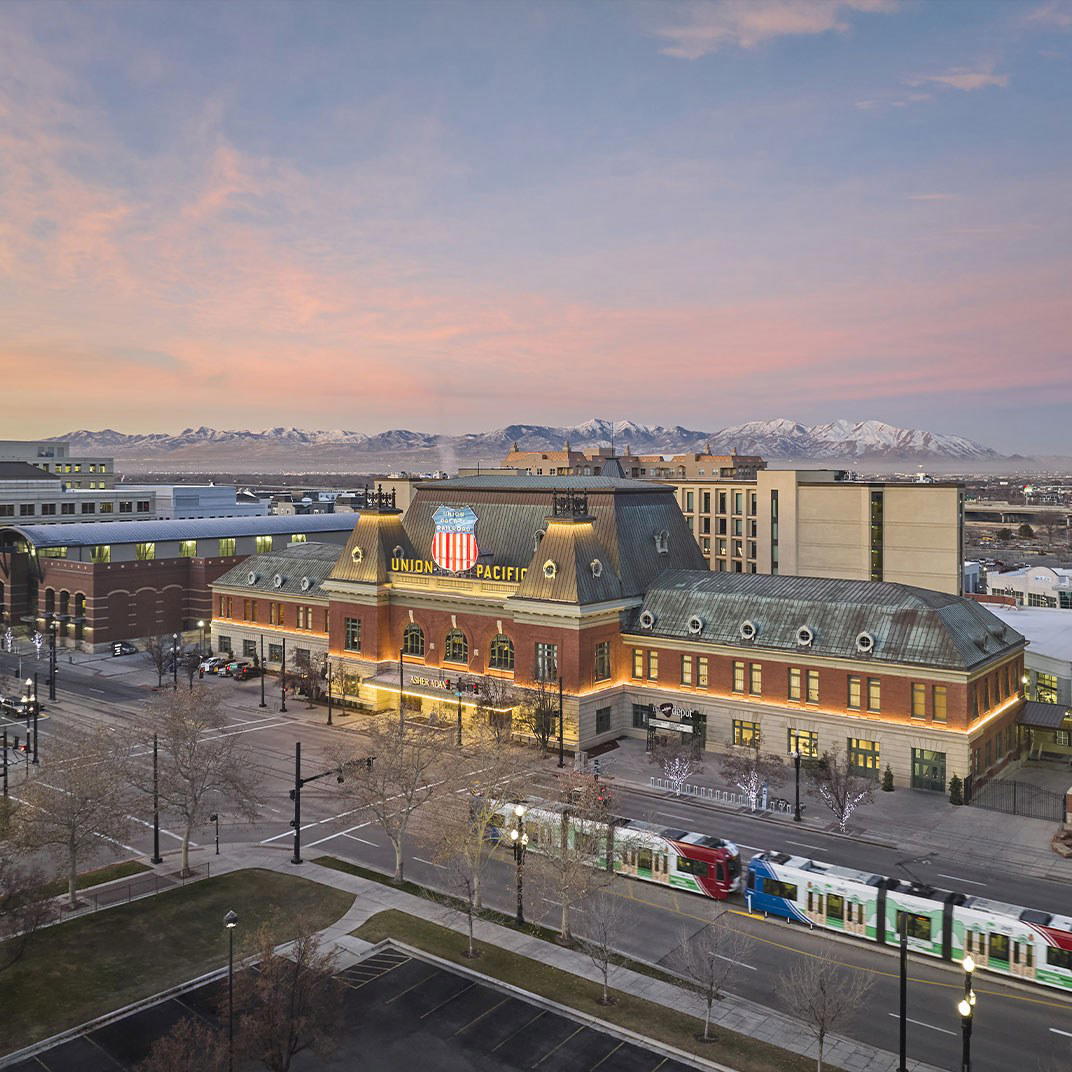
Wineries in Salt Lake City
Browse all →
At a Glance
- Rustic
- Cozy
- Well Known
- Classic
- Brunch
- Family
- Casual Hangout
- Historic Building
- Live Music
- Mountain
Current opening hours
- Monday
- 8 AM–9 PM
- Tuesday
- Closed
- Wednesday
- Closed
- Thursday
- 8 AM–9 PM
- Friday
- 8 AM–10 PM
- Saturday
- 8 AM–10 PM
- Sunday
- 8 AM–9 PM
Hours can change for holidays and private events. Last verified .
Cozy, rustic atmosphere in a vintage trolley car with canyon views, golden brown mile-high biscuits, and a welcoming canyon setting.