Rustic Table
On a High Street that has quietly become one of Birmingham's more considered dining addresses, Rustic Table in Harborne occupies a register somewhere between neighbourhood anchor and serious kitchen. The cooking here is grounded in seasonal British produce and a menu architecture that favours restraint over spectacle, a deliberate counterpoint to the city's more formal fine-dining tier.
Pearl is the En Primeur Club membership app — saves, bookings, and concierge access live there. Same editors, same standards.
- Address
- 152 High St, Harborne, Birmingham B17 9PN, United Kingdom
- Phone
- +441214261083
- Website
- rustictable.co.uk
- Directions
- Get directions
 Saves & bookings on Pearl
Harborne's Cooking Ambition, Measured Against the Street
Birmingham's dining conversation has spent the better part of a decade gravitating inward, toward the city centre, toward Michelin recognition, toward the kind of formal tasting-menu formats that define restaurants like Adam's or Opheem. Harborne, by contrast, has developed a different culinary character: residential, self-contained, less interested in impressing critics than in feeding the same postcode week after week. That distinction matters when reading a place like Rustic Table at 152 High Street. It sits in a neighbourhood where the ambition is calibrated differently, not lesser, just aimed at a different target.
The name signals intent before you walk through the door. 'Rustic' in this context is not shorthand for rough edges or careless plating. It is a position statement about sourcing, about the kind of cooking that anchors itself to the season rather than to a fixed repertoire, and about prioritising the table itself as the social unit over any desire for theatrical flourish. That orientation places Rustic Table in a growing cohort of British neighbourhood restaurants, the kind of places that sit a tier below the destination-dining circuit but command serious loyalty from those who actually eat there regularly.
What the Menu Architecture Reveals
In contemporary British casual-fine dining, menu structure has become among the more reliable indicators of a kitchen's actual ambitions. The turn toward sharing plates, small-producer call-outs, and seasonal rotations, familiar at this tier across the UK, reflects a genuine shift in how cooks at this level want to frame the eating experience. A menu organised around ingredient provenance rather than classical starter-main-dessert scaffolding tells you something about where a kitchen's priorities lie: less about showcasing technique in isolation, more about making the sourcing legible to the diner.
Harborne's neighbourhood position reinforces this. The High Street draws a local crowd that returns often enough to notice when a menu changes, which imposes a discipline on seasonal rotation that more destination-oriented kitchens can sometimes sidestep. In that sense, the menu architecture at a place like Rustic Table is shaped as much by the neighbourhood's expectations as by any purely culinary logic. Compare this dynamic to the fixed tasting formats at Simpsons, which operates in a similarly suburban Birmingham setting but pitches squarely at the fine-dining bracket, and the contrast in approach becomes clear.
Across British dining more broadly, the restaurants doing interesting work at the mid-casual tier are often those whose menus feel genuinely constrained by what's available rather than by what reads well on paper. 670 Grams in Birmingham takes a creative-experimental approach to a similar space. Bayonet focuses its menu narrowly around seafood. The restaurant, by name and positioning, suggests a broader seasonal remit with British produce as the organising principle, the kind of format that rewards repeat visits as ingredients cycle through.
Where It Sits in the Birmingham Dining Picture
Birmingham's restaurant scene now spans a wider range than its reputation often suggests. At the upper end, Adam's and Opheem compete in the Michelin-starred bracket, restaurants whose comparable set is national rather than local. Below that, the city has a growing layer of neighbourhood-focused kitchens that operate with genuine culinary seriousness without the formality or the prix-fixe price points of the fine-dining tier. The restaurant in Harborne occupies that middle ground, in a village-within-a-city neighbourhood that has built enough of a dining culture to sustain regular customers with high expectations.
That positioning places it in a different conversation from the country-house dining circuit that remains a benchmark for serious British cooking outside London: places like Le Manoir aux Quat'Saisons, Moor Hall, or L'Enclume, all destination venues built around a completely different economic and experiential model. The restaurant is not competing with those rooms. Its comparable set is the growing network of neighbourhood-anchored restaurants across British cities that have absorbed the influence of that higher tier without replicating its format or its pricing. In London, CORE by Clare Smyth has shown how a British-produce-led philosophy can operate at stronger examples from the market; the same underlying instinct, cook what's good, say where it came from, filters down into Harborne in a more accessible register.
Internationally, the grammar of seasonal British cooking has become legible enough that visitors familiar with places like Le Bernardin or Atomix in New York will recognise the underlying logic even if the presentation register is quieter. The emphasis on produce quality and seasonal rotation is not a British invention, but the particular way it manifests in neighbourhood rooms, unpretentious, ingredient-forward, built around return visits rather than single occasions, is a recognisably British dining mode.
Planning Your Visit
The restaurant is at 152 High Street in Harborne, B17 9PN, a fifteen-minute drive from Birmingham city centre and walkable from Harborne village's immediate residential catchment. Harborne High Street has enough density of cafes, pubs, and independent shops that a meal here can anchor a broader afternoon or evening in the neighbourhood. Visitors combining the restaurant with Birmingham's broader dining circuit should also consider the city's other serious kitchens: Simpsons in Edgbaston for a more formal British experience, and 670 Grams for creative small-plate cooking.
For those travelling further afield and looking to anchor a broader UK food itinerary, the British dining circuit extends meaningfully beyond Birmingham: Gidleigh Park in Devon, Hand and Flowers in Marlow, hide and fox in Saltwood, Midsummer House in Cambridge, Restaurant Andrew Fairlie in Scotland, and Waterside Inn in Bray each represent a different strand of serious British cooking that restaurant, in its own neighbourhood register, draws from.
Standing Among Peers
Comparable venues nearby, for context on price, style, and recognition.
| Venue | Cuisine | Price | Notes |
|---|---|---|---|
| Rustic TableThis venue — the venue you are viewing | Mediterranean Tapas | $$ | Not listed |
| Jiya's Restaurant & Sweets | Indian Vegetarian | $$ | Handsworth |
| COUCH | :null | $$ | Stirchley |
| Lasan | Modern Indian Fine Dining | $$$ | Jewellery Quarter |
| Bonehead | Fried Chicken | $$ | Ladywood |
| Sushi Passion | Traditional Japanese Sushi | $$$ | Ladywood |
Continue exploring
More in Birmingham
Restaurants in Birmingham
Browse all →
Bars in Birmingham
Browse all →
At a Glance
- Rustic
- Cozy
- Lively
- Casual Hangout
- Family
- Group Dining
- Date Night
- Open Kitchen
- Craft Cocktails
- Local Sourcing
Current opening hours
- Monday
- Closed
- Tuesday
- 5–11:30 PM
- Wednesday
- 5–11:30 PM
- Thursday
- 5–11:30 PM
- Friday
- 5–11:30 PM
- Saturday
- 5–11:30 PM
- Sunday
- Closed
Hours can change for holidays and private events. Last verified .
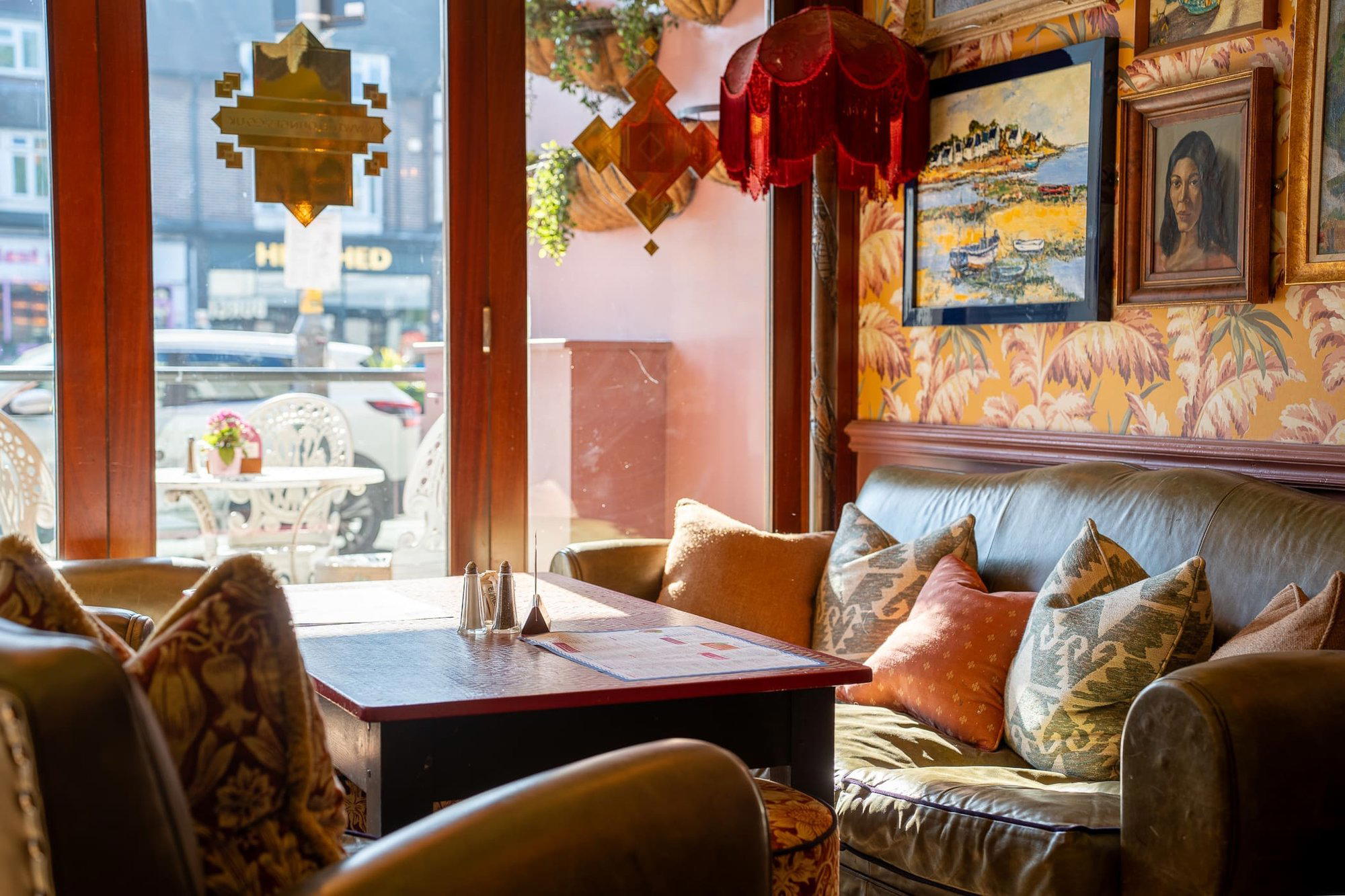
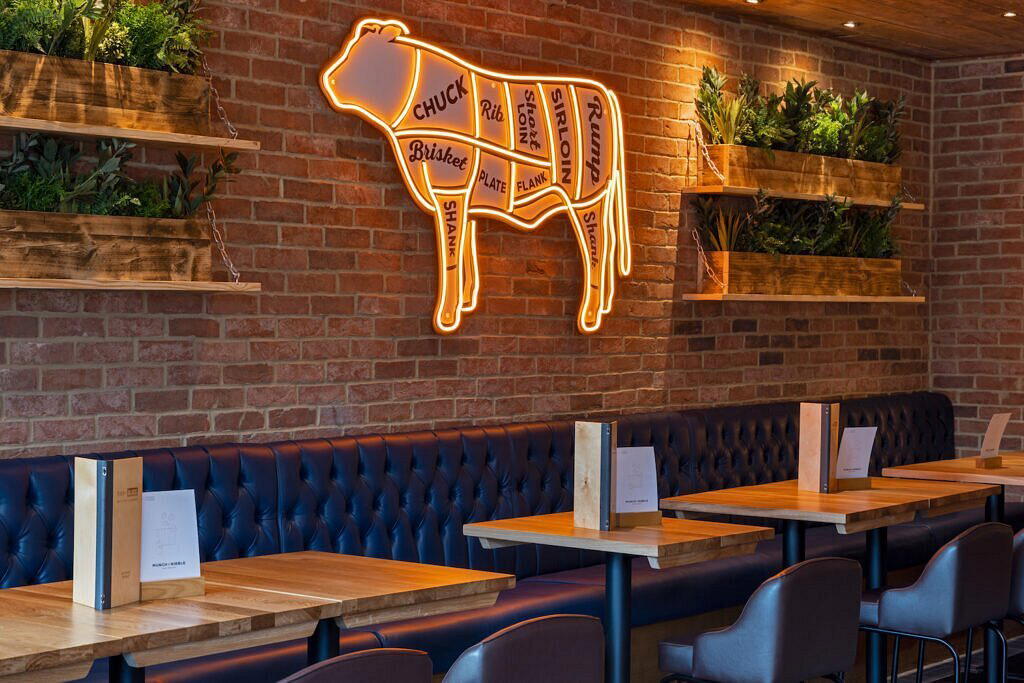
Relaxed and inviting with a rustic feel in tables and seating, lively yet cozy atmosphere praised for its warmth and community vibe.