Russian Tea Time
Our verdict
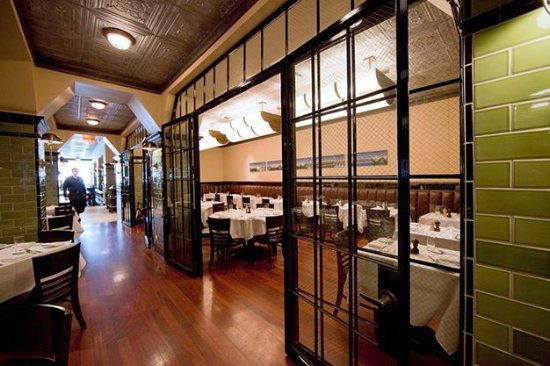
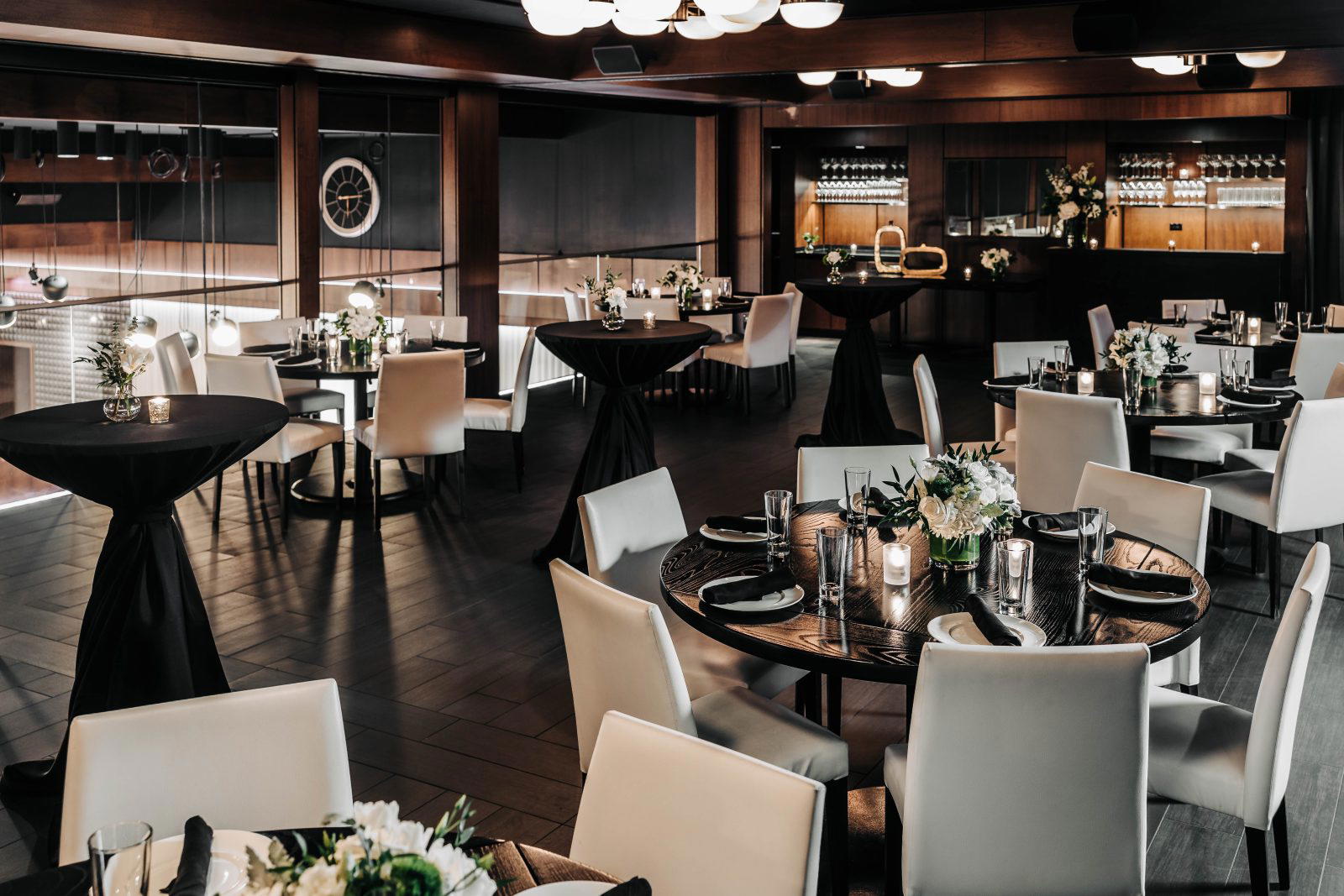
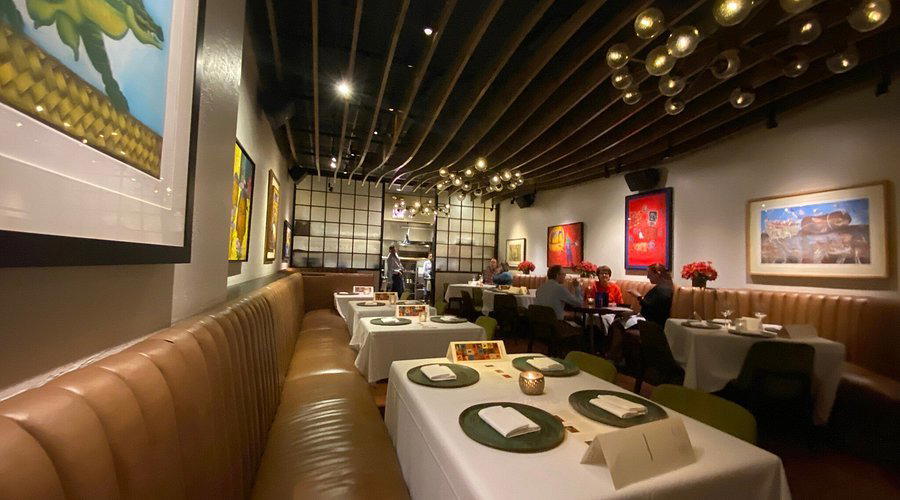
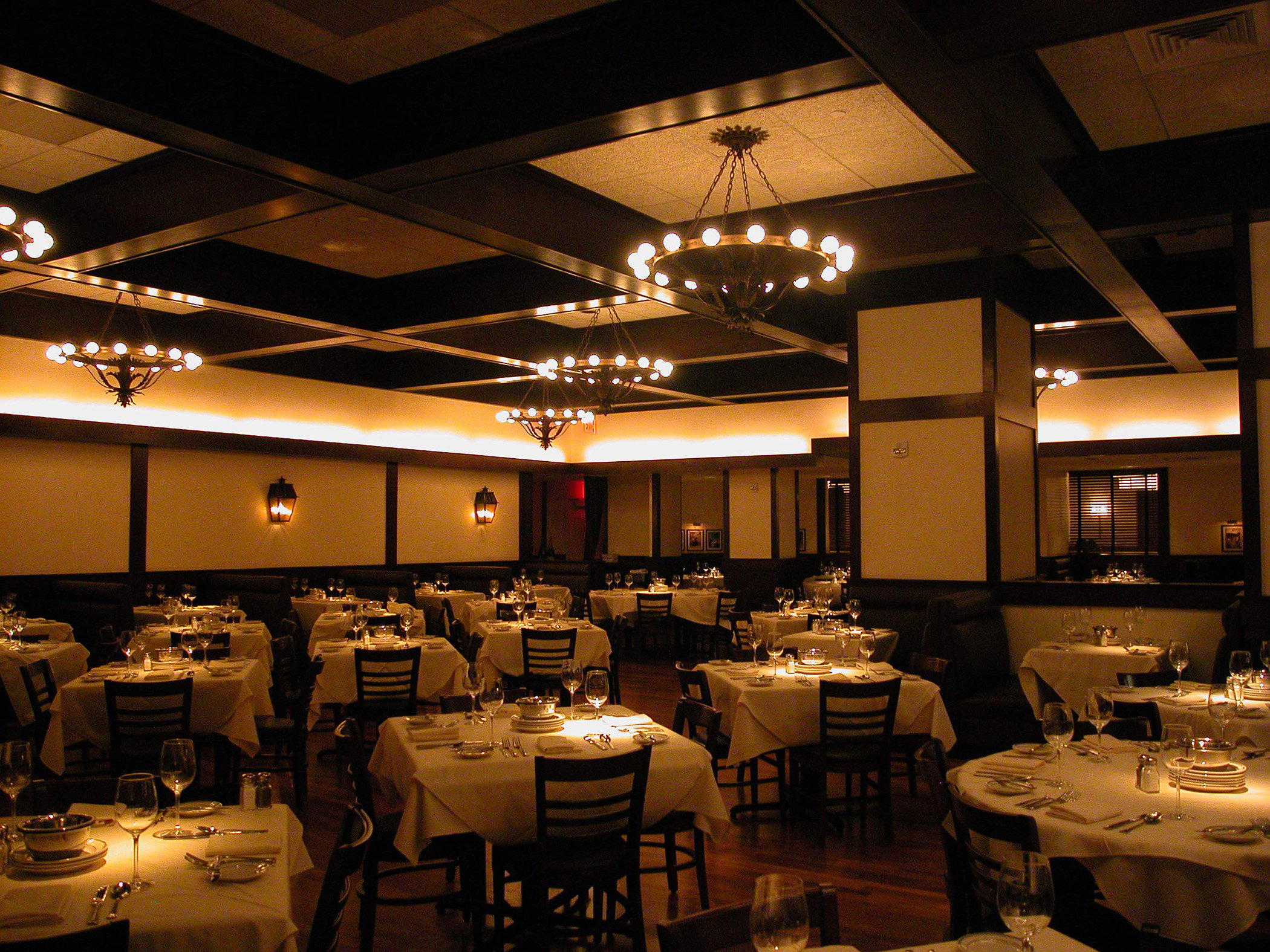
Russian Tea Time at 77 E Adams St in Chicago's Loop has anchored the city's Eastern European dining tradition for decades, occupying a niche that few American restaurants have attempted to hold: a full-service, immersive encounter with Russian and Soviet-era cuisine served in a setting that recalls the formality of a pre-revolutionary tearoom. For diners looking beyond Chicago's Progressive American circuit, it represents a deliberate departure from the contemporary tasting-menu consensus.

Pearl is the En Primeur Club membership app, where members save venues, book tables and use the concierge.
A Fixed Point in a Shifting City
Chicago's Loop dining has changed dramatically over the past two decades. The neighbourhood that once drew office workers to expense-account steakhouses and midday delis now sits within reach of some of the country's most ambitious tasting-menu programs. Alinea, Smyth, and Oriole have redefined what a serious Chicago meal looks like, and the competitive pressure on mid-register restaurants in the city centre has been considerable. Against that backdrop, Russian Tea Time at 77 E Adams Street reads as a deliberate act of resistance, a restaurant that has retained its category identity through multiple waves of culinary trend rather than pivoting toward them.
That kind of durability is rarer than it sounds. Across American cities, restaurants that staked a claim on a specific ethnic or regional cuisine in the 1990s have either consolidated into casual formats, closed, or shifted their positioning to match whatever tasting-menu or farm-to-table idiom was dominant at the time. Russian Tea Time, by contrast, has maintained the formal tearoom register that defined it at opening, a consistency that now reads as a considered editorial choice rather than institutional inertia.
The Eastern European Dining Niche in the United States
Russian and Eastern European cuisine occupies an unusual position in American fine dining. It has never attracted the critical infrastructure that French, Japanese, or even contemporary Korean cuisine has built in cities like New York, where Atomix operates, or San Francisco, where Lazy Bear has developed a devoted tasting-menu following. The food traditions of Russia, Georgia, Armenia, and the broader Soviet successor states are largely absent from the Michelin guide conversation in America, meaning that restaurants working in this space cannot rely on the award infrastructure that drives awareness for, say, a Le Bernardin in New York or a French Laundry in Napa.
What this means in practice is that a restaurant like Russian Tea Time has to earn its reputation through the experience itself rather than through critical shorthand. Diners who seek it out are generally motivated by something specific: nostalgia, curiosity about a cuisine tradition with relatively few American entry points, or a deliberate desire to step outside the progressive American format that dominates the city's premium tier. Next Restaurant and Kasama both represent Chicago's appetite for formally executed, concept-driven dining; Russian Tea Time sits in a different register entirely, one defined by continuity and category specificity rather than creative reinvention.
How the Format Has Held
The tearoom model as a dining format has a long European history, particularly in Russian and Central Asian hospitality traditions where tea service was a structured ritual rather than an afterthought. In the Soviet-era restaurant culture that Russian Tea Time evokes, the meal itself was inseparable from the occasion of sitting down together for an extended period, which means the format was never about speed or efficiency. That unhurried structure is now somewhat countercultural in a city where the tasting-menu format at places like Smyth or the concept-driven rotation at Next Restaurant sets the pace of a meal with deliberate choreography.
Russian Tea Time's evolution has not been about reinventing that format. The more notable shift, over the years, has been the restaurant's role in the Loop's broader dining identity. As the neighbourhood's premium dining options expanded and contracted with economic cycles and changing office patterns, the restaurant has functioned as a fixed cultural reference point, a place that regulars return to for the same experience rather than a new one. That distinction matters when thinking about how it sits relative to Chicago's newer wave of destination restaurants.
For comparison, consider how restaurants built around continuity and tradition have fared in other American cities. Bacchanalia in Atlanta, Emeril's in New Orleans, and Providence in Los Angeles have all navigated the tension between institutional identity and the expectation that a serious restaurant must demonstrate ongoing creative evolution. Russian Tea Time sits in a different tier and pursues a different strategy, one where the category itself is the story, not the chef's current creative direction.
What to Order and When to Go
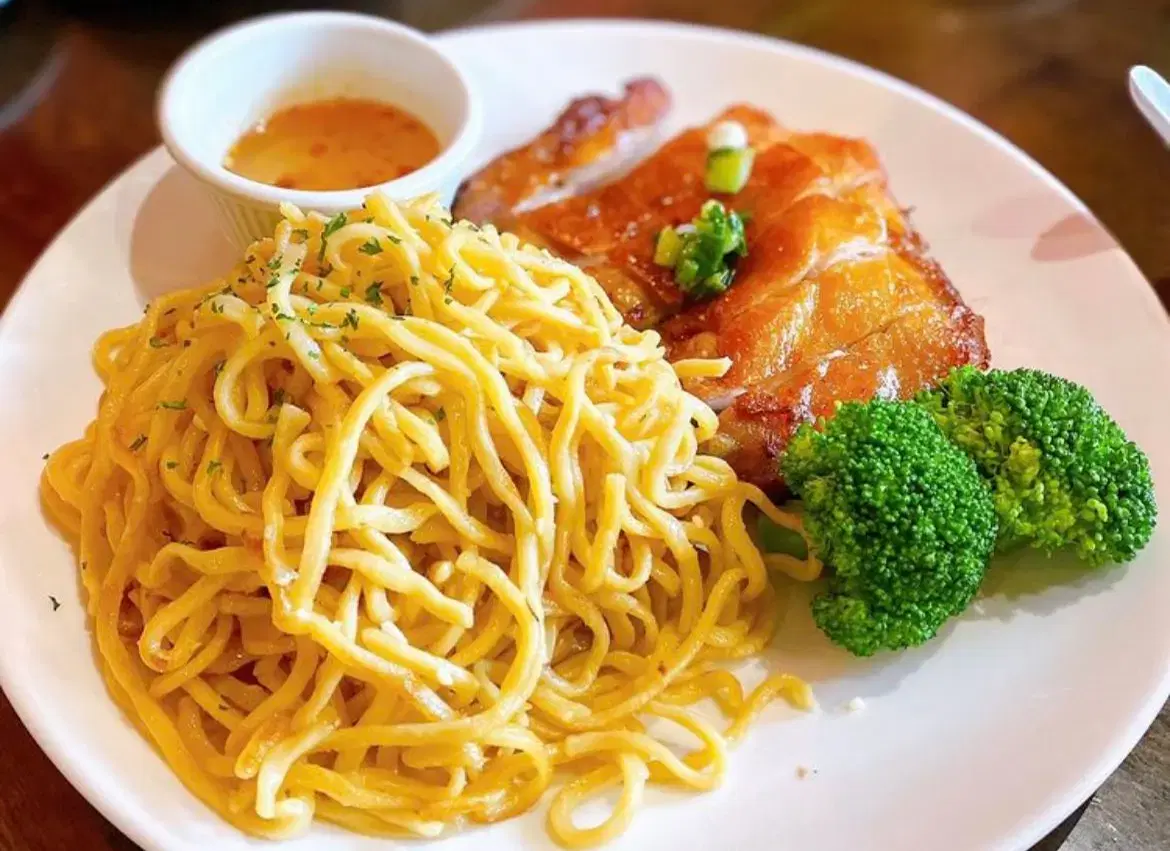
The cuisine tradition that Russian Tea Time draws on encompasses the cold-weather larder of Russia and neighbouring states: pickled and preserved vegetables, cured fish, slow-braised meats, dumplings in various regional forms, and an elaborate relationship with sour cream, dill, and fermented dairy. These are not delicate preparations, and the dining context reflects that. The tea service component, which gives the restaurant its name, draws on the samovar tradition, where tea is a through-line for an extended meal rather than a closing gesture.
Chicago winters make the restaurant's timing intuitive. The Loop location at 77 E Adams Street, walking distance from the Art Institute, positions it naturally for a pre- or post-museum visit, particularly in the months between November and March when the case for a warming, substantial meal is self-evident. The restaurant draws tourists as well as regulars, and the Loop setting means it functions as a practical option for visitors staying in the city centre who want something outside the standard hotel-adjacent steakhouse circuit. For a broader picture of Chicago's dining scene, our full Chicago restaurants guide maps the city's categories and neighbourhoods.
Internationally, parallels exist in the longevity of certain format-specific restaurants that have held their category through trend cycles. 8 1/2 Otto e Mezzo Bombana in Hong Kong and Blue Hill at Stone Barns in Tarrytown both represent formats where the dining philosophy creates a context that transcends any single season's menu. Russian Tea Time does the same, though from a very different position in the market.
Planning Your Visit
Address: 77 E Adams St, Chicago, IL 60603, in the Loop, a short walk from the Art Institute of Chicago. Reservations: Contact the restaurant directly; given the Loop location and consistent local following, booking ahead for weekend sittings is advisable. When to go: The restaurant suits the autumn and winter months particularly well, given the nature of the cuisine, though it operates year-round. Dress: The formal tearoom atmosphere implies smart-casual at minimum; the setting is not casual dining. Context: For diners coming from the Addison end of the fine-dining spectrum or the farm-to-table register of Single Thread Farm, Russian Tea Time represents a deliberate change of register rather than a step up or down in seriousness.
Frequently asked questions
What's the overall feel of Russian Tea Time?
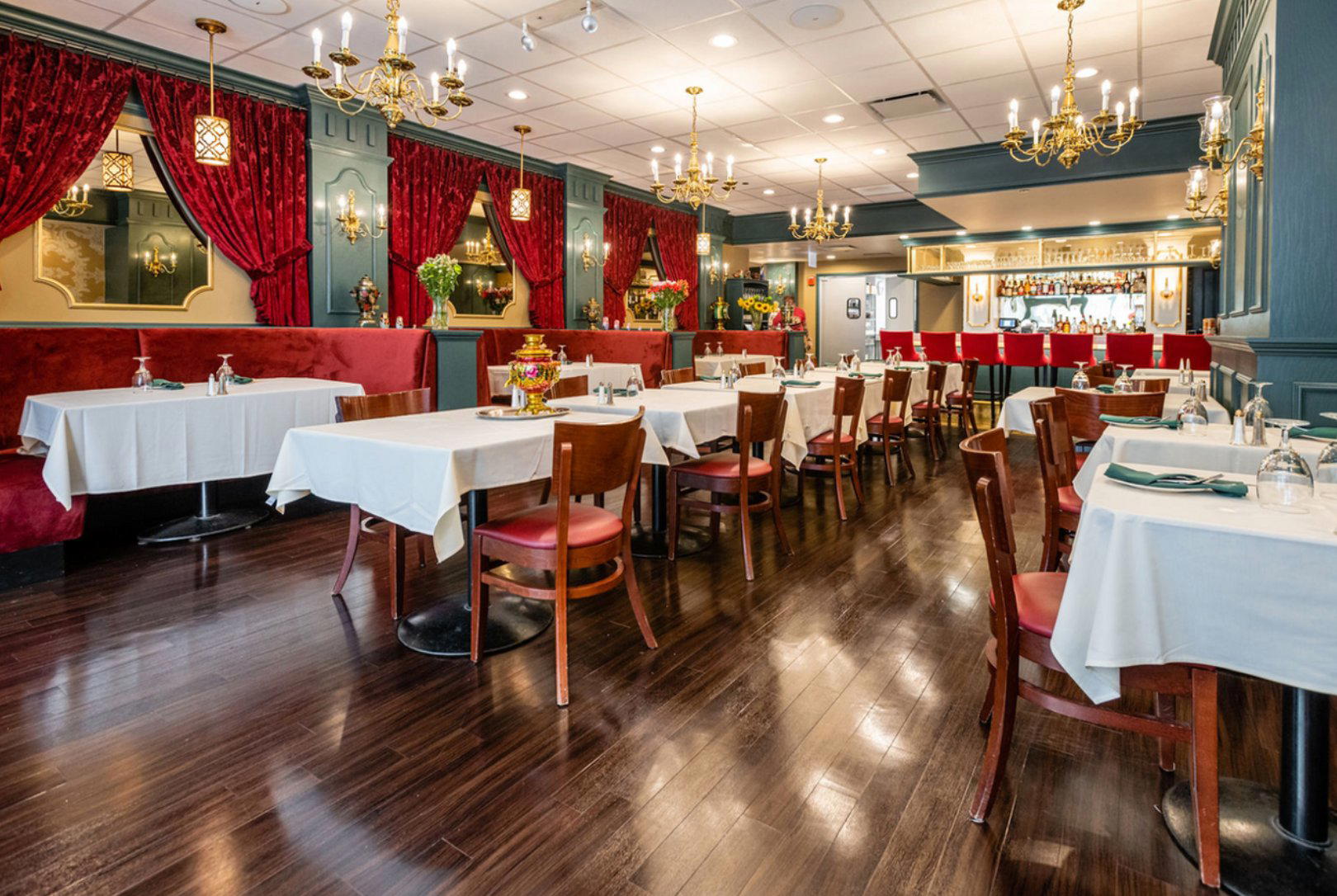
Russian Tea Time occupies a fixed position in the Loop at 77 E Adams St, operating as a tearoom-format dining room rather than a conventional restaurant. The format draws on Central Asian and Russian hospitality traditions where tea service anchors the meal, giving the space a slower, more deliberate pace than the surrounding office-district options. In a neighbourhood that has cycled through many concepts over two decades, this one has stayed the course.
Where do I go for Russian Tea Time?
Russian Tea Time is located at 77 E Adams St, Chicago, IL 60603, Chicago.
Is Russian Tea Time a good option before or after visiting the Art Institute of Chicago?
The address at 77 E Adams St places Russian Tea Time within easy walking distance of the Art Institute of Chicago, making it one of the more geographically logical options for a meal around a museum visit. The tearoom format, with its unhurried pace, suits a pre-museum lunch or a post-visit dinner better than a quick counter stop would. Eastern European cuisine of this kind, which has almost no critical infrastructure in American fine dining comparable to French or Japanese categories, is also a less predictable choice for visitors who want something outside the standard Loop rotation.
What's the must-try dish at Russian Tea Time?
The cuisine tradition here pulls from the cold-weather larder of Russia and neighbouring states: pickled and preserved vegetables, slow-braised meats, and dishes built around the pantry staples of a continental winter. Asking the server what's house-made or house-cured is a reliable way to orient the order.
How hard is it to get a table at Russian Tea Time?
Russian Tea Time is located in Chicago's Loop, a district that draws a mix of office workers, museum visitors, and theatre-goers from the nearby Arts District. Demand patterns likely track those rhythms, meaning weekend evenings and pre-theatre windows carry the highest competition for tables.
Comparable Spots, Quickly
Comparable venues nearby, for context on price, style, and recognition.
| Venue | Cuisine | Price | Notes |
|---|---|---|---|
| Russian Tea TimeThis venue (the venue you are viewing) | Authentic Russian & Eastern European | $30–50 | Not listed |
| Chez Poulet | French-inspired Chicken & Comfort Food | $20–30 | Bucktown |
| Ayayay - Chicago | Mexican Street Food with Peruvian Fusion | Not listed | The Loop |
| Lou Malnati's Pizza | Chicago Deep Dish Pizza | $20–30 | multiple |
| Cupitol Coffee & Eatery | American Bakery Cafe | Not listed | Streeterville |
| Cafe Spiaggia | Casual Italian | Not listed | Streeterville |