Rubens
.png)
Rubens on Kaiserstraße brings Austrian cuisine to Düsseldorf's Pempelfort neighbourhood at a mid-range price point, earning consecutive Michelin Plates in 2024 and 2025. With a 4.8 Google rating across more than 600 reviews, it occupies a distinct niche in a city whose restaurant scene skews toward Contemporary European and Japanese. For visitors seeking something outside Düsseldorf's dominant dining registers, this is a considered choice.
 Discover on Pearl
Pearl is the En Primeur Club membership app — saves, bookings, and concierge access live there. Same editors, same standards.
- Address
- Kaiserstraße 5, 40479 Düsseldorf, Germany
- Phone
- +49 211 15859800
- Website
- rubens-restaurant.de
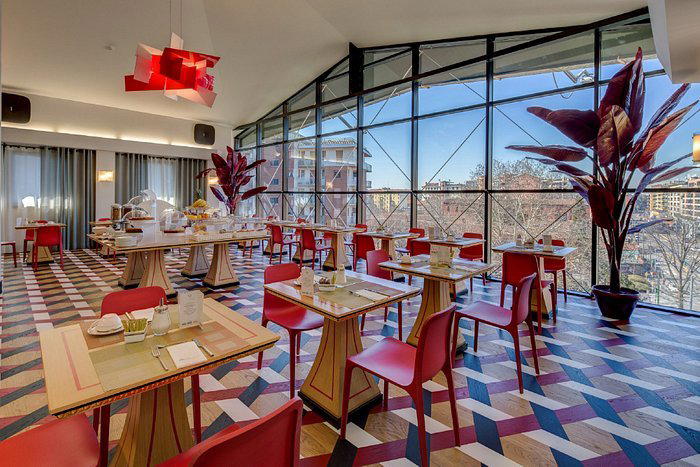
Austrian Cooking in a German City: What Rubens Represents
Düsseldorf's restaurant scene has long been weighted toward two poles: high-end Contemporary European, represented by counters like Im Schiffchen and LA VIE by thomas bühner, and a growing wave of fusion and creative formats such as Jae and 1876 Daniel Dal-Ben. Austrian cooking sits outside both of those trajectories. It draws from a different larder entirely: the alpine dairy tradition, freshwater fish from cold-running rivers, game from Austria's forested interior, and a baking culture that remains one of Central Europe's most technically demanding. In a city that has embraced international influence at nearly every price point, a restaurant anchored in that tradition occupies genuinely unusual ground.
Rubens, at Kaiserstraße 5 in the Pempelfort district, fills that space. The Michelin Plate it earned in both 2024 and 2025 signals cooking that meets the guide's threshold for quality without reaching the star tier, placing it among a category of restaurants that Michelin reviewers consider consistent and worth attention. In Düsseldorf's context, that recognition alongside a €€ price range positions Rubens as one of the few places where recognisably traditional Central European cooking is taken seriously at a moderate spend.
The Austrian Larder and Why It Matters Here
Austrian cuisine's ingredient logic is worth understanding before you arrive. Unlike the French tradition, which built its identity around elaborate technique applied to a broad national pantry, Austrian cooking is more geographically specific. The food that defines the tradition, from Wiener Schnitzel to Tafelspitz to the various preparations of Styrian pumpkin, reflects a contained set of regions: Vienna's bourgeois kitchen, Styria's agricultural lowlands, Tyrol and Vorarlberg's alpine pastures. The produce categories that animate the cuisine are butter and cream from high-altitude dairies, cured and smoked meats from small producers, root vegetables that store well through winter, and freshwater fish that never travel far before reaching the plate.
Serving that food in Düsseldorf requires either sourcing across a significant distance or finding German suppliers who work within the same quality register. Either approach carries a logic that shapes what ends up on the plate. Restaurants in this tradition, whether in Vienna itself at places like Senns in Salzburg or in regional outposts, tend to be judged first on the integrity of their core ingredients and second on the precision of classical technique. Breadcrumb texture on schnitzel, the clarity of a broth, the correct acidity in a cucumber salad: these are the markers that separate Austrian cooking done carefully from Austrian cooking done carelessly.
That specificity makes the Michelin Plate a meaningful data point here. Earning it in consecutive years suggests the sourcing and technical standards have held across multiple services and seasonal rotations.
Placing Rubens in the Düsseldorf Mid-Range
The €€ bracket in Düsseldorf covers a wide range of ambition. Much of it is occupied by Italian trattorias, Japanese ramen and izakaya formats, and brasserie-style European cooking. Austrian cuisine at this price point, with Michelin recognition, is a narrower category. The comparison set that matters is not Im Schiffchen or the city's starred restaurants, which operate in the €€€€ range and follow a different service grammar entirely, but rather the cluster of serious mid-range addresses that take a regional European tradition seriously without asking for tasting-menu prices.
By that measure, Rubens sits in a peer group of one within its own cuisine category in this city. The 4.8 Google rating drawn from 672 reviews is a volume-and-quality combination that is difficult to manufacture; at that review count, outlier scores have been statistically smoothed out, and a 4.8 reflects a sustained pattern of positive experience across a broad cross-section of guests. For visitors arriving from outside the city, that combination of Michelin recognition and broad public approval is a reliable triangulation signal.
Elsewhere in Germany, Austrian-influenced cooking has earned serious critical attention. JAN in Munich and Schwarzwaldstube in Baiersbronn represent the starred end of the Central European cooking spectrum. At the creative edge, CODA Dessert Dining in Berlin and ES:SENZ in Grassau push into more experimental territory. Rubens occupies a different position: mid-market, tradition-grounded, and specifically Austrian in its reference points.
The Kaiserstraße Address and What It Signals
Pempelfort, the district where Kaiserstraße runs, sits north of Düsseldorf's Altstadt and carries a neighbourhood character that is more residential and locally frequented than the city centre's tourist-facing streets. Restaurants here tend to draw from a repeat-customer base of local professionals and the city's substantial international business community, which skews the room toward guests who are eating out regularly rather than looking for a single occasion. That dynamic generally keeps kitchens honest: there is less tolerance for inconsistency when the same guests return week after week.
For visitors, the location is a short distance from the main hotel corridor around Königsallee and the Altstadt, though without precise coordinates we cannot calculate walking times from specific hotels. The Kaiserstraße 5 address is specific enough that navigation is direct from anywhere in the central city.
Planning Your Visit
Rubens sits at the €€ price point, which in practical terms means a two-course meal with a glass of wine is likely to remain a comfortable mid-range spend without the budgeting required for Düsseldorf's starred tier. Booking is recommended, and the restaurant is closed on Mondays, Thursdays, and Sundays. Given the 4.8 rating at 672 reviews, the dining room draws consistent demand, and spontaneous visits on busy evenings carry some risk of no availability.
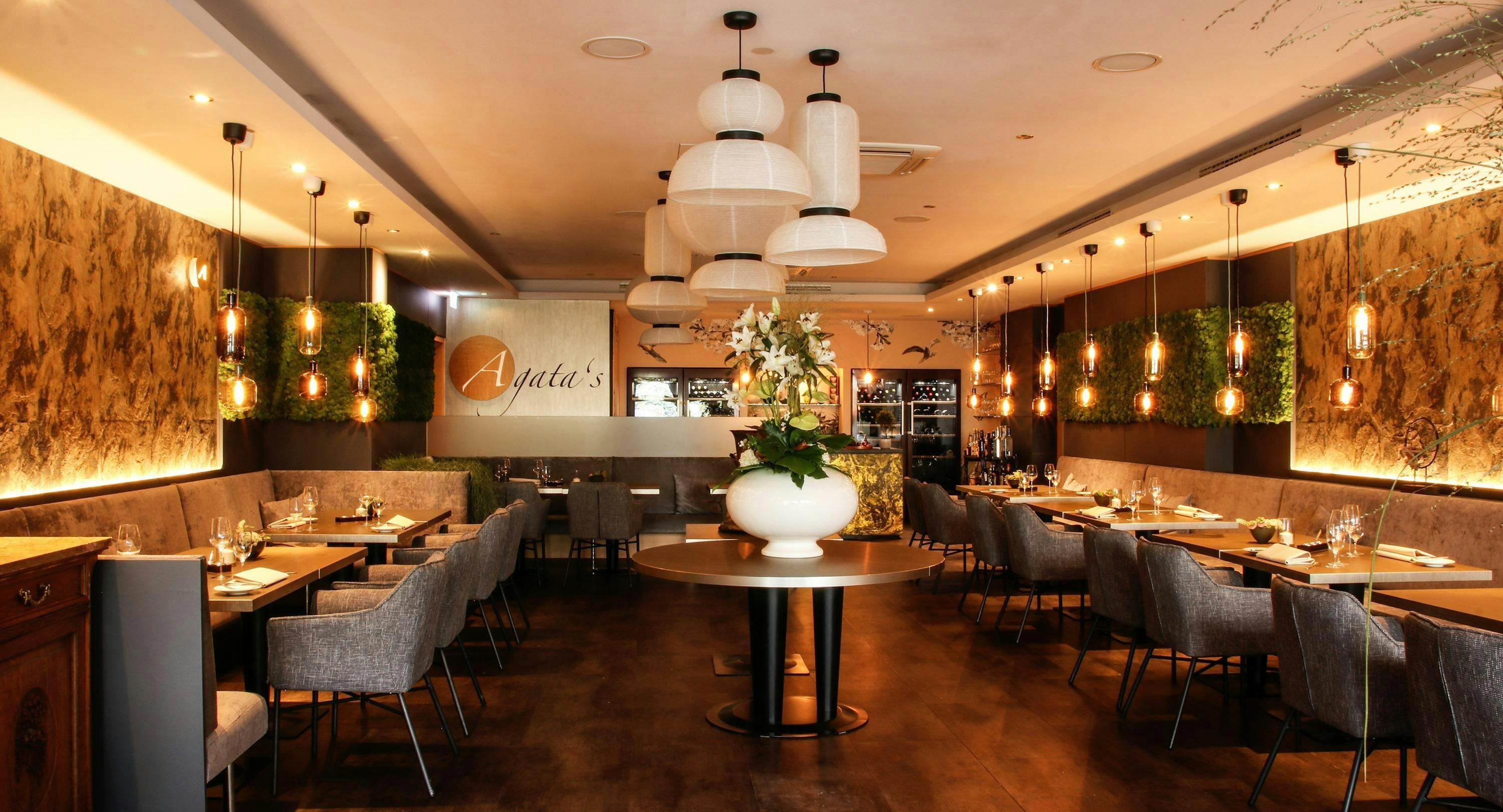
If your Düsseldorf itinerary extends beyond a single restaurant, the full Düsseldorf restaurants guide covers the city's broader dining range, including creative formats at Agata's and the city's Michelin-starred addresses. For complementary planning across accommodation and drinks, the Düsseldorf hotels guide, bars guide, wineries guide, and experiences guide provide the same editorial framing across the full city offer.
For Austrian cooking in its home geography, 1er Beisl im Lexenhof in Nußdorf am Attersee and Senns in Salzburg offer useful reference points for the tradition Rubens is working within. The comparison is instructive: Austrian cuisine on its home ground, drawing from local producers within driving distance, versus the same tradition executed at a deliberate remove. Both are worth knowing.
At Vendôme in Bergisch Gladbach and Aqua in Wolfsburg, the broader German fine dining conversation reaches its highest technical register. Rubens is not in that conversation by format or price, but its sustained Michelin recognition places it in a credible position within its own tier: a restaurant that takes a specific Central European tradition seriously and has earned repeated external validation for doing so.
What to Order at Rubens
What the Austrian tradition reliably foregrounds, and what the Michelin Plate suggests this kitchen executes at a consistent standard, is classical technique applied to a defined regional ingredient set. If the kitchen follows the central logic of Austrian cooking, the dishes most worth attention will be those built around the core larder categories: dairy-rich preparations, cured or braised meats, and the kind of vegetable work that defines Styrian and Viennese cooking. Ask the room what is in season when you arrive; in a tradition this ingredient-driven, the most reliable choices usually point toward the leading plates on the menu that day.
Pricing, Compared
Comparable venues nearby, for context on price, style, and recognition.
| Venue | Cuisine | Price | Awards | Notes |
|---|---|---|---|---|
| RubensThis venue — the venue you are viewing | Pempelfort, Modern Austrian | $$$ | Michelin Plate | |
| Lido Hafen | Hafen, Modern French Fine Dining | $$$ | Michelin Plate | |
| Grande Étoile | $$$$ | Michelin Plate | Carlstadt, French Brasserie with Italian Influences | |
| Roku - Japanese Dining & Wine | $$$$ | Michelin Plate | Pempelfort, Contemporary Japanese Sushi & Wine | |
| Staudi's | Derendorf, Modern German Fine Dining | $$$ | Michelin Plate | |
| Schorn | Bilk, Modern French & German Fine Dining | $$$ | Michelin Plate |
Continue exploring
More in Düsseldorf
Restaurants in Düsseldorf
Browse all →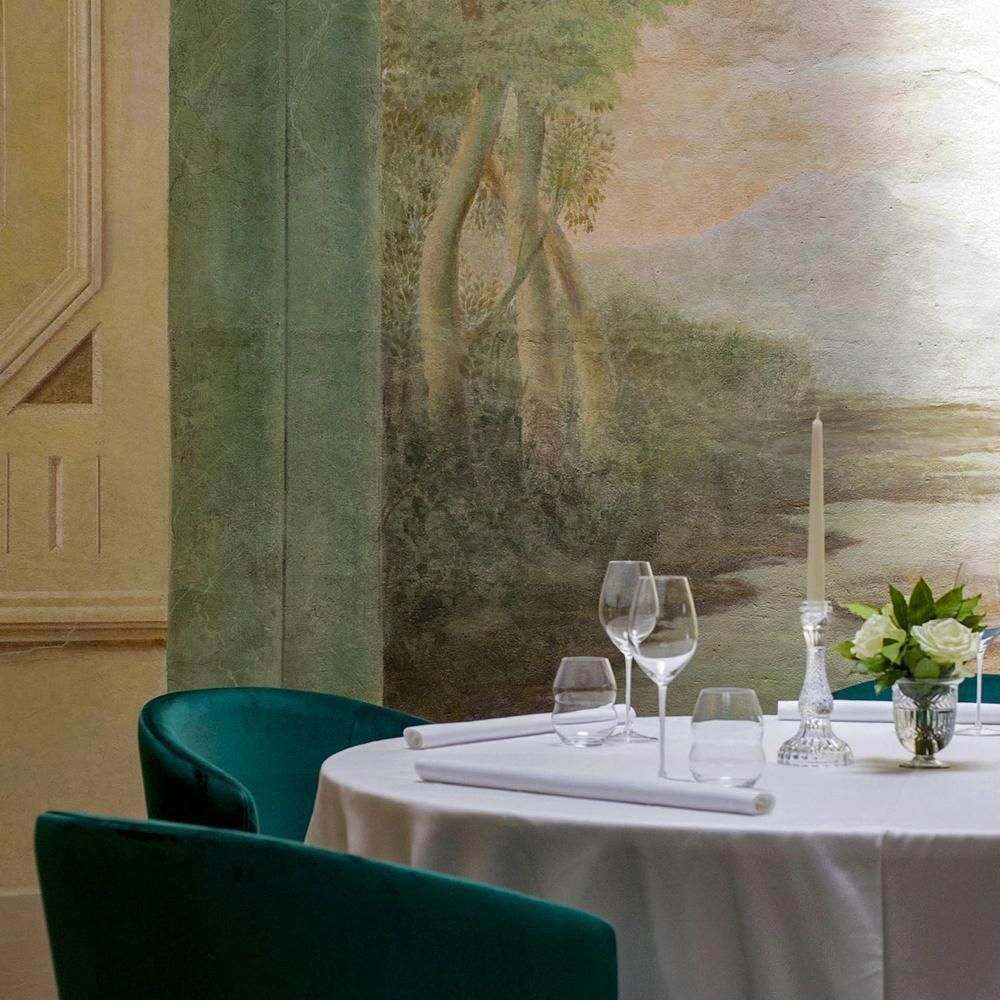
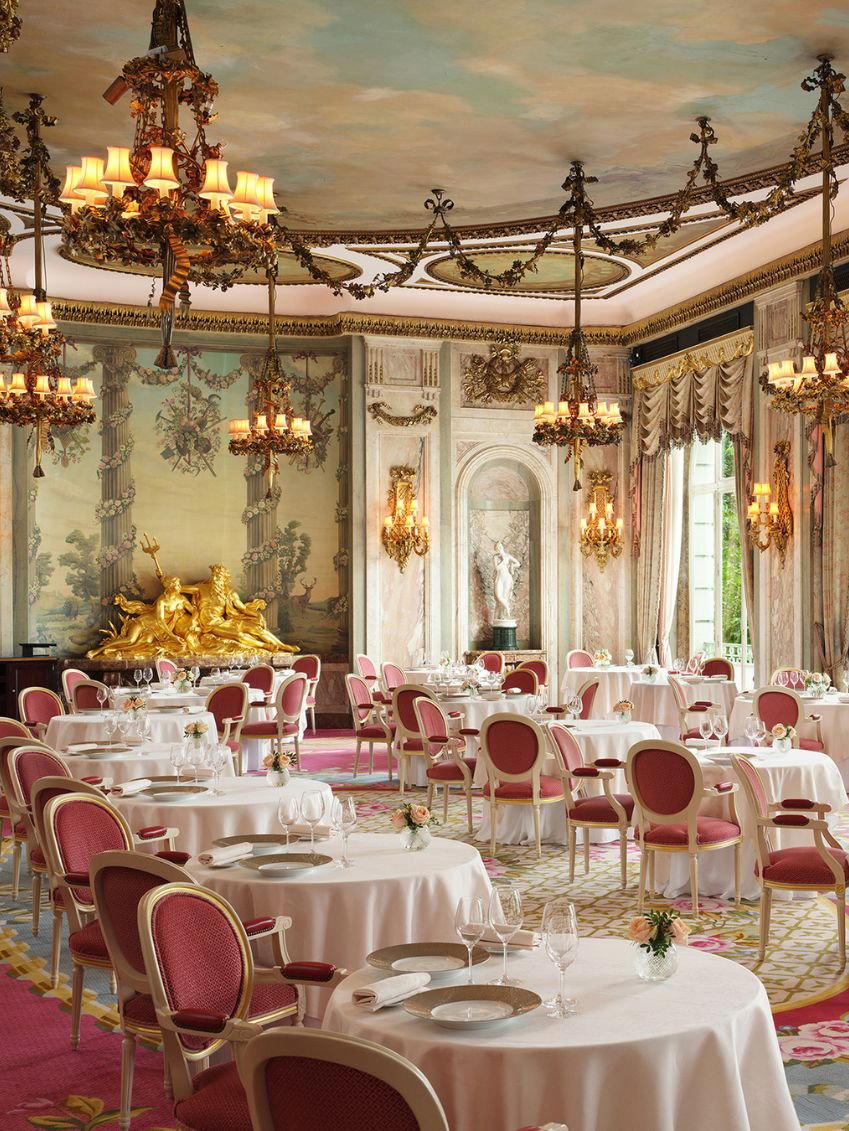
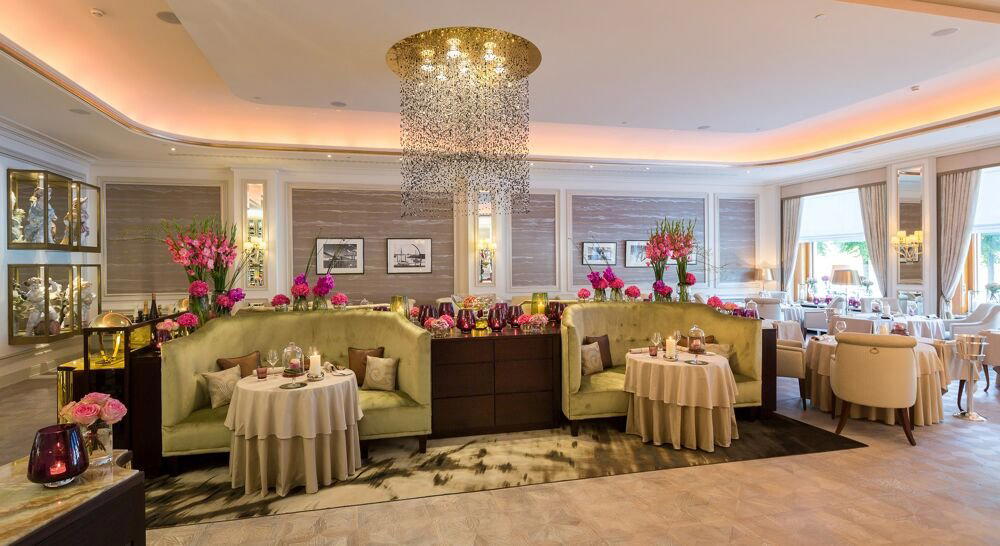
Bars in Düsseldorf
Browse all →
Hotels in Düsseldorf
Browse all →



Wineries in Düsseldorf
Browse all →
At a Glance
- Cozy
- Rustic
- Elegant
- Sophisticated
- Date Night
- Business Dinner
- Group Dining
- Special Occasion
- Open Kitchen
- Extensive Wine List
- Local Sourcing
Cozy and sophisticated with warm lighting, open kitchen, and wine-cellar vibe.