Rätia
Rätia sits on Kreuzgasse in Jenins, a village in Graubünden whose agricultural character shapes what ends up on the plate. Graubünden's position as both a farming canton and a wine-producing corridor gives restaurants here a sourcing context that urban Swiss dining rarely matches. For visitors working through the region's fine dining circuit, Rätia is a logical stop alongside Jenins's other notable address.
Pearl is the En Primeur Club membership app — saves, bookings, and concierge access live there. Same editors, same standards.
- Address
- Kreuzgasse 1, 7307 Jenins, Switzerland
- Phone
- +41813023738
- Website
- restaurantraetia.ch
- Directions
- Get directions
 Saves & bookings on Pearl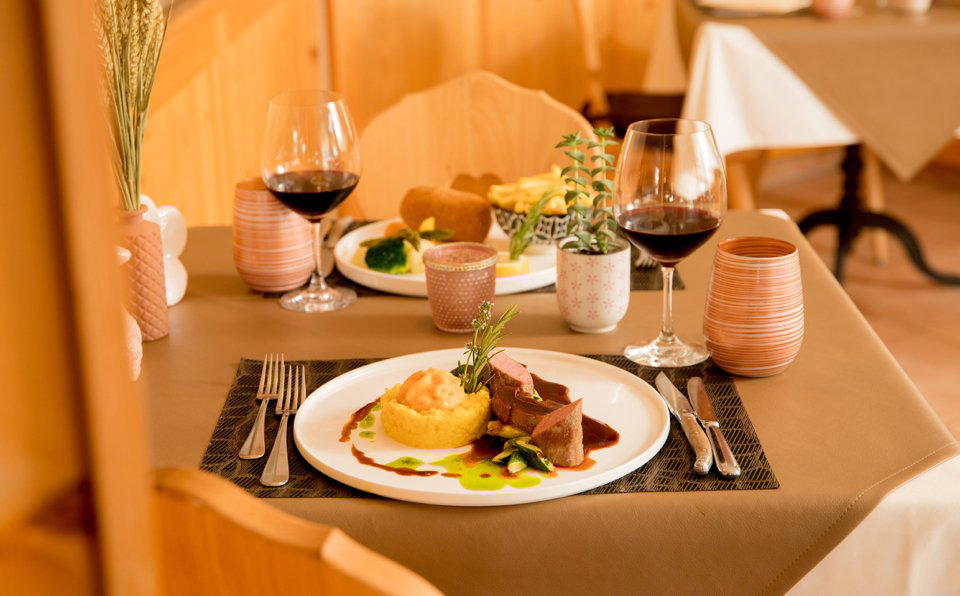
A Village Address in One of Switzerland's Most Productive Agricultural Corridors
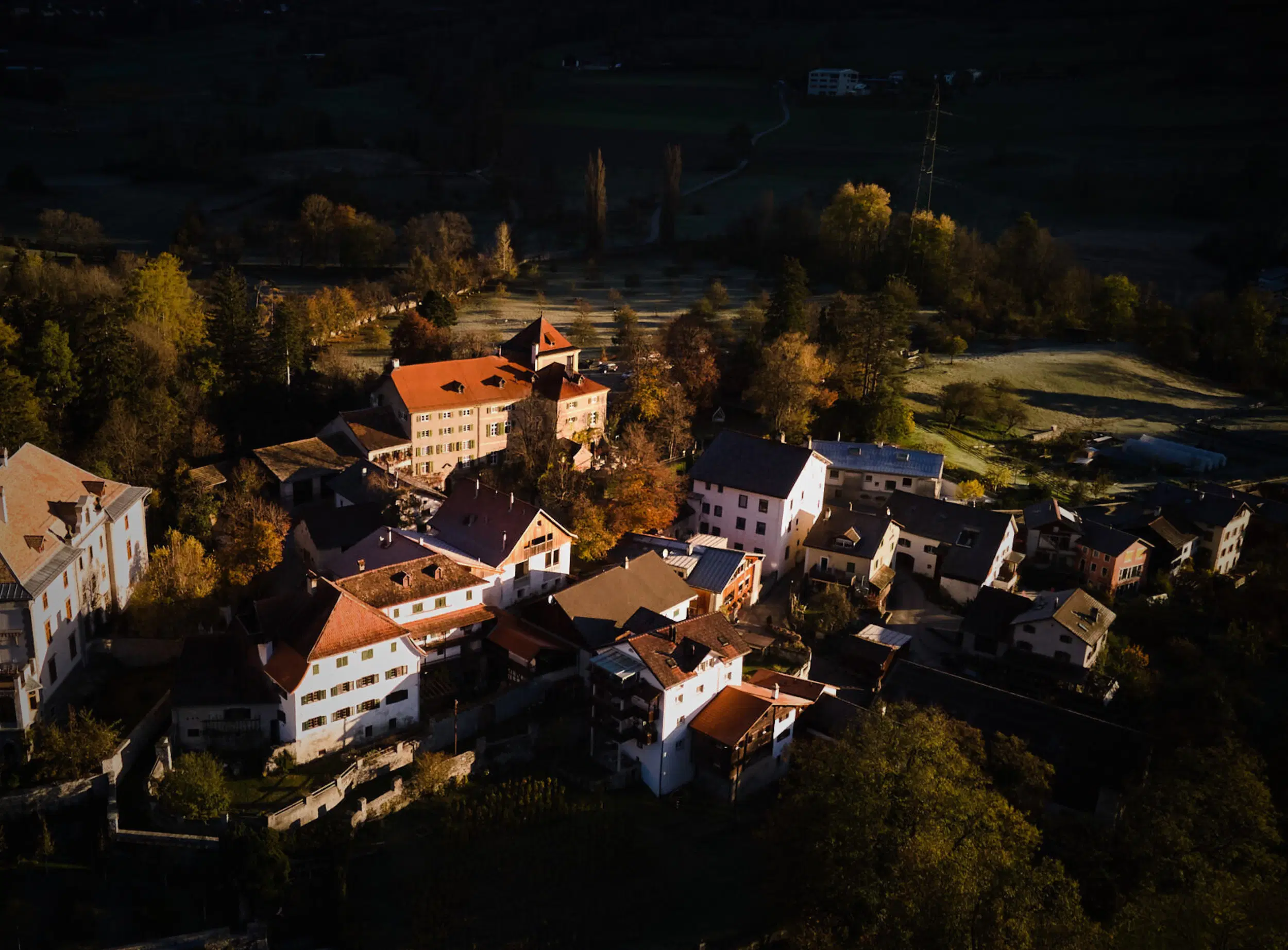
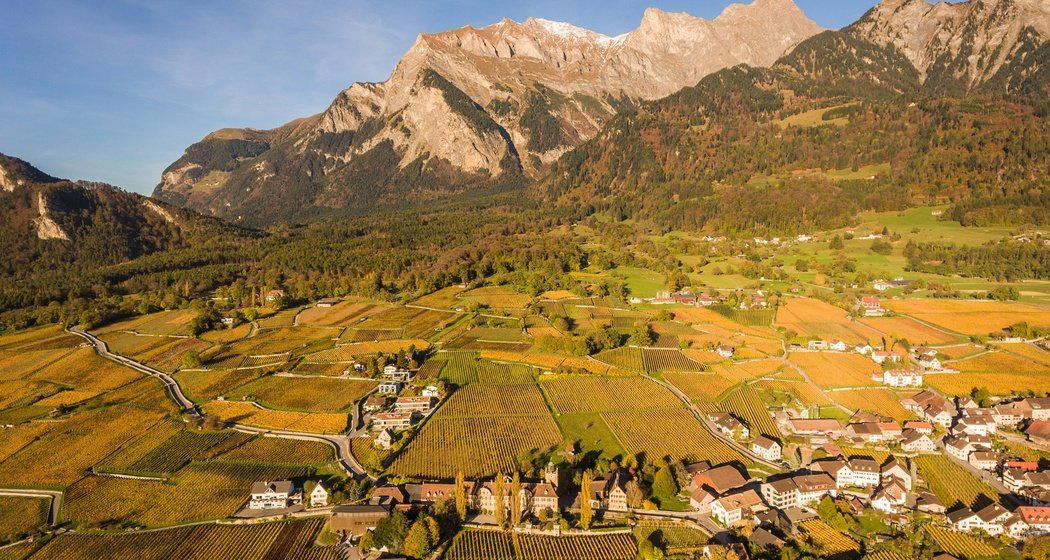
Jenins sits in the Bündner Herrschaft, a compact wine and farming zone in Graubünden that produces some of Switzerland's most respected Pinot Noir alongside vegetables, herbs, and livestock that rarely travel far before reaching a kitchen. The village itself, reachable from Chur in under 30 minutes and from Zurich in roughly 90, occupies a slope above the Rhine valley where the combination of Alpine climate and foehn-warmed air creates growing conditions that local producers have worked for generations. Arriving at Kreuzgasse 1, you are already inside that agricultural logic before you sit down: the address places Rätia at the centre of a village whose identity is inseparable from what it grows and makes.
That sourcing geography matters more than it might elsewhere. Swiss fine dining at the summit of the market, represented by houses like Schloss Schauenstein in Fürstenau and Memories in Bad Ragaz, has spent the past decade tightening its relationship with regional producers. The Bündner Herrschaft gives a restaurant positioned here a natural advantage in that conversation: the provenance is not imported from elsewhere in Switzerland, it is walking distance or a short drive from the kitchen door.
The Ingredient Logic of the Bündner Herrschaft
Understanding what makes Graubünden a compelling sourcing region requires looking at its geography rather than just its reputation. The canton is Switzerland's largest by area and one of its least densely populated, a combination that has preserved small-scale farming operations that larger, more accessible regions lost decades ago. The Herrschaft sub-zone, running between Maienfeld to the north and Chur to the south, concentrates wine production alongside grain, dairy, and market gardening in a corridor narrow enough that a restaurant in Jenins can credibly claim hyper-local sourcing across multiple categories simultaneously.
Graubünden's Pinot Noir is the wine region's headline product, but the agricultural context extends well beyond the vineyard. Älplermagronen, venison from mountain hunting zones, and alpine cheeses produced at altitude are part of the canton's food identity as much as the Herrschaft wines. A restaurant in Jenins drawing on that full inventory has raw material that does not need to travel across cantonal borders to be both seasonal and specific. That specificity is increasingly what separates considered regional dining from generic Swiss hotel-restaurant cooking.
For context on what that sourcing discipline can produce at the highest level, focus ATELIER in Vitznau and IGNIV Zürich by Andreas Caminada both demonstrate how Swiss kitchens translate regional supply chains into formats that read as contemporary rather than folkloric. The challenge for any Graubünden address is finding that register: honouring local ingredients without reducing the menu to a heritage exercise.
Jenins in Its Competitive Set
Jenins is not a dining destination in the way that St. Moritz or Zurich functions: it does not generate its own visitor traffic, and restaurants here serve a mixed audience of wine-focused travellers exploring the Herrschaft, locals from Chur and the surrounding valley, and visitors passing through en route to the Alpine interior. That audience profile shapes what a restaurant at this address needs to deliver. The comparison point is not Da Vittorio in St. Moritz or Cheval Blanc in Basel, which operate inside established luxury tourism economies. It is closer to village-level addresses in productive agricultural zones across Switzerland and Austria, where the value proposition is access to ingredients and a pace of dining that urban restaurants cannot replicate.
Within Jenins itself, the primary comparison is Alter Torkel, the Huus vum Bündner Wii, which operates at the intersection of regional wine education and food in the village. The two addresses serve overlapping but not identical audiences, and together they give Jenins more dining substance than a village of its scale would typically support. For a broader picture of what the area offers, our full Jenins restaurants guide maps the options across formats and price points.
Switzerland's wider fine dining tier, accessible via houses like Hotel de Ville Crissier, Einstein Gourmet in Sankt Gallen, La Brezza in Ascona, Colonnade in Lucerne, Magdalena in Schwyz, and La Table du Lausanne Palace, operates at price points and formality levels that a village restaurant in Jenins is unlikely to match in format, though the sourcing story at Kreuzgasse 1 is one those urban addresses often work to approximate. For international reference points that reflect how sourcing-led cooking has evolved globally, Le Bernardin in New York and Atomix in New York illustrate how ingredient provenance has become a primary editorial frame for serious restaurants across different culinary traditions, and L'Atelier Robuchon in Geneva shows how even a globally branded operation adapts its sourcing language to a Swiss context.
Planning a Visit to Rätia
Rätia is at Kreuzgasse 1 in Jenins, a village in the Bündner Herrschaft accessible from Chur by regional train to Maienfeld followed by a short taxi or bicycle transfer, or directly by car from the A13 motorway. Visitors combining the address with wine visits to the Herrschaft producers will find the geography compact enough to cover in a single day.
Fast Comparison
Comparable venues nearby, for context on price, style, and recognition.
| Venue | Cuisine | Price | Awards | Notes |
|---|---|---|---|---|
| RätiaThis venue — the venue you are viewing | Swiss Regional | $$$ | Not listed | Not listed |
| Alter Torkel - Huus vum Bündner Wii | Regional Swiss with Graubünden Wines | $$ | Michelin Plate | Jenins |
| Neubad | Modern Swiss Bistro | $$$ | Not listed | monastery quarter |
| La Cruna | Traditional Grisons Alpine Cuisine | $$$ | Not listed | Sedrun |
| Munotblick | Swiss European Fusion | $$$ | Not listed | Feuerthalen |
| Rossberg | Swiss Seasonal Cuisine | $$$ | Not listed | Kemptthal |
Continue exploring
More in Jenins
Restaurants in Jenins
Browse all →
Bars in Jenins
Browse all →
Hotels in Jenins
Browse all →

At a Glance
- Cozy
- Rustic
- Romantic
- Scenic
- Date Night
- Special Occasion
- Terrace
- Extensive Wine List
- Local Sourcing
- Farm To Table
- Mountain
- Vineyard
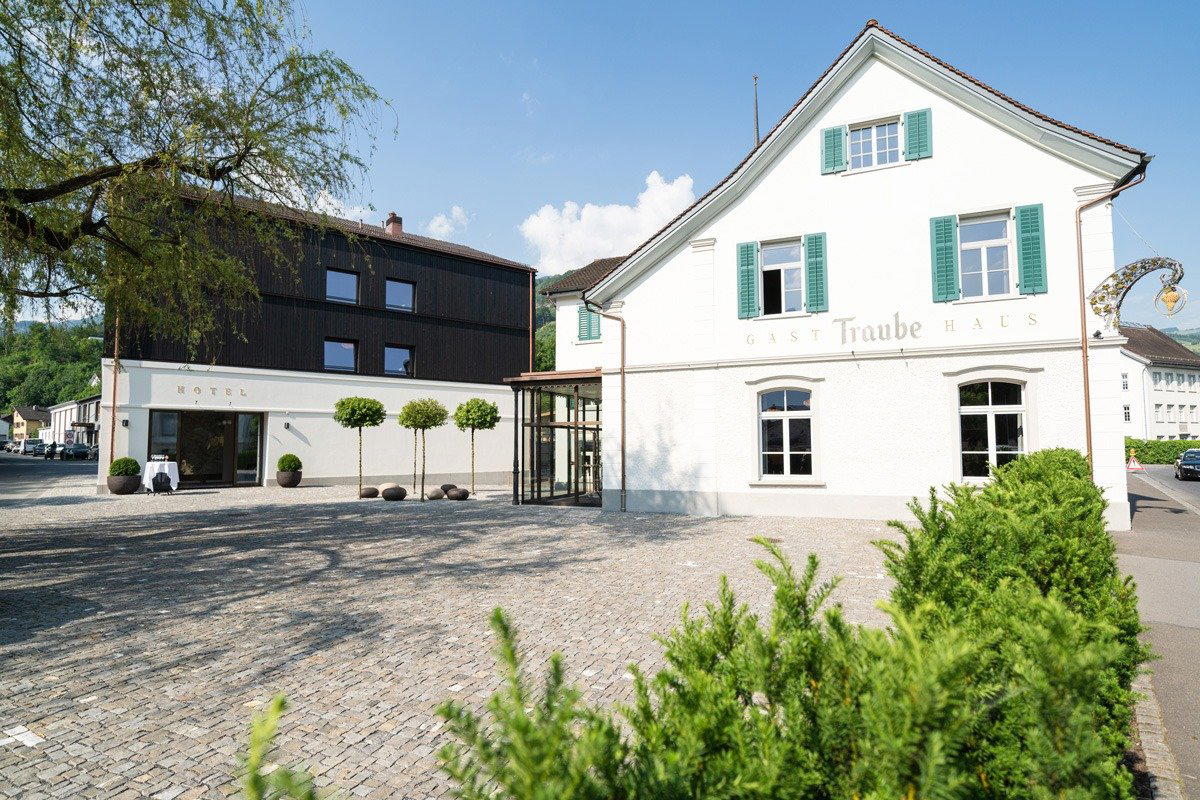
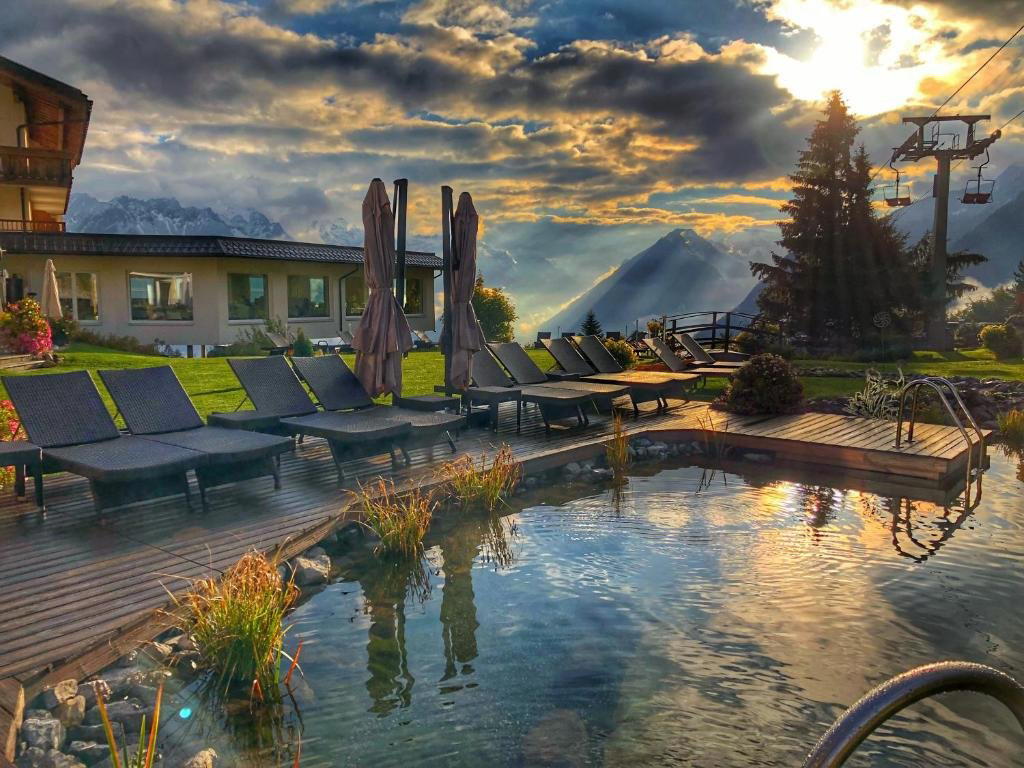
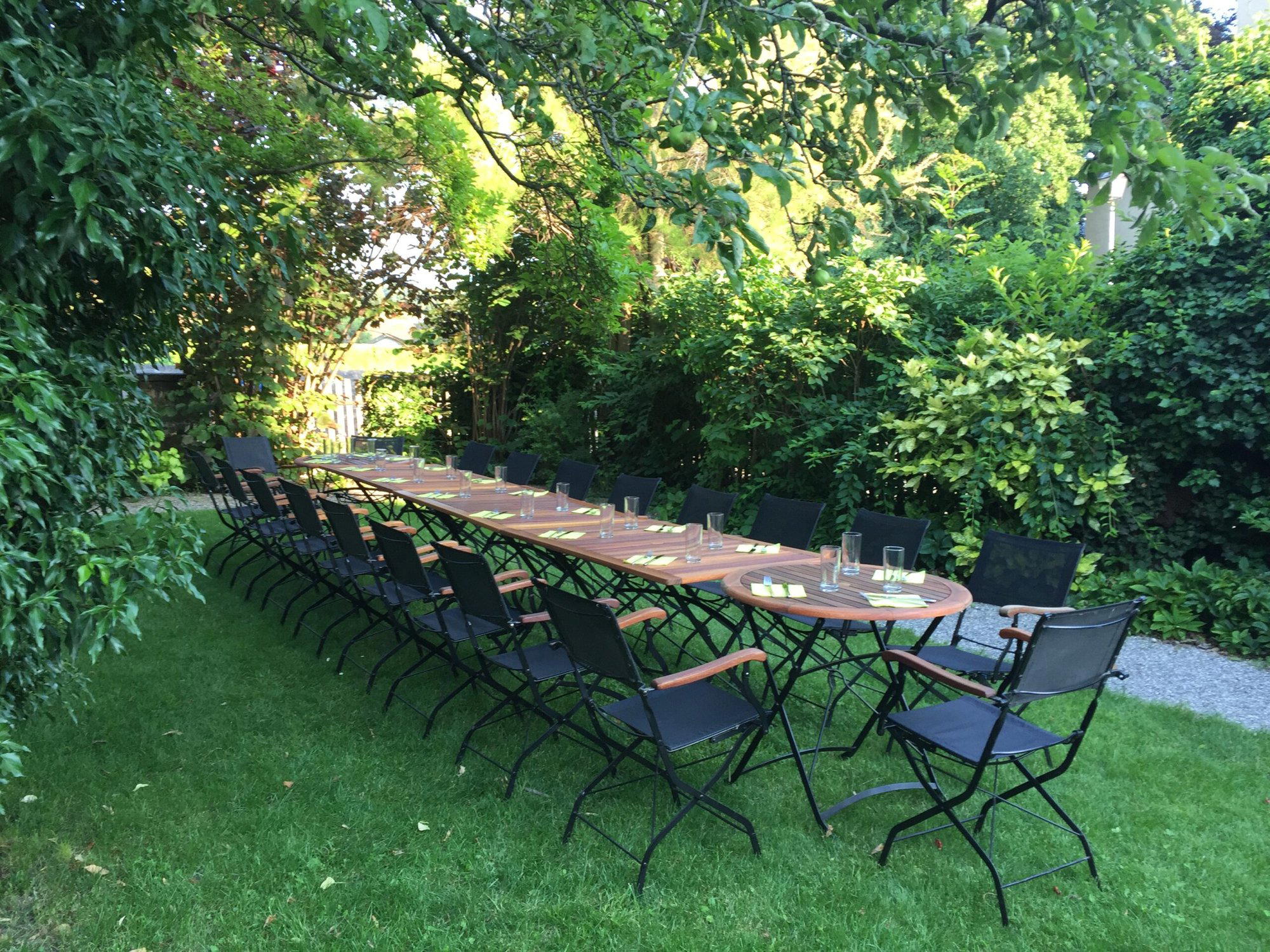
Cozy country-style interior with relaxing, pleasant atmosphere and Rhine Valley views.