Rössli

Rössli holds a Michelin Plate for 2024 and 2025, placing it among the recognised Classic Cuisine addresses in the Lucerne canton. Set on Adligenswil's main village street, it operates at the €€ price point, making it one of the more accessible Michelin-acknowledged tables in the region..
Pearl is the En Primeur Club membership app — saves, bookings, and concierge access live there. Same editors, same standards.
- Address
- Dorfstrasse 1, 6043 Adligenswil, Switzerland
- Phone
- +41 41 370 10 30
- Website
- roessli-adligenswil.ch
- Directions
- Get directions
 Saves & bookings on Pearl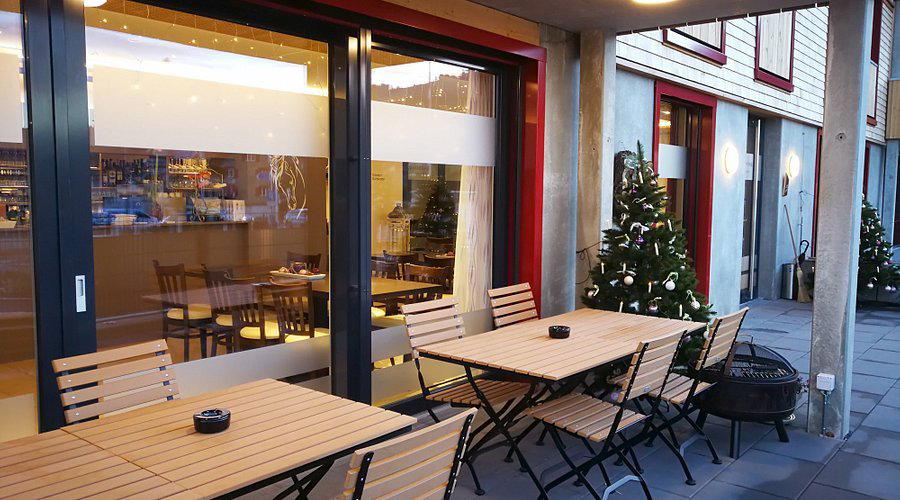
A Village Address With Regional Credibility
The villages that ring Lucerne have a particular dining character: solid, unhurried, and rooted in the kind of Classic Cuisine that Swiss households have long taken seriously. Adligenswil sits just east of the city, and Rössli occupies the kind of address, Dorfstrasse 1, at the heart of the village, that in Central Switzerland signals a certain permanence. These are not newcomer restaurants chasing trends. They are places where the cooking tends to be measured against what the region has always done well: clean technique, produce that reflects the surrounding landscape, and a format that respects the guest's time without performing for it.
Rössli carries a Michelin Plate for both 2024 and 2025. Within the Lucerne canton, that positions it as a recognisable name on a relatively short list of Michelin-acknowledged tables. For comparison, the starred restaurants operating in and around this part of German-speaking Switzerland, including focus ATELIER in Vitznau and the broader cluster of destination dining rooms, operate at price points and formats that place them in a different category entirely. Rössli's €€ pricing keeps it accessible in a way those rooms are not.
What Classic Cuisine Means in This Context
Classic Cuisine as a category deserves some unpacking, particularly in a Swiss-German village context. It does not mean frozen-in-time cooking, nor does it mean the kind of reverent French classicism practiced at rooms like Hotel de Ville Crissier in Crissier or Cheval Blanc by Peter Knogl in Basel. In a Central Swiss village setting, it tends to mean disciplined technique applied to familiar forms: structured sauces, considered seasoning, and a refusal to dress produce up beyond what it can support. The emphasis falls on execution over invention.
That orientation towards restraint and precision has a direct relationship with ingredient sourcing. Classic Cuisine traditions in this part of Switzerland have historically leaned on what the region produces: freshwater fish from the lakes, dairy from Alpine farms operating at elevation, seasonal vegetables that reflect the short but concentrated growing window of the Central Plateau. A kitchen working in this tradition has less room to hide. When the cooking is stripped of theatrical technique or imported luxury products, the quality of the base materials becomes the argument. The Michelin Plate designation, held across two consecutive years, suggests the kitchen is making that argument consistently.
Sourcing and the Regional Ingredient Story
The area around Lucerne sits within one of Switzerland's more agriculturally coherent zones. Lake Lucerne and its tributaries have historically supplied perch and char to local kitchens, and the Emmental and Entlebuch valleys to the west produce dairy and meat that have defined the region's cooking identity for generations. Restaurants working in the Classic Cuisine mode in this area tend to operate within that supply geography, even if they do not advertise it explicitly.
This matters to the reader because it shapes what a meal at a place like Rössli is likely to involve. The produce is not flown in from distant specialty suppliers or sourced from the kind of artisan networks that define the menus at rooms like Schloss Schauenstein in Fürstenau or Memories in Bad Ragaz. It tends to be closer, more legible, and more tied to the season as it actually presents itself in this specific part of the country. That is a different proposition, not a lesser one.
For context on how this compares to Classic Cuisine formats in neighboring countries, KOMU, Classic Cuisine in Munich and Maison Rostang, Classic Cuisine in Paris operate within the same broad category but with the ingredient sourcing logic of their respective cities. Rössli's regional frame is more compact, which for many diners is precisely the point.
Standing in the Local and Regional Dining Picture
Volume at that level of consistency suggests a broad dining base, not a niche following. It implies that the kitchen performs reliably across different table types: weeknight regulars, weekend family meals, the occasional occasion dinner. That breadth is different from the narrow excellence of a destination tasting menu room, and it is worth recognising as a distinct achievement.
Within the Lucerne dining orbit, Rössli occupies a specific niche: Michelin-acknowledged, accessibly priced, rooted in classic form. The higher-end rooms nearby, including Colonnade in Lucerne, operate at a different price tier and with a different set of expectations. Further afield in the Swiss fine dining picture, rooms like Da Vittorio - St. Moritz in St. Moritz, Einstein Gourmet in Sankt Gallen, IGNIV Zürich by Andreas Caminada in Zurich, L'Atelier Robuchon in Geneva, and 7132 Silver in Vals are operating in a category where Rössli does not compete and does not try to. The comparison is instructive rather than diminishing: different rooms, different mandates, different relationships with their guests.
Planning Your Visit
Rössli is located at Dorfstrasse 1 in Adligenswil, a short distance from Lucerne by road. The €€ price point makes it one of the more accessible Michelin-noted tables in the canton, and the consistent review volume suggests booking ahead is advisable, particularly for weekend evenings. The village setting is quiet rather than destination-heavy, which affects the pace of an evening here: this is not a room that benefits from being rushed, and the format suits those who want a measured dinner rather than a showcase event.
If Adligenswil is new territory,
At-a-Glance Comparison
Comparable venues nearby, for context on price, style, and recognition.
| Venue | Cuisine | Price | Awards | Notes |
|---|---|---|---|---|
| RössliThis venue — the venue you are viewing | Traditional Swiss Fine Dining | $$$ | Michelin Plate | Not listed |
| Gasthaus Bären | Traditional Swiss Regional Cuisine | $$$ | Michelin Plate | Reichenbach im Kandertal |
| Taverne zur Krone | Modern Swiss Brasserie | $$$ | Michelin Plate | Dietikon |
| Gasthaus im Feld | Traditional Swiss Regional | $$$ | Michelin Plate | Gurtnellen Dorf |
| Lindenhofkeller | Modern Seasonal Swiss-German Fine Dining | $$$$ | Michelin Plate | Enge |
| Haus zum Rüden | Traditional Swiss | $$$ | Michelin Plate | Fluntern |
Recognition history
Dated appearances from independent guides and award organizations, with the underlying list record or original source where available.
Michelin Plate
Michelin
Michelin Plate
Michelin
Continue exploring
More in Adligenswil
Restaurants in Adligenswil
Browse all →

Bars in Adligenswil
Browse all →
At a Glance
- Cozy
- Rustic
- Classic
- Elegant
- Intimate
- Date Night
- Celebration
- Business Dinner
- Special Occasion
- Family
- Historic Building
- Garden
- Private Dining
- Standalone
- Extensive Wine List
- Sommelier Led
- Local Sourcing
- Garden
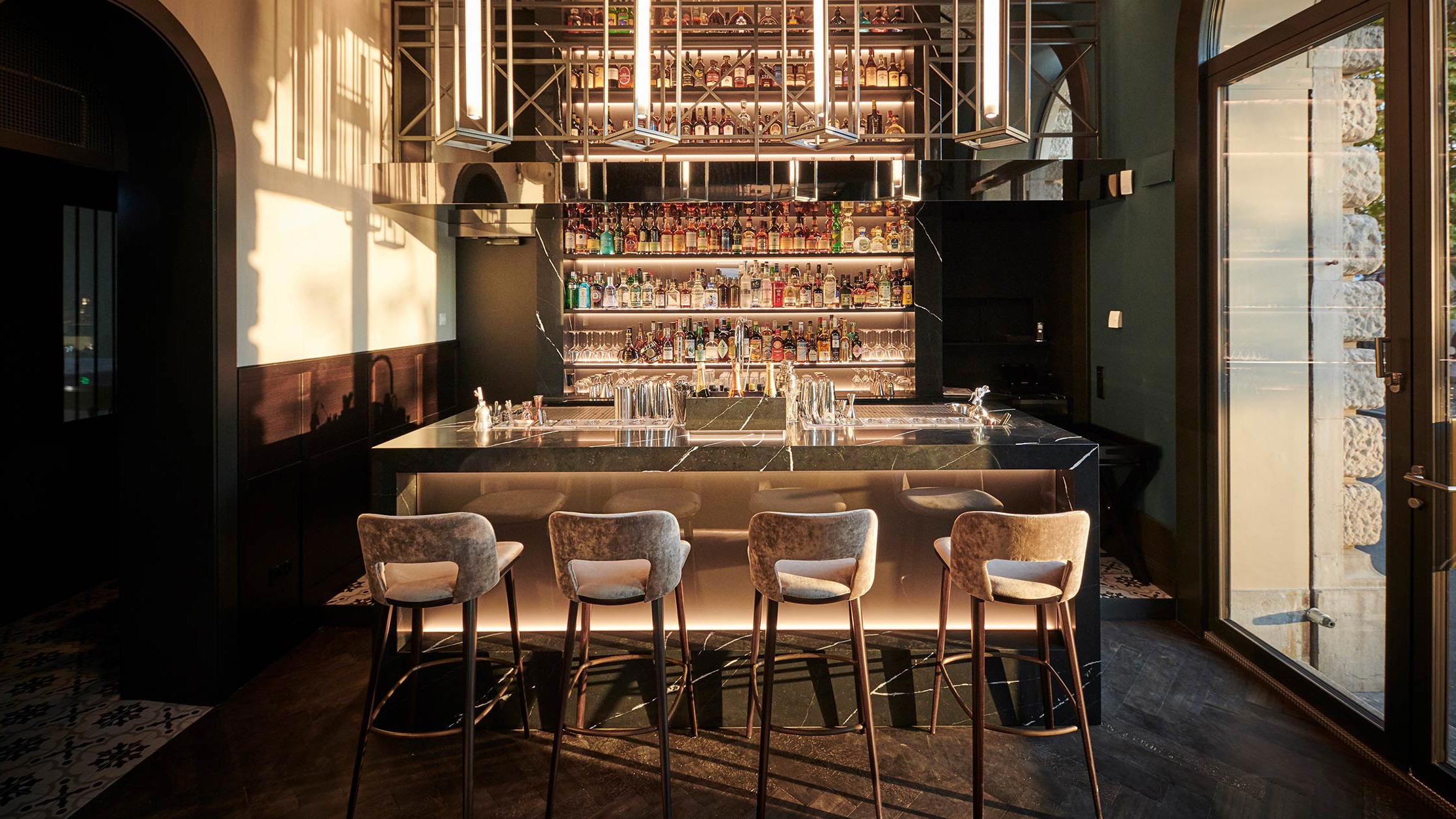
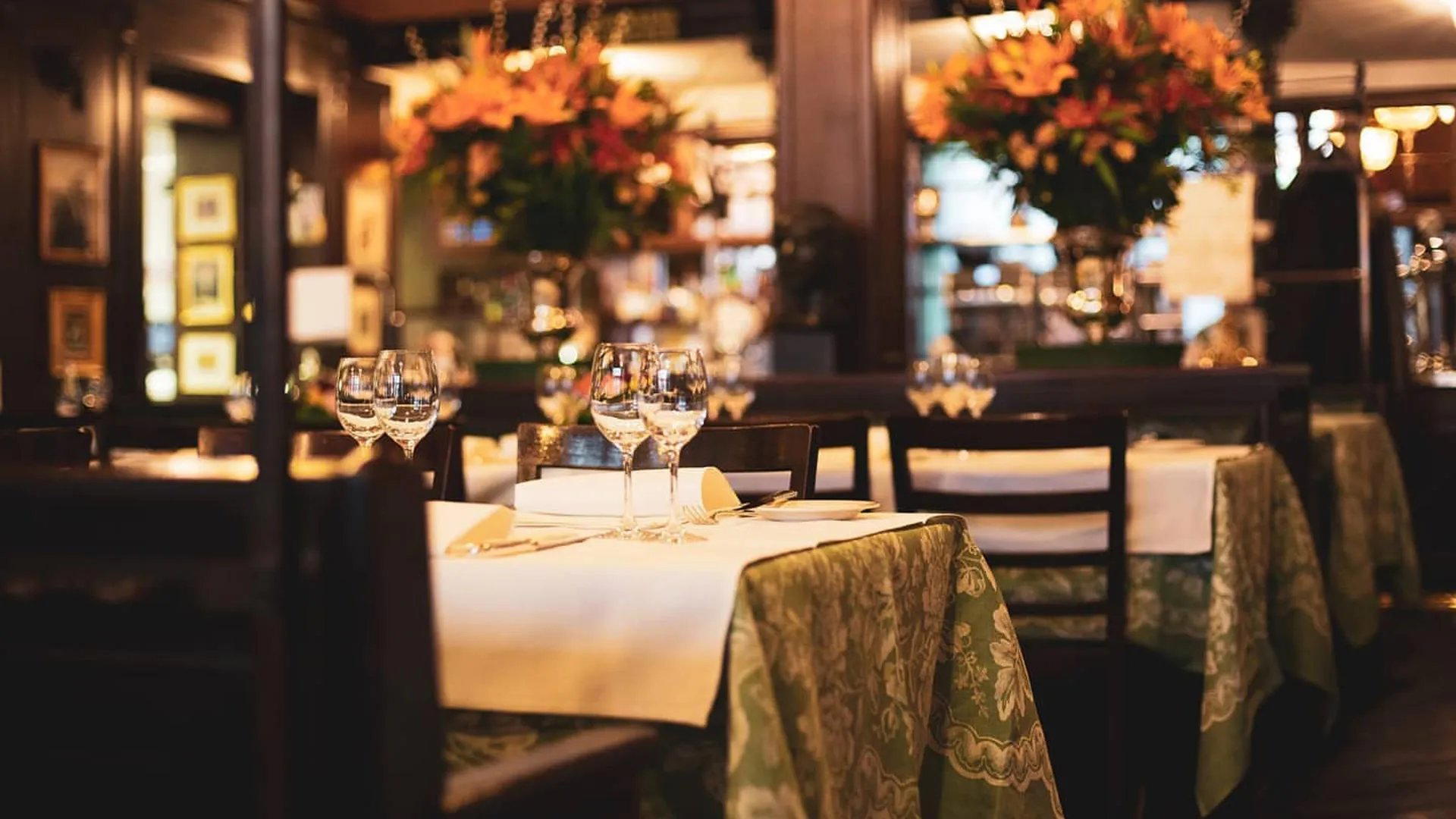
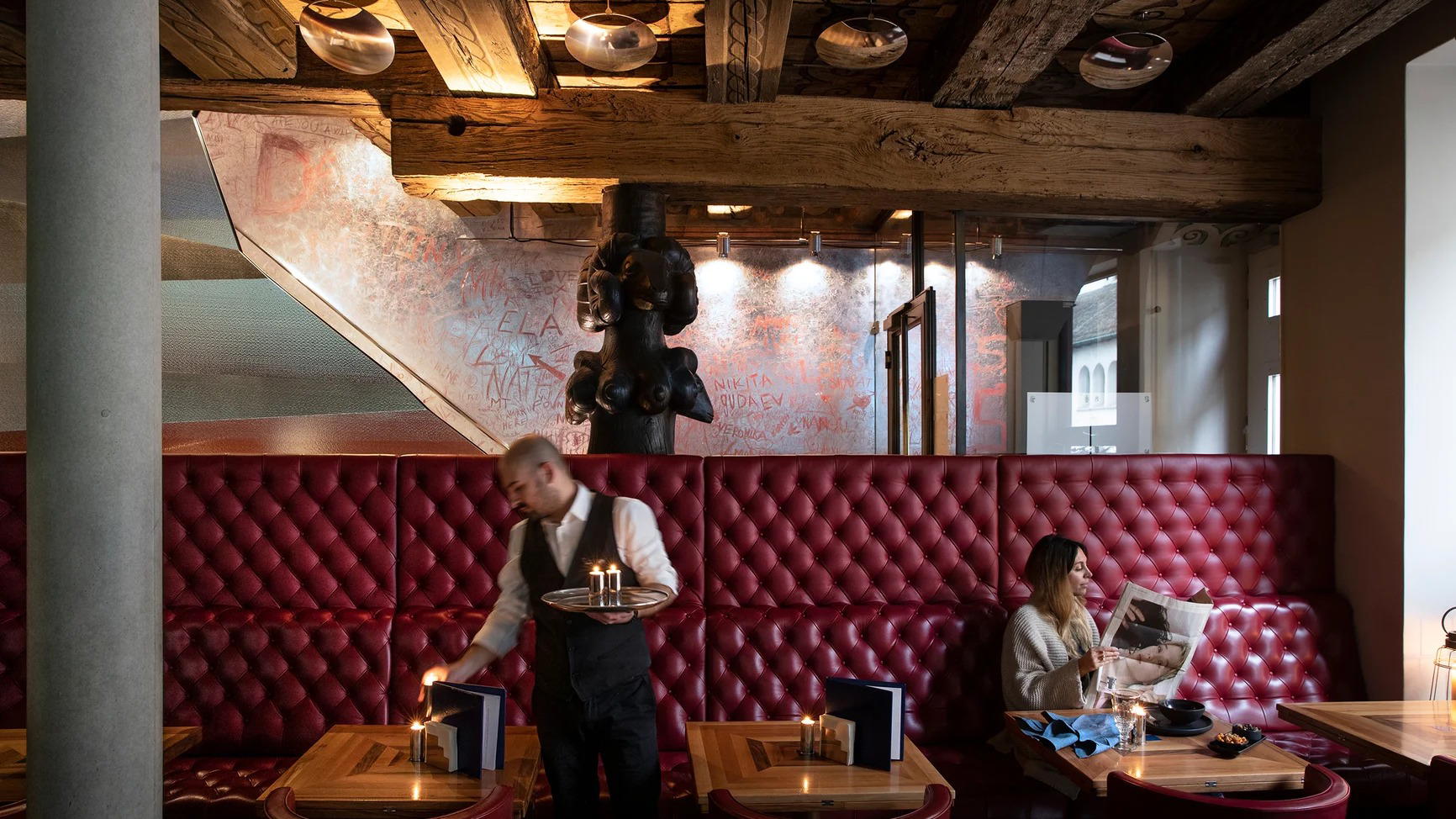
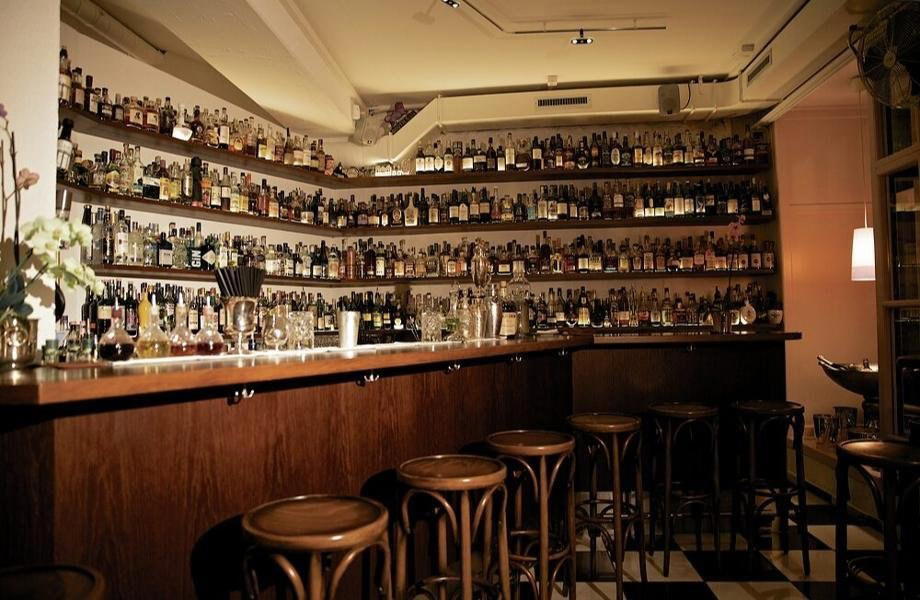
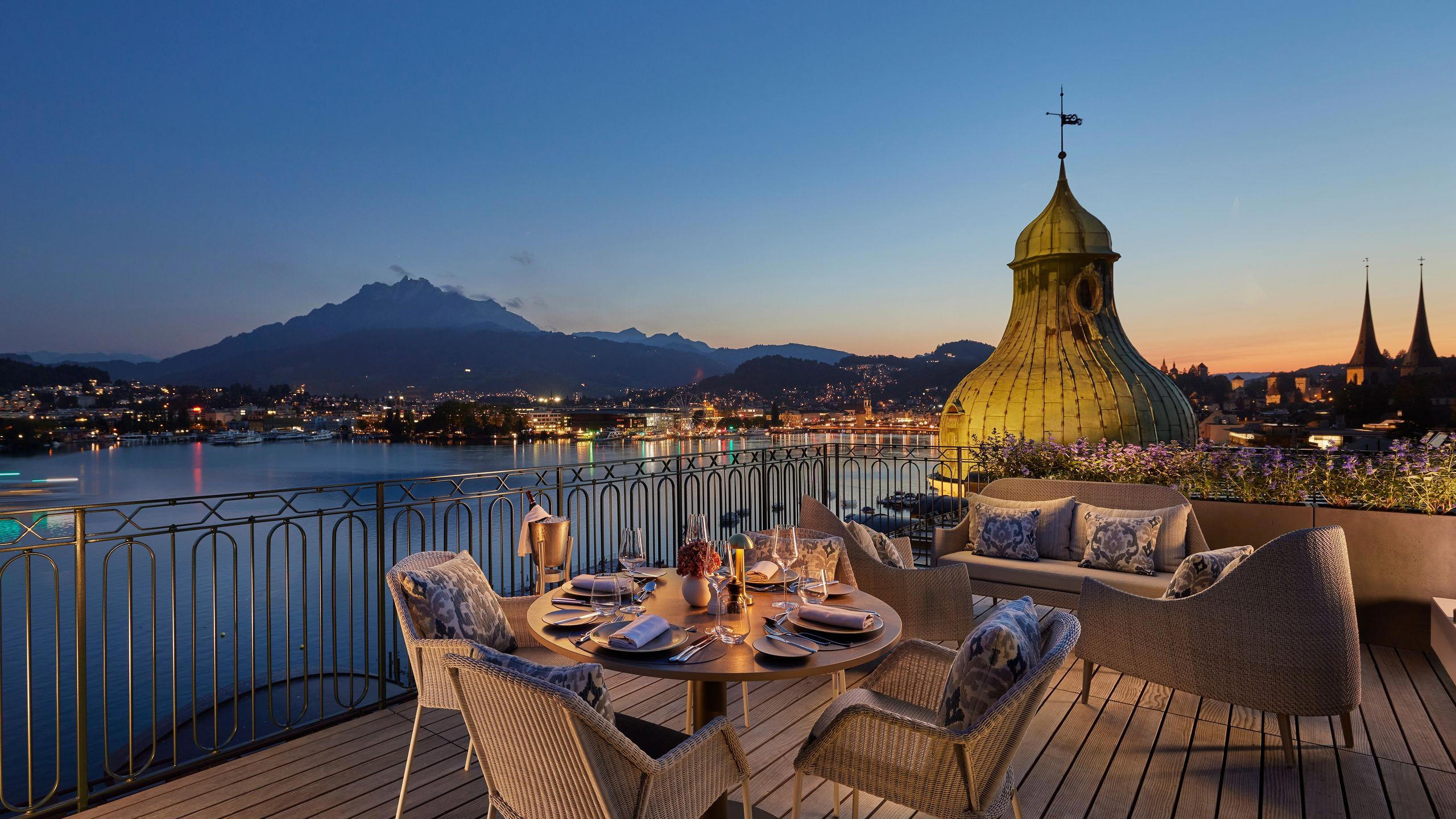
Warm and inviting with traditional European charm; features rustic elements including a small wood-burning fireplace, rose garden views, and refined but unpretentious decor that balances old-fashioned comfort with upper-class elegance.