Gasthaus Bären

A Michelin Plate-recognised Gasthaus in the Kandertal valley, Gasthaus Bären sits at the mid-price tier of Swiss traditional dining where honest Alpine cooking and local ingredients take precedence over theatrical presentation. it holds a consistent position among Reichenbach's most reliable tables.
Pearl is the En Primeur Club membership app — saves, bookings, and concierge access live there. Same editors, same standards.
- Address
- Dorfstrasse 21, 3713 Reichenbach im Kandertal, Switzerland
- Phone
- +41 33 676 12 51
- Website
- baeren-reichenbach.ch
- Directions
- Get directions
 Saves & bookings on Pearl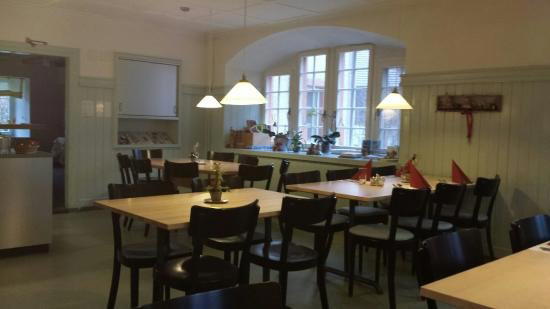
Where the Valley Sets the Menu
The Kandertal is farming country. The valley floor south of Spiez runs between forested ridges and pastures that feed dairy herds through the warmer months, and the villages along the Kander river have long relied on what that terrain produces. In this context, a Gasthaus is not a concept or a positioning exercise, it is a structural feature of the community, the place where the surrounding land meets the table most directly. Gasthaus Bären on Dorfstrasse in Reichenbach operates within that tradition.
Swiss traditional cuisine at this price tier does not compete on technique for its own sake. The measure is whether the ingredients are handled with enough respect and skill to let their provenance speak. Alpine dairy, cold-water fish from regional rivers, and cured meats from local farms form the backbone of this cooking tradition across the Bernese Oberland, and establishments that source with discipline rather than convenience are recognisable in the plate. Gasthaus Bären's consecutive Plate recognition suggests that discipline is present here.
The Setting in Reichenbach im Kandertal
Reichenbach im Kandertal sits in the lower Kandertal, roughly twenty kilometres south of Spiez by road, a position that places it within reach of visitors travelling between the Bernese Mittelland and the higher Alpine resorts of Kandersteg. The village is small enough that Dorfstrasse functions as the social spine of the community, and a Gasthaus on that street occupies a role that larger destination restaurants in Swiss cities do not. It serves locals on weekday evenings, walkers and cyclists moving through the valley corridor, and the occasional visitor who has deliberately sought out a meal that reflects the immediate geography rather than an international culinary agenda.
That geographic embeddedness matters when thinking about ingredient sourcing. The short supply chain between Bernese Oberland farms and a valley Gasthaus is not a marketing narrative, it is a practical reality of how these establishments have always operated. Cheese from regional dairies, butter with the particular richness of high-altitude grass-fed milk, and seasonal produce from the valley floor are available to a kitchen at Reichenbach in ways they simply are not to a restaurant in a city centre.
Michelin Plate Recognition in Context
A Michelin Plate is awarded to restaurants where inspectors find good cooking, above the threshold of general recommendation but below the one-star tier. Across Switzerland, that distinction separates a large number of technically competent establishments from those that show genuine intention in the kitchen. Gasthaus Bären's recognition in 2024 and 2025 indicates consistency rather than a single strong season, which at the mid-price tier is the harder achievement. Inconsistency is common when margins are tight and kitchen teams are small.
To understand where this sits in Swiss dining more broadly, it helps to map the country's range. At the upper end, restaurants like Schloss Schauenstein in Fürstenau and Memories in Bad Ragaz operate at the three-Michelin-star level with tasting menus priced accordingly. Two-star operations such as focus ATELIER in Vitznau and IGNIV Zürich by Andreas Caminada occupy a creative fine-dining register at the higher price brackets. The restaurant occupies a structurally different tier, one where the Michelin Plate signals quality within a format that is defined by accessibility rather than aspiration. The comparison is a map of how Swiss dining is distributed across formats and price points. Other recognised Swiss tables worth knowing include Cheval Blanc by Peter Knogl in Basel, Hotel de Ville Crissier in Crissier, Einstein Gourmet in Sankt Gallen, Da Vittorio in St. Moritz, Colonnade in Lucerne, 7132 Silver in Vals, and L'Atelier Robuchon in Geneva.
The Role of Traditional Cuisine in This Format
Traditional cuisine as a Michelin category covers restaurants that cook within a regional or national culinary heritage rather than working in a contemporary or creative register. For a Swiss Gasthaus in the Bernese Oberland, that means dishes rooted in the agricultural economy of the Alps: preparations built around dairy, cured and braised meat, root vegetables, and bread. The season governs what appears on the menu more than any chef's editorial preference, which is itself a form of discipline. Autumn brings game from the surrounding forests; summer produces lighter plates built around valley vegetables and freshwater fish.
This approach contrasts with the creative Swiss cooking at venues like focus ATELIER, where the tradition is a reference point to depart from rather than a structure to work within. Neither is superior in an absolute sense; they answer different questions. Traditional cuisine at a Gasthaus asks whether the kitchen can cook a dish that has been made in this valley for generations and make it taste like it belongs here. That is a narrower brief than modern gastronomy, and a more demanding one in terms of ingredient quality, because there is less technique available to compensate for a sourcing shortcut.
Auberge Grand'Maison in Mûr-de-Bretagne or Auga in Gijón, both of which operate within regional culinary traditions at a similar level of Michelin recognition.
Planning a Visit
The restaurant is at Dorfstrasse 21 in Reichenbach im Kandertal. The price tier is 3, and reservations are recommended.6 across 162 reviews indicates strong satisfaction from a broad audience. Current hours are Mon: Closed; Tue: Closed; Wed: 6–10:30 PM; Thu: 11:30 AM–2:30 PM, 6–10:30 PM; Fri: 11:30 AM–2:30 PM, 6–10:30 PM; Sat: 11:30 AM–2:30 PM, 6–10:30 PM; Sun: 11:30 AM–3 PM. If you are building an itinerary around the Kandertal and surrounding areas, the Reichenbach hotels guide, bars guide, wineries guide, and experiences guide provide the surrounding context for a fuller stay.
Quick Comparison
Comparable venues nearby, for context on price, style, and recognition.
| Venue | Cuisine | Price | Awards | Notes |
|---|---|---|---|---|
| Gasthaus BärenThis venue — the venue you are viewing | Traditional Swiss Regional Cuisine | $$$ | Michelin Plate | Not listed |
| ROSI | Neo-Bavarian | $$$ | Michelin Plate | Aussersihl |
| Tenne | Contemporary Alpine Cuisine with Game | $$$ | Michelin Plate | Gluringen, Goms |
| Rathauskeller Bistro | Classic Swiss Bistro | $$$ | Bib Gourmand | Zug Altstadt (Old Town) |
| mille sens - les goûts du monde | International Fusion - Les Goûts du Monde | $$$ | Michelin Plate | Rotes Quartier |
| Zermatt Kitchen | French-Asian Fusion with Vietnamese Evenings | $$$ | Michelin Plate | historic heart |
Recognition history
Dated appearances from independent guides and award organizations, with the underlying list record or original source where available.
Michelin Plate
Michelin
Michelin Plate
Michelin
Continue exploring
More in Reichenbach
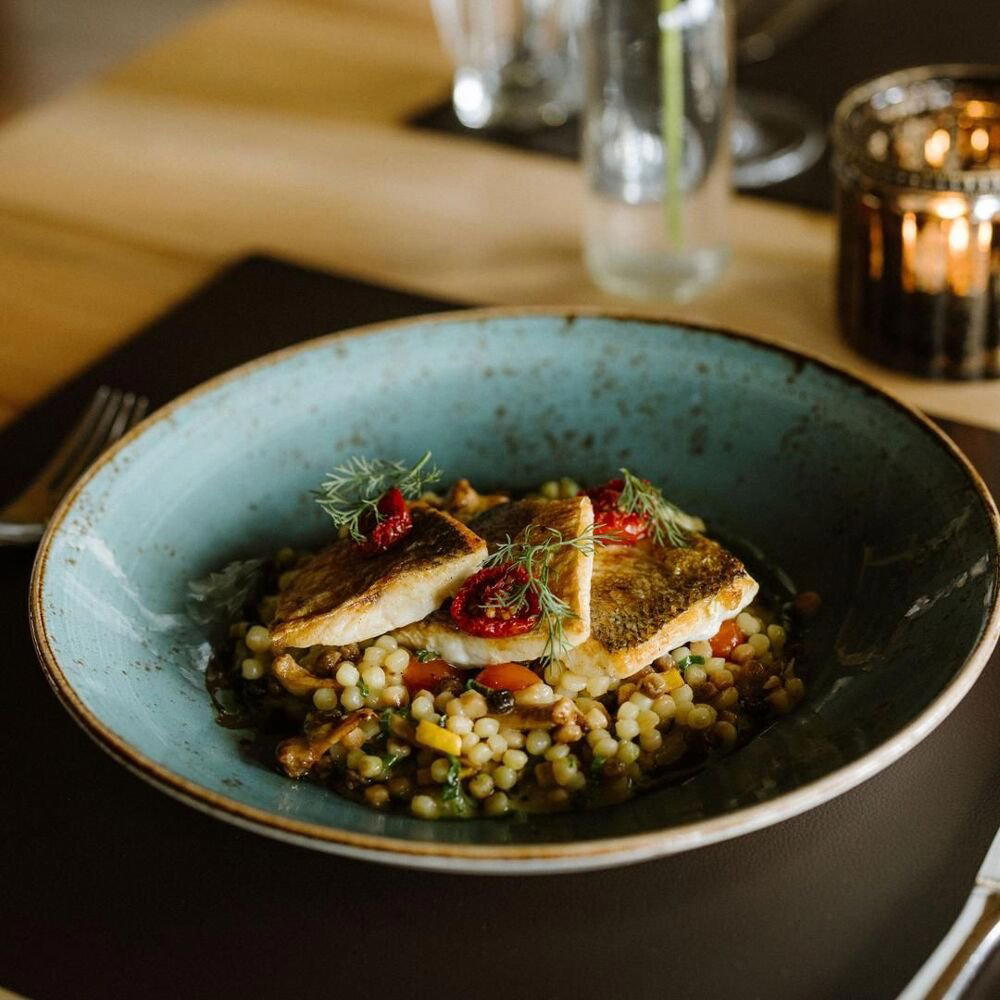
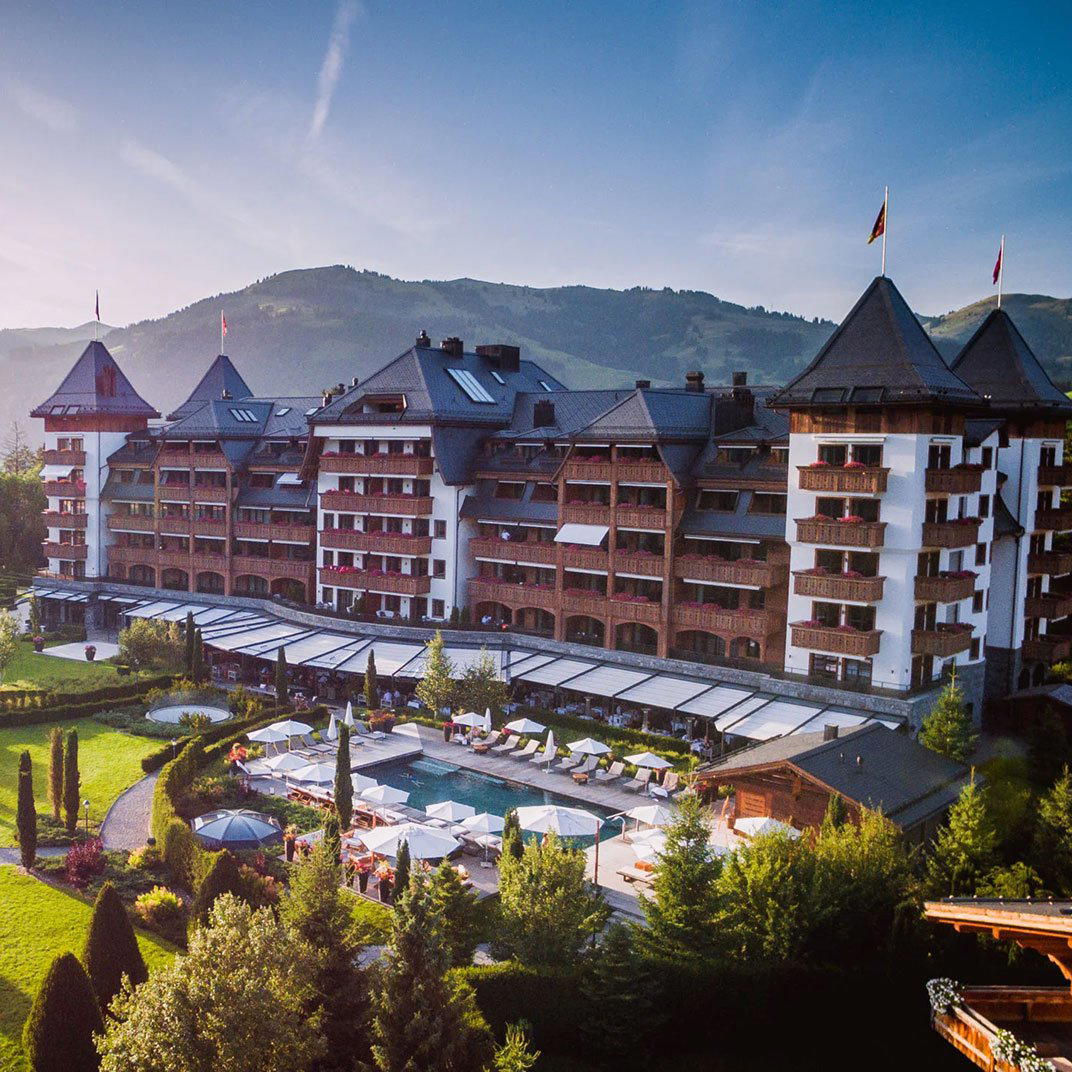
Restaurants in Reichenbach
Browse all →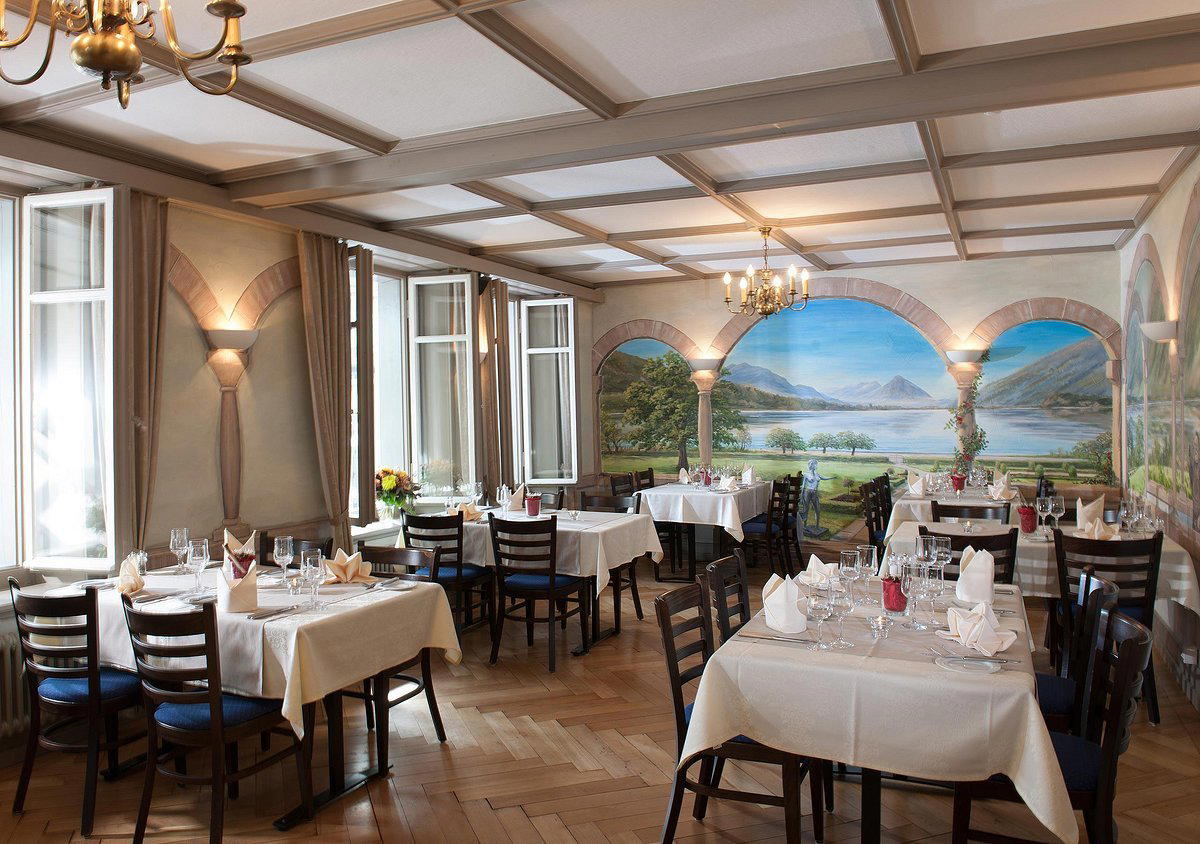
Bars in Reichenbach
Browse all →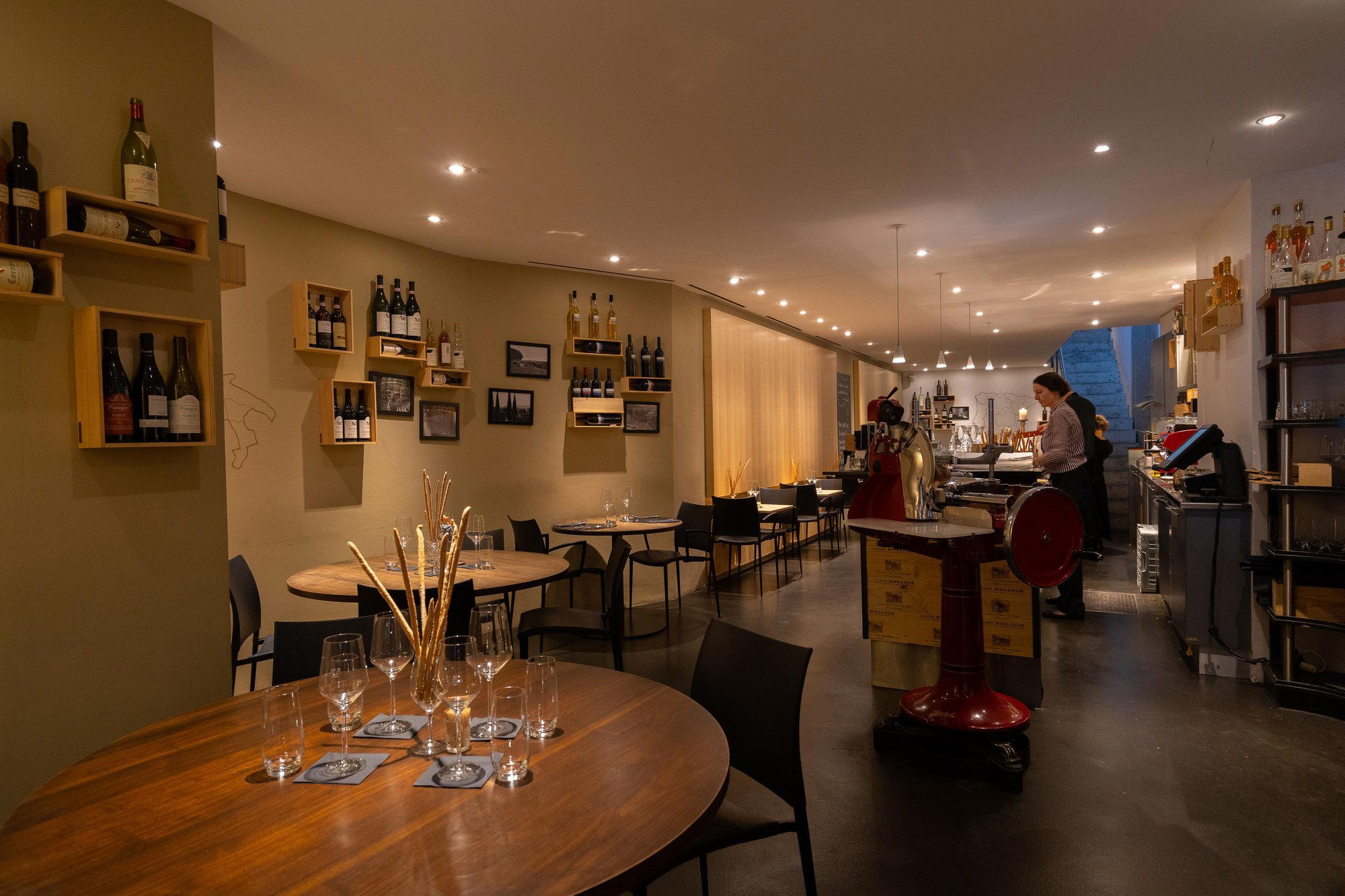
At a Glance
- Rustic
- Cozy
- Classic
- Historic
- Special Occasion
- Date Night
- Family
- Historic Building
- Terrace
- Extensive Wine List
- Local Sourcing
- Mountain
Current opening hours
- Monday
- Closed
- Tuesday
- Closed
- Wednesday
- 6–10:30 PM
- Thursday
- 11:30 AM–2:30 PM, 6–10:30 PM
- Friday
- 11:30 AM–2:30 PM, 6–10:30 PM
- Saturday
- 11:30 AM–2:30 PM, 6–10:30 PM
- Sunday
- 11:30 AM–3 PM
Hours can change for holidays and private events. Last verified .
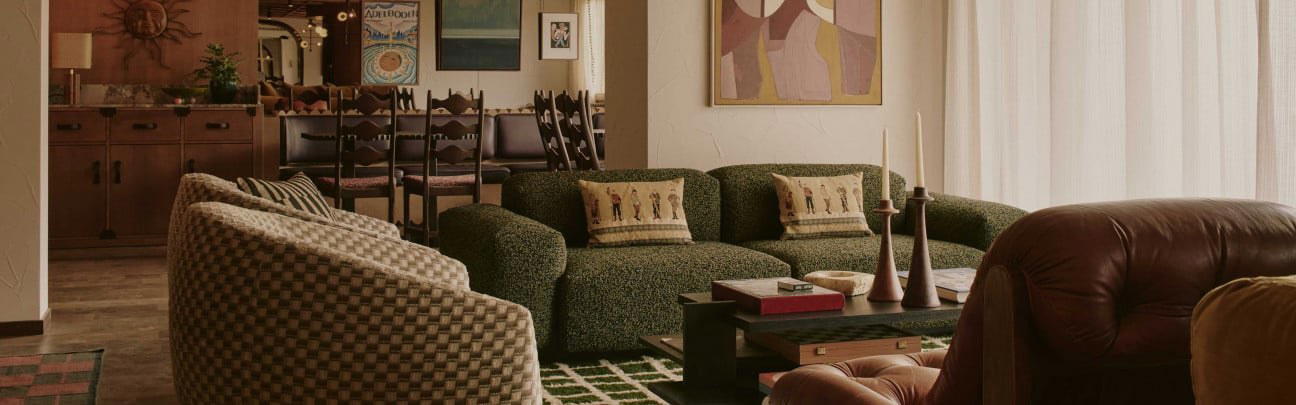
Warm, charming historic rooms with wood paneling, elegant updates, and cozy atmosphere enhanced by a beautiful old turquoise tiled stove in winter.