Michelin Plate · SCMP 100 Top Tables Restaurants
Our verdict
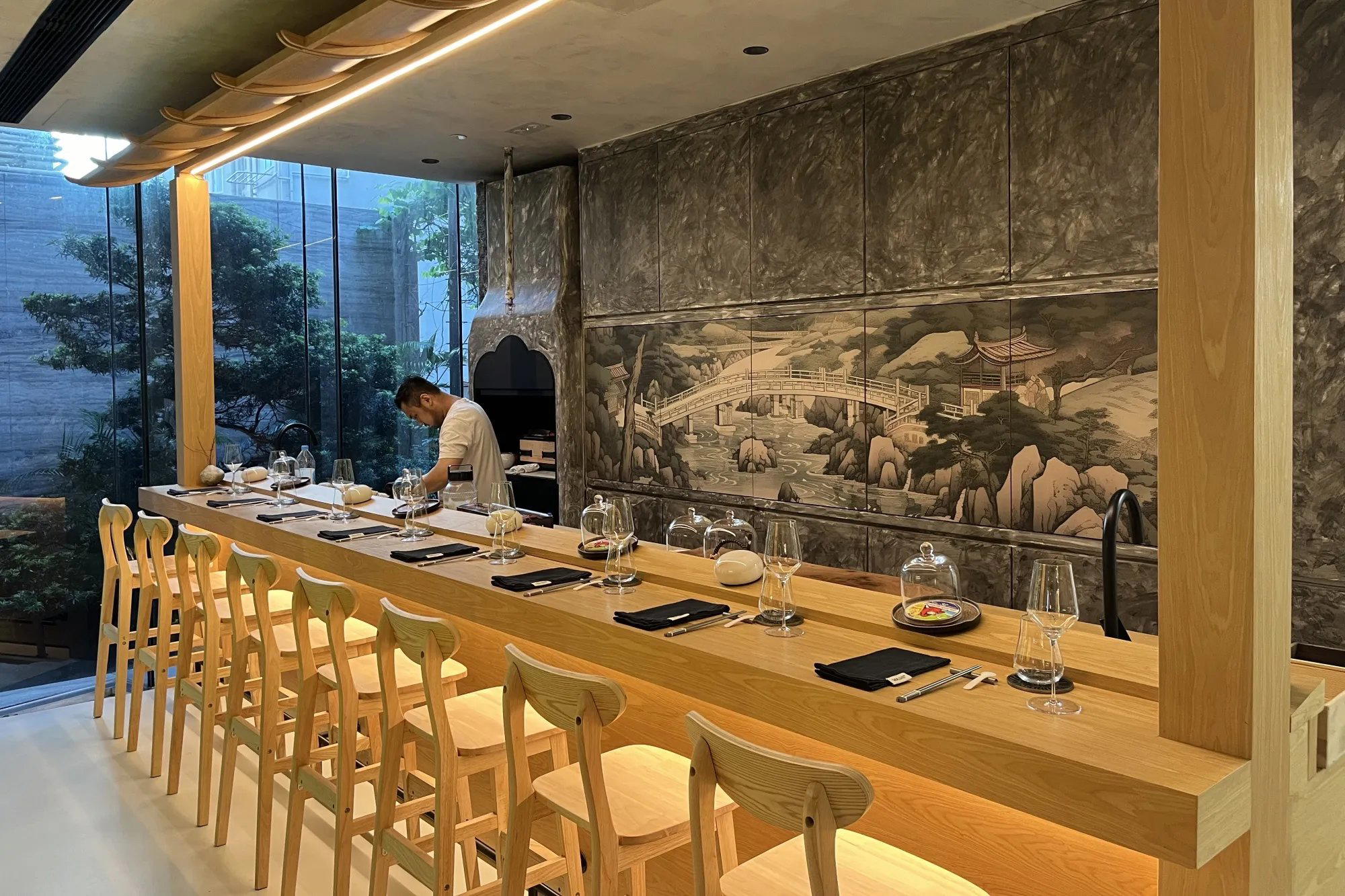
Hong Kong's first cheese omakase sits at 28 Aberdeen Street, Central, where a dedicated cheesemaker has partnered with French and Japanese chefs to build a 12-course tasting format around artisan cheeses and Japanese culinary technique. Eight seats anchor the counter experience; a main dining room handles à la carte. Japanese-inspired cocktails, wine, and sake pairings round out a format with no clear peer in the city.

Pearl is the En Primeur Club membership app, where members save venues, book tables and use the concierge.
The menu
What to order
- Melted_open_sandwich
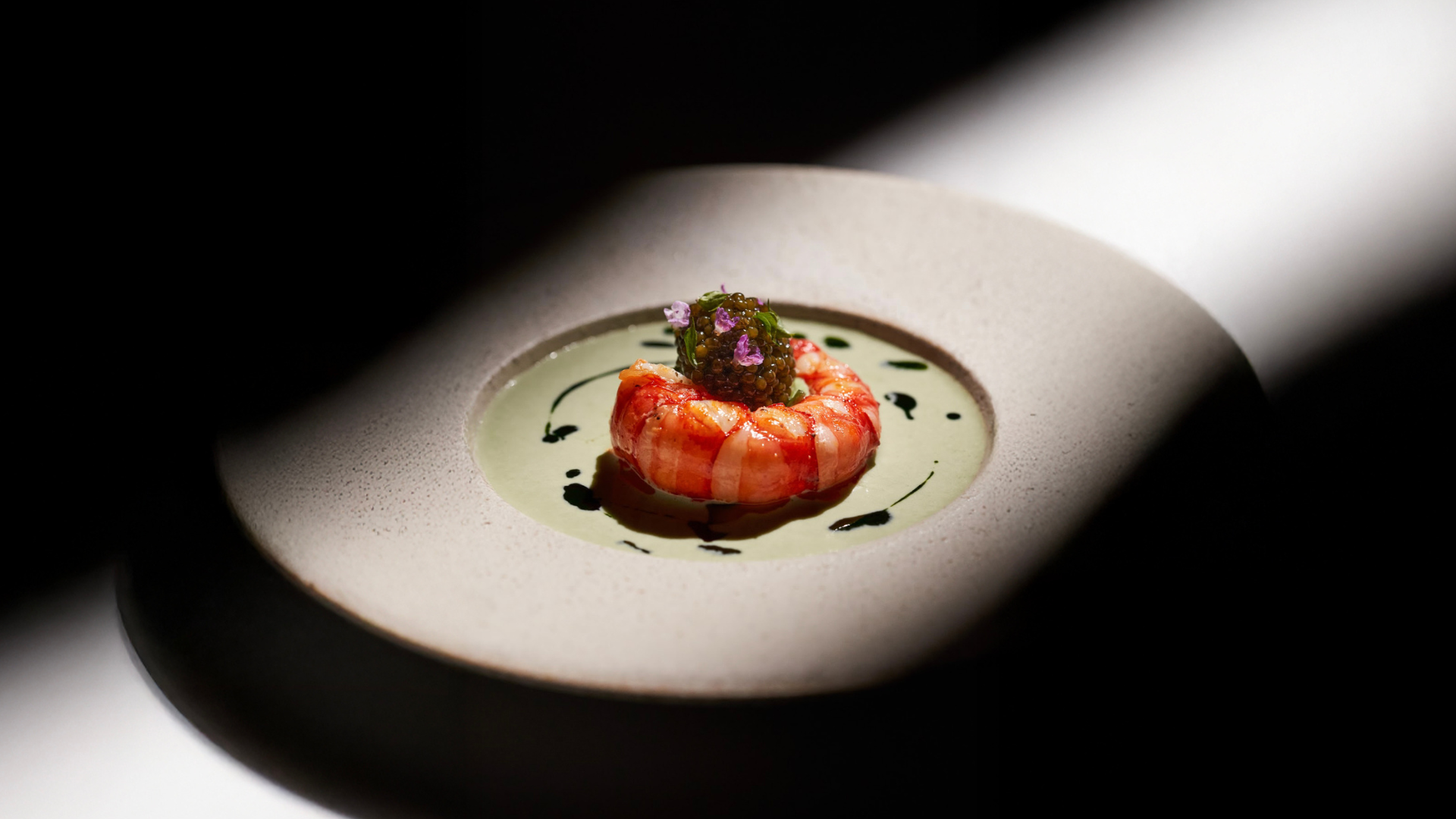
- Sea_bream_sashimi_with_goat_cheese
- Crab_tiramisu
A Counter Format Built Around Cheese
Hong Kong's fine dining scene has long operated along a familiar axis: Cantonese tasting menus at one pole, European fine dining at the other, with a growing tier of Franco-Japanese hybrids occupying the middle ground. Venues like Ta Vie and Amber have demonstrated that the French-Japanese register can hold Michelin weight in this city. What Roucou does is take that same cross-cultural fluency and apply it to a category that has no established precedent in Hong Kong: cheese as the primary protagonist of a structured omakase counter.
The eight-seat counter on Aberdeen Street in Central is the operative format here. Twelve courses move through a sequence that pairs French artisan cheeses with Japanese culinary technique, creating deliberate contrasts in texture, temperature, and taste profile. The structure borrows from the logic of a Japanese kaiseki or sushi omakase, where progression and pacing are as important as any single course, but the sourcing and sensibility draw from the French affinage tradition. There is no comparable format in Hong Kong's current restaurant landscape. For a city that values precision and novelty in roughly equal measure, that absence is significant.
The Occasion Case for Aberdeen Street
Central's upper reaches, particularly the cluster around Aberdeen Street and Staunton Street, have become a reliable address for milestone dining. The neighbourhood sits at a remove from the corporate formality of IFC-adjacent dining, which produces a slightly different energy: still considered, still dressed for the occasion, but less transactional. It is the kind of street where a dinner marks something rather than simply fills an evening.
For occasion dining specifically, the omakase counter format has structural advantages that à la carte rooms do not. The fixed sequence removes decision fatigue and places both parties, kitchen and guest, in alignment from the outset. There is a shared contract: the kitchen commits to a complete arc, the guest commits to following it. At eight seats, the Roucou counter operates at a scale where that contract feels personal rather than procedural. Contrast this with larger tasting-menu rooms like Caprice at the Four Seasons, where the room's scale is part of the grandeur, or 8½ Otto e Mezzo Bombana, where the Italian formality reads as a special-occasion statement in a different register entirely. Roucou's intimacy is calibrated differently: the counter seats position every guest close enough to the kitchen to follow the preparation, which makes the meal feel participatory rather than performative.
The main dining room offers an alternative for guests who prefer à la carte, which matters for groups where not everyone wants the full counter commitment. That split format, counter omakase plus a separate room for more flexible ordering, is a practical arrangement that broadens who can bring whom without compromising the integrity of the tasting experience.
The Cheese-Forward Format as a Fine Dining Proposition
In most fine dining contexts, cheese arrives as a course rather than a concept. At places like Alléno Paris au Pavillon Ledoyen or Alain Ducasse at Louis XV, a cheese trolley is a prestigious punctuation mark between the savoury and sweet sections of the meal. Roucou inverts this entirely. French artisan cheeses are not the intermission; they are the architecture around which the 12-course sequence is built.
This requires a different kind of expertise at the sourcing level. The involvement of a dedicated cheesemaker, working alongside French and Japanese chefs, shifts the operational model closer to what specialist wine-pairing restaurants do: the primary ingredient is curated with the same rigour normally applied to a wine list or a fish supplier. The result, in format terms, is a menu that can juxtapose soft, washed-rind profiles against aged, crystalline textures in the same way that a tasting menu might move between delicate and strong flavour registers. The Japanese culinary framework, with its emphasis on restraint, temperature contrast, and clean umami, is a plausible counterpoint to the intensity of aged French cheese. The pairing logic is coherent even before you sit down.
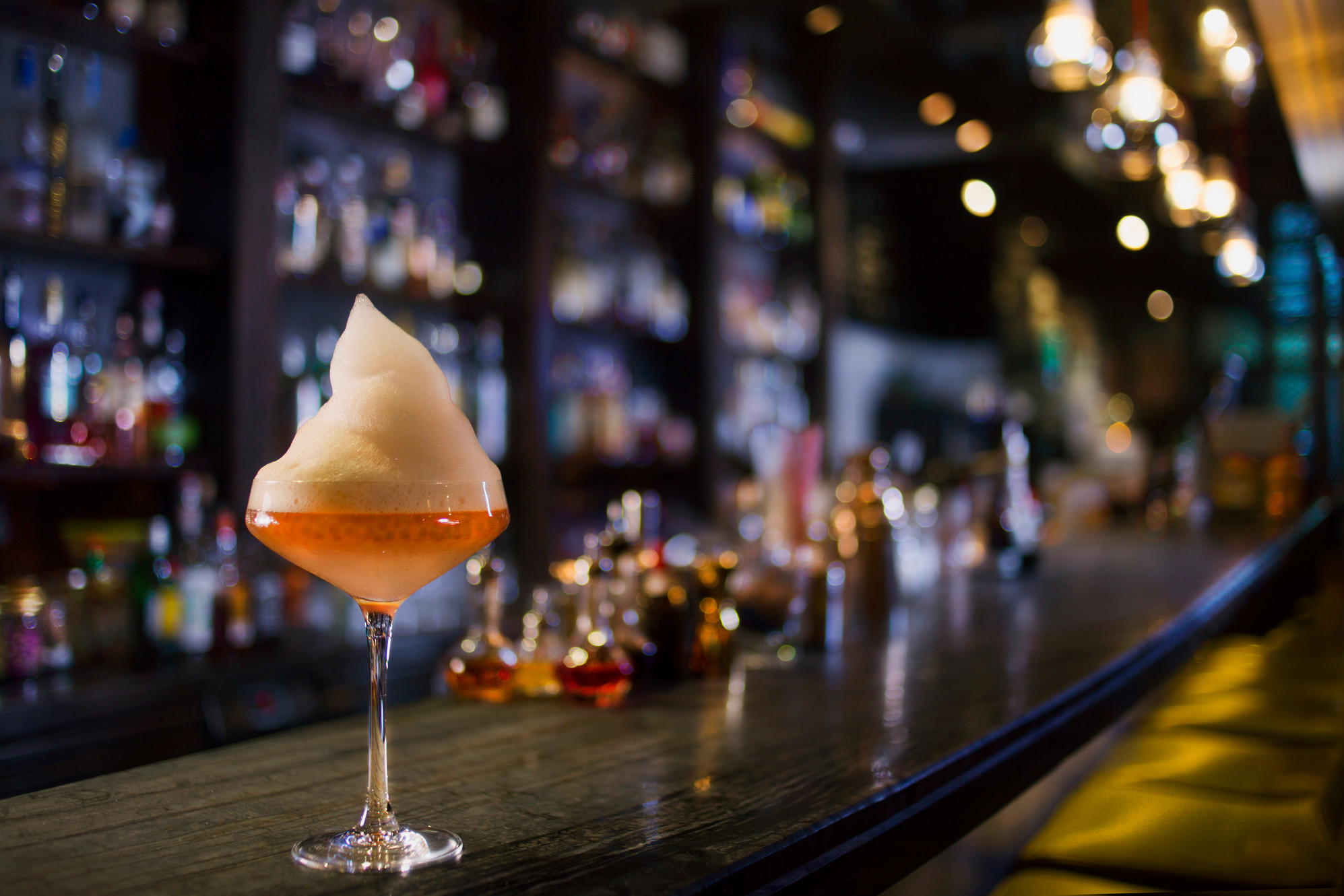
The drinks program extends that logic further. Japanese-inspired cocktails alongside wine and sake pairing options reflect the same bicultural approach applied to what is in the glass. Sake, in particular, has an established affinity with umami-rich aged foods, which makes it a more considered choice alongside certain cheese courses than a conventional French white wine. The option to choose between wine and sake pairing gives guests an active role in shaping the flavour relationships across the meal.
Planning the Visit
Roucou is at 28 Aberdeen Street, Central, a short walk from the Mid-Levels Escalator and the broader cluster of restaurants that make this stretch one of the more interesting dining addresses in the city. Given the eight-seat counter and the structured nature of the omakase format, advance booking is the correct approach; walk-in access to the counter is unlikely to be reliable, and for a milestone meal, the certainty of a confirmed reservation is part of the preparation. The à la carte dining room offers more flexibility for guests who arrive without a booking or whose party has mixed preferences about the full tasting format.
For those building a wider Hong Kong itinerary around this meal, EP Club's guides to the city cover the full range: our full Hong Kong restaurants guide, our full Hong Kong hotels guide, our full Hong Kong bars guide, our full Hong Kong wineries guide, and our full Hong Kong experiences guide. The Aberdeen Street address also places Roucou within easy reach of Le Salon de Thé de Joël Robuchon at IFC mall and Forum, for those who want to bracket a Roucou dinner with a more traditional Cantonese reference point.
Internationally, the format invites comparison with tasting-menu restaurants that have built identities around a single primary ingredient or a strong conceptual framework. Aponiente does it with marine ingredients; Alinea does it through technique; Lazy Bear organises its identity around a specific dining culture. Roucou's claim to the category comes from a genuine gap in the market, not a re-skinned version of something already available in Hong Kong. That is a meaningful distinction in a city where fine dining formats are well-mapped and diners have sharp pattern recognition for novelty versus substance. Le Bernardin built four decades of authority by making a single category, seafood, carry the full weight of a fine dining proposition. Whether a cheese-led omakase counter in Central can build comparable depth over time is an open question, but the structural logic is there.
Frequently asked questions
Where is Roucou in Hong Kong?
Roucou is located at 28 Aberdeen Street, Central, Hong Kong.
Has Roucou won any awards?
Roucou has received recognition including: An expert cheesemaker has teamed up with French and Japanese chefs to offer Hong Kong’s first cheese omakase with 12 courses that combine French artisan cheeses with Japanese culinary art. The tasting menu juxtapose different taste profiles….
What's the best thing to order at Roucou?
The 12-course cheese omakase is the reason to book the eight-seat counter. It pairs French artisan cheeses with Japanese culinary technique across contrasting textures and taste profiles, and the Japanese-inspired cocktail, wine, or sake pairings sharpen the contrast further. À la carte is available in the main dining room for guests who prefer a less structured format.
Do they take walk-ins at Roucou?
The eight-seat omakase counter almost certainly requires a reservation given its format and limited capacity. The main dining room, which operates à la carte, is the more plausible option for unplanned visits, though booking ahead is advisable for either space on weekends.
What makes Roucou worth seeking out?
It holds a format that does not exist elsewhere in Hong Kong: a counter omakase structured entirely around cheese, developed by a cheesemaker working alongside French and Japanese chefs. That collaboration produces a menu where cheese is the architectural centre of the meal rather than a single course placed before dessert.
Can Roucou adjust for dietary needs?
Given the cheese-centred omakase structure, dairy is non-negotiable as the core ingredient. Guests with specific dietary requirements should check the venue's official channels before booking, as adjustments within a 12-course counter format are constrained by the menu's conceptual logic.
Cuisine Context
Comparable venues nearby, for context on price, style, and recognition.
| Venue | Cuisine | Price | Awards | Notes |
|---|---|---|---|---|
| RoucouThis venue (the venue you are viewing) | French-Japanese Cheese Omakase | Not listed | Michelin Plate · SCMP 100 Top Tables Restaurants | Not listed |
| The Krug Room | Modern Fusion Fine Dining with Krug Pairing | $500+ | La Liste Top Restaurants · Forbes 5-Star | Central |
| Akira Back | Modern Japanese-Korean Fusion | $150–200 | Michelin Plate · Prix Versailles World Selection | Islands |
| Whisk | French-Japanese Fusion | $150–200 | Star Wine List · Wine Spectator Best of Award of Excellence | Yau Tsim Mong South |
| Ankôma | French-Japanese Fusion | $200–300 | Michelin Plate · SCMP 100 Top Tables Restaurants | Yau Tsim Mong South |
| Castellana | Modern Piedmontese Italian | Not listed | Wine Spectator Best of Award of Excellence | Central |
Recognition history
Dated appearances from independent guides and award organizations, with the underlying list record or original source where available.
Michelin Plate
Michelin
SCMP 100 Top Tables Restaurants
SCMP 100 Top Tables