

Michelin Plate · Prix Versailles World Selection
Our verdict
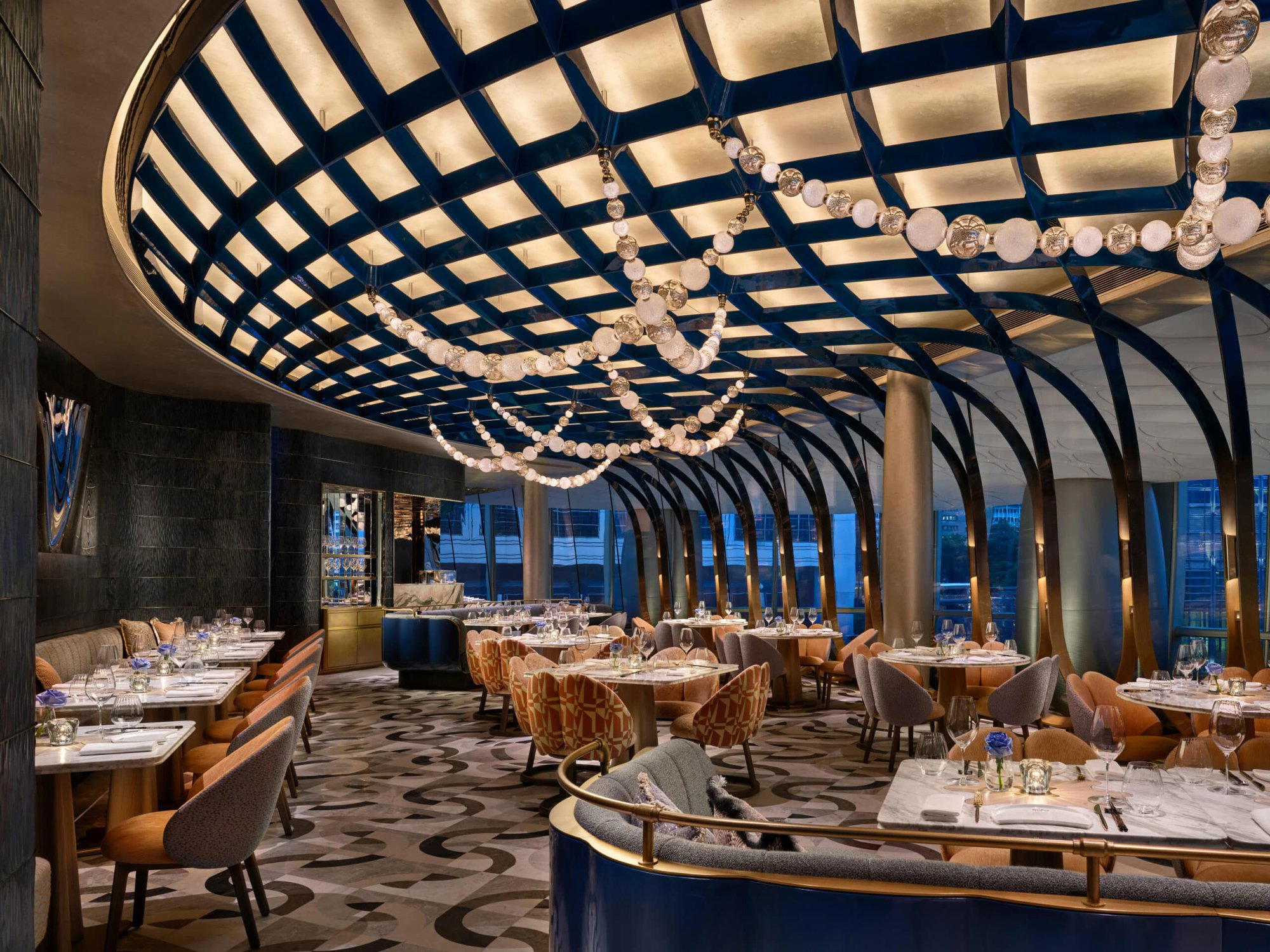
Akira Back brings a Korean-Japanese-American culinary sensibility to The Henderson in Central, one of Hong Kong's most architecturally considered addresses. The menu is built for sharing, drawing on Korean heritage refined through Japanese technique and American informality. Art from the chef's mother runs throughout the space, from murals to tableware, giving the room a distinctly personal visual register.

Pearl is the En Primeur Club membership app, where members save venues, book tables and use the concierge.
The menu
What to order
- AB Tuna Pizza
- Brother from Another Mother
- 48-hour Wagyu Short Ribs
Where Central Meets the Confluence
The fifth floor of The Henderson is not an obvious destination for those who came to Hong Kong expecting either a pristine Japanese counter or a Cantonese banquet room. Central's dining scene has long operated along fairly clear lines: European fine dining clustered around hotels, Cantonese institutions holding their ground in older commercial towers, and a newer wave of chef-driven rooms that resist easy categorisation. Akira Back occupies that third tier, arriving in a building that is itself a statement about what contemporary Hong Kong architecture aspires to look like. The Henderson, designed by Zaha Hadid Architects, curves and folds above Murray Road in a way that signals ambition before you have ordered anything. The restaurant sits inside that frame accordingly.
What you encounter on arrival is not a dining room that retreats into neutral luxury. Art is present in an unusually specific way: the chef's mother's work appears on paintings, murals, and tableware, threading a visual sensibility through the space that connects the food's cultural layering to something more personal. That kind of integration, where art is not decorative but structural to the room's identity, is less common in Hong Kong's upper-tier restaurant circuit than the prevalence of gallery-quality pieces might suggest. Here it reads as intention rather than acquisition.
The Cultural Grammar of a Korean-Japanese-American Kitchen
Understanding the food at Akira Back requires a brief accounting of where Korean, Japanese, and American culinary traditions converge and where they diverge. Korean cuisine's foundations, its reliance on fermented depth, bold seasoning, and a culture of abundance at the table, sit in interesting tension with the precision and restraint that define Japanese technique at its most considered. American cooking, in the version that matters here, is less about diner food and more about the confidence to mix freely, to take the leading tool from each tradition and deploy it without reverence for purity.
Across a growing number of cities, chefs with cross-cultural training have built careers on exactly this triangulation. The results vary enormously depending on whether the synthesis feels earned or merely assembled. Restaurants like Ta Vie in Hong Kong show how Japanese-French dialogue can produce something genuinely its own rather than a split-the-difference compromise. The challenge for any kitchen working in this Korean-Japanese-American register is similar: the individual cultural references need to reinforce each other rather than compete. The menu at Akira Back is described as bold and familiar in equal measure, which is a useful shorthand for a kitchen that is not trying to disorient the diner but to meet them with something they can read, then push it slightly further than expected.
The format is built for sharing, which carries its own cultural logic. Korean dining has always assumed the table as a communal project rather than a series of individual plates arriving in sequence. That approach aligns naturally with how Hong Kong diners tend to eat when they are not in a formal tasting-menu context: collectively, with conversation as part of the structure. This positions Akira Back closer to the convivial end of Central's dining register, which already includes rooms like Forum at the Cantonese end and 8½ Otto e Mezzo Bombana at the Italian end, both of which understand that a generous table is a social act.
Where It Sits in Hong Kong's Broader Dining Map
Hong Kong's Central district operates at the upper end of the city's dining economy, but within that, there is a meaningful distinction between rooms that compete on formal prestige, those with Michelin stars and the booking windows to match, and rooms that compete on experience, energy, and the kind of meal that people actually want to repeat on a Tuesday night with colleagues or friends. Amber and Sushi Shikon operate firmly in the first category. Akira Back occupies a different register, one where the room is designed to feel accessible in energy even if the address and architecture suggest otherwise.
The sharing format and the generous sizing of dishes are deliberate signals in that direction. This is not a kitchen asking you to sit quietly and receive. The global reference points elsewhere in fine dining, from the cerebral precision of Alinea in Chicago to the seafood focus of Le Bernardin in New York, involve a fundamentally different compact with the diner. Akira Back's compact is looser and more social, which suits Hong Kong's rhythm of business entertaining and group dining that doubles as genuine leisure.
For those building a broader itinerary across Hong Kong's dining scene, the full Hong Kong restaurants guide maps the city's range from Cantonese institutions to the newer wave of internationally trained chefs who have made Central their base. Equally, the full Hong Kong bars guide covers where the evening moves after dinner in this part of the city.
Planning Your Visit
The Henderson's address in Central, at 2 Murray Road, places Akira Back within walking distance of the MTR's Admiralty and Central stations, making arrival direct whether you are coming from a hotel in Admiralty or crossing from Kowloon via the MTR. The fifth-floor position means the approach through The Henderson's lobby and lifts is part of the experience. Given the building's architectural profile and the restaurant's position as the chef's debut in the city, demand during the early months of operation is likely to outpace availability. Booking well in advance is advisable, particularly for weekend evenings and larger group tables where the sharing format works well. For accommodation context, the full Hong Kong hotels guide covers the Admiralty and Central options within close range.
Frequently asked questions
What distinctions does Akira Back have?
Akira Back has received recognition including: Chef Akira Back’s debut concept in the city unveils a menu that feels bold and familiar at the same time. His creative flair draws upon his Korean heritage, finessed by Japanese nuances and modern American twists. The generous dishes, desig….
Where is Akira Back located?
Akira Back is located at 5F, The Henderson, 2 Murray Road, Central, Hong Kong.
What do regulars order at Akira Back?
The menu is built around generous sharing plates that pull from Korean, Japanese, and American cooking in combination, so ordering broadly across the table gives a truer read of the kitchen. Dishes carry bold flavour profiles anchored in Korean heritage and refined through Japanese technique, which means the menu rewards groups willing to cover multiple sections rather than ordering conservatively. The tableware itself, designed from the chef's mother's artwork, makes the spread as visual as it is varied.
How far ahead should I plan for Akira Back?
Akira Back is the chef's first Hong Kong restaurant, opening inside The Henderson, one of Central's most talked-about new addresses at 2 Murray Road, which has drawn immediate attention from both local regulars and visitors. Securing a table at short notice is unlikely during peak dinner hours, particularly on weekends. Booking at least two to three weeks ahead is a reasonable baseline while the opening momentum holds.
What makes Akira Back worth seeking out?
The restaurant occupies a specific gap in Central's dining map: it is neither a formal tasting-menu room nor a neighbourhood casual, but a sharing-plate venue where Korean, Japanese, and American culinary lines are drawn together with genuine intent rather than novelty. The Henderson address puts it among Central's more consequential new openings, and the integration of the chef's mother's paintings, murals, and custom tableware gives the room a considered visual identity that most restaurant interiors at this level skip entirely.
Cost and Credentials
Comparable venues nearby, for context on price, style, and recognition.
| Venue | Cuisine | Price | Awards | Notes |
|---|---|---|---|---|
| Akira BackThis venue (the venue you are viewing) | Modern Japanese-Korean Fusion | $150–200 | Michelin Plate · Prix Versailles World Selection | Not listed |
| The Krug Room | Modern Fusion Fine Dining with Krug Pairing | $500+ | La Liste Top Restaurants · Forbes 5-Star | Central, Modern Fusion Fine Dining with Krug Pairing |
| Roucou | French-Japanese Cheese Omakase | Not listed | Michelin Plate · SCMP 100 Top Tables Restaurants | Central, French-Japanese Cheese Omakase |
| Lobster Bar & Grill at Shangri-la | Fine Seafood & Classic Grill | $100–150 | World's 50 Best #44 · SCMP 100 Top Tables Restaurants | Central, Fine Seafood & Classic Grill |
| Deng G | Modern Sichuan Cuisine | $50–100 | Not listed | Yau Tsim Mong South, Modern Sichuan Cuisine |
| Whisk | French-Japanese Fusion | $150–200 | Star Wine List · Wine Spectator Best of Award of Excellence | Yau Tsim Mong South, French-Japanese Fusion |
Recognition history
Dated appearances from independent guides and award organizations, with the underlying list record or original source where available.
Michelin Plate
Michelin
Prix Versailles World Selection
Prix Versailles
Continue exploring
More in Hong Kong
Restaurants in Hong Kong
All restaurants in Hong Kong →
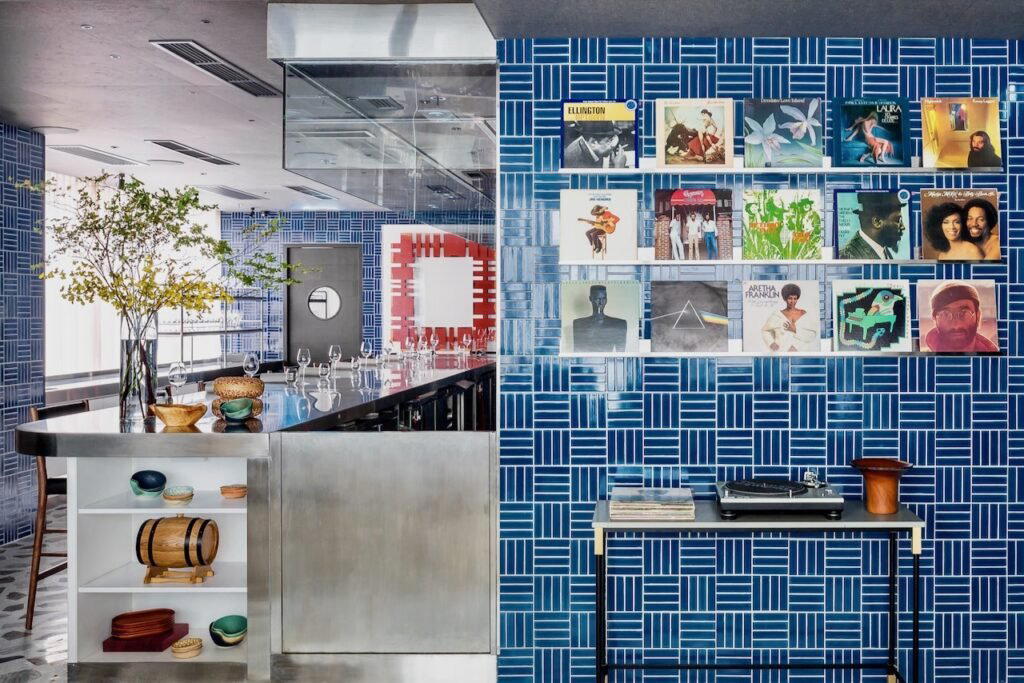
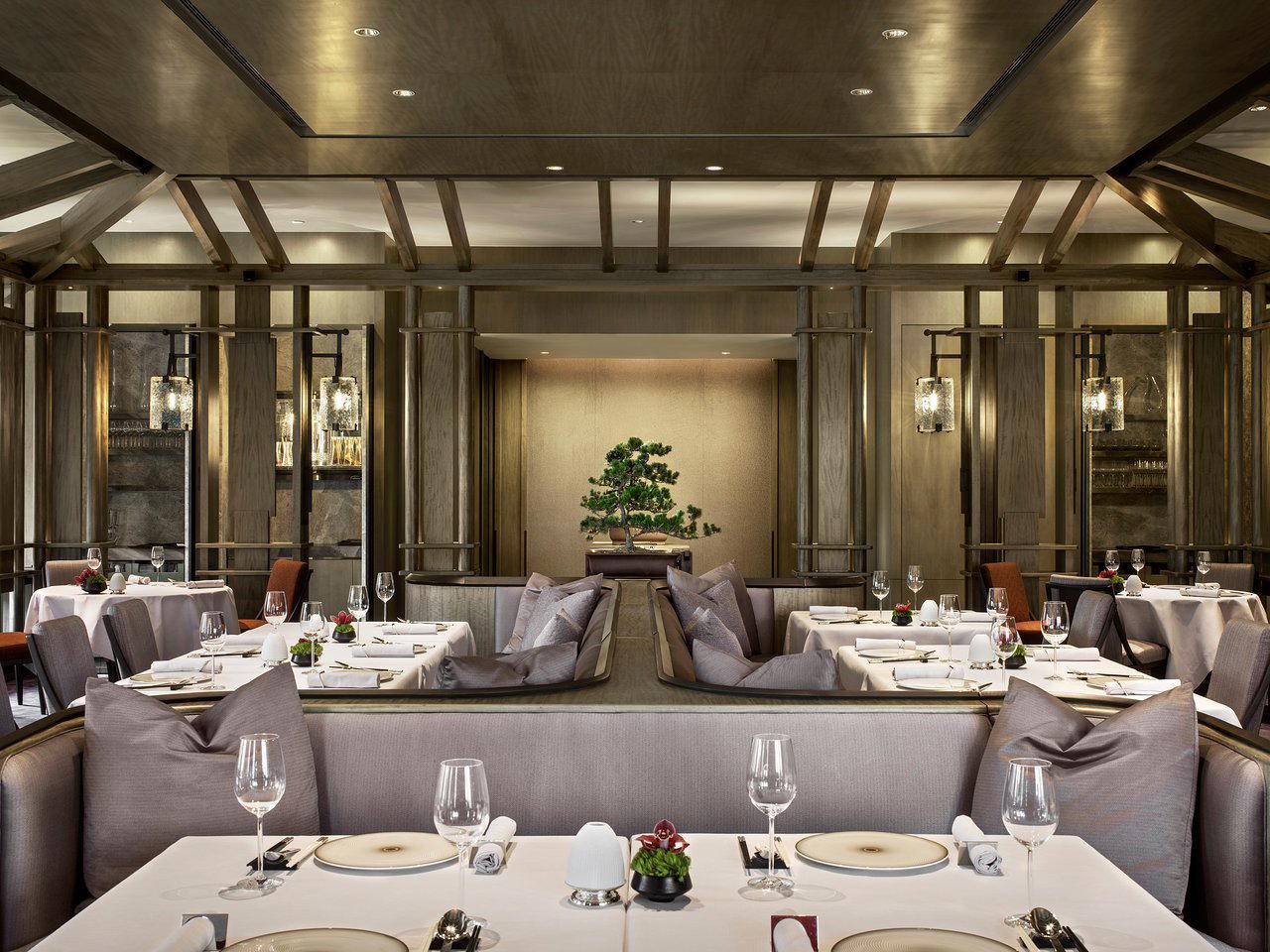
Bars in Hong Kong
All bars in Hong Kong →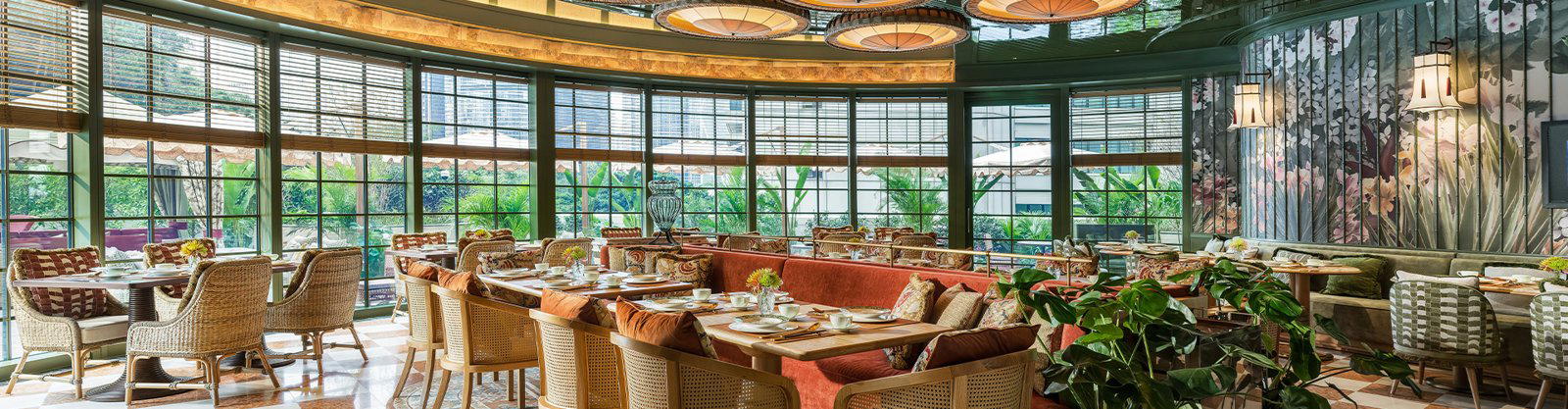
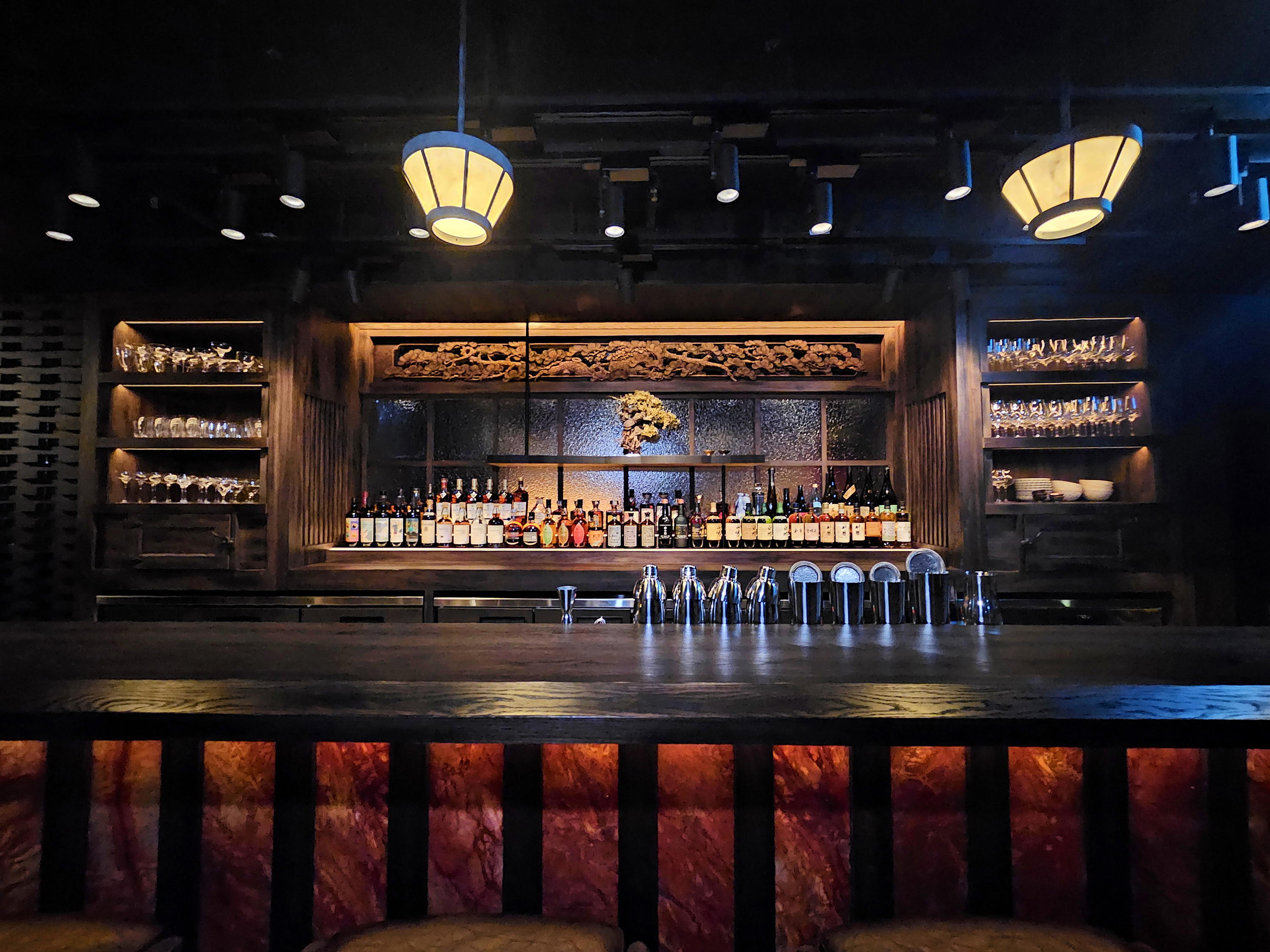
Hotels in Hong Kong
All hotels in Hong Kong →
Wineries in Hong Kong
All wineries in Hong Kong →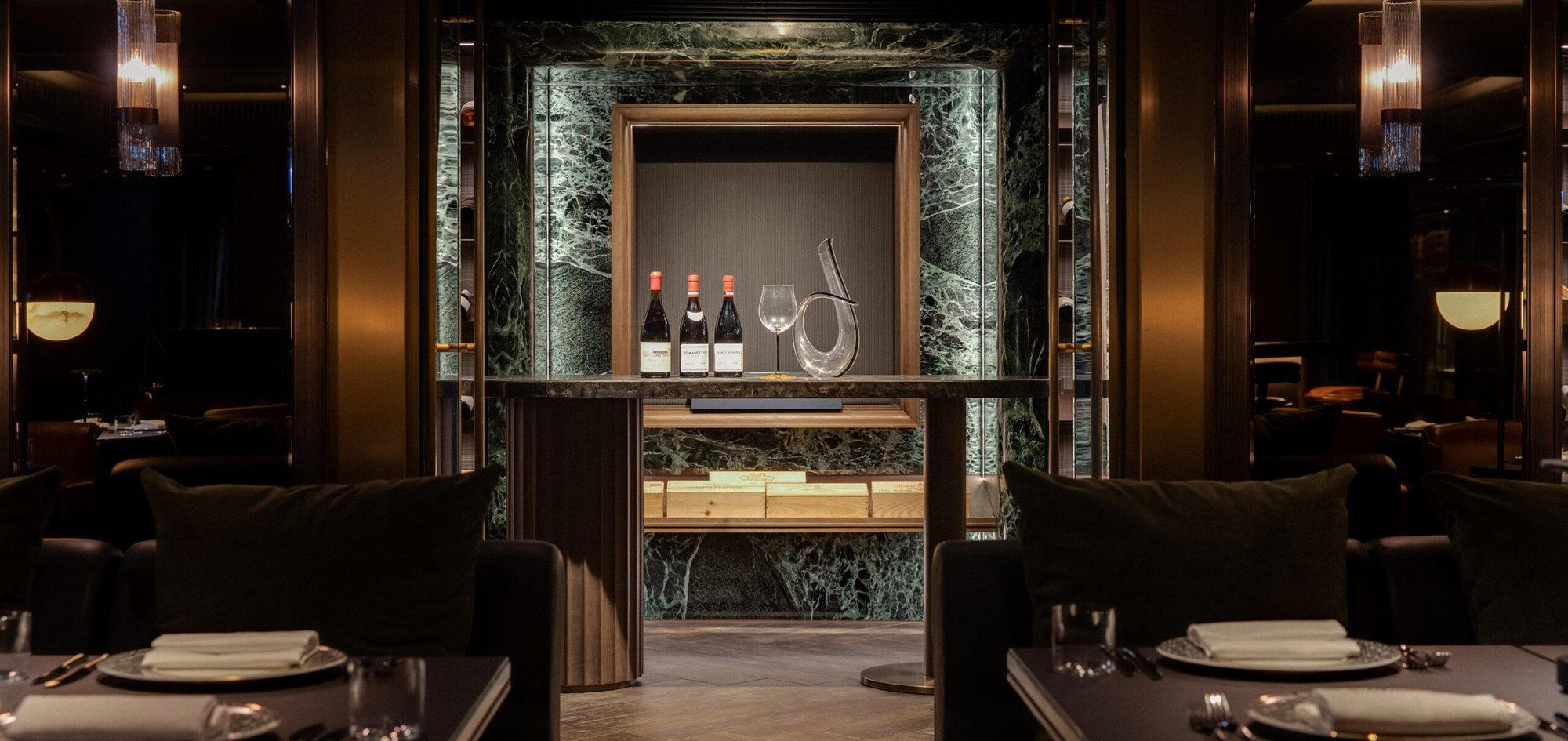
Details
- Modern
- Elegant
- Sophisticated
- Trendy
- Date Night
- Group Dining
- Special Occasion
- Business Dinner
- Open Kitchen
- Private Dining
- Design Destination
- Hotel Restaurant
- Craft Cocktails
- Sake Program
- Street Scene
- A La Carte
- Small Plates
- Craft Cocktails
- Sake Program
Current opening hours
- Monday
- 12 PM–12 AM
- Tuesday
- 12 PM–12 AM
- Wednesday
- 12 PM–12 AM
- Thursday
- 12 PM–12 AM
- Friday
- 12 PM–12 AM
- Saturday
- 12 PM–12 AM
- Sunday
- 12 PM–12 AM
Hours can change for holidays and private events. Last verified .
Sophisticated modern design with soft lighting, curved lines, marble floors, metallic walls, and artistic murals by the chef's mother creating a chic, comfortable, and dynamic atmosphere.