Rote Wand Chef's Table

A horseshoe counter in a converted Alpine schoolhouse frames Julian Stieger's tightly composed, modern cooking—modern blutwurst bread, dry-aged duck with tonburi, and a surprise tasting menu that anchors the Rote Wand Gourmet Hotel's culinary program. Set in Zug, a hamlet on Lech's plateau, the chef's table trades ski-resort spectacle for ingredient precision and quiet focus.
Pearl is the En Primeur Club membership app — saves, bookings, and concierge access live there. Same editors, same standards.
- Address
- Zug 5, Lech am Arlberg, Vorarlberg, 6764, AUT
- Phone
- +43 5583 34350
- Website
- rotewand.com
- Directions
- Get directions
 Saves & bookings on Pearl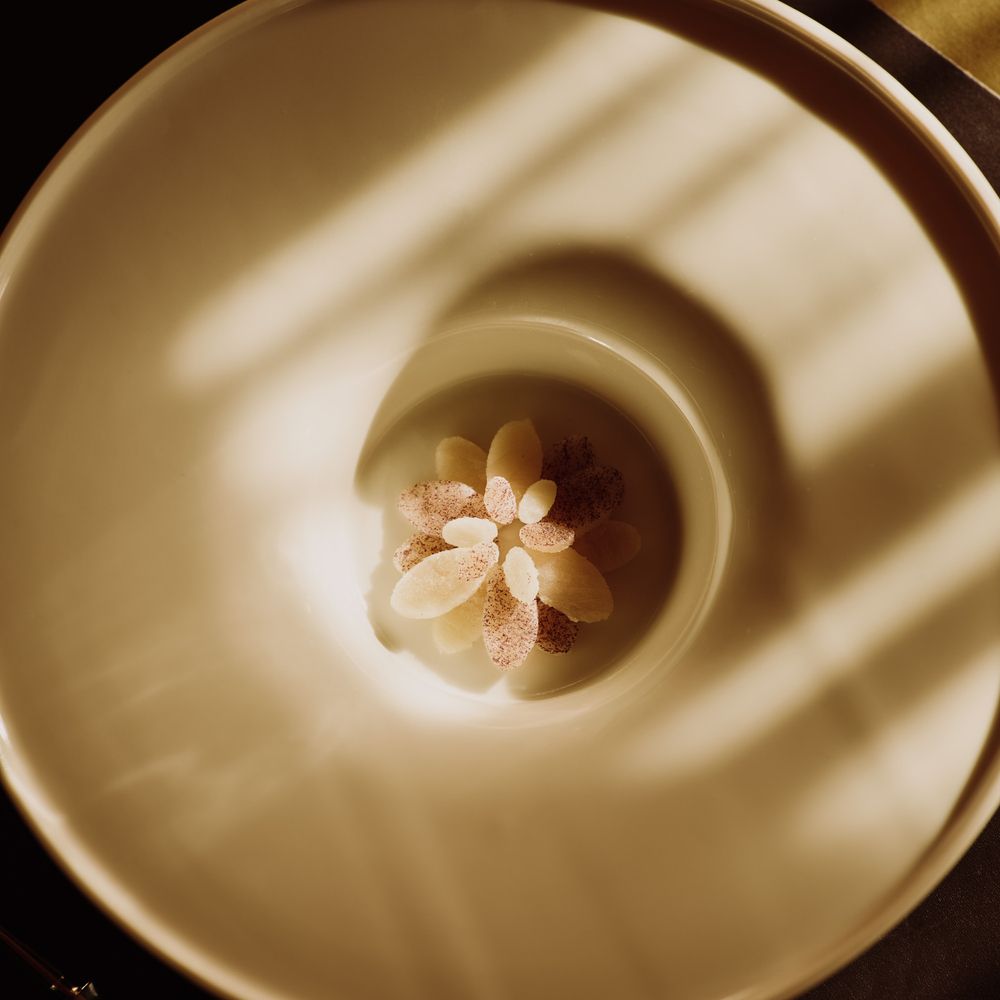
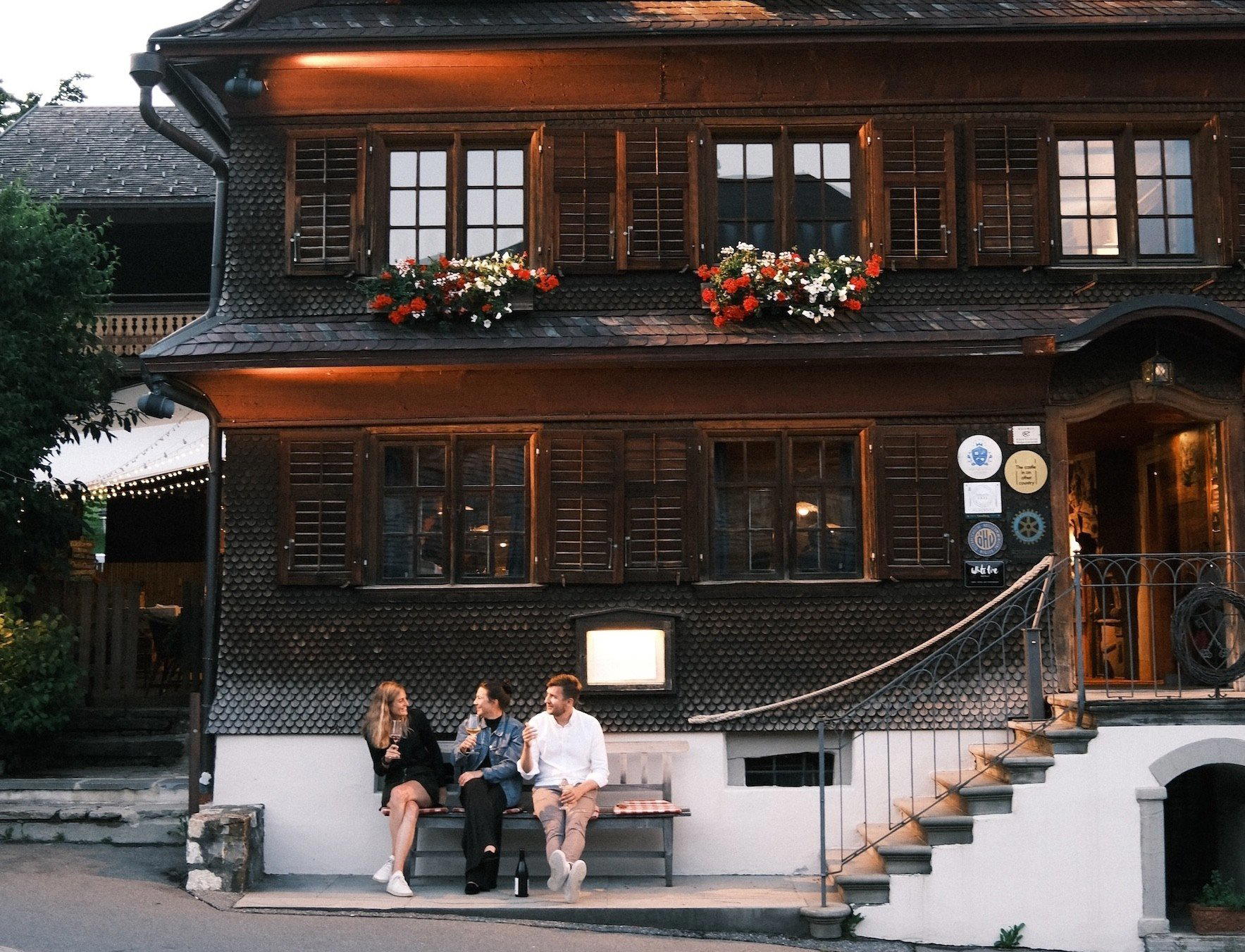
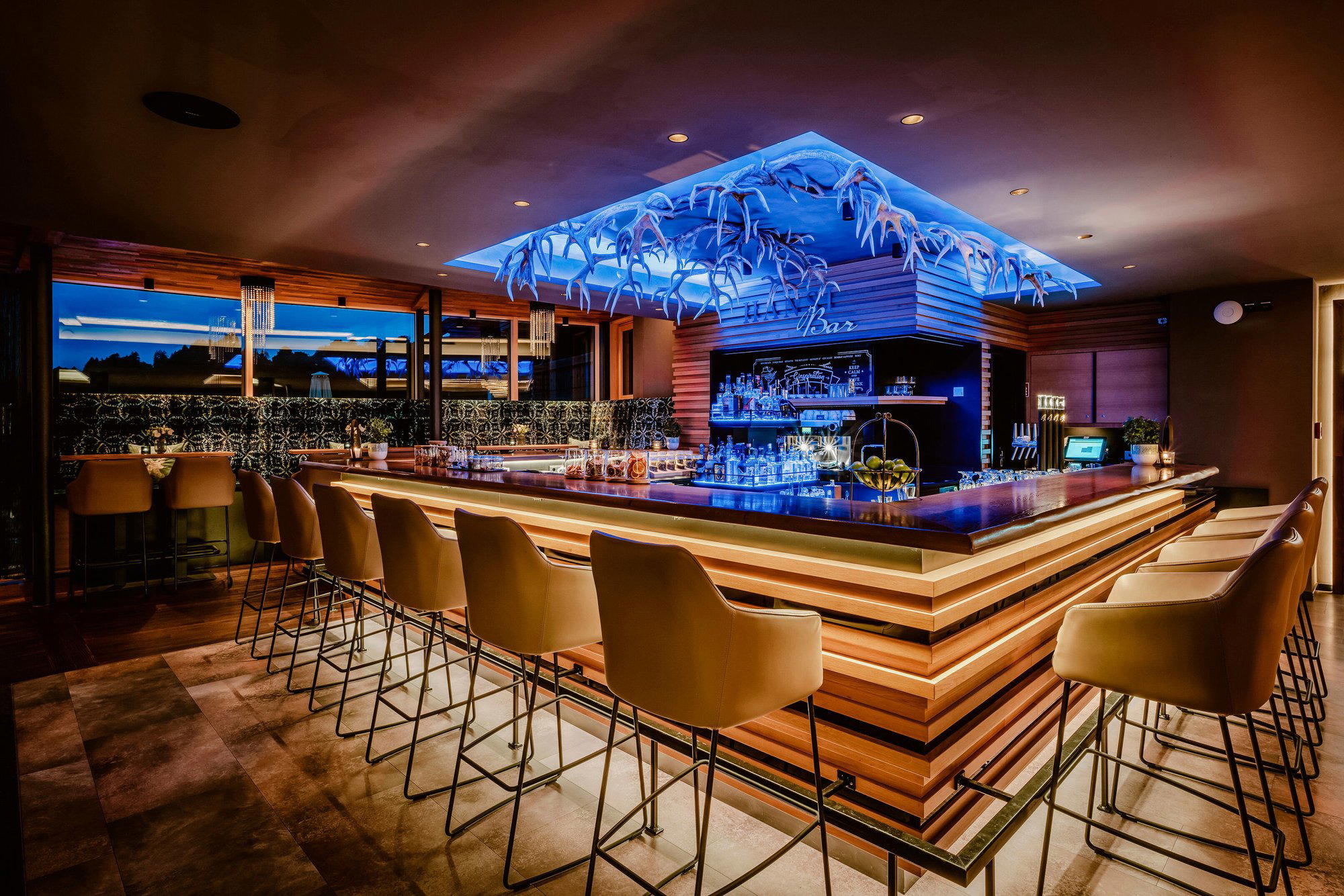
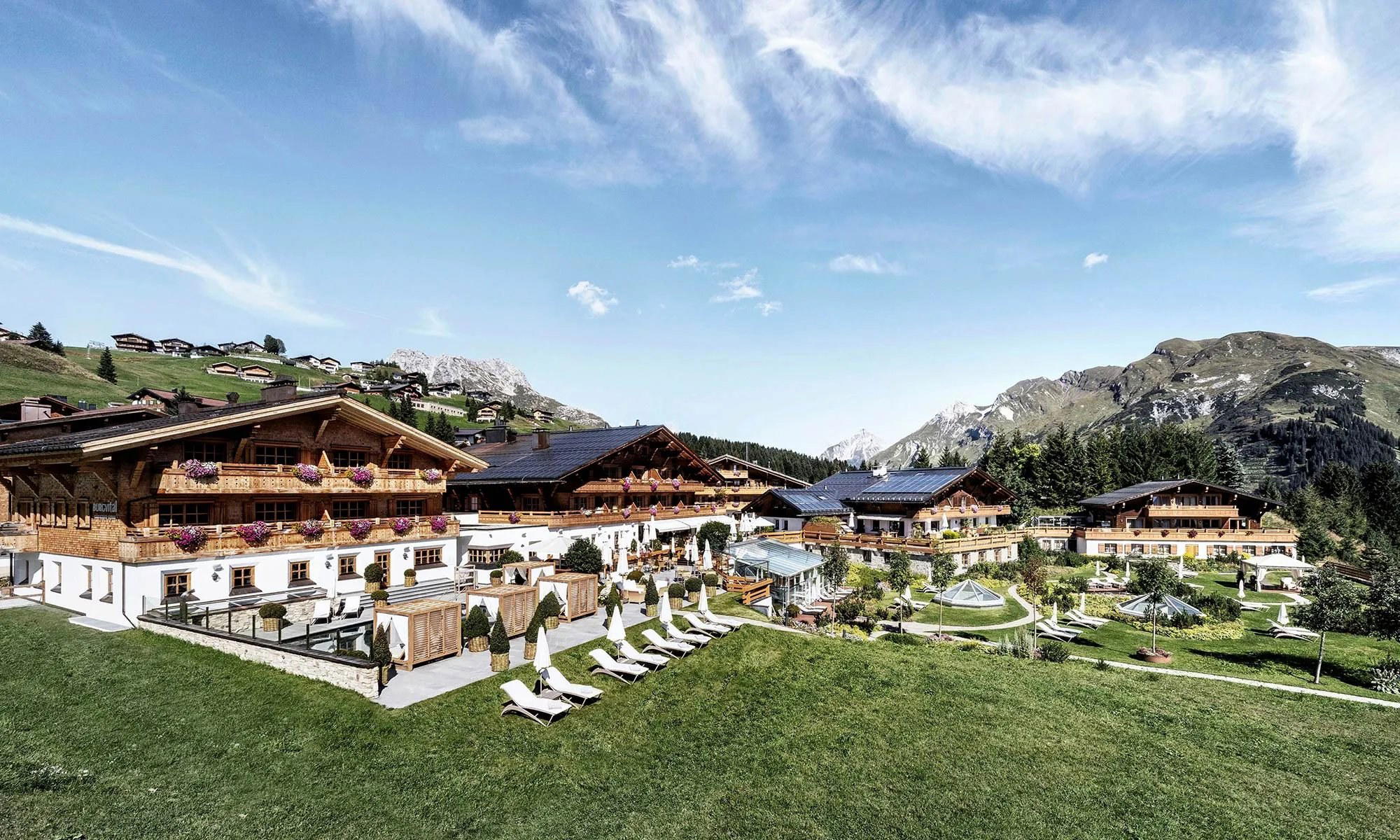
The Rote Wand Gourmet Hotel in Zug, a hamlet fifteen minutes' walk from Lech's main thoroughfare, occupies what was once the village schoolhouse. Evening service begins downstairs in the parlour, where aperitifs and a rotating selection of canapés set the tone. From there, guests climb a tight staircase to the dining room proper: a sleek, wood-lined space dominated by a horseshoe counter rimmed with bar stools. The format is intimate by design, every seat faces the pass, and the atmosphere hinges on proximity to the kitchen's rhythm. Warm wood meets sharp lines; the aesthetic is Alpine restraint without folksy ornament. Service is informal but tightly coordinated, with staff narrating each course and adjusting pace to the room's energy. Lech's dining scene skews traditional, and most establishments anchor their menus in regional canon. This chef's table carves out a different niche: ingredient-focused modern cooking that pulls from Upper Austrian training and broader European technique, executed in a format that treats the counter as theatre.
Ingredient Work and the Modern Alpine Kitchen
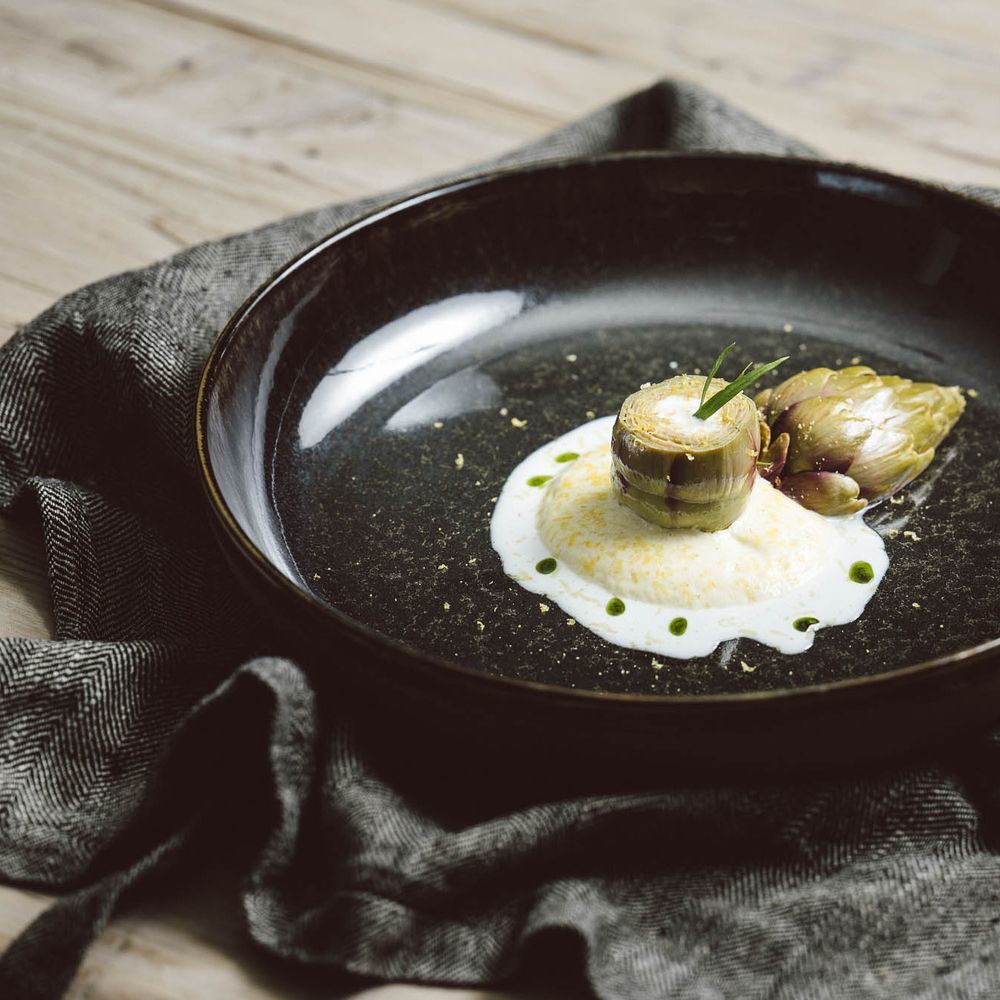
Julian Stieger, the chef behind the tasting menu, comes from Upper Austria and approaches the mountain larder with a sensibility shaped outside the Arlberg's immediate orbit. His style emphasizes ingredient transformation, dry-aging, fermentation, sous-vide precision, and draws on seasonal Alpine produce without defaulting to heritage recipes. The blutwurst bread, for example, reinterprets a familiar pairing: fine-crumbed, moist bread acts as the base for an apple and black pudding compote that balances fruit sweetness with spice depth. Truffle is shaved tableside, a flourish that underscores the kitchen's commitment to aroma and textural contrast. It's a dish that reads familiar on the menu but arrives as something more calibrated and contemporary than its name suggests.
Dry-aged duck follows similar logic. The bird is cooked skin-on until the exterior crisps and the interior remains tender, then plated with a creamy cep mushroom sauce enriched with chive oil. Tonburi seeds, often called land caviar for their briny pop and firm texture, add an unexpected element, one that signals the kitchen's willingness to source beyond the immediate region when the technique warrants it. Cep season in the Arlberg runs late summer through October, and the dish shifts to reflect whatever local forage is available; winter service leans on preserved fungi and root vegetables, while spring sees ramps and early herbs. Stieger's menu isn't bound to Vorarlberg orthodoxy, but it doesn't ignore the calendar or the surrounding terroir. Instead, it uses that foundation as a starting point for more technically involved preparation.
The tasting menu format is surprise-driven: no printed menu, no course count telegraphed in advance. Guests can request a vegetarian adaptation, but it requires advance notice, this is a kitchen that builds menus around protein aging and stock programs, so ingredient pivots need lead time. Pacing typically runs three to four hours, with breaks between courses that allow for conversation and tableside interaction. The counter setup means every diner watches garnish, plating, and sauce work in real time, which creates a rhythm distinct from conventional table service. In a resort town where most restaurants operate at higher volume and faster turnover, this format occupies a quieter, slower lane.
Context Within Lech's Dining Landscape
Lech's restaurant scene is heavily concentrated along Dorf and Oberlech, where Das Wirtshaus, OTTO - The Restaurant, and Jägerstube Restaurant anchor the upper tier. Most operate as part of larger hotels and serve à la carte menus alongside multi-course options. The Rote Wand Chef's Table differentiates itself through format rather than cuisine category alone: the counter-only, tasting-menu-only structure narrows focus and limits capacity, which in turn allows for ingredient detail and technique that wouldn't scale to fifty covers per night. It's a model more common in urban fine-dining than in Alpine resorts, where turnover and accessibility typically drive programming.
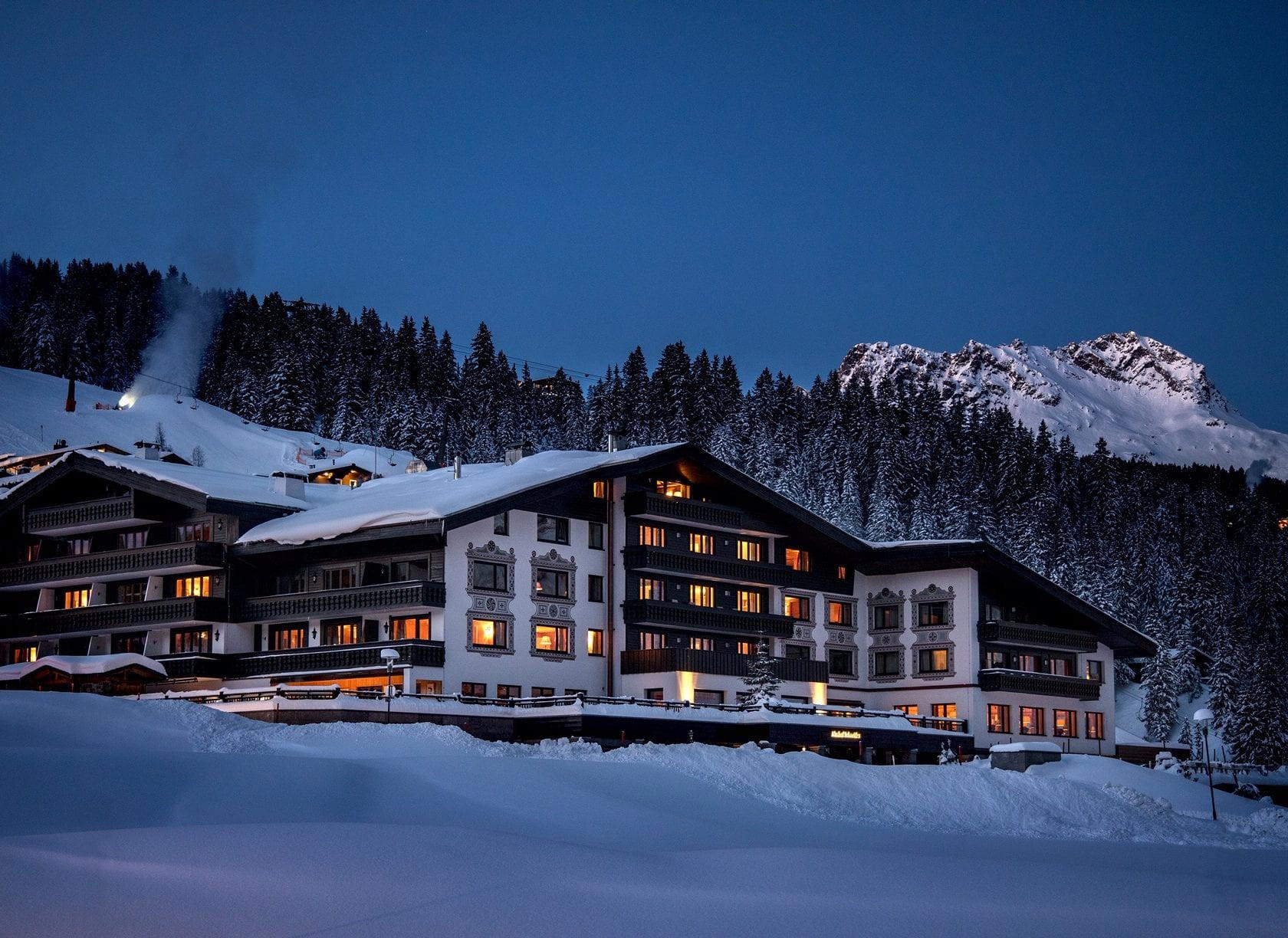
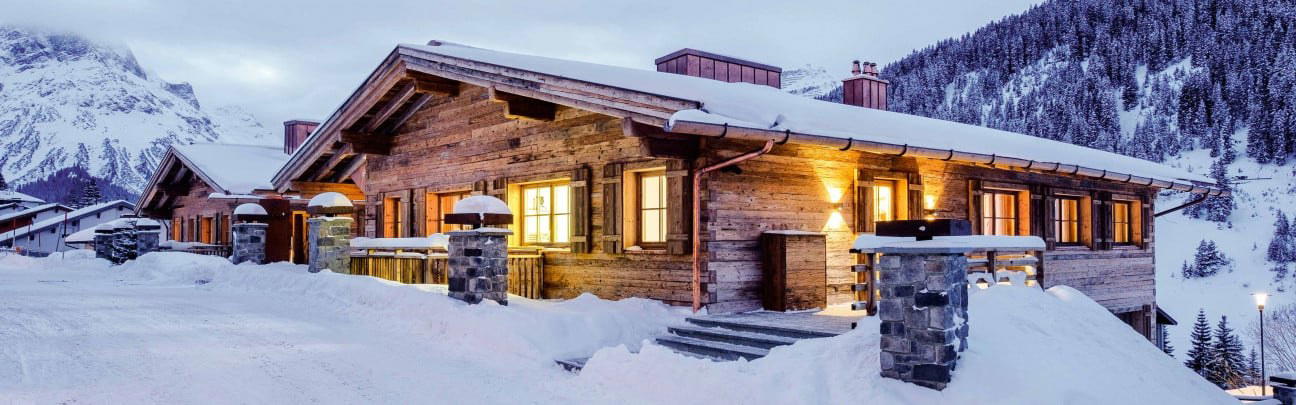
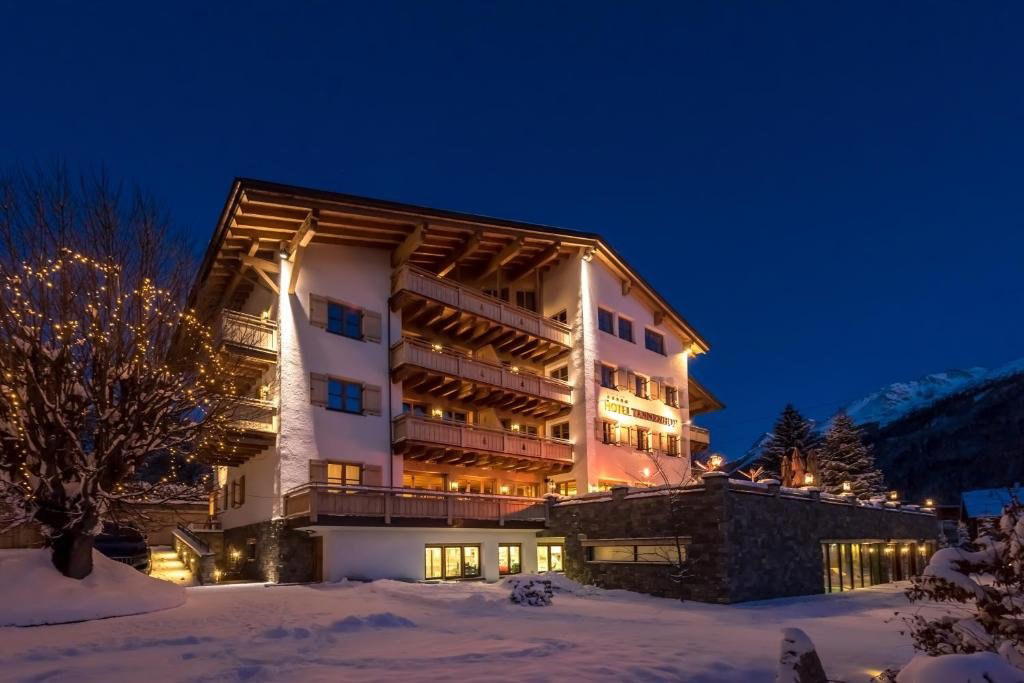
Zug itself is a small cluster of chalets and farmhouses on the plateau south of Lech's main valley. The hotel is one of the few lodging options in the hamlet, and most diners are overnight guests who've booked the table as part of their stay. Walk-in traffic is negligible, and the dining room doesn't operate as a standalone destination in the way central Lech restaurants do. That insularity shapes the experience: there's no bar crowd, no après-ski energy bleeding in from adjacent rooms. The chef's table functions as a discrete, appointment-driven format within a small property, and the kitchen's ingredient sourcing reflects that focus, smaller yields, longer prep cycles, and a willingness to work with specialty purveyors across Austria and northern Italy.
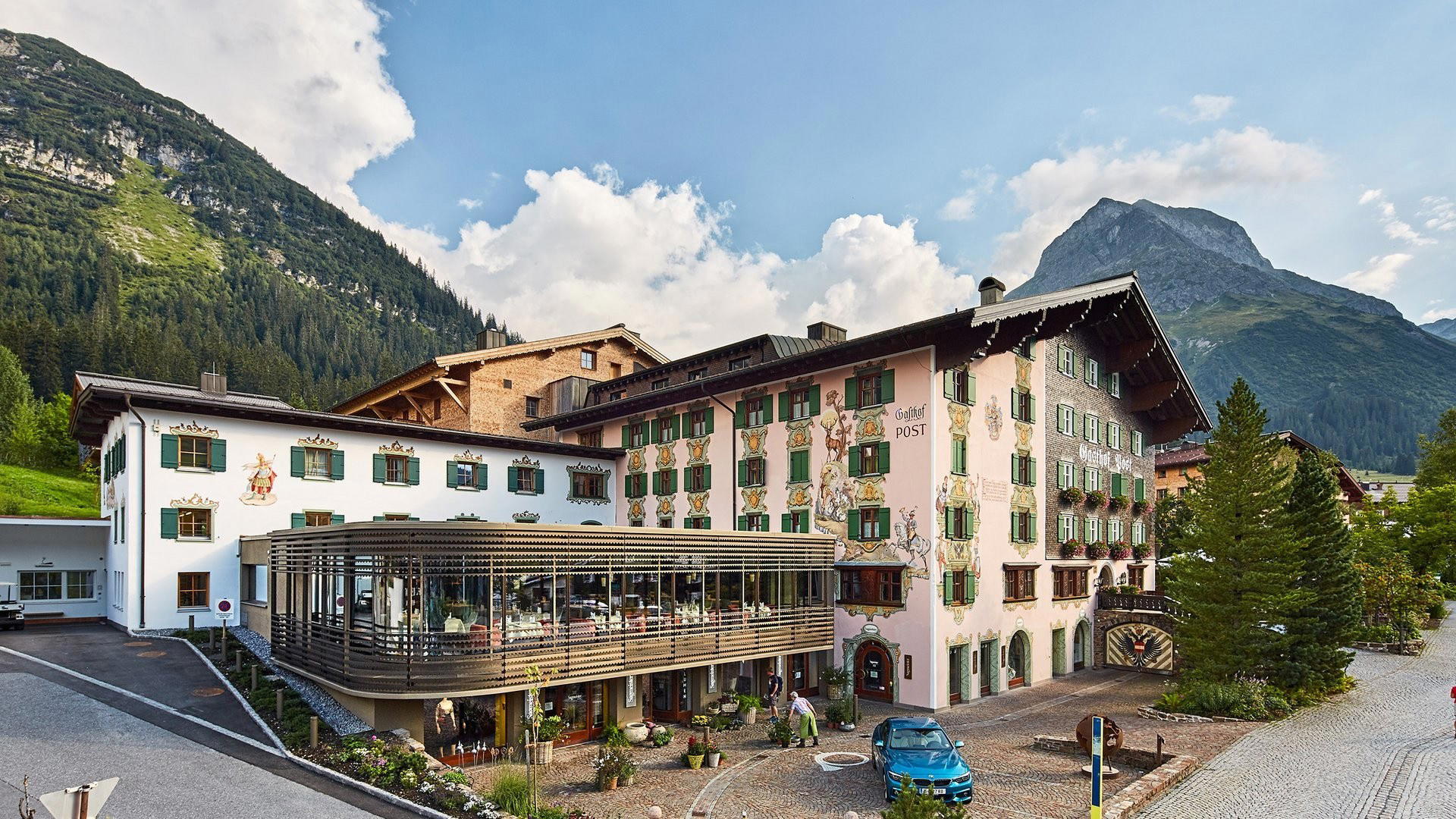
For a fuller picture of Lech's dining options, see our full Lech am Arlberg restaurants guide. Neighbouring Hotel Almhof Schneider 5*S and Panorama Restaurant Postblick offer different takes on Alpine fine dining, both operating at larger scale and with broader menu formats. The chef's table here trades accessibility for depth, and the counter format enforces a degree of exclusivity that won't suit every diner's expectations.
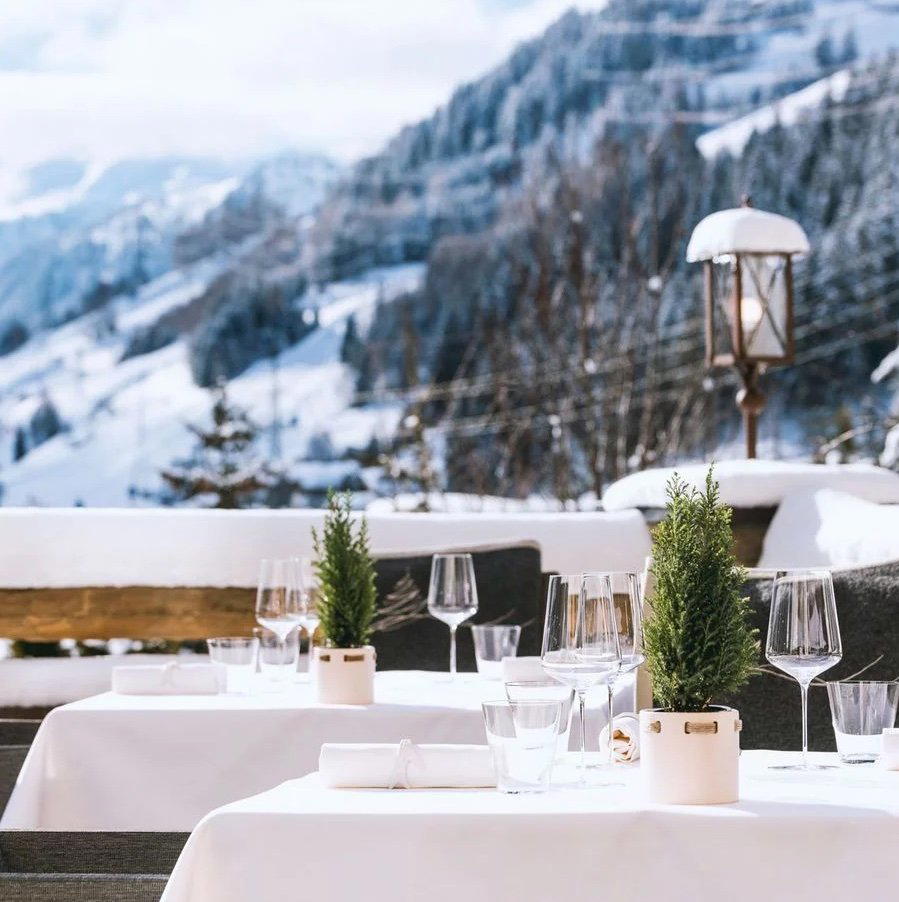
Lech sits at 1,450 metres in the Arlberg massif, with winter as the primary season; snow cover runs December through April, and most restaurants close or reduce service from late April to mid-June. The chef's table aligns with the hotel's calendar and typically operates during ski season and a shorter summer window. Booking is handled through the hotel directly, and availability is tightest around Christmas, New Year, and mid-February half-term weeks. The dining room is small enough that two or three party bookings can close out a night, so advance planning is necessary if visiting during peak weeks. For broader context on the region, see our full Lech am Arlberg hotels guide, bars guide, wineries guide, and experiences guide.
Comparison Snapshot
Comparable venues by cuisine and price in the same metro.
| Venue | Cuisine | Price | Awards |
|---|---|---|---|
| Rote Wand Chef's Table | In the exclusive Rote Wand Gourmet Hotel – formerly a modest inn in Zug's old schoolhouse – guests are treated to a special culinary experience. After an aperitif and a selection of appetisers in the little parlour downstairs, you proceed upstairs to a chic dining area in which warm wood meets sleek design; there you take a seat on one of the comfortable bar chairs arranged around a horseshoe counter. A special atmosphere reigns here, and this is due in no small part to the well-coordinated, charming and laid-back service team. Julian Stieger, who comes from Upper Austria, brings his highly distinctive and modern style to the table: his dishes are modern, complex yet devoid of unnecessary frills. For example, his delicious "Blutwurstbrot" is a fine-crumbed, moist bread topped with an apple and black pudding compote that is at once fruity and delicately spiced, and sprinkled with truffle shavings at your table. The dry-aged duck is also wonderful – crispy on the outside, tender on the inside – served with an aromatic creamy cep mushroom and chive oil sauce, lent an interesting texture by just the right amount of tonburi seeds. They have a surprise set menu, which can be made vegetarian if ordered in advance. | This venue | Not listed |
| Rote Wand Stuben | Traditional Cuisine | €€€ | Traditional Cuisine, €€€ |
Recognition history
Dated appearances from independent guides and award organizations, with the underlying list record or original source where available.
Michelin 2 Stars
Michelin
Continue exploring
More in Lech am Arlberg
Restaurants in Lech am Arlberg
Browse all →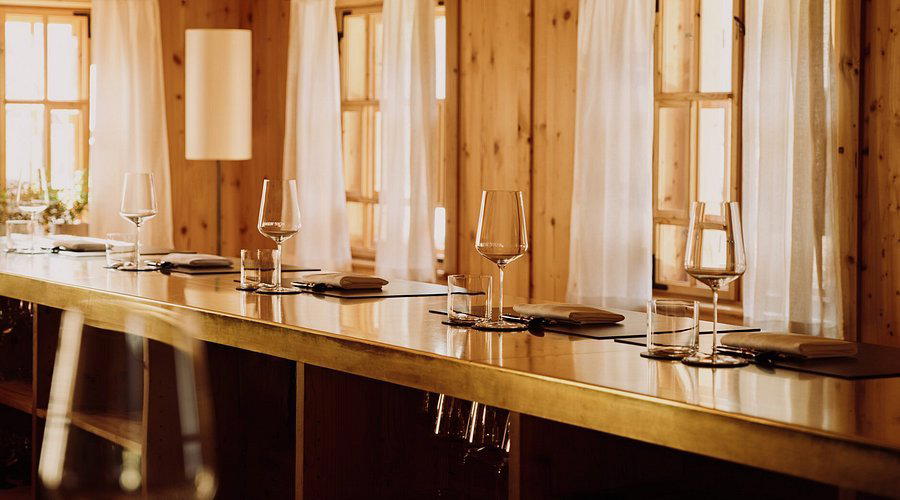
Bars in Lech am Arlberg
Browse all →

At a Glance
- Intimate
- Elegant
- Sophisticated
- Rustic
- Scenic
- Romantic
- Date Night
- Special Occasion
- Celebration
- Business Dinner
- Chefs Counter
- Open Kitchen
- Historic Building
- Design Destination
- Hotel Restaurant
- Panoramic View
- Extensive Wine List
- Sommelier Led
- Local Sourcing
- Farm To Table
- Sustainable Seafood
- Mountain
An intimate chef’s table in a converted 18th-century schoolhouse, combining rustic Alpine character with refined, modern fine-dining theatre as guests sit close to the open kitchen and watch complex, contemporary dishes being prepared.