Rosso il mercato
Rosso il mercato sits on Calle Camilo José Cela in Las Rozas de Madrid, occupying a position in the town's growing mid-tier dining scene. The name signals Italian-inflected market cooking, placing it alongside a cluster of international options in this Madrid commuter belt. Practical to reach from central Madrid and suited to neighbourhood regulars and passing visitors alike.
Pearl is the En Primeur Club membership app — saves, bookings, and concierge access live there. Same editors, same standards.
- Address
- C. Camilo José Cela, 3, local 8, 28232 Las Rozas de Madrid, Madrid, Spain
- Phone
- +34654174580
- Website
- restaurante.covermanager.com
- Directions
- Get directions
 Saves & bookings on Pearl
Las Rozas, the Commuter Belt, and the Italian Market Tradition
The towns immediately northwest of Madrid have spent the last decade developing a dining culture that sits somewhere between neighbourhood canteen and destination table. Las Rozas de Madrid, long associated with retail parks and residential sprawl, has quietly accumulated a range of venues that serve both its permanent population and the spillover from central Madrid on weekends. Within that context, Rosso il mercato takes up a local address at C. Camilo José Cela, 3, local 8.
The name itself does editorial work before you arrive. Rosso (red) and il mercato (the market) together invoke the Italian tradition of market-driven cooking: produce sourced close to the day's need, preparations that follow seasonal logic rather than fixed menus, and an atmosphere calibrated to repeat visits rather than once-a-year occasions. The framing sets a clear expectation among diners who know what a mercato aesthetic promises.
What the Setting Tells You Before the Food Arrives
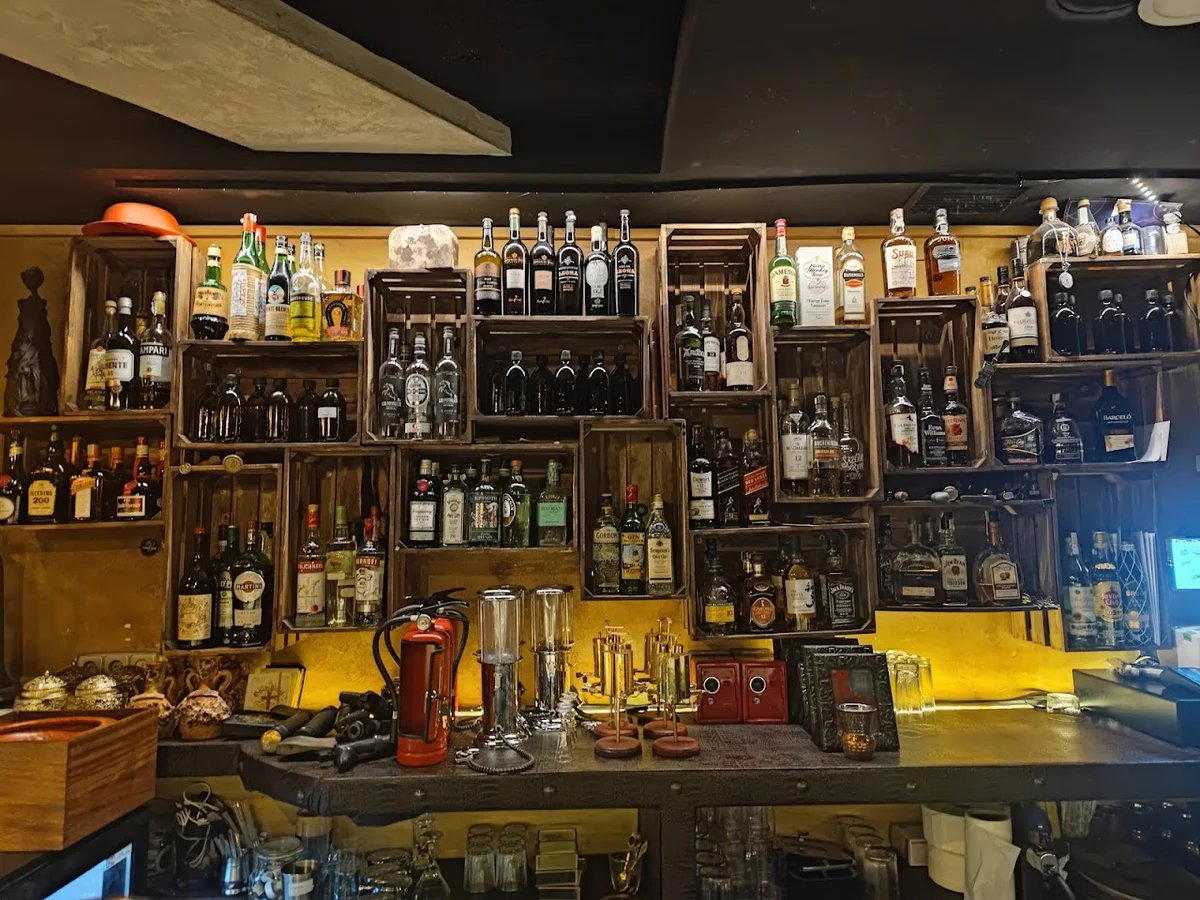
Italian market-format venues in Spanish cities tend to share certain atmospheric signatures. The colour red, invoked in the name, often appears in branding, tile, or furniture in a way that reads warm rather than aggressive. In venues that follow this format, the approach to space tends toward informality: shared surfaces, open kitchens or at least visible ingredient staging, and a sound profile shaped by conversation rather than performance. The address on Calle Camilo José Cela suggests a ground-floor local rather than a terrace-facing dining room, which points toward an interior-led experience.
Las Rozas's dining strip sits within easy reach of the A-6 motorway and the Cercanías commuter rail network, making it accessible from Madrid's Chamberí or Moncloa neighbourhoods in under thirty minutes by train. That access pattern shapes the customer mix: lunchtime tends to pull local workers and families, while Friday and Saturday evenings attract a broader draw from across the northwestern corridor. For venues at this address, the practical advice is to visit midweek for a quieter room or arrive early on weekends.
Italian Cooking in the Madrid Orbit
Spain's relationship with Italian cuisine has matured considerably in the past fifteen years. The Madrid metropolitan area now supports a range of Italian-influenced venues running from fast-casual pasta bars through to ingredient-serious restaurants that source Italian imports directly. The mercato format occupies a middle register: it implies fresh pasta, cured meats, seasonal vegetables, and a wine list oriented toward Italian regions, served in a setting designed for ease rather than ceremony.
That register sits in contrast to the tasting-menu format that dominates Spain's critical conversation. The country's headline tables, from DiverXO in Madrid and El Celler de Can Roca in Girona to Arzak in San Sebastián, Azurmendi in Larrabetzu, and Martin Berasategui in Lasarte - Oria, operate at a different altitude entirely. Further afield, Spain's fine dining conversation extends to Aponiente in El Puerto de Santa María, Mugaritz in Errenteria, Quique Dacosta in Dénia, Ricard Camarena in València, and Cocina Hermanos Torres in Barcelona. None of that is the conversation Rosso il mercato is entering. Its comparable set is local: venues like Asador Sagasti, L'Angoletto, Lateral Cantizal, Lowcountry Boys, and EL KIOSKO HERON CITY define the competitive frame here, not Spain's starred circuit.
For international reference points operating at the other end of the formality spectrum, venues like Le Bernardin in New York City or Atomix in New York City illustrate how differently a city's dining conversation can stratify. Las Rozas sits at the practical end of that spectrum, and there is real value in that position for diners who want quality cooking without the occasion overhead.
Planning Your Visit
Rosso il mercato is found at C. Camilo José Cela, 3, local 8, 28232 Las Rozas de Madrid. Current hours, pricing, and booking arrangements are best confirmed directly, as the available record does not carry those details. Visitors arriving by public transport should use the Cercanías C-10 line to Las Rozas station; the address is walkable from there.
Comparable Venues
Comparable venues nearby, for context on price, style, and recognition.
| Venue | Cuisine | Price | Notes |
|---|---|---|---|
| Rosso il mercatoThis venue — the venue you are viewing | Roman Pinseria | $$ | Not listed |
| Lateral Cantizal | Modern Spanish Tapas | $$ | Las Rozas de Madrid |
| Pasiones Argentinas Las Rozas | Argentine Steakhouse Parrilla | $$ | Las Rozas de Madrid |
| EL KIOSKO HERON CITY | Mediterranean Tapas | $$ | Heron City |
| L'Angoletto | Authentic Regional Italian Trattoria & Pizzeria | $$ | Las Rozas |
| Lowcountry Boys | American Smash Burgers & BBQ | $$ | Las Rozas |
Continue exploring
More in Las Rozas De Madrid
Restaurants in Las Rozas De Madrid
Browse all →
Bars in Las Rozas De Madrid
Browse all →
Hotels in Las Rozas De Madrid
Browse all →

At a Glance
- Rustic
- Cozy
- Casual Hangout
- Date Night
- Open Kitchen
Current opening hours
- Monday
- 1:30–4:30 PM, 8:30–11 PM
- Tuesday
- 1:30–4:30 PM, 8:30–11 PM
- Wednesday
- 1:30–4:30 PM, 8–11 PM
- Thursday
- 1:30–4:30 PM, 8:30–11:30 PM
- Friday
- 1:30–5 PM, 8:30–11:30 PM
- Saturday
- 1:30–5 PM, 8:30–11:30 PM
- Sunday
- 1:30–5 PM, 8:30–11 PM
Hours can change for holidays and private events. Last verified .
Moderate noise level with a cozy, market-style Italian trattoria atmosphere.