Pasiones Argentinas Las Rozas
Pasiones Argentinas in Las Rozas de Madrid brings the beef-centred traditions of the Argentine parrilla to the residential northwest fringe of the Spanish capital. Positioned on Calle París in a neighbourhood where most dining options lean toward mainstream Spanish fare, it occupies a distinct slot in the local restaurant mix. For those tracking Argentine cuisine across Madrid's wider dining map, it represents one of the few serious outposts beyond the city centre.
Pearl is the En Primeur Club membership app — saves, bookings, and concierge access live there. Same editors, same standards.
- Address
- C. París, 38, 28232 Las Rozas de Madrid, Madrid, Spain
- Phone
- +34916376534
- Website
- pasionesargentinas.es
- Directions
- Get directions
 Saves & bookings on Pearl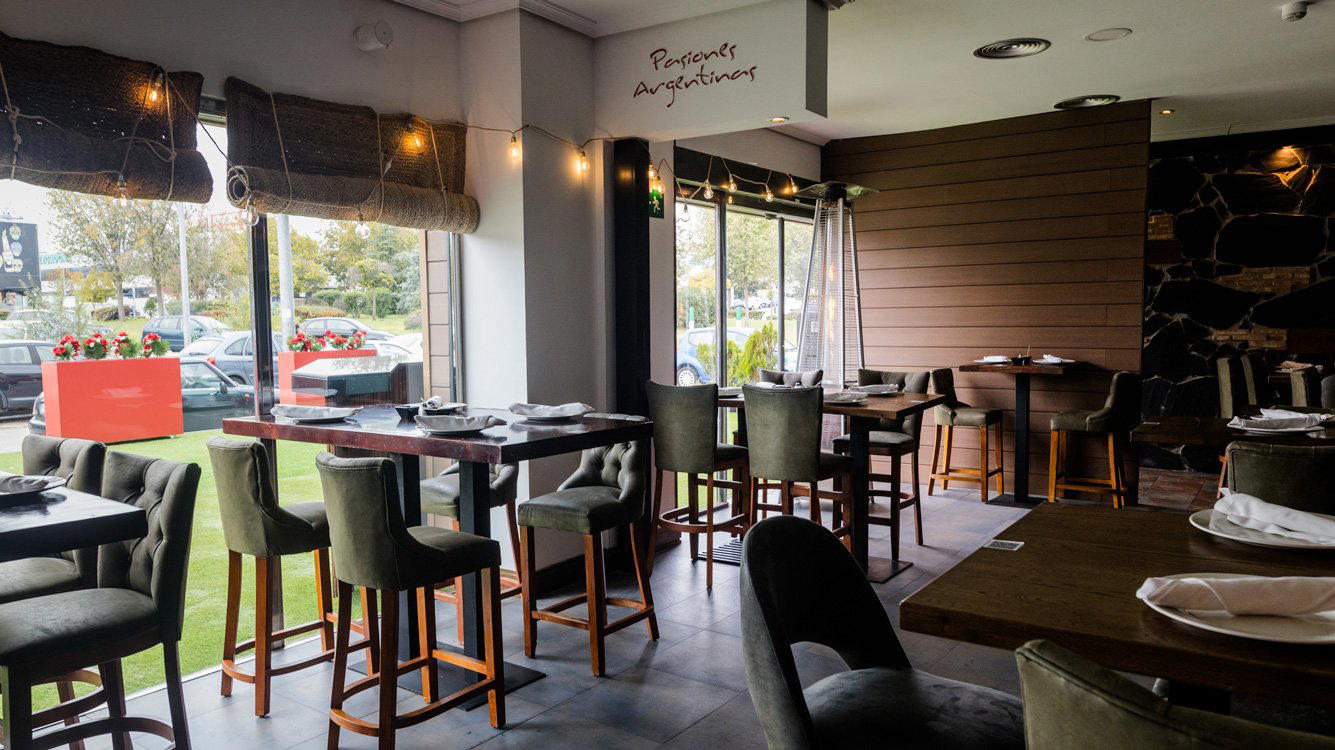
Argentine Grilling in the Madrid Suburbs: What Las Rozas Tells You About the Setting
The northwest corridor of Madrid, stretching out through Las Rozas de Madrid along the A-6 motorway, is primarily residential in character. Urbanisaciones give way to retail parks, and the dining scene reflects that geography: a practical mix of Spanish asadores, casual chains, and neighbourhood trattorias rather than the concentrated ambition you find in Madrid's Salamanca or Malasaña districts. Into that context, an Argentine parrilla arrives as a deliberate counterpoint. Pasiones Argentinas on Calle París occupies the kind of address where diners drive rather than walk.
That locational reality shapes the experience before you arrive. Las Rozas de Madrid is not a dining destination in the way central neighbourhoods are; it is a place where restaurants earn loyalty from a residential catchment rather than footfall tourism. An Argentine restaurant in this setting is not competing for the same customer as a tourist-facing steakhouse in the Sol area. It is competing, more precisely, against the strong tradition of Spanish roasting and grilling already embedded in places like Asador Sagasti, which brings its own distinct approach to fire and meat in the same market.
The Argentine Parrilla Tradition and Where It Sits in Spain
Argentine beef culture arrived in Spain with sufficient force to sustain a meaningful restaurant category, distinct from the domestic asador tradition. The differences are structural: where Spanish asadores tend to work with domestic breeds, wood-fired ovens, and regionally sourced cuts, Argentine parrillas lean on South American beef provenance, open-grate charcoal cooking, and a menu architecture that puts the entraña, the vacío, and the bife de chorizo at the centre rather than the supporting cast. Chimichurri replaces the pimentón-inflected sauces of Castilian roasting. The pace is different too: Argentine dining in Buenos Aires traditionally runs long and late, a rhythm that Argentine restaurants in Spain have adapted, with varying degrees of fidelity, to local eating hours.
In Madrid, that tradition has found a consistent audience, partly because Spanish diners already understand the centrality of meat and fire in a meal, and partly because Argentine beef has built a reputation for specific fat marbling and flavour characteristics that are genuinely different from European-reared equivalents. Beyond the capital's ring road, however, serious Argentine restaurants thin out considerably. The suburban Madrid market for this kind of cooking is small, which gives Pasiones Argentinas a relatively uncontested position within Las Rozas itself.
How Las Rozas Positions the Dining Offer
Calle París is a residential and light-commercial street in the Las Rozas urban core, not the village historic centre further north. The address places the restaurant within easy reach of the dense apartment and housing developments that characterise this part of the municipality, serving a population that commutes into Madrid but eats locally on most nights. That catchment tends to reward consistency and value-for-format over novelty, which is relevant context for understanding what a suburban Argentine restaurant needs to deliver: reliable execution of familiar cuts rather than experimental menu rotation.
The broader Las Rozas dining picture includes options like L'Angoletto for Italian, Lateral Cantizal for Spanish tapas-format dining, Lowcountry Boys for American barbecue, and EL KIOSKO HERON CITY as a higher-footfall casual option. Against that map, Pasiones Argentinas holds a clear identity: it is the Argentine option, in a neighbourhood where international dining formats tend to occupy single-format slots rather than compete within a crowded comparable set. That is a different commercial and culinary position than being one of fifteen Argentine restaurants in a city centre strip.
Grilling Traditions: Buenos Aires vs. Madrid's Asador Culture
It is worth pausing on what separates the Argentine parrilla from the Castilian asador as dining traditions, because the distinction matters when assessing a restaurant like this. Spain's asador culture, strong across Castile and in the Basque country, centres on slow wood-oven roasting, often of suckling pig or lamb, with the fire's role being to generate sustained ambient heat rather than direct-contact char. The Argentine parrilla runs charcoal under an open grate; cuts cook over direct radiant heat, and the crust formation and smokiness that results are the signature of the technique rather than a byproduct. The two traditions share a reverence for quality primary ingredients cooked simply, but the technique, the cuts, and the accompanying flavour vocabulary diverge significantly. Spain's Michelin-level restaurants, from Arzak in San Sebastián to DiverXO in Madrid or the coastal precision of Aponiente in El Puerto de Santa María, operate in an entirely separate register. A suburban Argentine parrilla competes on different terms: not on technical innovation but on the integrity of its ingredient sourcing and the competence of its fire management.
Planning a Visit
Pasiones Argentinas is located at Calle París 38, Las Rozas de Madrid, 28232. The restaurant is in the urban core of Las Rozas, accessible by car from the A-6 and M-50 ring road, and also reachable by Cercanías rail to the Las Rozas station, from which the address is a short walk or taxi ride. For anyone based in Madrid city and heading out specifically for a parrilla dinner, the journey is worth planning around an early evening departure to avoid the worst of the northwest commuter traffic on weekday evenings. Booking is sensible for weekend dinners, when suburban family dining tends to fill direct neighbourhood restaurants ahead of walk-in availability.
A Tight Comparison
Comparable venues nearby, for context on price, style, and recognition.
| Venue | Cuisine | Price | Notes |
|---|---|---|---|
| Pasiones Argentinas Las RozasThis venue — the venue you are viewing | Not listed | $$ | Not listed |
| Restaurante Monterrey | Not listed | $$ | Las Rozas, Traditional Spanish Mediterranean |
| Lateral Cantizal | Not listed | $$ | Las Rozas de Madrid, Modern Spanish Tapas |
| SHOOPO Las Rozas | Not listed | $$ | Las Rozas de Madrid, Mediterranean Healthy |
| L'Angoletto | Not listed | $$ | Las Rozas, Authentic Regional Italian Trattoria & Pizzeria |
| Lowcountry Boys | Las Rozas, American Smash Burgers & BBQ | $$ | Not listed |
Continue exploring
More in Las Rozas De Madrid
Restaurants in Las Rozas De Madrid
Browse all →
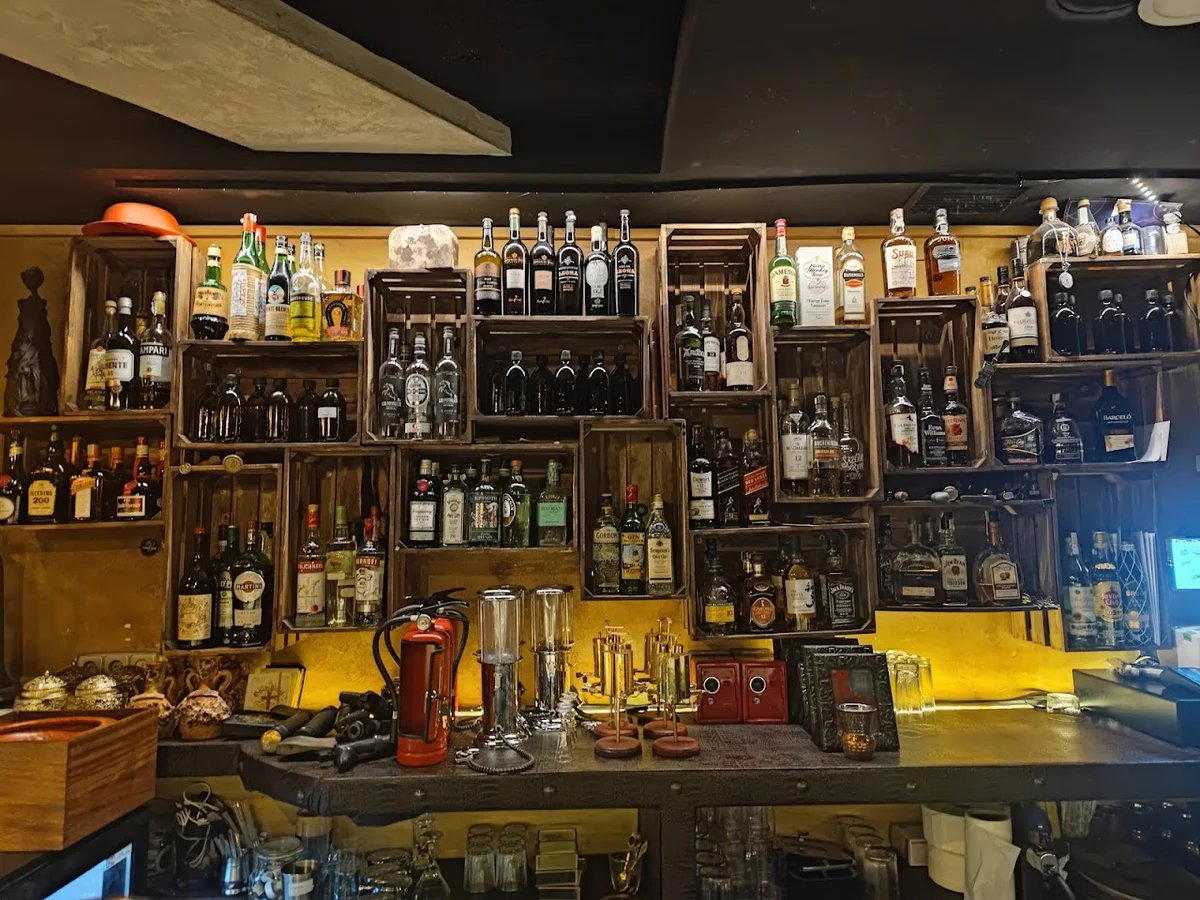
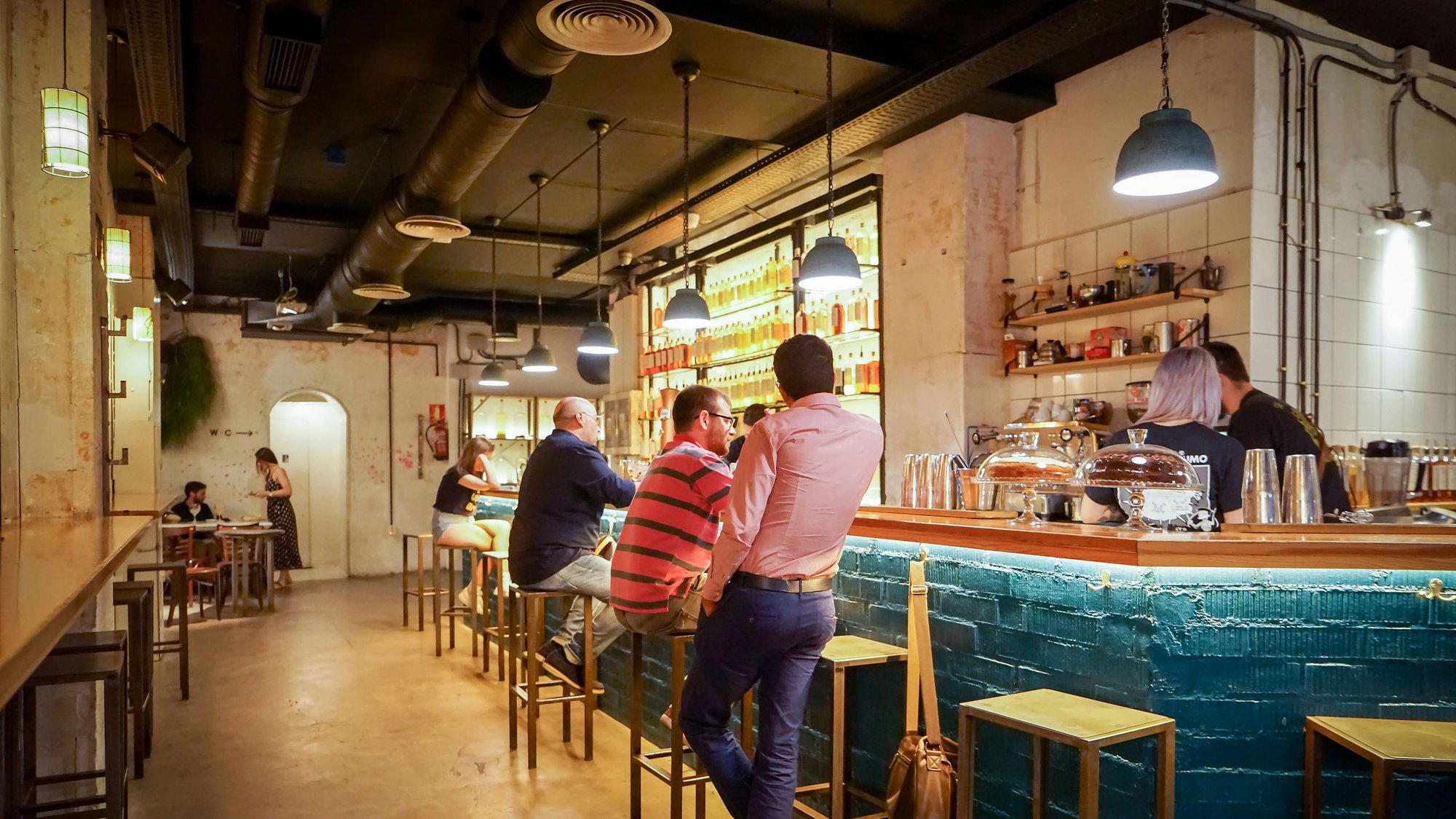
Bars in Las Rozas De Madrid
Browse all →

Hotels in Las Rozas De Madrid
Browse all →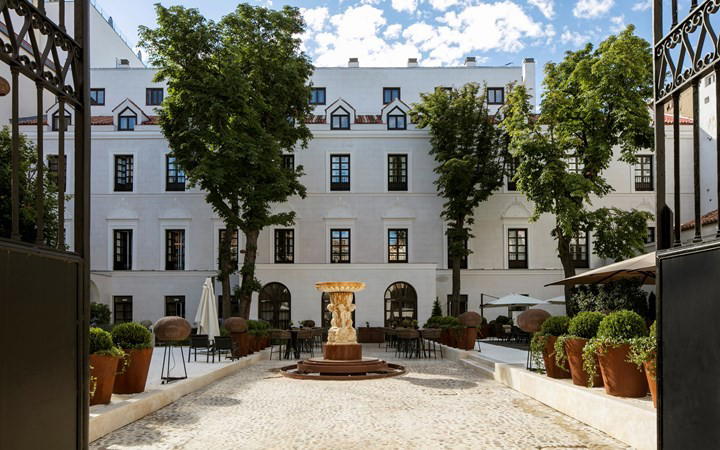

At a Glance
- Rustic
- Cozy
- Family
- Group Dining
- Casual Hangout
- Terrace
- Extensive Wine List
Current opening hours
- Monday
- 1–11:30 PM
- Tuesday
- 1–11:30 PM
- Wednesday
- 1–11:30 PM
- Thursday
- 1–11:30 PM
- Friday
- 1–11:30 PM
- Saturday
- 1–11:30 PM
- Sunday
- 1–11:30 PM
Hours can change for holidays and private events. Last verified .
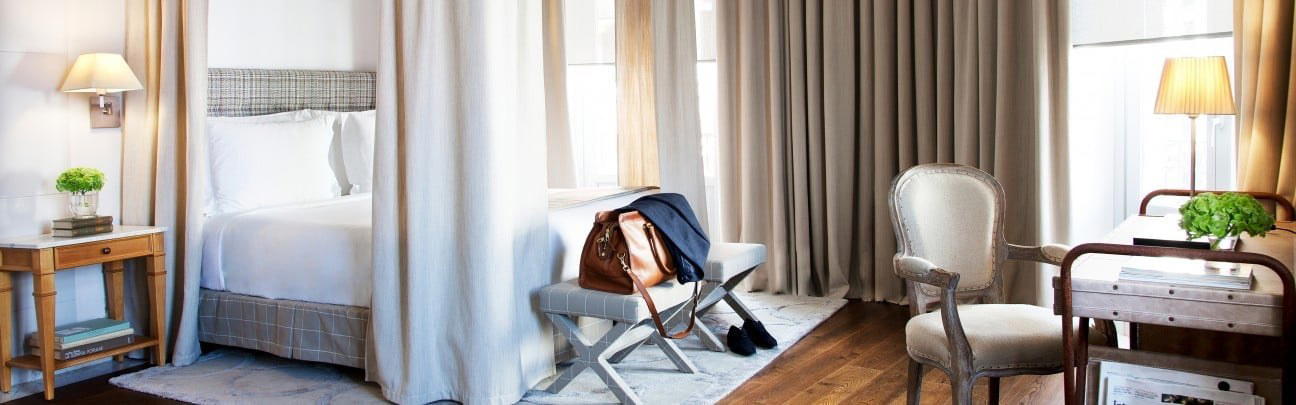
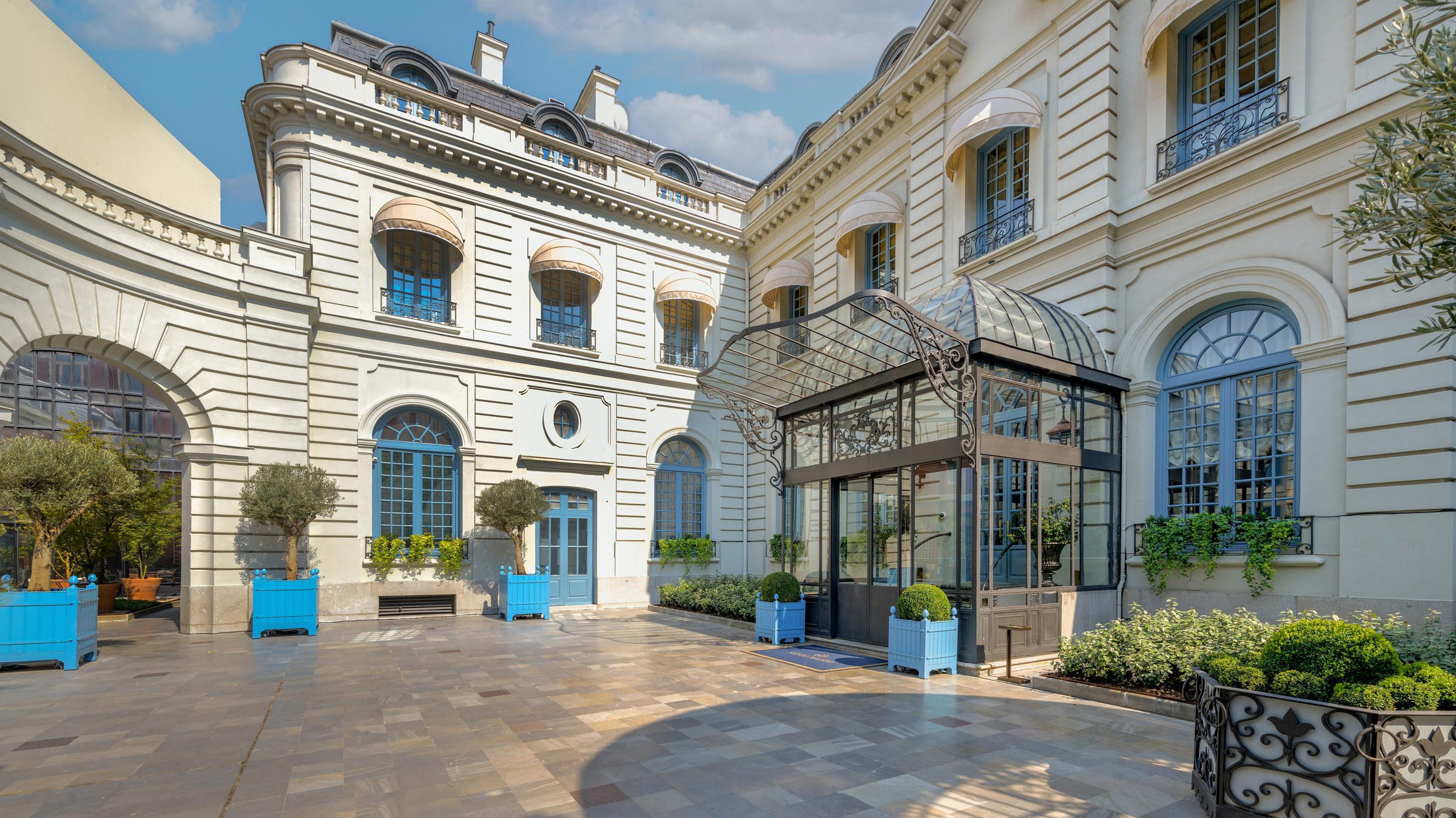
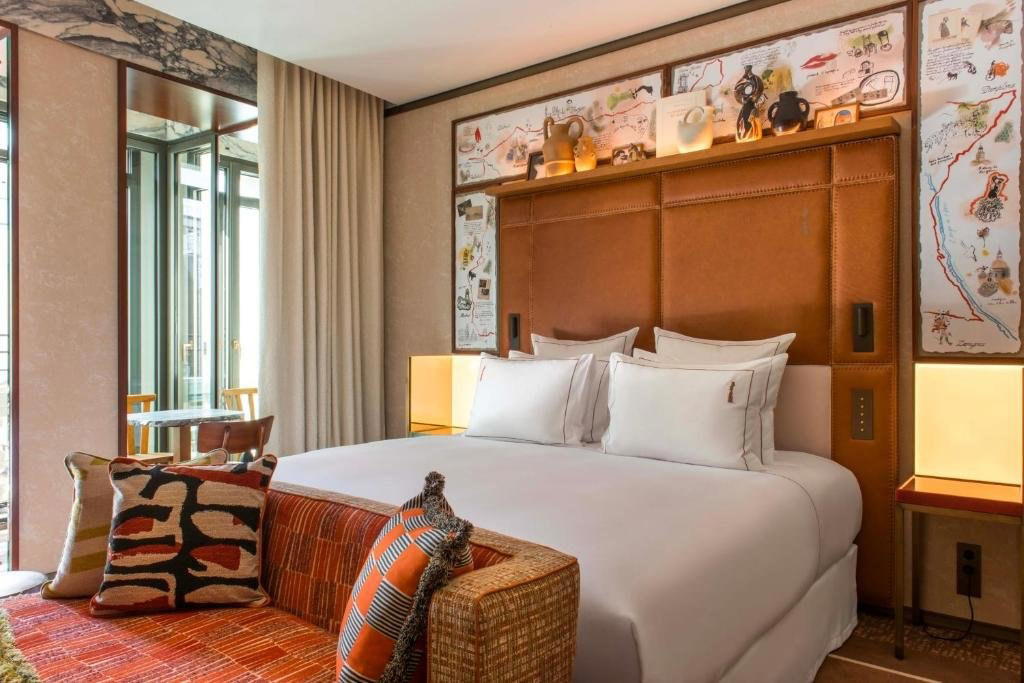
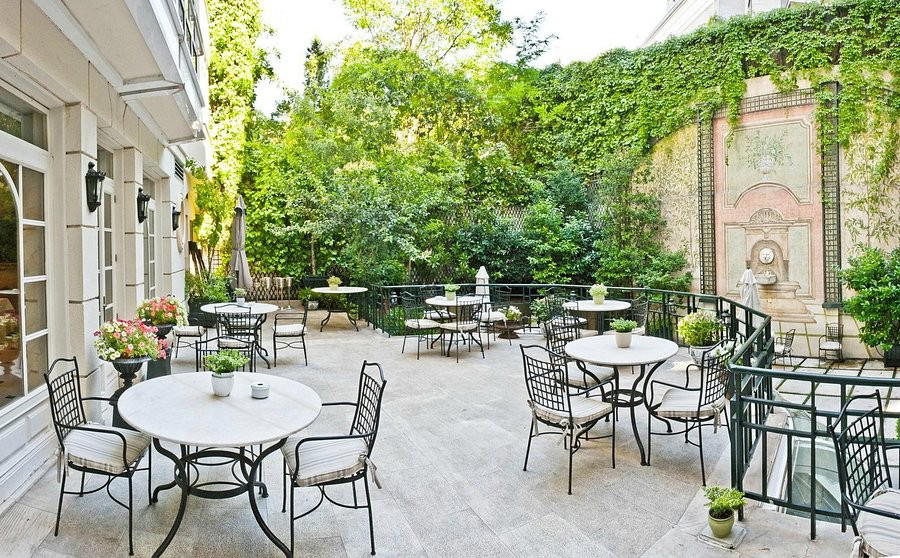
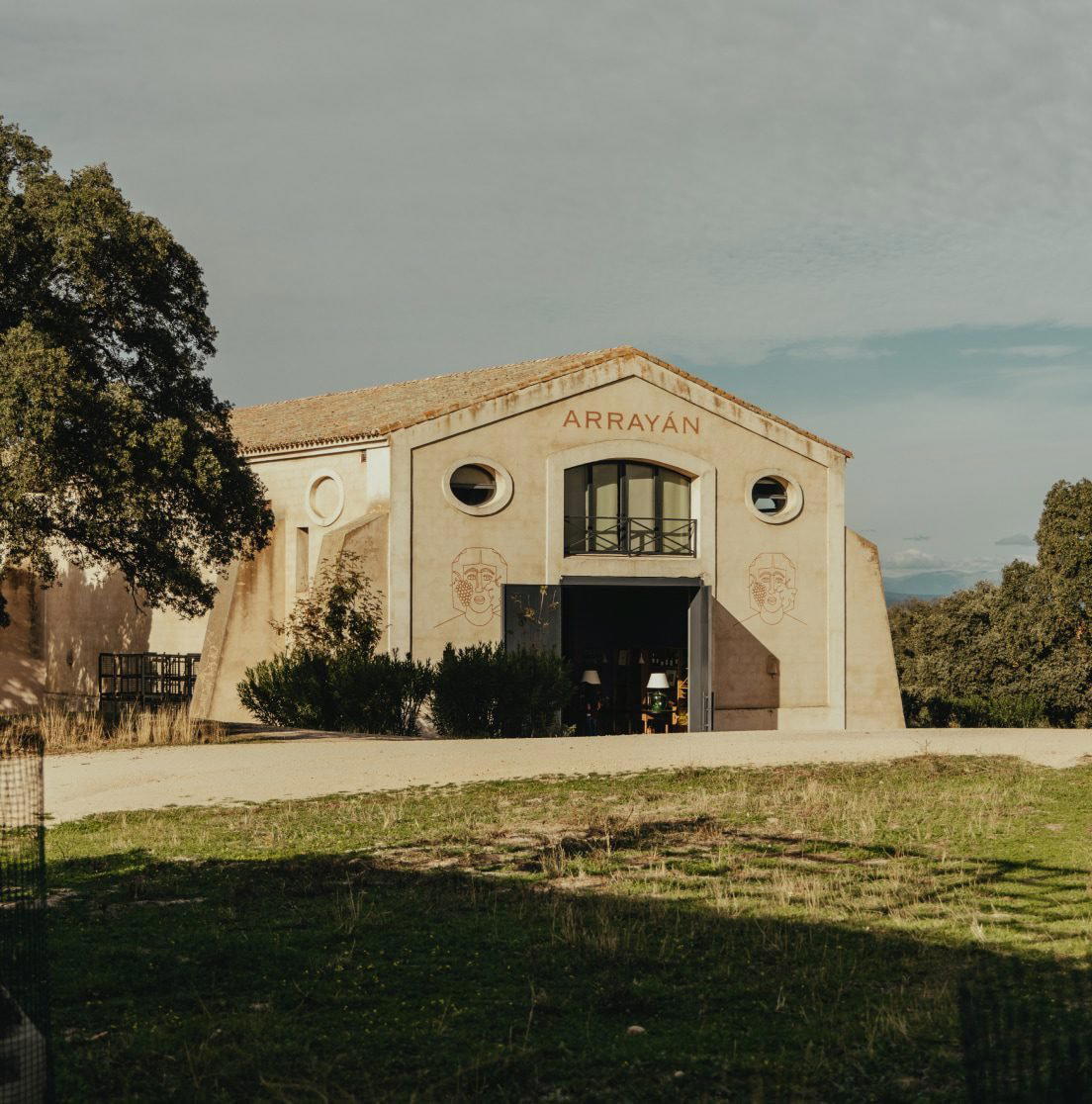
Warm, thematic ambiance evoking Argentine tango and countryside with spacious terrace.