Roots Restaurant
Roots Restaurant on Lyttelton's London Street occupies a position in New Zealand's sourcing-led dining conversation that its port-town setting helps explain. The kitchen draws on Canterbury's produce networks and the harbour's proximity to frame a menu that reads as a record of place rather than a catalogue of technique. For diners tracking New Zealand's regional fine dining trajectory, Lyttelton is the argument and Roots is the evidence.
- Address
- 8 London Street, Lyttelton 8082, New Zealand
- Phone
- +64 3 328 7658
- Website
- rootsrestaurant.co.nz
- Directions
- Get directions
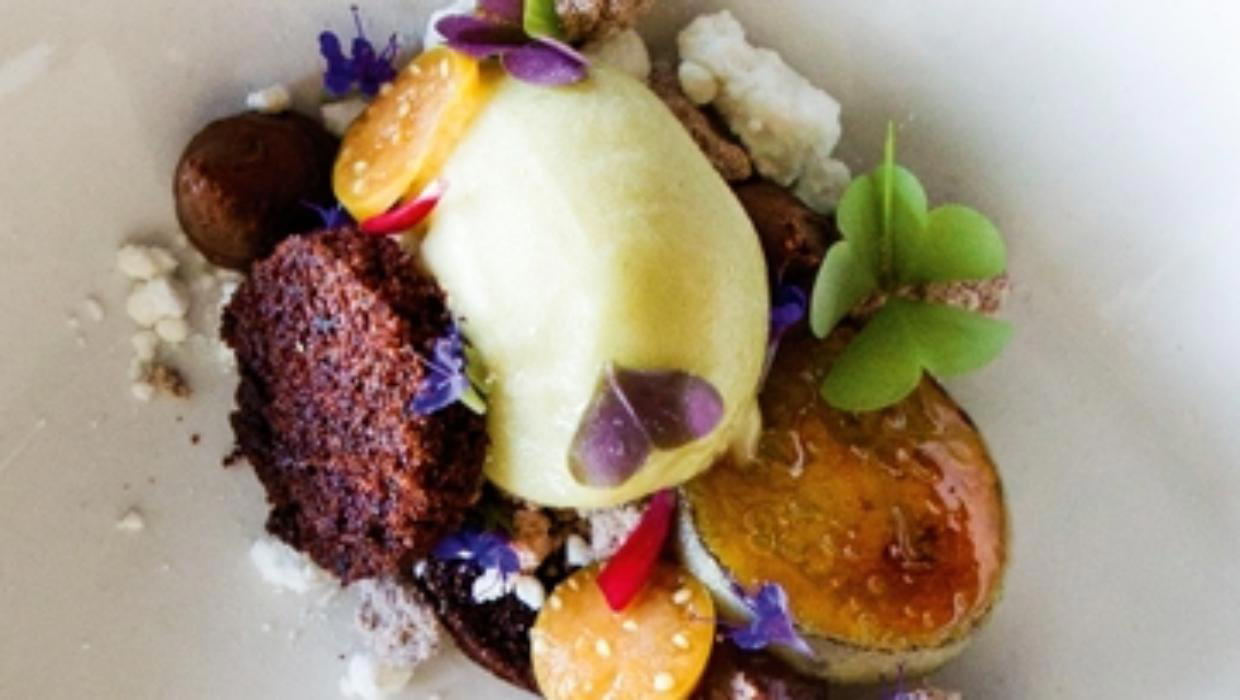
A Port Town That Earns Its Place on the Dining Map
Lyttelton sits on the inner harbour of Banks Peninsula, twelve minutes by road through the Briggs Tunnel from central Christchurch but considerably further in atmosphere. The town has the compressed, salt-weathered character of a working port: narrow streets climbing steep volcanic hills, weatherboard buildings, fishing boats alongside the commercial wharves. That physical reality is not incidental to understanding what Roots Restaurant represented before its closure. In New Zealand's sourcing-led fine dining conversation, particularly credible participants tend to be embedded in landscapes that produce things worth cooking. Roots Restaurant is now permanently closed. Lyttelton, with Canterbury's plains behind it and the cold Southern Ocean fishery within reach, qualifies on those terms. See our full Lyttelton restaurants guide for broader context on the town's dining character.
Where the Food Comes From, and Why That Framing Matters
New Zealand's serious restaurant kitchens have spent the past decade resolving a question that European fine dining answered centuries ago: does the food on the plate reflect the land it was grown on, or does it reflect a technique imported from elsewhere? The shift toward the former has produced a distinct tier of restaurants, from Ahi in Auckland to Amisfield in Queenstown, that treat sourcing as the primary editorial decision and technique as secondary. Roots belonged to that tier. Its address at 8 London Street placed it at the working end of Lyttelton's main strip, away from the more self-consciously styled hospitality that arrived in recent years. That positioning is telling: the restaurant's reputation developed through the quality of what it puts on the plate, not through neighbourhood cachet.
Canterbury's agricultural output is among New Zealand's most varied. The plains produce lamb, beef, and an extensive range of vegetables across a growing season that benefits from Canterbury's distinctive inland climate. The harbour and the Akaroa Heads to the south gave access to seafood that rarely travelled far before service. For a kitchen oriented around provenance, the surrounding geography functions less as a marketing point and more as a working constraint: what is available, what is seasonal, what makes sense to cook right now. That discipline is visible in restaurants with similar sourcing commitments across New Zealand's South Island, and it creates a menu structure that shifts materially through the year rather than offering the kind of fixed signature dishes that anchor more tourist-facing operations.
The Sourcing-Led Model in New Zealand Context
Across New Zealand's premium dining tier, ingredient sourcing has become the axis around which particularly serious kitchens differentiate themselves. This is partly a practical matter: New Zealand's small domestic market means restaurants cannot sustain themselves on volume alone, so the quality of the produce and the story attached to it become part of the proposition. It is also a response to international attention. New Zealand fine dining has received recognition from global food media precisely when it has leaned into what the country actually grows, catches, and raises, rather than when it has attempted to replicate European or Asian models with local ingredients as substitutes.
Roots sat within this pattern. The restaurant's position in Lyttelton rather than central Christchurch signaled something: a kitchen willing to operate outside the main commercial dining cluster tended to be drawing its audience on the strength of the food itself. Compare that to destination dining operations like Wharekauhau Country Estate in Featherston or Elephant Hill in Haumoana, where the property and landscape are part of what is being sold. At Roots, the harbour town was context rather than product, and the kitchen carried the weight of the visit.
That dynamic places Roots in a peer conversation with restaurants like Charley Noble in Wellington and Field and Green in Te Aro, kitchens that have built reputations around produce intelligence rather than theatrical format. It also invites comparison with internationally recognised tasting-menu operations, from Lazy Bear in San Francisco to Le Bernardin in New York City, that share the discipline of treating sourcing as non-negotiable even as the scale and context differ considerably. Closer to home, the conversation also includes MAPU Test Kitchen, Lyttelton's other serious dining address, which gives the town a critical mass unusual for a settlement of its size.
Planning a Visit: Practical Considerations
Lyttelton was easily reached from Christchurch city centre, making it viable as a dinner destination without requiring an overnight stay. The tunnel route is the standard approach, though the Summit Road over the Port Hills offers a more scenic alternative in daylight. Visitors staying in Christchurch should factor in the return journey when planning, particularly for longer tasting menu formats that may extend into the evening. For those building a broader South Island itinerary, pairing a Lyttelton meal with Christchurch accommodation and then continuing south to Queenstown is a logical sequence: restaurants like Amisfield Restaurant and Cellar Door in Lake Hayes anchor the southern end of that route. Elsewhere in New Zealand, Cassia in Auckland Central, Azabu Ponsonby in Grey Lynn, Bistronomy and Vinotech in Napier South, Blue Elephant Thai Restaurant in Parnell, Chameleon Restaurant in Wellington Central, Elephant Hill in Napier, and Gothenburg Restaurant in Hamilton Central represent the range of serious dining across the country's main centres. Roots Restaurant is permanently closed, so reservations are no longer being taken.
At-a-Glance Comparison
Comparable venues nearby, for context on price, style, and recognition.
| Venue | Cuisine | Price | Notes |
|---|---|---|---|
| Roots RestaurantThis venue — the venue you are viewing | Seasonal New Zealand Fine Dining | $$$ | Not listed |
| MAPU Test kitchen | Experimental Molecular Fusion | $$$$ | Lyttelton |
| Pedro's House of Lamb | New Zealand Roast Lamb | $$ | Merivale |
| Riverstone Kitchen | New Zealand Farm-to-Table | $$$ | Waitaki Bridge |
| Hillside Kitchen | Modern New Zealand Vegetarian | $$$ | Thorndon |
| Bistro Saine | French-Mediterranean Bistro | $$$ | Auckland CBD |
Continue exploring
More in Lyttelton
Restaurants in Lyttelton
Browse all →

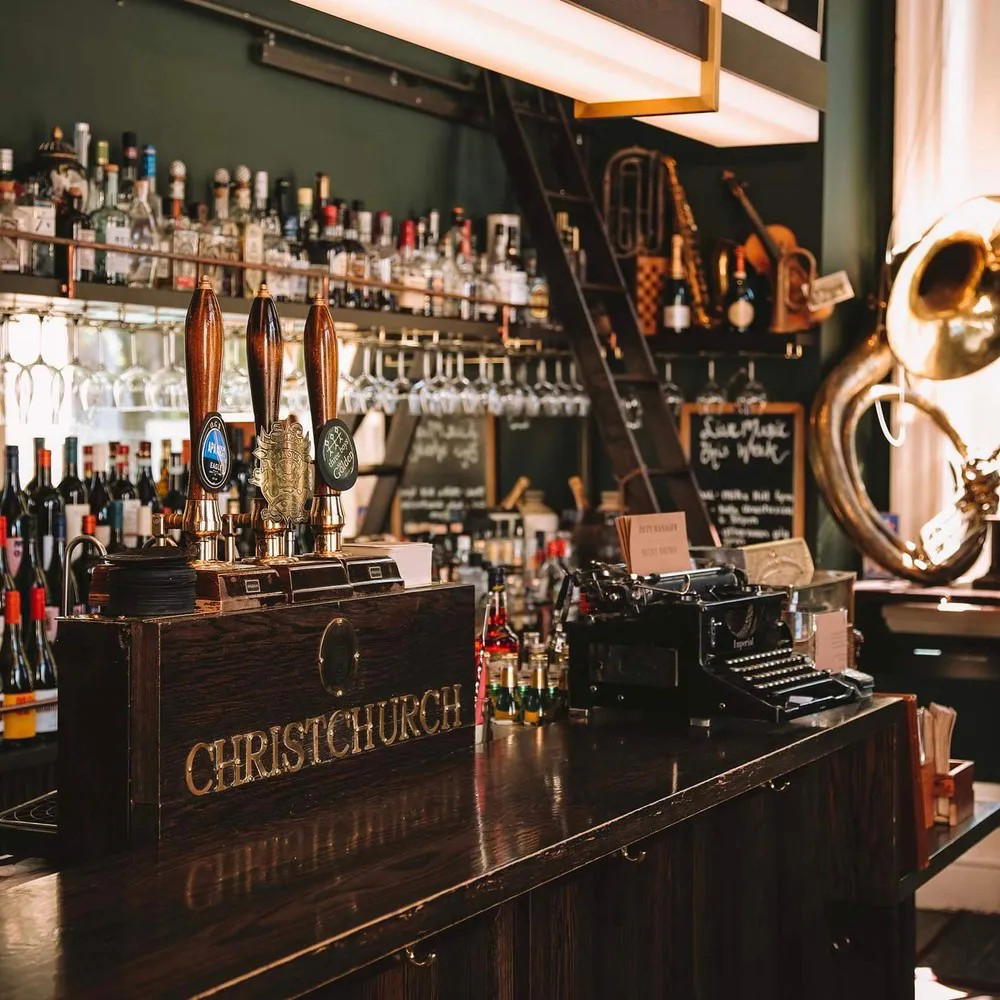
Bars in Lyttelton
Browse all →
Hotels in Lyttelton
Browse all →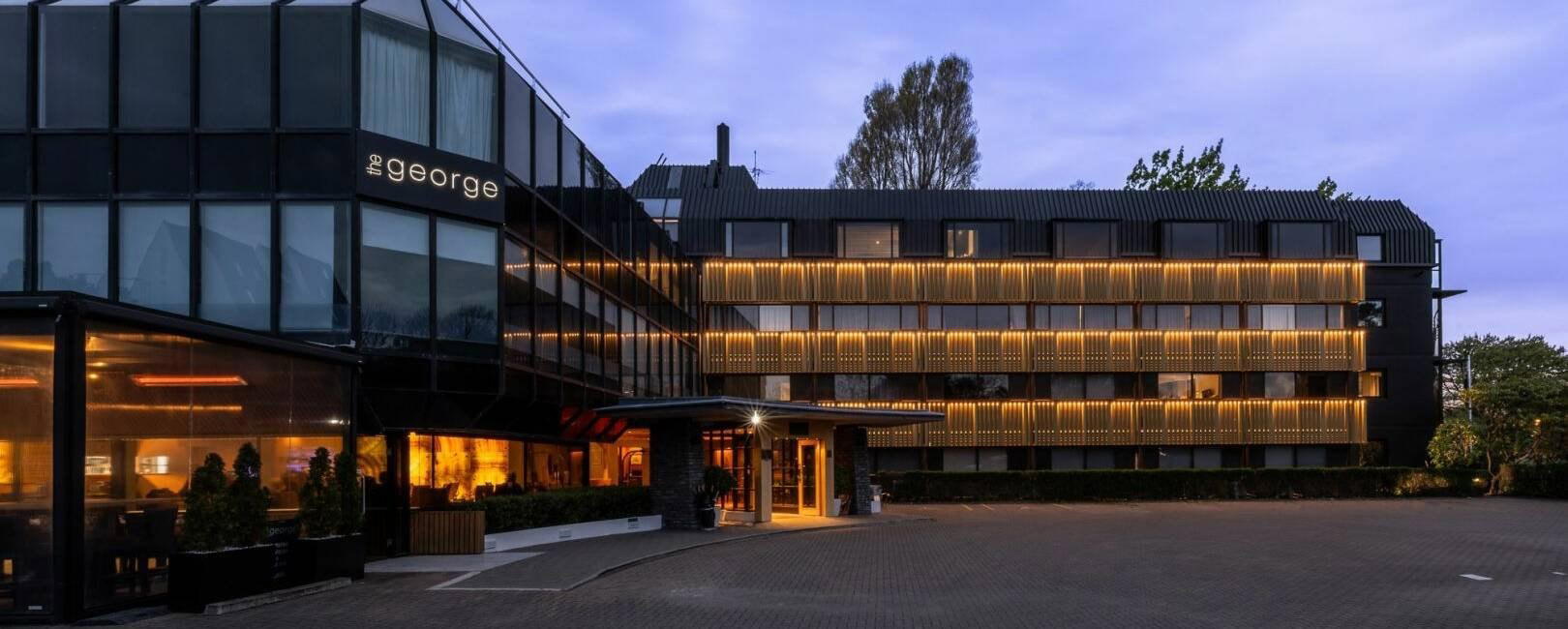
Wineries in Lyttelton
Browse all →
At a Glance
- Intimate
- Rustic
- Cozy
- Special Occasion
- Open Kitchen
- Farm To Table
- Local Sourcing
- Biodynamic
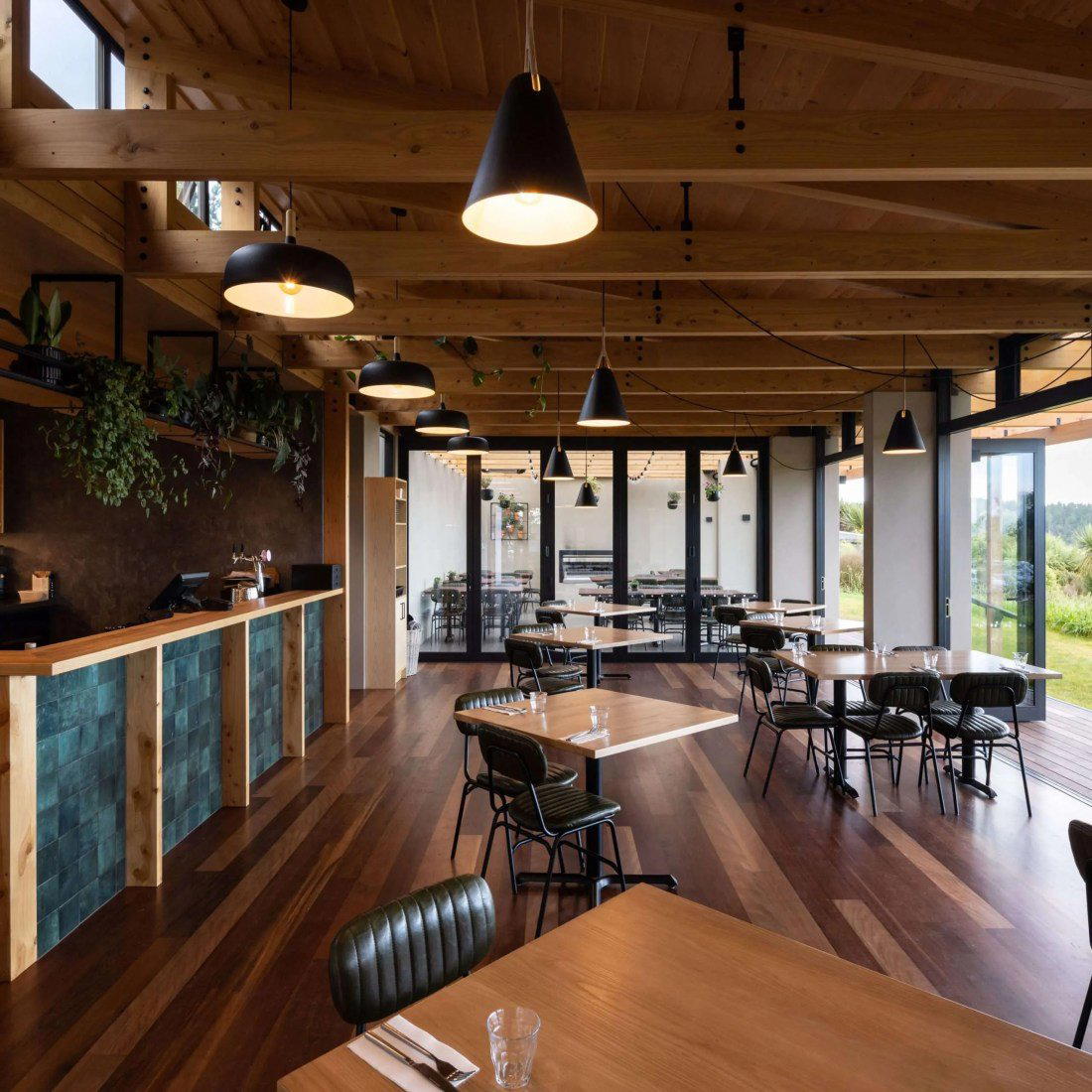
Intimate and rustic atmosphere focused on high-quality, sustainable produce in a cozy setting.