MAPU Test kitchen
A test kitchen format on London Street in Lyttelton, MAPU sits within one of New Zealand's most ingredient-conscious dining communities, where proximity to Canterbury's farms, fishing grounds, and artisan producers shapes what ends up on the plate. The test kitchen model signals an evolving menu rather than a fixed one, placing MAPU in a category where the sourcing story often changes faster than the printed menu can keep up.
Pearl is the En Primeur Club membership app — saves, bookings, and concierge access live there. Same editors, same standards.
- Address
- 8A London Street, Lyttelton 8082, New Zealand
- Website
- mapu.co.nz
 Saves & bookings on Pearl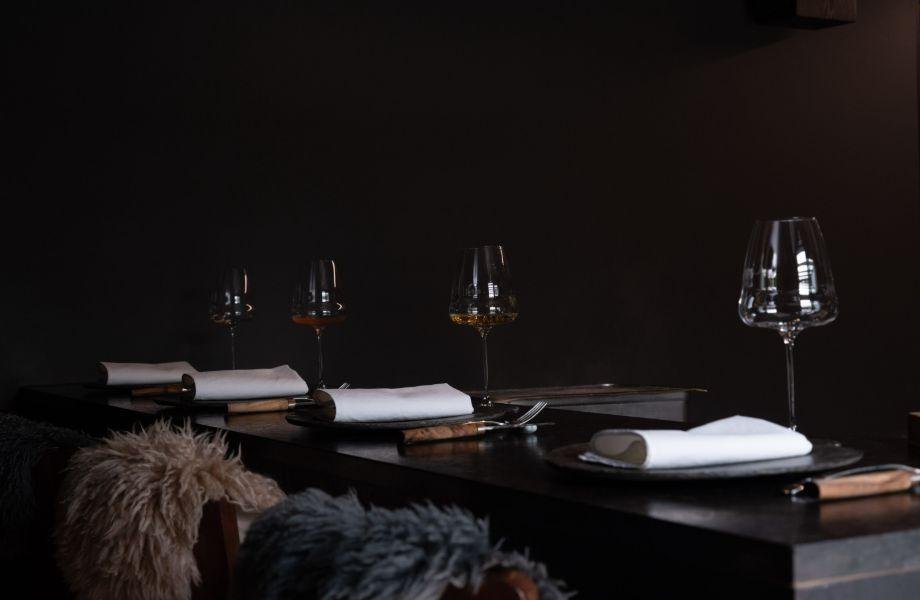
London Street, Where the Harbour Meets the Kitchen
Lyttelton is not a dining suburb that arrived at its reputation quietly. The port town on the other side of the Port Hills from Christchurch has, over the past decade, developed a food culture disproportionate to its population, built on the logic that proximity to the sea, the Canterbury Plains, and a tight community of growers and fishers creates conditions that larger, more polished cities can rarely replicate. London Street, which runs through the commercial heart of the village, is the axis of that scene. At 8A, MAPU Test Kitchen is an experimental molecular fusion restaurant at 8A London Street, Lyttelton 8082, New Zealand.
That framing matters. In New Zealand's South Island dining world, test kitchens occupy a different position than they do in, say, a major metropolitan market. Here, the seasonal pressure is real rather than performative. Canterbury's growing calendar is short and distinct; the waters around Banks Peninsula move with the seasons; and the growers supplying serious kitchens tend to operate at small enough scale that supply genuinely dictates the menu. A test kitchen in this context is less a marketing concept and more a structural honesty about how ingredient-led cooking actually works. For reference, see how Roots Restaurant, also on London Street, has built a sustained reputation precisely by letting its supply chain set the terms of the menu rather than the other way around.
The Ingredient Logic Behind the Format
New Zealand's premium dining conversation has increasingly centred on provenance, not as a talking point, but as a structural feature of how kitchens operate. Venues like Amisfield in Queenstown and Kika in Wānaka have built recognisable identities around Central Otago's specific terroir and growing conditions. In the South Island's top tier, the food on the plate is increasingly inseparable from the region's geography. Lyttelton sits within that same logic, but with a different set of inputs: Banks Peninsula seafood, Canterbury lamb, market gardens in the valley behind the hills, and a local producer network that has grown steadily since the 2011 earthquake prompted a broader rethink of what the town could be.
A test kitchen format in this environment serves a specific editorial purpose in how the kitchen presents itself. It signals that what arrives on the table on any given night is shaped by what was harvested, landed, or delivered that week rather than by a menu engineered months in advance. This is a meaningful distinction from the fixed-format dining experience common at more established South Island properties. The Canterbury region's coastal and agricultural rhythm means that a kitchen willing to move with that rhythm will, in practice, serve food that reflects the season more directly than one working from a printed, season-spanning menu.
For diners who have experienced this model elsewhere, at tasting-menu driven formats in Auckland like Cornelia in Auckland or in the wine-country dining rooms of Amisfield Restaurant and Cellar Door in Lake Hayes, the test kitchen proposition at MAPU will feel familiar in structure, if different in character. The Lyttelton setting brings a port-town directness that the more resort-adjacent South Island venues tend not to have.
Lyttelton in the New Zealand Dining Map
For those coming from Christchurch, a 12-minute drive through the Lyttelton Tunnel or a longer but more scenic route over the Dyers Pass Road, London Street functions as a genuine destination rather than a stopover. The town's post-earthquake recovery produced a food and hospitality culture that skews independent and producer-connected, characteristics that have become more pronounced over time rather than less. It is a different proposition from the Wellington dining scene, where venues like Chameleon Restaurant in Wellington Central and Field and Green in Te Aro operate within a larger urban hospitality ecosystem, or from Napier's food corridor, where Bistronomy and Vinotech in Napier South and Indigo in Napier serve a wine-country visitor base.
Lyttelton's scale is smaller, its dining scene more concentrated, and its identity more clearly tied to the harbour and the hills. Internationally, the comparison would be to port-adjacent small towns in which geography and a working waterfront have shaped a food culture that larger cities look to rather than the reverse, a dynamic that plays out in fishing communities from coastal Scandinavia to the southern Italian coast. The test kitchen model fits that kind of place well, because the ingredient story is genuinely local in a way that can't easily be replicated elsewhere.
Planning a Visit
MAPU Test Kitchen is located at 8A London Street, Lyttelton 8082, a short walk from the main London Street strip and straightforwardly reachable from central Christchurch via the tunnel. MAPU Test Kitchen is appointment only and opens Monday, Tuesday, Friday, and Saturday from 12:30 to 11 PM, with Wednesday, Thursday, and Sunday closed. Lyttelton rewards an evening visit, when the harbour light changes and the village quiets from its daytime activity. Pairing a meal here with a broader exploration of the town's dining scene, including Roots Restaurant a few doors down, makes the trip from Christchurch worth the short commute in either direction. For those building a wider South Island itinerary, Aosta in Arrowtown and Aro Ha Wellness Retreat in Glenorchy represent the further south end of serious ingredient-focused dining.
In Context: Similar Options
Comparable venues nearby, for context on price, style, and recognition.
| Venue | Cuisine | Price | Awards | Notes |
|---|---|---|---|---|
| MAPU Test kitchenThis venue — the venue you are viewing | Experimental Molecular Fusion | $$$$ | , | |
| Roots Restaurant | Seasonal New Zealand Fine Dining | $$$ | , | Lyttelton |
| Pedro's House of Lamb | New Zealand Roast Lamb | $$ | , | Merivale |
| Blue on Franklin | Modern New Zealand / Wine Bar | $$ | , | Ponsonby |
| Riverstone Kitchen | New Zealand Farm-to-Table | $$$ | , | Waitaki Bridge |
| Chameleon Restaurant | Contemporary New Zealand | $$$ | , | Wellington Central |
Continue exploring
More in Lyttelton
Restaurants in Lyttelton
Browse all →
Bars in Lyttelton
Browse all →
At a Glance
- Intimate
- Hidden Gem
- Elegant
- Sophisticated
- Special Occasion
- Date Night
- Celebration
- Open Kitchen
- Chefs Counter
- Standalone
- Sommelier Led
- Farm To Table
- Local Sourcing
- Organic
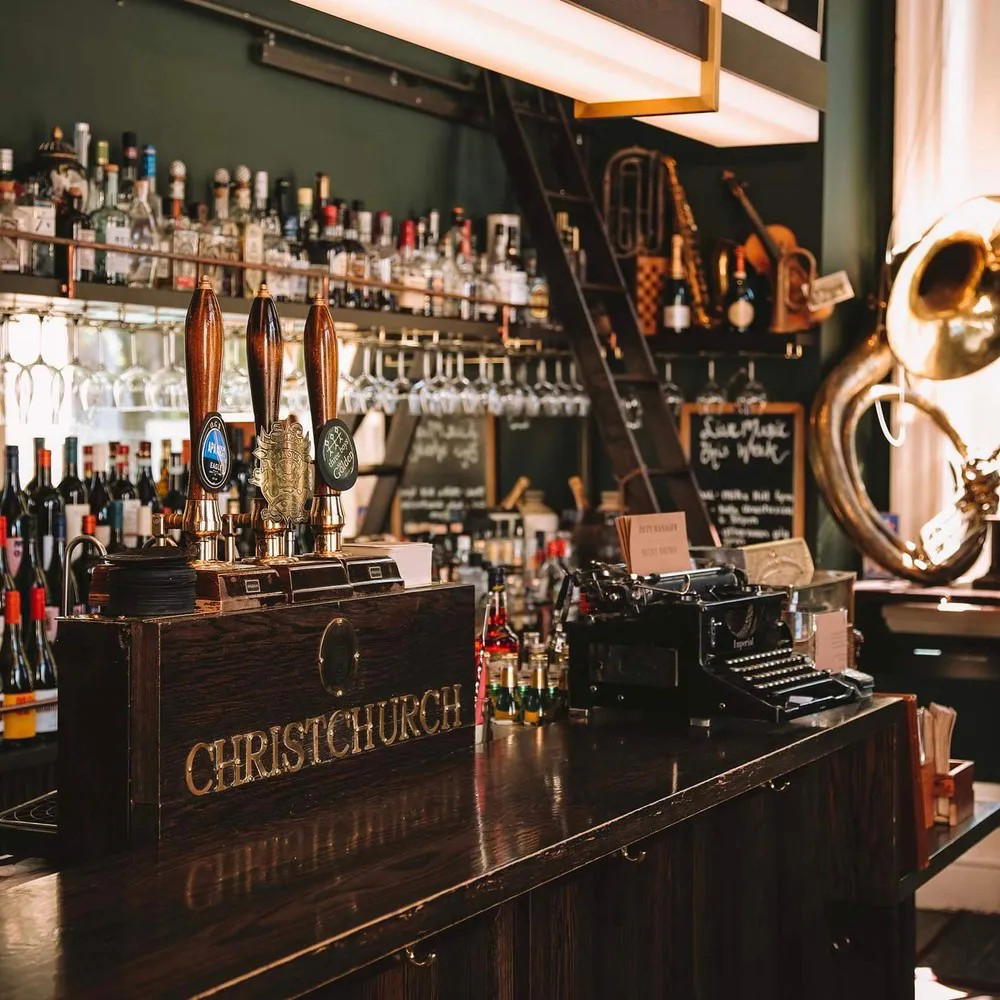
Intimate bar seating with six high stools arranged around a counter in a hidden alleyway location, creating an exclusive and immersive culinary laboratory atmosphere where diners engage directly with the chef.