Roost
Our verdict
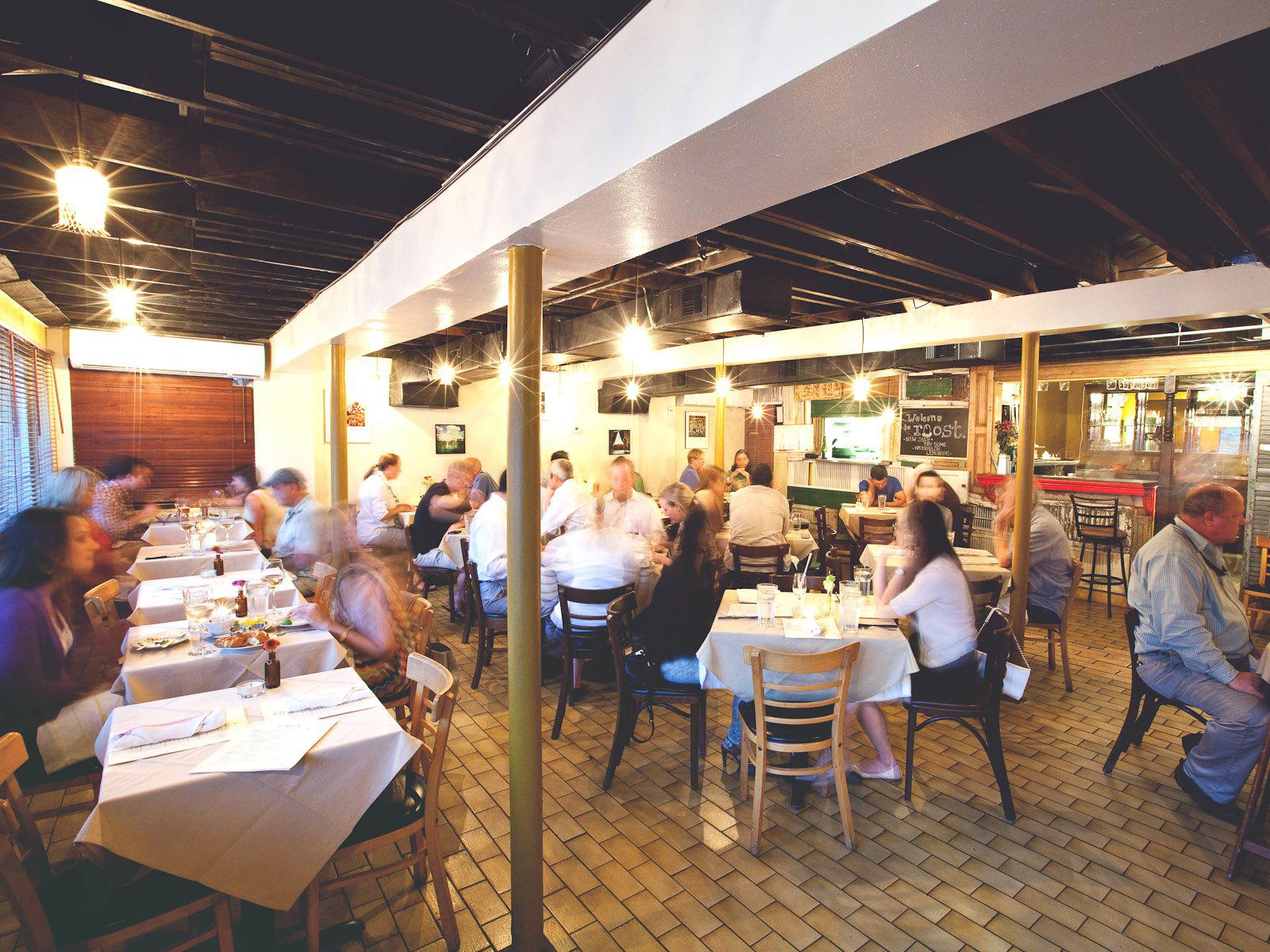
On a residential stretch of Montrose, Roost operates in the register Houston does well but rarely gets credit for: neighborhood-scale cooking where local sourcing meets technique borrowed from further afield. The address on Fairview Street puts it inside one of the city's most food-literate ZIP codes, surrounded by residents who eat out frequently and have opinions about it.

Pearl is the En Primeur Club membership app — saves, bookings, and concierge access live there. Same editors, same standards.
- Address
- 1972 Fairview St, Houston, TX 77019
- Phone
- (713) 523-7667
- Hours
- Mon–Sat 4–10 PMSun Closed
- Website
- iloveroost.com
- Directions
- Get directions
- Booking
- Book on OpenTable
Montrose and the Cooking That Happens Between the Headlines
Houston's most talked-about dining tends to cluster around a handful of showroom addresses: the River Oaks corridor, downtown hotel towers, the Galleria perimeter. Montrose operates differently. The neighborhood runs on a denser, more habitual rhythm of eating out, where the regulars arrive on weekday evenings without reservations and the kitchen knows what the neighborhood wants before it asks. Roost, on Fairview Street in the heart of that grid, belongs to this tradition rather than to the trophy-restaurant circuit. That positioning matters when you're deciding where to spend a Tuesday in Houston versus where to go when visiting from out of town to tick boxes.
The broader pattern Roost fits into is one of America's more interesting mid-format dining categories: the serious neighborhood restaurant that doesn't pursue Michelin recognition but earns loyalty through consistency and a clear point of view on ingredients. Comparable restaurants in other cities, places like Lazy Bear in San Francisco or Smyth in Chicago, have formalized that ethos into tasting menus and national press cycles. Roost keeps the format accessible. That is a deliberate trade-off, not an oversight.
Where Local Product Meets Imported Method
Texas gives any serious cook a compelling raw material argument. The Gulf Coast produces shellfish at a quality that competes with anything from the Pacific Northwest. Hill Country ranchers have spent two decades building grass-finished beef programs that attract chefs from outside the state. The Rio Grande Valley grows citrus and produce that arrives in Houston faster than it reaches Chicago or New York. What separates kitchens in Houston's better restaurants is not access to this supply chain, which nearly everyone shares, but what technique gets applied to it once it arrives.
The editorial angle worth applying to Roost is this intersection of local product and method borrowed from elsewhere. Houston's dining scene has absorbed culinary training from French kitchens, Japanese technique, and regional American traditions in a way that few mid-sized American cities can match. Restaurants like Le Jardinier Houston apply vegetable-forward French modernism to Gulf-region produce. Musaafer brings Indian regional cooking into dialogue with Texas ingredients. March uses Venetian frameworks as a lens for Gulf seafood. The pattern is consistent across Houston's more ambitious addresses: imported grammar, local vocabulary.
Roost participates in that pattern at a neighborhood scale. The cooking draws on technique that would be legible in kitchens from Le Bernardin in New York City to Providence in Los Angeles, applied to ingredients sourced from the Texas supply chain that any Montrose kitchen can access. The result is food that feels local without being parochial, and practiced without being showy.
The Montrose Context
Fairview Street sits in a section of Montrose that has held its character through several cycles of Houston development. The neighborhood is walkable by Houston standards, densely residential, and populated by a demographic that has developed real opinions about food over two decades of eating at the restaurants that have come and gone along this corridor. That audience is a useful pressure test for any kitchen: regulars who notice when something changes and will say so.
For visitors arriving from outside the city, Montrose is worth understanding as a counterpoint to Houston's more polished dining districts. Where River Oaks runs toward formal and architecturally deliberate restaurant spaces, Montrose favors converted houses, narrow dining rooms, and the kind of intimacy that comes from smaller seat counts and kitchens that can see the room. This is where Houston's more locally oriented food writers tend to eat on their own time, away from the opening-night circuit.
The Houston restaurants that sit closest to Roost in format and ambition include Tatemó for its commitment to sourcing discipline and technique depth at a neighborhood scale, and BCN Taste & Tradition for its willingness to apply rigorous culinary tradition without the ceremony that usually accompanies it in larger markets. All three occupy a tier that Houston does not always promote loudly but that rewards the traveler who digs into our full Houston restaurants guide before arriving.
The Broader Frame: American Kitchens Doing This Well
The model Roost represents, serious cooking at neighborhood scale with a sourcing commitment that punches above its price tier, is one that American restaurants have refined over the past fifteen years. Blue Hill at Stone Barns in Tarrytown formalized the farm-to-table argument at the luxury end. Single Thread Farm in Healdsburg applied Japanese kaiseki discipline to Northern California's agricultural calendar. Addison in San Diego and The Inn at Little Washington demonstrate that American fine dining can carry real regional identity without losing precision. At the other end of the format spectrum, Emeril's in New Orleans spent years proving that Southern ingredients and classical technique could coexist without either compromising the other.
Internationally, restaurants like Atelier Moessmer Norbert Niederkofler in Brunico and Atomix in New York City have made the case that the most rigorous sourcing commitments produce the most interesting cooking, regardless of format or scale. Roost participates in that same argument, at a quieter register, in a neighborhood that has been making that case on its own terms for years.
Planning Your Visit
Roost sits at 1972 Fairview Street in Montrose, accessible from most central Houston neighborhoods without requiring a highway trip. Parking in Montrose follows the standard neighborhood pattern: street parking on Fairview and adjacent blocks is available but requires patience during peak dinner hours. The format and booking policy are best confirmed directly with the venue before arrival, as neighborhood restaurants at this scale frequently run a mix of reservations and walk-in availability depending on the day of the week. If your visit to Houston is structured around a sequence of meals, this address pairs logically with an earlier stop at one of the Montrose corridor's more casual options, leaving Roost for the main event.
Frequently asked questions
What should I eat at Roost?
Roost operates in the intersection of local Texas sourcing and technique drawn from broader American and European cooking traditions. The Gulf Coast and Hill Country supply chains that Houston's better kitchens share give the menu a distinctly regional grounding, so dishes built around Gulf shellfish or Texas-raised proteins are the logical starting point. For current menu specifics, contacting the restaurant directly will get you the most accurate picture of what is rotating through the kitchen at any given time.
Do they take walk-ins at Roost?
Walk-in availability at Roost depends on the evening and how the reservation book looks on a given night. Neighborhood restaurants in Montrose tend to be more walk-in friendly on weeknights than Friday and Saturday, when the dining room fills earlier. If your Houston itinerary is flexible, arriving before peak dinner service improves your odds considerably. For a trip where the meal matters more than the spontaneity, a reservation confirmed in advance is the more reliable approach regardless of what the awards tier looks like.
What is Roost known for?
Roost is known within Houston's food-literate Montrose community as a neighborhood restaurant that takes its cooking more seriously than its format suggests. It is not a destination restaurant in the conventional sense but rewards visitors who prioritize cooking quality over ceremony.
How does Roost handle allergies?
Allergy handling at neighborhood restaurants in Houston varies considerably by kitchen size and staffing. The most dependable approach is to contact Roost directly before your visit and describe your specific dietary restrictions in detail. Houston's restaurant community has generally become more attentive to this in the past decade, particularly at kitchens where sourcing discipline extends to ingredient-level awareness, but confirming specifics in advance remains the only reliable way to manage a serious allergy at any restaurant in the city.
Is Roost a good option for a group dinner in Montrose?
Neighborhood-scale restaurants like Roost tend to have dining rooms built around tables of two to four, which means larger groups should confirm capacity and format before committing. Houston's Montrose corridor has several options for group dining, and the more intimate kitchens in the area, including Roost, are often better experienced in smaller configurations where the cooking gets the attention it deserves. Reaching out to the venue directly with your group size will clarify whether the room and menu format are suited to your plans.
The Minimal Set
Comparable venues nearby, for context on price, style, and recognition.
| Venue | Cuisine | Price | Notes |
|---|---|---|---|
| RoostThis venue — the venue you are viewing | Contemporary American Gastropub | $30–50 | Not listed |
| Brasil | American Cafe | $20–30 | Montrose, American Cafe |
| Canopy | American Gastropub with Craft Cocktails | Not listed | Museum District, American Gastropub with Craft Cocktails |
| Beaver's West | Barbecue-Infused Southern Comfort | Not listed | Briargrove, Barbecue-Infused Southern Comfort |
| Cutten Kitchen | Southern Soul Food | $20–30 | Willowbrook, Southern Soul Food |
Continue exploring
More in Houston
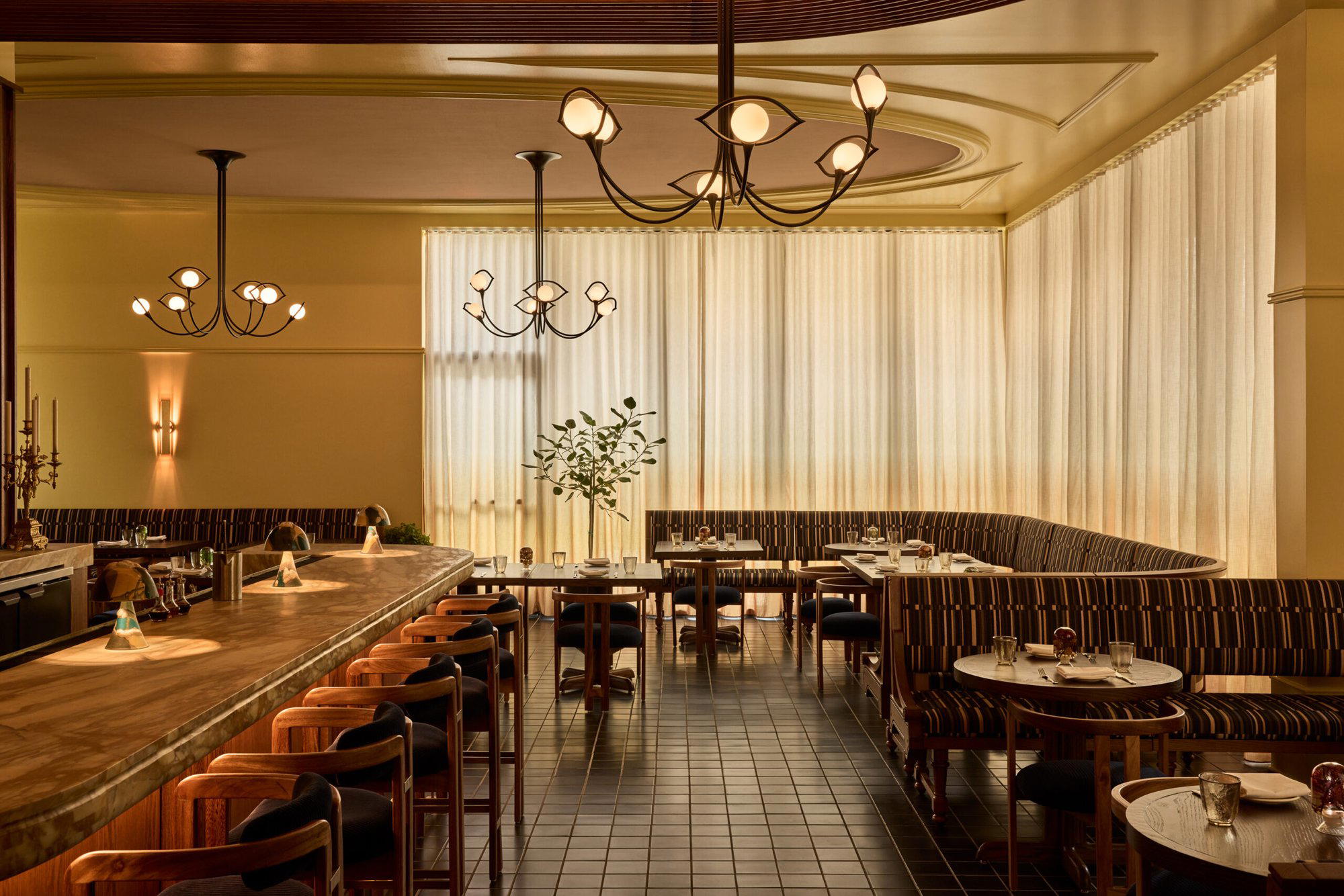
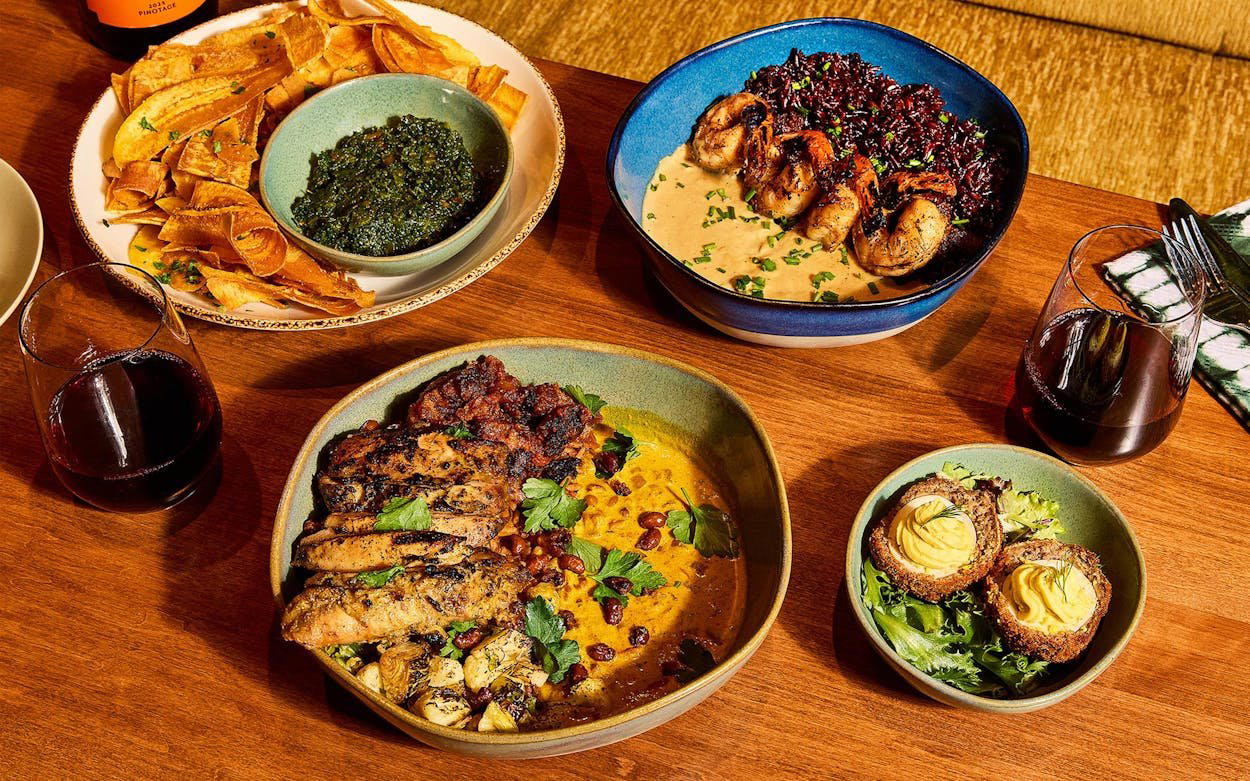
Restaurants in Houston
Browse all →
Bars in Houston
Browse all →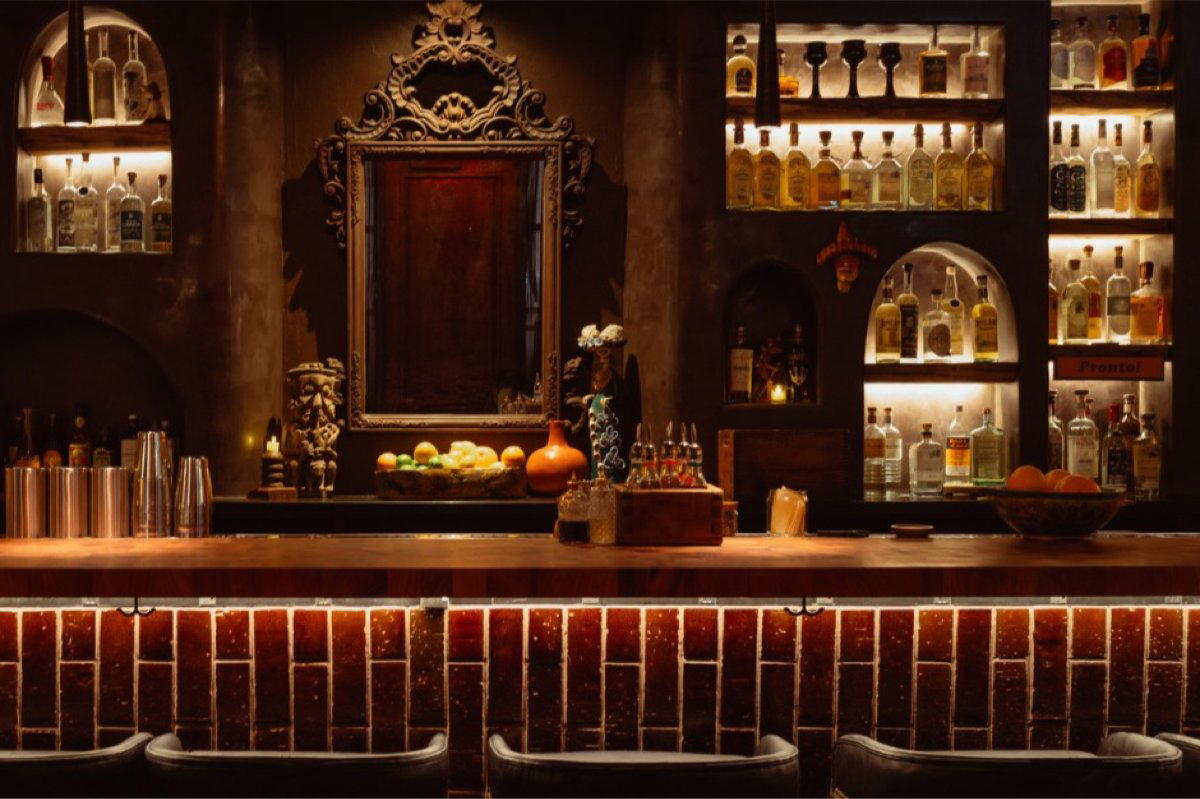
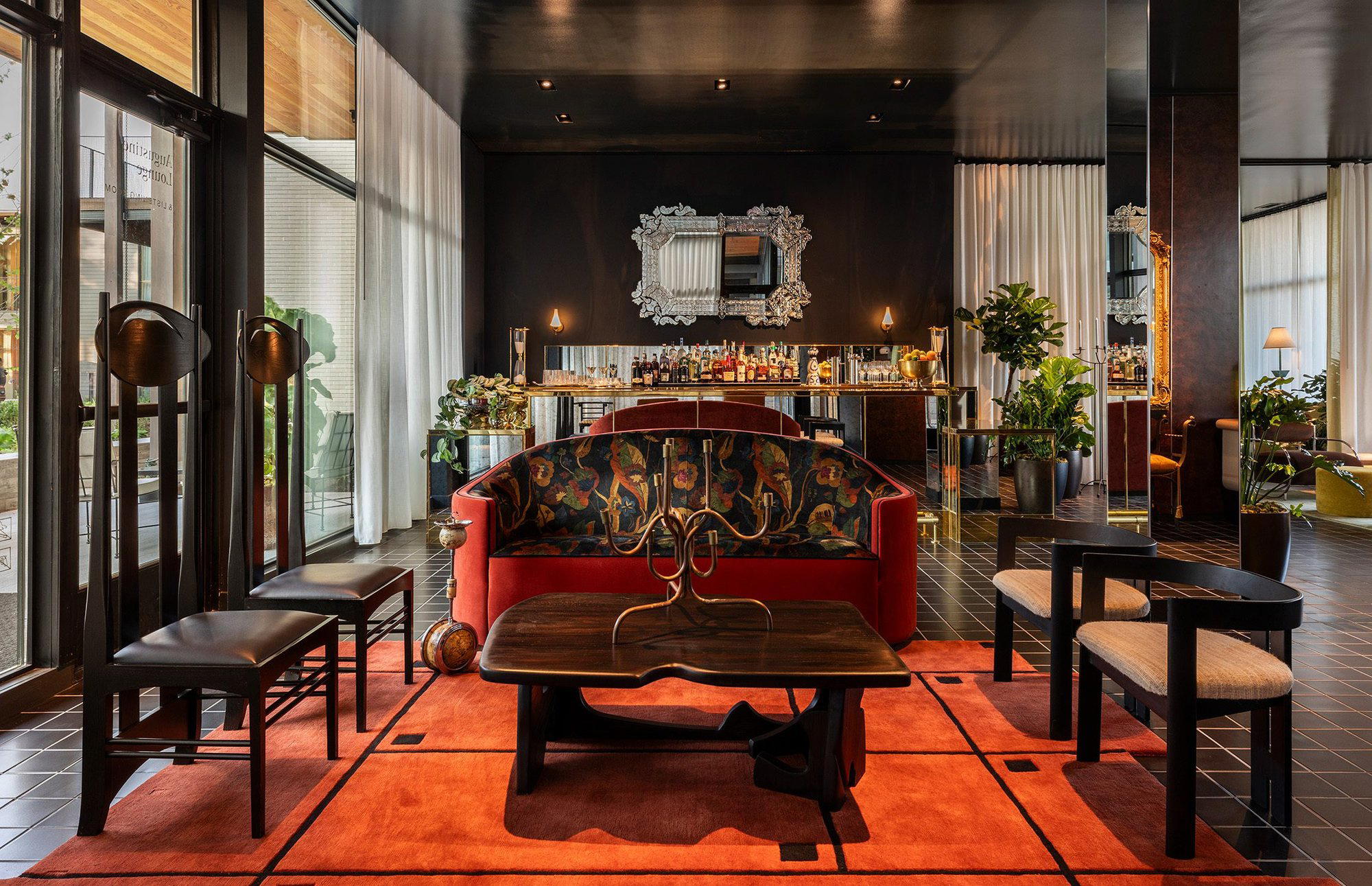
Hotels in Houston
Browse all →

Details
- Cozy
- Rustic
- Intimate
- Modern
- Date Night
- Business Dinner
- Casual Hangout
- Open Kitchen
- Private Dining
- Farm To Table
- Local Sourcing
- Small Plates
- A La Carte
- Wine
- Beer
- Vegetarian Friendly
- Gluten Free Options
Current opening hours
- Monday
- 4–10 PM
- Tuesday
- 4–10 PM
- Wednesday
- 4–10 PM
- Thursday
- 4–10 PM
- Friday
- 4–10 PM
- Saturday
- 4–10 PM
- Sunday
- Closed
Hours can change for holidays and private events. Last verified .
Warm, cozy, and unpretentious neighborhood-bistro atmosphere with rustic shutters, chalkboards, fresh flowers, and an open kitchen.