Canopy
Our verdict
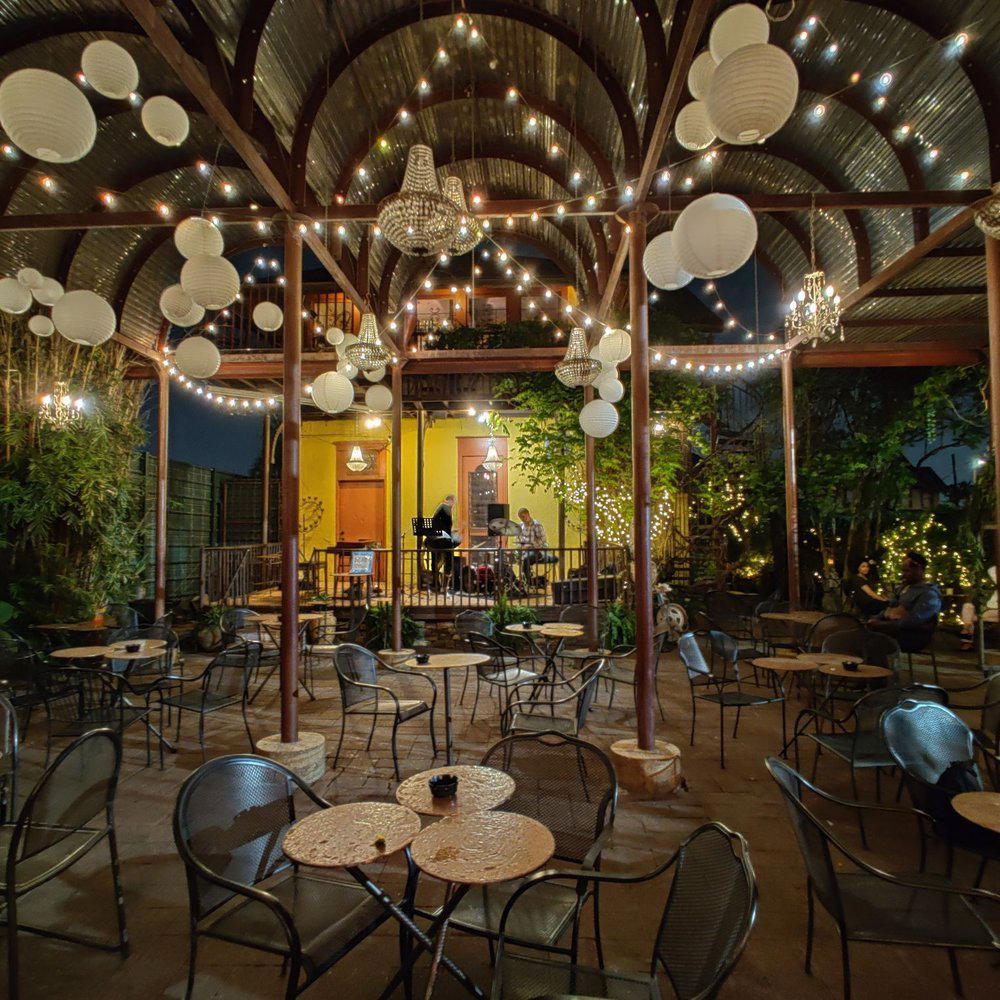
On Montrose Boulevard, Canopy occupies a stretch of Houston where ingredient provenance has become the defining conversation. The kitchen frames its cooking around where food comes from and why that sourcing decision shapes what arrives at the table, a sensibility that places it alongside the city's most considered dining options. Reservations are advised for weekend sittings.
The menu
What to order
- Craft Cocktails
- Omelette
- Breakfast Pizza
Montrose and the Sourcing Conversation
Montrose Boulevard runs through one of Houston's most culinarily self-aware corridors, where the question of where ingredients come from has shifted from niche concern to central editorial claim. That shift has been gradual but durable: over the past decade, a cohort of Houston kitchens moved away from European-derived menus defined by technique alone and toward programs where the supply chain itself becomes a kind of argument. Canopy, at 3939 Montrose Blvd, sits inside that conversation. The address alone signals something about positioning: this is a neighbourhood where diners have already been educated by adjacent operators, and where a kitchen that takes sourcing seriously will be read as such rather than dismissed as a marketing posture.
Houston's dining scene is often discussed through the lens of its international scope, and that scope is genuine, carried by Musaafer at the Indian end and March at the Venetian tasting-menu tier, but the parallel story is a localist one. A smaller group of kitchens has spent years building relationships with Gulf Coast fishers, Texas ranchers, and regional growers, and the output of those relationships shows up not in press releases but in what actually arrives at the table across different seasons. Canopy belongs to that smaller, less-advertised cohort.
What Ingredient Sourcing Actually Means Here
The phrase "farm-to-table" has been so thoroughly diluted by casual-dining marketing that it barely communicates anything anymore. What matters, in practice, is whether a kitchen's sourcing decisions create genuine menu constraints, whether the cooking is actually shaped by what's available rather than what's convenient. The distinction shows in seasonal variation, in the willingness to work with underused cuts or less photogenic produce, and in the degree to which the menu reads differently in February than it does in September.
Gulf Coast sourcing carries its own logic. The Texas Gulf offers redfish, flounder, gulf shrimp, and blue crab across shifting seasonal windows, and a kitchen that tracks those windows will produce food that a kitchen ordering from a national broadline distributor simply cannot replicate. The same applies on the land side: Texas grows a range of heirloom vegetables and heritage-breed livestock that rarely appear in national supply chains but are accessible to kitchens with established direct relationships. When those relationships are in place, the menu becomes a record of regional agricultural time rather than a static list of globally available ingredients. This is the premise that programs like Canopy's operate from, and it's a premise with real consequences for what the diner experiences across different visits.
For context on how this approach plays out at the highest tier nationally, Blue Hill at Stone Barns in Tarrytown and Single Thread Farm in Healdsburg have set the structural model: the farm or the sourcing network precedes the menu rather than following it. Houston hasn't produced a direct analogue at that scale, but Canopy operates from a compatible premise at a more accessible price point and format.
Where Canopy Sits in the Houston Field
Houston's restaurant field in 2024 is genuinely competitive at the considered-dining tier. BCN Taste & Tradition holds the Spanish end with serious technical conviction. Tatemó has built one of the city's most discussed masa-focused programs, with sourcing decisions that extend to the corn itself, a level of supply-chain integration that sets a useful benchmark for what ingredient provenance can mean in practice. Le Jardinier Houston occupies the French-inflected vegetable-forward tier with a different set of sourcing priorities but a comparable level of intentionality.
It is not competing with the downtown tasting-menu tier represented by March, nor is it pitching to the same demo as a fast-casual Montrose lunch spot. It occupies the middle ground where sourcing-conscious cooking meets a format that doesn't require a special-occasion rationale to visit. That's a useful position to hold in a city where diners are increasingly capable of distinguishing between genuine provenance commitments and decorative ones.
At the national level, the comparison set for this kind of kitchen would include Smyth in Chicago, Providence in Los Angeles, and Addison in San Diego, all kitchens where the sourcing framework is built into the structure of the menu rather than applied as a finishing narrative. Lazy Bear in San Francisco operates from a comparable ethos with a communal-table format that changes the social dynamic considerably. Canopy doesn't map precisely onto any of these, but the underlying sourcing logic connects them.
Seasonal Timing and When to Go
The Gulf Coast's culinary calendar moves differently from the agricultural rhythms that define sourcing-led kitchens in the Northeast or the Pacific Coast. Spring brings peak Gulf shrimp and the beginning of Texas's short-season vegetable window. Summer is intense, heat compresses the local produce offering, but Gulf fish and shellfish remain strong through August. Autumn opens up again: cooler nights extend the growing season, and game from Texas ranches begins to appear on sourcing-conscious menus. Winter is underrated for Gulf seafood, with oysters from the Texas coast hitting their leading condition between November and March.
A kitchen that tracks these windows will show meaningfully different food across those intervals, which means repeat visits carry more return than they would at a kitchen running a static menu. The spring-to-early-summer window and the late-autumn period are generally the strongest times to visit sourcing-led Texas restaurants, and that applies to Canopy's format as well.
Planning a Visit
Canopy is located at 3939 Montrose Blvd A in Houston's Montrose neighbourhood, accessible by car with street and nearby lot parking typical for the corridor. For Montrose restaurants at this positioning level, weekend reservations benefit from advance planning of at least one to two weeks, with Friday and Saturday evenings filling earliest. For diners coming from outside Houston, Canopy pairs logically with other Montrose-area dining and can anchor an evening in a neighbourhood with enough surrounding options to make an afternoon of it. Specific hours, booking method, and current menu details should be confirmed directly with the venue, as seasonal menu rotations mean the specifics shift across the year.
Frequently asked questions
What part of town is Canopy in?
Canopy is located at 3939 Montrose Blvd A, Houston, TX 77006, Houston.
How does Canopy fit into Houston's Montrose dining scene compared to other sourcing-focused restaurants?
Montrose Boulevard in Houston has become the city's clearest concentration of restaurants where ingredient sourcing shapes the menu rather than decorates it. What distinguishes Canopy's position is its specific focus on Gulf Coast seasonal rhythms, which differ from the agricultural calendars that drive sourcing-led kitchens in other U.S. regions.
What's the best thing to order at Canopy?
Canopy's menu is built around seasonal sourcing on the Gulf Coast, which means the strongest choices shift with what's available from regional producers. Dishes tied to that week's market haul tend to reflect the kitchen's philosophy most directly. Asking your server what arrived most recently is a reliable way to find what the kitchen is currently focused on.
Should I book Canopy in advance?
Canopy sits on Montrose Boulevard, one of Houston's more competitive dining corridors, and considered-dining spots at this address level tend to fill on weekends. Booking ahead, even a few days out, is advisable rather than counting on walk-in availability. Check the restaurant's current reservation status directly, as lead times can vary by season.
Can Canopy accommodate dietary restrictions?
Kitchens operating at Canopy's tier on Montrose Boulevard typically build menus with enough seasonal flexibility to accommodate common dietary needs, though the specifics depend on what's in rotation. check the venue's official channels before your visit to confirm how they handle restrictions like gluten-free, vegetarian, or allergy-driven requests. No formal policy is documented in available venue data.
Is a meal at Canopy worth the investment?
Canopy occupies a position in Houston's considered-dining tier, where the value case rests on ingredient quality and sourcing specificity rather than spectacle or celebrity pull. On Montrose Boulevard, that's a credible proposition, the corridor attracts kitchens that take provenance seriously. Whether the spend aligns with your expectations depends on how much weight you place on where food comes from versus plate volume or setting.
Peers in This Market
A quick snapshot of similar venues for side-by-side context.
| Venue | Cuisine | Price | Awards | Notes |
|---|---|---|---|---|
| CanopyThis venue (the venue you are viewing) | American Gastropub with Craft Cocktails | Not listed | Not listed | Not listed |
| Musaafer | Modern Indian Fine Dining | $100–150 | 1 Michelin Star | Indian |
| March | Modern Mediterranean Tasting | $200–300 | 1 Michelin Star · Star Wine List | Venetian |
| Nancy's Hustle | Modern American Bistro | $50–100 | Michelin Bib Gourmand | New American, Contemporary |
| Theodore Rex | Modern American Small Plates | $50–100 | Michelin Bib Gourmand · Resy Best of the Hit List | New American, Contemporary |
| Hidden Omakase | Modern Japanese Omakase | $150–200 | Michelin Plate | Sushi |