Cutten Kitchen
Cutten Kitchen operates on Farm to Market 1960 in Houston's northwest corridor, positioning itself within a city dining scene that has steadily moved local-ingredient sourcing from novelty to expectation. The kitchen applies considered technique to Gulf Coast and Texas-grown product, placing it in a tier of Houston restaurants where method matters as much as provenance. For northwest Houston, that combination is less common than it sounds.
Pearl is the En Primeur Club membership app — saves, bookings, and concierge access live there. Same editors, same standards.
- Address
- 6935 Farm to Market 1960 Rd W Suite D, Houston, TX 77069
- Phone
- +12819191093
- Website
- cuttenkitchen.com
- Directions
- Get directions
 Saves & bookings on Pearl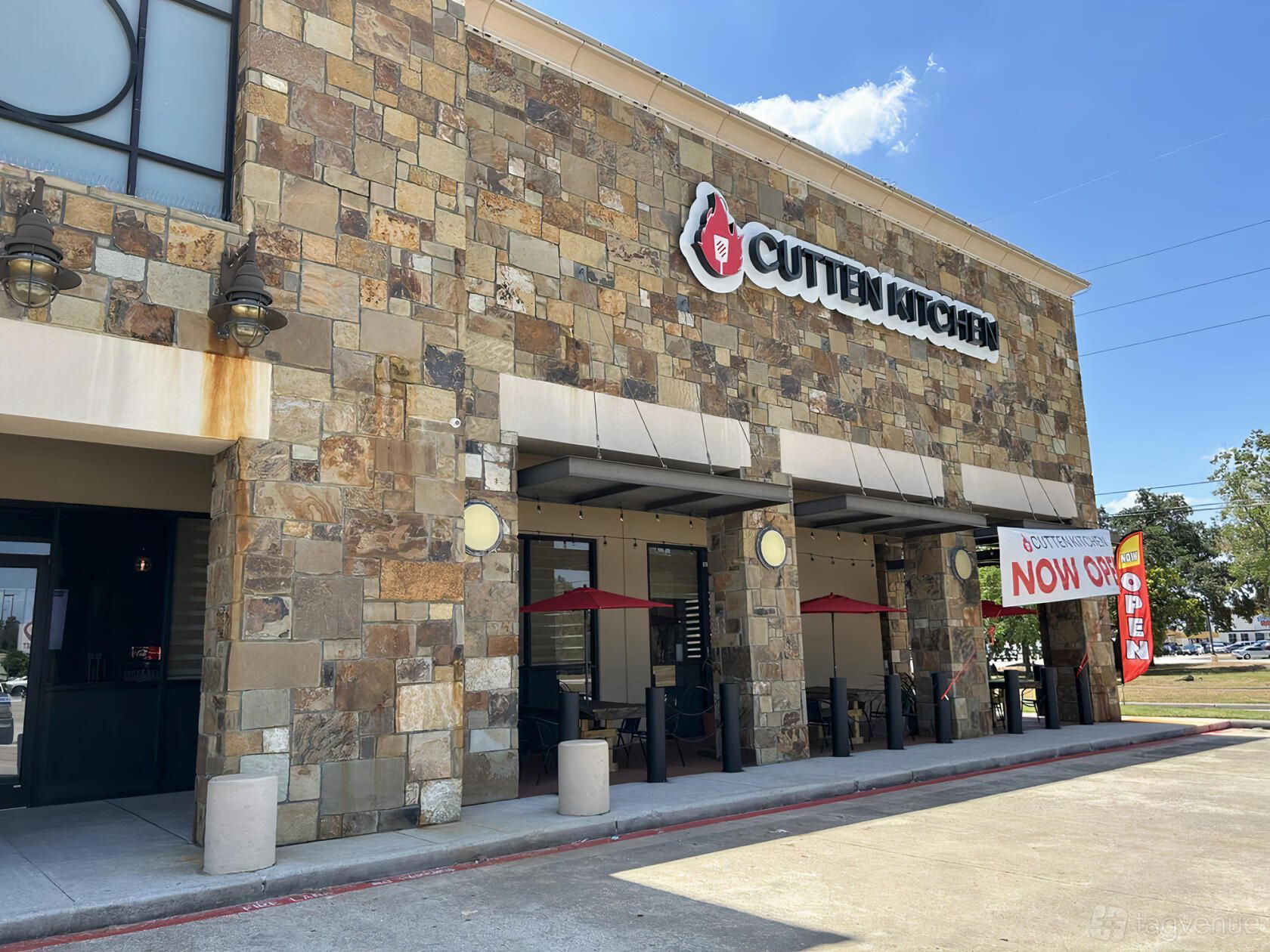
Northwest Houston and the Localist Turn
Houston's dining conversation tends to concentrate inside the Loop, where restaurants like March and Musaafer occupy the upper tier of price and press attention. But the city's northwest corridor, anchored along Farm to Market 1960, has quietly developed a range of independent kitchens that work closer to the suburban residential base they serve. Cutten Kitchen sits on that road, in a strip-suite format that is common to the area and offers none of the architectural theatre of a downtown destination. What the address does offer is proximity to a community that eats out regularly and, increasingly, with preference for sourcing transparency and kitchen craft over name-brand spectacle.
The broader shift this reflects is not unique to Houston. Across American cities, a cohort of mid-sized independent restaurants has moved away from import-dependent menus toward product that is Gulf-caught, ranch-raised in Texas, or grown within a short supply radius. The technique applied to that product, however, is often classically trained and internationally informed, producing a tension between the local and the learned that defines some of the more interesting cooking in the country. Blue Hill at Stone Barns built an entire identity around that premise at the upper end of the price spectrum. At the community-restaurant level, the same logic plays out with less ceremony and more frequency.
Technique Meets Texas Provenance
The editorial angle that defines kitchens like Cutten Kitchen is the intersection of imported culinary method and indigenous Texas product. Gulf Coast seafood, Hill Country game, Rio Grande Valley citrus, and East Texas produce give Houston kitchens a larder that is both distinct and seasonally demanding. The discipline required to cook Gulf shrimp or redfish with the same attention to texture and temperature that a French-trained line applies to sole or turbot is real, and the restaurants that manage it well occupy a different category than those that treat local sourcing as a marketing statement rather than a kitchen commitment.
This approach has precedent at the high end of American fine dining. Single Thread Farm in Healdsburg built its reputation around the integration of on-site agriculture with refined Japanese technique. Smyth in Chicago applies fermentation and preservation methods to Midwestern product in ways that extend seasonal availability without compromising ingredient integrity. In Houston, Tatemó does something analogous with masa and Mesoamerican grain tradition. The principle scales across price points: what changes is the format and the investment per cover, not the underlying logic of matching technique to territory.
At Cutten Kitchen's Farm to Market 1960 address, the context is practical rather than destination-oriented. The suite-format location signals a kitchen focused on output and neighborhood regulars rather than on a designed arrival sequence. That is not a criticism of the approach; some of the most consistent cooking in any city happens in spaces that put nothing into the room and everything into the plate. The question for any kitchen operating in this format is whether the discipline holds across service, and whether the sourcing claims are substantiated by what arrives at the table.
Where Cutten Kitchen Sits in Houston's Broader Scene
Houston is a city with a dining range that runs from Michelin-adjacent tasting menus to extraordinary value in its Vietnamese, Mexican, and South Asian corridors. The restaurants that occupy the middle tier, what might be called the serious-but-accessible bracket, compete on craft, consistency, and a clear point of view about what they are cooking and why. BCN Taste and Tradition holds that position in Spanish cuisine. Le Jardinier Houston occupies it in French-inflected vegetable-forward cooking. Cutten Kitchen's Farm to Market 1960 address places it in northwest Houston's version of this bracket, serving a part of the city that has fewer options at this level of kitchen seriousness.
For context on what the local-technique intersection can look like at the highest price points, restaurants like Le Bernardin in New York City, Providence in Los Angeles, and Addison in San Diego demonstrate how regional seafood and produce can anchor menus that command significant cover charges when the technique is calibrated at that level. The French Laundry in Napa and The Inn at Little Washington show how deep regional-sourcing programs can go when a kitchen commits to them over decades. Cutten Kitchen operates at a different scale and price register, but the animating question is the same: what does technique do to local product, and does the answer justify the trip?
Internationally, the local-technique model has produced some of the most discussed restaurants of the past decade. Atelier Moessmer Norbert Niederkofler in Brunico built its reputation on Alpine product read through fine-dining method. Atomix in New York City applies Korean culinary tradition to an omakase format that draws on local and imported product simultaneously. The point is not that Cutten Kitchen belongs in that conversation by credential, but that the approach it likely takes, local Texas product handled with care, is a serious one with serious precedents at multiple price tiers. For Houston's northwest, the availability of a kitchen working in that register is worth noting.
Planning a Visit
Cutten Kitchen is located at 6935 Farm to Market 1960 Road West, Suite D, Houston, TX 77069. The suite format and northwest location mean this is a drive or rideshare destination rather than a walk-in from a hotel district. For visitors staying inside the Loop and exploring Houston's full dining range, a session with our full Houston restaurants guide will help map the city's neighborhoods and price tiers before committing to a specific evening. For context on what comparable kitchen ambitions look like at different formats and prices, Lazy Bear in San Francisco and Emeril's in New Orleans illustrate how regional-product programs translate across casual and formal registers.
| Venue | Cuisine Tier | Price Range | Format | Location Type |
|---|---|---|---|---|
| Cutten Kitchen | Mid-tier independent | Not published | Neighborhood kitchen | Strip suite, NW Houston |
| March | Fine dining | $$$$ | Tasting menu | Uptown Houston |
| Nancy's Hustle | Casual-serious | $$ | A la carte | East End |
| Theodore Rex | Contemporary mid-tier | $$$ | A la carte | Midtown |
| Hidden Omakase | Fine dining | $$$$ | Counter omakase | Inner Loop |
Continue exploring
More in Houston
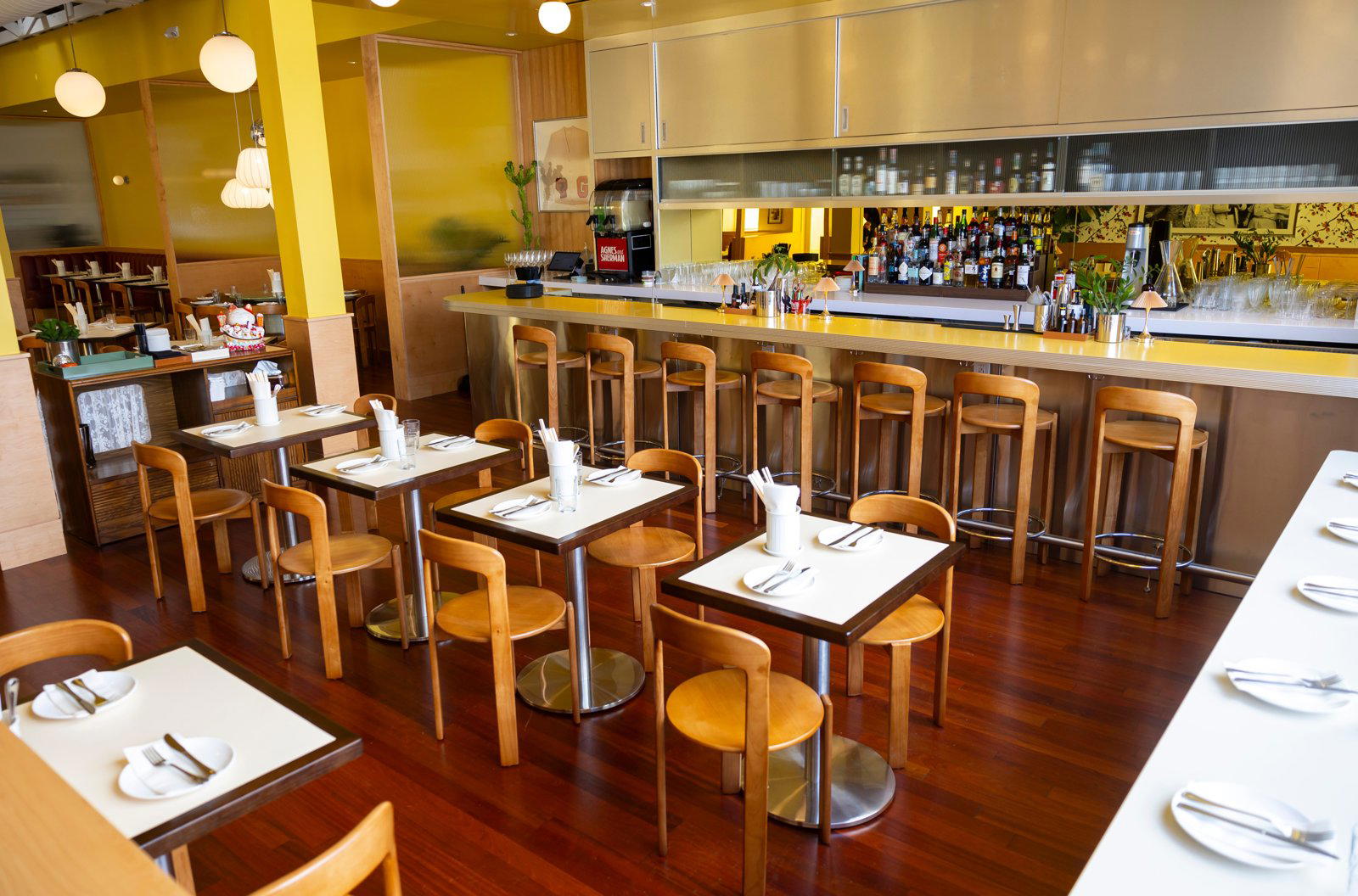
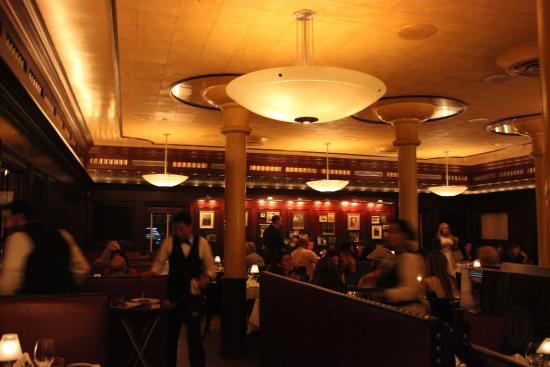
Restaurants in Houston
Browse all →
Bars in Houston
Browse all →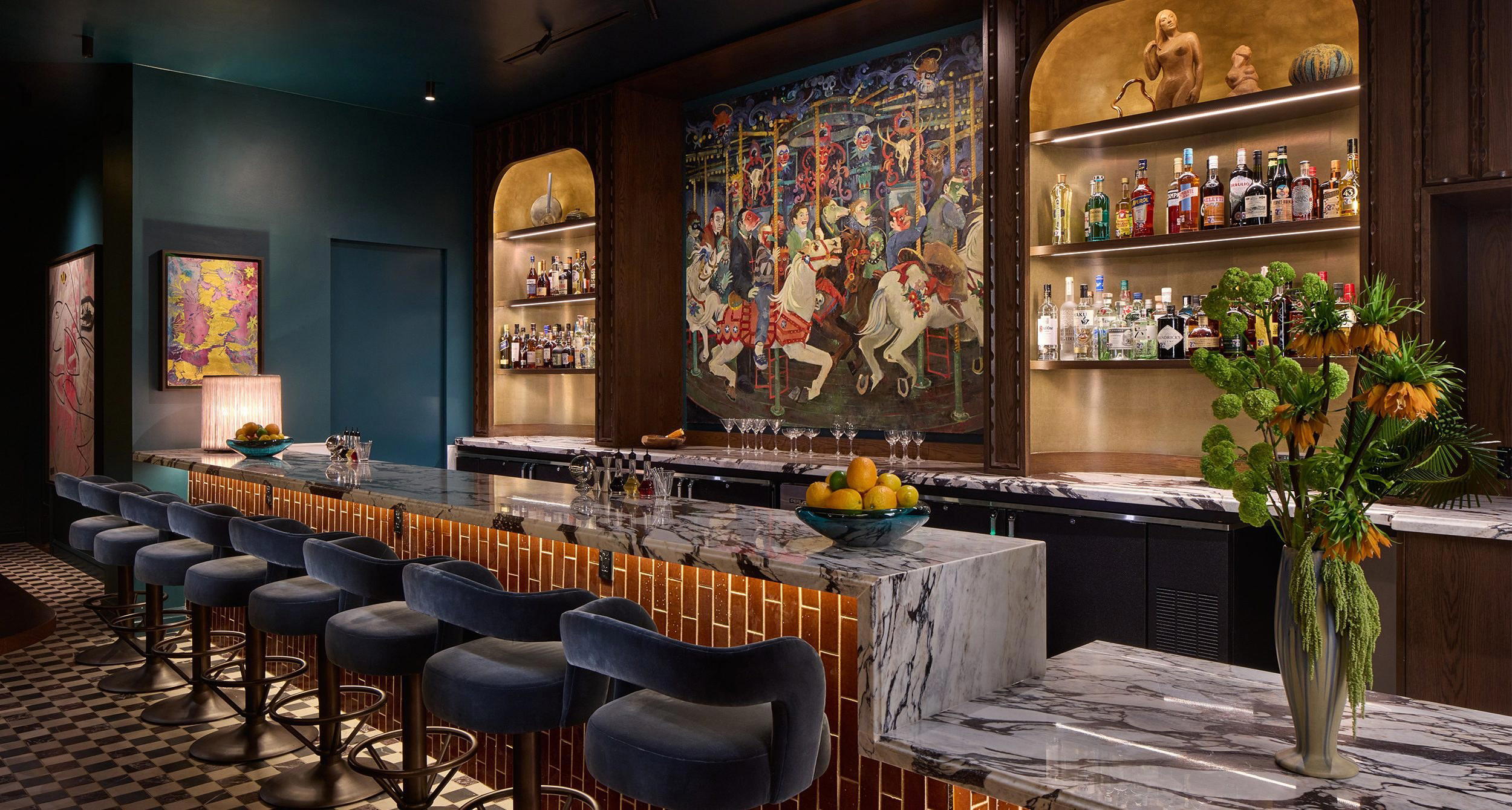
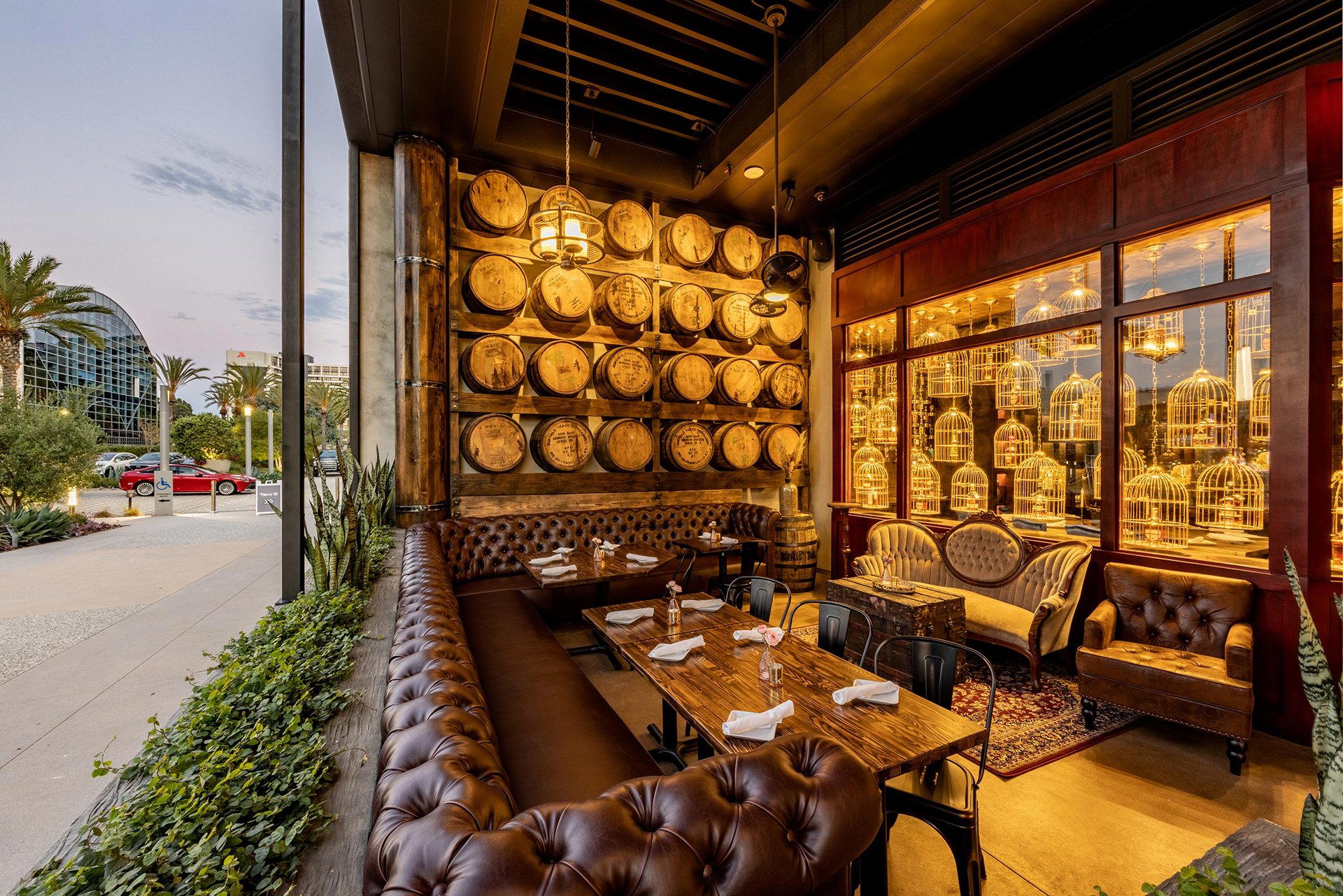
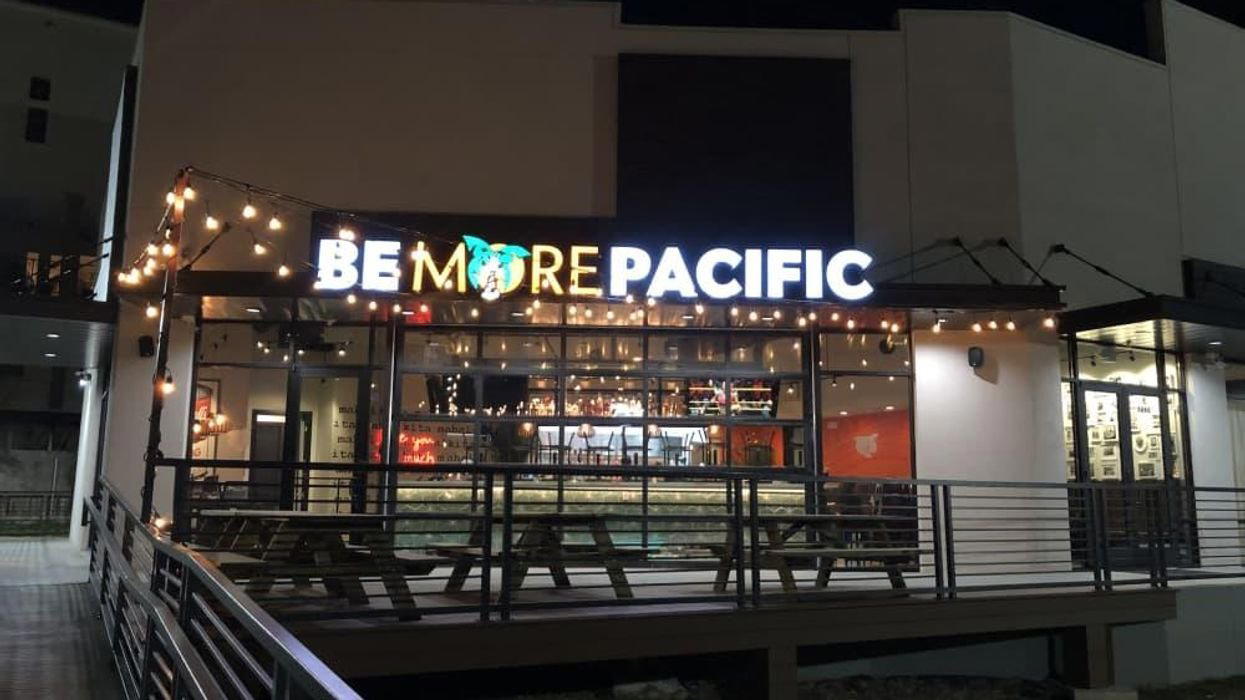
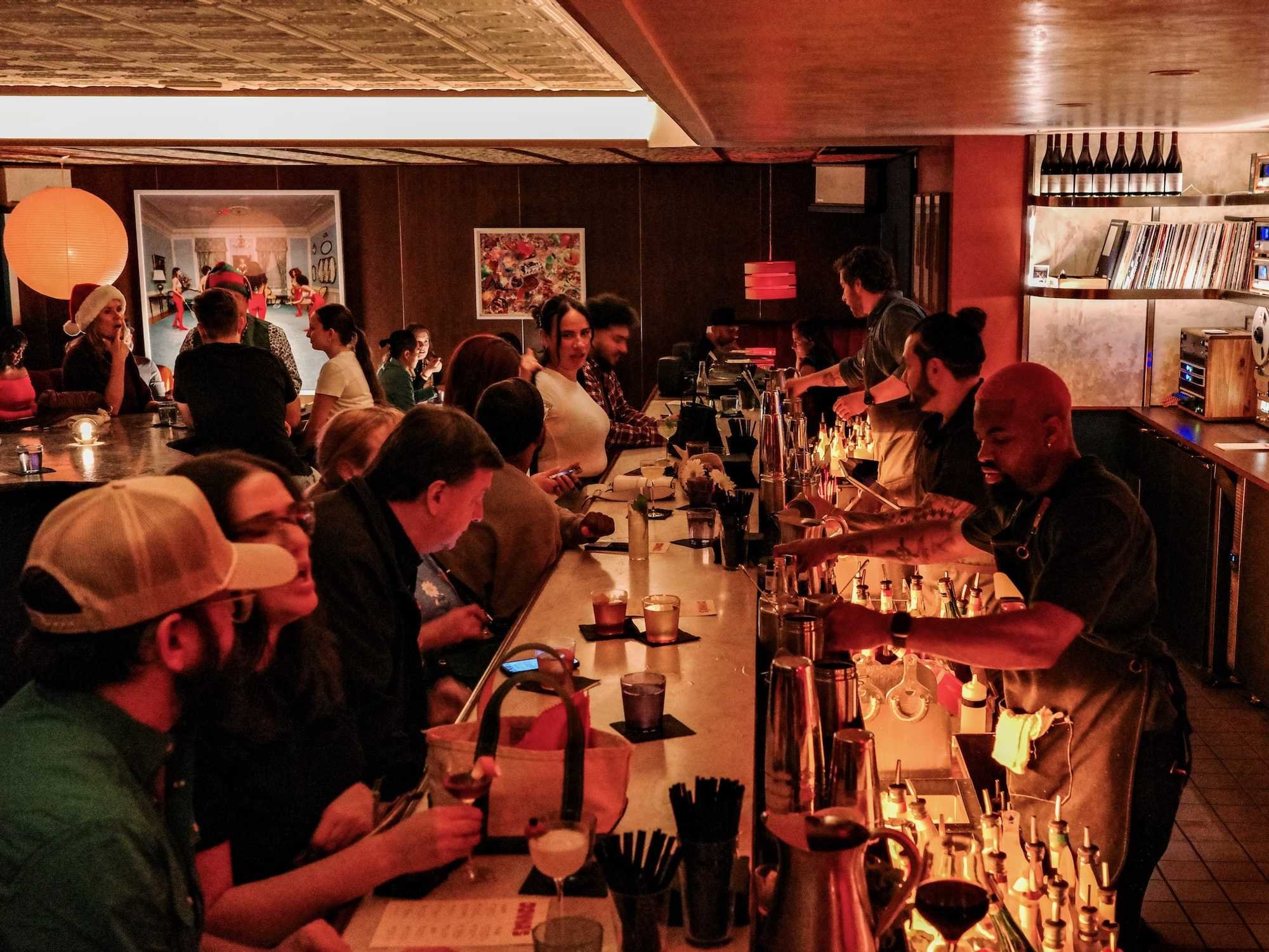
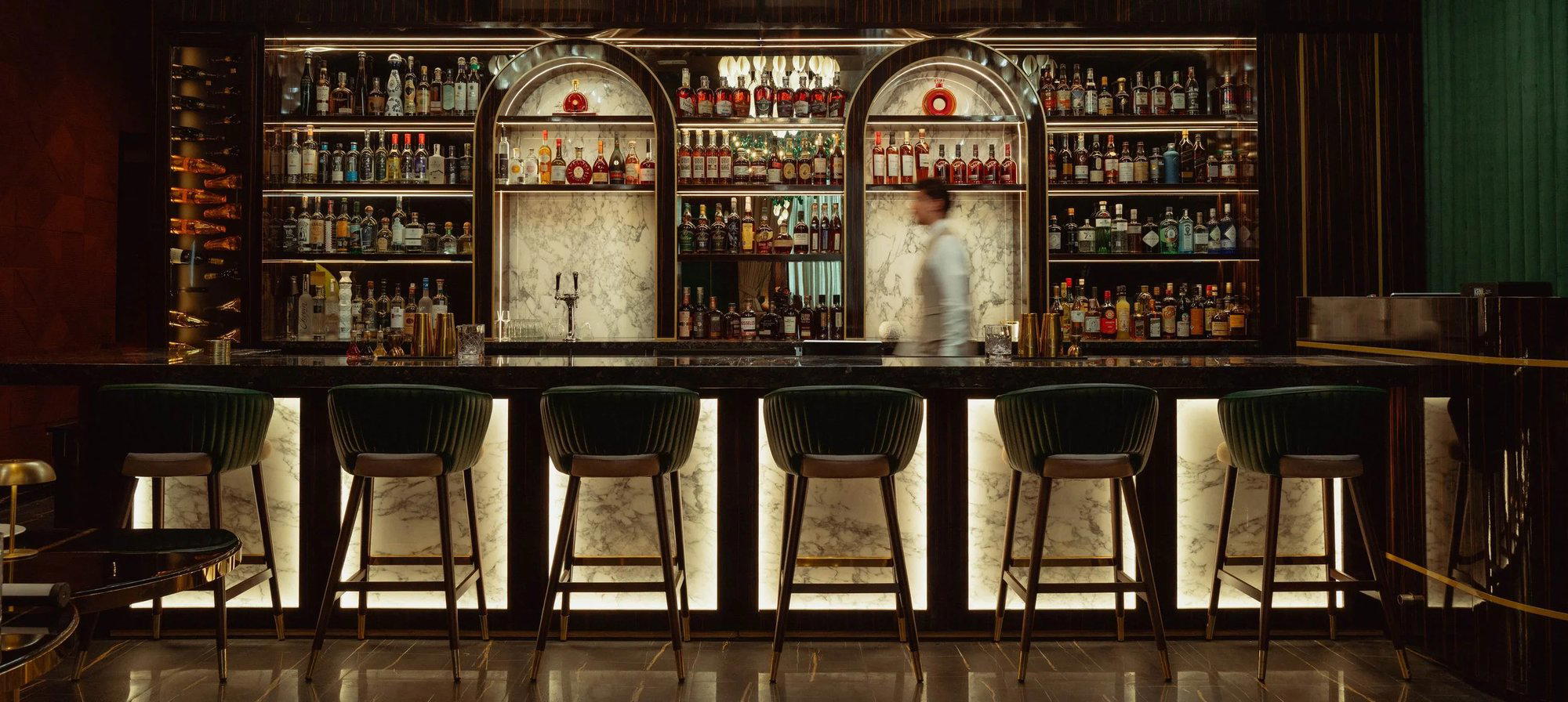
Hotels in Houston
Browse all →

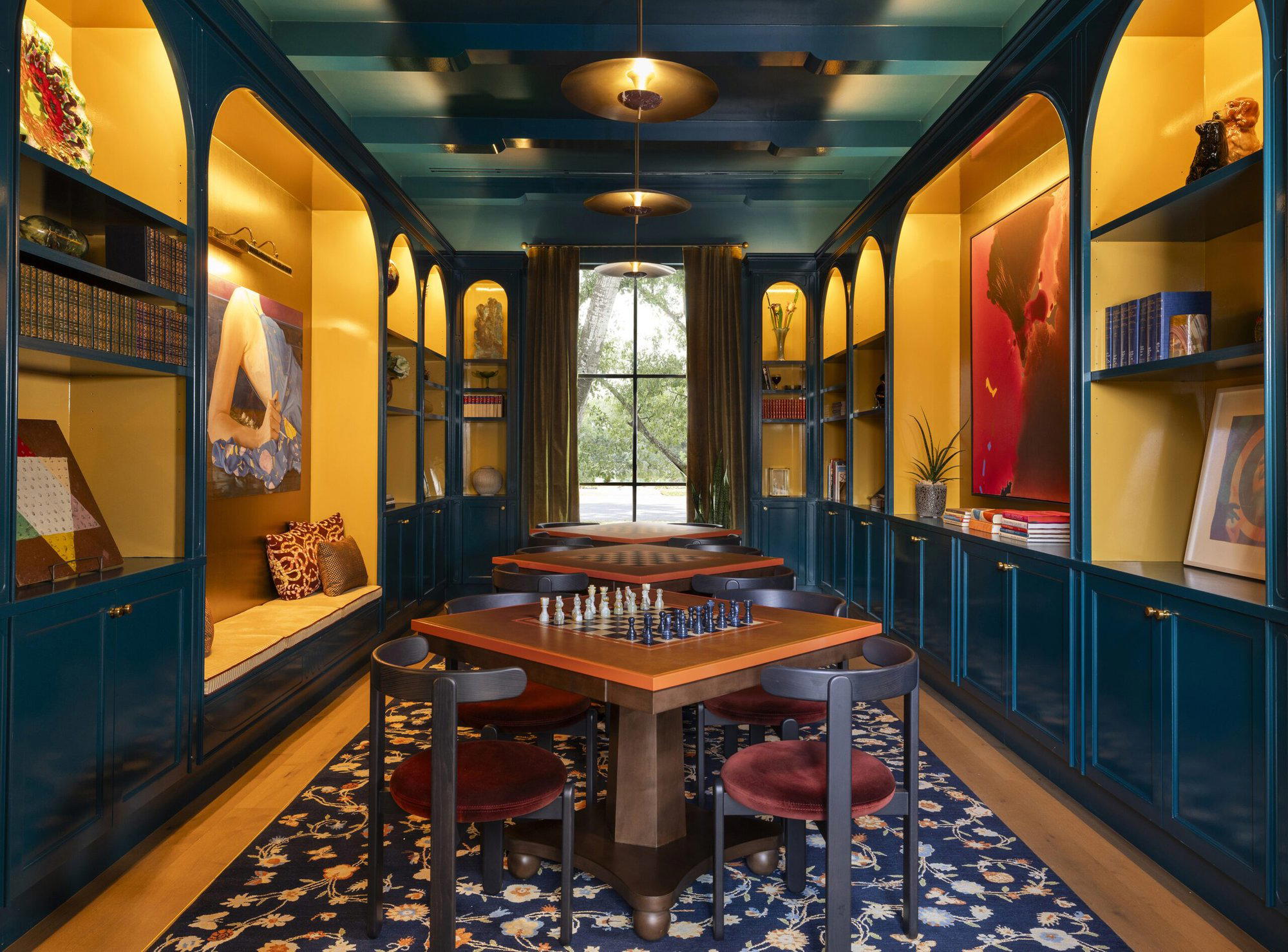

Wineries in Houston
Browse all →
At a Glance
- Lively
- Cozy
- Casual
- Group Dining
- Brunch
- Casual Hangout
- Open Kitchen
- Craft Cocktails
Current opening hours
- Monday
- 10 AM–10 PM
- Tuesday
- 10 AM–10 PM
- Wednesday
- 10 AM–10 PM
- Thursday
- 10 AM–12 AM
- Friday
- 10 AM–12 AM
- Saturday
- 10 AM–12 AM
- Sunday
- 10 AM–10 PM
Hours can change for holidays and private events. Last verified .
Welcoming and friendly casual atmosphere ideal for groups with moderate noise levels.
Know Before You Go
- Getting there
- 6935 Farm to Market 1960 Rd W Suite D, Houston, TX 77069